I just can’t get enough
A conversation with Danish art collector Claus Busch Risvig
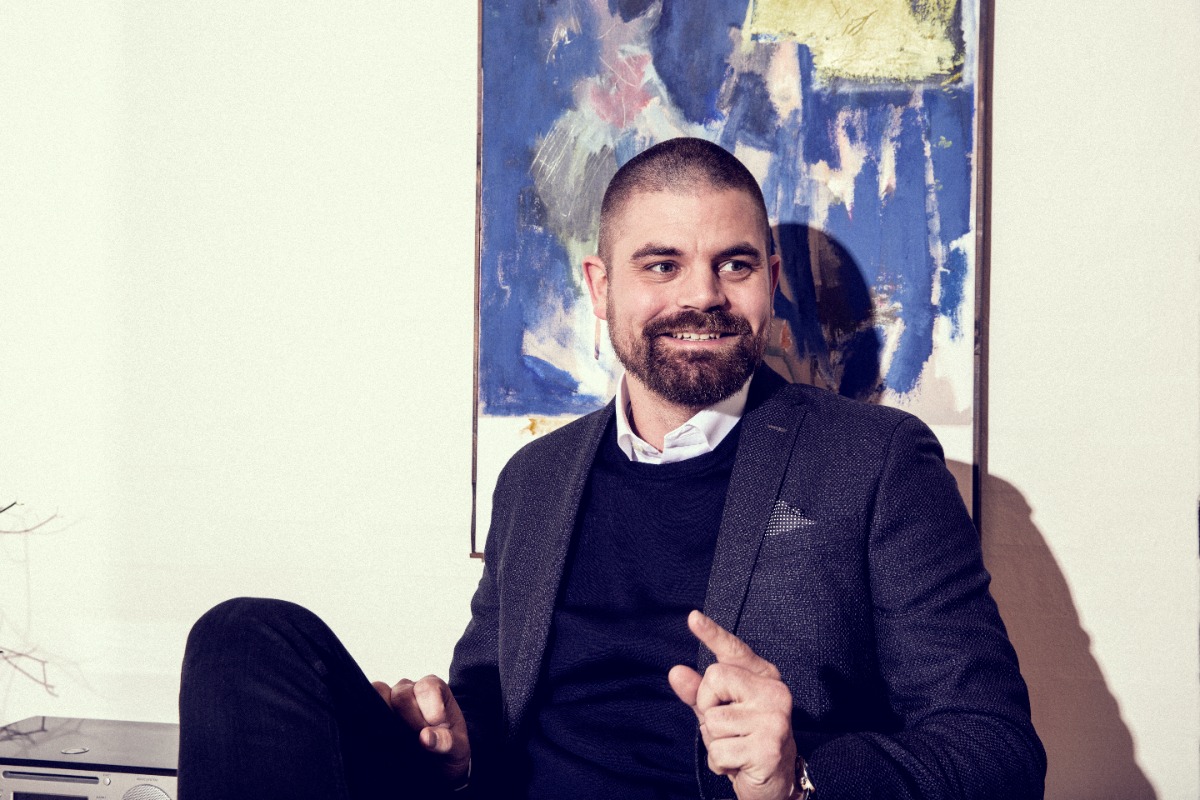
Meet Claus Busch Risvig, an art collector from Silkeborg, Denmark. His journey into the world of visual art began in 2009, all thanks to a delightful introduction by his now fiancée and partner-in-art, Stine Bech. Since that serendipitous moment, their shared passion has evolved into the young and hip Bech Risvig Collection – a contemporary art collection boasting over 300 artworks.
Claus and Stine’s collection transcends mere static display; it embodies an evolving legacy of their shared journey and values, manifested through minimalist, abstract, figurative, and conceptual artworks. Upon closer inspection, one will uncover a repository of ideas, questions, and profound thoughts by emerging and established Northern European visual artists. Yet their collection extends beyond these borders, featuring bold artistic infusions from Iran and other regions as well.
The Bech Risvig Collection has been featured twice at the Art Pavilion Videbæk in Denmark. The latest exhibition drew inspiration from the 2013 documentary Herb and Dorothy, which narrates the story of Herbert and Dorothy Vogel, a collector couple from New York known as ‘proletarian art collectors’ who built a world-class art collection through modest means in a one-room apartment. The Vogels’ story deeply resonates with Claus and Stine. They openly acknowledge that, much like the Vogels, they lead a fairly ordinary professional life. Although their financial resources may exceed those of the Vogel couple during their collecting years, Claus and Stine find inspiration in the idea that collecting art is not exclusive to the affluent. Their story serves as a reminder that passion and dedication can yield remarkable results, even assembling something meaningful with limited means.
In 2016, Claus Busch Risvig was a curator at the first edition of CODE, Scandinavia’s only international art fair. In 2018, he was on Apollo Magazine’s ‘40 Under 40’ list of the most inspirational young people in the European art world. He sits on the advisory board at Plop Residency in London and serves as a board member of Silkeborg Kunstnerlegat, a private funding body that grants stipends to emerging artists up to 40 years of age to produce their work.
Installation view of Bech risvig Collection in Silkeborg, Denmark. Artist, Oli Epp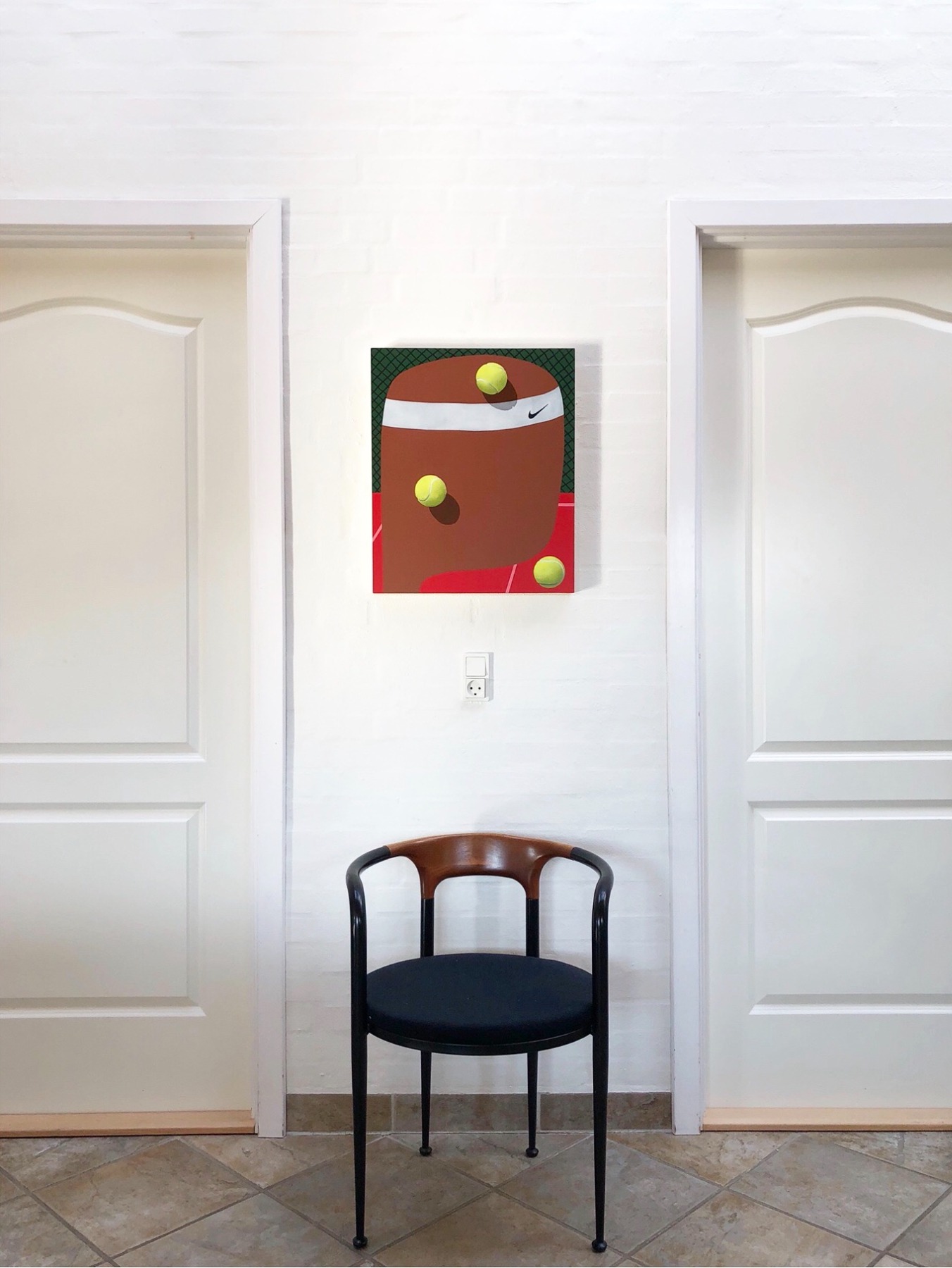
Could you please share when and how your journey into art collecting began?
From a young age, I’ve always had a keen interest in collecting various items. Growing up, our home lacked art on the walls, and my exposure to art was limited to mandatory museum visits during primary school. However, my relationship with art underwent a fundamental shift when I met my now-fiancée, Stine, and her family. While my in-laws may not label themselves as art collectors, their frequent invitations to join them in exploring museum shows and galleries played a pivotal role in opening up the world of art, for which I am immensely grateful.
Upon moving together with Stine into a new apartment in Aarhus, we sought to infuse a personal touch and decided to invest in an art piece. Following a recommendation from her parents, we turned to the Charlotte Fogh Gallery. There, we acquired two lithographs by the Danish street artist HuskMitNavn, thereby marking the inception of our art collection.
Installation view of Bech Risvig Collection in Silkeborg, Denmark. Artists, Richie Culver & Maiken Bent. Courtesy of Bech Risvig Collection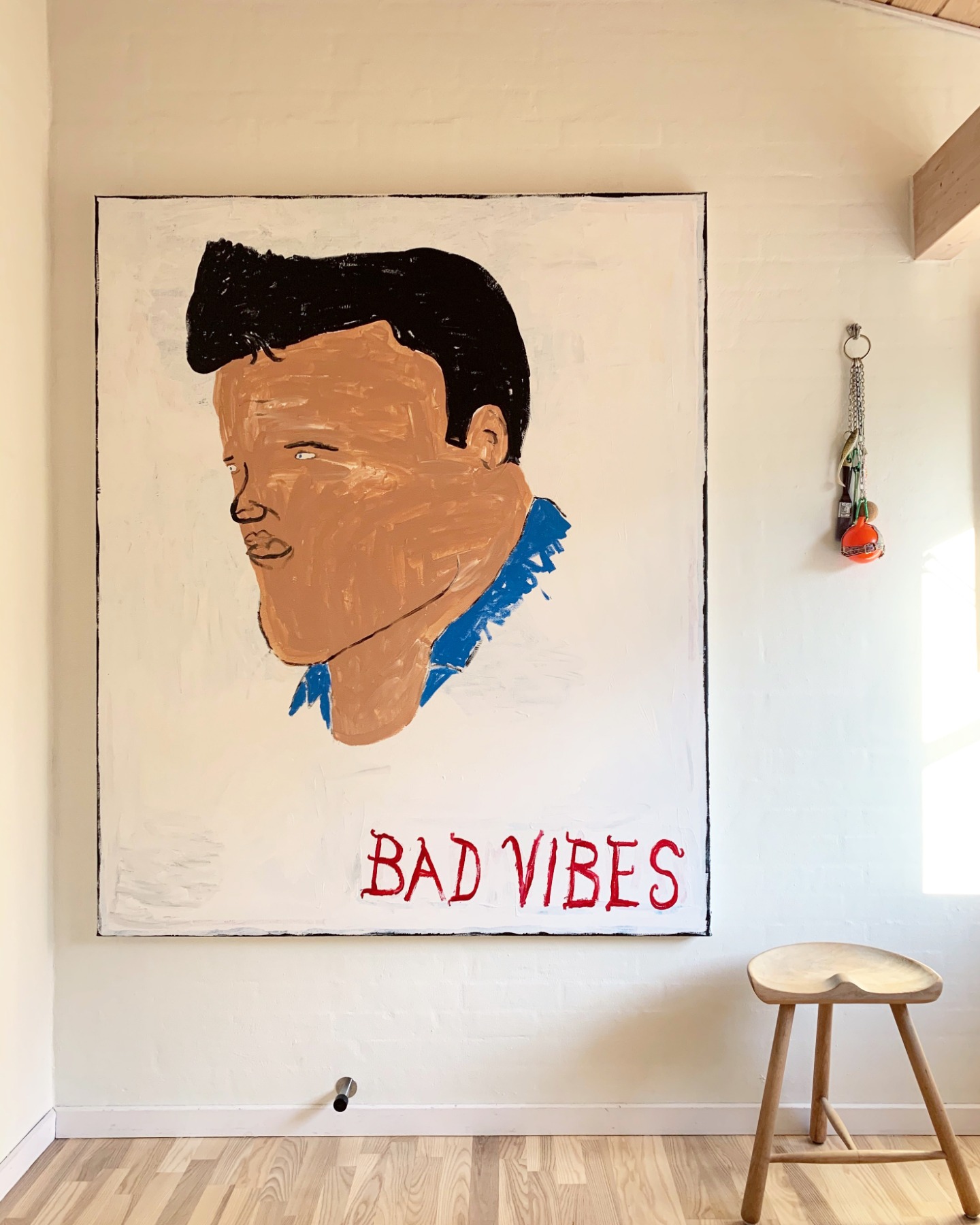
You mentioned that you liked to collect early on in life. What were you interested in?
Even during my ‘90s skater-boy phase, I was a bit of a nerd gathering various trinkets, stamps, coins… Later on, music memorabilia took centre stage, particularly items related to Depeche Mode. I even sport a tattoo of a rose from their Violator album. If something intrigued me, I delved into it, soaking up information from books, magazines, or anything available. When art became a part of my life, my approach remained consistent. I can confidently say that I’ve read every art book in our local library. Admittedly, the library isn’t that big, and I quickly exhausted its resources on modern art movements like Impressionism, Abstract Expressionism, Futurism, Conceptualism, and more.
The expansive history and ever-evolving nature of visual art means I can’t possibly know everything, and that excites me. In those rare moments between caring for our children, I still manage to carve out time for reading about art.
Habib Farajabadi, Untitled, 2013, Acrylic on canvas, 150 x 120 cm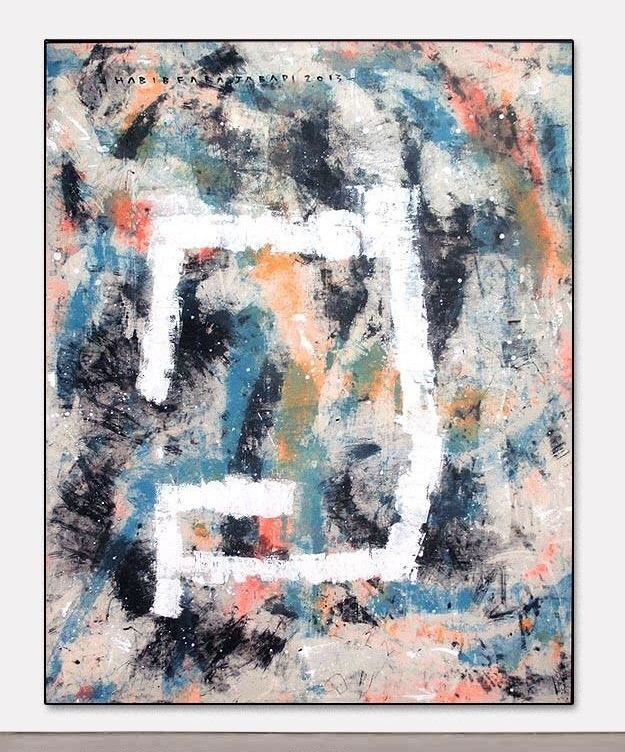
How would you describe your and your partner’s taste in art?
Our collection represents a bandwidth of genres – from abstract, conceptual, minimalistic and figurative to two-dimensional and three-dimensional artworks by both national and international artists. However, we do primarily have abstract and conceptual artworks in our collection, which I’m particularly drawn towards. Mostly, those kinds of pieces that would be considered hard-to-sell works, conceptual work that reveals itself in layers – firstly, it touches you on an emotional level, and later, on an intellectual level that either has surprises in its cleverness or gives me a new way of looking at the world. I admire the courage of creatives working in such restricted environments such as Iran.
Amir Khojasteh, The heads, 2016, Oil on canvas, 40 x 55 cm. Courtesy of Bech Risvig Collection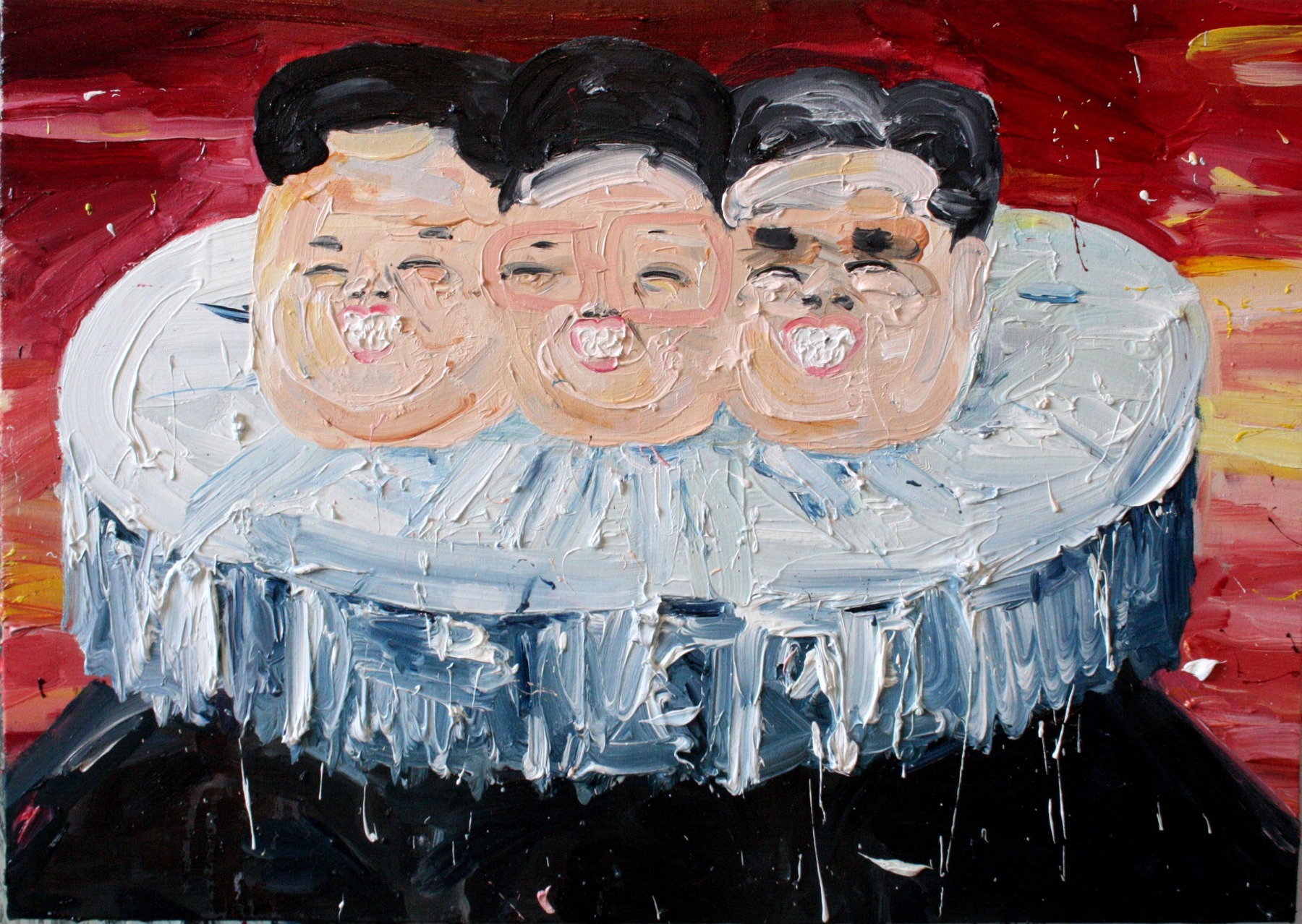
Your art collection is celebrated for its diversity, spanning various mediums and styles. Which artworks from your collection would you like to introduce and share with the public?
About a decade ago, we delved into the world of Iranian visual art, captivated by the works of artist Habib Farajabadi. This sparked my inner curiosity, prompting a deep dive into Iran’s history, Persian arts, their influences, and contemporary Iranian art. Unfortunately, there isn’t much literature available on contemporary Iranian art.
Within this realm, we encounter exceptionally bold artists like Amir Khojasteh, who skillfully portrays both historical and contemporary political leaders. Interestingly, the only leader absent from his portrayals is the leader of Iran, a deliberate political commentary by the artist.
Most artists in our collection reside in Iran, and our guiding principle is ‘Made in Iran’. However, we also feature the work of Canada-based Iranian artist Mahsa Merci. One notable piece of hers is The Gaze (2019), a mixed media work consisting of 24 small square canvases depicting the eyes of Iranian transsexual females. It’s crucial to note that being transsexual in Iran is illegal, and discussing this topic is prohibited. Merci created this somewhat controversial piece while living in Iran, exhibiting it courageously in a Tehran art gallery. The astonishing aspect is that she faced potential arrest, and the gallery could have been shut down. Despite these risks, she bravely persists in addressing LGBTQ+ issues.
Mahsa Merci, The Gaze, 2019, Mixed media, 84 x 65 cm. Courtesy of Bech Risvig Collection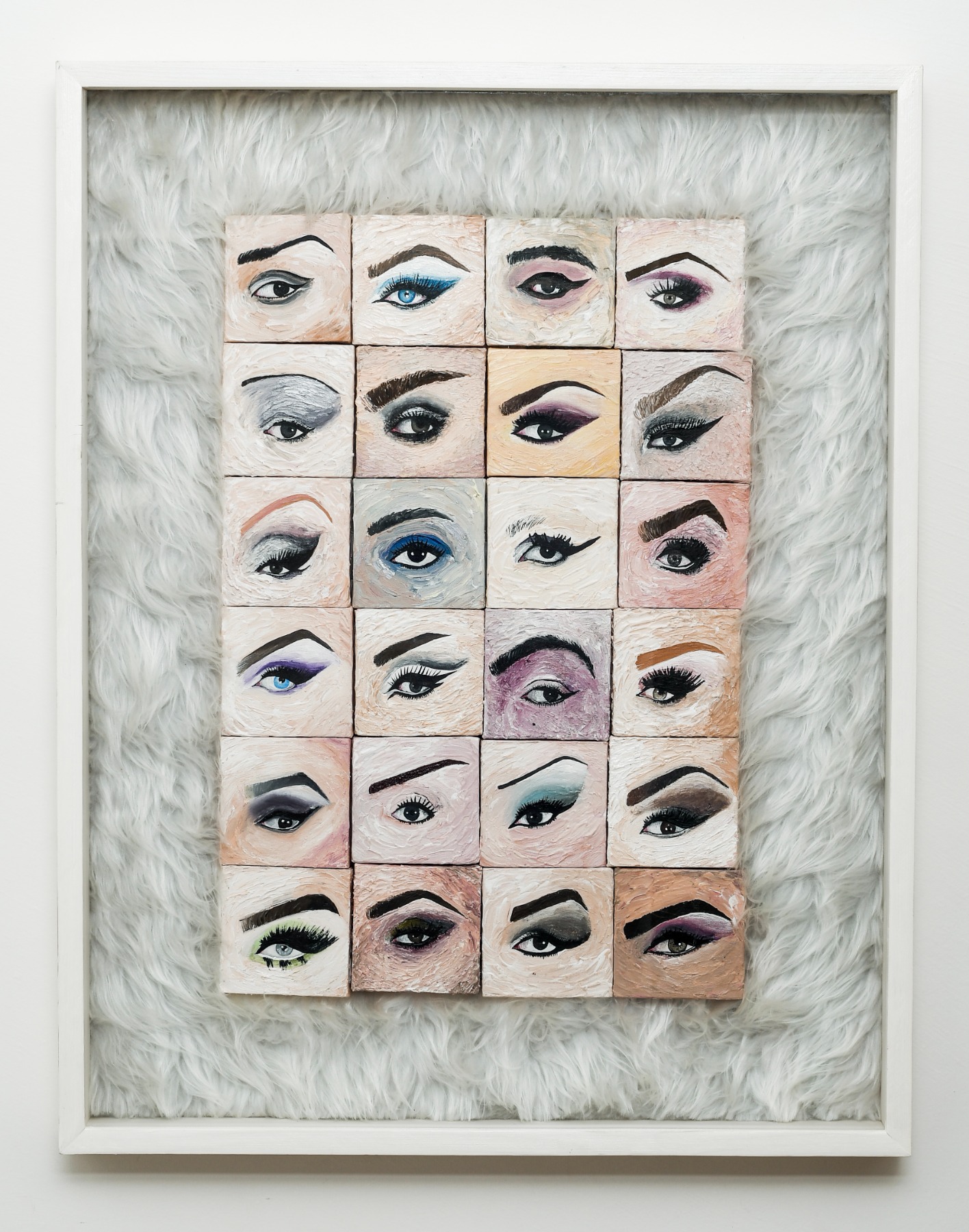
Your collection consists of around 170 individual artistic units. How do you mainly discover artists and their work?
From the beginning, I’ve been navigating the digital realm to uncover exciting artistic finds, particularly on platforms like Instagram. I have never hesitated to acquire art through Instagram or by responding to gallery offers in PDF format. Currently, my fiancée and I are reviewing an artist catalog. I shared the works with our kids to get a third opinion.
Is viewing a painting online sufficient for you to decide on acquiring it?
Truly, there’s nothing quite like dedicating enough time to experience a work of art firsthand, be it at an exhibition or within the artist’s studio. Art fairs offer rapid glimpses into gallery offers. Sometimes it’s a mini-celebration for me when I finally come across an artist’s work in a gallery booth after previously following their practice online. There’s a unique thrill in discovering the intricacies of a piece in the physical space that online platforms may not capture. However, in all my experiences, I’ve never found myself in a situation where, after purchasing a work online without first previewing it in person, I thought, ‘This wasn’t what I expected.’ More commonly, my reaction has been, ‘Wow, it’s much better than I anticipated.’
Installation view of Bech Risvig Collection in Silkeborg, Denmark. Artists, Ismar Cirkinagic, Mikkel Carl and Hiva Alizadeh. Courtesy of Bech Risvig Collection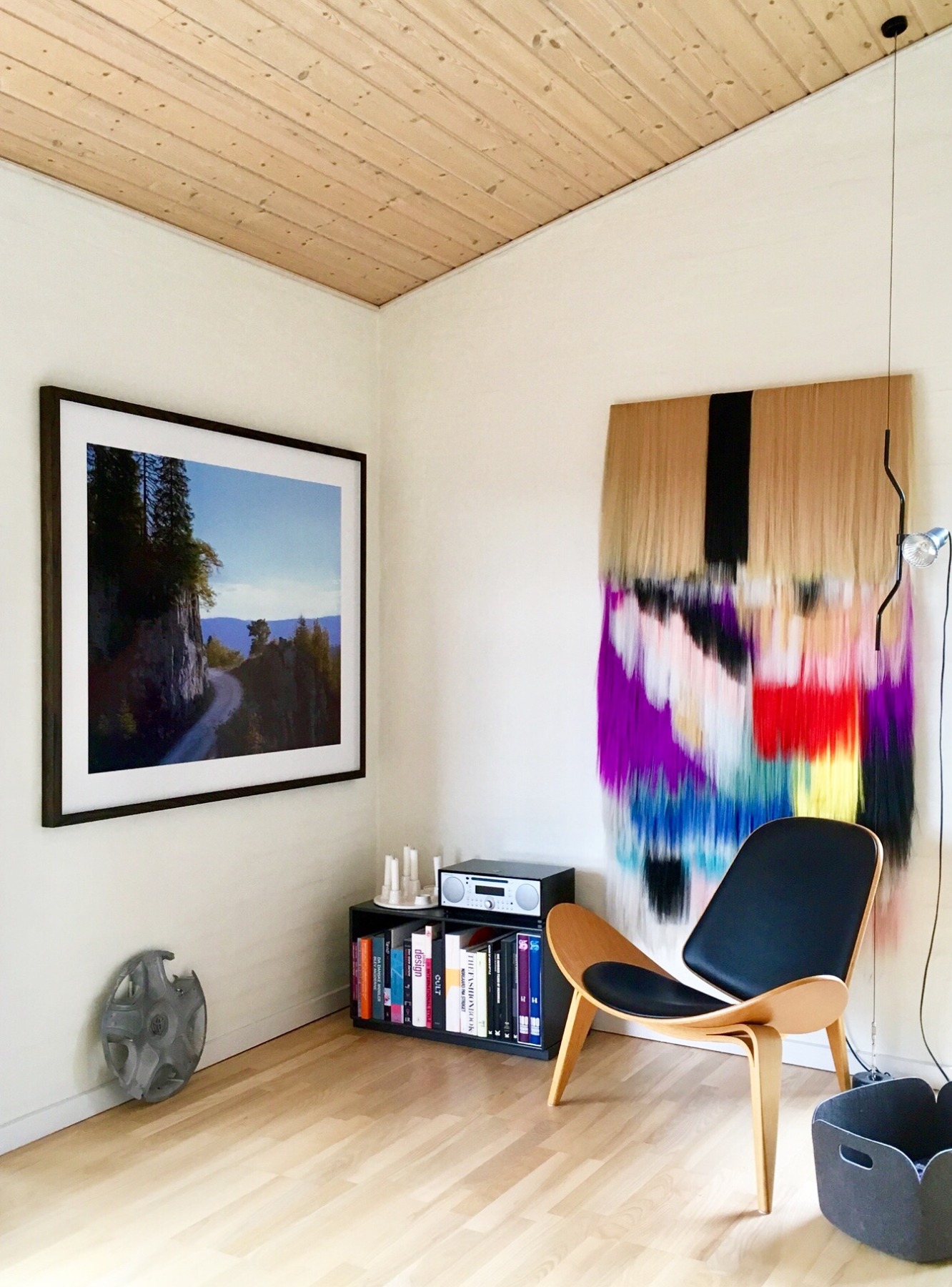
Do you acquire more than one piece from an artist? Do you collect in-depth?
Yes, occasionally we do. We’ve also acquired works from emerging artists without gallery representation. On occasion, we’ve even assisted them in securing gallery representation afterward. It’s a rewarding experience to observe artists evolve and eventually land spots in reputable galleries.
However, there are instances when certain artists quickly become too expensive for us. When you discover an artist and contribute to boosting their market value, there comes a point where affording their work becomes challenging. It’s just the nature of the art world. When artists reach a point where they can sustain themselves and thrive through their creativity, it’s nothing short of amazing.
Neda Zarf saz, From outside or otherwise, 2013 Video, duration 00.23.11. Edition 4 of 5 + 1AP Courtesy of Bech Risvig Collection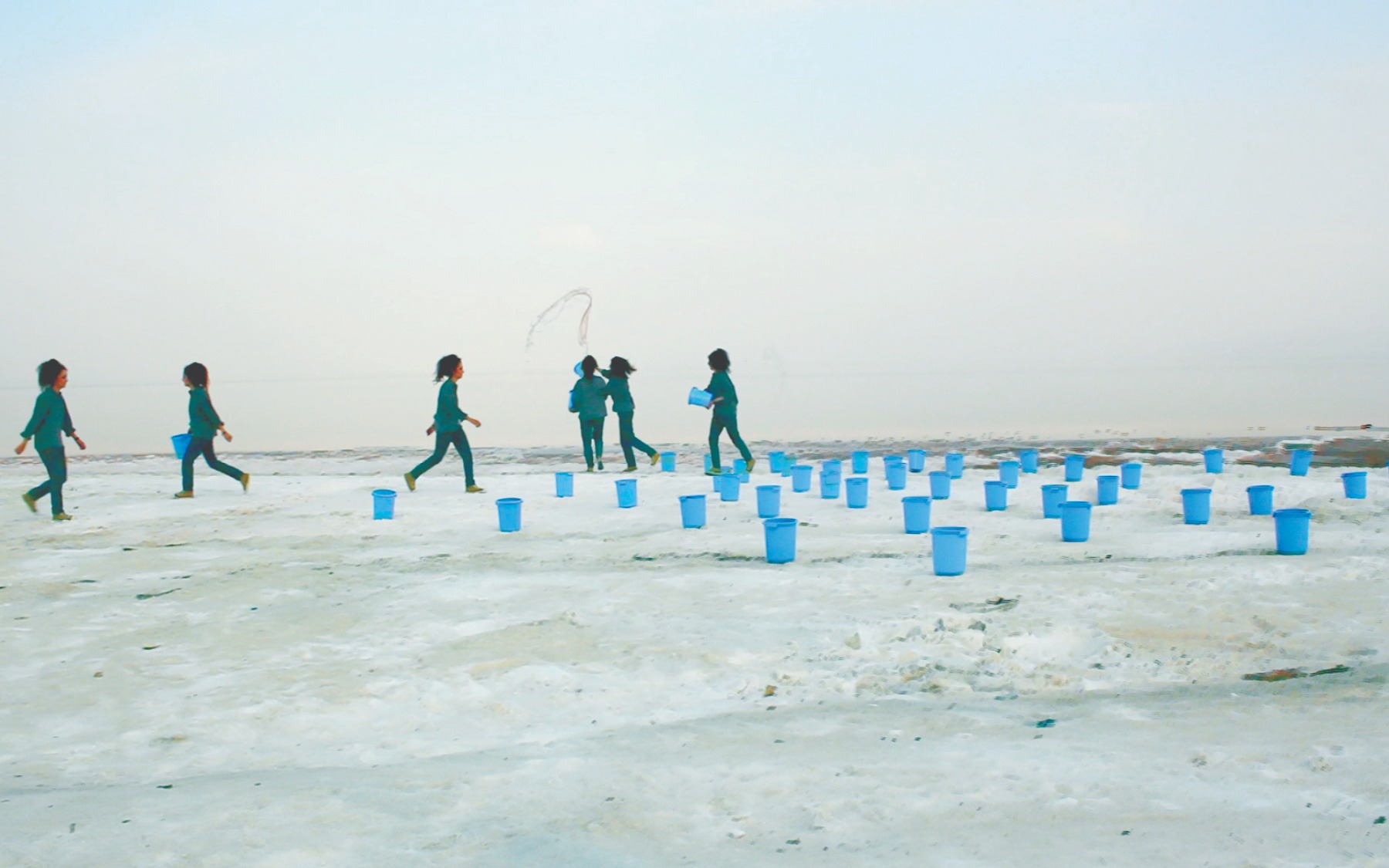
Denmark holds its continued role as a green leader in the EU. Do you have any artists or artworks in your collection that specifically delve into sustainability?
One notable piece for me is the video work titled From Outside or Otherwise (2013) by Iranian visual artist Neda Zarfsaz, which explores the theme of climate change. In this performance video, Zarfsaz sheds light on Lake Urmia in northwestern Iran, a salt lake steeped in centuries of Iranian culture, surrounded by myths and legends. Unfortunately, recent times have witnessed the lake facing drought, resulting in water depletion and endangering its wildlife. The video captures the artist’s endeavor to counter this alarming trend as she pours numerous buckets of water into the lake. While one might expect Iranian artists to focus on urgent issues, particularly those affecting women in the country, Zarfsaz deliberately chooses to confront challenges that extend beyond herself.
Does sustainability play a role for you as a collector?
I’ll admit that sustainability is not the first thing on my mind when I go into a gallery. I don’t see my online art hunting or my decision to keep my travels for art more local as a way of greenwashing. I tend to acquire works that are close by, except for those from Iran. Yet, I strongly feel that the beauty of Iranian art should reach far beyond Iran’s borders.
Ismar Cirkinagic, Execution place Mass grave Koricani, 2015, C-print on Kodak paper, edition 1 of 3 + 1AP, 104 x 125 cm. Courtesy of Bech Risvig Collection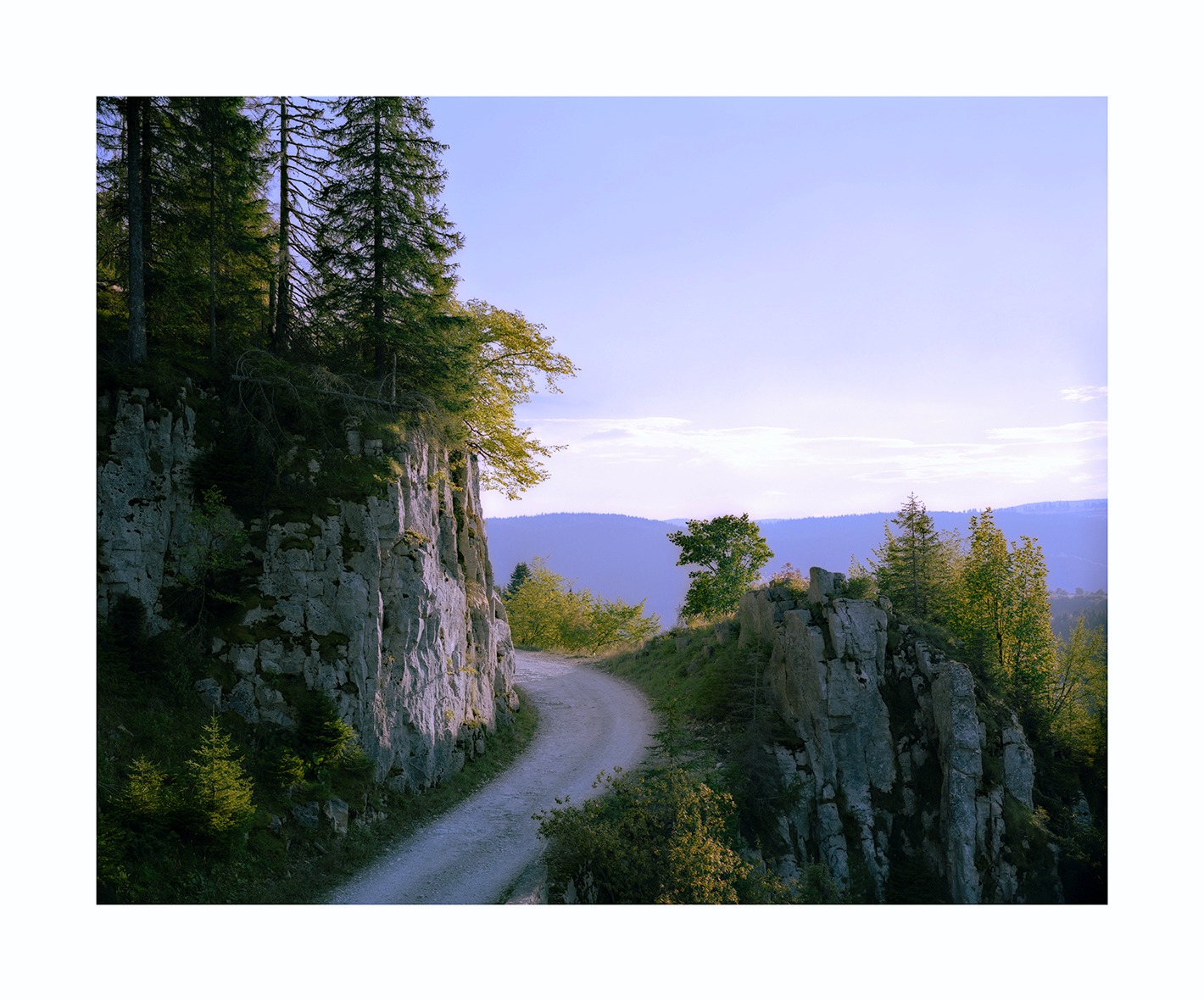
The Skagen Painters, a group of Danish artists from the late 1800s, settled in the northern tip of Denmark where the Baltic Sea meets the North Sea, and worked en plein air to capture the unique meeting point of these two seas and the light during the evening ‘blue hour’. How would you describe the influence of the Danish coastal environment on you?
Growing up in a country predominantly surrounded by the sea inevitably shapes one’s life preferences. When it comes to art, I find myself drawn to paintings that embody a vigorous physicality: dynamic brushstrokes reminiscent of the powerful movements found in open waters. The western coast of Denmark, in particular, stands out as the most rugged part. There are big open skies and open waters where beauty meets the fierce power of nature – qualities I deeply appreciate in art. This blend of soothing beauty and harshness is evident in the mountainous photography of Bosnian-Danish visual artist Ismar Cirkinagic, titled Execution Place Mass Grave Koricani, 2015. Additionally, there’s another poignant piece titled Herbarium, 2012, in which Cirkinagic delicately frames a dried-up flower and includes a small note detailing its origin and the number of people buried there. It’s heartbreaking, yet there’s a poetic and beautiful essence to it.
Amalie Jakobsen, Untitled (Blue and White), 2017, Steel, acrylic and spray paint, 70 x 50 x 32 cm. Courtesy of Bech Risvig Collection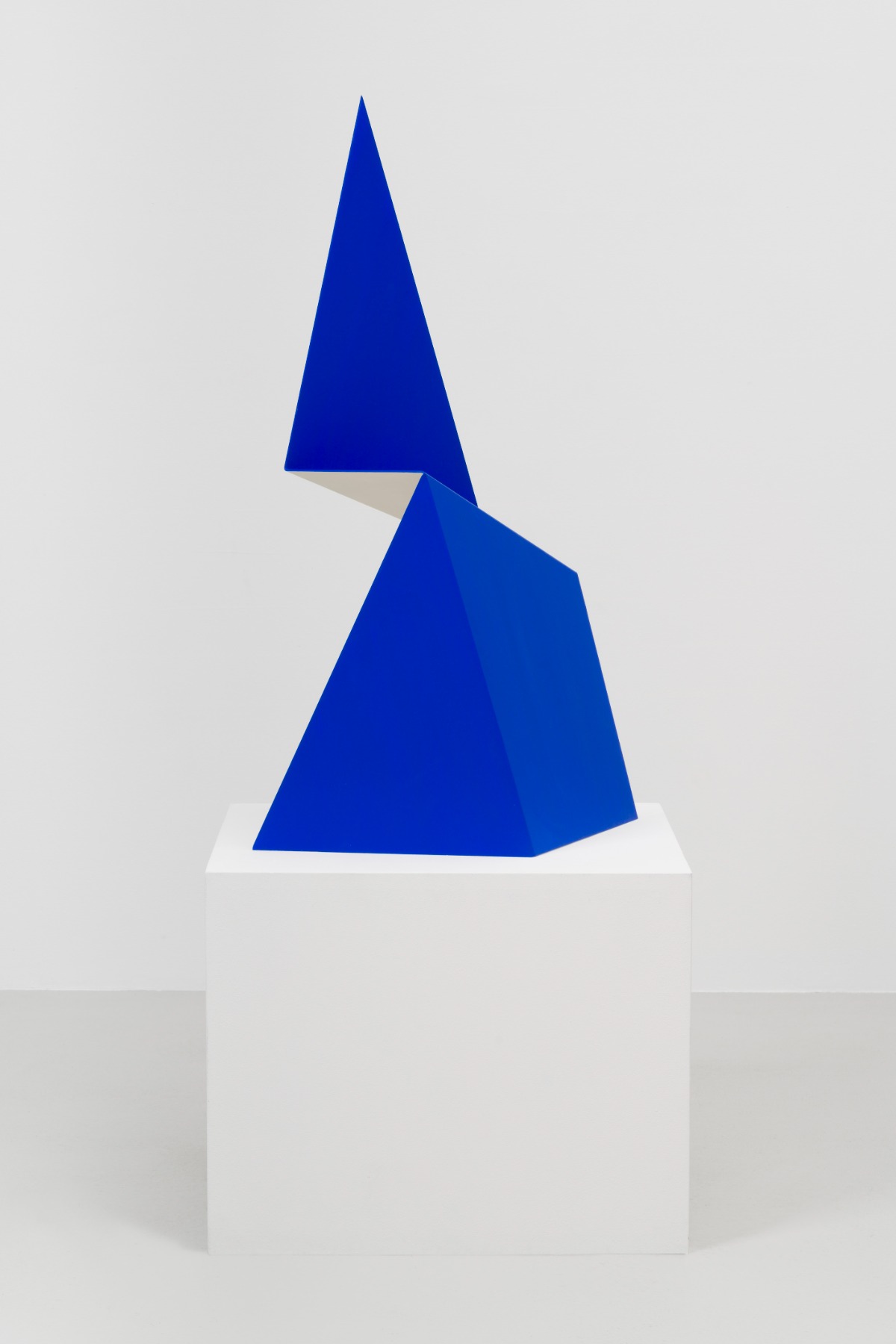
What characterises the prevailing mentality towards art collecting in Denmark?
Denmark is not widely known for its art collectors, although there are some notable practitioners. We’ve got some impressive collections from the past, but the art-collecting scene differs from what you’d find in countries like Germany, Belgium, or Italy. Here in Denmark, it’s not common to see collectors donating their art pieces to state museums. According to intel from folks in the museum scene, these institutions receive very few, if any, private donations annually. Without support from foundations, expanding state museum collections is quite a challenge.
Selected works from the Bech Risvig Collection. Exhibition View. Huset for Kunst og Design, Holstebro, 2017. Courtesy of Bech Risvig Collection. Photo: Luna Lund Jensen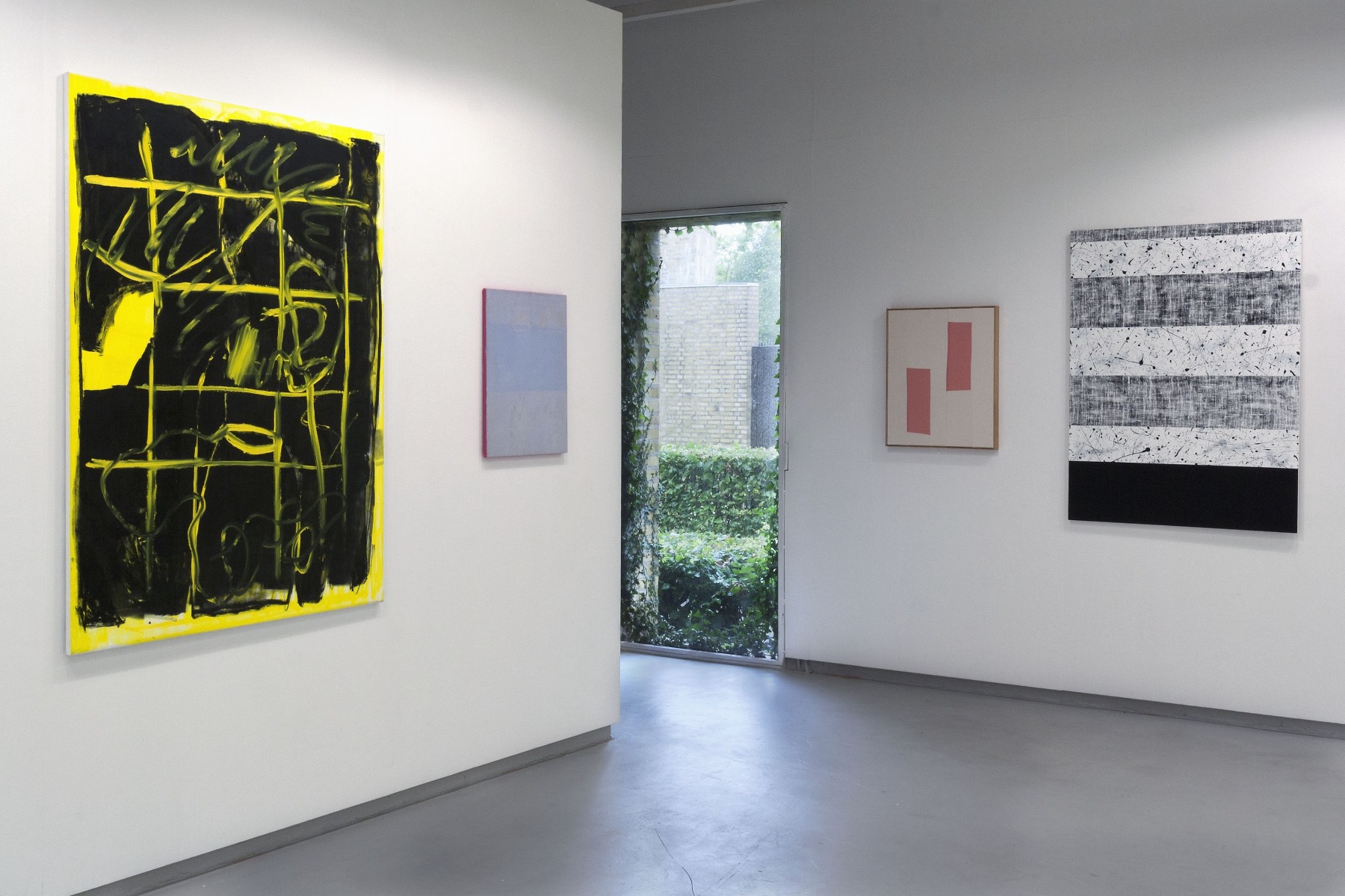
Can you discuss any plans for your art collection, such as exhibitions, or philanthropic efforts related to your collection?
Looking ahead to 2025, the HEART Herning Museum of Contemporary Art, Denmark, will feature artworks from our collection alongside pieces from five other Danish collectors.
On the philanthropic front, we have contributed artworks by Danish and Italian artists to the ARoS Aarhus Art Museum and the HEART Herning Museum Of Contemporary Art in Denmark. Considering HEART’s extensive collection of Italian art in Northern Europe, we believed our donations would complement their existing array. [HEART currently holds the largest public collection of Manzoni’s works, mainly created in Herning in 1960 and 1961. The Italian section also includes pieces by Enrico Castellani, Lucio Fontana, Augusto Bonalumi, Paolo Scheggi, Mario Merz, Jannis Kounellis, and more. – Editor’s note]
Jon Young, Go, 2020, Iridescent fabric, wood and batting, 71 x 71 x 8 cm. Courtesy of Bech Risvig Collection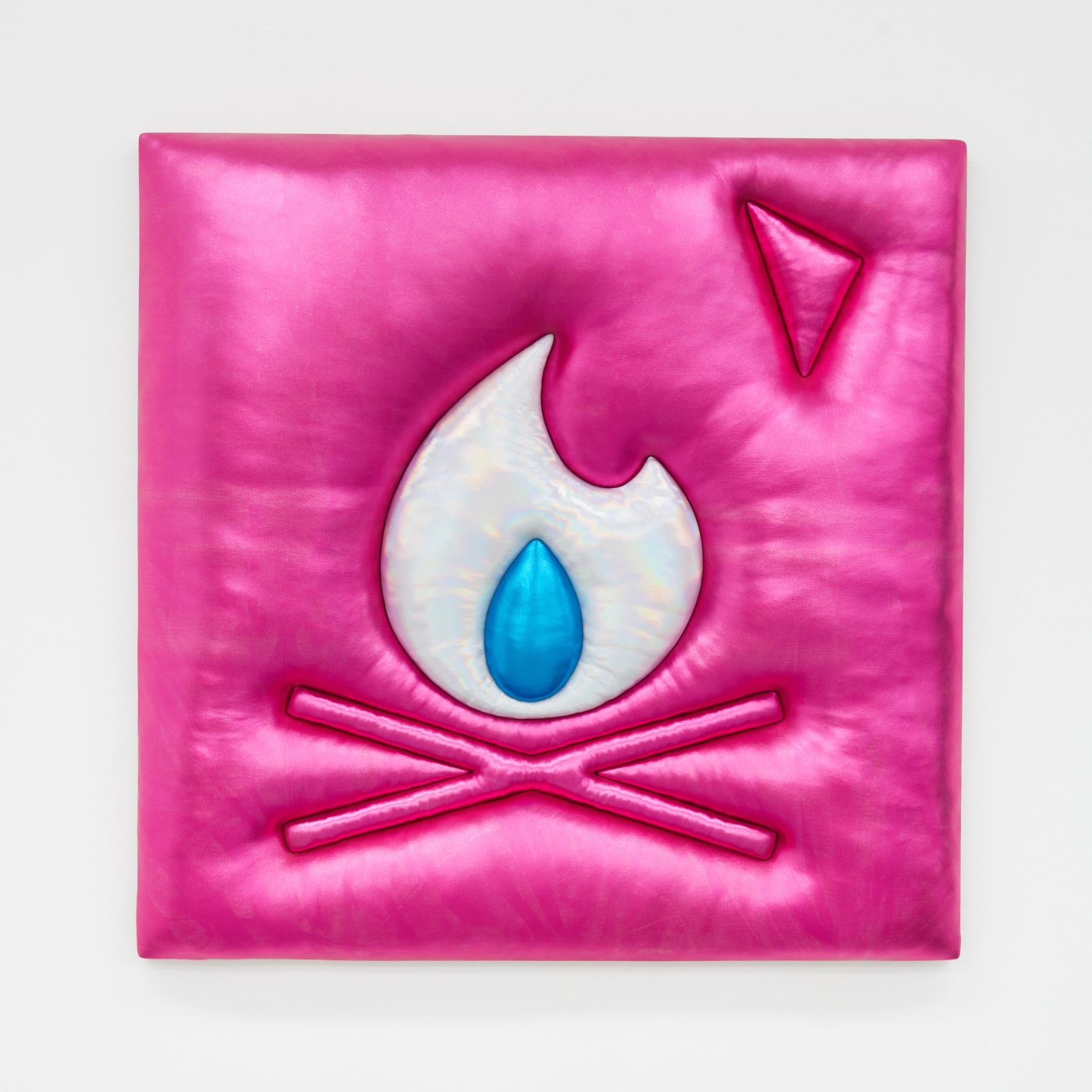
When you stop collecting, what will be ‘the last words’ of your collection?
Personally, I doubt I’ll ever put an end to it. The act of collecting has become somewhat of a compulsion for me. My fiancée and I have been avidly amassing works of art from our generation, allowing us to trace the evolution of various artists’ careers. As I grow older, I’ve noticed that emerging artists appear to be getting progressively younger. Hah!
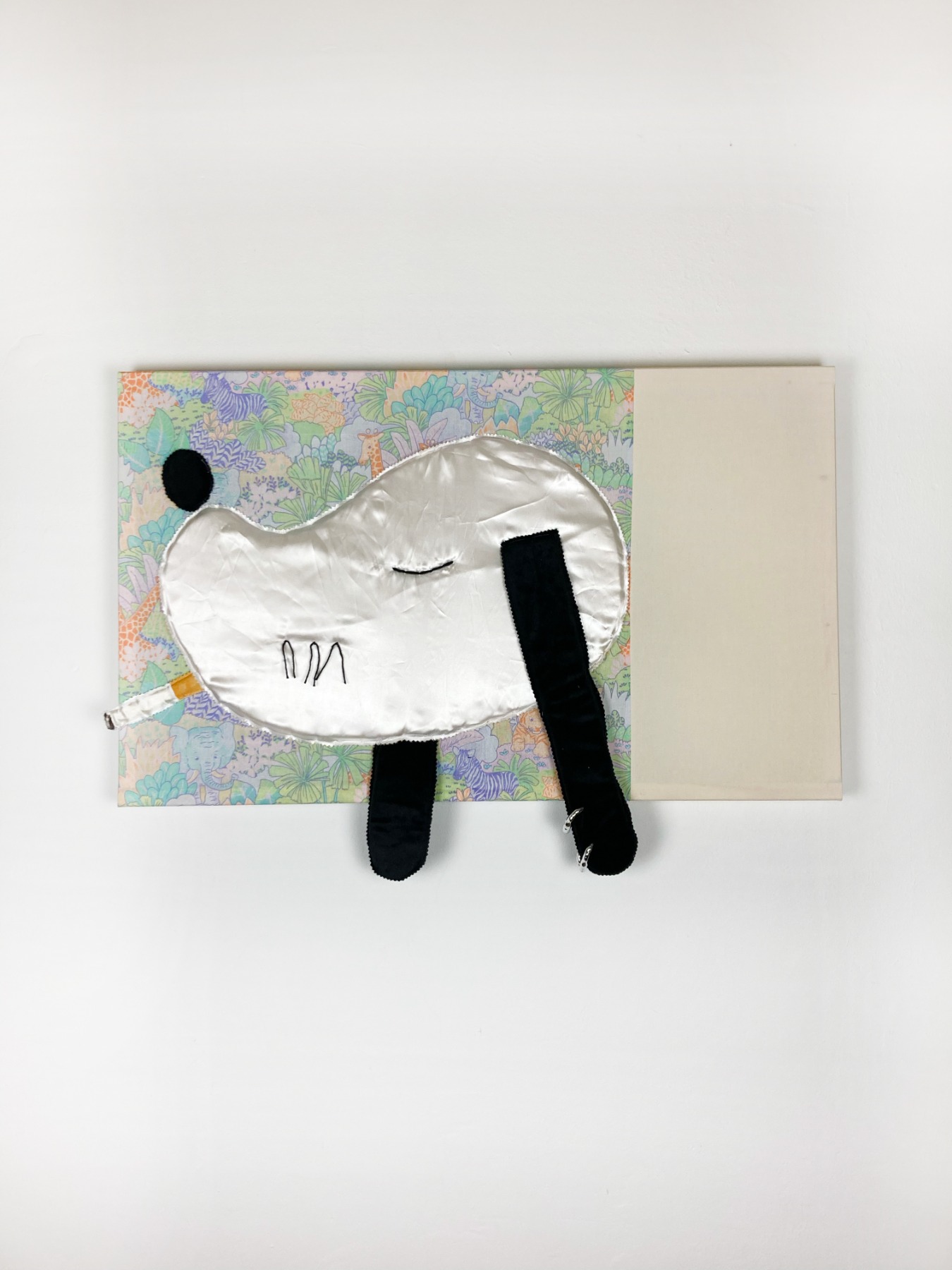
Daniel Ferstl, Jubilee (1978), 2023, satin, velours, yarn, cotton, wool, wood, pvc, canvas, 55 x 90cm. Courtesy of Bech Risvig Collection