


Under the Sign of the Venetian Lion
The 82nd Venice Film Festival wrapped up last week. This year’s competition boasted a star-studded lineup, featuring films by acclaimed directors such as Park Chan-wook, Ildikó Enyedi, Jim Jarmusch, Yorgos Lanthimos, François Ozon, Paolo Sorrentino, and Guillermo del Toro. The out-of-competition program was equally impressive, presenting new works from Sharunas Bartas, Sofia Coppola, Werner Herzog, Vladlena Sandu, Gus Van Sant, and others. Additionally, the Venice Classics section paid tribute to cinematic masterpieces of the past, while Lazzaretto Island offered audiences the opportunity to explore immersive works experimenting with cutting-edge technologies.
With such an impressive lineup, expectations naturally soared — perhaps even too high. Yet, masterful craftsmanship, big budgets, and dazzling visuals don’t necessarily guarantee a masterpiece. A film may be expertly crafted, precisely framed, and built on a solid script, and still leave the impression of being merely “good” — well-made, but not exceptional.
L’Étranger by François Ozon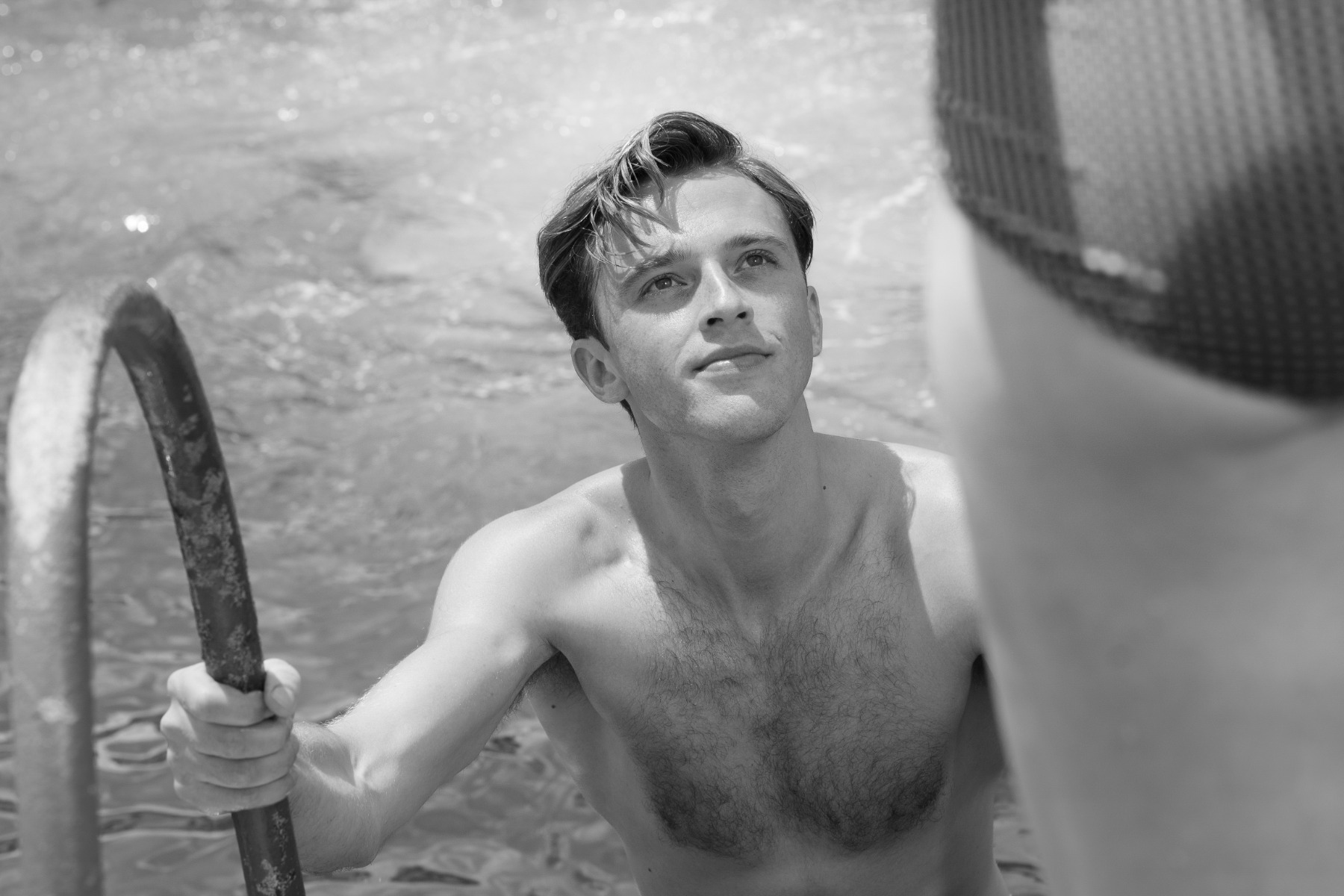
Take L’Étranger by François Ozon, an ambitious adaptation of Camus’s iconic novel. Shot in black and white — presumably to emphasize the historical setting (1940s Algeria) and the philosophical weight of the story — the film nevertheless remains very much an Ozon creation. The camera lingers lovingly on young lovers, their bodies intertwined, savoring each other and the seaside. For a film that aims to reflect existentialist thought, it feels too enchanted by beauty, too full of life, to fully convey the emotional detachment of Camus’s protagonist. As a result, the climactic act of cold-blooded murder seems arbitrary. In the novel, it arises from the character’s internal reflections; on screen, it plays more like the casual sociopathy of a disaffected hipster.
Guillermo del Toro’s Frankenstein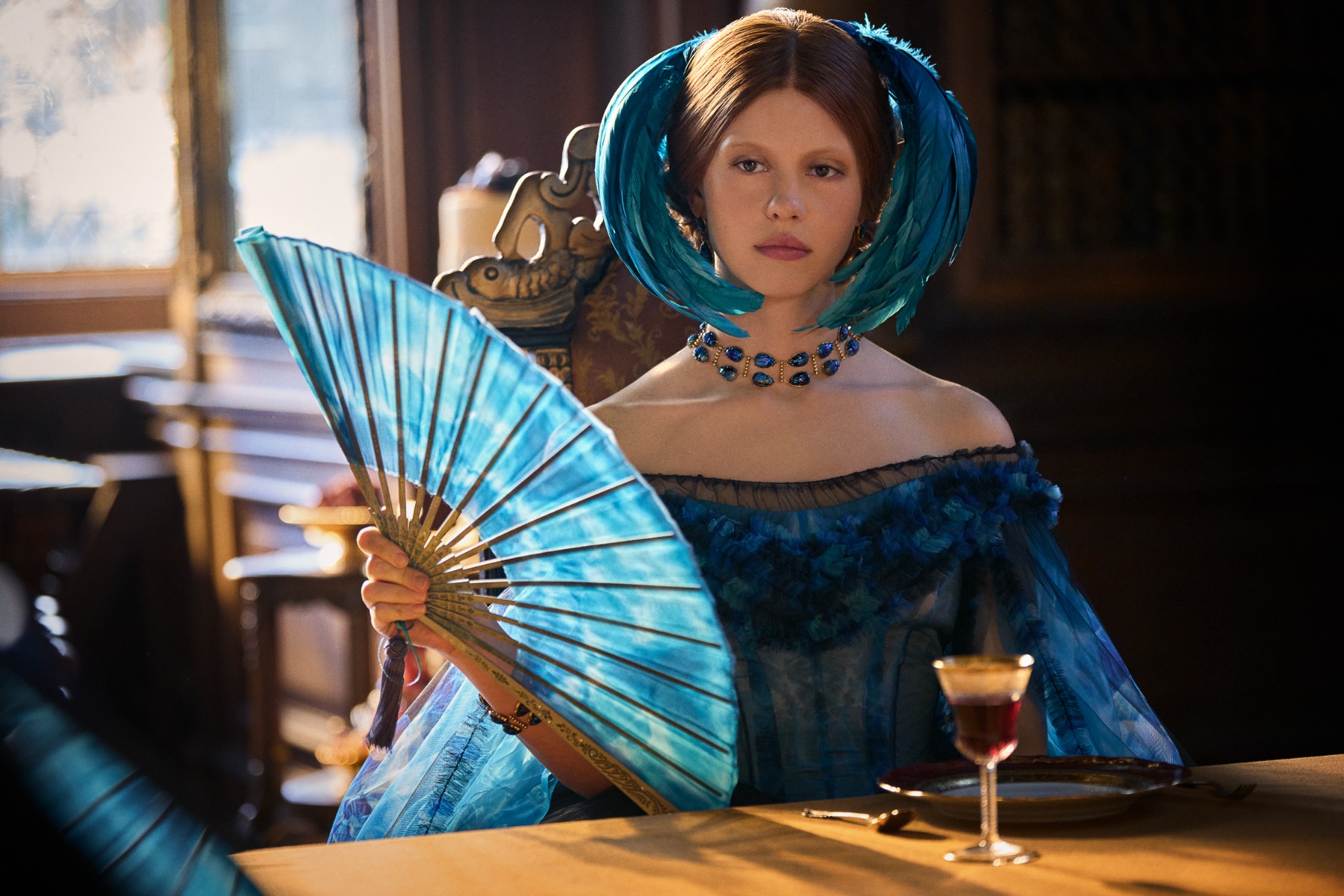
Another example is Guillermo del Toro’s Frankenstein, which draws the viewer in with its visual spectacle, phantasmagorical imagery, and at times even aesthetically composed, painterly shots — evoking everything from the Pre-Raphaelites to Caspar David Friedrich. Yet in the sum of these images, what emerges is still high-quality mass culture, leaving a faint aftertaste of something generated: a bit of everything taken, mixed according to familiar templates and formulas, resulting in a cocktail designed to appeal to a broad audience.
Still, it’s worth exploring what this new take on the familiar story — the creation of artificial life — brings to the table. One key addition is its sentimental ending, where a son forgives his father, and the monster turns out to be more human than its creator. The theme of artificial beings is especially relevant today in light of genetic experiments that can create bizarre creatures, such as the dancing woman with two sheep heads seen in Blur (Craig Quintero, Phoebe Greenberg), which challenges the ethics of cloning in the immersive program at Lazzaretto.
At last, the brilliant scientist Victor Frankenstein literally carves his homunculus from the bodies of fallen soldiers, scavenged from the battlefield. Thus, the apotheosis of war — a presence that surrounds us today from all sides — gives birth to a monster.
The Voice of Hind Rajab by Kaouther Ben Hania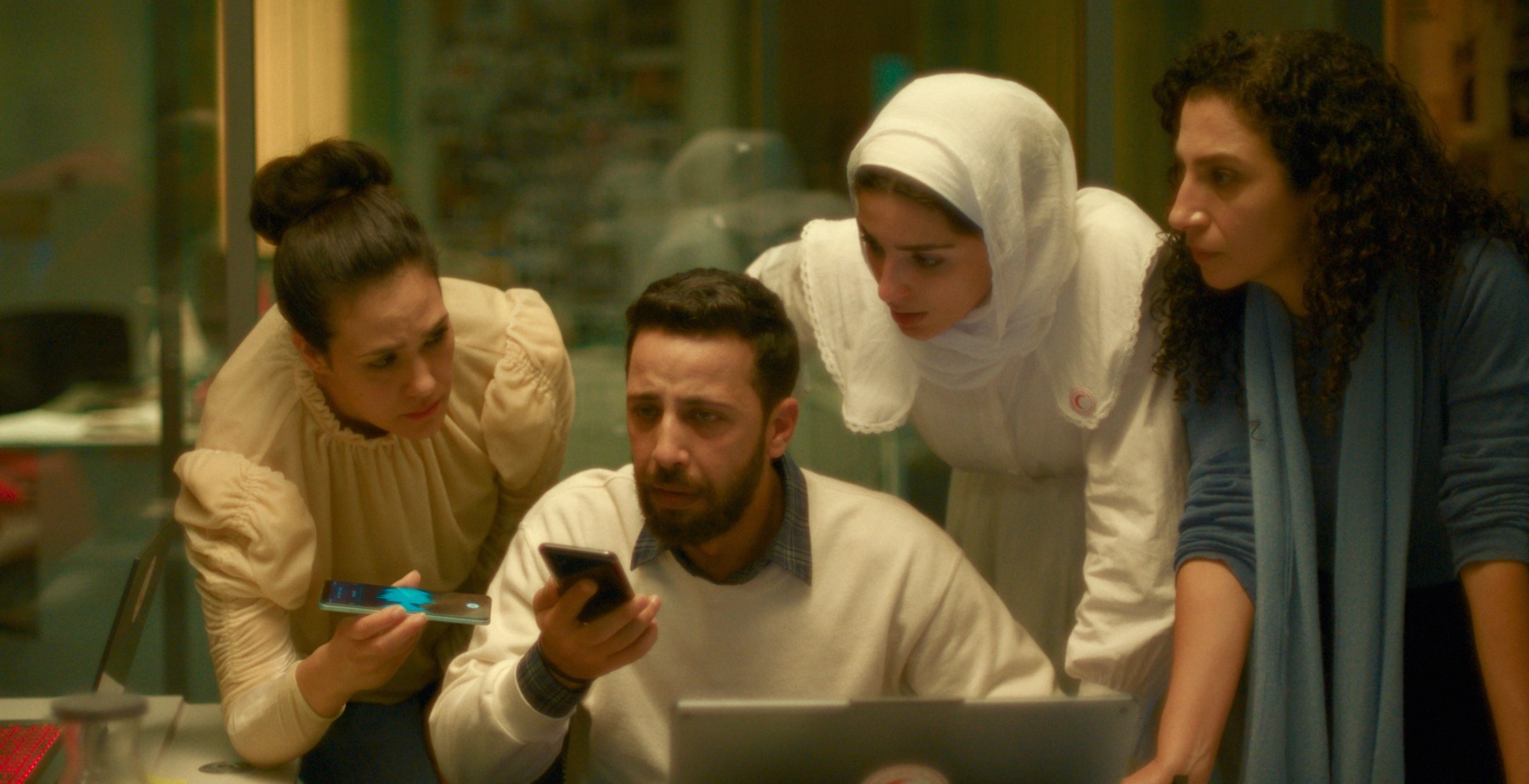
Echoes of Conflict: Visual Testimonies on War, History, and Politics
As for the representation of war itself, the most powerful statement at the festival came from the winner of the Silver Lion: The Voice of Hind Rajab by Kaouther Ben Hania. This is a harrowing film about the life and death of a young Palestinian girl, killed during an Israeli military fire. Based on real events, the film incorporates actual phone recordings of the girl speaking with medics, pleading for help. Trapped inside a bullet-riddled car, surrounded by the bodies of her closest relatives and later gravely wounded herself, she spends hours begging the emergency responders to come for her. Emergency crews are unable to reach her without an approved safe corridor. And when permission is finally granted — along with the audience’s fragile hope for rescue — the ambulance is also gunned down. A jittery, restless camera; erratic movements; close-ups of faces twisted in grief and despair — all of it lends the film a documentary aesthetic that captures the tension in every frame.
The Voice of Hind Rajab by Kaouther Ben Hania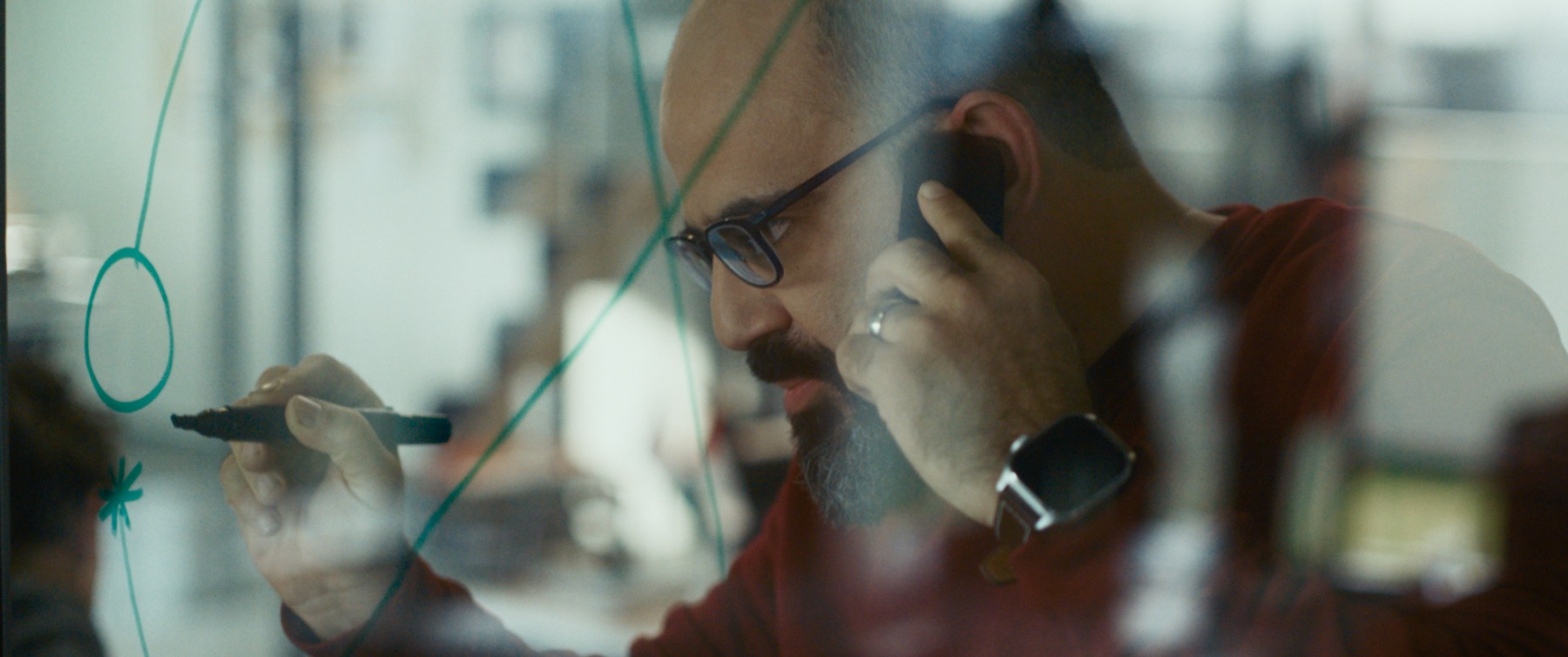
Unlike last year’s festival, which featured several films about the war in Ukraine, this year it was represented only by the work of prominent producer Alexander Rodnyansky — declared a “foreign agent” in Russia. His film Notes of a True Criminal (Zapiski Nastoyashchego Prestupnika) is a meditation on past and present, humanism and conformity. Rodnyansky constructs his narrative by looking not only at today’s events — studying the faces of Russian and Ukrainian prisoners of war — but also by drawing on archival footage: the massacre at Babi Yar, and the films of his mentor, Felix Sobolev.
The Wizard of the Kremlin by Olivier Assayas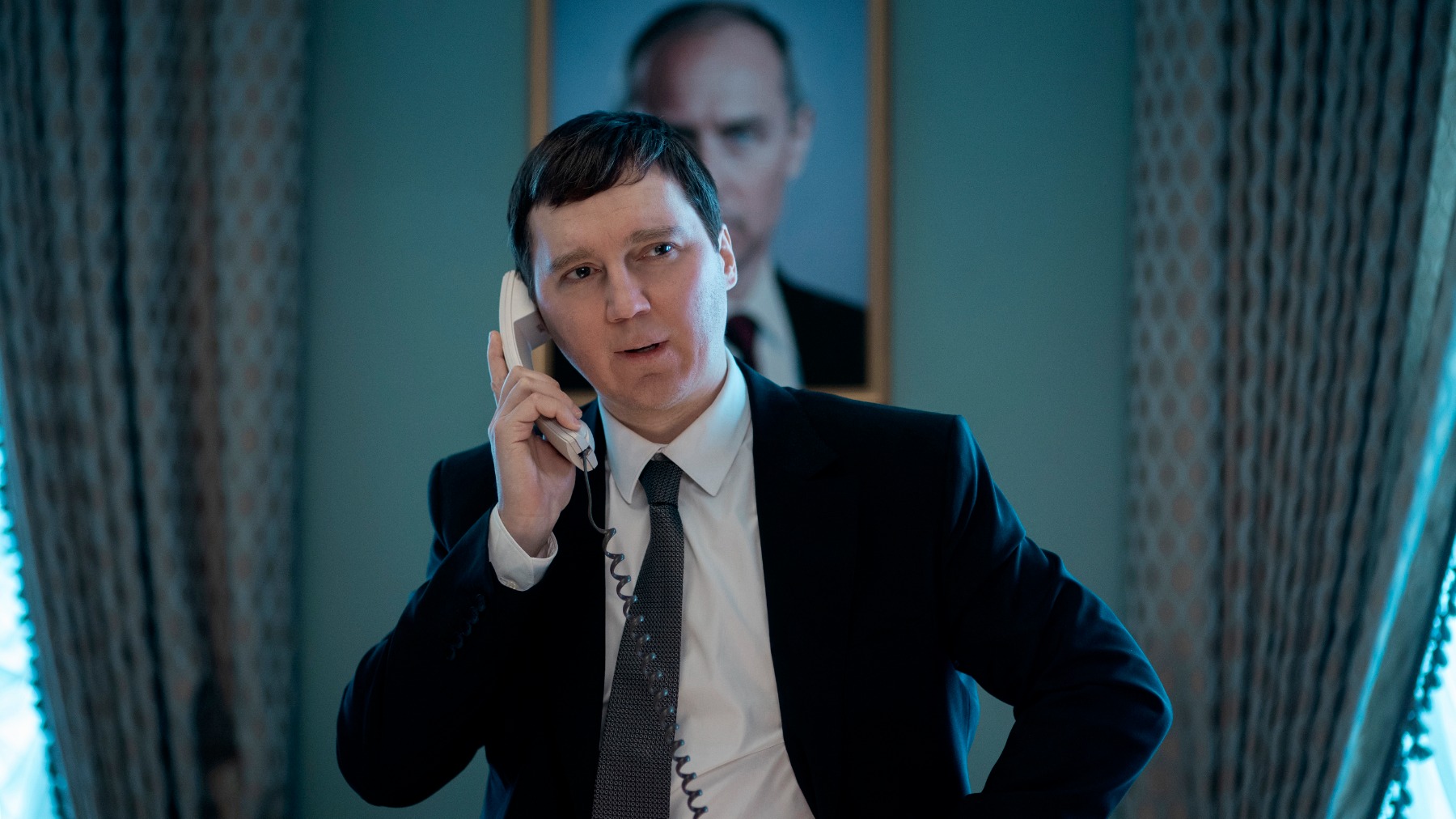
One of the most discussed films of the festival was The Wizard of the Kremlin by Olivier Assayas — a fictionalized portrait of political technologist Vadim Baranov, widely believed to be based on Vladislav Surkov. The film traces the genealogy of Russian power, focusing particularly on the trauma-laden 1990s — a time of oligarchic lawlessness and paradoxical freedom.
The film is clearly tailored for a Western audience — which explains the deliberate simplifications and the frequent use of dialogue to convey context. Yet it avoids caricature. Assayas dwells meticulously on key events — the dismantling of NTV, the Kursk submarine disaster, the apartment bombings, the Chechen war — in an attempt to explain how we arrived at the present moment.
Riga stands in for Moscow on screen, along with other Latvian locations like Ungurmuiža and Rundale. These may be jarring for viewers familiar with the real settings, but the stylization quickly becomes part of the film’s internal logic. Just as one gradually accepts — and even believes in — Jude Law’s astonishing transformation into Vladimir Putin.
Silent Friend by Ildikó Enyedi
Quiet Reflections: Roots of Trees, Bonds of Family
Not all competition films tackled urgent social issues or rippled outward in the form of heated debates in festival corridors and on social media. On the opposite end of the spectrum was Silent Friend by Ildikó Enyedi — a meditative film about the parallel world of plants, a world that can, at times, be touched. Unhurried and uninterested in shocking or provoking the viewer with hot topics, it instead turns its gaze to the micro-level. The camera lingers on the texture of leaves, the emergence of a sprout, the subtle sway of branches.
There is no gripping storyline here — in fact, the narrative seems constructed primarily to hold the viewer’s attention and invite them to contemplate the visual poetry of the plant world. At the center of the story, alongside human characters, is a tree — a ginkgo biloba — that connects two loosely interwoven stories: one in the past, rendered in black and white, following a brilliant young female botanist; and the other in the present, with an Asian scientist attempting to capture the ungraspable — the language of plants.
Interestingly, the idea of symbiosis between plants, bacteria, and humans has also featured heavily in this year’s Architecture Biennale. Enyedi’s film, with its sensitivity to the plant-human relationship and its movement away from anthropocentrism, fits neatly into this contemporary discourse. It received strong praise from some critics and was awarded several prizes, including the FIPRESCI Prize, the CinemaSarà Award, and the Edipo Re Award.
Jim Jarmusch’s Father Mother Sister Brother
The Golden Lion, however, was deservedly awarded to Jim Jarmusch’s Father Mother Sister Brother — an intimate, stripped-down film composed of three parts. What unites them isn’t just the theme of familial ties, but also the refrains in dialogue, echoing across different places — the U.S., Ireland, France — and linking strangers through shared emotional resonances.
Jarmusch observes meetings between close relatives who, at times, have nothing left to say to each other. At moments ironic — particularly in the first part, where Tom Waits appears as an aging father reading a magazine titled Beaver Enthusiast — and at others quietly sorrowful, dealing with loss, the film delivers pleasure through its sharp, witty scenes, psychological precision, and the unmistakable lightness of Jarmusch’s touch.
The Screen’s Future: From Vision to Touch
As for the immersive program on Lazzaretto Island, it was undoubtedly worth a visit — offering a glimpse into the possible future of cinema technology.
This wasn’t limited to VR experiences like Adventure: Ice Dive (Anthony Geffen, Charlotte Mikkelborg), which offers 3D underwater exploration in the icy waters of the Arctic. Other works went further, erasing the boundary between fiction and reality, engaging the entire body through tactile sensations. You physically move through illusory spaces, feel the breeze, even pick up a real glass offered by a virtual character.
Projects like Reflections of Little Red Dot by Chloe Lee point toward the future of museum exhibitions, brilliantly blending sociological research, documentary filmmaking, and virtual reality.
Lili (Navid Khonsari, Vassiliki Khonsari)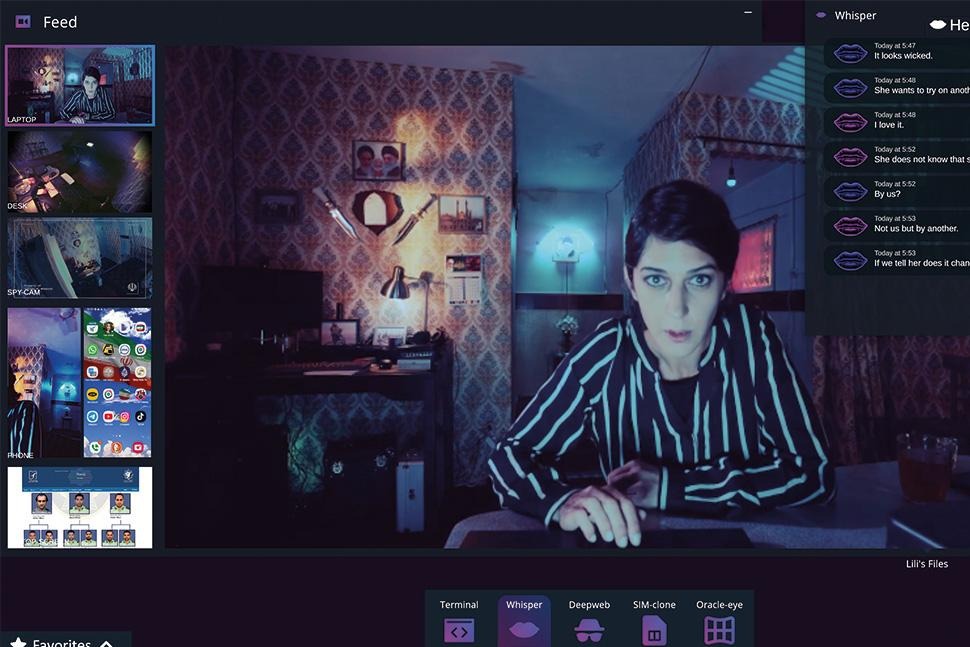
Other works reflected on the role of new media today — particularly their intrusion into private life. We live in a world surrounded by monitors, surveillance cameras; our chats and emails are entirely transparent to intelligence services. In Lili (Navid Khonsari, Vassiliki Khonsari), the viewer steps into the shoes of a spy, tracking an Iranian woman, hacking her computer, accessing her personal files. But how justified is this kind of intrusion — even for a noble cause? In a society dominated by total surveillance and control, we sacrifice our freedom for the convenience of our devices, and the world around us begins to resemble an Orwellian dystopia.
The immersive section is a vital part of the festival — perhaps its most experimental, its true laboratory. Yet, in a way, the entire festival itself can be seen as an immersive experience: a dive into the festive, spectacle-hungry crowd, and into the enveloping, sultry Venetian air, which caresses your skin as you rush from one cool cinema hall to the next.
Title image: L’Étranger by François Ozon
