


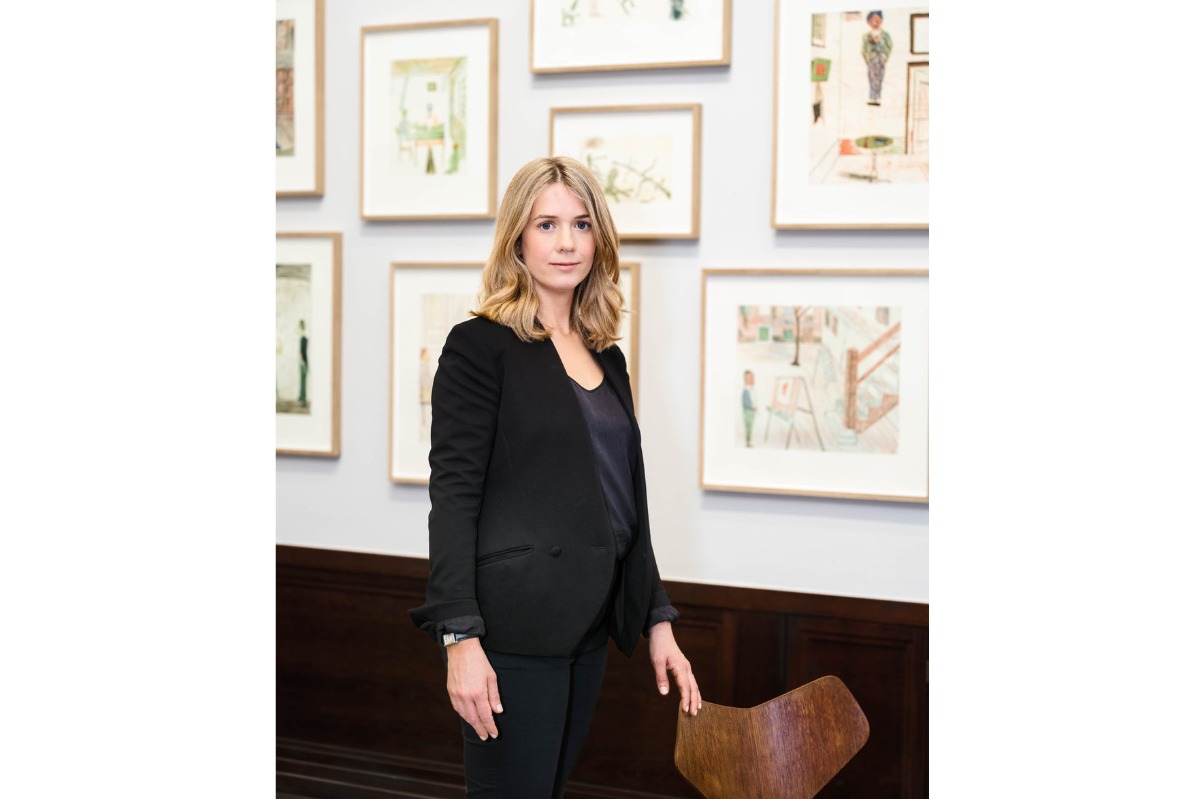
Soft values is something that sets us apart
Interview with a Director of The Market Art Fair Sara Berner Bengtsson
Founded in 2006 as a joint initiative by galleries from Denmark, Sweden, Norway, and Finland, Market Art Fair has established itself as the leading market and meeting place for contemporary art in the Nordic region. Over the years, the fair has grown from a small-scale initiative into Scandinavia’s longest-running premier art fair, without losing its collaborative spirit and uniquely familiar character. In 2026, Market Art Fair (23-26 April) will celebrate its 20th anniversary with a relocation to Magasin 9 in Stockholm, enabling the fair to expand both in scale and ambition.
While Market Art Fair remains firmly rooted in the Nordic art scene, in 2025 it broadened its vision to include international presentations. Today, Market Art Fair welcomes galleries, artists, and collectors from around the globe to experience a boutique fair with a Nordic perspective and worldwide reach.
During the conversation, Sara Berner Bengtsson, the CEO and Managing Director of Market Art Fair, provided additional information on Market Art Fair and offered her perspective on the Nordic art market in connection with the worldwide processes, based on the experience in Sweden.
Congratulations on the 20th anniversary of Market Art Fair, the Swedish art fair! How are you feeling? What unique plans do you have for this year? And what is your key takeaway for 2026?
Good question. In the context of the art world as a whole, that as we celebrate our 20th anniversary and continue to grow, we are both – 20 years old and just getting started like almost newborns. Since we rebranded and created a new website last year, we made some really significant progress. It may sound technical, but having a new website actually means that we were able to publish editorials and articles that allowed us to delve deeper into the presentation and the artists.
Additionally, this year we are moving which is obviously a very strong change to us. We will now be based in Frihamnen, the former port area of Stockholm. However, we have previously been located at the Liljevalkskunsthall on the stunning island of Djurgården, which was undoubtedly a very beautiful and amazing location, this year, we are standing a bit more on our own feet. As we are trusting the art we exhibiting, we have a strong feeling that people will want to come out and visit us in the city. Even though we are now located in a very central Stockholm, it is still a very industrial area. It is the harbour, the freeport, but it is an exciting area. It also means that we have to do everything for people really wanting to come and wanting to see what is on displays. This is something we have a lot of faith in, and it makes participating galleries have a lot of faith in us.
The change of location permits us to grow. This year, we have a record of fifty four galleries, keeping in mind that to us the quality comes first. We took some really significant steps last year by opening up to galleries and artists from other countries who have no connection to the Nordic region. All of these changes coming together this year and sort of accumulate where we actually stand now. It is not just a test run; it is something we do for real.
Market Art Fair 2025. Photo: Jean-Baptiste Béranger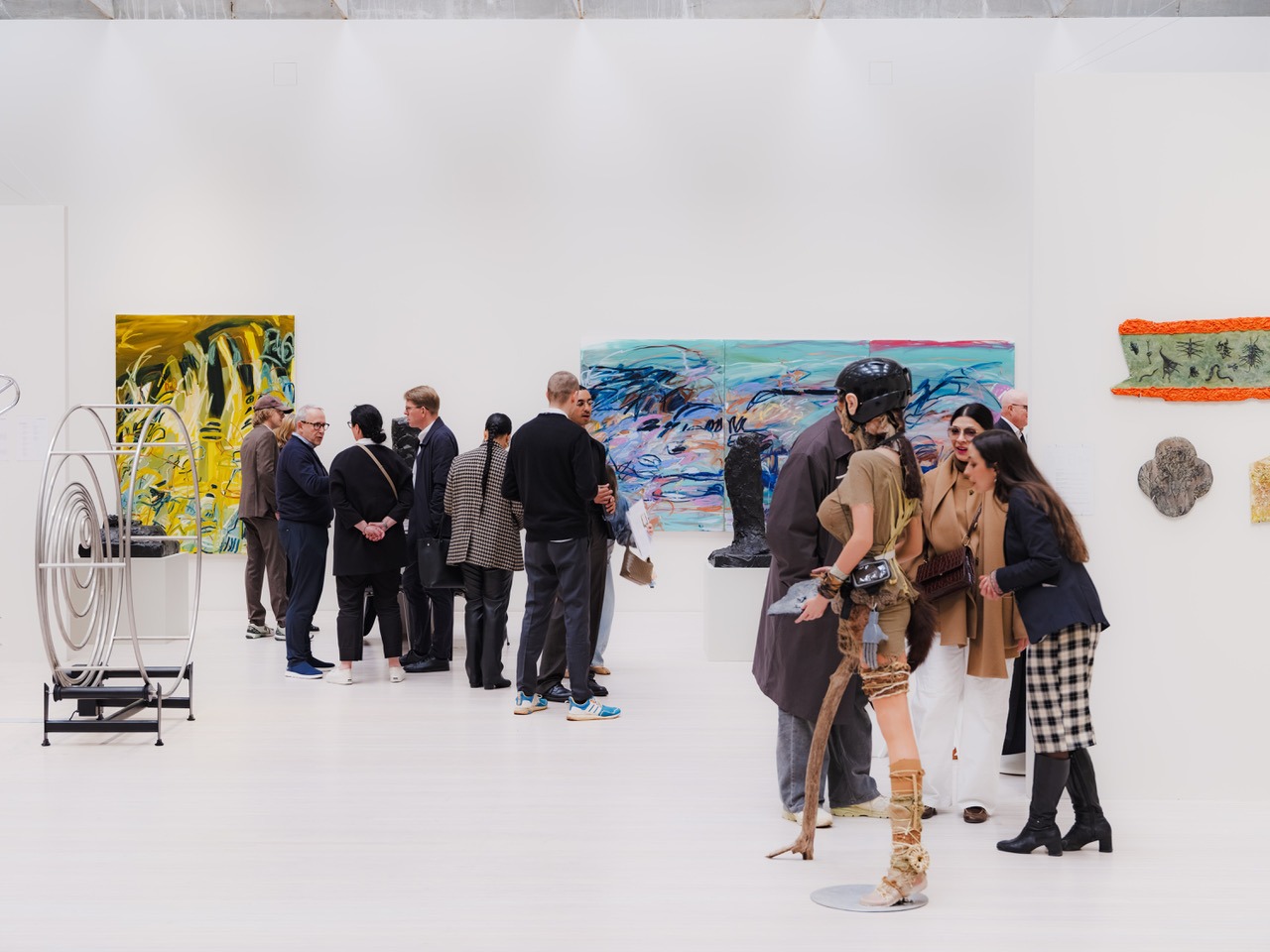
Have there been an impact on the galleries by all the upgrades you have done during recent year?
International galleries have always been welcomed at Market Art Fair, but they were required to display Nordic artists. This was a good idea in theory, but it made things difficult in practice because there are some excellent Swedish, Norwegian, or Danish galleries that do not represent any Nordic artists which means that a significant portion of the actual art scene is being left out. It also means that there are excellent international galleries that are very interested in Market Art Fair, but can not come. If you impose too many restrictions, galleries might only be able to bring in one Nordic artist, and then they will not be able to return for another year because of the specific rules. This is not conducive to long-term partnerships.
We tested the water last year, and it was really well received by the collectors. When people come here, they notice that about eighty percent is a Nordic art, and the remaining twenty percent is international. It sort of works out well that way by itself which is really great. It is a good combination, and it makes it exciting because the public is learning new things while also having a strong connection to the regional market.
What about the state of the Swedish art market and the people who purchase art at Market Art Fair?
It goes without saying that we work and do everything for our collectors. It is undoubtedly a curatorial interest and brand that we wish to transfer to our collectors internationally and at the Nordic region. Collectors play a major role in the business and knowing what is your collector genuinely requesting, what is their core demand? We place a lot of attention on the relationships with collectors, and that is extremely central in our work.
We are a regional fair, and we place a lot of emphasis on our identity. At the same time, it is crucial to understand that we are a marketplace, and we can only be strong as a northern art fair in the world. We need to keep in mind that even for collectors from Denmark or Germany, it is a journey to come to Stockholm. What we have to offer in order for foreign galleries to want to participate, we need to have a very strong local collector base, which we are quite fortunate to have since Sweden has a lot of wealth. Aside from Silicon Valley, Sweden has the most unicorn startups worldwide. We have Sweden’s tech and gaming wonders, as well as all new industries. AI is very strong in Sweden right now which keeps the market going and attracts international galleries as they know that there are some really great collectors here.
At the same time, we have a strong government support and funds for art purchasing. The art is acquired with some public funds, which gives the ability to stand on its own feet. We have a fantastic type of a mid-market which is something you should not undervalue. That seems kind of significant in these recessionary times when the market is declining to collaborate closely with our collectors in every aspect of our business, from communication to invitations. We work with both the top and international collectors as well as the mid-market collectors who are crucial. We provide to collectors a sense of community and advising them when is the right time to buy. We are fortunate to have a solid Swedish art market, but we also need to get collectors to return to Market Art Fair.
Going to Miami, New York, Los Angeles or the Gulf region will always be a totally different experience for collectors than coming to Sweden. That is another reason why we need to work with collectors to find out what they want from an art fair in Stockholm. Our VIP programme is solid, and we frequently host events to provide our collectors the impression that they are receiving something truly unique in order to build relationships. It is a year-round endeavour to maintain these connections. It is not about people purchasing, but rather for people sensing the energy flowing through the community. It is a great method to experience and discuss the art and to exchange ideas.
Olafur Eliasson, Colours for a flare with a friend, 2026. Courtesy of the artist and i8 Gallery, Reykjavik. © 2026 Olafur Eliasson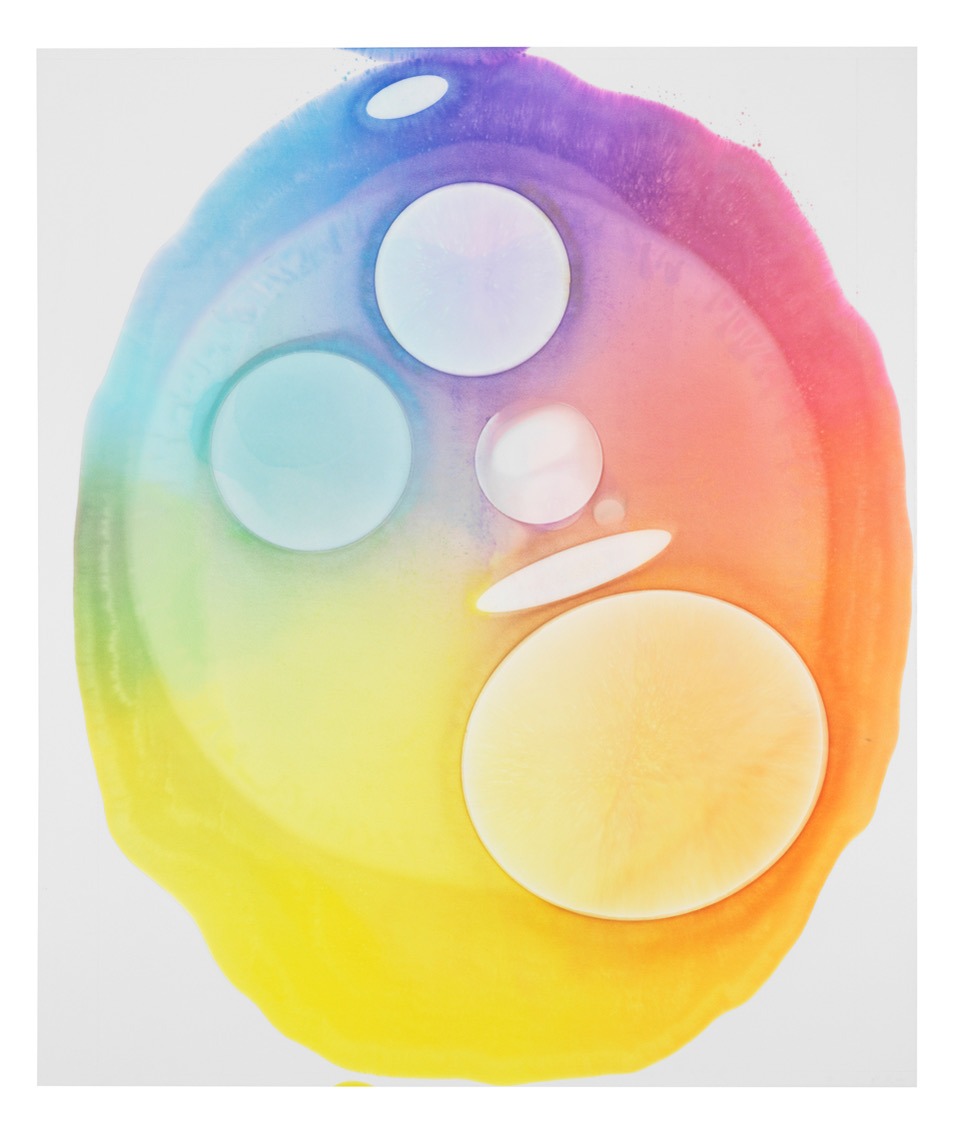
How would you characterise Swedish collector? Actually, how would you define a Scandinavian collector?
The most significant collector who keeps the market going in Sweden could be a couple or gay couple in their 50s to 60s that truly appreciate art. They purchase artworks for themselves or for their children. That is the most prevalent, but we also have a younger generation. It is primarily about people who take art seriously and with a great attention. It is not a fashion crowd or influencer type collector. It is about individuals who genuinely seek genuine relationships.
The Swedish dollar billionaires are our clients, but what is really fascinating that they communicate with us directly. We receive responses from their personal emails when we extend invitations; their PAs do not respond. They even send us emails with message like – I have changed my address, because they are easygoing and unsnobbish. People are not coming to Market Art Fair and asking for exclusive perks. Rather, we can undoubtedly witness some of the wealthiest collectors, including well-known corporate executives, sitting at the fair, interacting with the galleries, and simply strolling around. Some may have an art advisor, but they come on their own and bring their families with them. The royal family is no exception; Prince Daniel is one example, and he occasionally brings his children as well. This just proves that being a trusted location is crucial for the art market.
The Market Art Fair is a terrific networking opportunity for people. This is a place of business and pleasure. For our collectors, it is a very trusted space because while there are incredible art at Frieze or Art Basel with gallery salespeople in booths, coming to Market Art Fair there is amazing art and the gallery owner – a driven individual behind own business. Our collectors get to meet genuine people and no one is uncomfortable.
I like how from charactarizing your collectors you smoothly moved to the character of The Market Art Fair.
Rather than being a big expo for men, we are a fair for women. Market Art Fair is managed entirely by women, and Sweden is a relatively gender-equal nation overall. We appear to be thinking of soft values which is something that sets us apart. We want visitors to believe that Market Art Fair is reliable. What matters is which galleries are present and what they stand for. Many people go to fairs to enjoy champagne and feel the atmosphere, but it is not how Market Art Fair or galleries generate money. Many fairs fall into the trap of spending excessive amounts of money on beverages and fashion brand collaborations. In the end if you are a wealthy collector or a powerful person from a museum, you will not attend the art fair because it features some kind of impressive brand collaboration. Collectors and museum professionals are very busy, and we do not tell them to come to the fair because it will be really fancy. Instead, we tell them to come because they will see a great presentation which features meaningful artworks by particular artists. People want to see the art because there is more than just an image; there is a content.
Outreach to younger collectors has garnered a lot of attention recently, and the subject is widely discussed. How are you interacting with a new generation collectors?
This is a content issue. We make sure that a little more hip galleries with young collectors are a part of Market Art Fair. For example, the Coulisse gallery which we approached and advised them to do a fair. Following their first fair, they concluded – well, this is enjoyable! As Liste is the greatest venue for that kind of galleries to participate, and we suggested that they apply there. Coulisse gallery joined Liste twice before going on to Frieze. They have been a really great working gallery for about four years now. This is a good way to connect with young, new generation collectors as they collaborate with galleries created by young, new generation people.
Market Art Fair 2025. Photo: Jean Lapin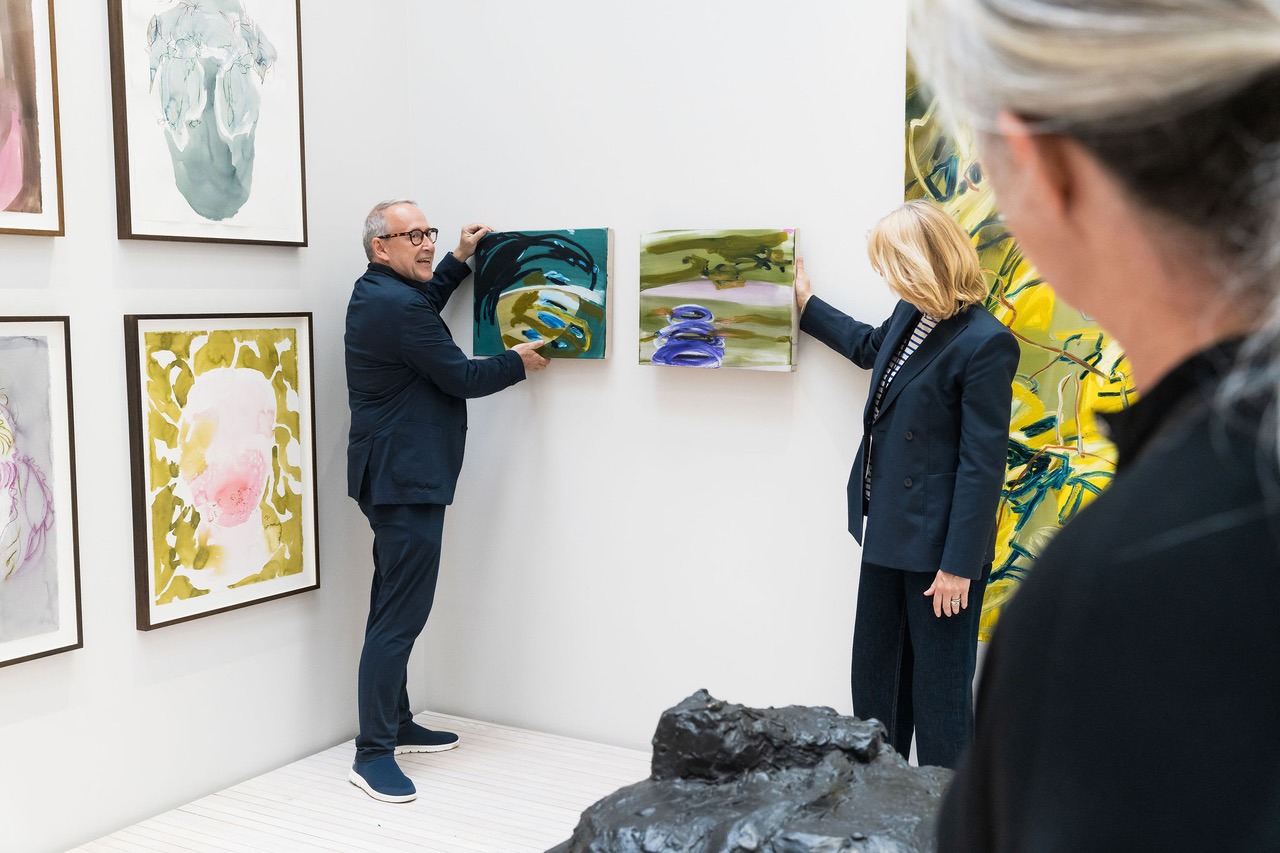
Do you collect?
Although I would not describe myself as a collector, I do my best to keep up with the work I own. There are some really priceless pieces purchased from friends and artists when I was the director of an excellent gallery. I have also purchased works by Swedish painters of the younger generation. If I encounter a piece of art that fits within my budget, I definitely give it a shot. I have had my eye on a few of the fair’s artists for quite some time, and I absolutely enjoy having a piece of art.
However, we get to view the artworks early at the art fair if a museum or significant collector decides to purchase it, I will support them purchasing instead of buying by myself as it is important for artists and artworks provenances and being a part of solid collections. Also, galleries participating at the fair benefit more from making some relationships with collectors at the fair, particularly if it is a non-Swedish gallery.
How do you view Market Art Fair in the global context? And how do you respond to the current situation in the global art market? The last year was a really difficult and turbulent year.
Since galleries are reevaluating whether or not to participate in art fairs, we do not necessarily view the worldwide recession in the art market negatively. Great Nordic artists do not always collaborate with Nordic galleries. For a few years, we have been attempting to contact them and asked if they were coming to the fair and presenting these artists as a large international gallery who collaborate with particular Swedish artist. As the market is currently experiencing a downturn, galleries searching for new markets and collectors, and often these galleries agree to come to Market Art Fair for these reasons.
Currently, we are seeing a significant increase in attention from international galleries, including well-known international galleries. We have become a very appealing market. Additionally, we already observing that galleries sending a sales representatives and creating relationships with collectors, since there are turning of attention to our market. The global slowdown may really be advantageous to us, and, in addition, there are some really pleasant changes happening in the globe for collectors.
Strong and significant Nordic values are reflected in Swedish art. With our principles of democracy, gender equality, and the attitude to the environment, among others, we are a favourable option. Because of these uplifting emotions, galleries and collectors, the media find our area to be appealing and they wish to write about the events that are occurring in this region. It is also a great place for museum collectors from other countries.
Globally speaking, not everyone is interested in travelling to the United States. For instance, it might be very difficult to ship artwork and other items to London after Brexit. Art Basel Qatar and Frieze Abu Dhabi are two examples of the race taking place in the Gulf States, but not everyone wants to travel to the Gulf States for democratic or security-related reasons. Suddenly, many are choosing to travel to the Nordics instead. It is beneficial for regional fairs everywhere, not only in the Nordics.
Let’s go deeper! Let’s name exact examples of the greatest values of Nordicness and the region.
There is something special about the Nordics. One of the biggest global trends in the art scene with museums and biennials, is the kind of rediscovery and the focus on Sámi, Arctic, and Indigenous art. When we welcome foreign curators, they immediately express interest in Sámi art. This is the main characteristic that sets this area apart and attracts foreign museums and curators. There is a curiosity about this particular Indigenous art, and we serve as Sámi’s entrance. We have had Sámi artists at the fair for a few years, and we can now see that this is a really interesting and unique phenomenon. This also applies to Greenland, particularly in the competition today. Since this is their homeland, we are highly intrigued from a global standpoint. For instance, regional fairs in Germany have a sizable market, but they lack this kind of international appeal. That is what sets us apart from the others.
Turiya Magadlela. Composition Purple II. 2025. Acrylic and pantyhose on canvas, 50×50×5 cm. ROSS-SUTTON GALLERY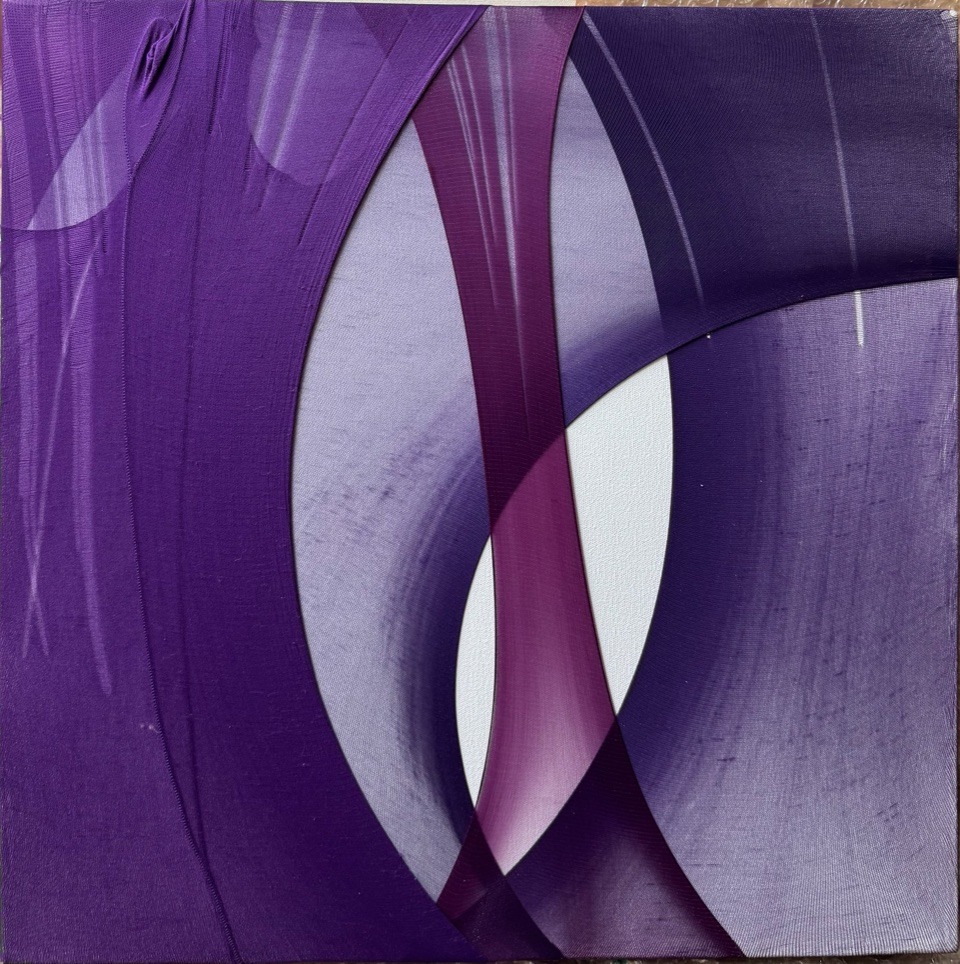
What might be another advantageous aspect?
We are well-known in galleries found by people who lived around the world and decided to come back to their hometowns in Sweden. These are some of the most aspirational galleries. Almost all of these galleries go to international fairs; at least three of them visit Frieze – one of the more difficult-to-get-in international fairs, also to Liste. The others participate in international events like NADA art fairs or Untitled fairs. The employees there have vast worldwide networks and a depth of experience in the gallery industry, despite the fact that some of them are quite newly-opened galleries and have not been in business even for a year. Contacts from these galleries helping us find the best collectors and are providing us with an excellent international connections. It is amazing seeing all these recently found galleries operating globally, having one foot abroad and choosing the Nordics for their base location.
Many of these galleries were started by seasoned individuals. It is also encouraging to see that individuals, whether young or middle-aged who may have worked at other galleries or art institutions while studying or working overseas before, deciding to open their own gallery, which is a very risky endeavour. It is great that they decided to open galleries in the Nordic region. There is a number of people who operate abroad as art advisers or experts in the art industry, but have decided to live in Sweden where they also can start a family. Having a gallery, a family and a decent standard of living are all made possible by the Swedish living system.
Running a gallery is really difficult and requires self-employment, but it is still beneficial. When compared to the United States, we have childcare and other amenities, the social stability. There is still connection with the global processes by taking part in international events, attending biennials, and traveling. These young, hip people might have opened their galleries in London or Berlin ten or fifteen years ago, but it is difficult to open a gallery in London now; in New York, rent is also extremely expensive.
You went back to Sweden yourself.
I did, in fact. I had a chance to work abroad and was given the opportunity to do an incredible job. The Swedish and Nordic mindset played a role in my decision to decline a fantastic job offer in London. I found it difficult to deal with the highly hierarchical nature of working culture in the UK. As Swedes, we aim to solve problems and be efficient, but in the UK working mentality is different. The Nordic mentality allows me to have more organisational independence.
What is the daily goal for now?
It would make me very glad if the roof remained intact, the lightning was working, and it did not get too cold. As if you are the art fair, the most important thing is that everything appears to be really attractive. However, displays are a major part of what we perform. That currently makes up the majority of our work. The primary goal is now for all the logistics to function and come together. We have to accomplish this in our new location, and it will offer us a great deal of flexibility for the years to come. This year we are focusing a lot on simply changing the venue and all the associated logistics.
We really hope to produce additional programming next year, if all goes according to the plan. Our goal is simply to impose the public art in our new industrial location. As it is a pier and a pleasant open area, it would be great if there were a lot of public art on the display. We were unable to accomplish that this year as we had to bargain with the harbour because it is a Stockholm’s port, too.
Since it is difficult for galleries and artists to display large-scale art, for example, sculptures, we are happy to collaborate. Storing large scale artworks is very expensive, and it would be great to help galleries and artists in this scenario as well. Displaying art publiclly is a great way how to sell the art and we are happy to support artists also from this perspectice.
And what is the ambition of Market Art Fair?
A larger presence in the Baltics and Eastern Europe, including Poland, is another aspiration. Two galleries from Poland and the Baltics were accepted to the fair last year, but they were unable to attend for logistical and budgetary reasons. The Baltics and Poland have some excellent galleries, thus we would like to concentrate more on them. In addition, we would like the art institutions and collectors to come and be more involved, especially, considering that they are near the Nordic region. We have a lot in common!
We also would like to keep looking for the ideal combination of galleries. The fact that some really intriguing galleries and artists are participating is kind of a huge motivator for those of us working at Market Art Fair.
If there were even more government or state support, it would be fantastic. Our long term ambition is to serve the Nordic art scene, with Stockholm being its hub. The influence that a fair can have on cultural politics should not be undervalued. We should do even more to let Stockholm realise how crucial the art fair is to its cultural environment and landscape.
The Stockholm’s design fair has been discontinued or will be taking place every other year. The Fashion Week is no longer on the calendar. These commercial cultural marketplaces are vital for the city. The artists and galleries that are participating or plan to participate in Market Art Fair have an influence and should be seen as an important component of Stockholm’s cultural landscape.
Title image: Sara Berner Bengtsson. Photo: Jean-Baptiste Berangér
