


At Home, Making
Sabīne Šnē
A conversation with artist Mika Solomon
While spring is springing and the season of sun-kissed air is upon us, a sense of warmth is already present in Mika Solomon’s first solo exhibition Warm Nevertheless at DOM Gallery in Riga, on view until April 11. Our conversation spans the exhibition, process and materials, imagined worlds and physical homes.
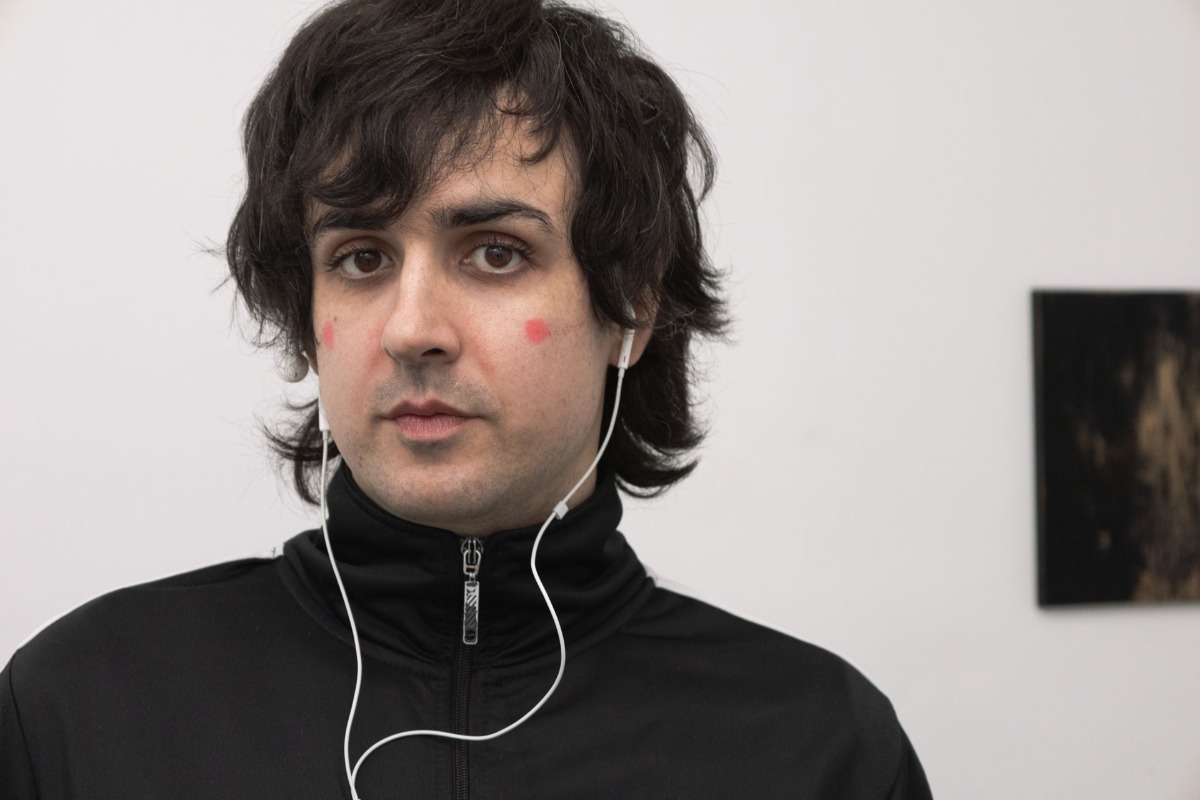
Mika Solomon is a Riga-based visual artist from Portland, Oregon (USA). Their work moves through themes of fantasy, emotional and sensory imagery, intimate living spaces and tenderness. Much of the work aims to create tactile illusions to enhance awareness of the space. Their practice spans a variety of media, with drawing and video at its core.
Mika graduated from the Art Academy of Latvia in 2024 with an MFA from the Drawing Department. Recent group exhibitions include SOOOOOO CUTE!!!!!!!!!!!! at Asni Gallery in Riga, on view until April 11; Eden: Coming Of Age at Kim? Contemporary Art Centre (Riga, 2025); Transition at PILOT Gallery (Riga, 2024).
Warm Nevertheless, Dom Gallery, Rīga. Photo: Ieva Viese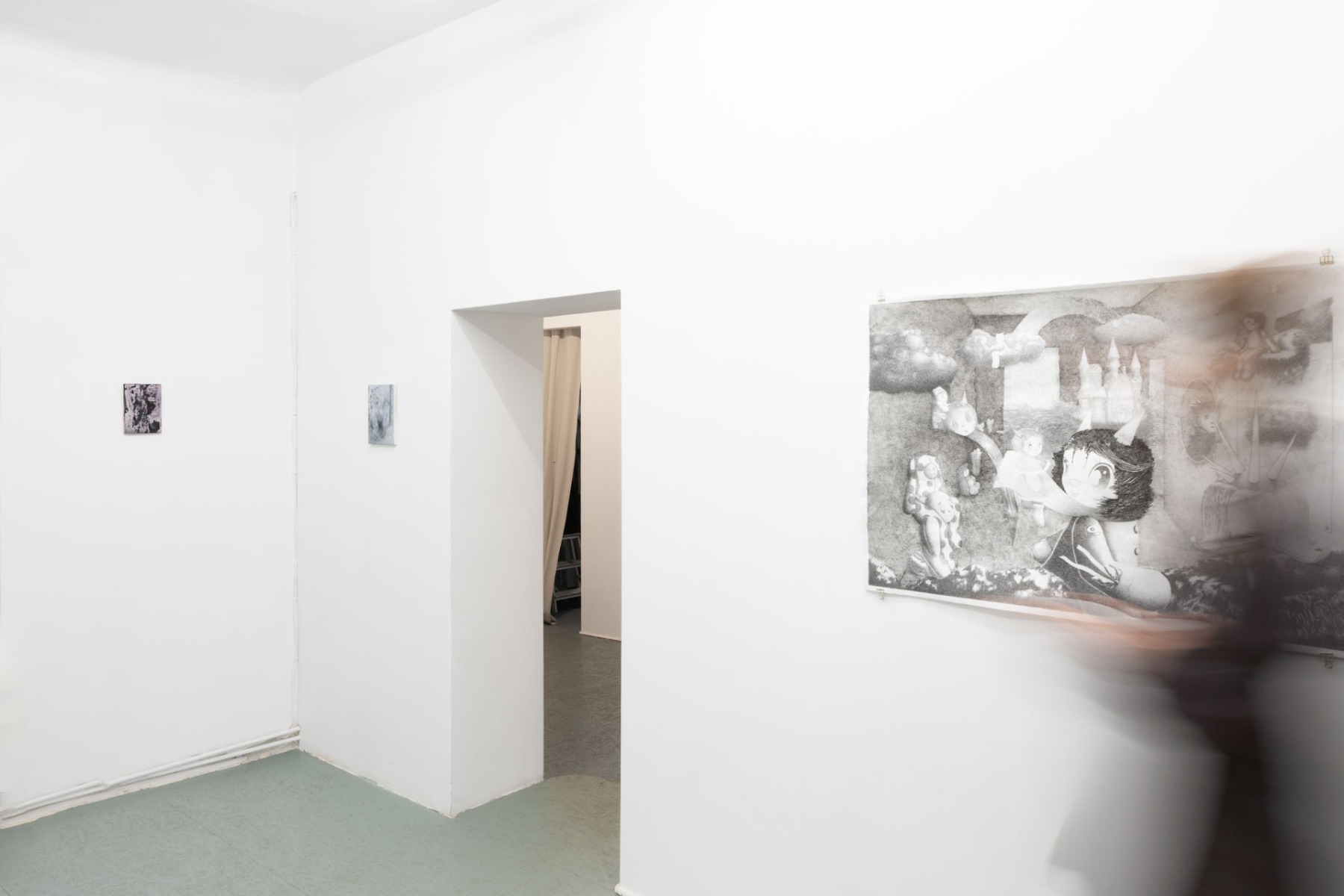
Two rooms of DOM Gallery are filled with a homey world you have created using drawings, video, small figurines and even a space where visitors can make their own drawings. You have also chosen to show sketches alongside finished works. Could you tell us about the theme of the exhibition and how it all came together?
This exhibition could be seen as a sort of tangent from my diploma work at LMA [Art Academy of Latvia], where I was making imaginative drawings of my apartment and some of the items inside. After graduating I started making smaller drawings on the same type of paper, which were attempts to depict more intimate fragments of life at home. These are almost like a zoom-in from the larger drawings I was making at LMA. I knew I wanted to show those smaller drawings together in an exhibition somehow. When the people at DOM Gallery invited me, it was clear these homey portraits would be the foundation for the show there. I’ve also had this plan for a while to make similar drawings to those I made of my apartment, but for other places to which I have a personal or sentimental connection. So I decided to photograph the DOM gallery space and make a drawing in that format.
The rest of the exhibition came together as time passed. I sort of had an idea of how many works I wanted to fill the space with and slowly cycled through those works.
I think the sketches provide a relief from the tension of the finished works, sort of like being able to take a breath and relax enough to experience the rest.
Warm Nevertheless, Dom Gallery, Rīga. Photo: Ieva Viese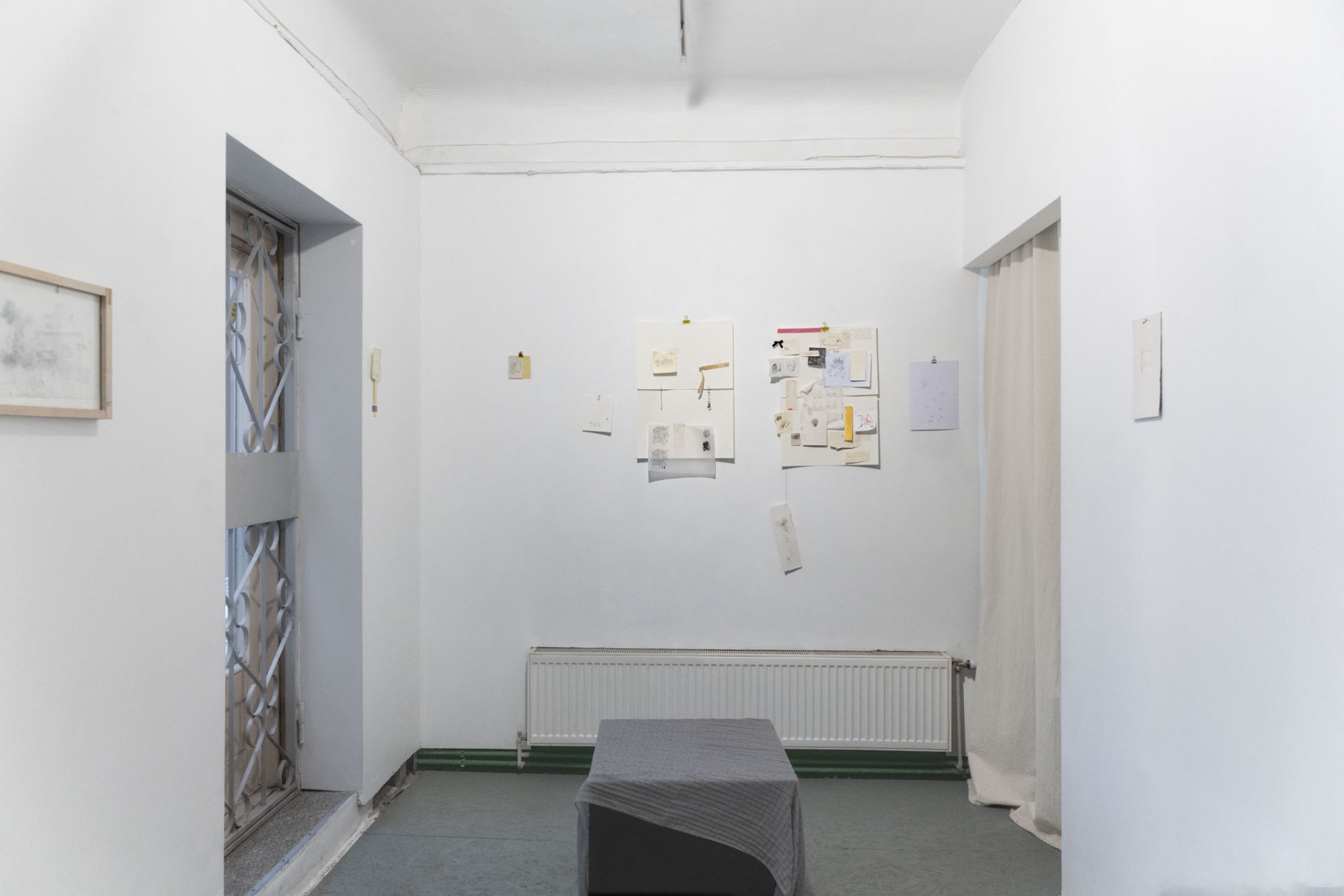
In your exhibition text, written by Ainārs Kamoliņš, home is described as a space entered by invitation rather than claimed through ownership. Do you hope visitors will feel a sense of belonging when experiencing Warm Nevertheless?
I do hope visitors feel a sense of belonging.
What counts as home for you? Is it a place, people, a memory, or something else?
For me, it’s when you’re not uncomfortable.
If I may ask, what brought you from the US to Latvia? When did you move and why?
When I was about 23 and living in Chicago, I decided to learn more about the Latvian part of my heritage, including the language. My maternal grandparents were born in Latvia, then fled during WWII. After meeting with a really good grammar teacher in the US, I became enamored with the Latvian language. I came to Latvia in 2017 for a diaspora program at the University of Latvia. In my free time during the program, I went around Rīga alone and met some artists who showed me interesting perspectives of the city. That experience made me feel like I could move here.
In 2021 I went to Garezers, which is a Latvian summer camp in the US, to work in the kitchen for a summer. I wanted to be around Latvians and develop my language skills. The art teacher there helped me write an application to the Master’s drawing program at LMA, and soon after I received an acceptance letter. So I pretty much went home to Portland, packed my bags and flew to Rīga to immediately begin my studies.
I think one of the scariest but also most exciting experiences is packing your life into boxes and moving somewhere new. Has moving across the Atlantic impacted the way ideas of home appear in your work?
These themes are something that started to appear in my work while I was living in Chicago, which is also why it wasn’t easy to leave. But yes, hmm, it could definitely be that moving here has added some sort of tinge to how intimacy and belonging appear in my work.
How has your creative practice changed over the years?
Well I’ve been drawing since I was little, and that has really been a constant. For some reason I was averse to art education, probably because I was self-centered and raised in sports, so I was quite busy with that. But eventually I did learn some “academic” drawing, which inspired me to pursue it more at LMA. I will say the education at the Art Academy was amazing and opened my eyes to the benefits of drawing in a certain way. I also basically fell in love with charcoal there, and wow, just a whole other thing. I used to be averse to it because my hands would get messy, but now I have learned that there can be a clean kind of messy, and that is just sweet.
I studied graphic design for my BA and was working on the computer a lot at that time. I made digital collages with photo plus video, including cover art and music videos for recording artists. Since then I’ve continued to make digital works, sometimes printing them on paper and fabric. Video art has a special place in my heart, and I always come back to it.
My practice is multidisciplinary, and I tend to cycle through different media. While I was at the Art Academy, I don’t think I made very much digital work, since I was focused on the physical drawing aspect. But then, when I did return to video, I was very much prepared to dive back in.
Warm Nevertheless, Dom Gallery, Rīga. Photo: Ieva Viese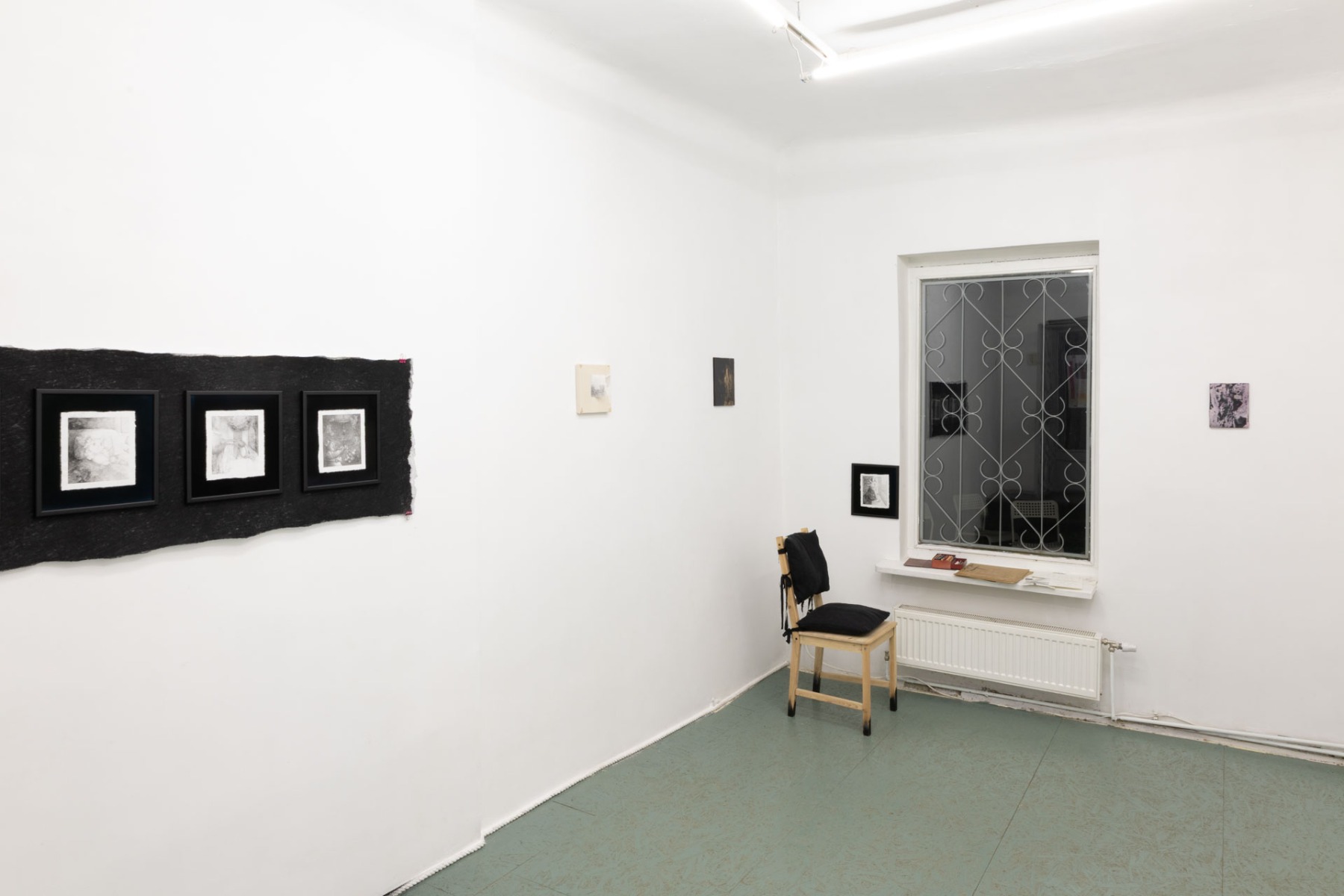
Back to the exhibition. When looking at your works, I was reminded of a quote by Ursula K. Le Guin: “An artist makes the world her world. An artist makes her world the world.” Can you tell us a bit more about the worlds you have drawn, and about the characters and symbols in them?
The drawings I made of my apartment were informed by actually living there, sleeping, eating, all of it. That gave me an extremely dense pool of affective relationships and personal experiences to work with. Technically I approached the drawing of the DOM space with the same method, but there was of course different personal baggage involved than in my apartment. I’m not really sure how this changed the work, but I can say from comparing them that there are more characters and story-like events seeming to take place in the gallery. My apartment drawings seem a bit quieter to me, introspective maybe, although there are some shared tones connecting the two. For example, the organic abstractions emerging from and within the room drawings are a result of studying nature. I sort of select aspects of different things to blend into a new form, which can then be woven through the space as an emotional language.
Detail of the drawing Pie galda, 2024. Part of the exhibition Warm Nevertheless, Dom Gallery, Rīga. Photo: Ieva Viese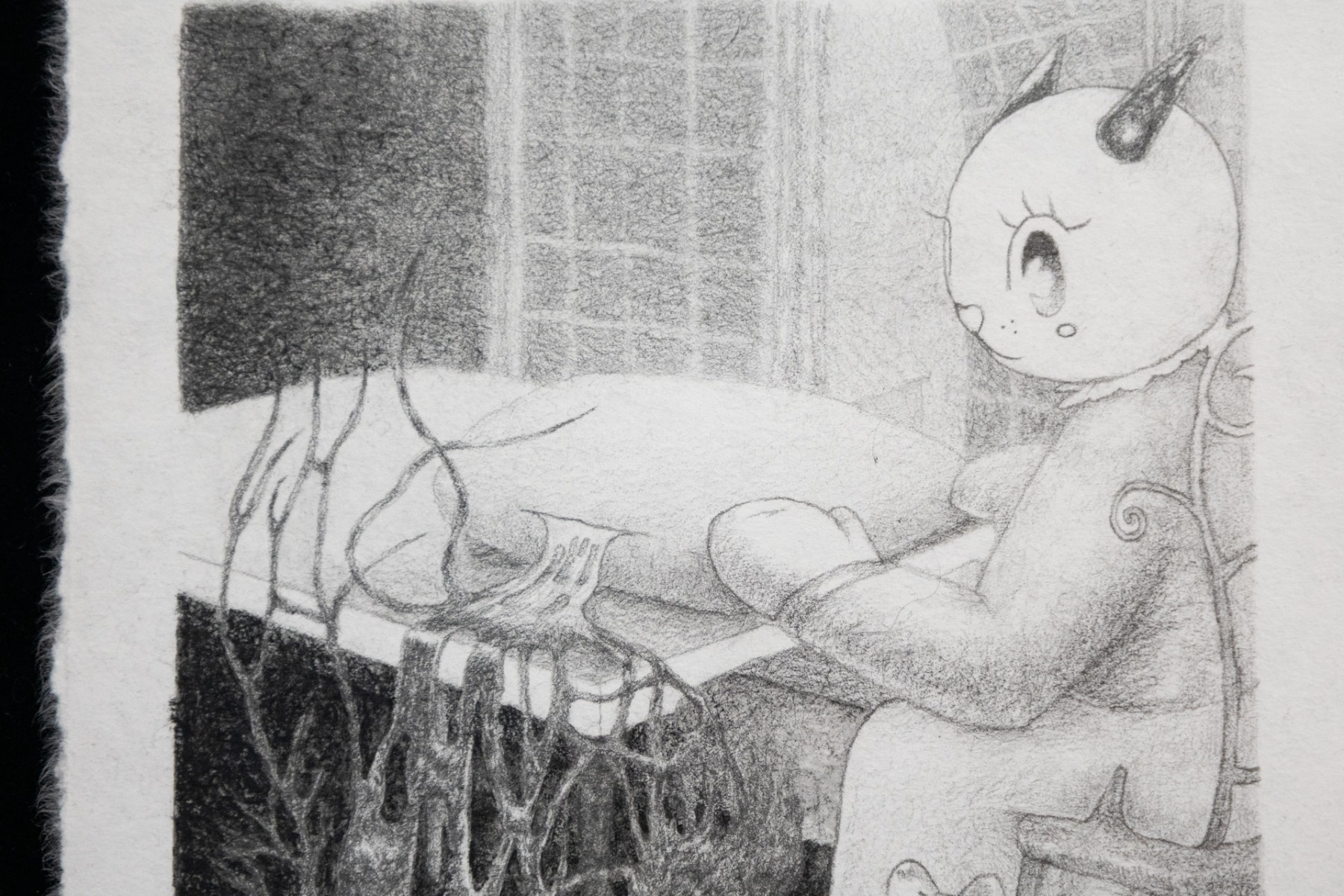
In this exhibition, the drawings are black and white. Is it always like that, or do other colours appear in your work as well?
I’ve been focusing on black-and-white drawings since starting my studies at LMA. I find the midst of tonal ranges fascinating. That being said, I’m also a fan of color and work with it a fair amount, especially in watercolor, video, collage and pastels. I tend to like bright colors if I do use them, but I enjoy it when other artists can precisely employ a subtle and tasteful color palette.
Warm Nevertheless, Dom Gallery, Rīga. Photo: Ieva Viese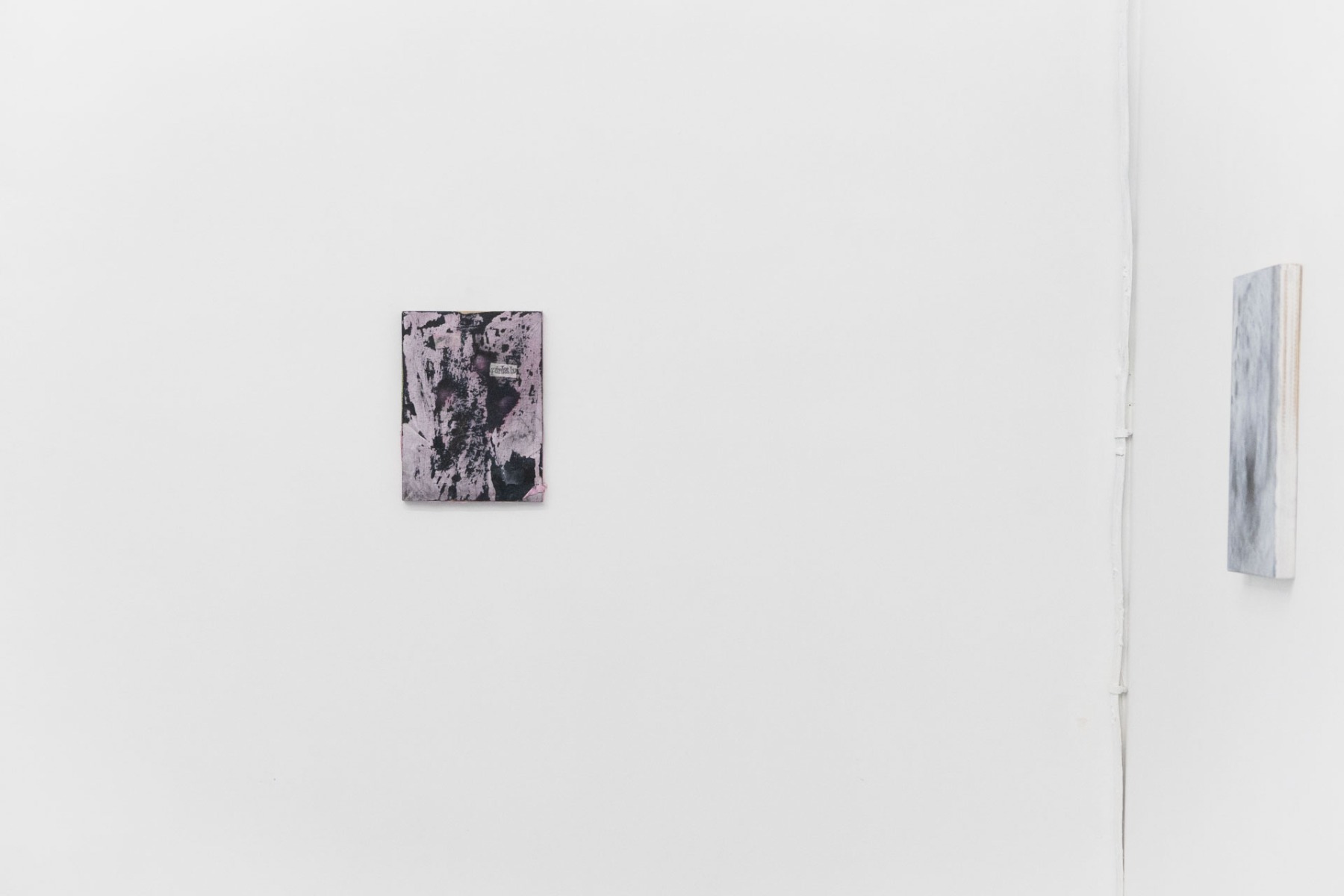
Warm Nevertheless, Dom Gallery, Rīga. Photo: Ieva Viese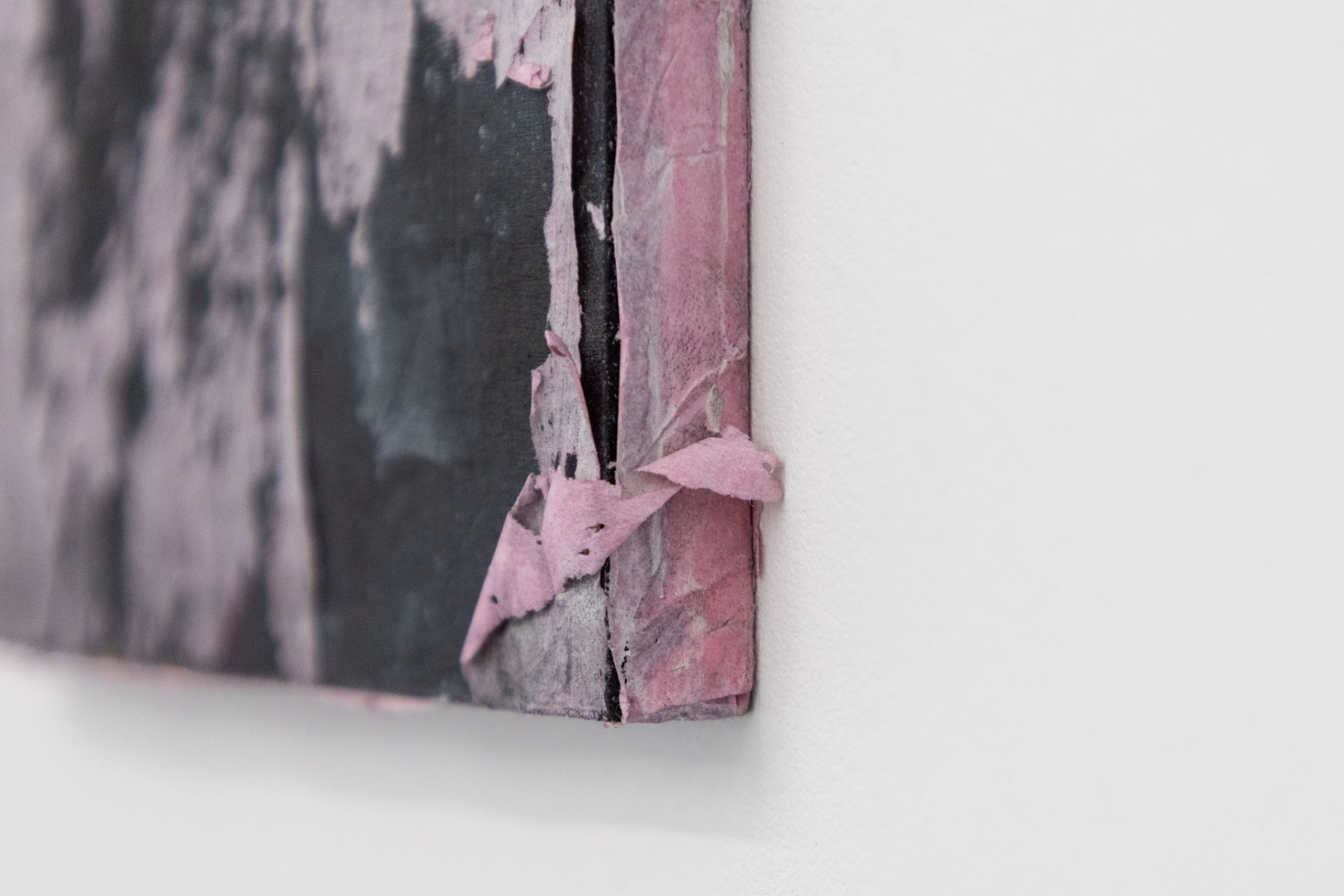
You also show an almost 30-minute video that depicts your life and the lives of those around you through moments of daily life, events and social gatherings.
I’ve been updating the video since the opening, so it should be over 30 minutes when it shows again on the big screen at DOM Gallery for the finissage on April 11.
Installation for the video Sazinās, 2026. Part of the exhibition Warm Nevertheless, Dom Gallery, Rīga. Photo: Ieva Viese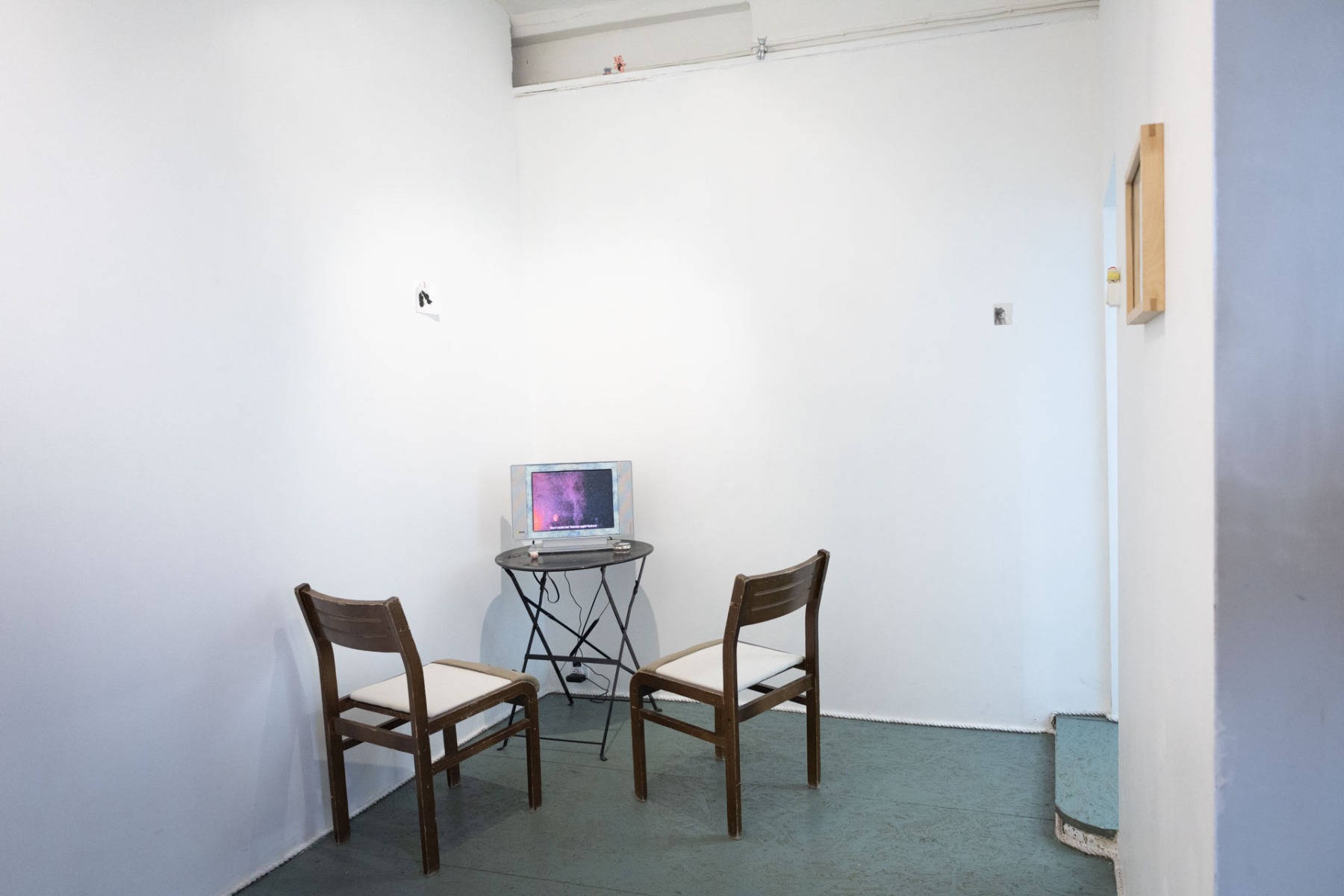
Why is it important for you to show drawings and moving images together?
For one, I think the moving images allow the static drawings to feel more animated. It charges them with a potential energy.
You also work with found objects, right?
Yes. I am often finding beauty in things that already exist, and I believe this realization is worthwhile in its own right. Because then I’ll feel I am somehow connected to this object now, and that connection can be the material that I work with to make a new piece, which includes the existing object as well as how it sits in my life.
Warm Nevertheless, Dom Gallery, Rīga. Photo: Ieva Viese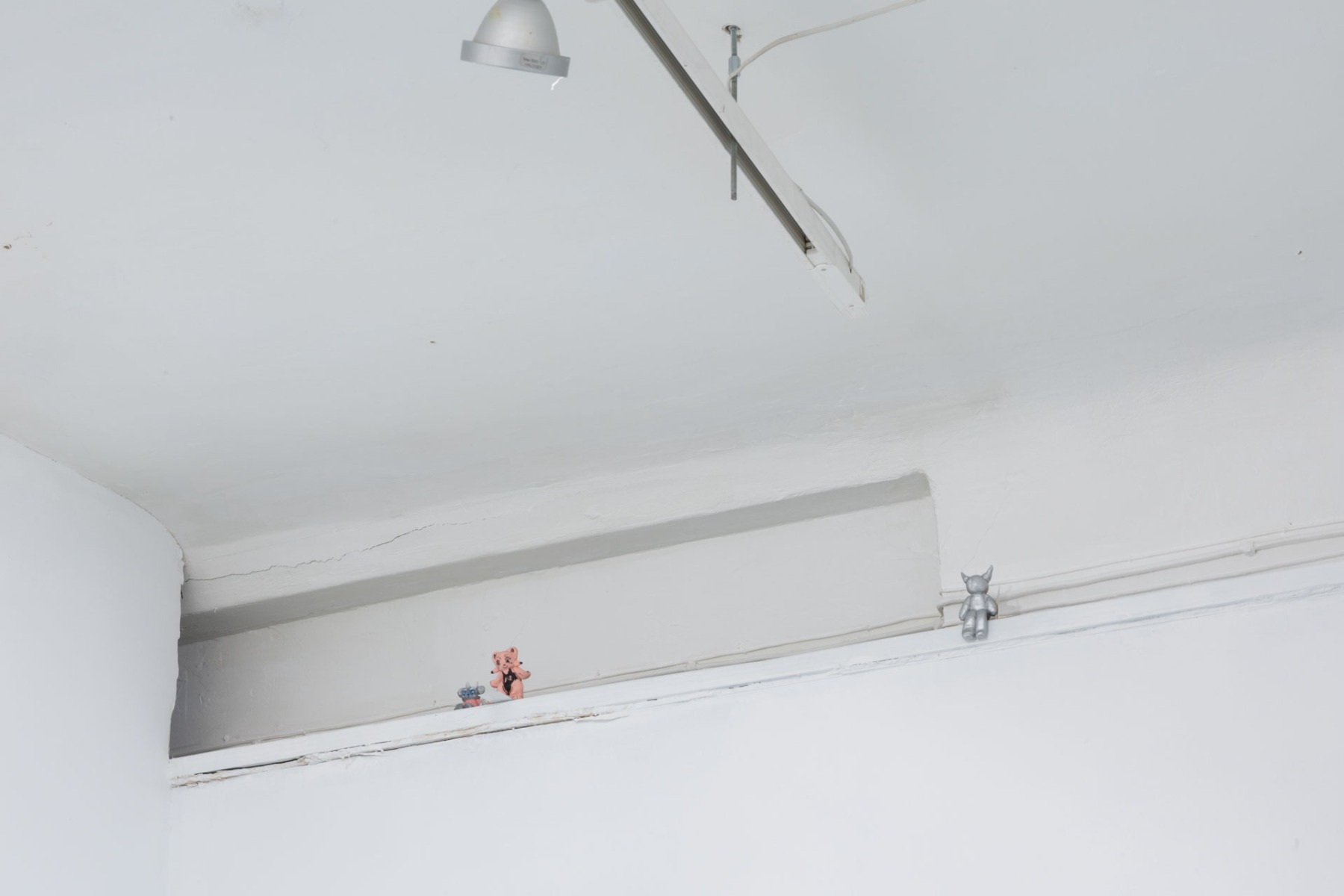
How do you know when a work is finished?
I kind of have to decide that a work is finished, otherwise I may be tempted to return to it years later and add something else. I guess that wouldn’t be too bad either, like a drawing that takes your entire life to slowly finish. But often I get to a point where it feels like there’s not much left to do but start something new. Deadlines also help.
You have a busy spring, with works also shown in a group exhibition at Asni Gallery. Could you tell us about the works on view there?
It is busy, but in the best way, really.
Two of my drawings are included in the exhibition at ASNI Gallery. One of them, Kaut kas/Something, I made in 2023 after returning to Latvia from an academic year living in Portland with my parents. This piece was a sort of return to my drawing practice and diploma work, exploring the rooms in my apartment. That specific drawing is of the mirror in my bathroom, and I’m really not sure what to say about the character or the expressions, other than it could possibly be about duality and what lies between or outside of it.
The second drawing, Tējas liešana, was originally made for the library of KIM?’s Eden exhibition. It is in the same thread as the intimate fragments of home series exhibited at DOM Gallery. I was thinking about some sort of ideal coziness that comes with tea and a good book. I told ASNI that they could reframe it as they liked, and it’s cool to see how the work looks as a result.
I know that you also teach visual art to children. How does working with them influence your own practice, if at all?
I lead art-based natural science workshops as part of an organization working with kindergartens across Latvia. We have a different theme from nature each week. I think working with the children does influence my work in some way. I find their color choices and compositions delightful. I’m also often charmed and interested by how they talk and what seems to be important to them, at least important enough to say boldly.
The workshops are really well designed by the boss. I get a fact sheet and talking points about each theme, so I actually learn things about nature that I have forgotten or never even learned in the first place. Since I’m still learning the Latvian language, it’s also a good exercise in expanding my vocabulary.
Tauriņš, 2025. Part of the exhibition Warm Nevertheless, Dom Gallery, Rīga. Photo: Ieva Viese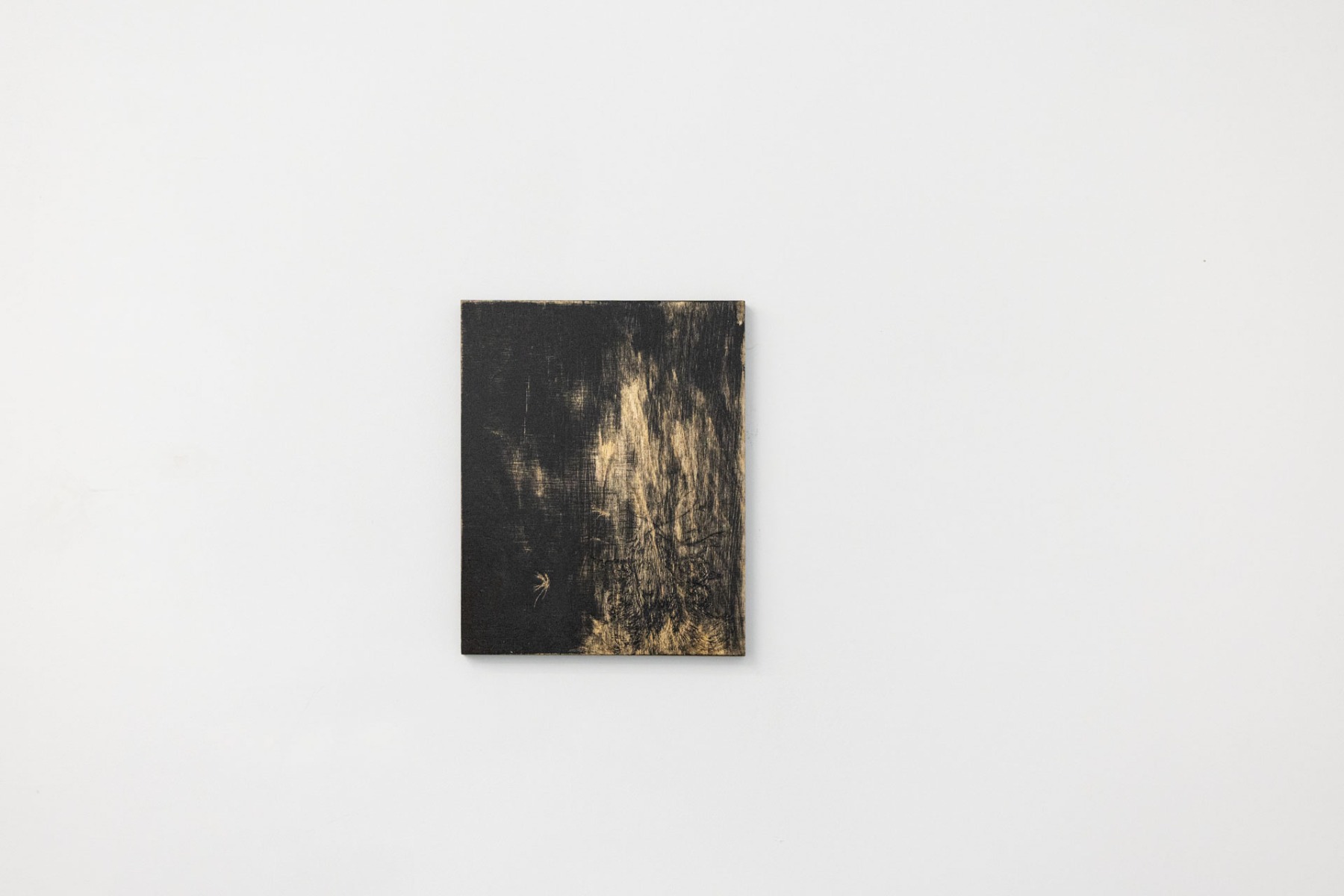
Your exhibition made me think that tenderness can feel almost radical in today’s political climate. Do you see it that way?
Actually, now that you mention it, yes.
Title image: Mika Solomon in their solo exhibition Warm Nevertheless, Dom Gallery, Rīga, 2026. Photo: Ieva Viese
