


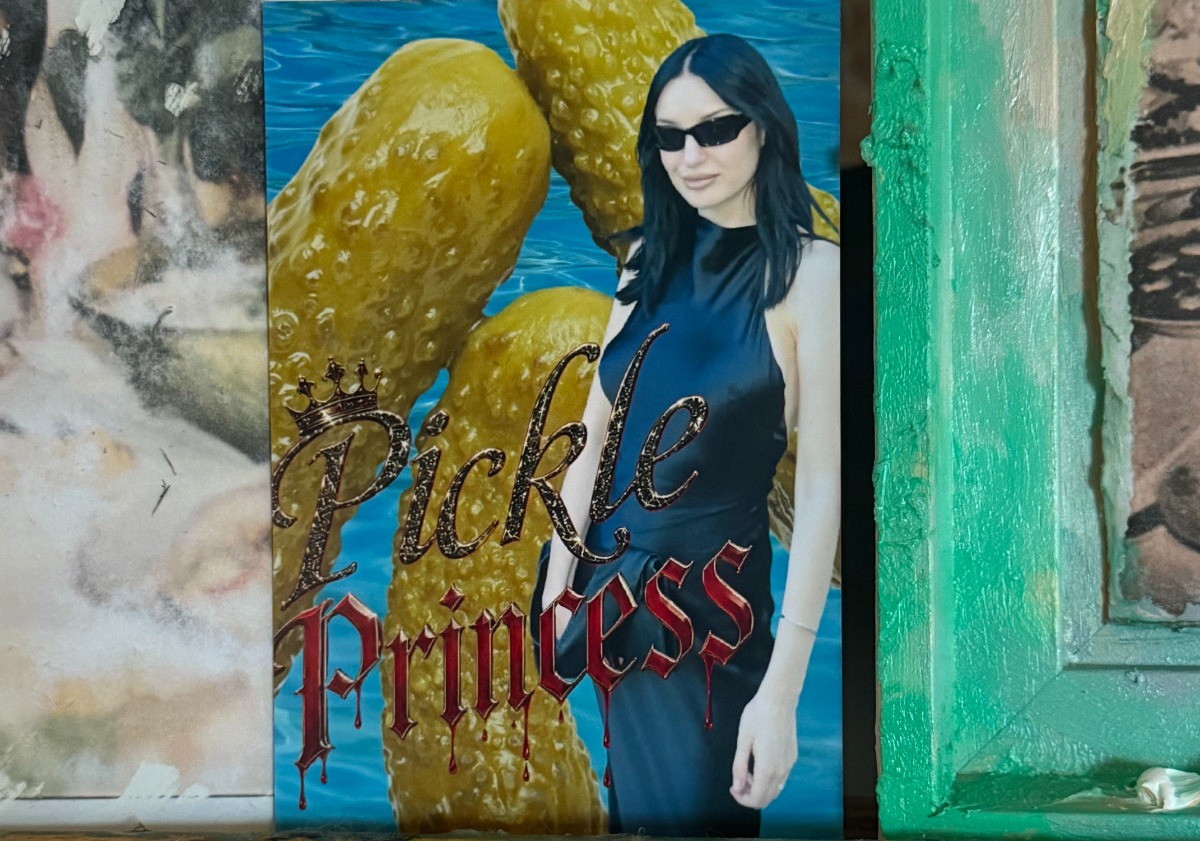
Pickle Princess
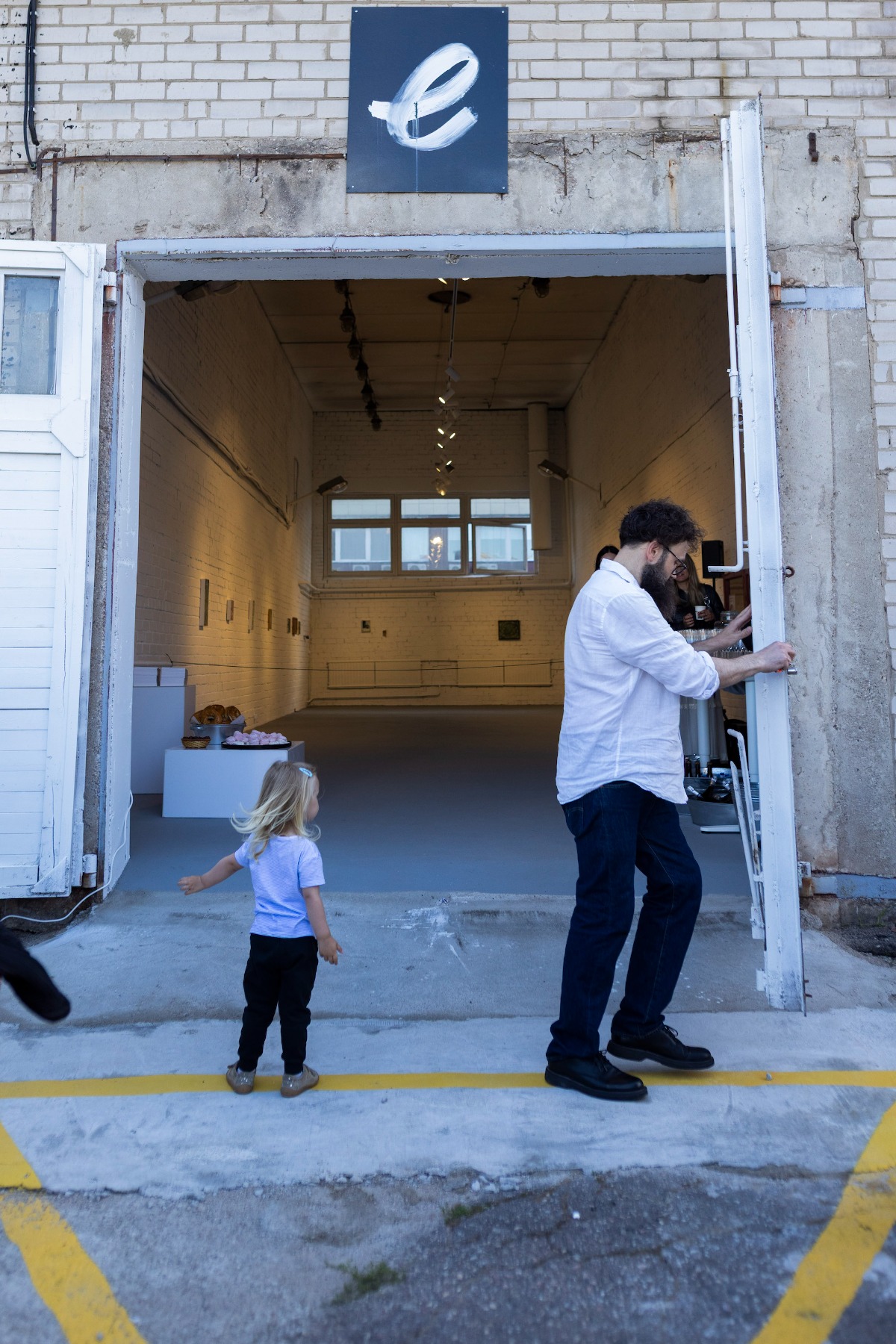
A conversation with Viltė Fuller, Lithuanian artist based in London, currently presenting her first solo show in Lithuania, her hometown - Klaipėda. The show is titled “Mouths”, referring to Viltė’s interest in food and food industry, but also to the specific location of the newly opened gallery of “Energija” and all of Klaipėda, sitting on the mouths of the river Danė, that goes into the sea and is being “devoured” by it, but at the same feeding it with it’s waters.
For artists living between countries, memory is rarely preserved through grand historical narratives. Instead, it survives in recipes, family photographs, fermented vegetables, supermarket packaging, inherited interiors and domestic rituals. In a recent Apollo article, writer Keith Miller suggested that Constantin Brâncuși maintained his Romanian identity, and even his penchant for "primitivism", through cooking as much as through sculpture. Viltė Fuller's latest exhibition at Klaipėda's Energija Gallery invites a similar question. Her paintings transform salads, pickles, sausages and family snapshots into meditations on migration, memory and the strange persistence of home. Our conversation begins with one exhibition but gradually expands into broader questions of diaspora, Lithuanian identity and the cultural afterlives of food and kefir bacteria DNA.
Let’s start from an abstract question, what does belonging tastes and look like? We already talked with you about tinginys (Tinginys is a popular dessert in Lithuania similar to chocolate salamis – editor note). I said it's a kind of lazy cake in the eyes of a gourmet. Or maybe a gourmand?
Belonging for me definitely also tastes like home, or like various homes that I inhibit, living in a metropolis. But when I made a TikTok video about the cult Lithuanian cake of tinginys, people online from Lebanon and Italy started commenting, saying, "Oh, we have something similar!" So yes, tinginys is international.
Wait, what is the correct word? According to the internet, a gourmet is someone who appreciates refined flavours and expert preparation, while a gourmand simply enjoys eating, often in generous quantities.
Wow. Is there a word for both? I want to be both- a gourmet and a gourmand.
I've been thinking about something Keith Miller writes in his very recent Apollo essay on Brâncuși. He describes the sculptor as "a kind of holy innocent in Babylonian exile", that is someone who maintained his connection to Romania less through patriotic declarations than through everyday rituals: food, homemade yoghurt, pickles, plum brandy and cooking for friends. Miller even suggests that Brâncuși expressed his identity through food just as much as through sculpture.Do you recognise something similar in your own practice? Can painting food or even fermeting become a way of preserving belonging when home is geographically distant?
Yes. I find pickling and fermenting to be incredibly creative processes. I spend far too many hours doing it.
It started with things I learned from my mum, but quickly expanded into an interest in what other cultures preserve and how they preserve it. At the moment I'm particularly interested in dairy. I'm making kefir now, and I'm basically babysitting my kefir grains—they're like pets.
I discovered that my Instant Pot has a yoghurt function, so it's incredibly easy. You boil the milk, let it cool, then use a little bit of the previous batch to start the next one. You're growing your own lineage of yoghurts, almost like they have their own DNA.
You can do the same with fermentation, as instead of starting from scratch every time, you use the brine from the previous batch and keep building on it. I find that strangely sentimental, because you are taking something from an older batch and continuing its life. You're carrying something forward that would otherwise disappear. And you can get really funky flavours, you can experiment.
If I'm fermenting tomatoes, it's just tomatoes, salt and water. With yoghurt, I don't really know where it all began anymore. But with kefir, I bought the grains online.
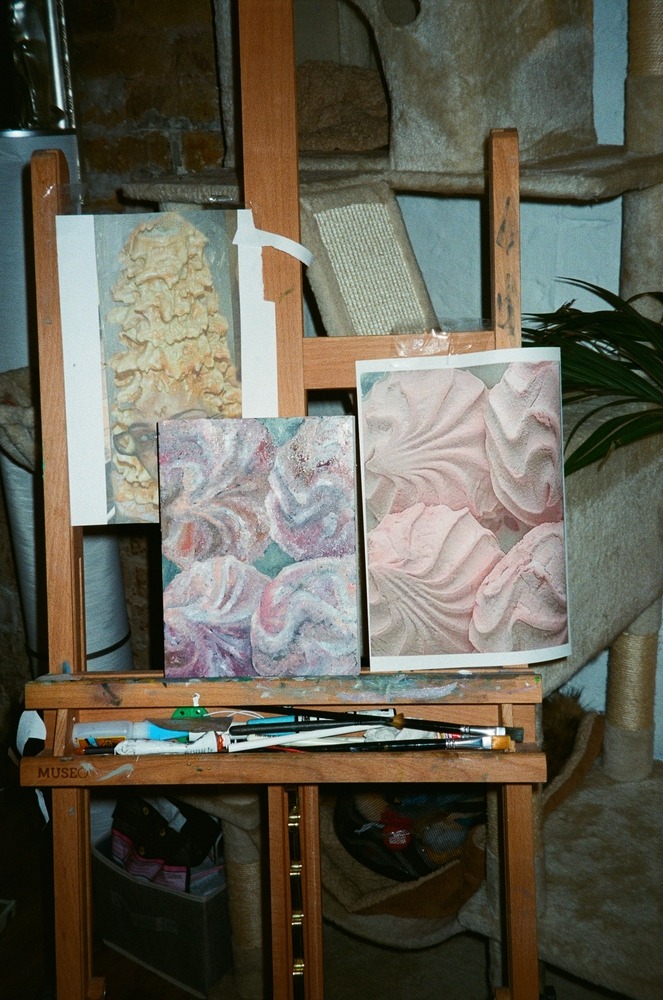
That's interesting to me because some of your paintings refer to images you've found through extensive research on the internet. For you it seems the internet is part of non virtual reality which is just part of something that is almost tactile.You were searching, for example, restaurants in Siberia while your kefir grains also come from the internet. At the same time, over the past two decades we've seen what was once considered poor people's food transformed into fashionable "superfoods" also with the help of interenet. Entire food cultures are suddenly becoming desirable.
Have you heard about the tinned fish movement?
Tinned fish that is usually treated like a poor man’s food has become one of the trendiest luxury foods. It's been completely rebranded as gourmet cuisine. There are companies producing incredibly high-quality conservas: barnacles, anchovies, shellfish- all sourced ethically.
It's actually really huge in Spain. Michelin-starred restaurants use them and a lot of these producers are small family-run fisheries that have been operating for generations. They treat fish almost like wine and if the quality isn't good enough, they simply stop producing. If rising sea temperatures affect the anchovies, they won't make anchovies that year.
It's quite subversive because we've been taught that tinned fish is somehow inferior but then maybe that was also propaganda. It's expensive now, but I will be unpopular here by saying that perhaps some things deserve to be luxury products instead of always being dirt cheap.
I recently read an article about the Norwegian bacalhau industry in Africa, and how export markets ended up damaging local fishing ecosystems.
Yes, that's the other side of it. But the producers I'm talking about are really focused on sustainability. They're very transparent about where everything comes from.
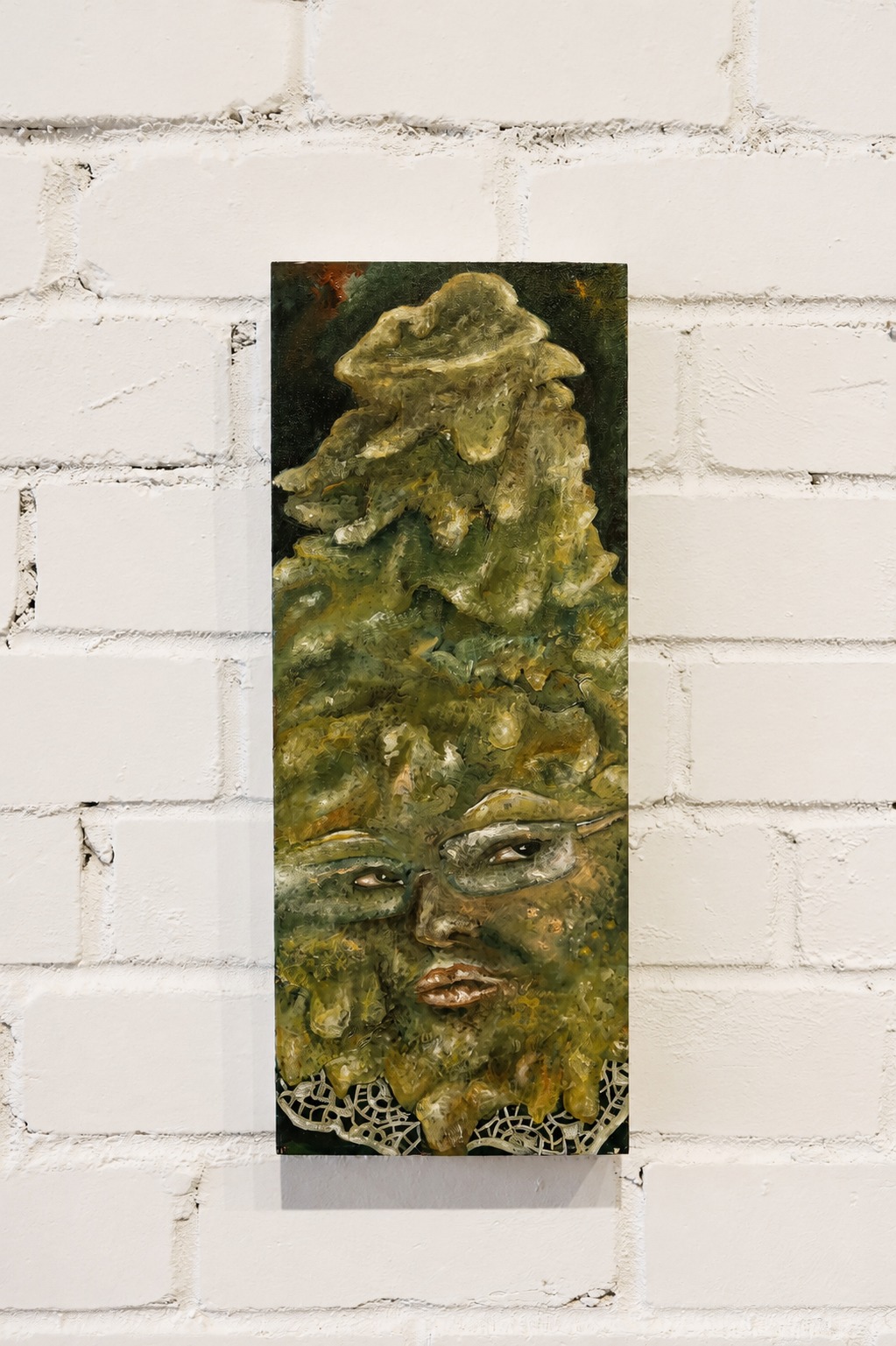
You've lived away from Lithuania for years, yet many of your paintings return to images that feel profoundly local: mišrainė, sausages, šakotis, pickles - so all the food that could have come straight out of a family photo album. Is that simply where your memory naturally gravitates?
There is definitely nostalgia. Where I live, you can eat almost any cuisine at any time of day: Ethiopian, Indian, Pakistani, Sichuan... Lithuanian food is much harder to find. There are Polish restaurants, and now more Ukrainian restaurants are opening, so I often go there instead. It becomes a game of finding little fragments that remind me of Lithuanian food.
I rarely cook Lithuanian dishes at home because in my mind they take so much time. I'm not making kastinys (Kastinys is a traditional sour-cream butter product from Samogitia (Western Lithuania), made by blending sour cream, butter, and curdled or sour milk with spices like garlic and caraway seeds.) . I'm not making cepelinai. If I do something, I want to do it properly. Even proper barščiai will take hours.
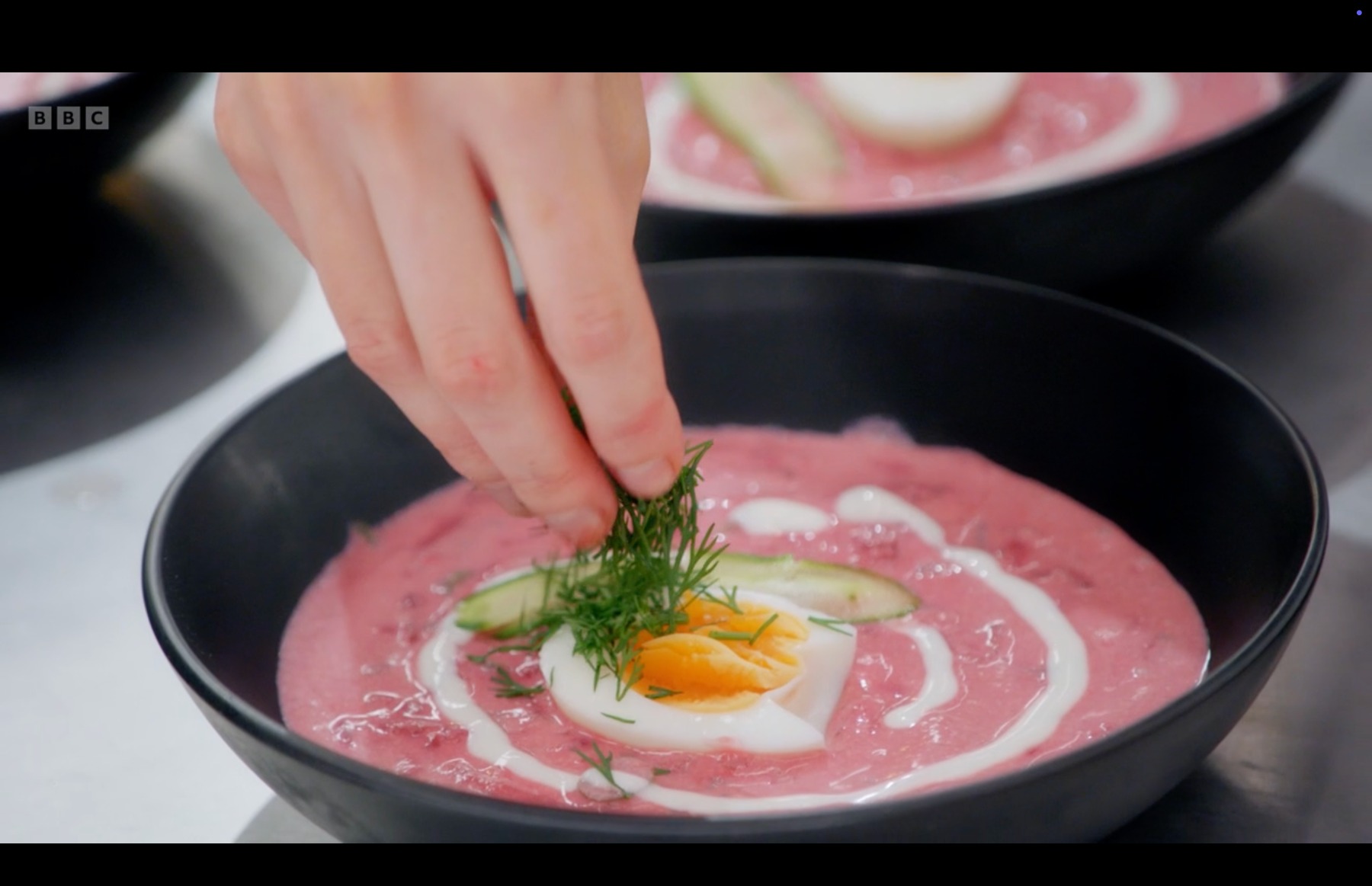
What about šaltibarščiai (cold beetroot soup with kefir)?
Šaltibarščiai are quick.
That's the whole point, isn't it? People used to cook these dishes and then eat them for days afterwards.
Exactly. For me, fermentation is enough because it already feels like cooking.
The heavier Lithuanian dishes – I don't really want to eat them anymore because they're probably not that healthy. But I also think Lithuanian food isn't very well represented internationally. It's always exciting when I discover something in another culture that reminds me of home. Whenever I make videos about Lithuanian food, people immediately start commenting that they have something similar where they come from.
And people battling in the comments: “Now it comes from here,” and “No, it was from here.” I remember it’s similar to The New York Times. People are battling in the comments that it’s not Polish cold soup but Lithuanian soup. In the comments, people are going crazy.
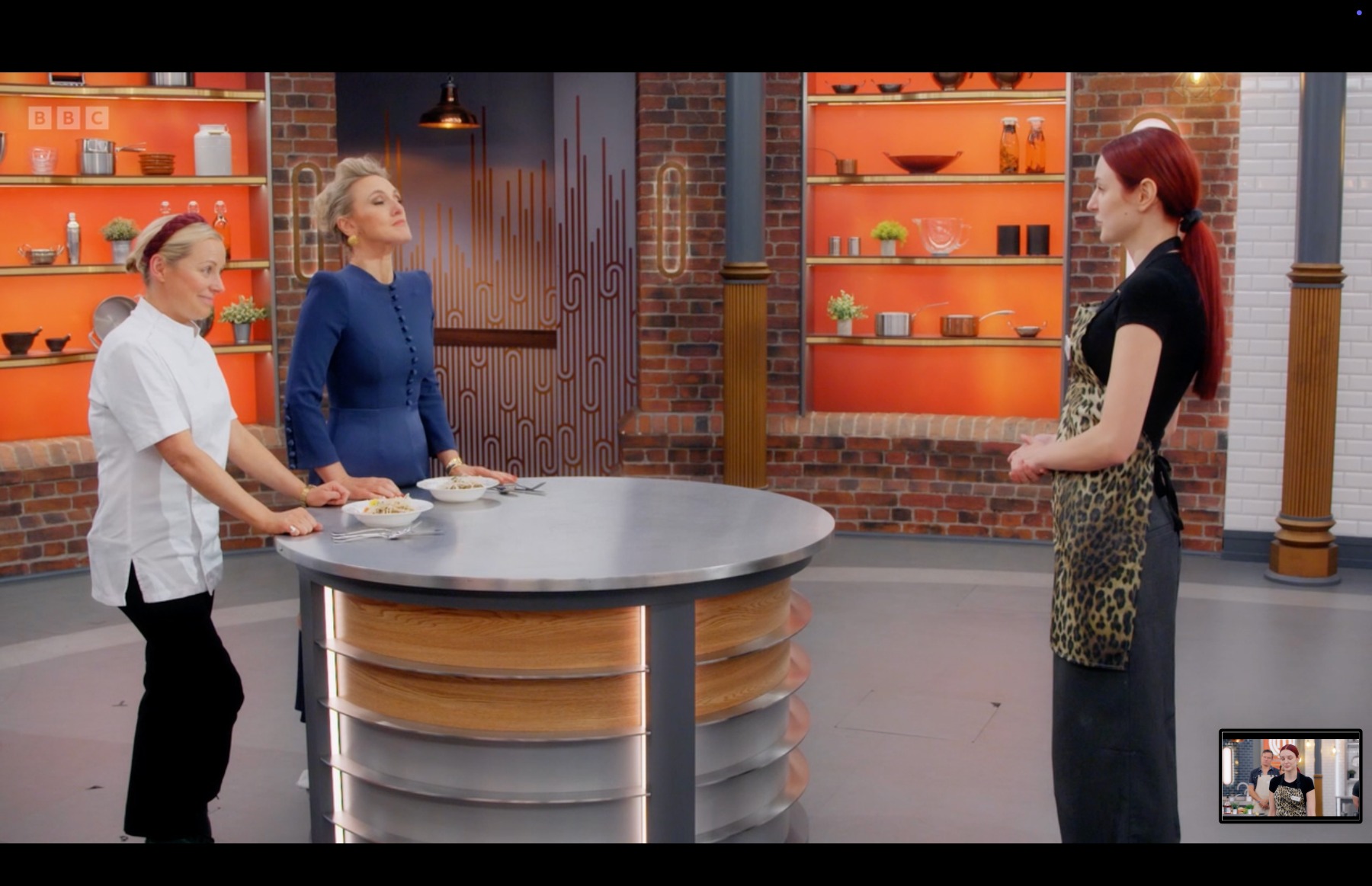
Yes, so I did said šaltibarščiai in MasterChef (TV show on BBC One). For the first dish, I made potato latkes (a Jewish dish) with chanterelles (dried and fresh), cream, and sour cream on the side, and fried vermicelli nest. I wanted to do something where Jewish cuisine overlaps a lot with Lithuanian cuisine. I wanted to create a very heavy and greasy Lithuanian dish that reminded me of Lithuanian mushroom hunting and excessive overeating, and grandmas by the side of the road – or actually buying from them.
For the third round at MasterChef, I did šaltibarščiai with potatoes with goose fat and dill. But I was very stressed because I had an hour and fifteen minutes to make four šaltibarščiai dishes, potatoes, and four main courses. So it was a lot of time organising. On that particular round, I was thinking about pretending to faint but decided against it.
The reception of the šaltibarščiai, I don’t know what it tasted like. What was televised was that they described it as bland. But I presented it beautifully – people can’t taste it through the TV, so I made it aesthetic.
I didn’t go there to win, but I thought it would be fun. I was watching a season of it, and I thought I could do it. I wanted to have the experience. I really like Grace Dent, who is one of the judges. I like the first rounds where you get to experiment.
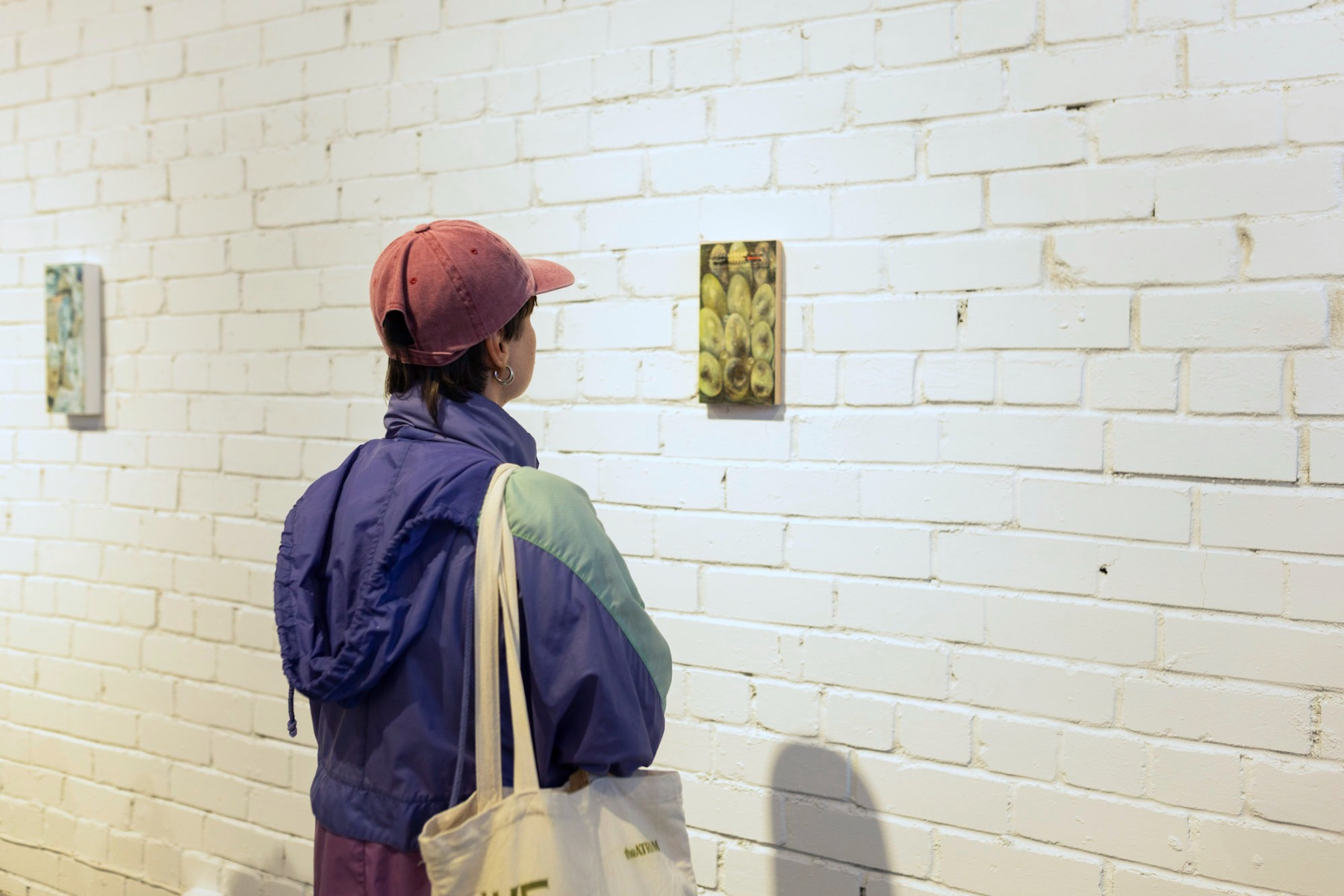
Do the motifs of food in your paintings emerge from nostalgia, or are they something more complicated? From your things that you do in your “normal” life? Sometimes your paintings don’t feel sentimental at all; they feel almost anthropological, as though you’re examining or psychoanalysing yourself, or analysing your own culture from a distance.
I would say both. I probably have a hang-up thing to do with my identity. I don’t see myself as English, but I see myself more as Lithuanian. But the problem is that I don’t even speak fluent Lithuanian. I see Lithuania as it was when I was seven years old. I don’t even know what is currently happening here in Lithuania, i am not watching the news..
I guess food is the only thing I know culturally. Food is the universal thing that I can hold on to.
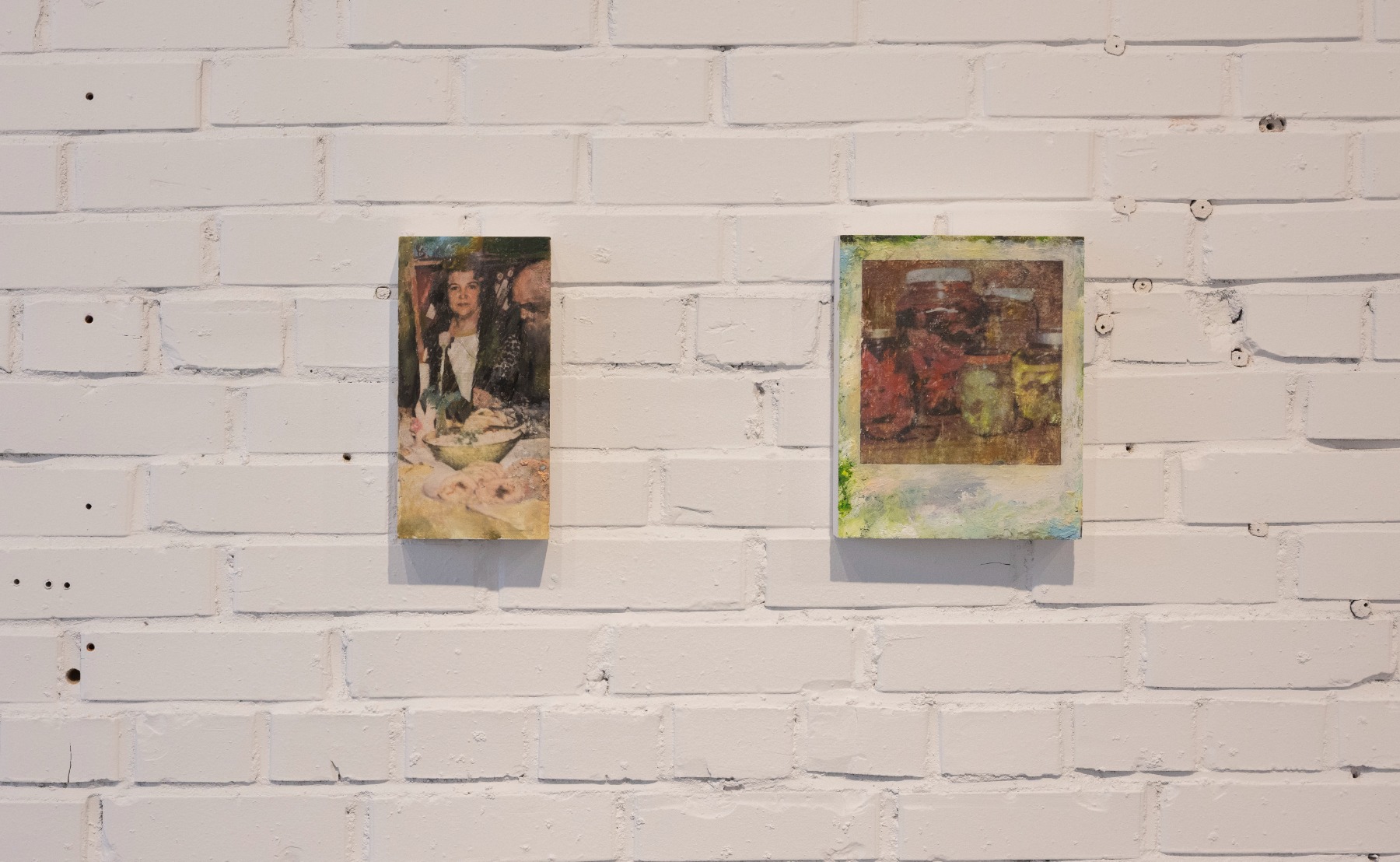
Do you think food has become a substitute for language? If you say your Lithuanian isn’t entirely fluent anymore, perhaps food is another way of remaining fluent in your culture and kind like watching the news.
The only time I see it is when I visit my grandmother, who lives in Kent, so I see Lithuanian TV there and also soap operas dubbed in Lithuanian. And obviously Lithuanian Eurovision – that, for us, is bigger than Christmas. In Kent – Longfield, next to Gravesend. So, about Eurovision, we always support Lithuania, and Eurovision was really massive for us when I was growing up.
Tell me what changed for you and being/feeling Lithuanian in the UK after Brexit?
Where I grew up specifically was not the most cultural of places. I don’t remember much but I remember being told to “come back where you came from”. It’s funny now, I have many friends who moved back to Poland and they have a way better quality of life quality there than in the UK.
I didn’t feel much discrimination living in London as they celebrate differences rather than be offended and intimidated by them. I guess London thinks more a world – place. Brexit for me personally doesn't affect me in any way because I have settled status, still have my Lithuanian EU passport.
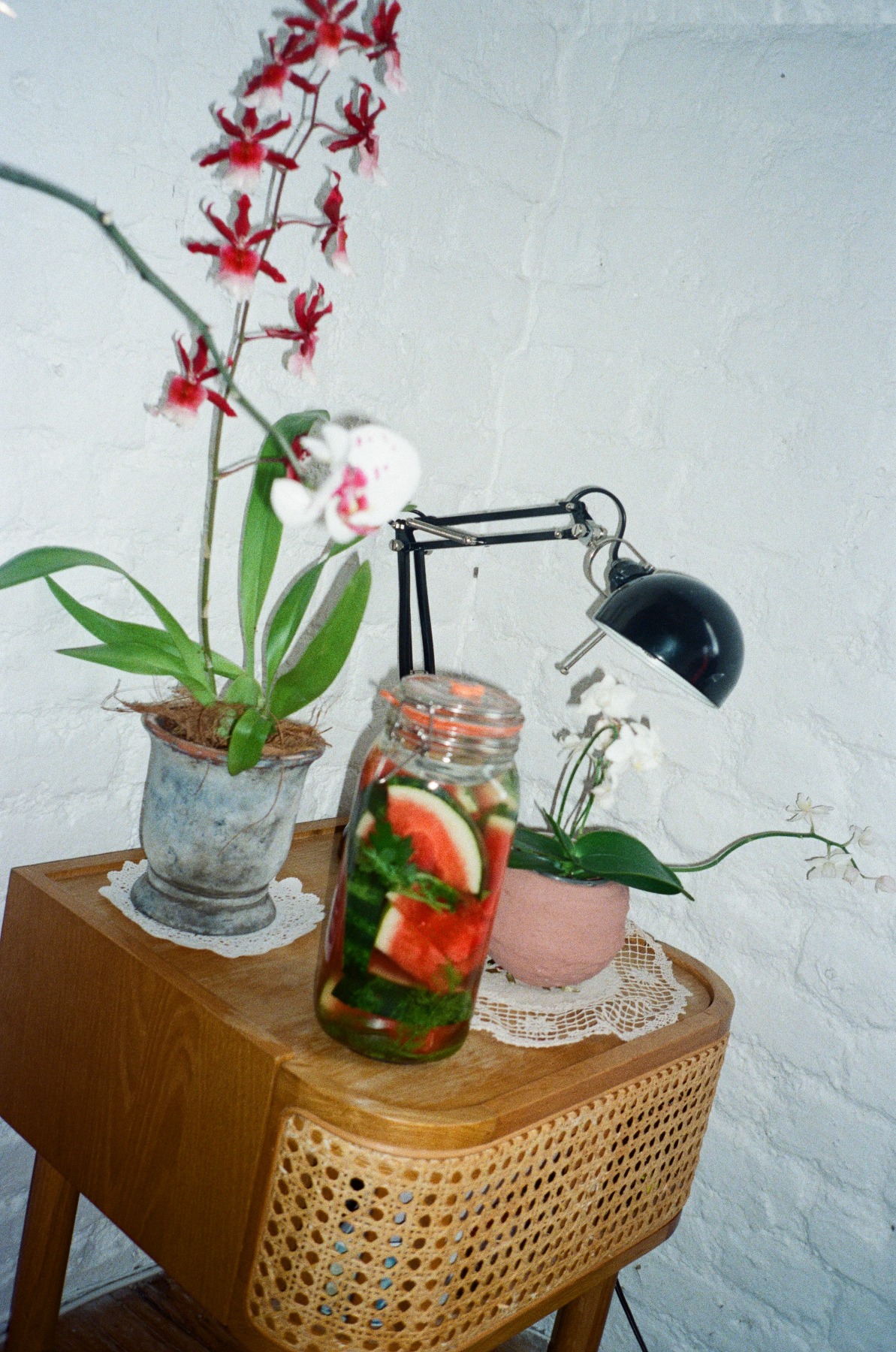
Coming back to the artworks and food convergence. I observe that contemporary Baltic creatives and artists work with food, but in very different ways. Vytenis Burokas, for example, approaches fermentation philosophically - as a living process of transformation, care and time of ideas, special ideological constructs. In addition, his gardening and farming project seeps into his paintings and graphic works. In Paris, Monika Varsavskaja, meanwhile, often returns to the staple dishes of a kind of Soviet domestic and canteen culture, transforming them into something almost fetishistic, seductive and strangely luxurious yet abject.
I’m very drawn to what Monika Varsavskaja is doing and in some ways I’m trying to place myself within that wider movement. I have noticed now that Ukrainians who have moved to London have really helped elevate Eastern European cuisine. It is no longer presented as beige meat and potatoes on a sticky table. At Tatar Bunar in Shoreditch (a restaurant I love), for example, the crockery and furniture were imported from Ukraine, the staff wear traditional linen clothing and the drinks menu includes things like kvass cocktails. There is a huge amount of curation in the way the food and the wider experience are presented.
That presentation makes the cuisine more approachable to people who might otherwise dismiss it. I’m happy that Eastern European food is finally being given a voice and is no longer automatically looked down upon.
So ..in a way its about empowerment?
Yes, exactly. That is also what I want to do through my drinks brand, Spooky’s Kiosk: to empower Eastern European cuisine and present it as something contemporary and desirable.
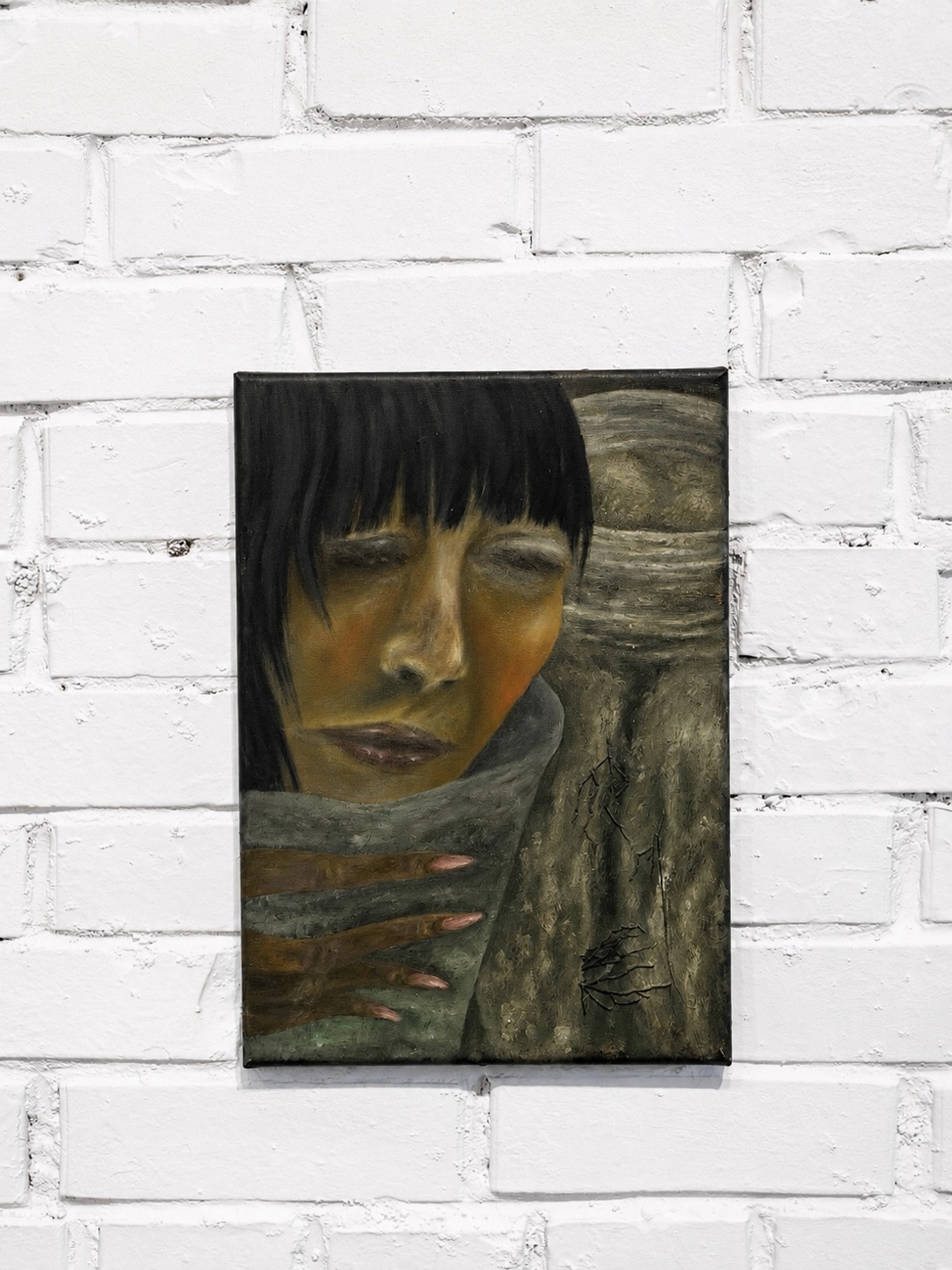
Many of your titles are almost entirely descriptive. Almost, not completely.. Giant mišrainė, Pickle Martini, Suspicious šakotis, Eggs in Plateliai, Fermentation Corner… You avoid documentation but also metaphors. You also made a photobook, which is closer to documentation, but still is arty.
Even with photography, I do double exposures, but the colours are still not quite right. I think there isn't enough whimsy in the world. That kind of playful spontaneity.
But you kind of control that whimsy, don't you? It's still choreographed in a way?
A lot of what I do is instinctual. My main approach is that I'm not precious about the material. I'm not precious if things go wrong. Most of the decisions I make happen in the moment. I do a lot of research beforehand, but then the decisions come on the spot.
But then there's also this suspicion...how come all this looks so seductive?
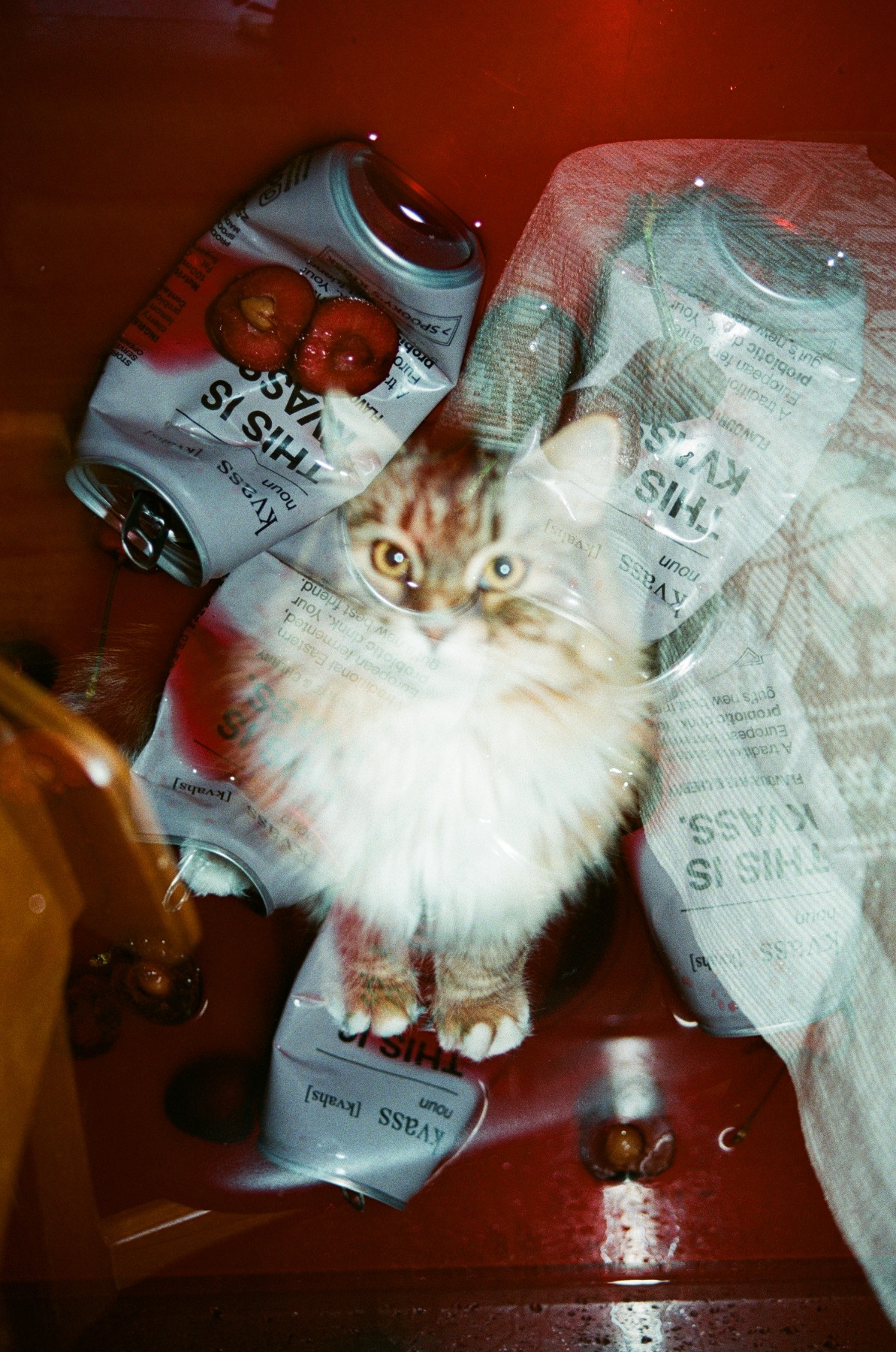
I used to do a lot of double exposures on 35 mm film. I'd photograph faces or cats over food items, and once in a while you'd get this hidden gem. With painting, I can and I could control things much more.
Curator Michal Novotný, at the MO Museum exhibition on Gen Z, suggests that the intensity is the main overarching mode of Gen Z generation. Perhaps even of our times, now. Therefore, the social media presence or even decision not to be present on social media at all or live like a luddite is maximum intense.
It's branding. I kind of see everything as self-branding. When you have a brand, you're rewarded a lot more. I read this book that basically said, "You're nothing if you're not branded.". OT Have you heard of "poor people lighting"? Like when you take selfies and the light in your house is yellow. There's this whole discourse around it. Sometimes it's also seen as a sign of high status if you're not that active on social media. There are all these things online about how to spot those signs, but I don't really know how real any of it is.
