Collective memory is everything I don’t remember: Memories that are not our own
Exhibition photos: Elis Kondelíková
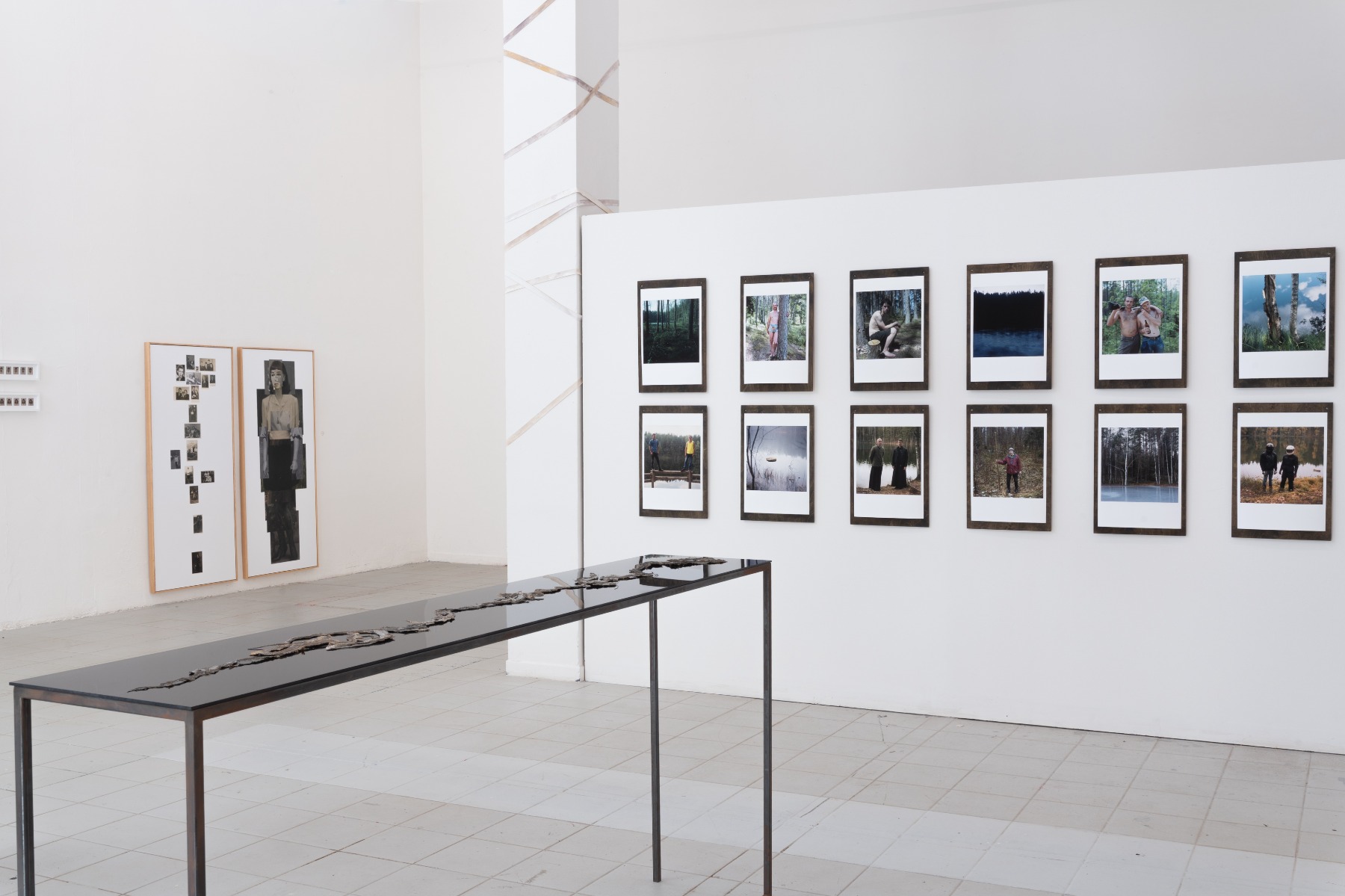
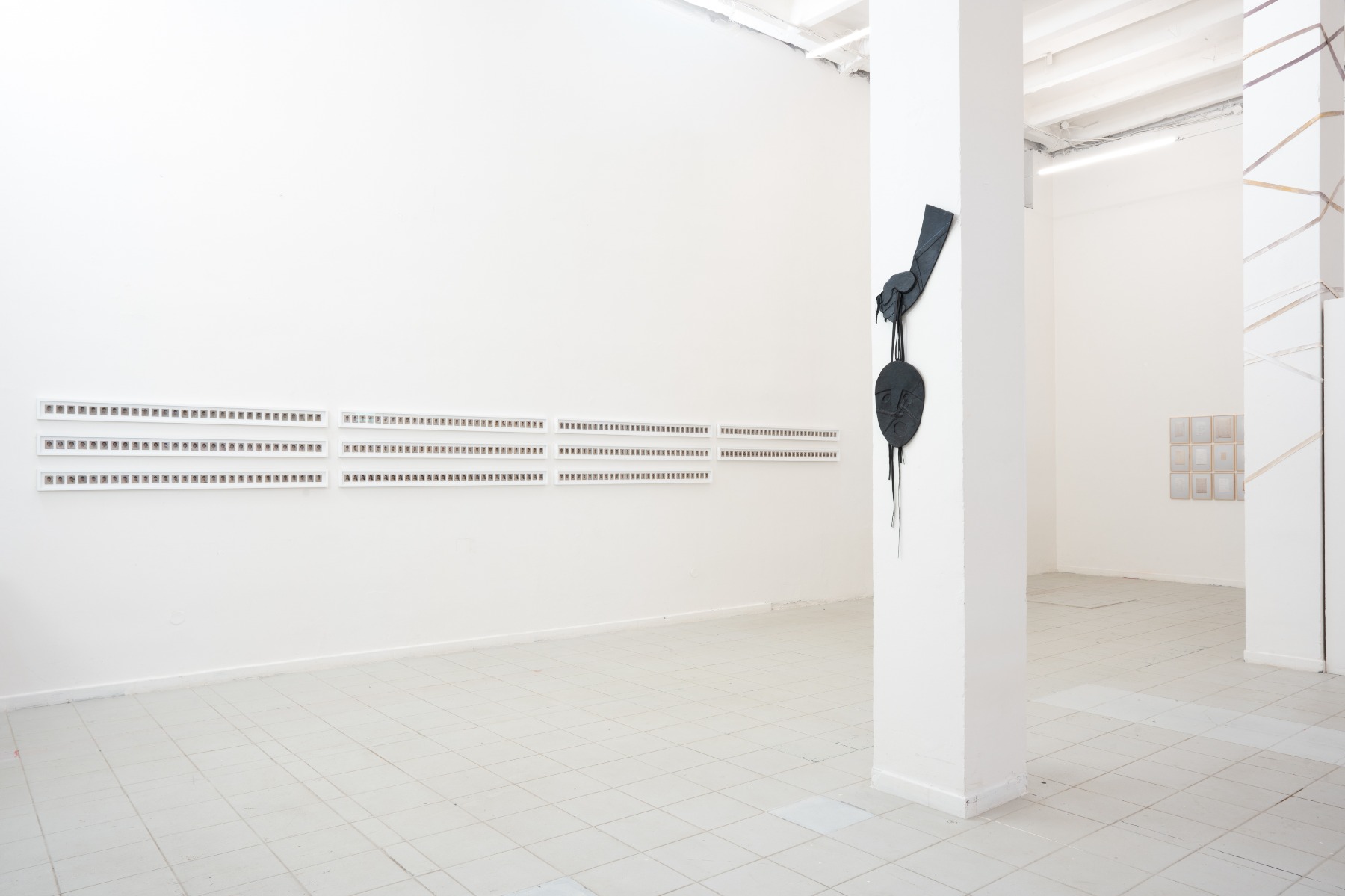
Photo reportage from the exhibition at the H40 space – The Chemistry Gallery in Prague / Exhibition will run through April 5, 2026
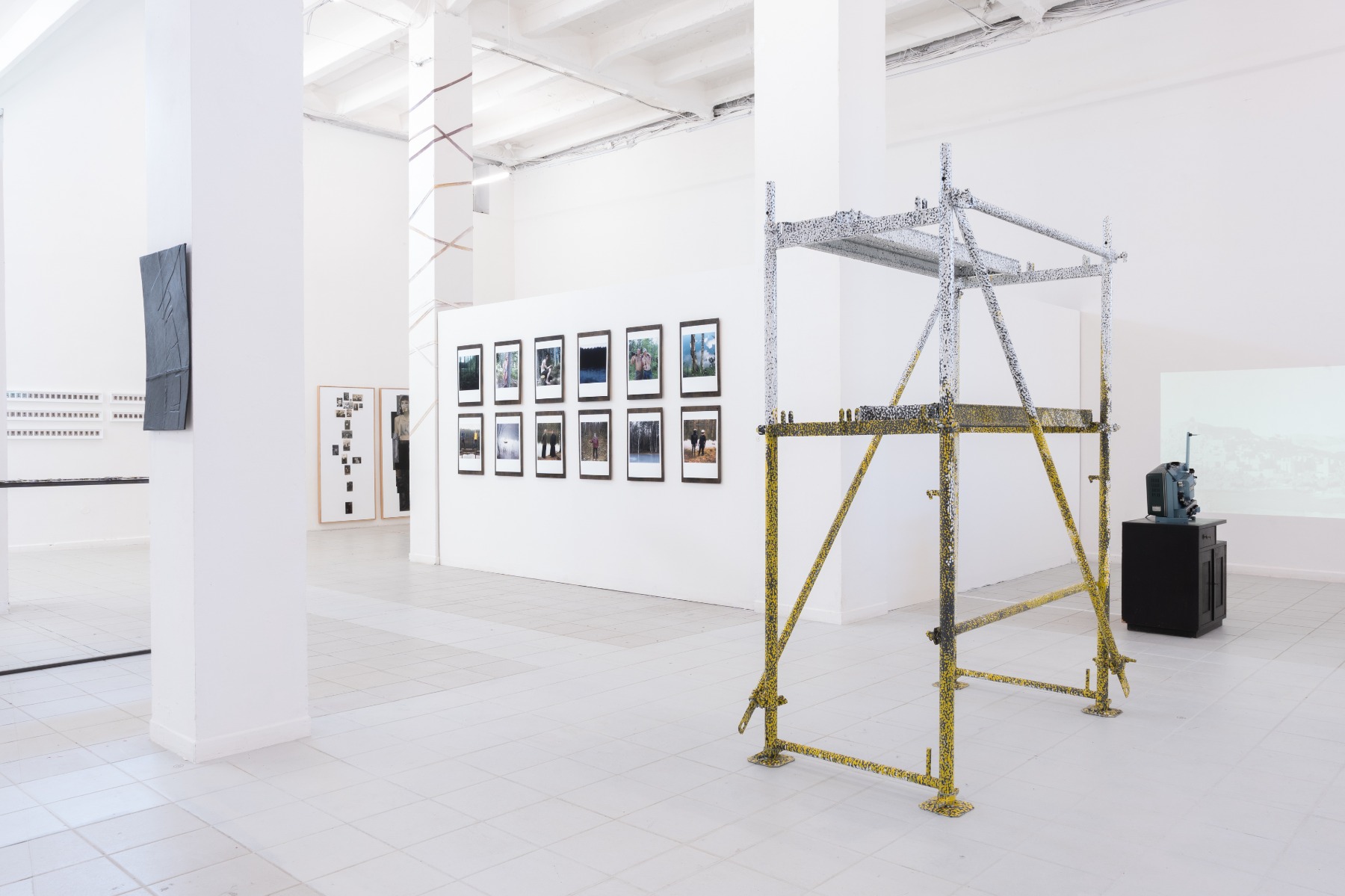
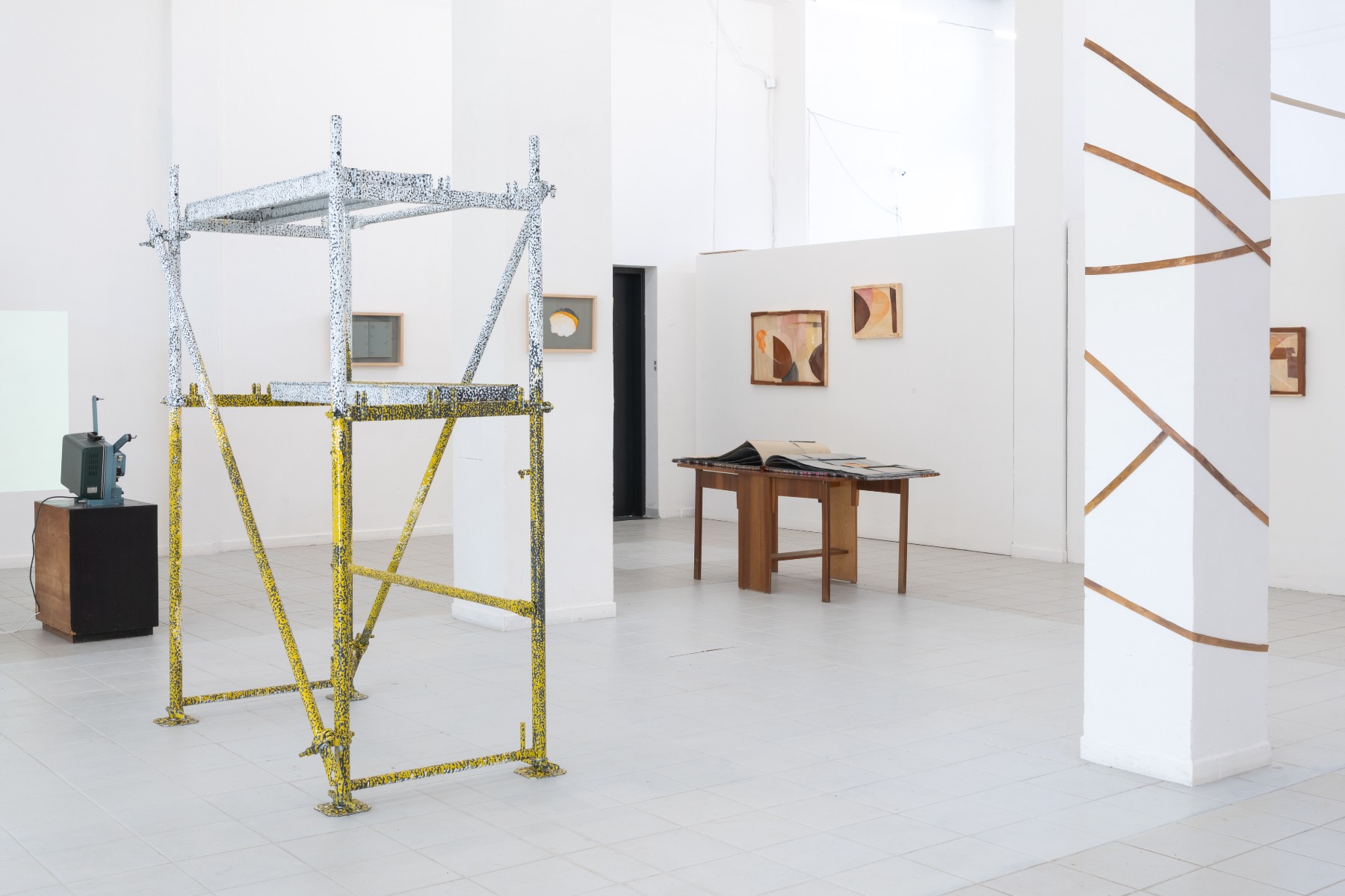
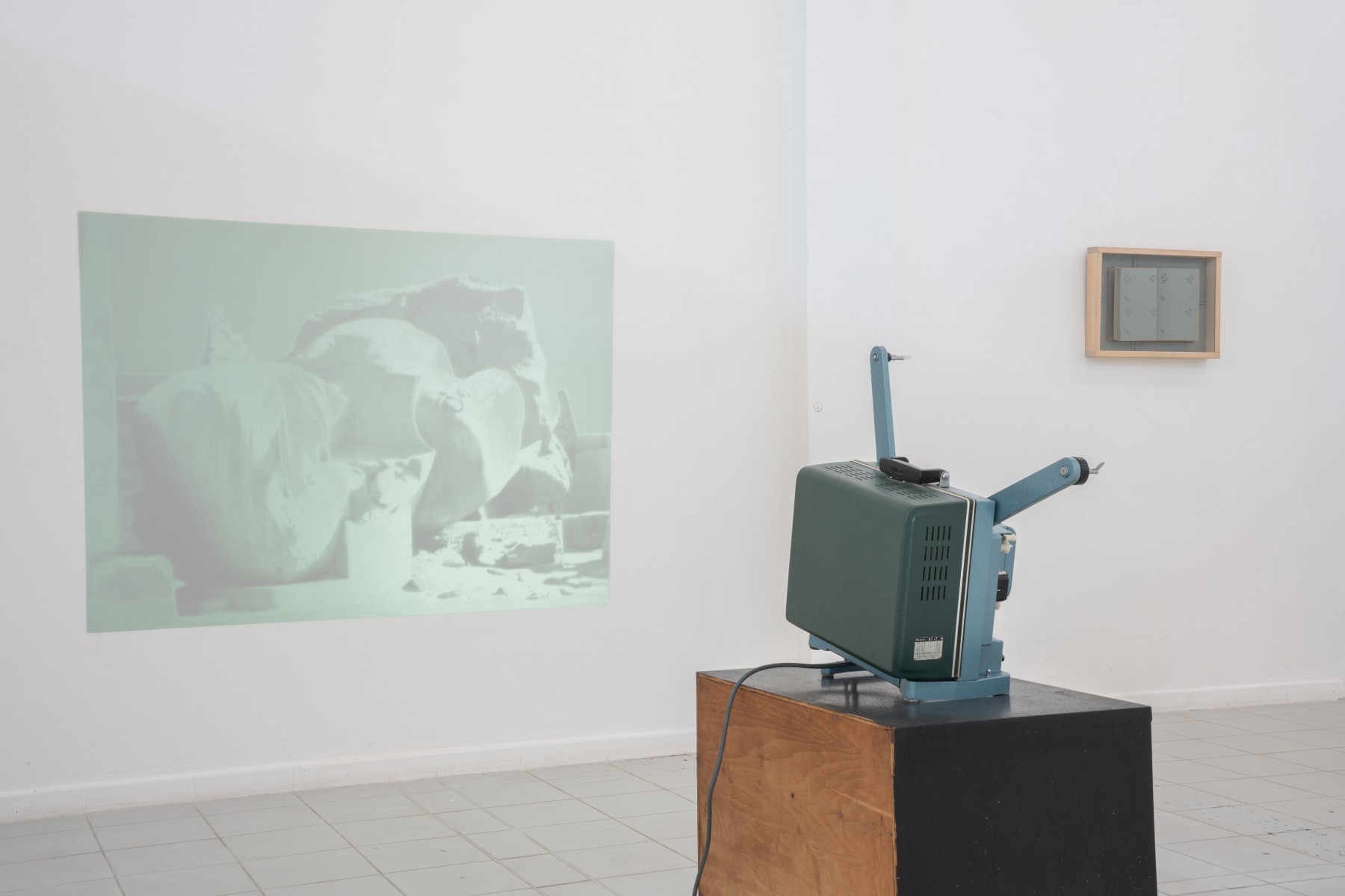
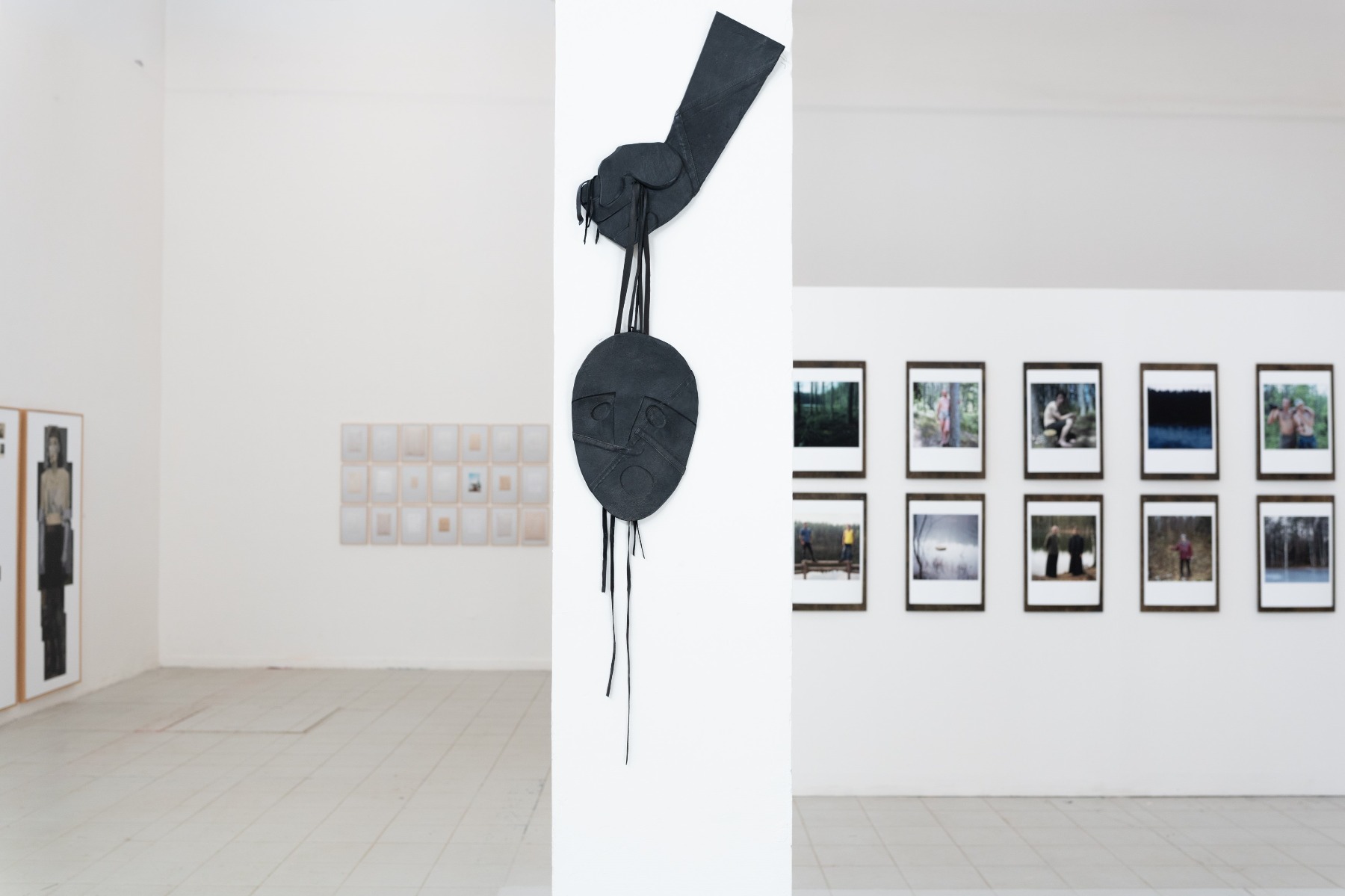
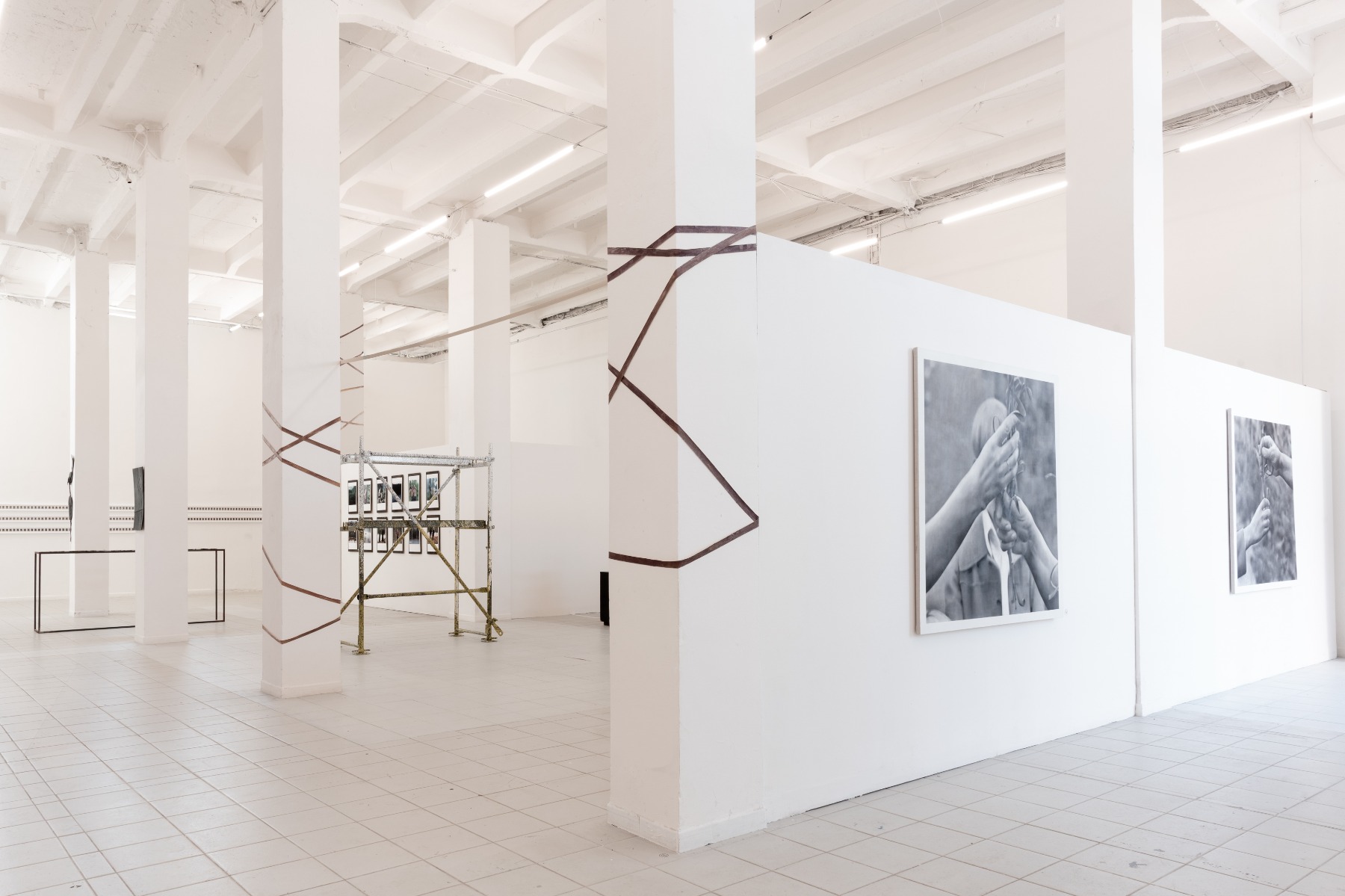
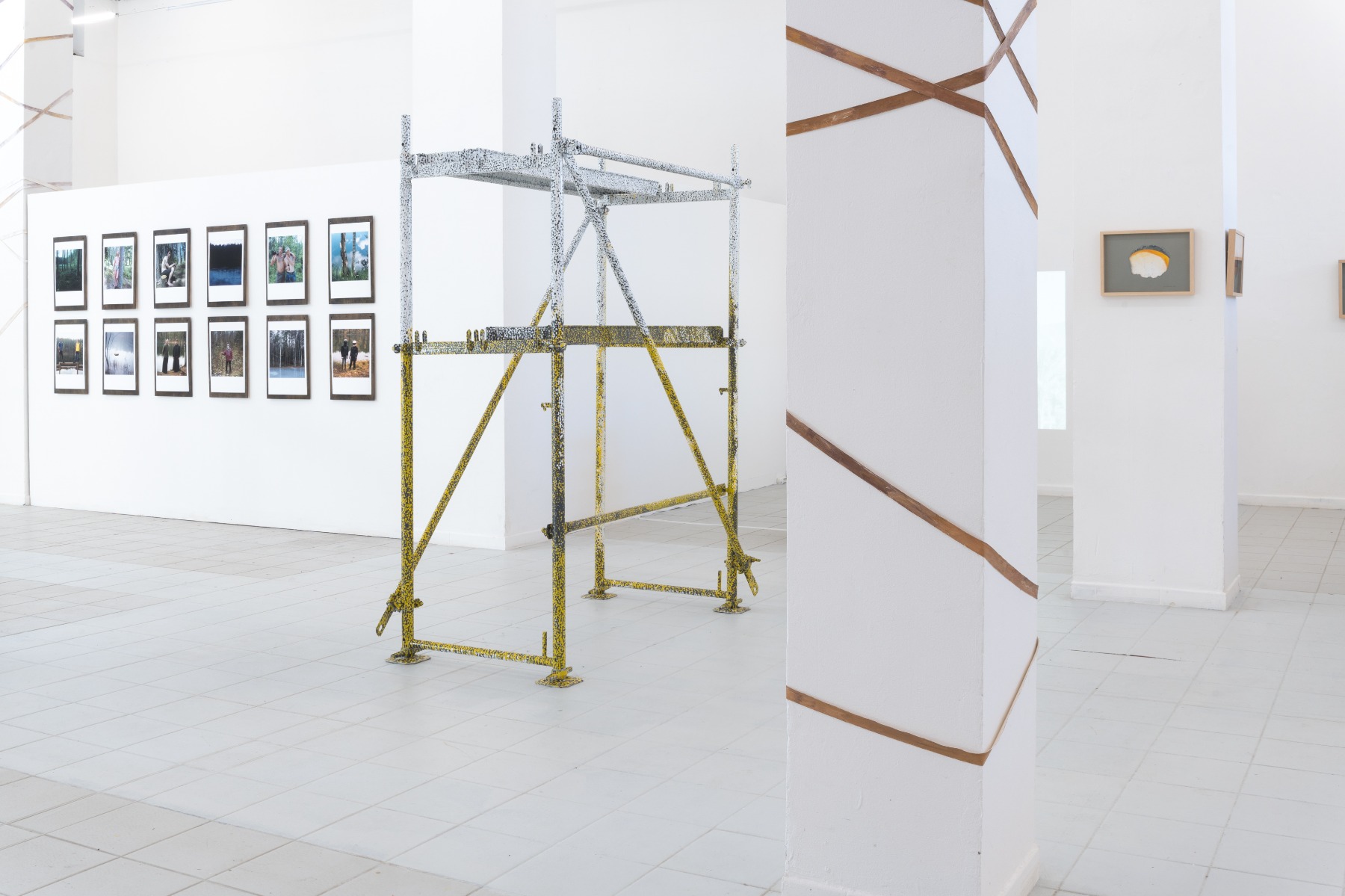
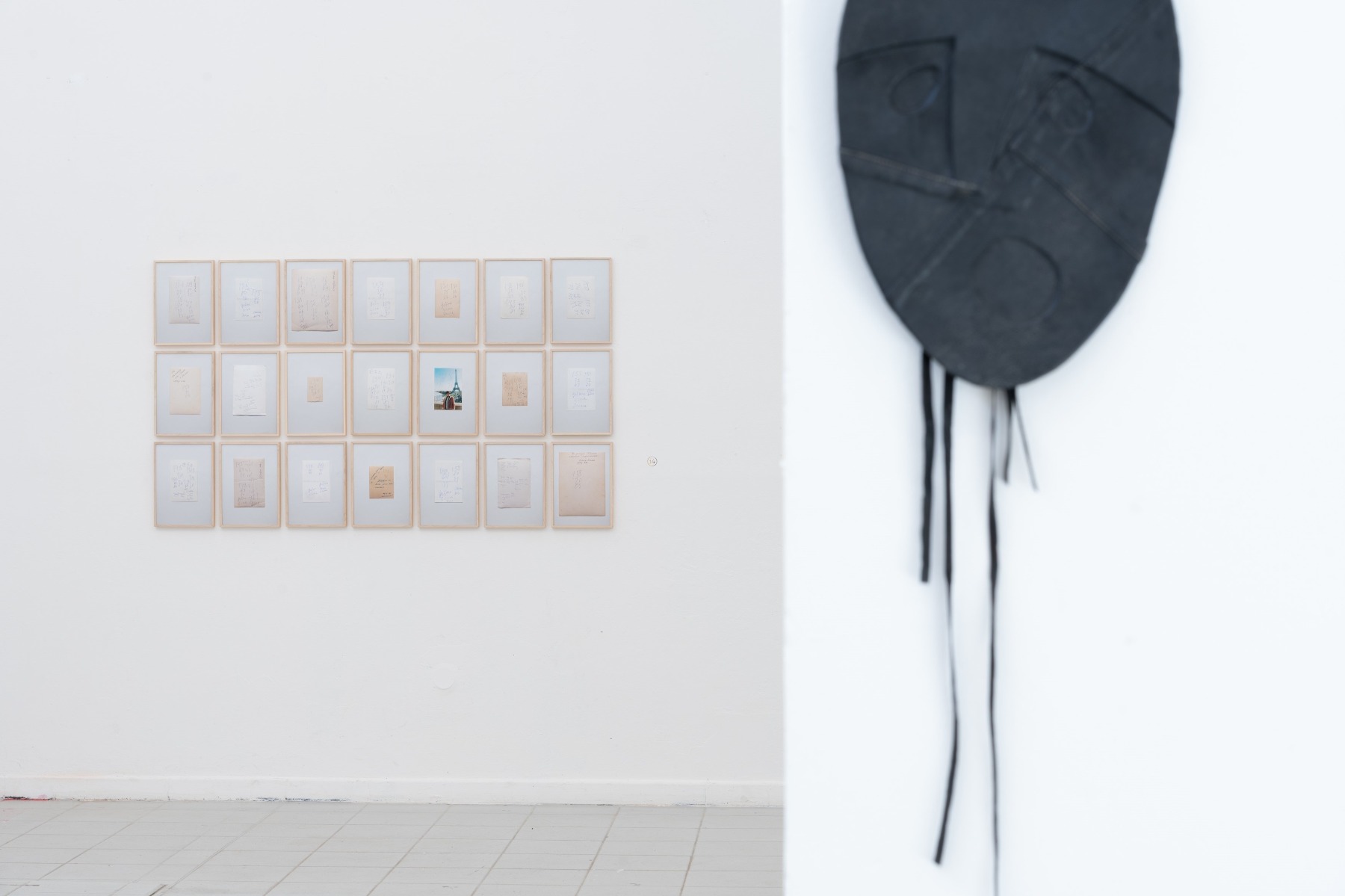
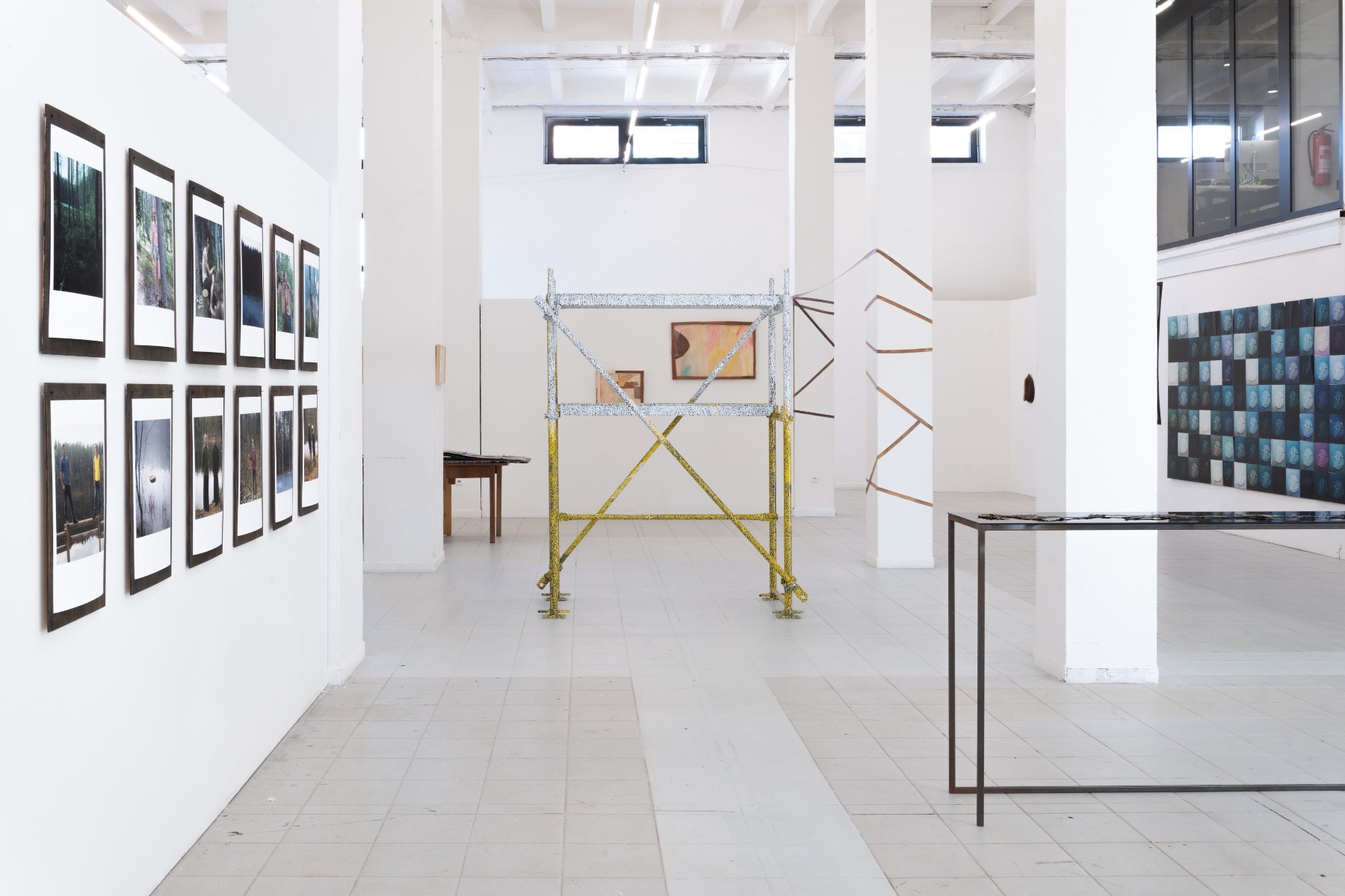
The exhibition project presents the works of seven Latvian women artists of the millennial generation, whose work, visual language and communication strategies are influenced by or directly stem from the phenomenon of collective memory. At the same time, the project also deals with the situation when collective and individual memory intertwine, influence and co-constitute each other
How does collective memory shape our personal recollections? How is it intertwined with our identity? And why is it important to ask what we, both as individuals and as a society, choose to remember? This exhibition project presents the work of seven Latvian millennial artists whose practices engage with collective memory and explore questions of identity and personal remembrance.
The generation to which these artists belong is highly specific in relation to the place and time in which they live and work. They were born in the Soviet Union, which ceased to exist while they were still of pre-school age. During their late teenage years, Latvia joined the European Union, bringing with it profound change and ushering in an era of innovation. In the first third of their lives, these artists experienced fundamental transformations that were not only societal but also deeply personal, unfolding within their immediate environments. Through family members and close relatives – and the collective memories they carry – these artists remain closely connected to the realities of the twentieth century, a period that, particularly in the Latvian context, was marked by ideological conflict, fractured memories and entangled identities. Another defining aspect of this generation is the transition from the analogue era to the digital and online age, alongside the shift towards globalised discourse, in which events shaping the world are shared and addressed in real time.
The exhibition features works by Ieva Balode, Krista Vindberga, Vika Eksta, Ieva Kraule-Kūna, Liene Pavlovska, Diāna Tamane and Elīna Vītola. In their works, these artists present diverse approaches and strategies for engaging with collective and personal memory and identity. Although the exhibition encompasses a wide range of themes, techniques and materials, and each artist approaches her practice in a distinctly individual manner, numerous points of connection can be traced across the works.
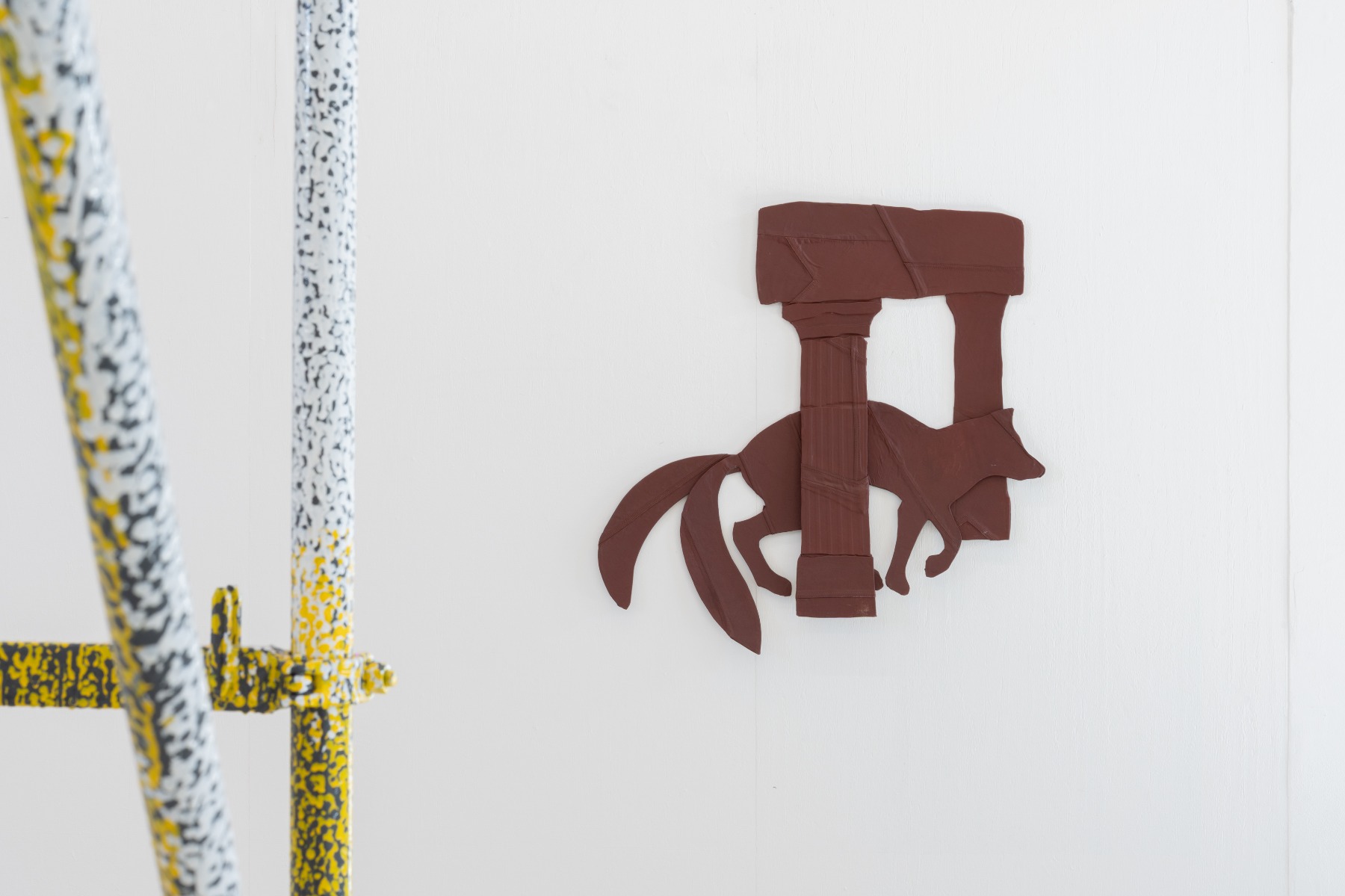
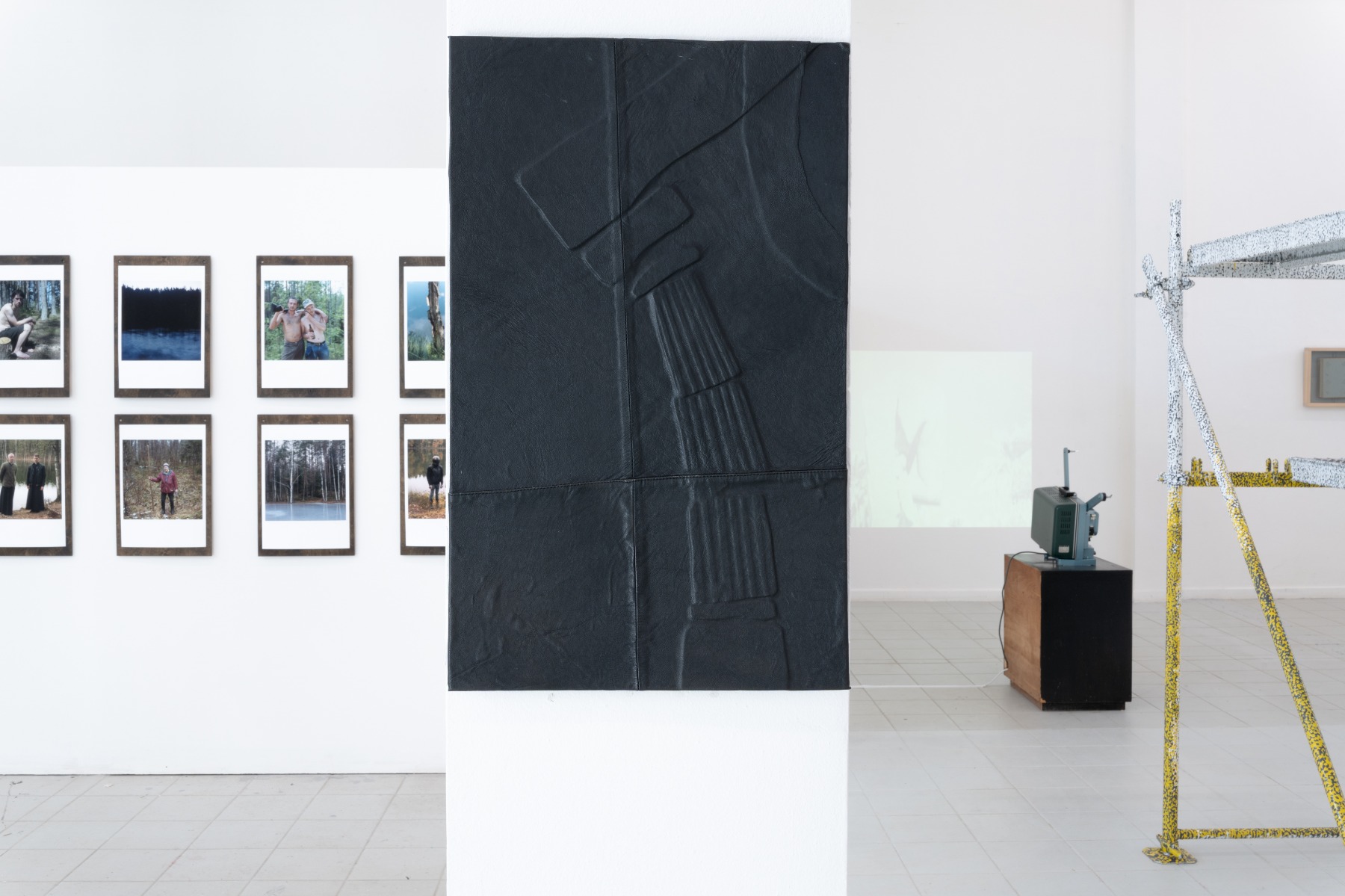
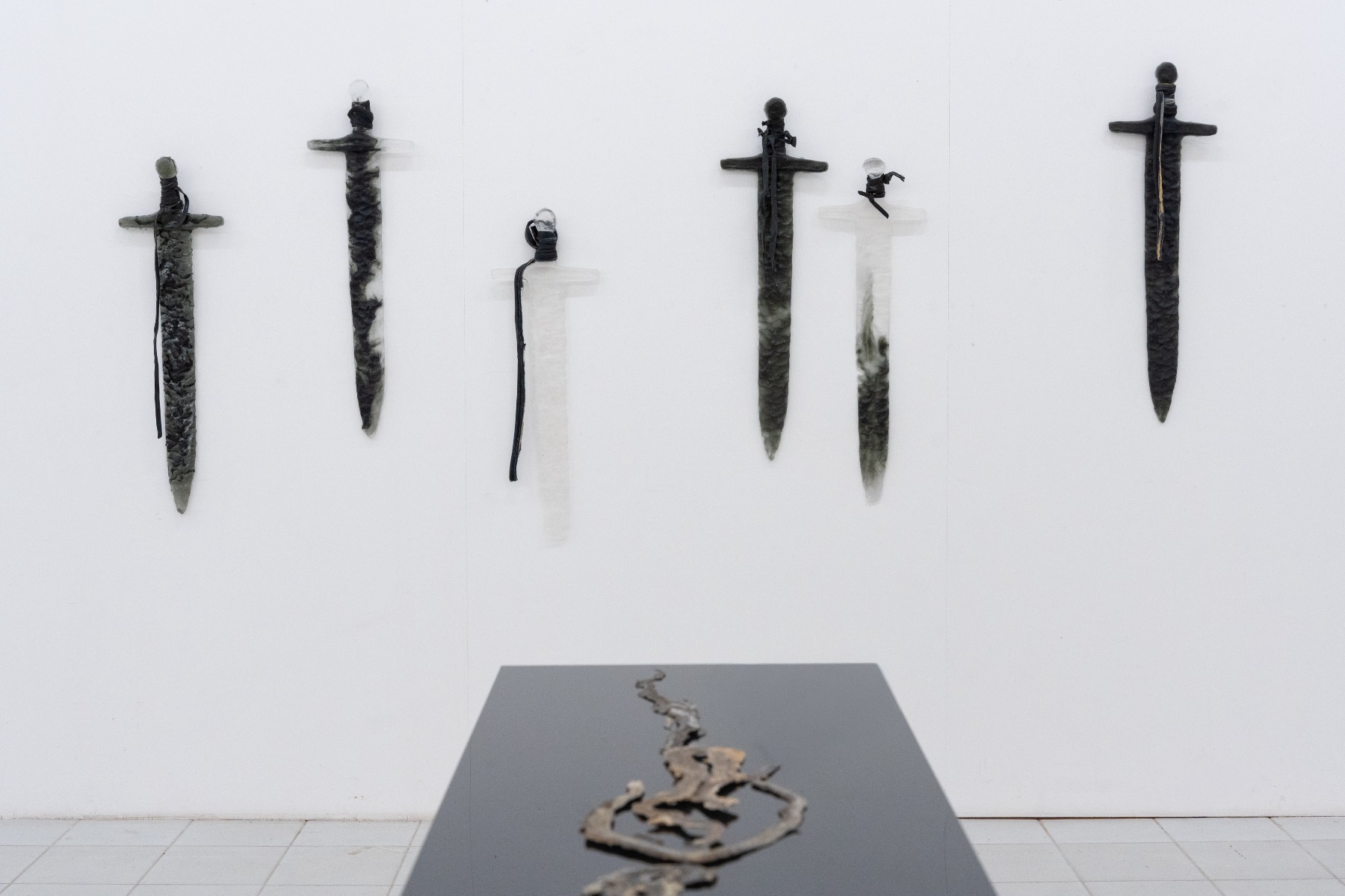
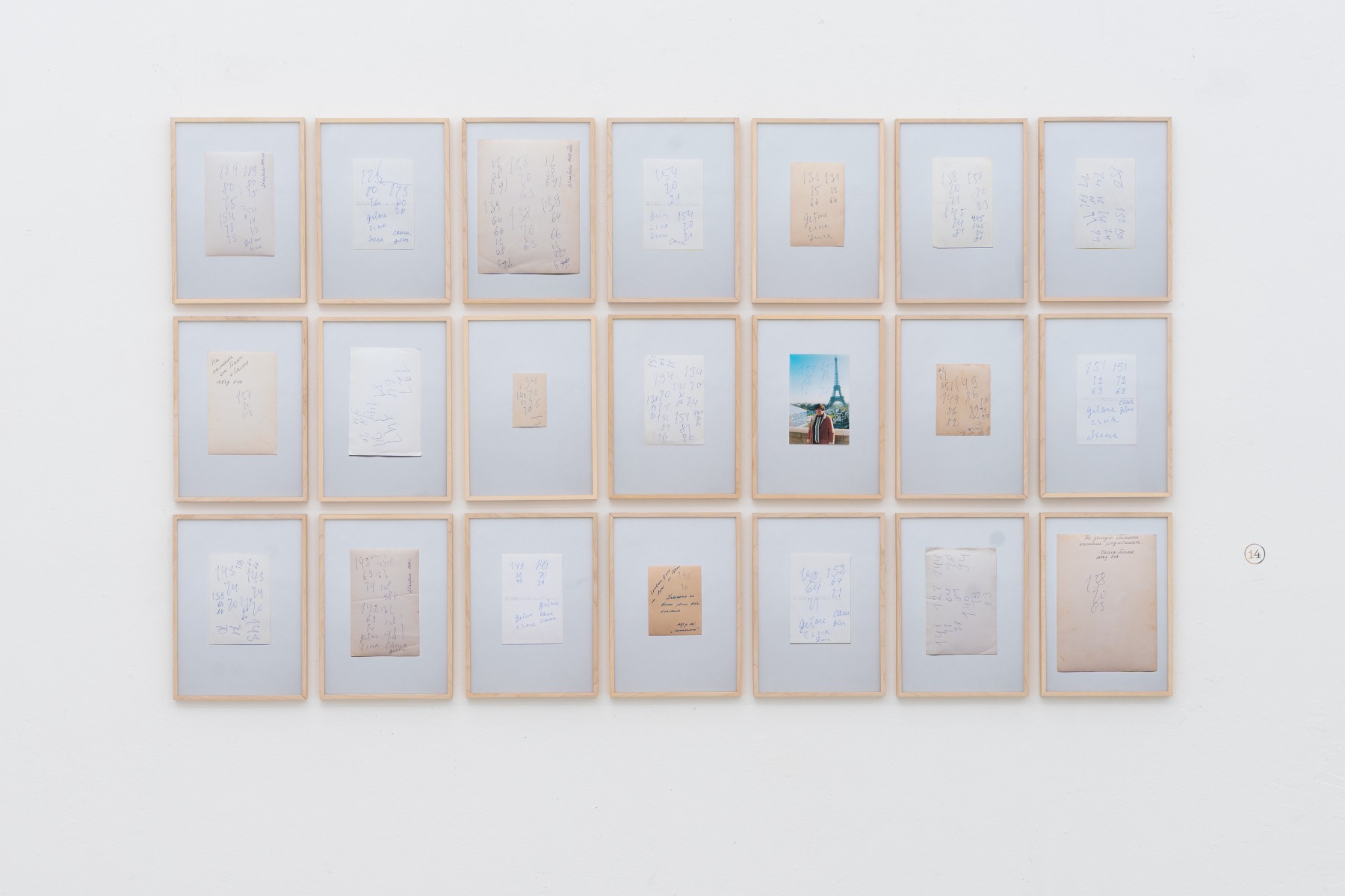
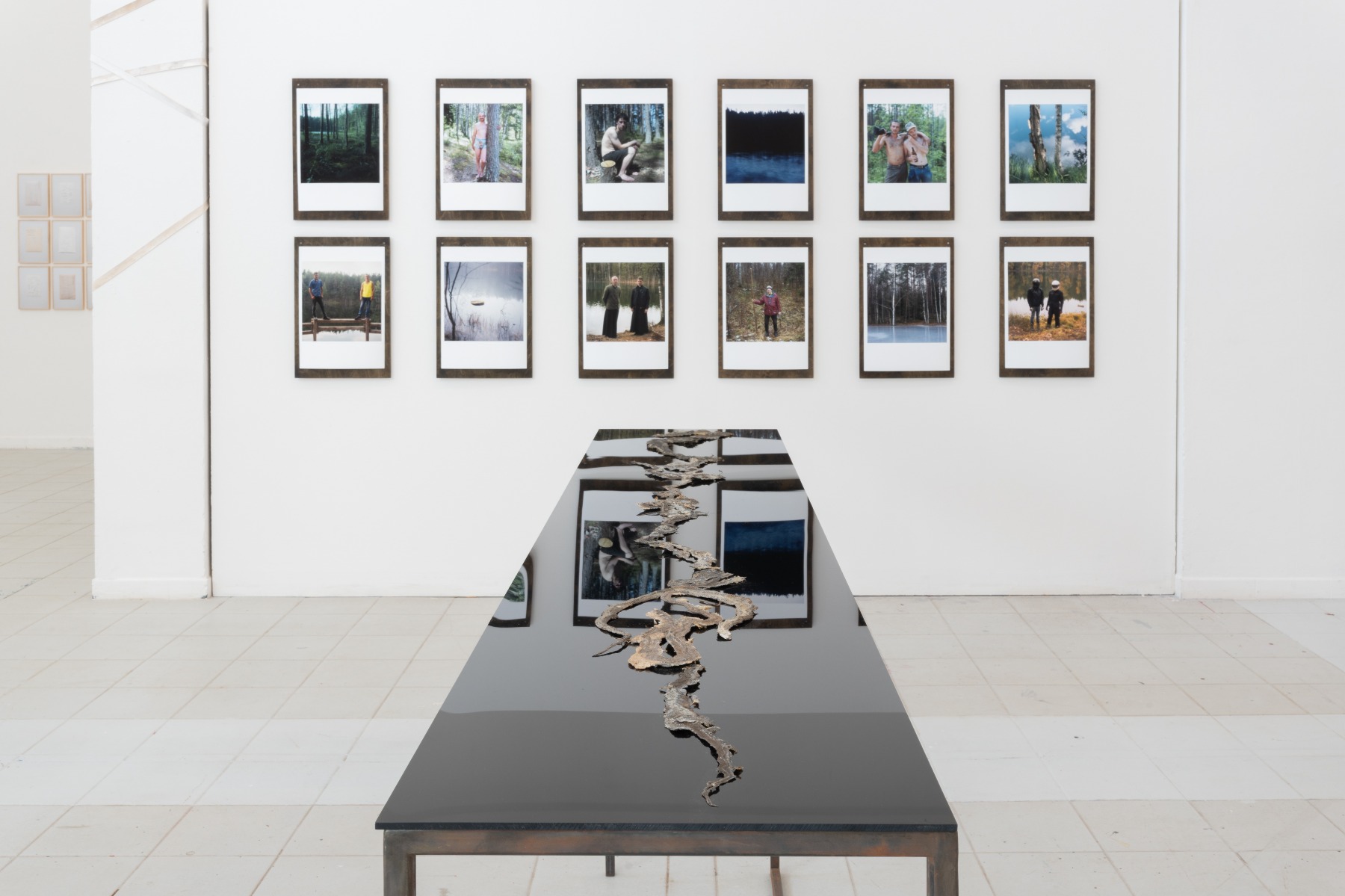
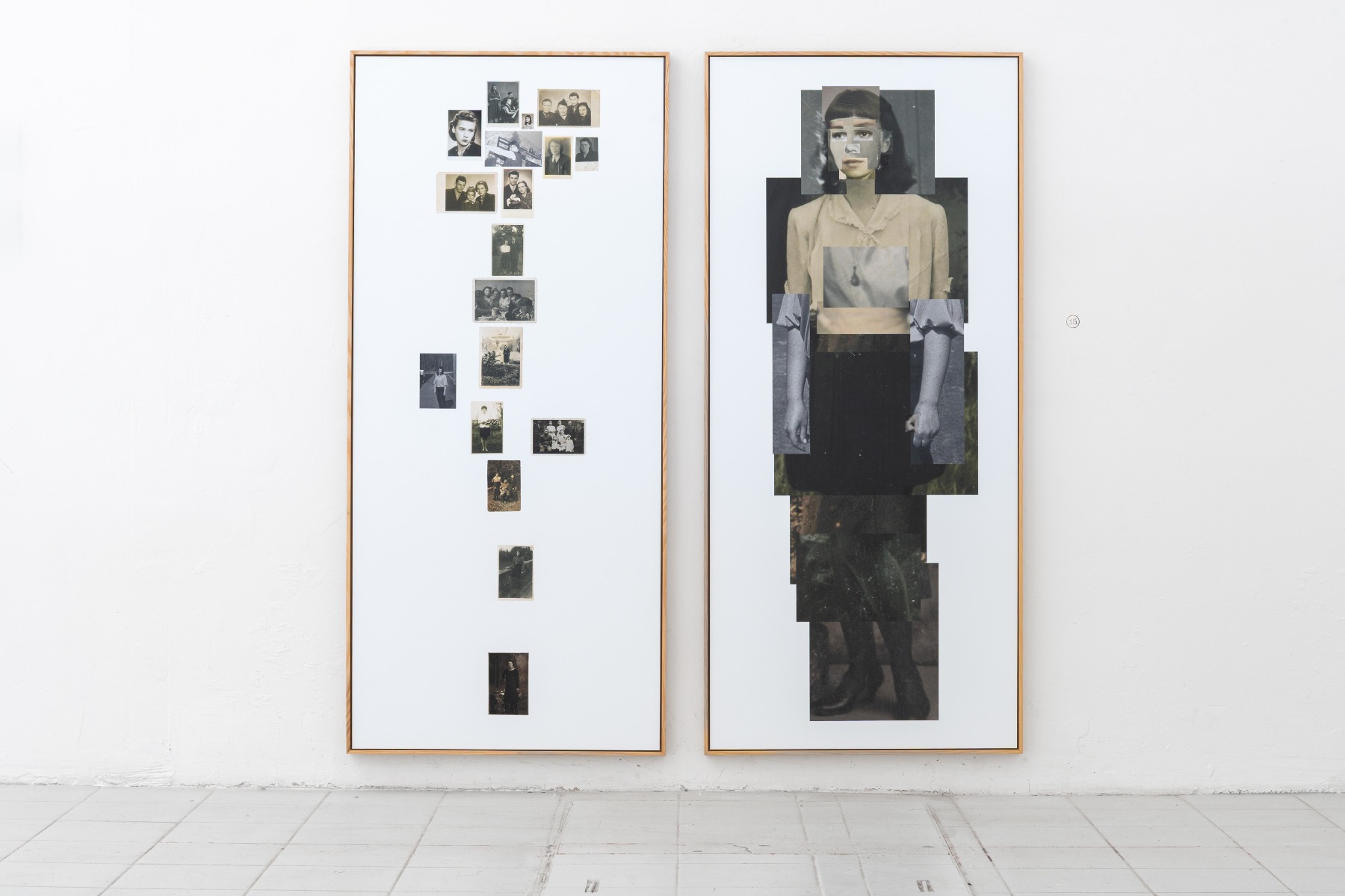
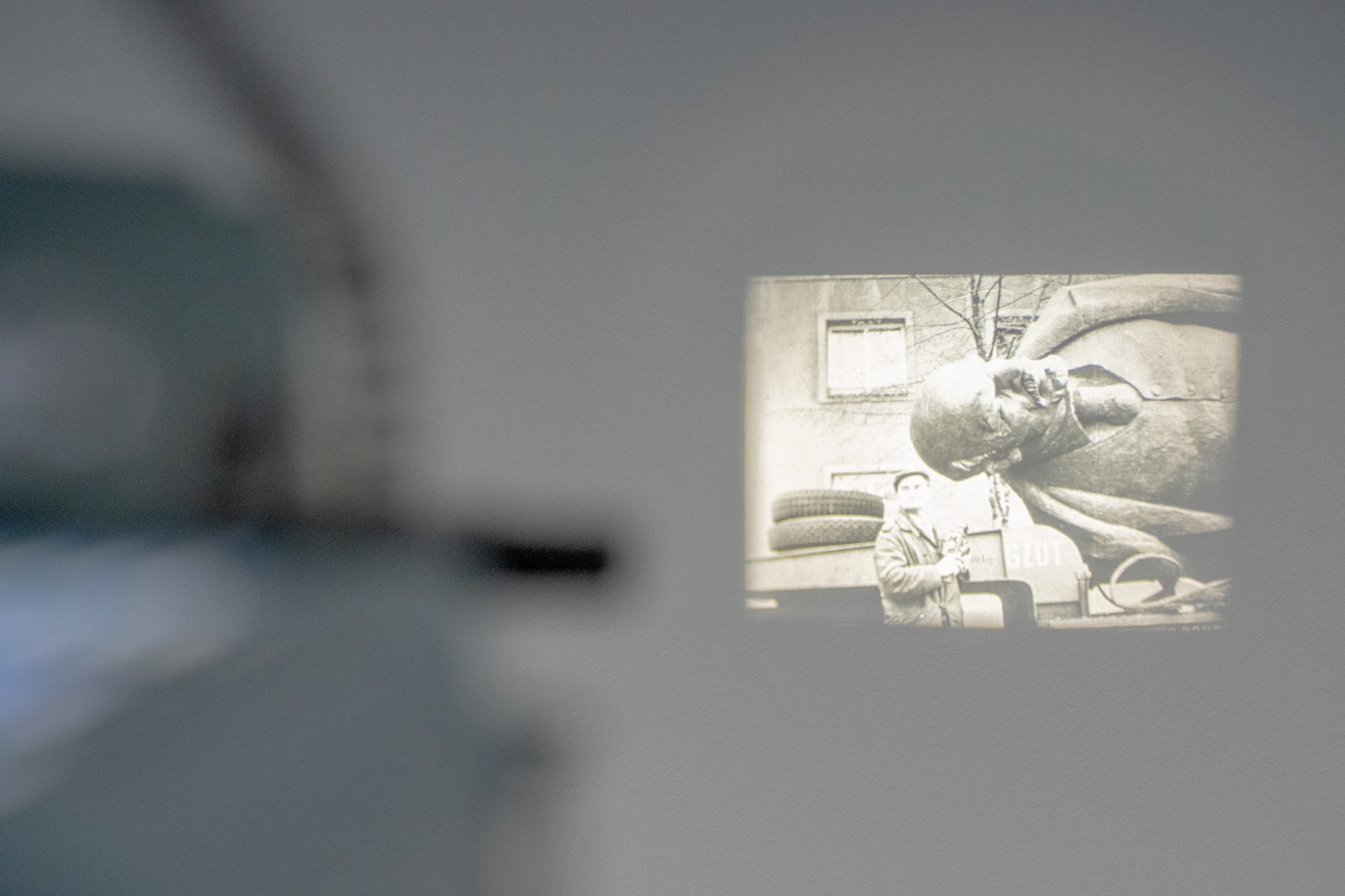
Thematically, works engaging with the legacy of past eras run throughout the exhibition. Liene Pavlovska, in particular, confronts the remnants of history, uncovering secrets that perhaps were meant to be forgotten. Vika Eksta and Ieva Kraule-Kūna venture into realms permeated by mysticism: Ieva offers testimony from the 1990s, a period defined not only by economic and social transformation and new technologies, but also by alternative spiritualities. Vika, by contrast, moves from the urban environment into a landscape steeped in myth, introducing us to its flora and fauna as well as to its visitors. Ieva Balode and Elīna Vītola examine structures erected by civilisations – temples and monuments – considering not only their physical presence but also their relevance in the context of shifting paradigms and, above all, the passage of time. Time itself underpins almost every work in the exhibition, yet it is most directly explored by Diāna Tamane and Krista Vindberga, who engage with motifs connected to their family members – a theme also central to Liene Pavlovska’s practice. Krista, furthermore, addresses questions of identity explicitly, though this theme resonates throughout many of the works on display.
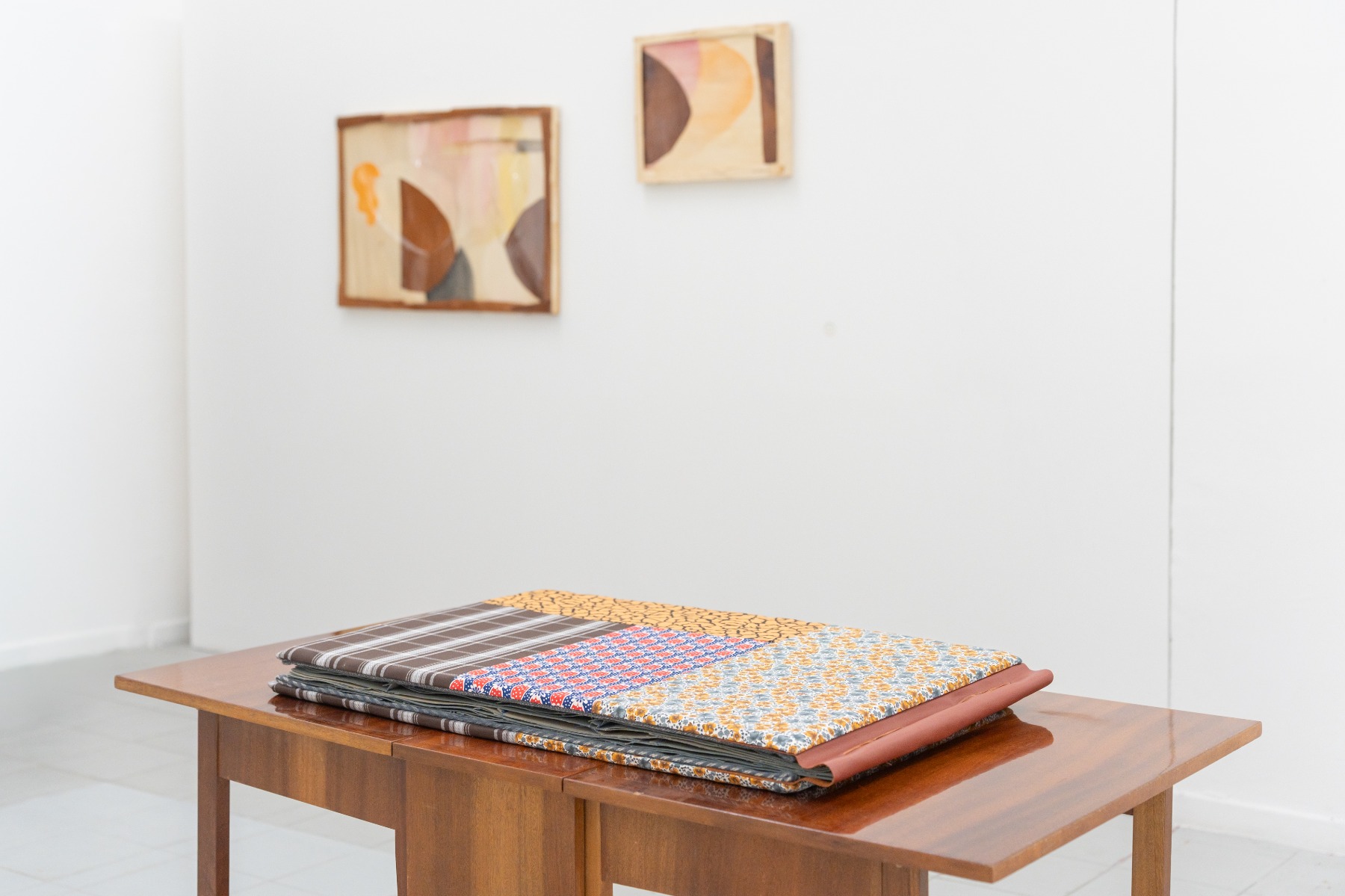
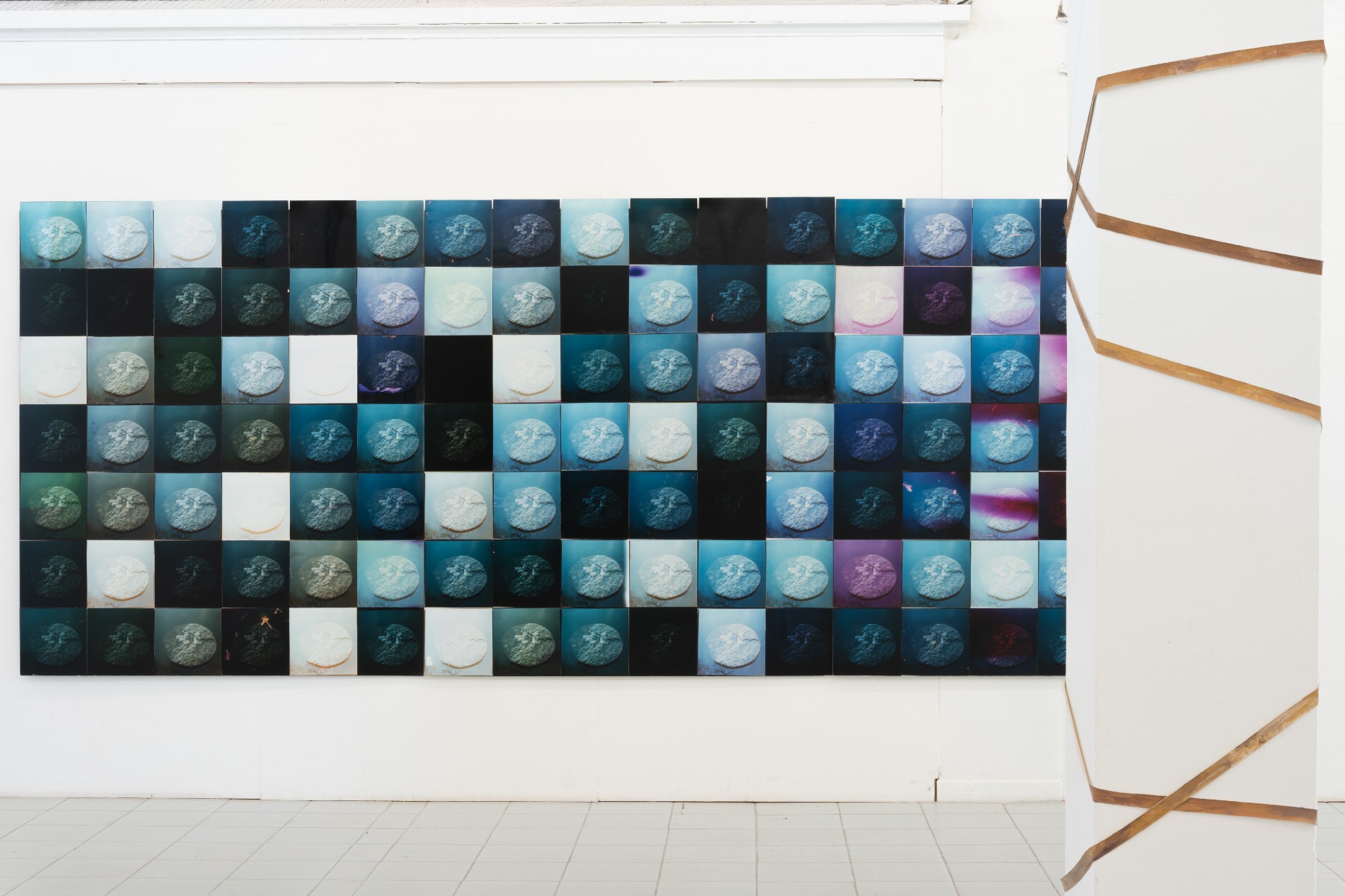
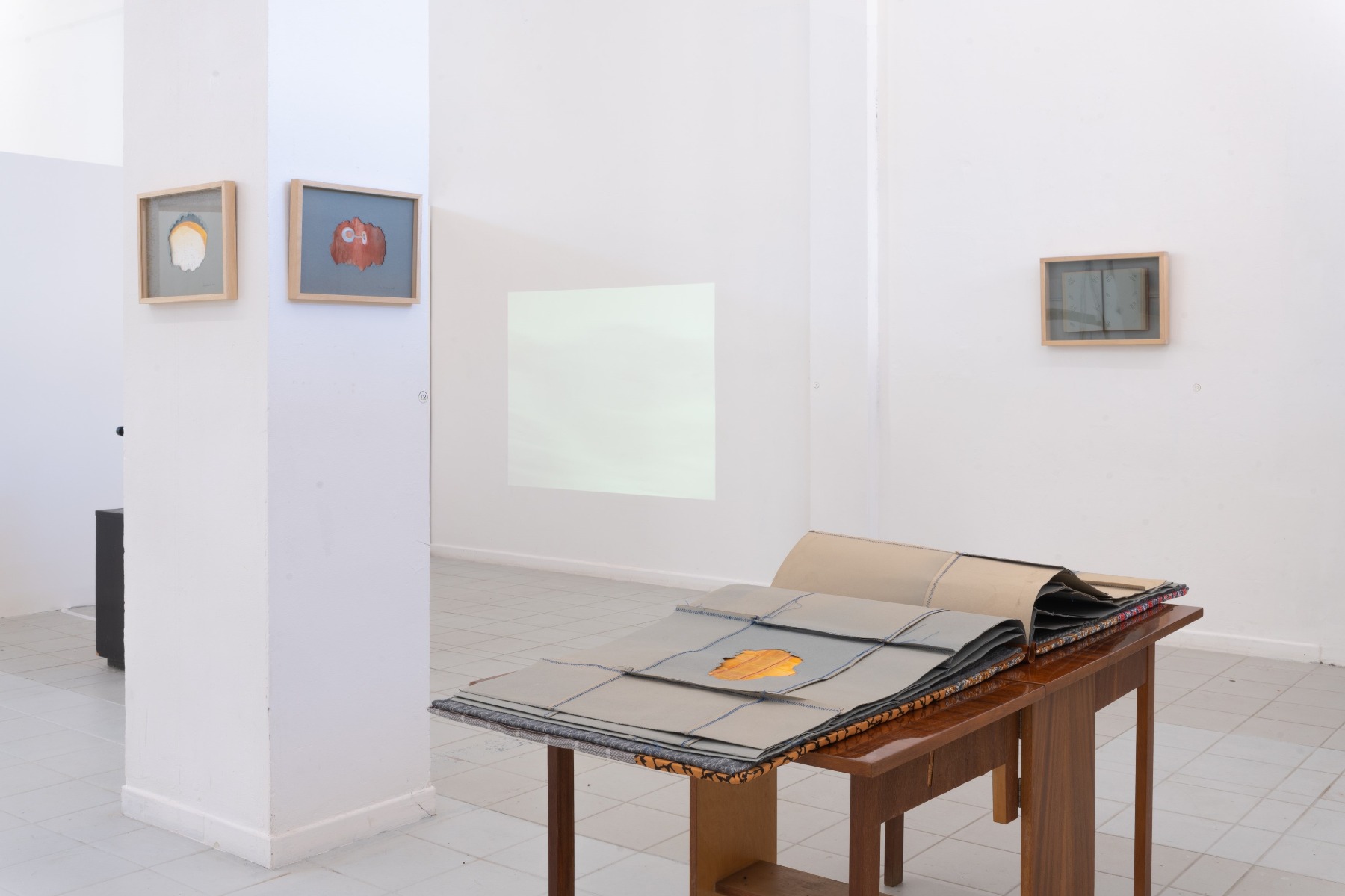
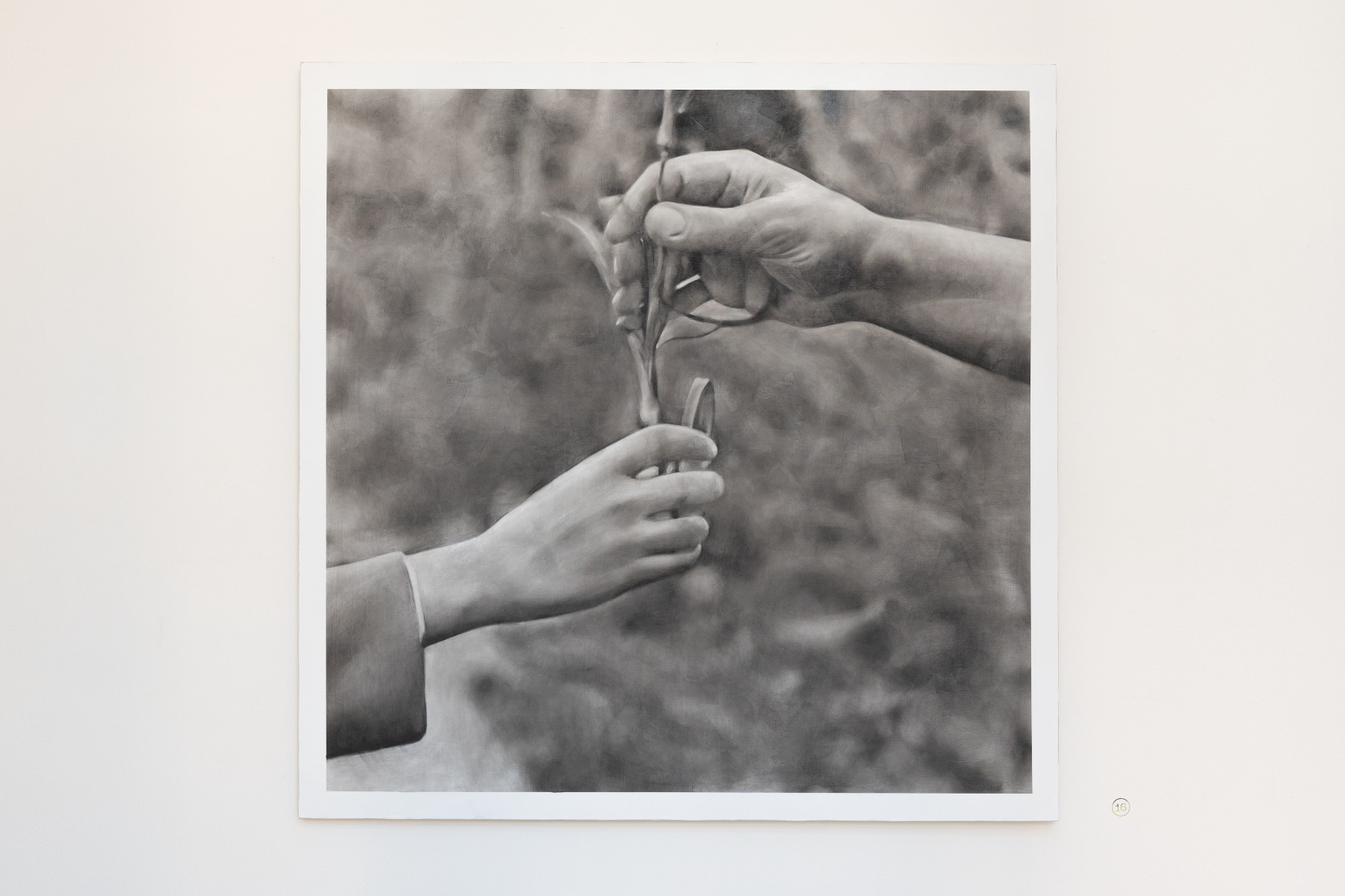
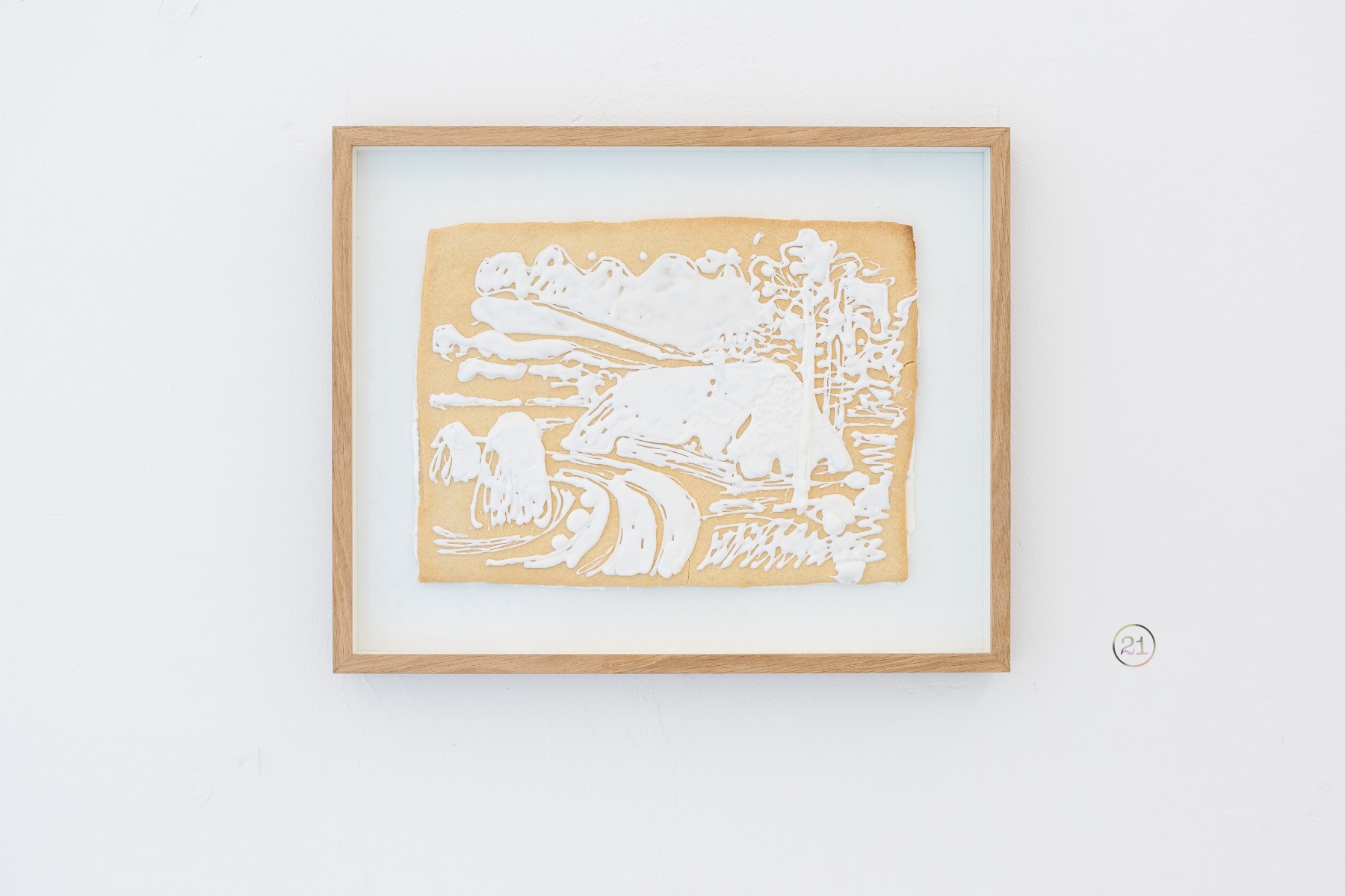
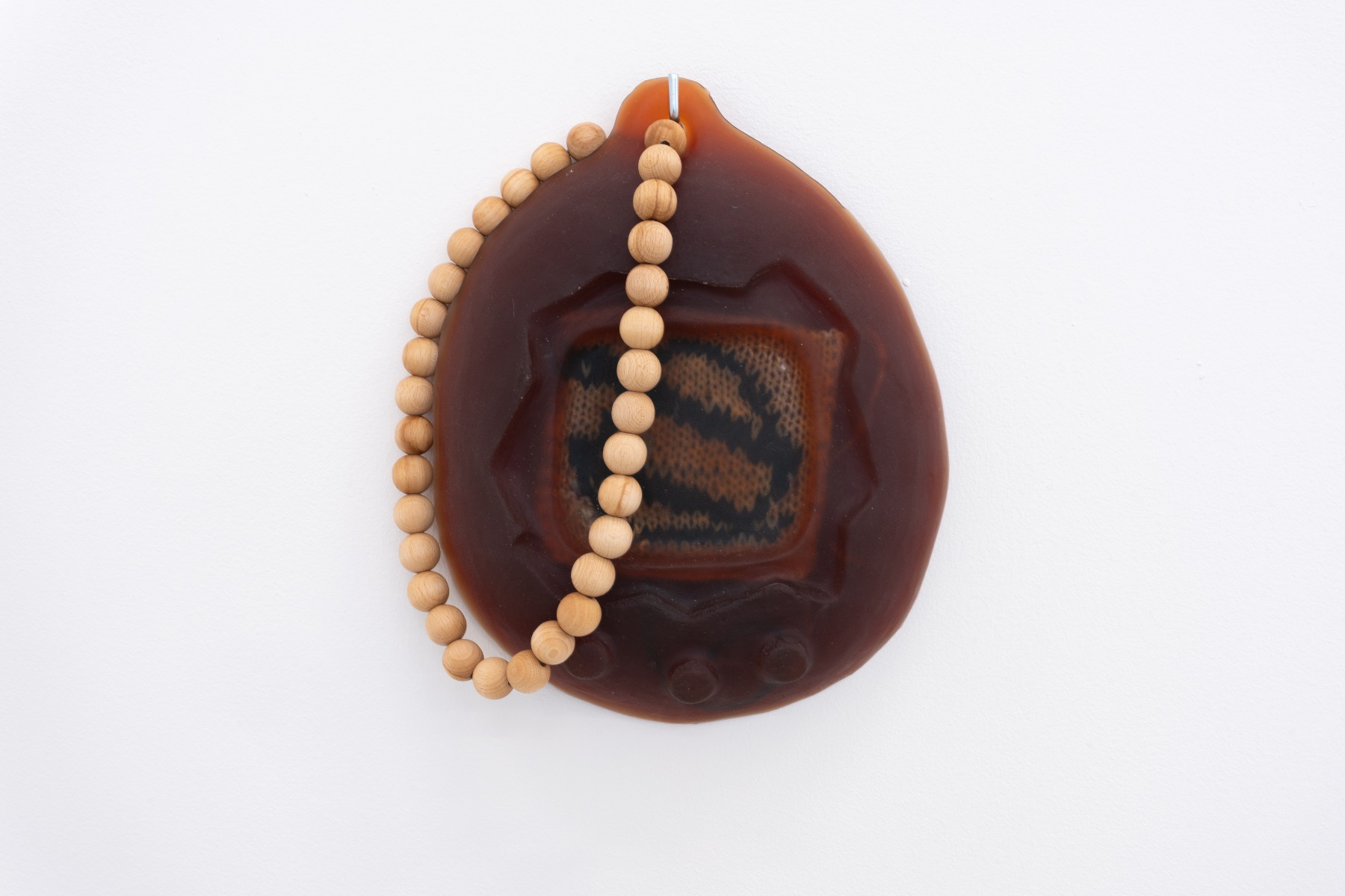
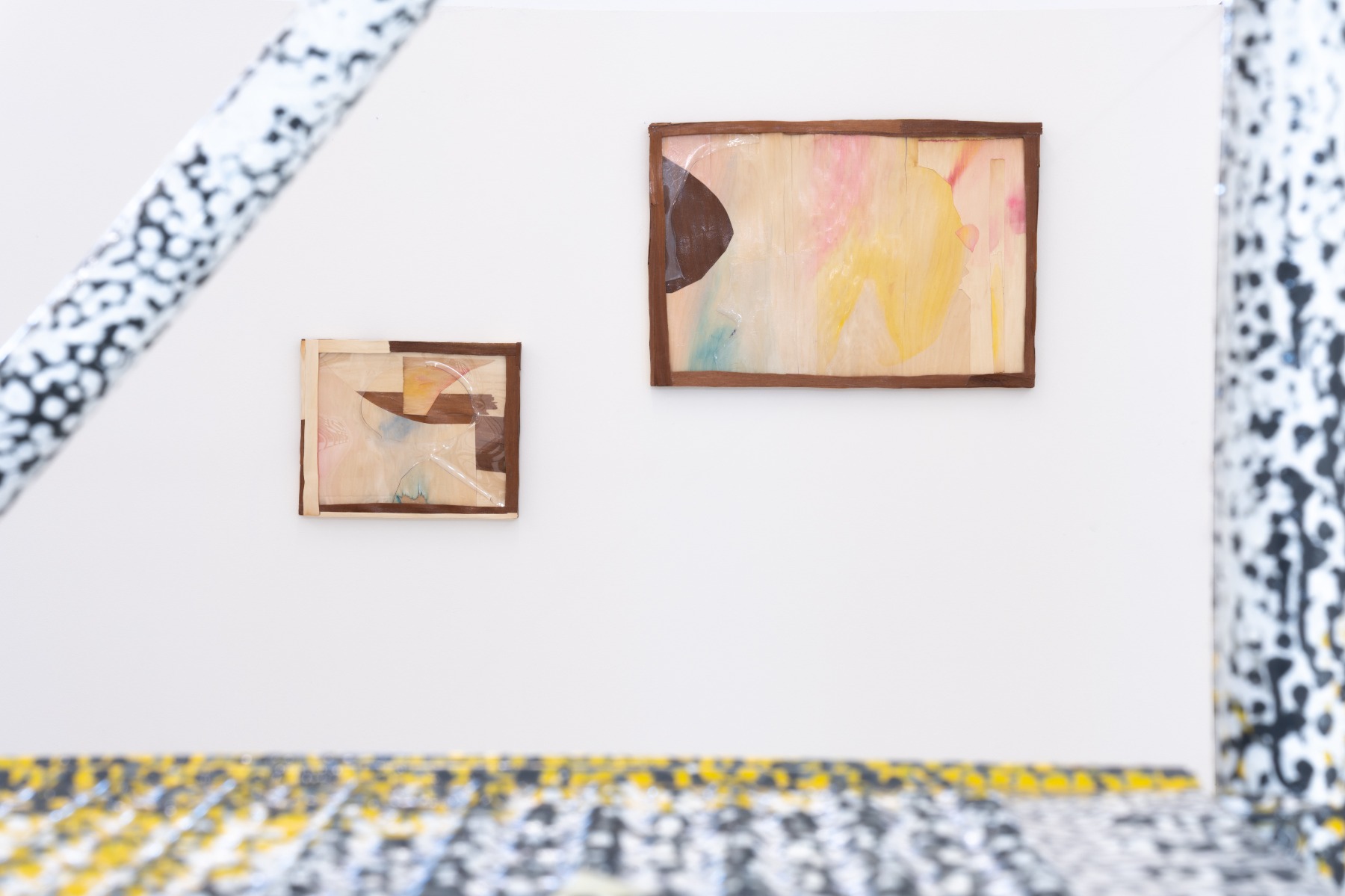
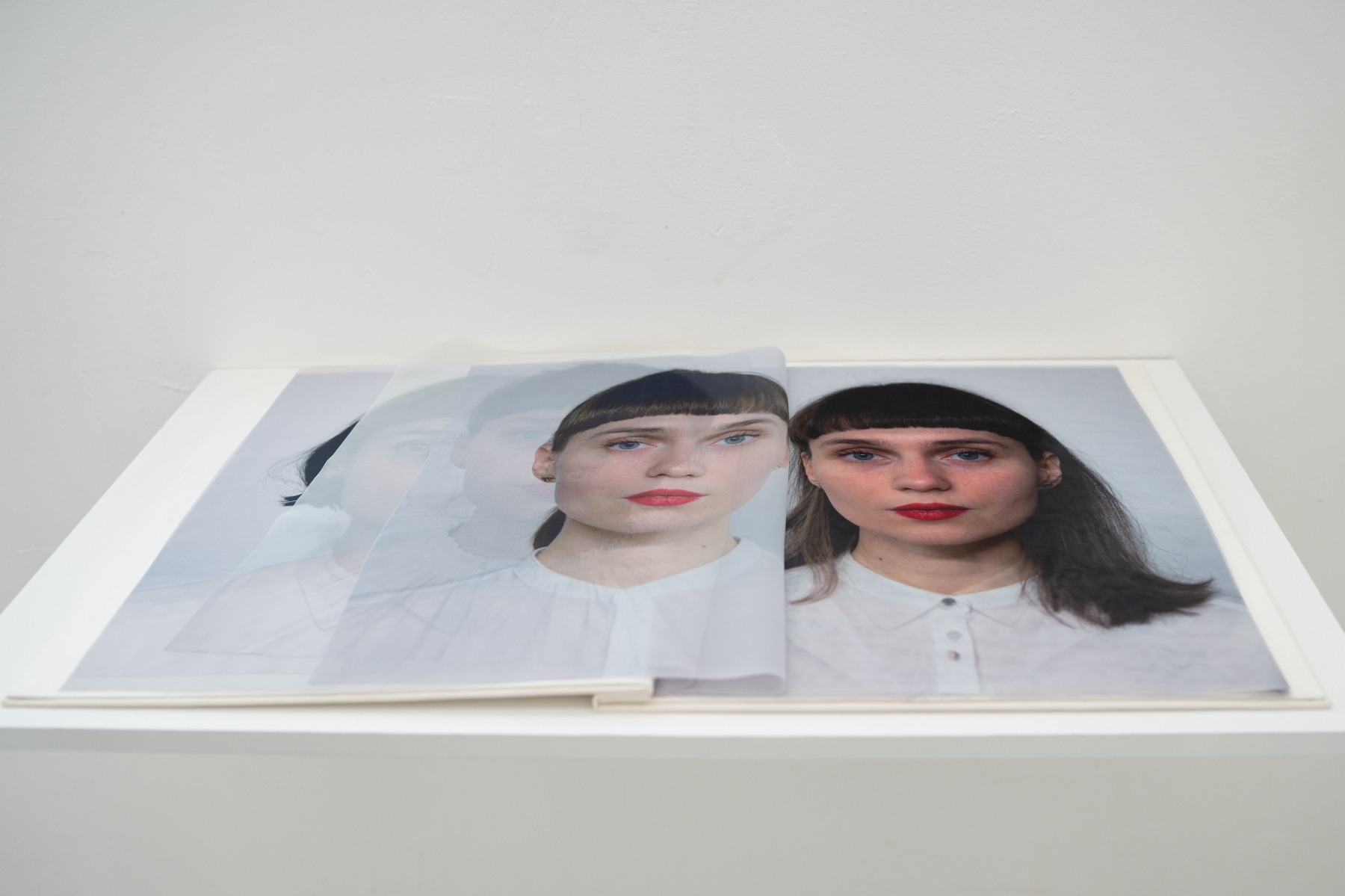
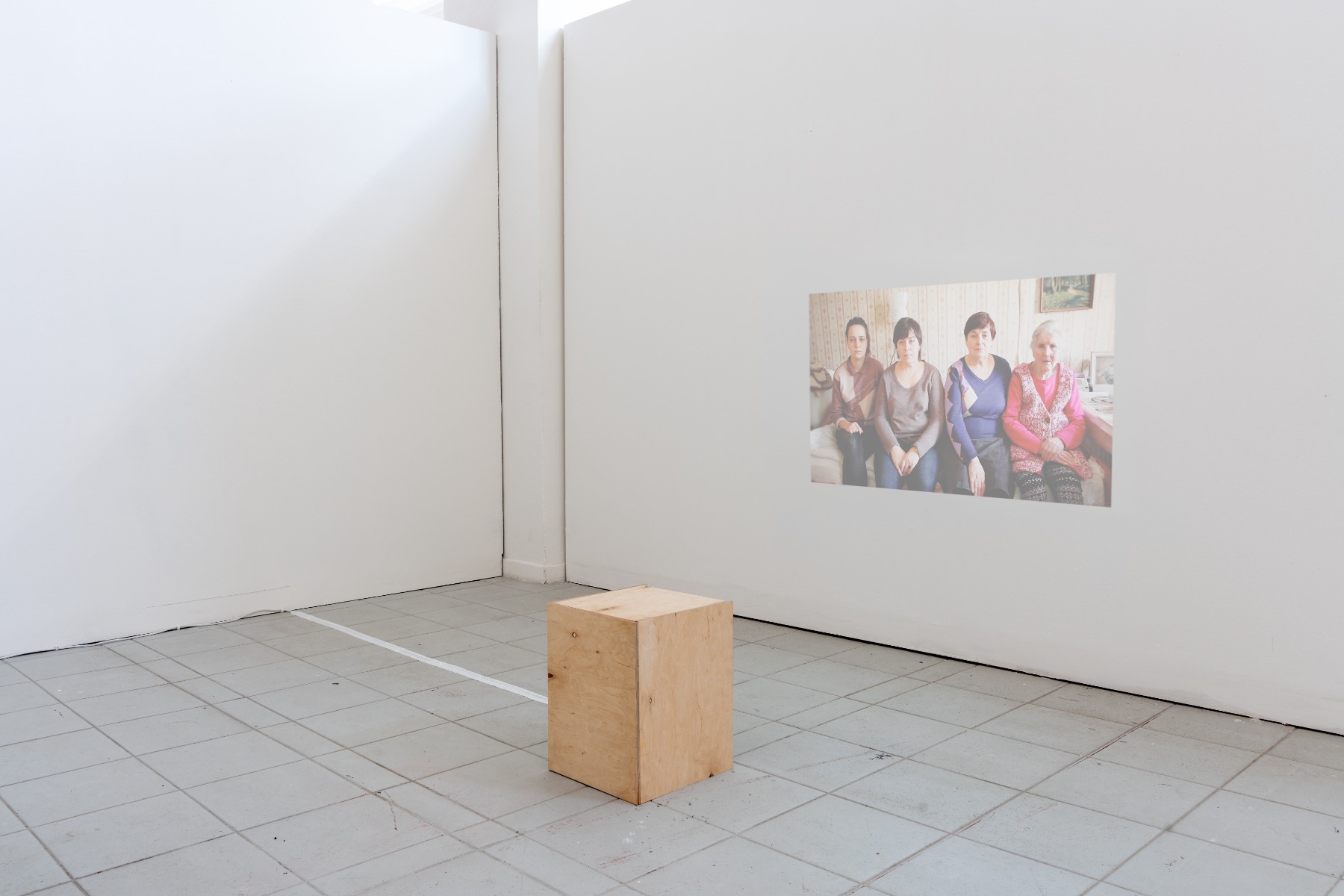
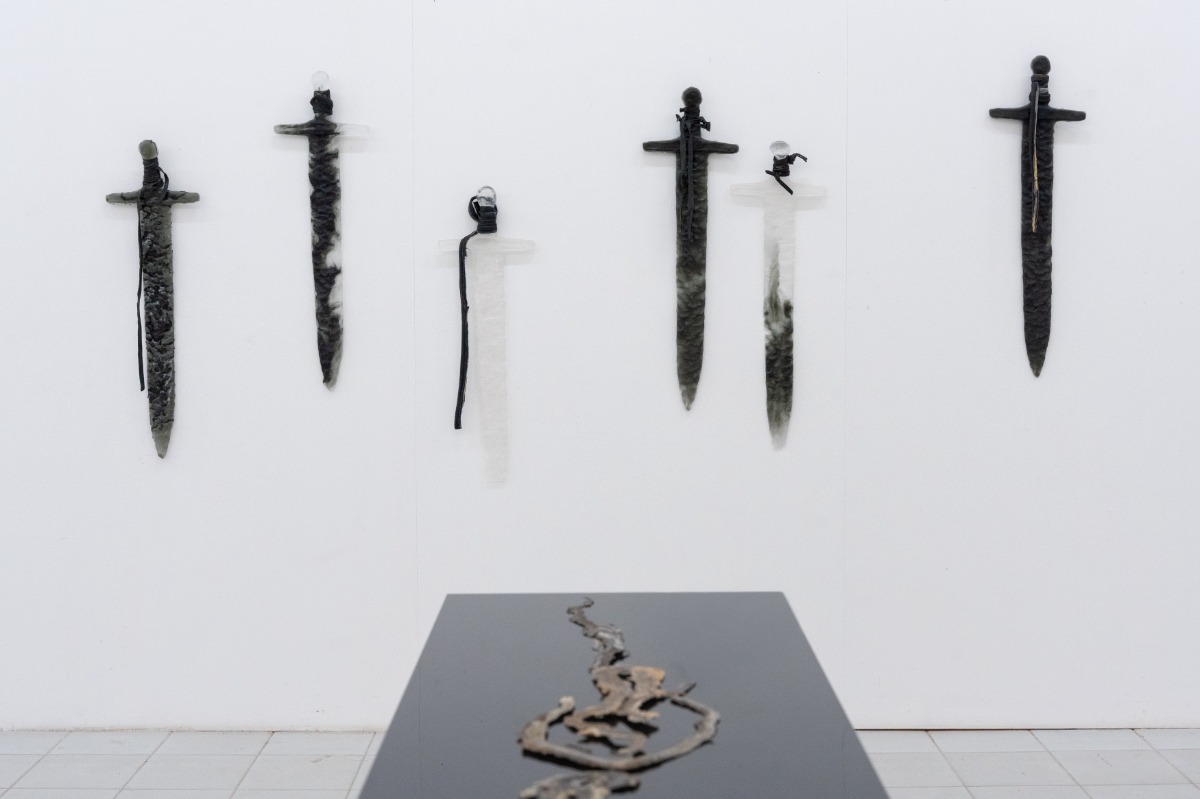
In terms of technique and material, the exhibition includes works employing analogue photography and film by Ieva Balode and Vika Eksta. A more conceptual engagement with analogue photography appears in the works of Krista Vindberga and Diāna Tamane, many of whose images originate in family archives. Digital documentary photography and video are represented in the works of Vika Eksta and Diāna Tamane. Liene Pavlovska and Ieva Kraule-Kūna work with period and residual materials from the 1970s and 1980s, granting them new life through artistic transformation. Painting – though perhaps not immediately apparent – is represented by Elīna Vītola, who also continues the tendency towards material transformation through the use of the readymade, a strategy that Vika Eksta likewise employs symbolically in one of her works. Object-based installations appear in the practices of Ieva Kraule-Kūna, Krista Vindberga and Liene Pavlovska, who have chosen the form of the album as a carrier of memory, time and identity – an object through which visitors may freely leaf, gaining insight into both its physical and metaphorical interior.
Curator: Diana Kněžínková