


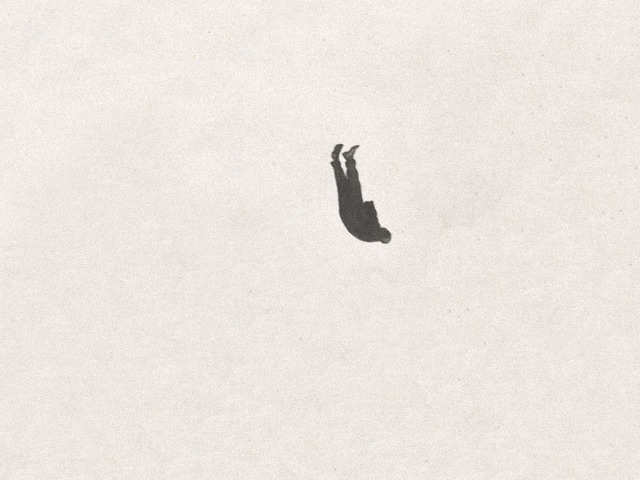
Where Lakes of Anxiety Split the Surface in Two
Rosana Lukauskaitė
The review of Ignė Grikevičiūtė’s exhibition “paratopia” at Artifex in Vilnius
Imagine being in a dream where things don’t follow the rules of reality yet everything makes sense within the dream. This seemingly paradoxical existence echoes a latent consciousness within the inanimate, awaiting an awakening. The beginning pages of Gabriel Garcia Marquez’s “One Hundred Years of Solitude” feature a character who proclaims, “Things have a life of their own. It’s simply a matter of waking up their souls”. This sentiment resonated with me during my visit to the “paratopia” exhibition by Ignė Grikevičiūtė, on display at Artifex in Vilnius, from June 20th to July 28th. It presents a paratopia, a space existing in a paradox, a kind of liminal, nebulous void that defies easy classification. It serves as an intersection between the abstract and concrete, a manifestation of the struggle to find a foothold in the non-tangible domains of art and literature. The fusion of text and photography, working at the borderline of experience and understanding, echoes this struggle, resonating the artist’s grappling with the elusive and fluid nature of meaning and identity.
Exhibition views. “paratopia” by Ignė Grikevičiūtė at the VAA gallery Artifex, Vilnius (Lithuania). Photos: Andrej Vasilenko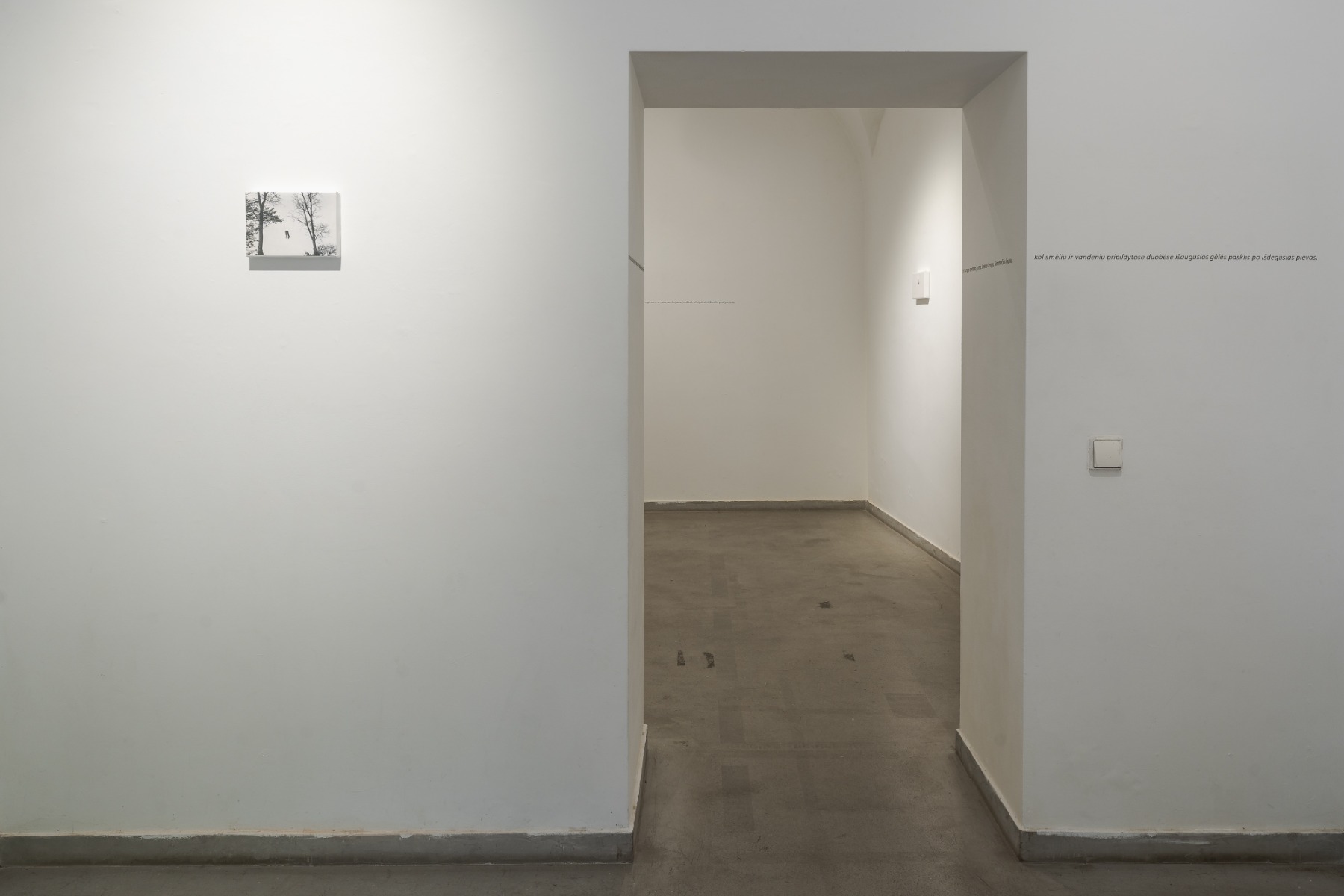
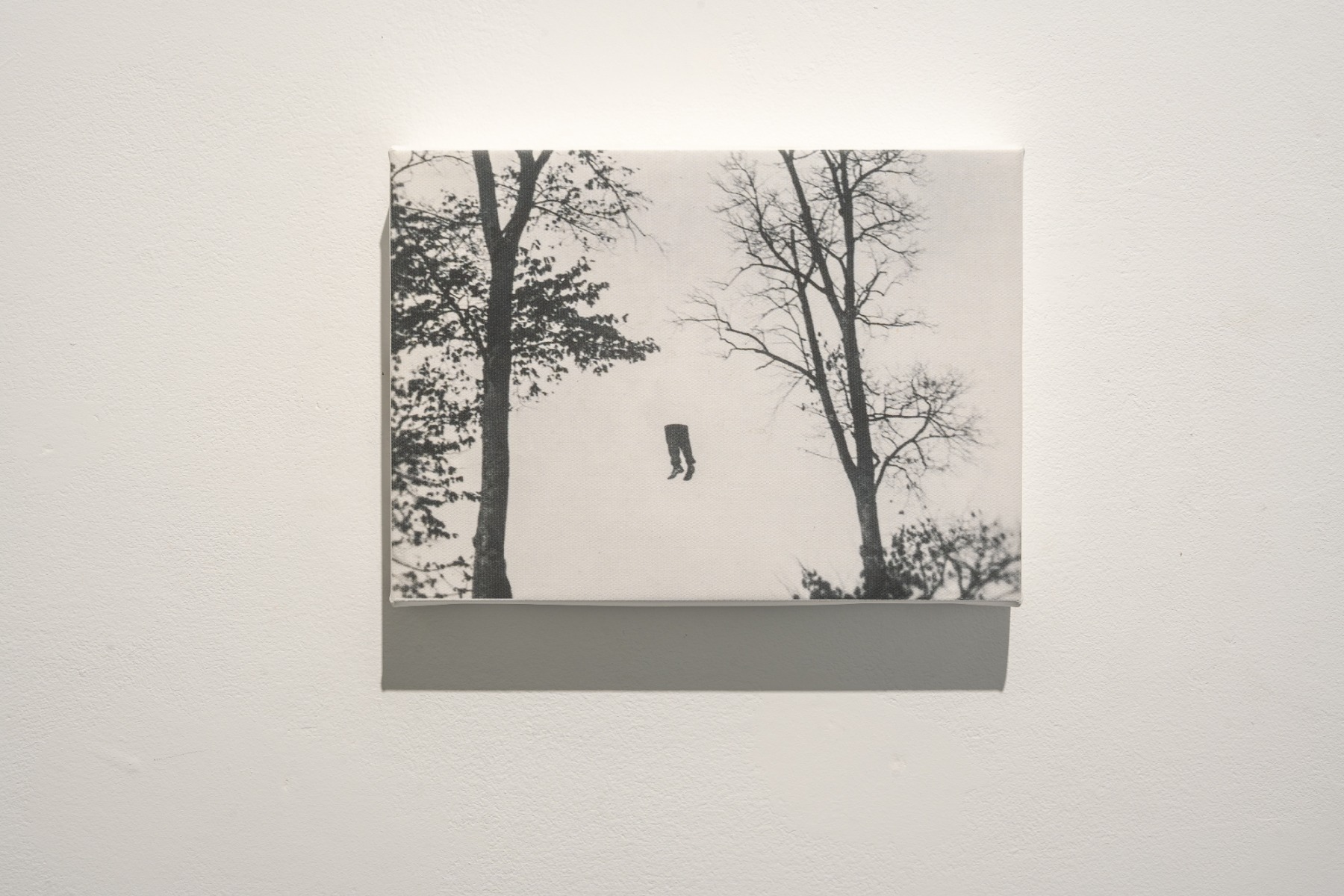
In its defiance of easy categorization and embrace of paradox, this exhibition evokes a sense of paratopia, existing in an indistinct space that mirrors the narrative structure of James Joyces seminal work “Finnegans Wake”. Just as Joyce’s novel thrives on a fluidity of meaning within a dreamlike narrative, the exhibition mimics a similar journey of meaning that oscillates, vanishes, and reappears within the undefined horizon of this ambiguous space. The interplay of text and photography in the exhibition parallels the multi-layered, interpretive reading experience that Joyce’s work offers, bridging the gap between the literal and symbolic, and the observed and the unseen. The existential undertones of the exhibition mirror the quest for identity and purpose that defines the characters in “Finnegans Wake”. The weaving together of insignificant everyday details in the exhibition echoes Joyce’s ability to draw profundity from the mundane, thus imbuing the commonplace with a sense of the uncanny. The interactive nature of the exhibit situates the viewer as an integral part of the experience, drawing parallels to the participatory role of the reader in deciphering the complex narrative of Joyce’s novel, and in both instances, meaning is co-created in this shared cognitive space.
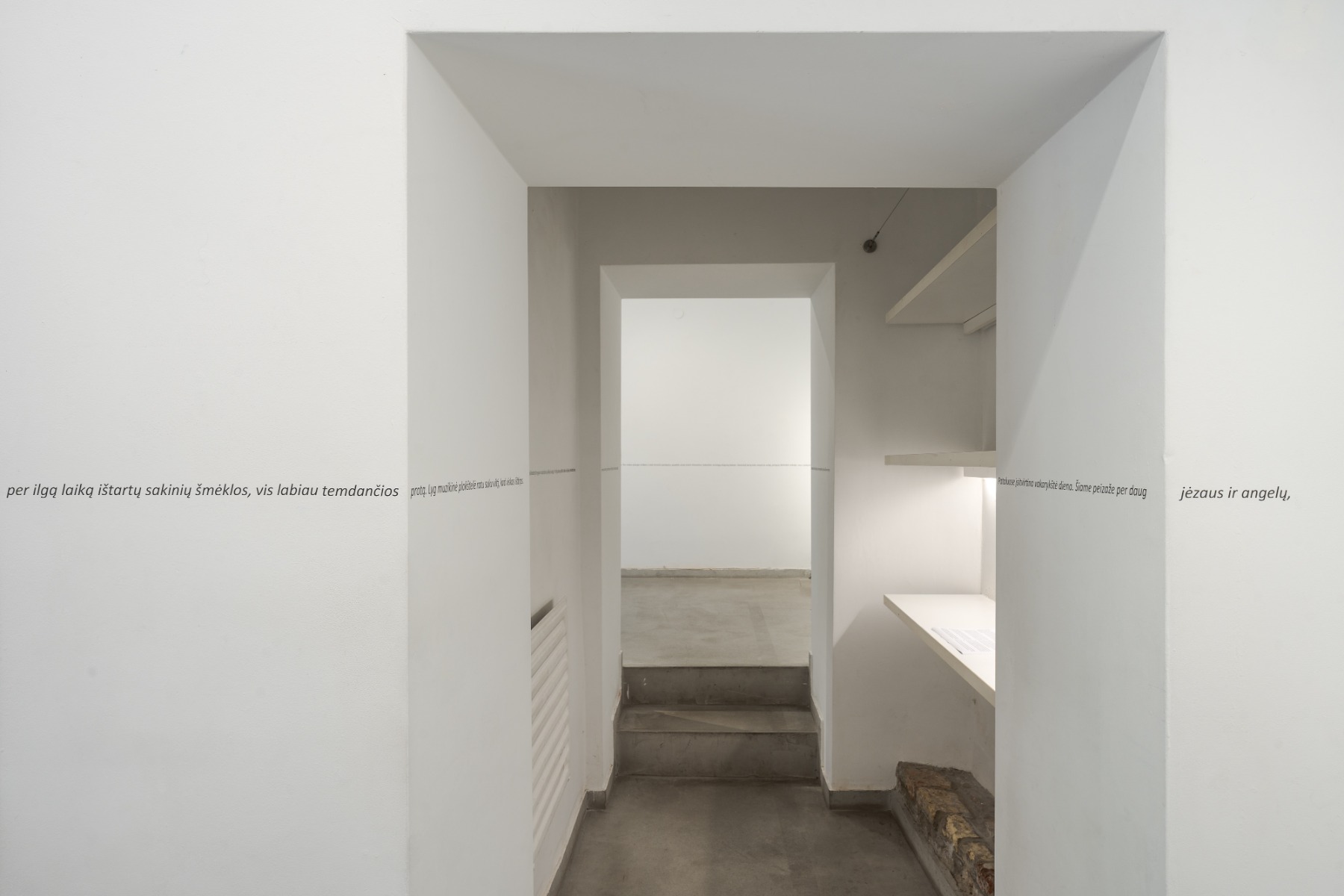
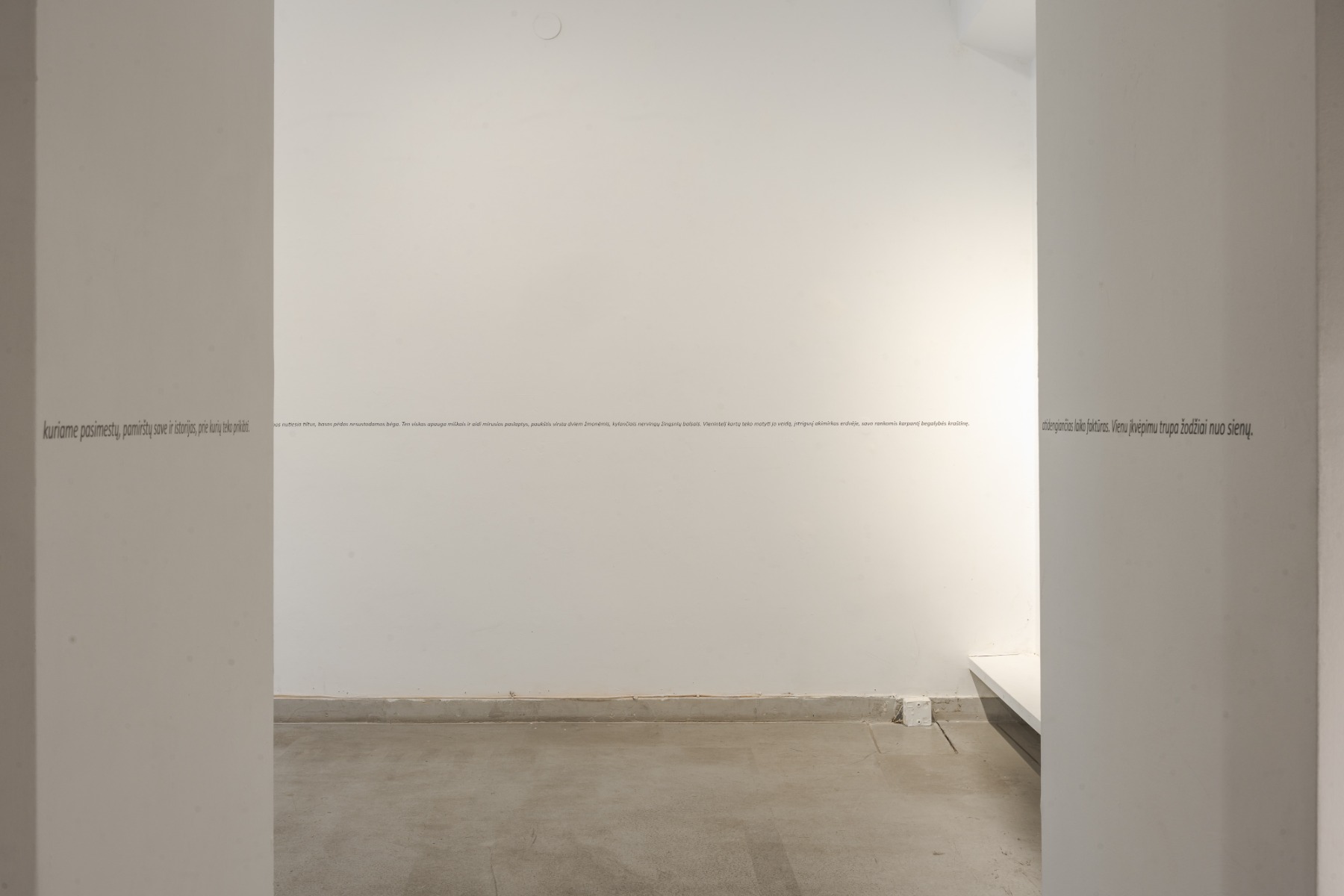
The exhibition can be seen as a commentary on the philosophy of existentialism. Just as existentialism emphasizes the individual’s unique position as a self-determining agent responsible for the authenticity of his or her choices, the exhibition reflects the artist’s search for a sense of place and meaning in the abstract and ambiguous domain of art and literature. The existentialist theme is further exemplified by the ambiguity and indeterminacy found within the exhibition, mirroring the inherent uncertainties and absurdities of human existence. Throughout the exhibition, these themes are brought to life vividly in the art and words displayed. One line on the wall reads: “Where lakes of anxiety split the surface in two, eyes, akin to roots, penetrate the intangible underwater currents, creating earthquakes.”
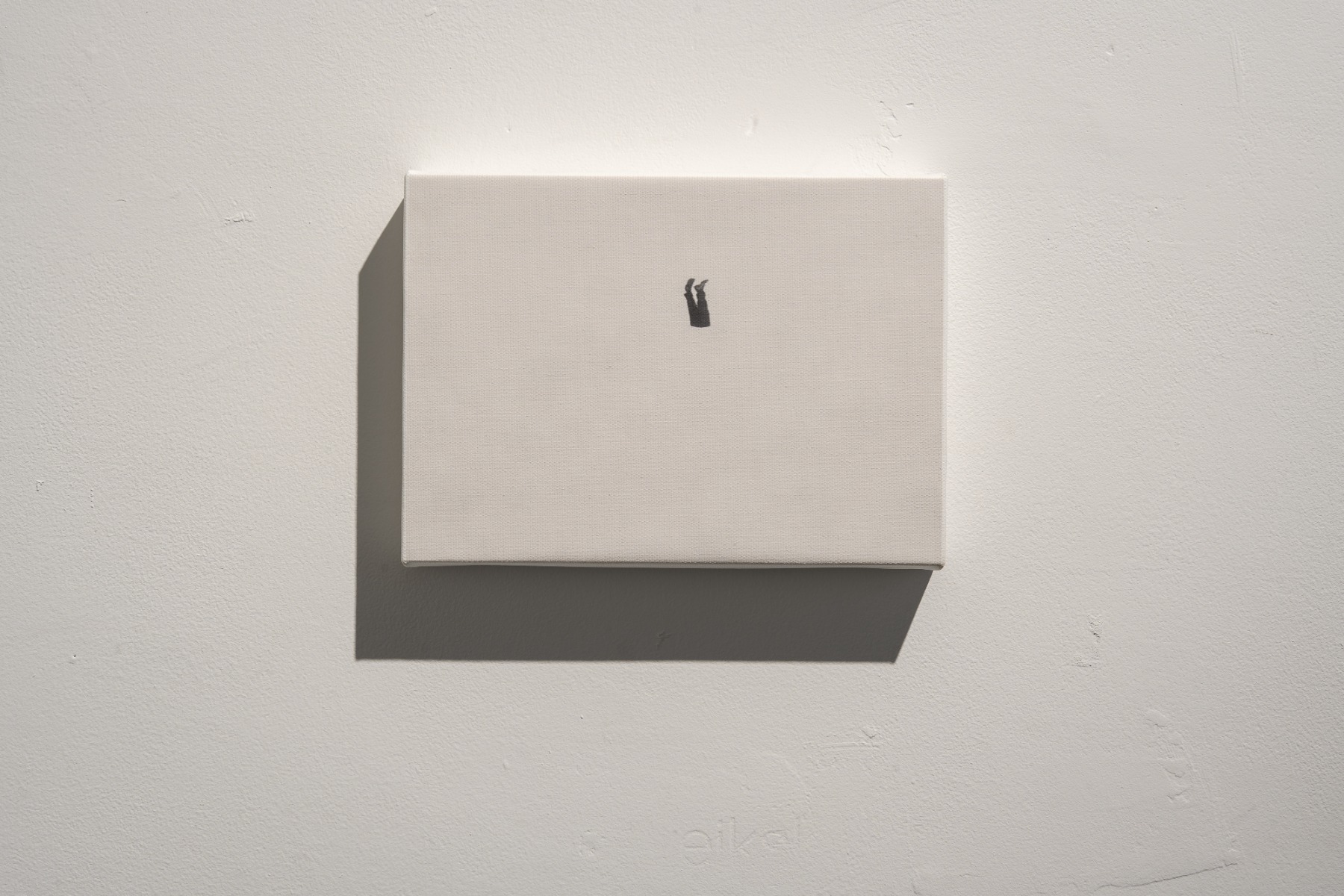
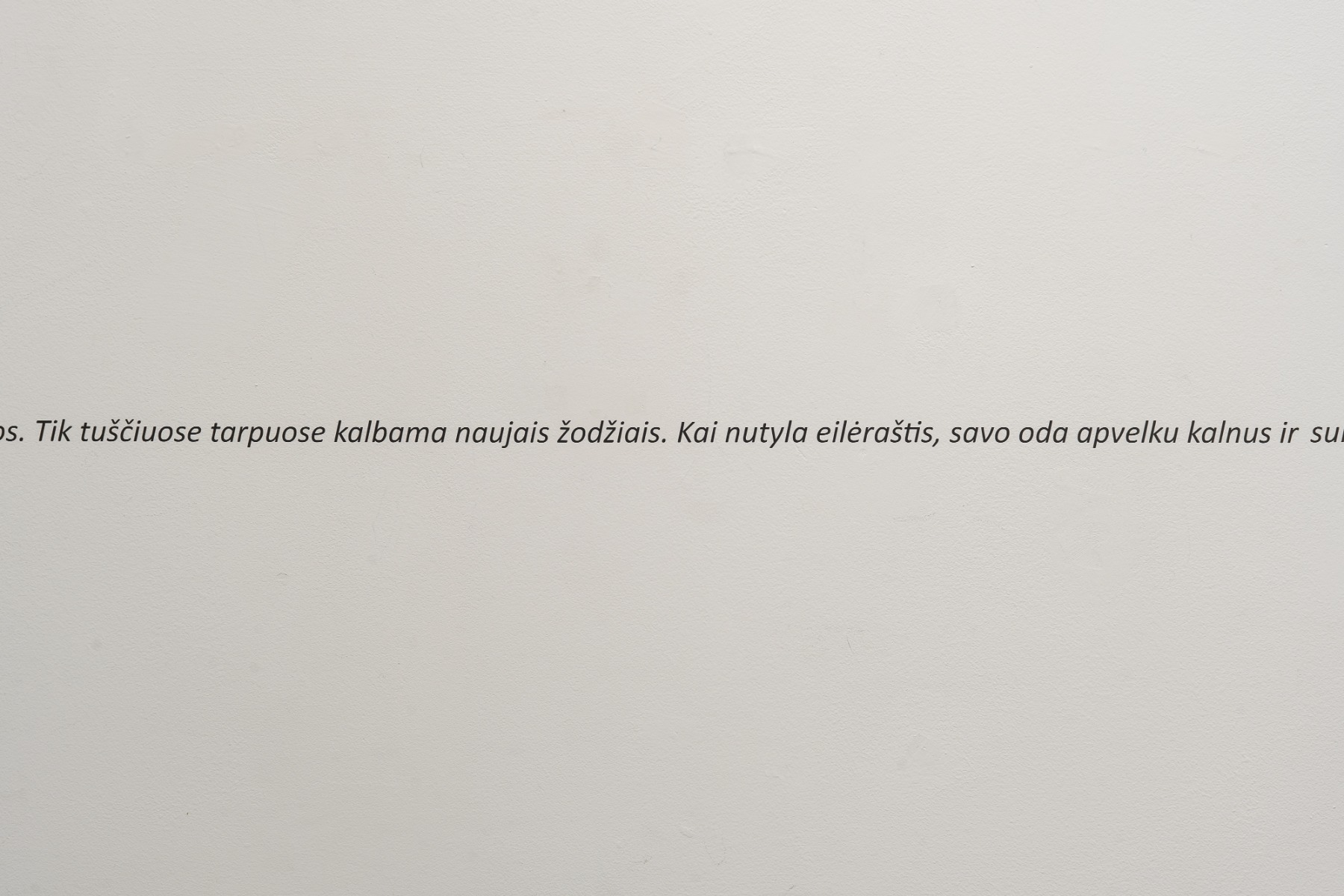
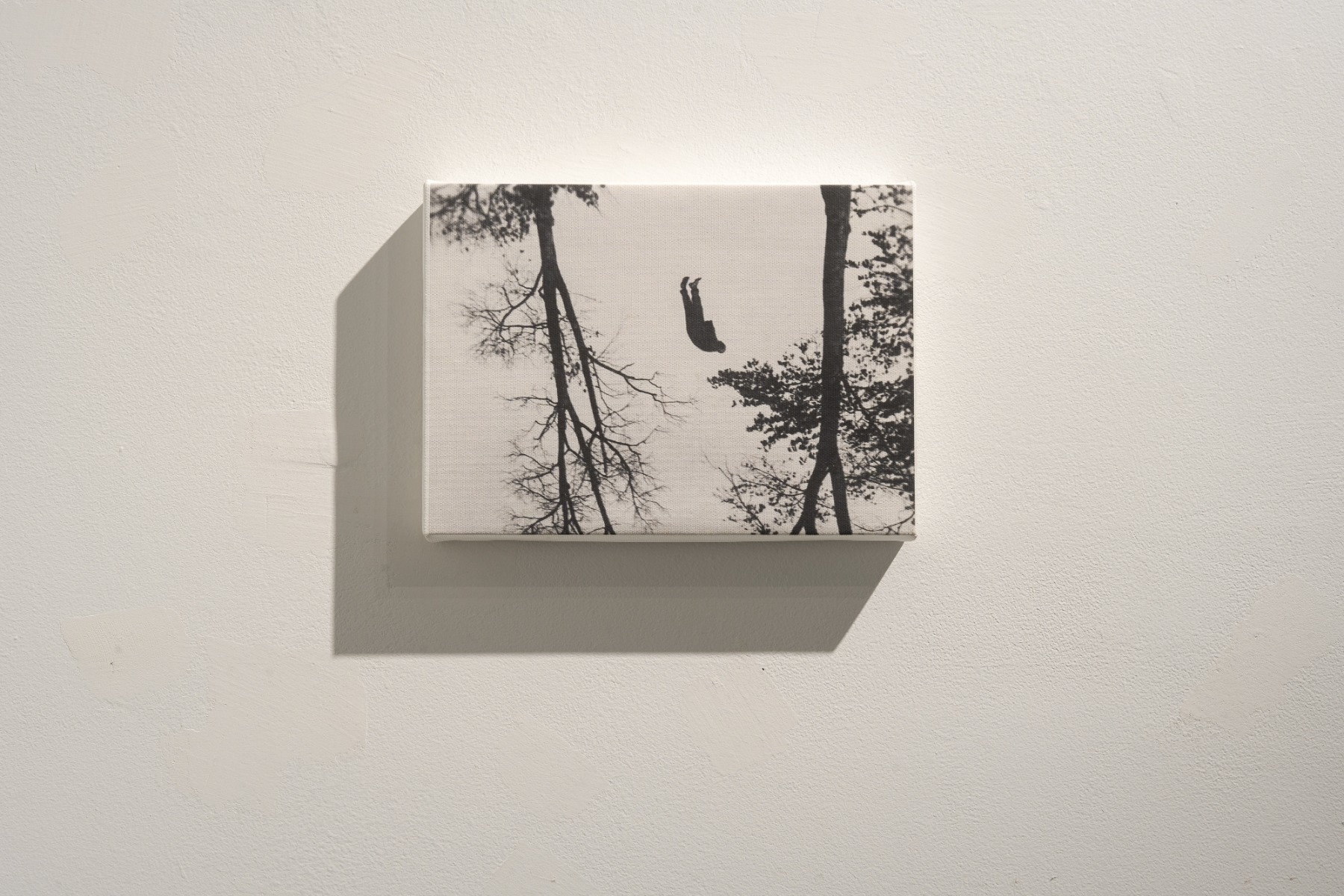
The recurring motif of being upside down, which is intrinsically linked to the visceral sensation of falling, creates a disorienting, yet profound experience for the visitor. This sensation is skilfully manipulated in the exhibition, drawing viewers into a space where the familiar boundaries between up and down, reality and illusion, are challenged. This inversion of the ordinary opens up a world where gravity itself seems to lose its stronghold, allowing for a fluid, dreamlike exploration of the paratopic space. The exhibition plays with this motif not only through the visuals but also through the poetic content – themes and ideas that turn conventional wisdom on its head.
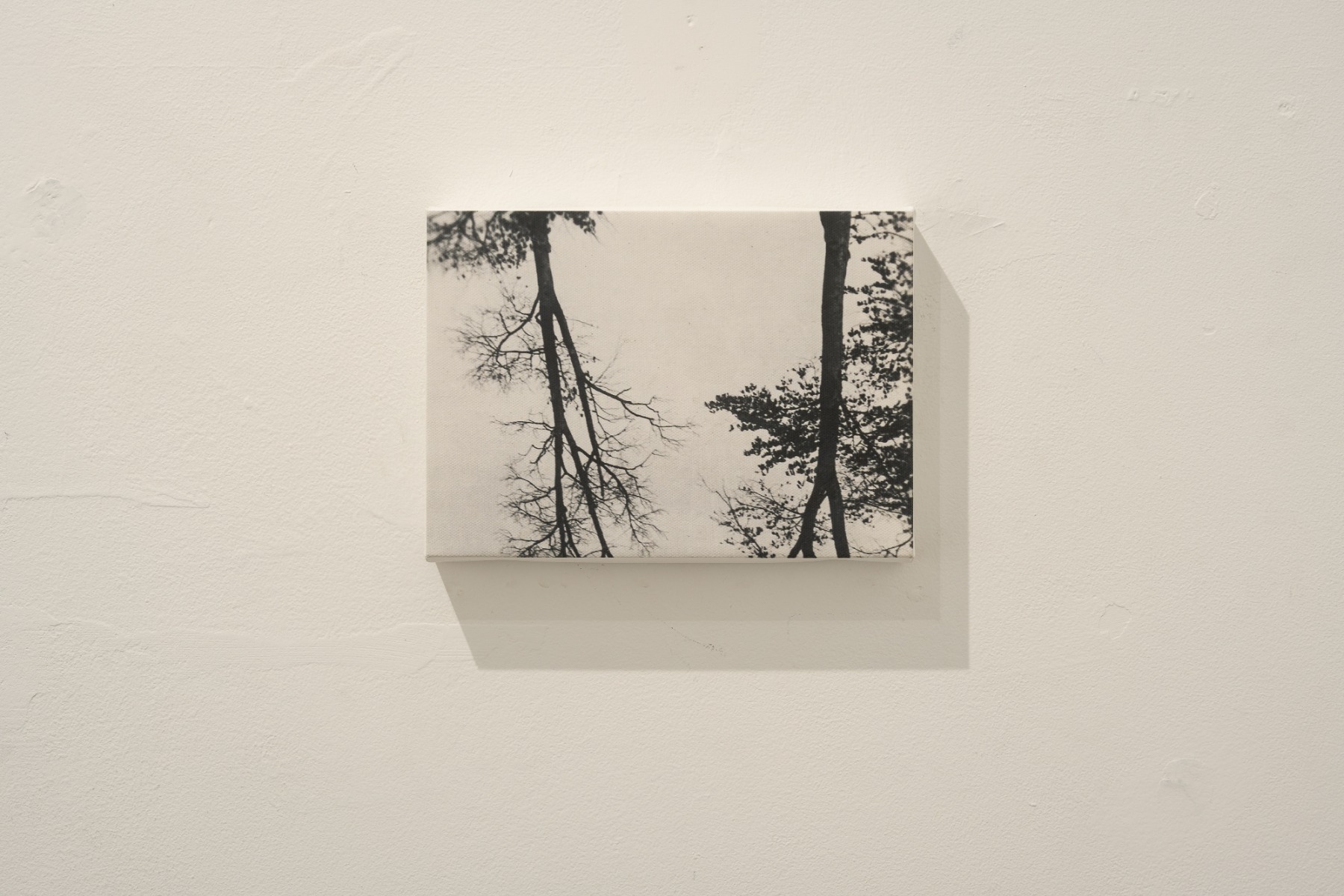
The movie “La Jetée” (1962) by Chris Marker is a French science-fiction feature composed almost entirely of still photographs, with the narrative being driven forward by voice-over narration, thus fusing text and photography in a unique storytelling format. “La Jetée” deals with themes of time, memory, and the fluid nature of reality, which resonate with the themes of Ignė’s exhibition. The movie uses its distinctive format to tell a haunting tale about a post-nuclear war experiment in time travel, playing with the viewers’ perception and comprehension of time and reality, much like exhibition “paratopia” plays with notions of perception and understanding in the “paratopic space”, blurring the line between the moving image and the still photograph, between the seen and the unseen, between the abstract and the concrete.
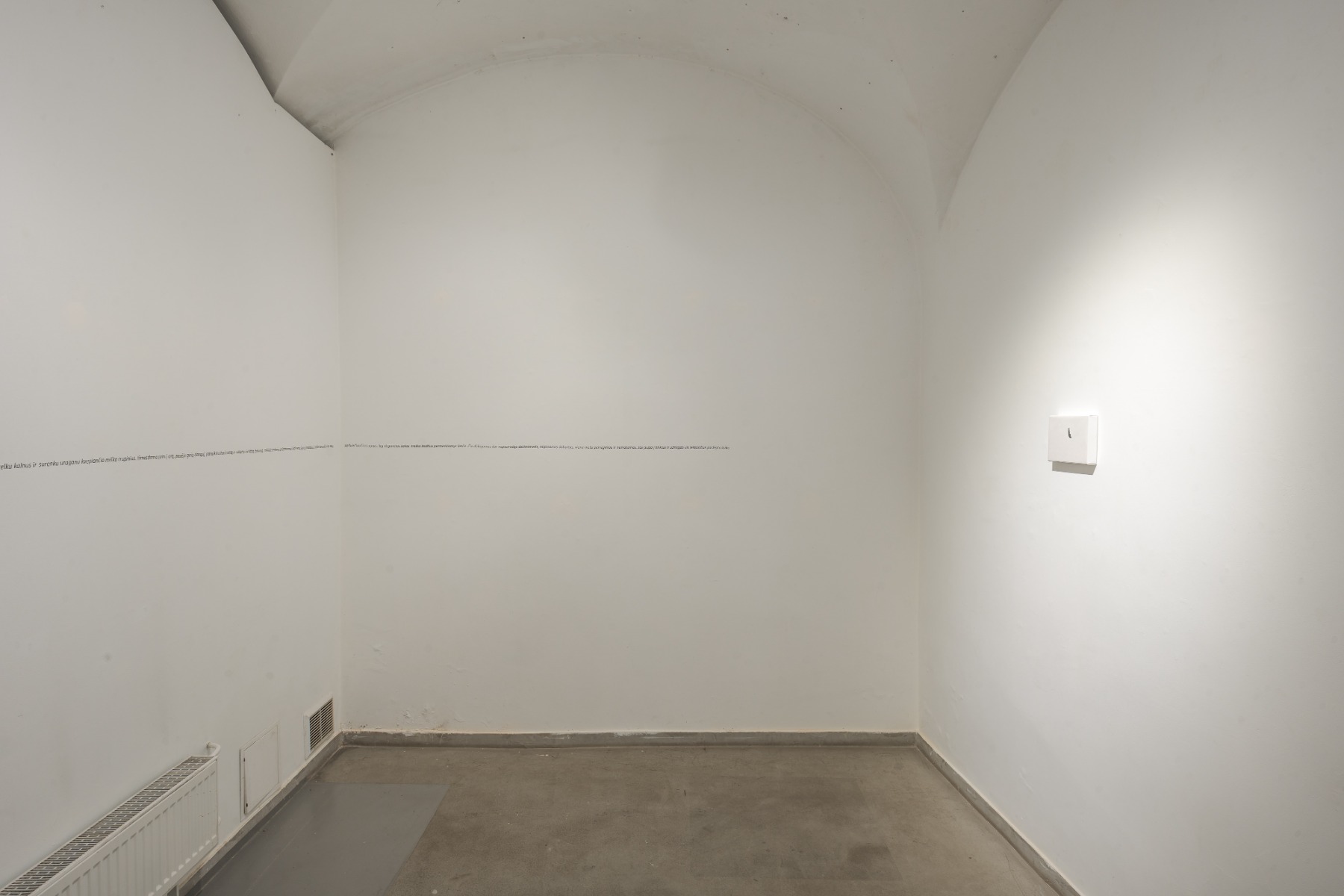
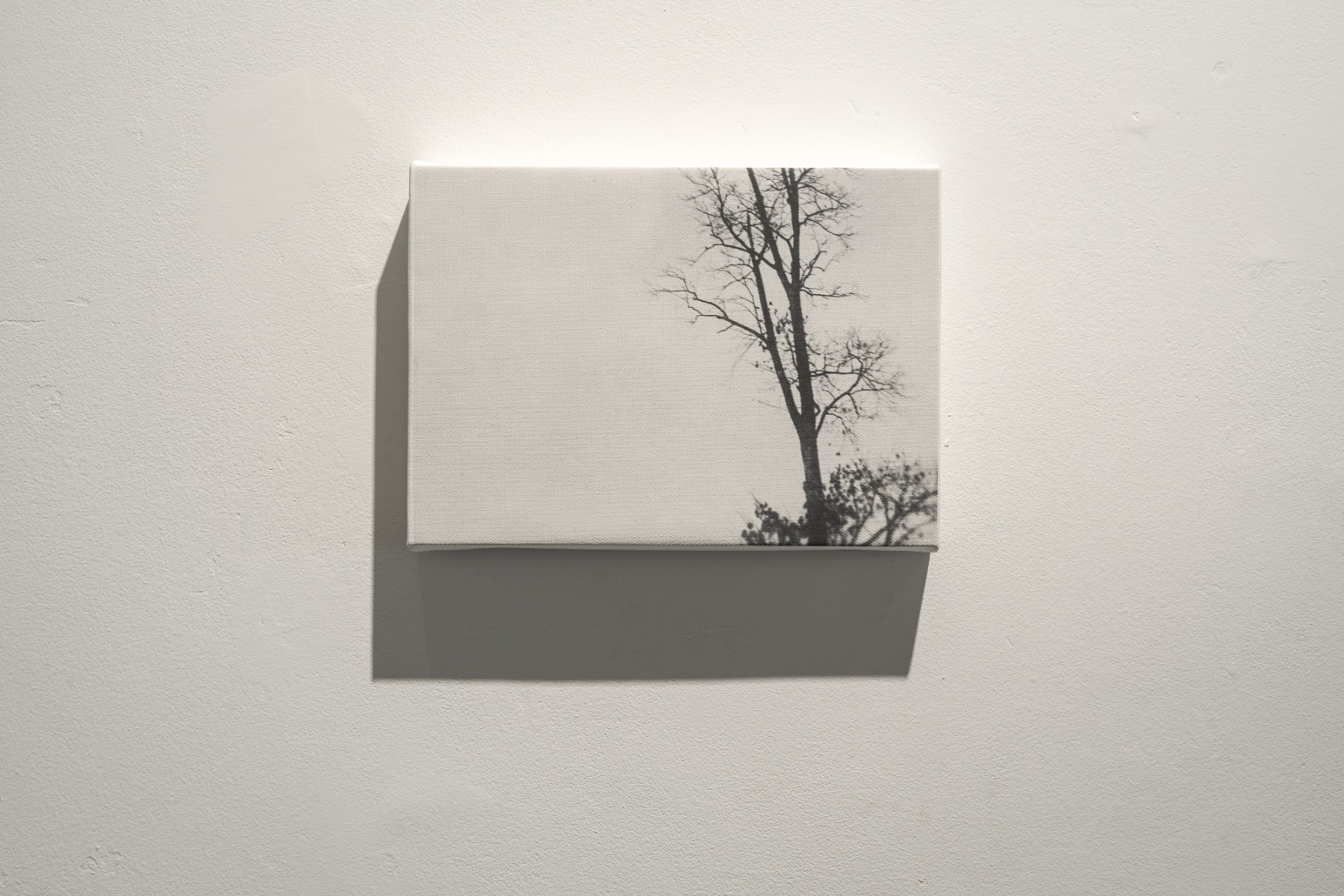
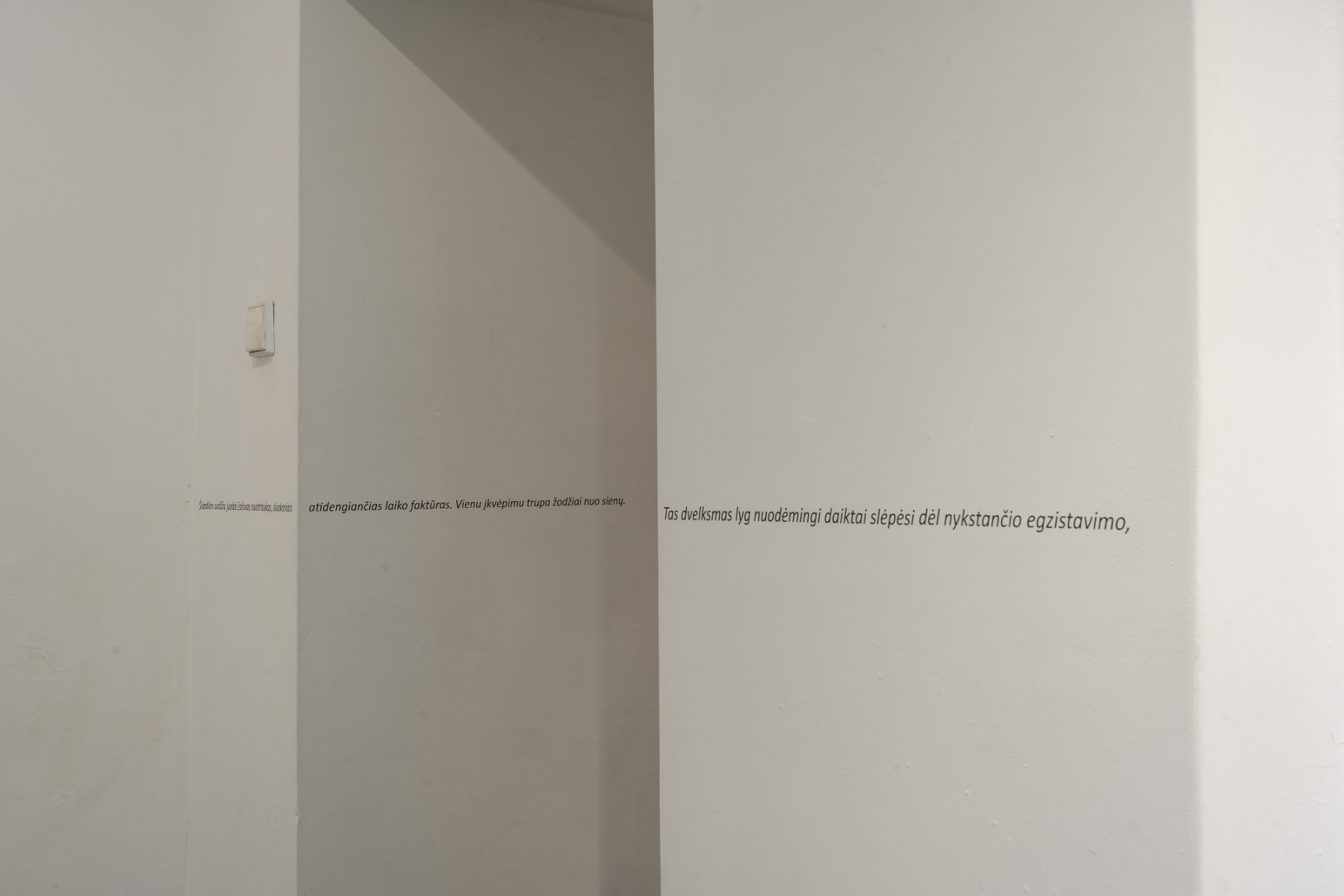
This exhibition serves as a philosophical mirror, reflecting the viewer’s existential journey and interpreting it as a metaphoric, imaginary film. The ambiance of the exhibit transcends the traditional function of an art space. It’s no longer merely a venue for encountering artworks, but instead, it morphs into an immersive environment where one can perceive and interpret the subtitles of their own personal narratives, visualizing their innermost thoughts as lyrical projections within the context of this paratopic realm. Through a minimalist approach, the artist masterfully delves into themes of intersubjectivity, poetics, and abstraction, reaching deeper layers of the spectators’ psyche.
