


What to see in the Baltics
2026 is already here. The contemporary art scene across the Baltic countries – Estonia, Latvia, and Lithuania – this year once again offers a rich and diverse array of exhibitions that reflect both regional heritage and global artistic dialogues, ranging from large-scale museum retrospectives and cutting-edge group shows to deeply personal solo presentations. These are the highlights we have selected for you from the January–February programme, curated to warm your thinking and imagination and to melt the ice of everyday routine.
ESTONIA, Tallinn
Kumu Art Museum
Uwe Pfeifer, "Bildnis Gisela", 1980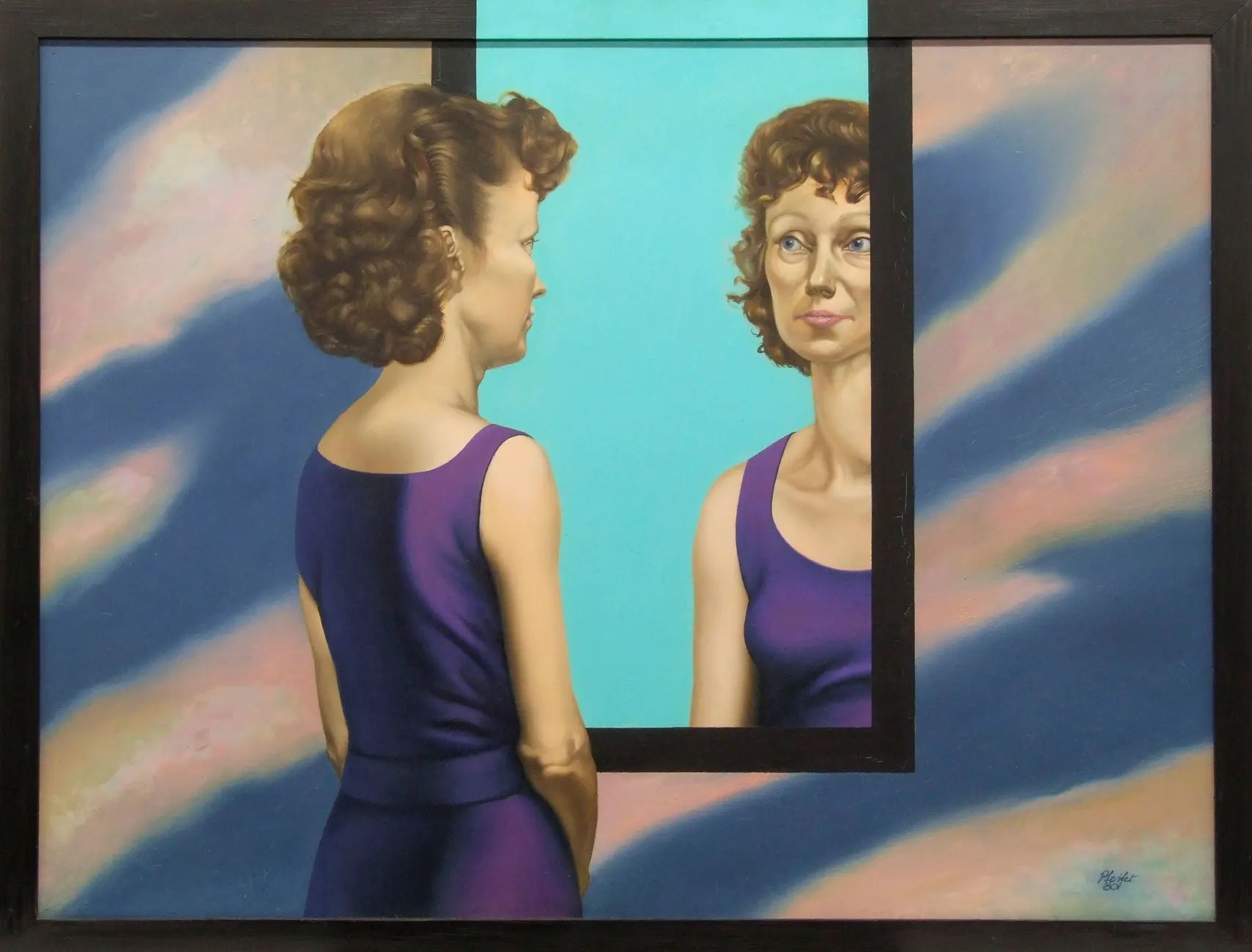
Spiegel im Spiegel: Encounters Between Estonian and German Art from Lucas Cranach to Arvo Pärt and Gerhard Richter
Until 12 April
The exhibition Spiegel im Spiegel is an ambitious cooperation project between the Art Museum of Estonia and the Dresden State Art Collections (Staatliche Kunstsammlumngen Dresden, SKD), taking the viewer on a journey through Estonian and German art and history. While reflecting the complexity of those relations and issues of colonial power and mentality, the exhibition also highlights the cultural intertwining of German, Baltic-German and Estonian art.
The exhibition sets up encounters between the oeuvres of Arvo Pärt and Gerhard Richter, August Matthias Hagen and Caspar David Friedrich, Eduard Wiiralt and Otto Dix, Konrad Mägi and Max Pechstein, Ülo Sooster and Joseph Beuys, and many other outstanding Estonians and Germans.
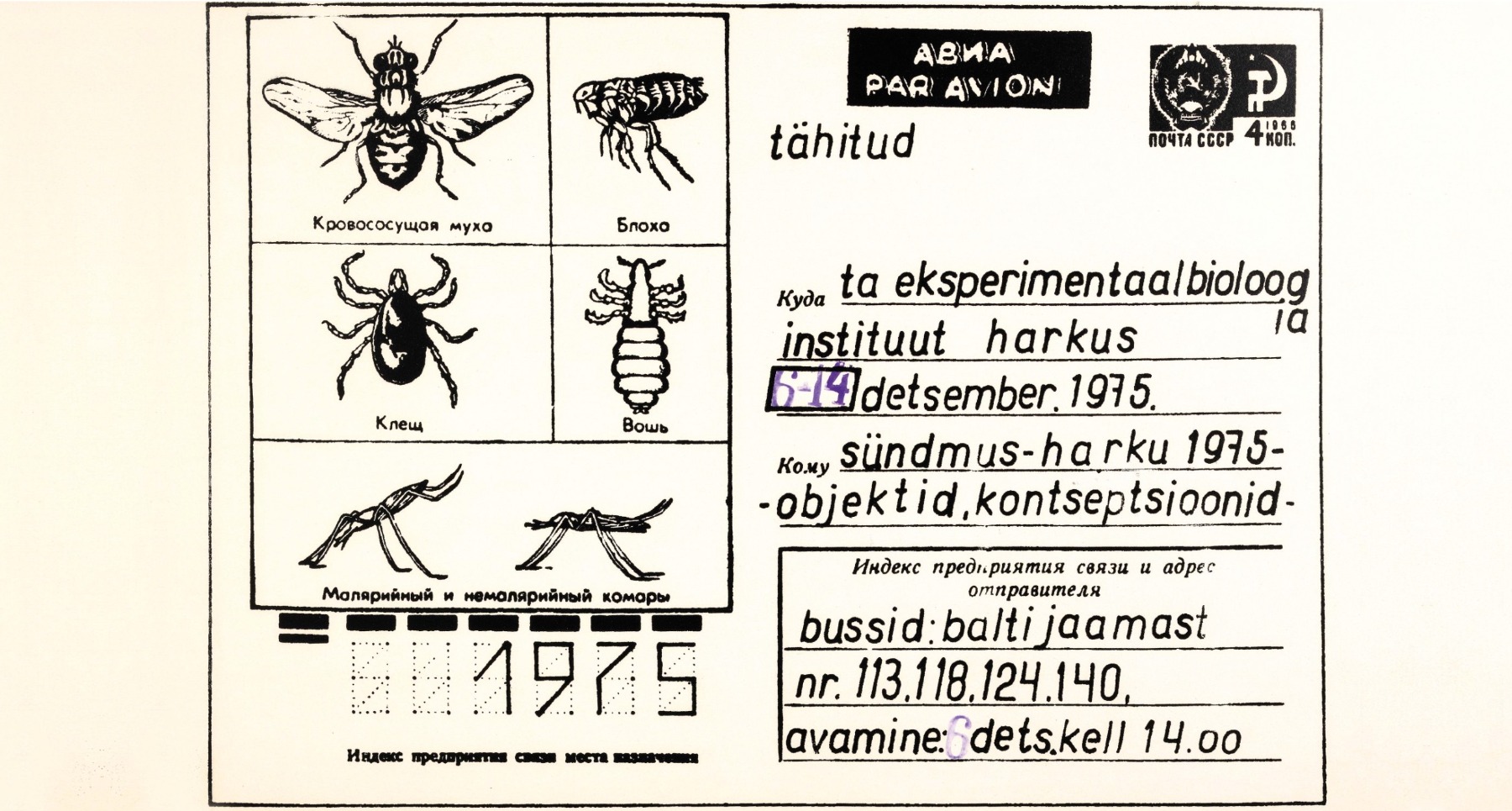
Leonhard Lapin, Poster for the art event ”Harku 1975”, 1975. Art Museum of Estonia
Harku 1975: Objects, Concepts
Until 18 October
In December 1975, a small group of young artists and scientists organised the art event Harku 1975 at the Harku Institute of Experimental Biology near Tallinn. Among the participating artists were Leonhard Lapin, Sirje Runge and Raul Meel, while the scientists were represented by Tõnu Karu, then a junior researcher at the Institute of Cybernetics of the Academy of Sciences. The event caused a scandal among official circles because an unexpectedly large number of young artists attended, and its atmosphere resembled that of a rock concert.
Marking the 50th anniversary of this legendary event, the current exhibition in Kumu’s project space aims to reconstruct Harku 1975 piece by piece. It brings together works from the collections of the Art Museum of Estonia and the Tartu Art Museum, as well as from several Estonian private collections, including works long thought lost or destroyed.
Kai Art Centre
Landscape XXV, 1983, 90x100cm, oil on canvas, Art Museum of Estonia painting collection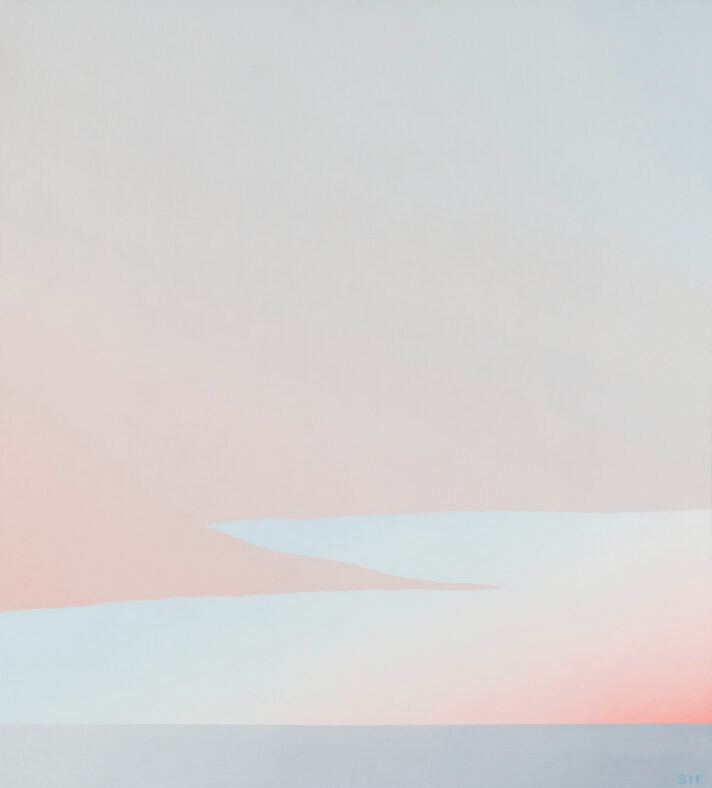
On Fragile Grounds. Sirje Runge and Light
Until 22 February
The exhibition is part of the main program of Tallinn Photomonth 2025 contemporary art biennial and it traces Sirje Runge’s engagement with light, color and perception. Best known for her paintings, Runge has worked across media including painting, video, and decades of teaching. Central to her practice is the concept of värviruum, or color space: a living field where light, emotion, and structure interact. For Runge, teaching and making are fundamentally intertwined. Teaching being an art form of its own, grounded in attention and experimentation. Light, too, is not only a material phenomenon, but her greatest collaborator. The exhibition will present a selection of works by Runge ranging from the 1970s to the present day. It will also feature a room dedicated to Runge’s teaching, reconstructing her experimental work with colored papers for exploring light.
A leading figure in Estonian postwar art, Runge is a seeker whose practice unfolds as a luminous inquiry into light, color, and matter. She approaches color as vibration and pedagogy as artistic practice. Centering fragility as both a conceptual and material lens, this exhibition invites viewers to inhabit the liminal space of matter and thought, light and shadow, creation and dissolution. Runge reminds us that the force of art often lies in its ability to hold contradictions, embrace impermanence, and transmute the fleeting into something enduring.
Tallinn Art Hall
Exhibition view. Photo: Paul Kuimet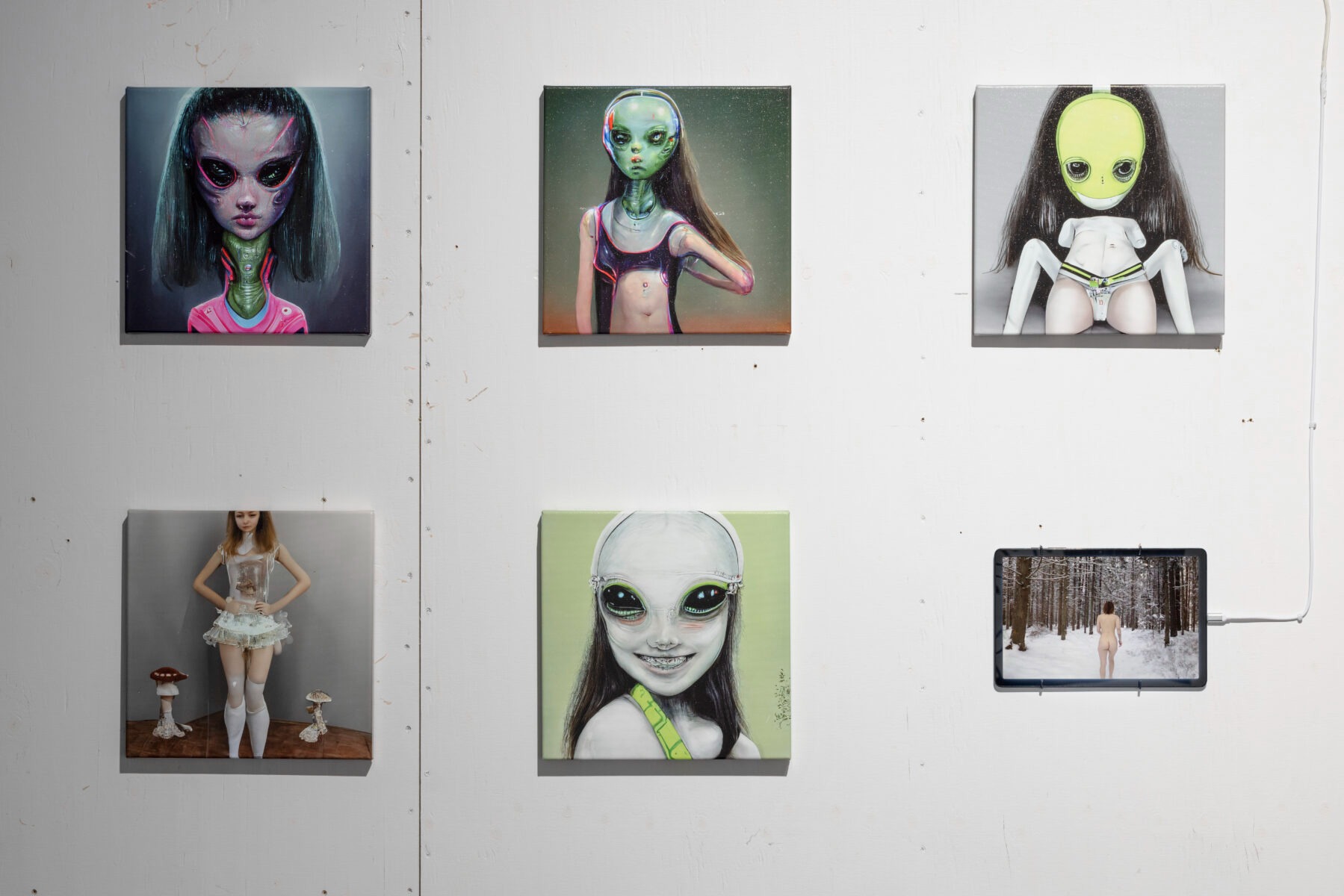
Plenty of Room to Grow!
Until 1 March
“Keep growing! There’s plenty of room to grow!” said the Wolf to Little Red Riding Hood, the Witch to Hansel and Gretel, and the Great Commander to the small boy and girl, knowing that tomorrow, one would bear arms while the other would raise the next generation. “Keep growing,” said the parents to their beloved child, as did the insistent, non-negotiable voice within the child himself, driving them higher, farther, deeper – perhaps even away. Away from here, away from others, away from themselves. „Mental health and fragments” rather than “balance, ” tend to be the keywords in describing contemporary life and creativity. This exhibition is about process of growth and it seeks to distill the particles of movement, the crumbs of transformation, as much as a visual form can express. It does so with the contributions of Ene-Liis Semper, Anita Kremm, Kristel Zimmer, Liisamari Viik, Jass Kaselaan and Art Allmäe, Eero Alev, Tõnis Saadoja, Terje Ojaver, and Kiwa.
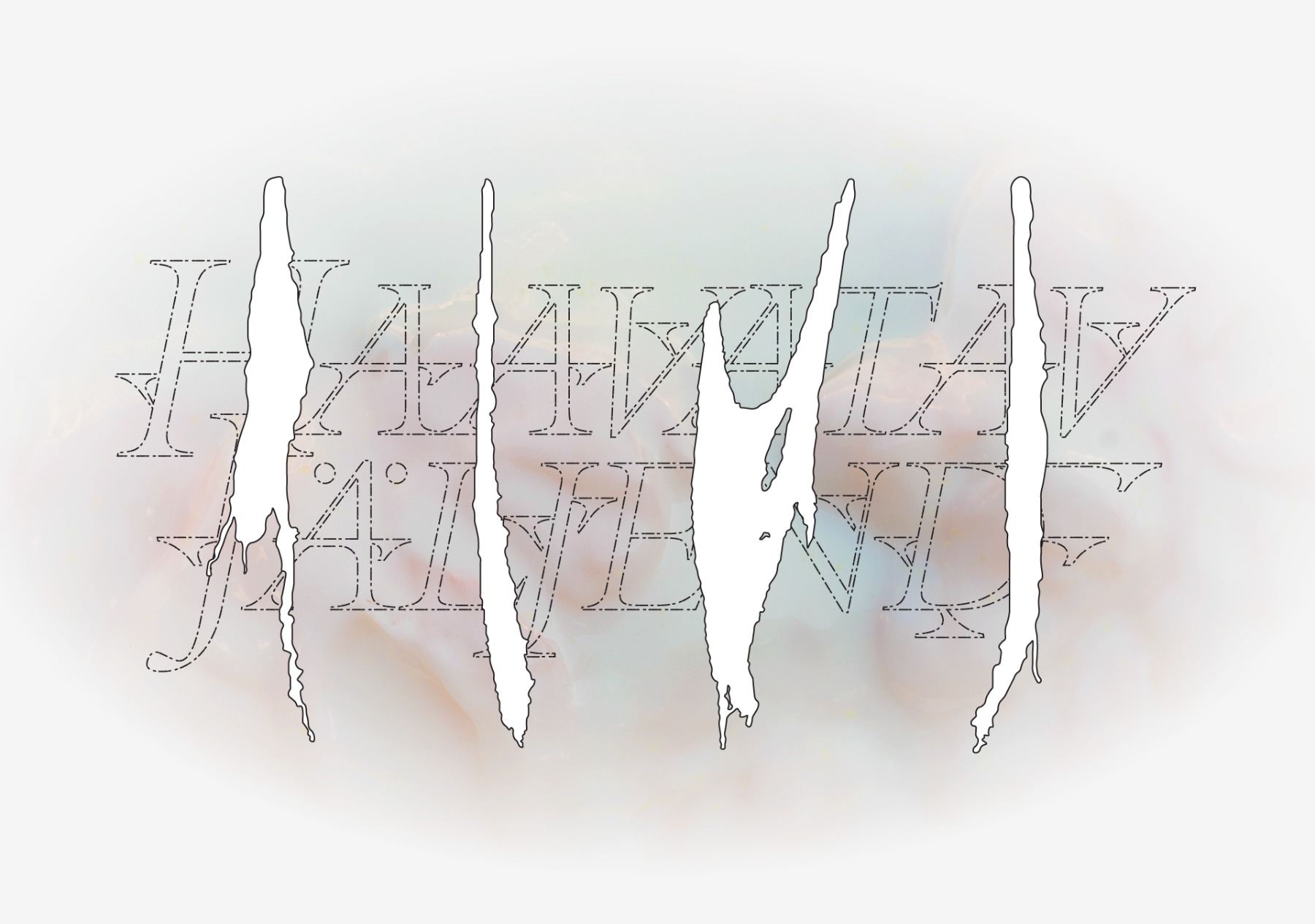
Mari Männa and Maria Erikson. Imprint of Vulnerability
17 January – 1 April
The joint exhibition by Mari Männa and Maria Erikson approaches material as an active participant. Fragility and delicacy operate here as working methods: form emerges through cracking, breaking, and acts of care. Drying, deformation, and the formation of imprints are not deviations or failures, but part of a process through which material remembers, transforms, and shapes its own rhythm. The exhibition is curated by Madli Ljutjuk.
“Imprint of Vulnerability approaches fertility beyond biological or gender-defined terms. Here, fertility is understood as an existential condition: the capacity to change, to be receptive, and to remain within uncertainty. The exhibition invites viewers to experience fragility and delicacy not as weakness, but as sources of vitality and renewal, fostering a sense of connection to a bodily, cyclical understanding of life,” explains curator Madli Ljutjuk. Working together for the first time, the artists approach the same question from different angles. In Männa’s works, a logic of emergence unfolds: the world is born from disintegration and transitional states in which life has not yet settled into its final form. Erikson begins with the wound – the moment when a surface is opened and forced to remember. For both artists, form is not an end point but a temporary condition, something still in the process of becoming.
Fotografiska
Josèfa Ntjam © ADAGP, Paris 2024. Courtesy of artist & Gallery NiCOLETTi, London
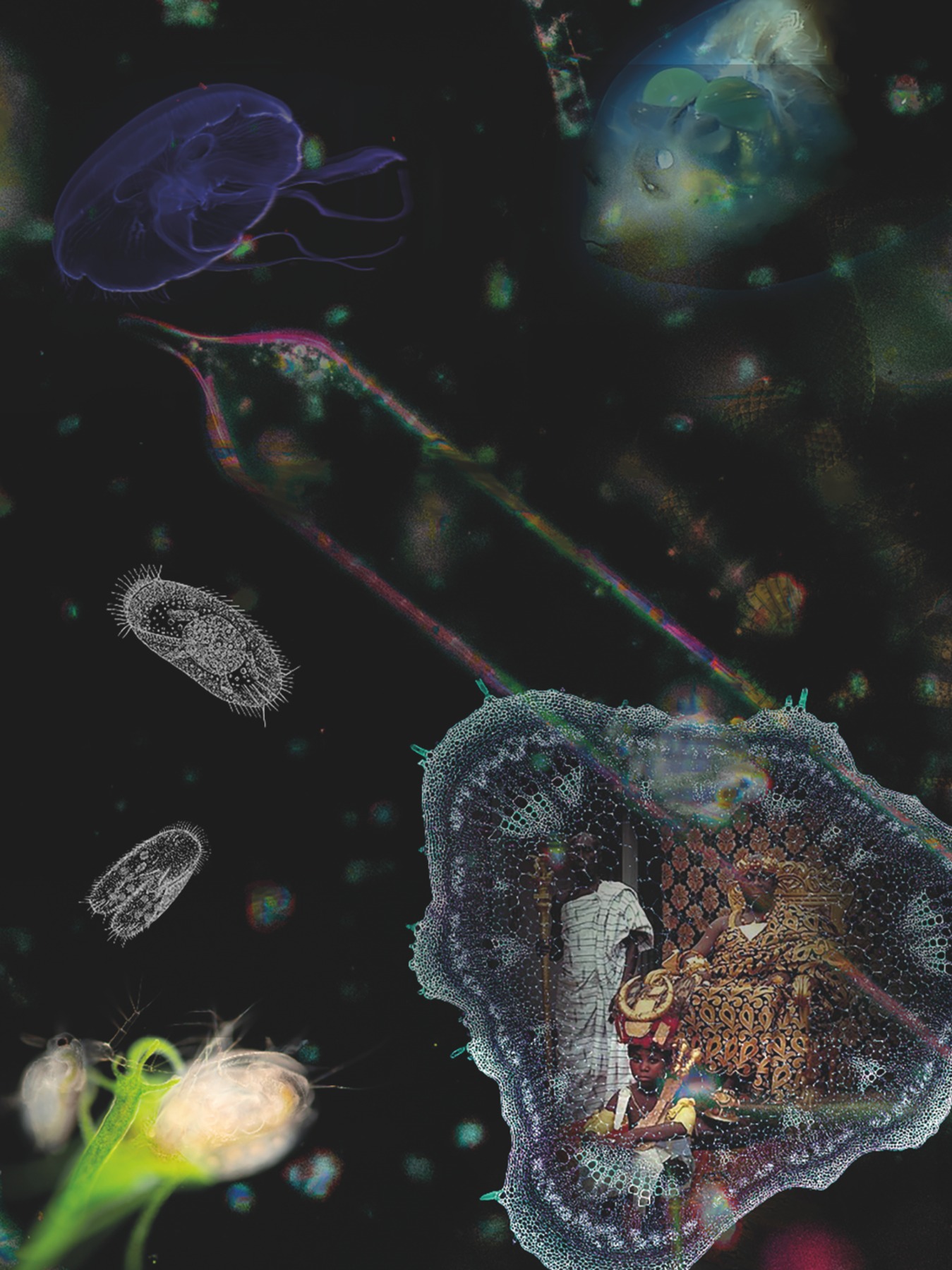
Josèfa Ntjam. Futuristic Ancestry: Warping Matter and Space-time(s)
Untiil 3 May
The solo exhibition of French multimedia artist Josèfa Ntjam invites visitors on a multi-layered sensory journey. The exhibition intertwines stories of historical movements that have empowered the oppressed and opens a door toward possible futures. Bringing together biomorphic sculptures, video installations, and photomontages, the presentation is fluid and poetic – filled with hybrid forms and endless dialogues.
What are the stories that shape your perception of the world and yourself? Who determines them, and how can we create alternative narratives within our communities to mobilize change? Josèfa Ntjam’s exhibition Futuristic Ancestry: Warping Matter and Space-time(s) seeks to deconstruct these dominant narratives. Ntjam explores collective histories, as well as her own memories and personal and family archives, through images of African mythologies, ancestral rituals, Cameroonian independence movements, and freedom fighters such as the Black Panthers – highlighting the transformative power of community to create new realities.
Adamson-Eric Museum
Nele Kurvits. 66 Days. 2022. Courtesy of the artist. Photo: Joosep Kivimäe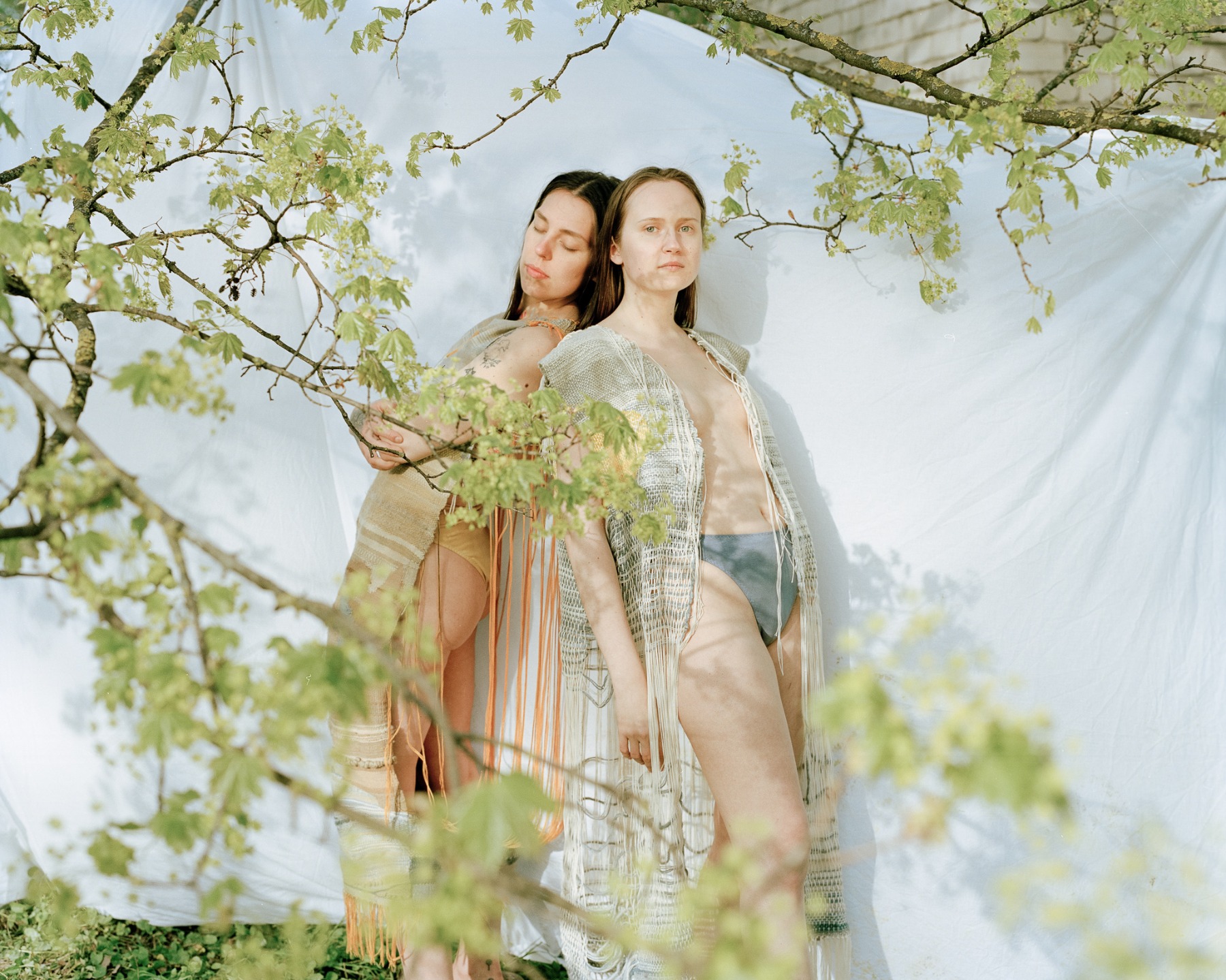
The Politics of Slowness
Until 15 February
The exhibition explores what it means to be human in today’s late-capitalist, productivity-driven world, with a focus on slowness and slowing down. Since the late 1980s, a global Slow Movement has been gaining momentum. It emerged as a reaction to the ever-accelerating pace of life in growth-oriented societies, where productivity and efficiency had become more important than human and ecological needs. The “politics of slowness” is a conscious choice: not to rush headlong into overwhelming obligations, but to pause, to do less, yet in ways that are more meaningful.
In recent years, “slow” technologies, craft techniques, and traditional materials have been more and more incorporated into contemporary art. Artists are increasingly prioritising care and responsibility in their practices and consciously making sustainable choices.
Estonian Museum of Applied Art and Design
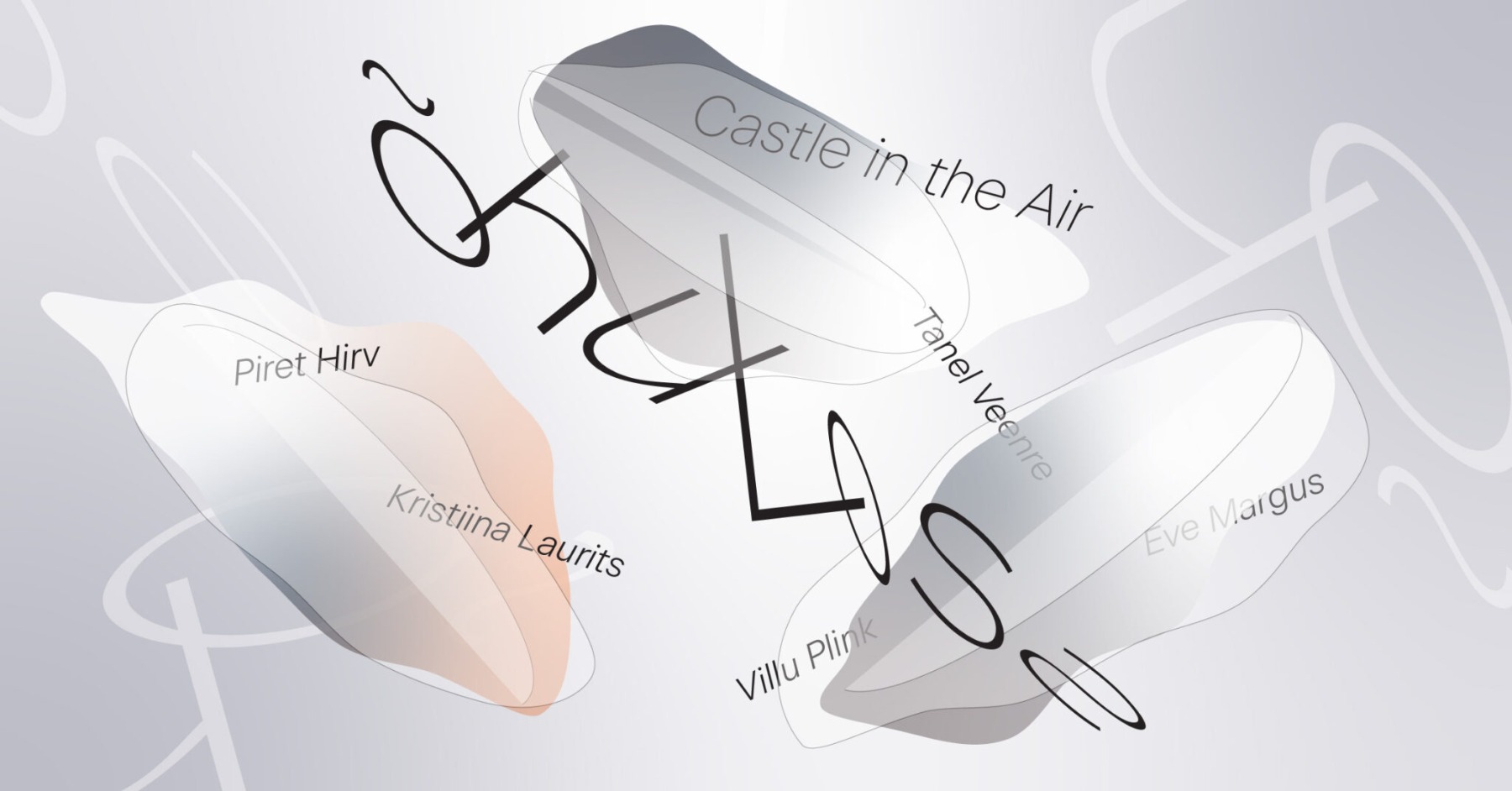
õhuLoss. Castle in the Air
Until 5 April
“Castle in the Air” is an exhibition spanning all floors of the Estonian Museum of Applied Art and Design, offering an overview of more than twenty years of jewellery creation by the Estonian jewellery artists’ collective õhuLoss. The group’s members – Piret Hirv, Kristiina Laurits, Eve Margus, Villu Plink, and Tanel Veenre – were students of the collective’s initiator, jewellery artist, head of the jewellery and blacksmithing department at the Estonian Academy of Arts, Professor Kadri Mälk (1958–2023).
“For me, Castle in the Air is an idealistic phenomenon of pure gold standard – a dream that gives birth to history. It doesn’t matter whether you’ve seen castles in the air in real life; what matters is that you’ve built them yourself. It both enchants and binds, and over time, it becomes an addiction,”– said Kristiina Laurits, member of the collective.
Tütar gallery
Photo: Kaarel Antonov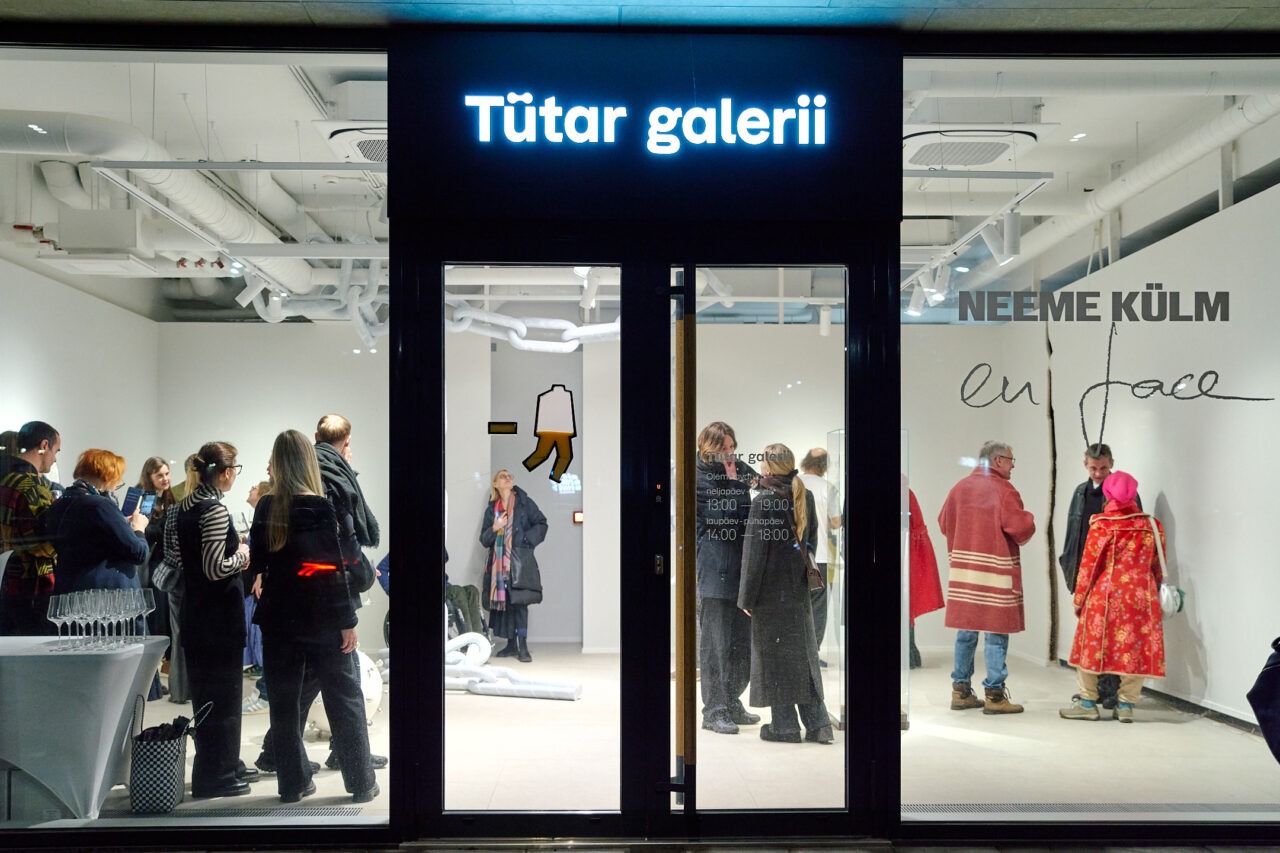
Neeme Külm. en face
Until 8 February
Traditionally, sculptures have always been in the service of something or someone. Even though its finest examples always imply something deeper than a mere urge to subjugate, it has greatly limited the scope of sculpture. In its fullest capacity, sculpture could cover the obscure grey area between the object-centric and spatial experience.
Neeme Külm’s work seems to approach this territory from two opposite directions. On the one hand, he seeks out seemingly secondary details or layers in the space and amplifies or enhances them into something far more compelling. It evokes a certain sinic quality. As François Jullien writes, Chinese thought constantly reminds us of the fact that, however insignificant the starting point, continually underlining its propensity will lead to decisive results. That which does not break tends to, for this very reason, spread out, condense and thicken, thus gaining greater consistency through such regular accumulation, ultimately attaining validity as something evident. Külm forces details and layers to grow in directions they would not have otherwise grown, but which help them become valid in their new form. The final result often comes across as robust, but it starts from extreme attentiveness and is carried by a tenderness not unlike that of a gardener tending to his plants. The result can also appear rough, even crude, but achieving it has involved artisanal finesse.
Punctum Gallerii
Photo: Roman-Sten Tõnissoo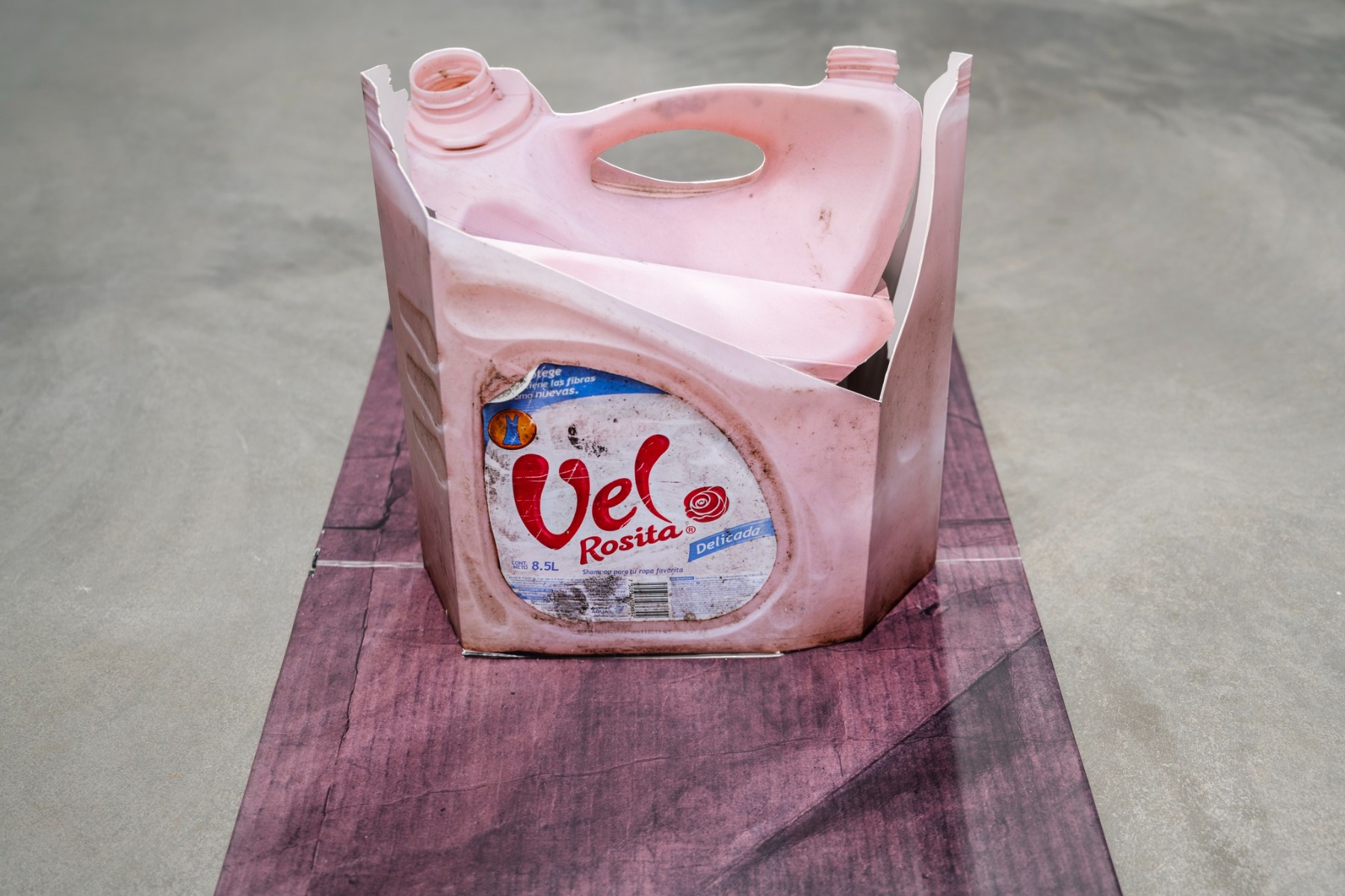
Sensing Matter: From the Infra-thin to the Photographic Object
Until 25 January
Punctum Gallerii is pleased to announce the group exhibition Sensing Matter: From the Infra-thin to the Photographic Object, curated by artist and writer Duncan Wooldridge (lives and works Manchester, UK). The exhibition includes work by eleven artists: Kristine Krauze-Slucka, Reinis Lismanis, Agata Madejska, Suzanne Mooney, Hanako Murakami, Juuso Noronkoski, Xanath Ramo, Alnis Stakle, Eva Stenram, Ryudai Takano, and Laure Winants.
Sensing Matter presents a selection of works examining photographic materiality and objecthood. The exhibition asks a simple question – at what point might a photograph become visible as a thing? – and develops from it a study in perception and encounter. Moving from barely visible vapours and light sensitivities – which might not appear as images at all – towards sculpture and installation, which seem to take the photograph away from the wall to encroach into physical space. The exhibition studies the matter and gestures of the photographic image, many of which are usually hidden out of view. Spanning moments of invention and production, to the transformations and afterlives of images, the exhibition brings into view subtle qualities and characteristics that photographs, in their familiarity, usually conceal: an apparition-like sense of possibility, and an ongoing potential found in the residue.
ARS Project Space
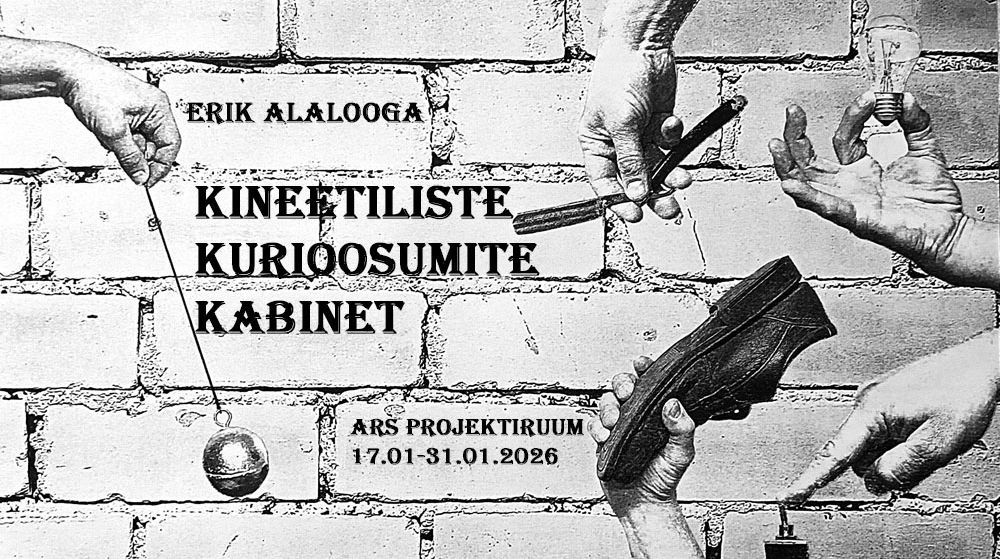
Erik Alalooga. The Cabinet of Kinetic Curiosities
17 January – 31 January
“The Cabinet of Kinetic Curiosities” is an exhibition that began with a broad-based casting call, in which a significant number of prominent figures of western culture participated. The winners of the intense competition were Archimedes, Isaac Newton, Léon Foucault, Thomas Alva Edison, Luis Buñuel, Marvin Minsky, and Nikita Hrushchev. The iconic images they left behind in history became the processual input for the exhibition. The choreography of moving artificial bodies has been refined into clear mechanical gestures. The original input images, borrowed from the classics, retain their presence but do not become a reflection of events or a visual dominant. Seven new objects begin to live their own kinetic lives in the exhibition space.
Erik Alalooga is a hopeless machine addict. No matter what he undertakes or touches, the result is always a machine. His performances with self-made analog machines can be seen as an anti-progress manifesto. His machine creations do not participate in the technological race. They celebrate intuitive dilettantism. His machines only have meaning in the context of a specific work of art.
ESTONIA, Tartu
Tartu Art Museum
Exhibition view. Photo: Madis Katz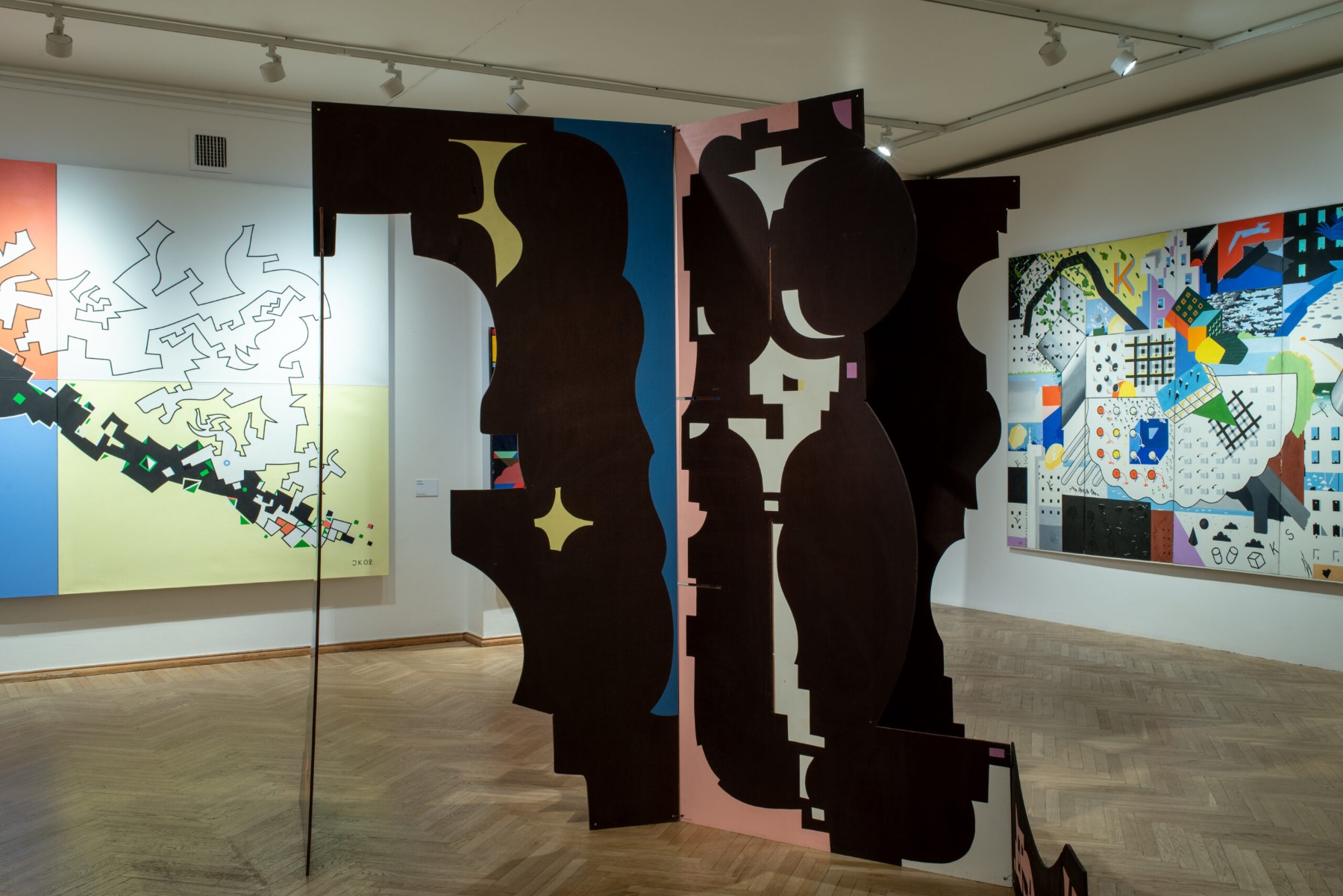
Jüri Kask. Blink of an Eye
Until 26 April
Sixty years after graduating from the Tartu Art School, Jüri Kask has come full circle, returning to the leaning building. The former dormitory, now the Tartu Art Museum, is hosting Jüri Kask’s solo exhibition Blink of an Eye.
Kask is known for his large format works and love of colour, and stylistically he is considered to be one of the most consistent painters of geometric abstractionism in Estonia. Extending along two floors, the exhibition will take over the floors, the walls and the ceiling and, as usual for Kask, it will break boundaries. It is a pictorial language, honed to perfection, which evolves into a holistic world. Exhibited alongside drawings by Kask the student and abstract paintings by Kask the mature artist will be many works which have yet to be shown publicly.
Kogo gallery
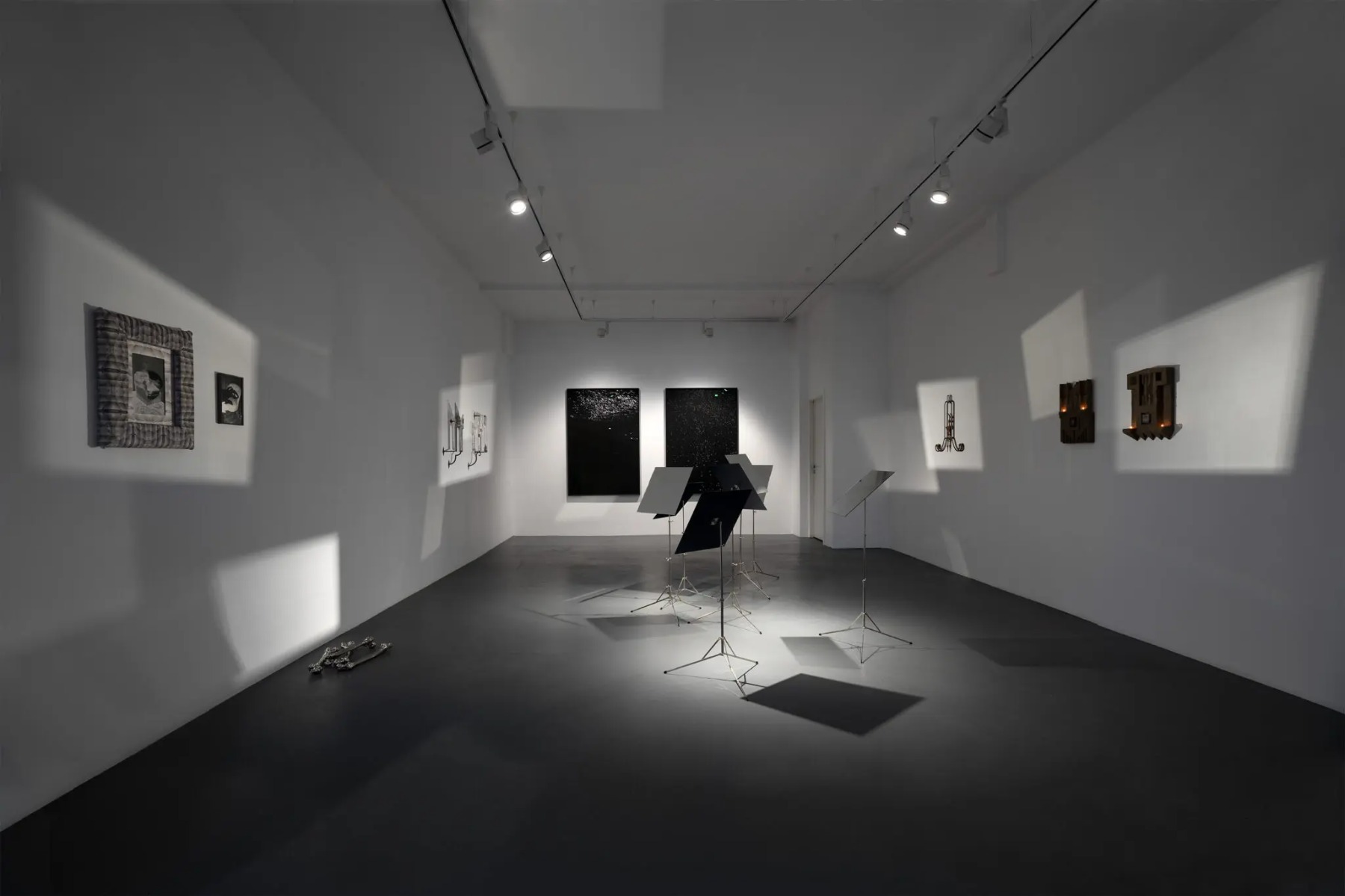
Agate Tūna, Anna Mari Liivrand, Bob Bicknell-Knight, Ellen Vene, Madlen Hirtentreu, Tanja Muravskaja, Tiina Sarapu. Flash Show: The Longest Night of the Year
Until 7 February
Around the time of the solstice, it has been believed that the boundary between the realm of spirits and the earthly world becomes thinner, and that silence was necessary in order to stay awake, attentive and ready to listen to how different spirits and beings move around. Candles and bonfires helped, as they warded off the bad and kept one’s direction – light – in sight. Rooms were cleansed with smoke, the crackling of fire was used for divination and the sounds of the night were listened to. In this deep darkness, home becomes a kind of sanctuary – a place to retreat to during the season of spirits and sink into a winter’s rest.
This kind of timespace allows the warmth, presence and sense of anticipation we recognise as the feeling of Christmas to surface. Perhaps it does not lie in the nervous flicker of neon light in a neighbour’s window, but rather in the darkness, silence and smoke haze from the chimneys drifting across the land. The works of the artists selected for this winter flash show radiate mystery and magic. Their pieces carry within them the transience of time, meditation, quietness, but also strength. Some works act as bright candles guiding one through the darkness; others allow what lies within the darkness to grow.
LATVIA, Riga
Latvian National Museum of Art
Ojärs Abols. The War Is Over. 1975. Oil and mixed media on canvas. Collection of the Latvian Artists' Union Museum. Publicity photo
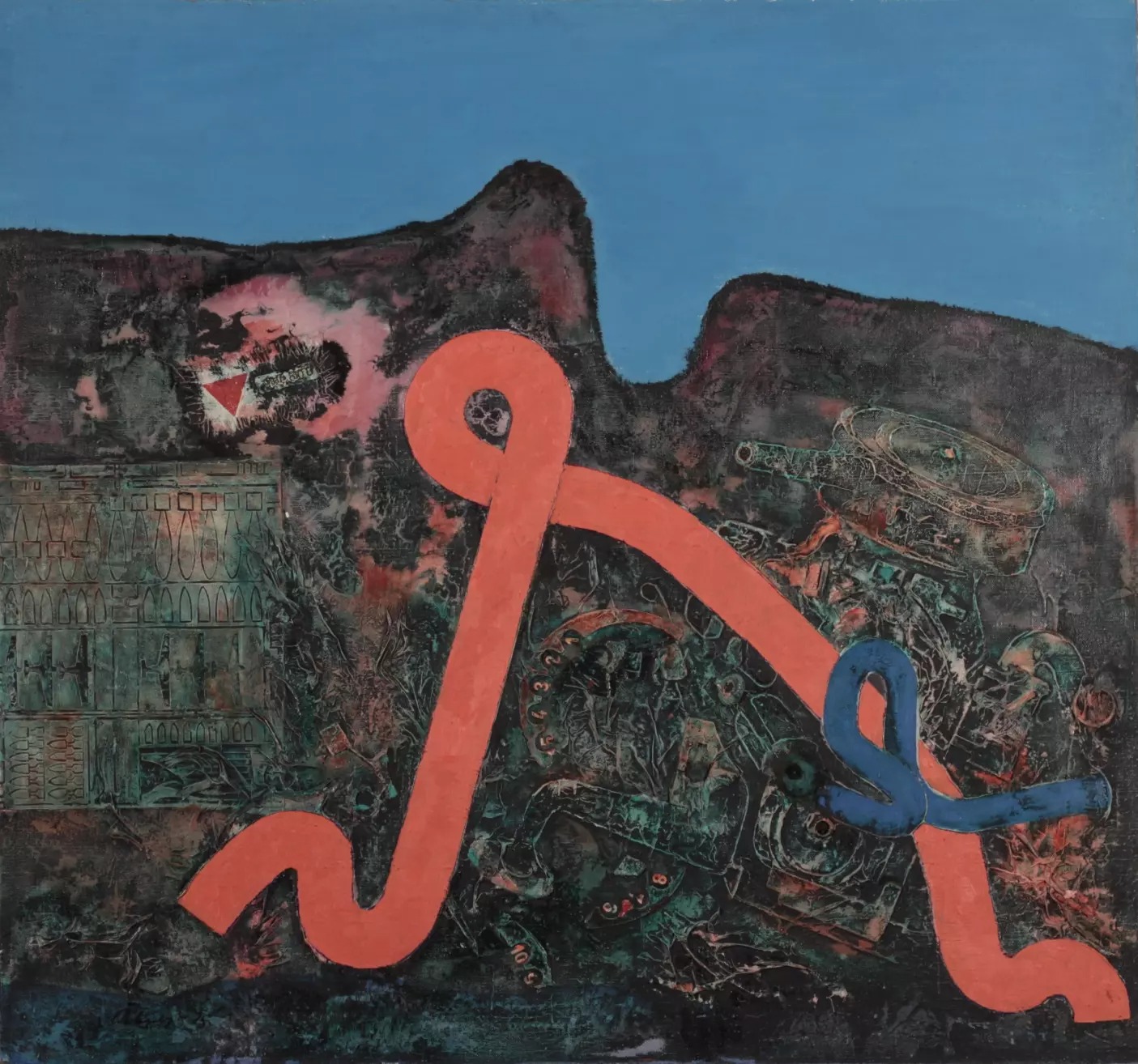
Ojārs Ābols. Man’s Absurd Projects on Earth
Until 10 May
Today painter and art theorist Ojārs Ābols (1922–1983) is seen as an avant-gardist of the 1960s–70s, a leader of theoretical thought, the driving force of the Painters’ Section at the Artists’ Union, godfather of Latvian contemporary art. American collectors Nancy and Norton Dodge have included his works in the collection of Soviet non-conformist art at the Zimmerli Art Museum, USA. Yet Ojārs Ābols’ life seemingly has two sides – the one that served the ideas of communism and the one that eagerly wanted to get closer to Western art and Western way of life.
Ābols’ politico-social and creative career unfolded in the 1950s–70s and inevitably involved political consequences. He was an erudite intellectual, a long-term board member of the Artists’ Union and chairman of the Painter’s Section (1973–1981), he gave impassioned speeches about art and believed that art has an important role in public life. In his works, the painter dealt with the current issues of his time. Ābols’ activism, the development and transformation of his views on art is a story about a young man who had been obsessed with communist ideals changing and becoming an important practitioner and theoretician of modernist art and even an instigator of conceptualist art in Latvia. Tracing Ābols’ biography and the shifts in his art, the exhibition also looks back at Latvia’s complex history.
Riga Contemporary Art Space
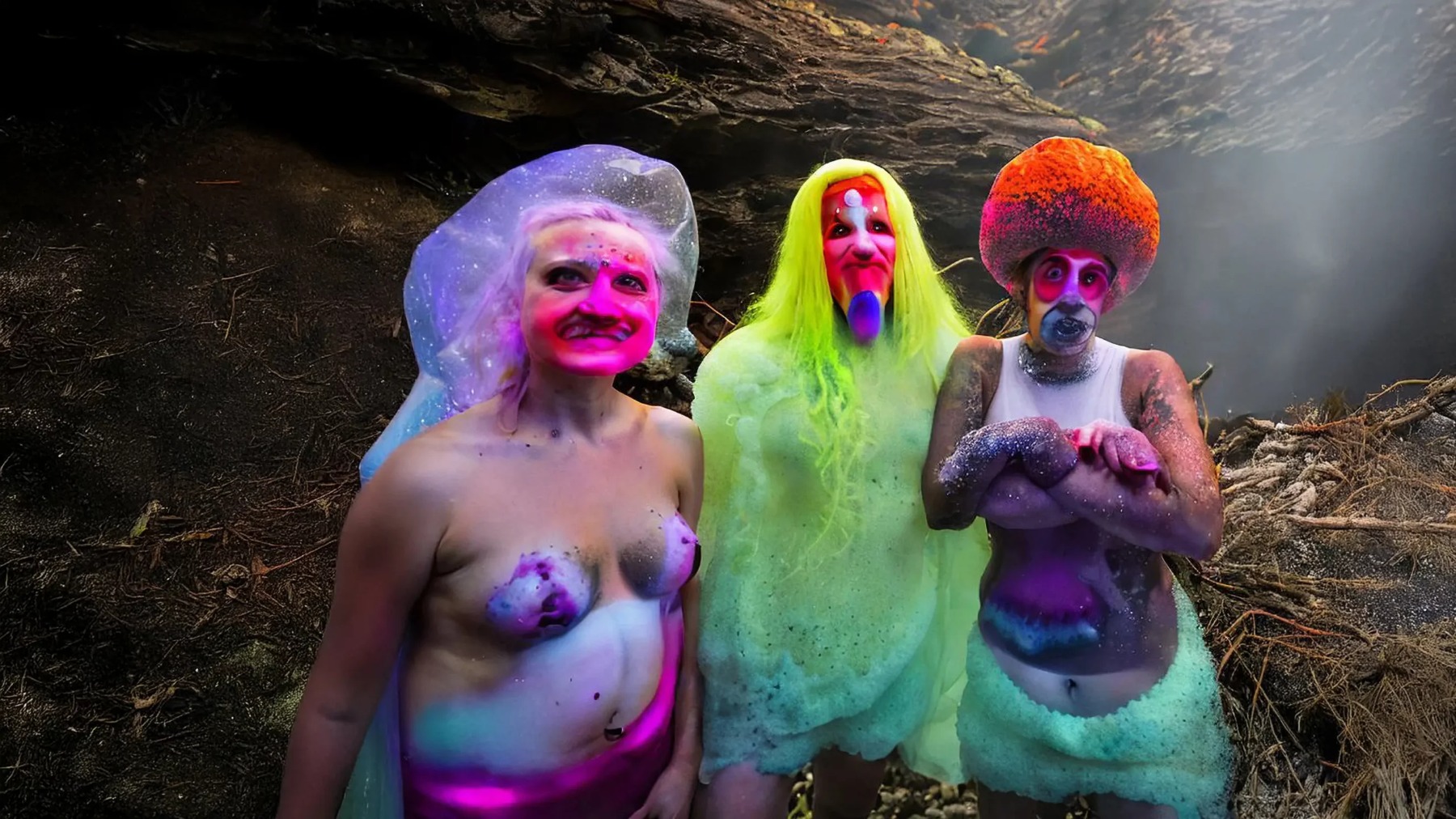
Gints Gabrāns. Algorithmic Communities
6 February – 5 April
The exhibition explores human interaction with artificial intelligence and algorithmic systems, as well as the human relationships shaped and influenced by them. In this sense, it can be seen as an artist’s attempt to create a “portrait of the contemporary”– a reflection on technology’s impact on society at large and the ways it reverberates through culture, including its influence on artistic production itself.
Gints Gabrāns is an installation and multimedia artist whose work has been exhibited widely in Latvia and internationally. In 2007, with his project Paramirrors, Gabrāns represented Latvia at the 52nd Venice Biennale.
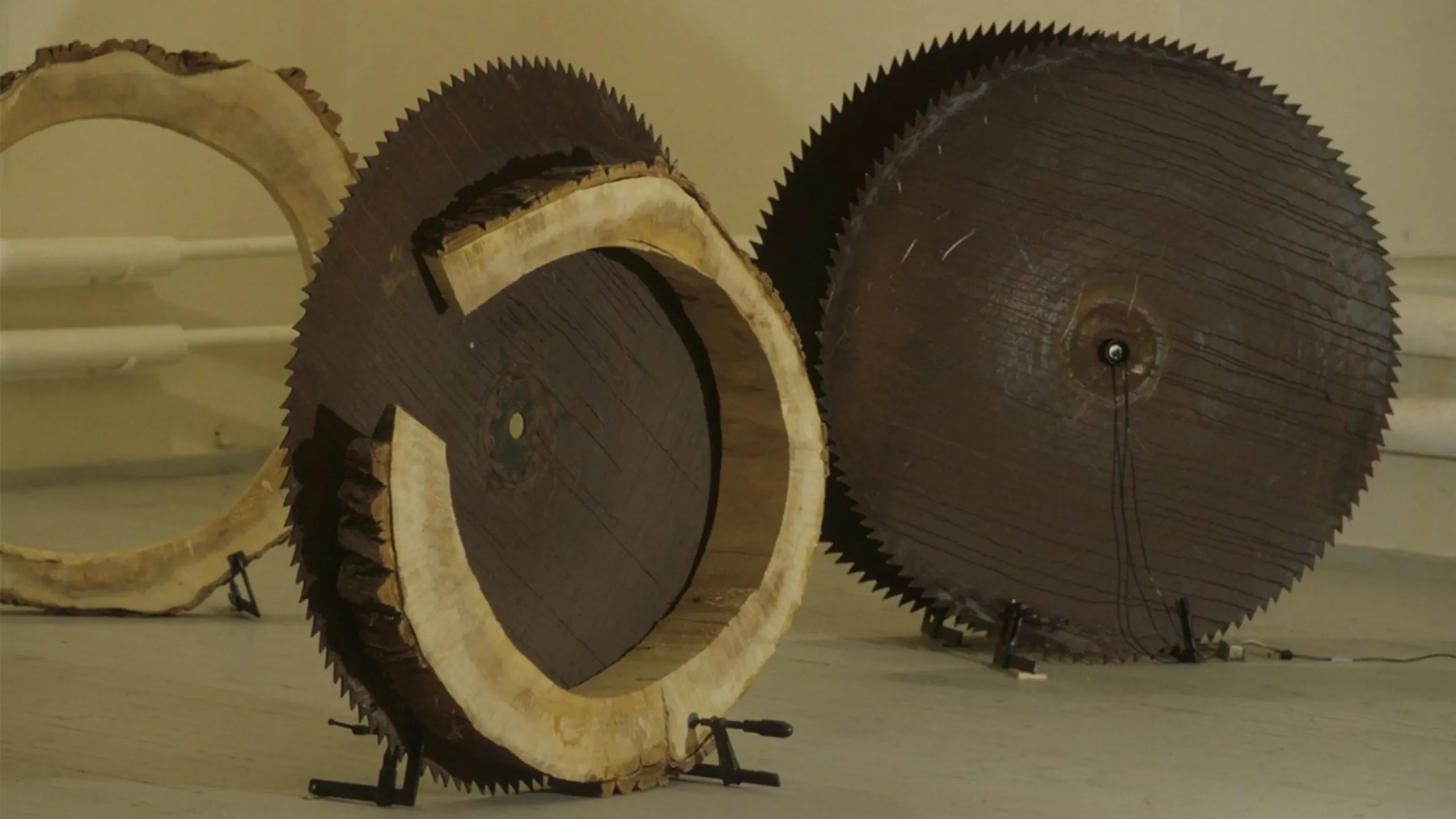
Andris Breže. Enclosure. Giants
6 February – 5 April
The reconstruction of the seminal work “Enclosure”, first presented at the exhibition “State” at the Soros Contemporary Art Centre (Latvia) in 1994, inaugurates the Riga Contemporary Art Space exhibition series Giants – a program dedicated to the trailblazers of Latvian contemporary art and the living legacies they have shaped. Curated by Daiga Rudzāte.
Andris Breže (1958) entered the art scene in the 1980s with poetic installations that took on an ironically sharp, anti-totalitarian character. For more than forty years, his work has retained the ability to articulate the complex relationship between time and power.
Museum of Decorative Arts and Design
Georgs Barkans with his wife Dzidra Ozolina. 1989. Photographer: Atis levins. LNMA archive. Publicity image
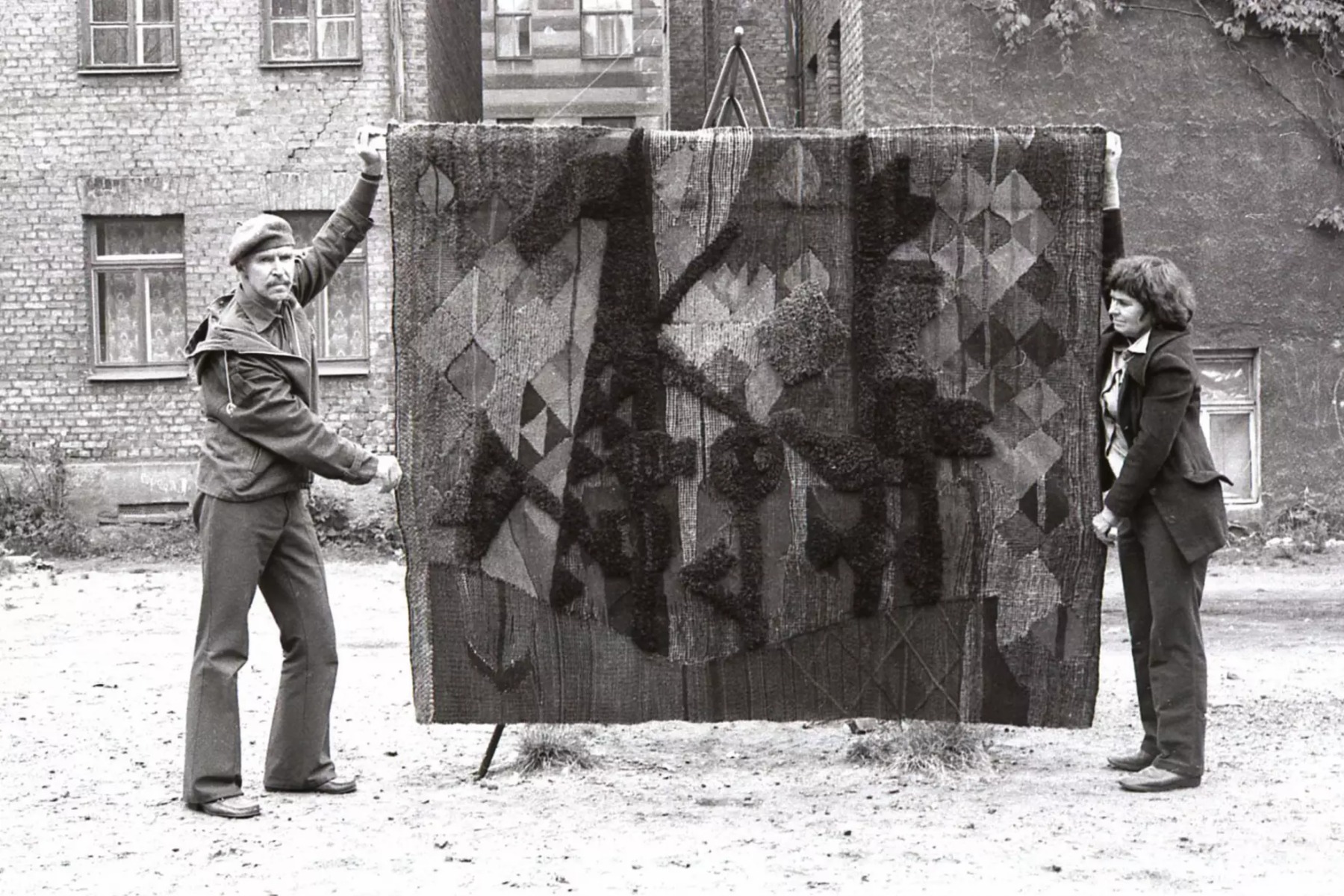
Shelter for the Unicorn. Textile Artworks by Georgs Barkāns
Until 8 February
Georgs Barkāns (1925–2010) was one of the most influential figures in Latvian textile arts during its major upswing in the second half of the 20th century. From the 1960s onward, textile arts in Latvia broke away from their status as applied arts and grew increasingly modern, figurative and experimental.
In both textile art and design pedagogy, Georgs Barkāns stood out as an innovator and an adventurous spirit. His vivid imagination and creative endeavors had to abide by the rules dictated by the occupying regime. Still, master managed to prevent it from showing directly in his works, neither expressing endorsement nor protest. His creative strategy was a lifelong mission to provide cultural education by highlighting the legacy of past generations and solidifying the standing of Latvian art within the European cultural landscape. His unicorn-themed tapestries can still be seen today as a deliberate artistic stance against the homogeneity of the surrounding world. Dzidra Ozoliņa (1922–2014), Georgs Barkāns’ spouse, played a major role in creating artist’s work.
Kim? Contemporary Art Centre
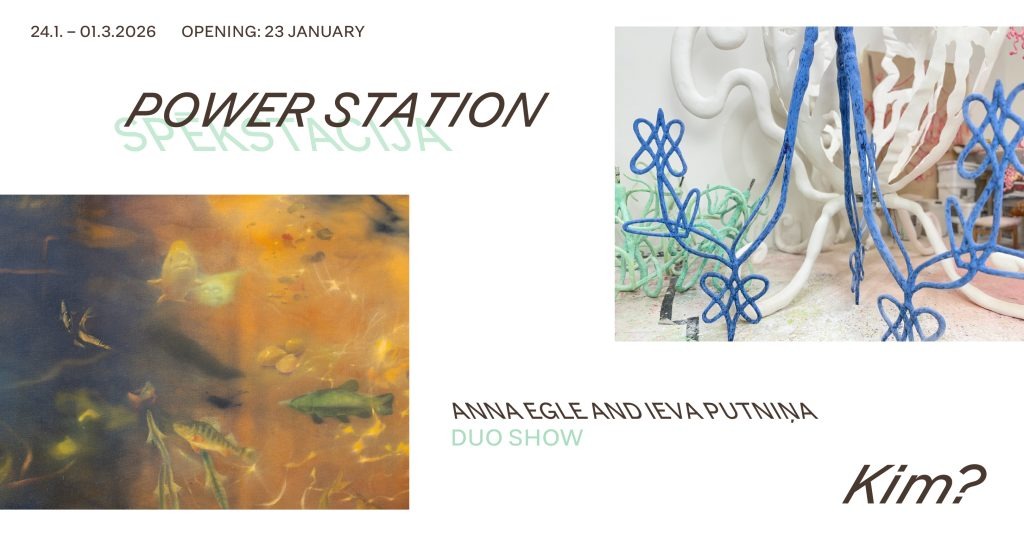
Annas Egle and Ieva Putniņa duo show “Powerstation”
23 January – 1 March
Marking the beginning of Kim?’s 2026 programme, Power Station unfolds as a dialogue-based creative process that explores questions of energy, natural phenomena, and inner harmony. Ieva Putniņa is a prominent Latvian painter known for her hyper-realistic yet surrealist approach, recently named the first recipient of the Vija Celmins Foundation Fellowship for 2025–2026. Anna Egle is a sculptor from Riga. For over a decade, she worked on sacred sculpture projects in the United States, where her works can be found in private collections. Anna’s experience in sculpture spans a wide range – from delicate, jewellery-like sculptures to large-scale projects with 6 and 9-meter-tall clay figures, later cast in bronze.
Zuzeum Art Centre
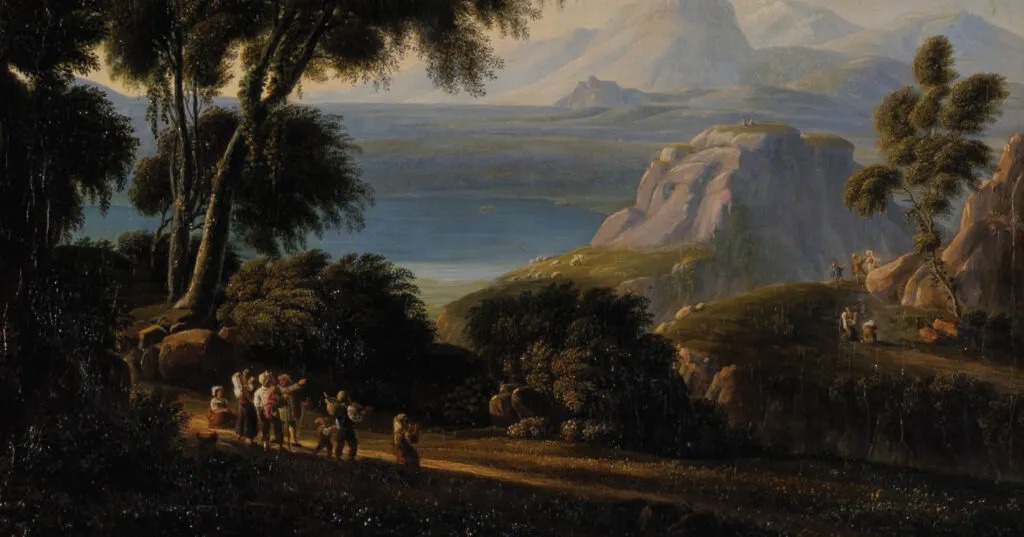
Collections
13 February – 10 May
Collections are shaped by the simple yet powerful act of bringing things together. It’s an innate and fundamental human activity which can be found and displayed in museums and in memory boxes, in institutions and in childhood bedrooms. Whether of paintings, porcelain, or postcards, a collection reflects on who we are and lets us remember where we come from. Encompassing nearly 35,000 works, the Zuzāns collection is a living record of Latvian art and a portrait of collecting as a cultural and personal act. What is more, it is a reflection of the creative effort of countless individuals. The character of such a collection emphasizes the singular nature of art: how each work asserts its own identity, yet gains depth and resonance through the context of others around it. This exhibition approaches the act of collecting as an extension of artistic thinking by bringing together works through intuition and association. Selected from the wider collection, the artworks are arranged into sets that follow no fixed system, but instead draw connections through form, colour, gesture, or mood. Some connections are immediate and visible, others may be more subtle and suggestive. What unfolds is an archipelago of collections, a landscape to explore with attention and curiosity, an invitation to discover what draws us in and why.
The exhibition’s curator is Edd Schouten, and the scenographer is Andris Kaļiņins.
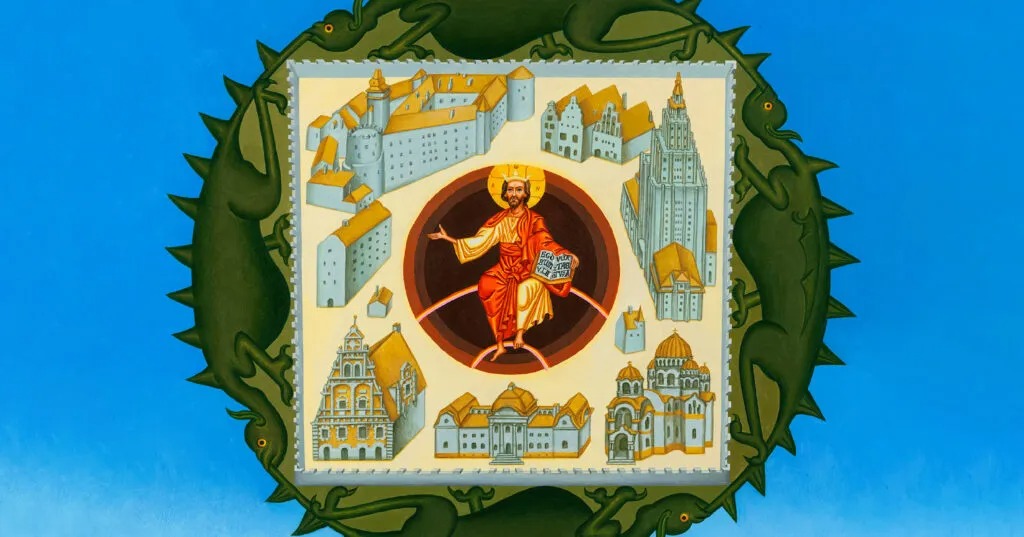
Roberts Rūrāns. Chestnut and the Universe
13 February – 10 May
The exhibition reveals the wide range of the artist’s practice. From bold, internationally recognised illustrations to personal, spiritual paintings, in which a contemporary visual language intertwines with motifs from the Christian tradition. The exhibition brings together more than 80 works created between 2018 and 2025. They are arranged in sequences – from playfully ordinary, secular themes and commercial commissions to more personal, spiritual explorations, in which the fusion of tradition and contemporaneity is essential, as are playfulness in image-making and the embedding of the sacred in bodies – in their movements and gestures. Roberts’ visual language is based on simple, expressive forms arranged in bright, clearly structured compositions. A warm sense of irony sometimes slips into his hand, appearing in light-hearted media messages, as well as stripping complex, expansive ideas of their rhetorical heaviness. In this exhibition, illustration becomes an instrument for speaking both about the visual environment of our everyday lives and about quieter, harder-to-define yet deeply significant inner states and quests.
Māksla XO Gallery
Paulis Liepa. 31025. 2025, alkyd enamel, cardboard cut-out on linen, 133x230 cm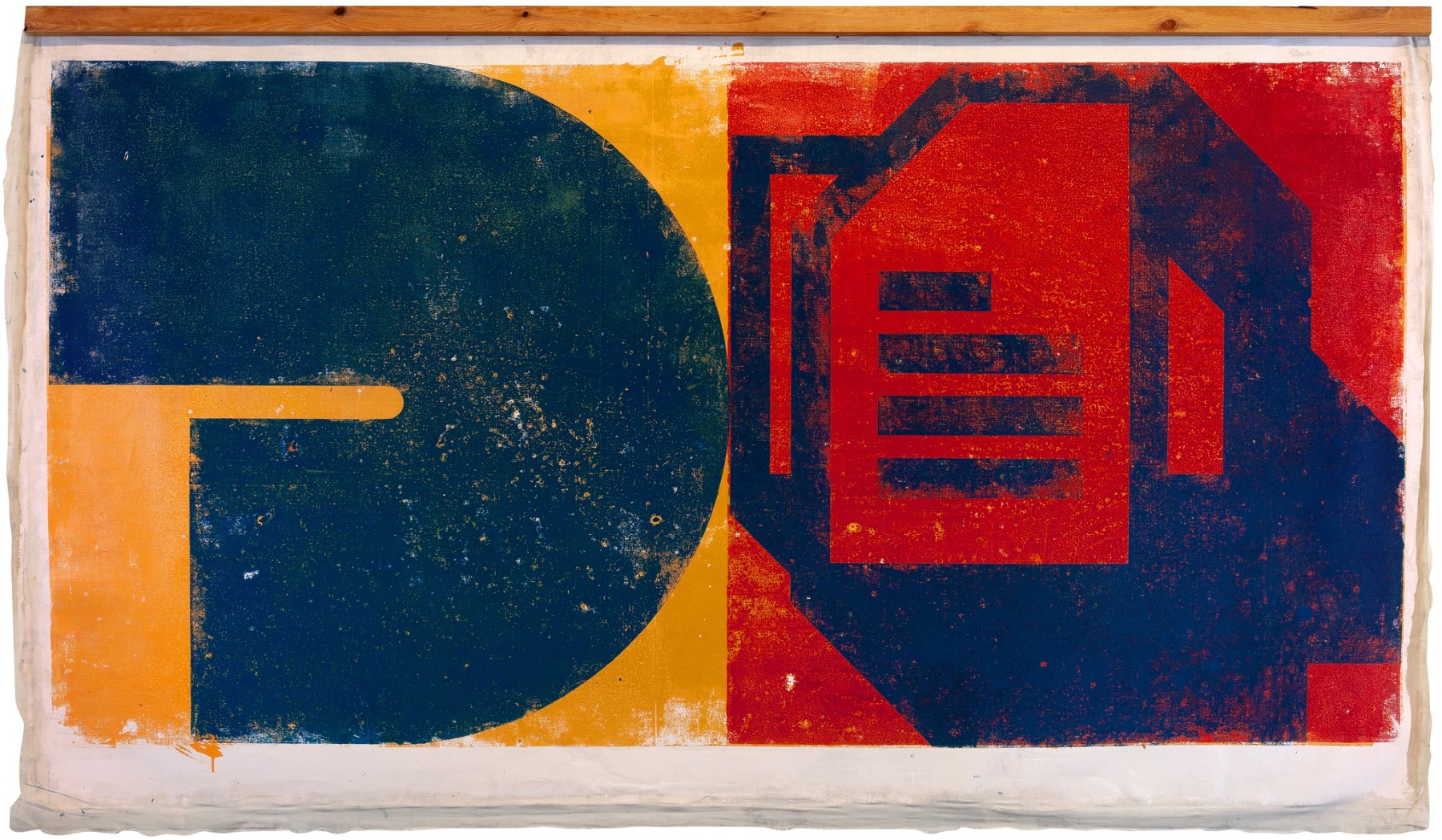
Paulis Liepa.Trading
29 January – 7 March
“Trading, wrangling and bargaining – bartering wool for clamour, land for a seat in the front row, or for the larger slice of the pie. A struggle for position in the news feed and for more favourable interest rates. Flags – ragged edges, one’s own and foreign colours, primitive forms and broad areas of colour. Counting the spoils before they are secured and dividing into camps. Territories, spheres of influence, arrows and marks of recognition.
The works are created using a relief printing technique, employing cardboard clichés and alkyd enamel, without the use of a printing press or other tools. Radical simplicity, a laconic colour palette, and a deliberate avoidance of the technical complexities characteristic of printmaking result in the use of primitive forms, large areas of colour, and coarse textures. When printed on fabric, the works acquire a flag-like form, which constitutes a conceptually significant component of the exhibition’s underlying idea” – Paulis Liepa, January 2026.
More info >>
TUR. Contemporary Space for Art
Photo: Sergej Timofejev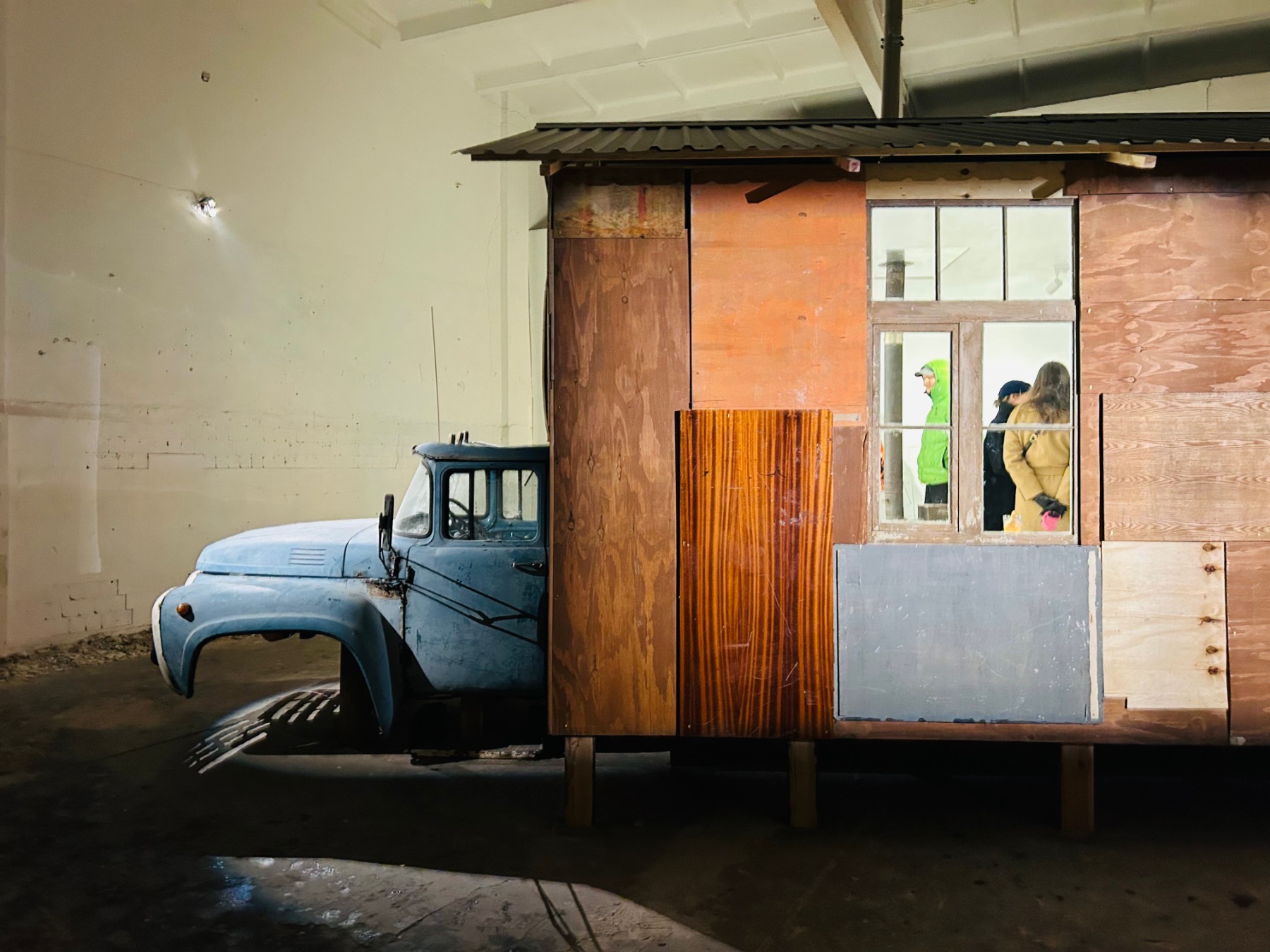
Oto Holgers Ozoliņš. Artifacts of Process
Until 7 February
For “Artifacts of Process” Oto Holgers Ozoliņš is constructing a structure atop the cabin of a ZIL-130 truck chassis. Although stationary, it is built as if it could be hauled from place to place, a playful nod to mobility and displacement and a continuation of Ozoliņš’ exploration of structure as both a constraint and catalyst. Inside the structure is clinical, a deliberate reference to the conventions of the white cube gallery. It is also a functional shelter with a stove providing ample heat for the structure.
Ozoliņš’ practice is rooted in process-based sculpture, where personal growth and the countering of idleness are central. For this exhibition, he extends this inquiry, turning the act of foraging for wood into a daily ritual and artistic score and exploring how it can be placed into the context of “the exhibition.” Beginning just before the exhibition opens and continuing throughout its run, Ozoliņš will forage the streets of Riga for wood to burn in the stove. Foraging is a deeply Latvian practice, usually associated with gathering mushrooms or berries in the forest. Here, he transposes the ritual to the city, transforming the act into a performance of survival.
ASNI gallery
Aleksandrs Breže. Treshold
16 January – 15 February
Aleksandrs Breže (b. 1994) is a graduate of the Gerrit Rietveld Academie in Amsterdam. In his practice, the artist explores playful engagements with digital environments and three-dimensional abstractions, often contextually linked to the aesthetics of the 1990s. Within the framework of the exhibition, Breže will transform the gallery space into a “laboratory of a new ecosystem,” featuring three-dimensional abstract works alongside quasi-functional interior objects (a bed, table, cabinet, chair, and mirror), presented as surreal bodies and artefacts of undisclosed rituals.
Recent exhibitions include the solo exhibition Succumbing to Temptation, Kogo Gallery (2024); the solo exhibition Optimism, Confidence, Charity, LOOK! (2023); and the group exhibition SUBFRAME.XYZ (with Armands Freibergs, Tom Volkaert, Nik Kosmas, Vytautas Gečas), (2023). Together with Armands Freibergs, is part of the collective Subframe.xyz.
Gallery 427
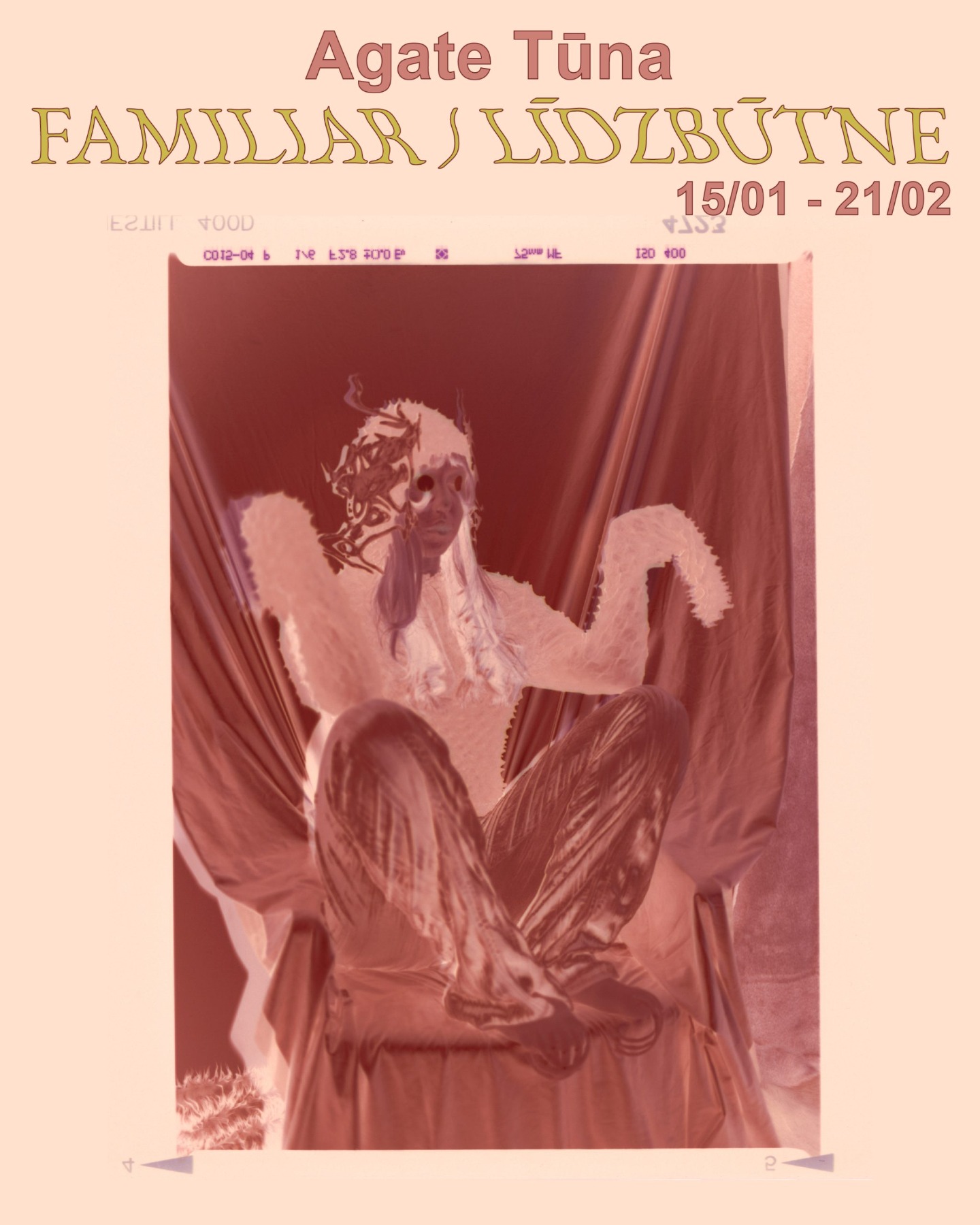
Agate Tūna. Familiar
15 January – 21 February
Agate Tūna is a multidisciplinary artist from Riga, Latvia, working with analogue photography, experimental video and sound art. Her practice explores the relationship between spirituality and technology from a woman’s perspective, tracing connections between her family’s spiritual heritage, hauntology, quartz crystals and techno-specters. Photography, as a “haunted medium,” is central to her work, combining chemigrams, self-portraits, and staged compositions to create imagined spaces with constructed objects and printed fabrics, making photography itself a tactile experience.
The exhibition considers archives not as an organized system, but as an organism. As an environment where images accumulate, layer, and become semi-living. Although all images are analog, their life inevitably intersects with the digital cycle. Analog becomes ghost software. The image continues to exist in the mind, in thoughts and on screens, as a file on a hard drive, as a copy on a USB flash drive, as an attachment in an e-mail, as a backup copy. In this cycle, images disintegrate into digital dust and settle in the collective visual field.
Maxim Boxer Gallery
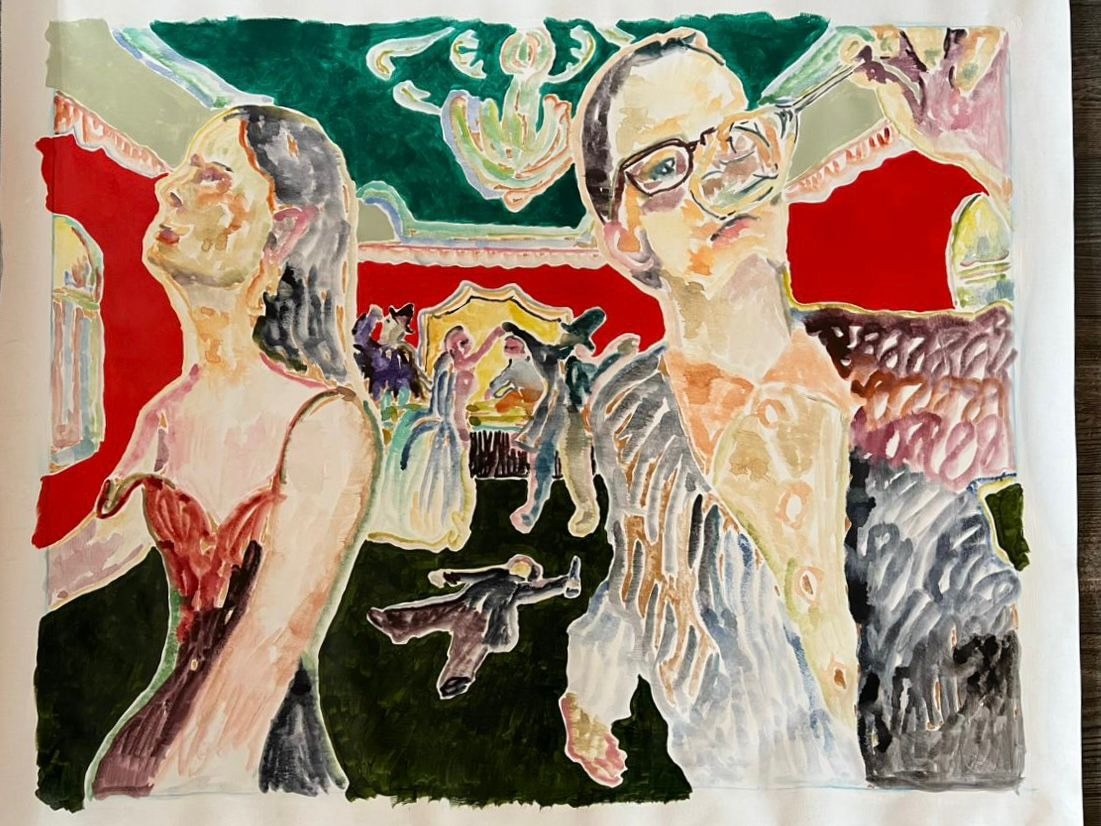
Pyotr Kiryusha. Der Zauberberg Revisited
15 January 28 February
Pyotr Kiryusha returns to Thomas Mann's The Magic Mountain (1924) from the perspective of our own "sanatorium of Europe," from within new-old conversations about purity and de lement, health and sickness. This exhibition confronts the persistence of the disease of war – how, after a hundred years, it has gone nowhere. It lingers in the air we breathe, in the words we speak. "Only the chosen are ill," Hans Castorp thought at first. "Only the unworthy are ill," insisted the Italian Settembrini. By the end, all understand: "Everyone is ill." Pyotr Kiryusha has painted portraits of a universal sickness. They are all so endearing, these gures – like us. And all of them are incurably ill. The paintings speak across the century that separates Mann's prophetic novel from our present moment. They remind us that the conversations which once predicted war continue to echo through contemporary Europe –that illness, whether of the body or the body politic, remains our shared condition. Concept: Kirill Kobrin. Sound: Blue Pencil.
LATVIA, Daugavpils
Rothko Museum
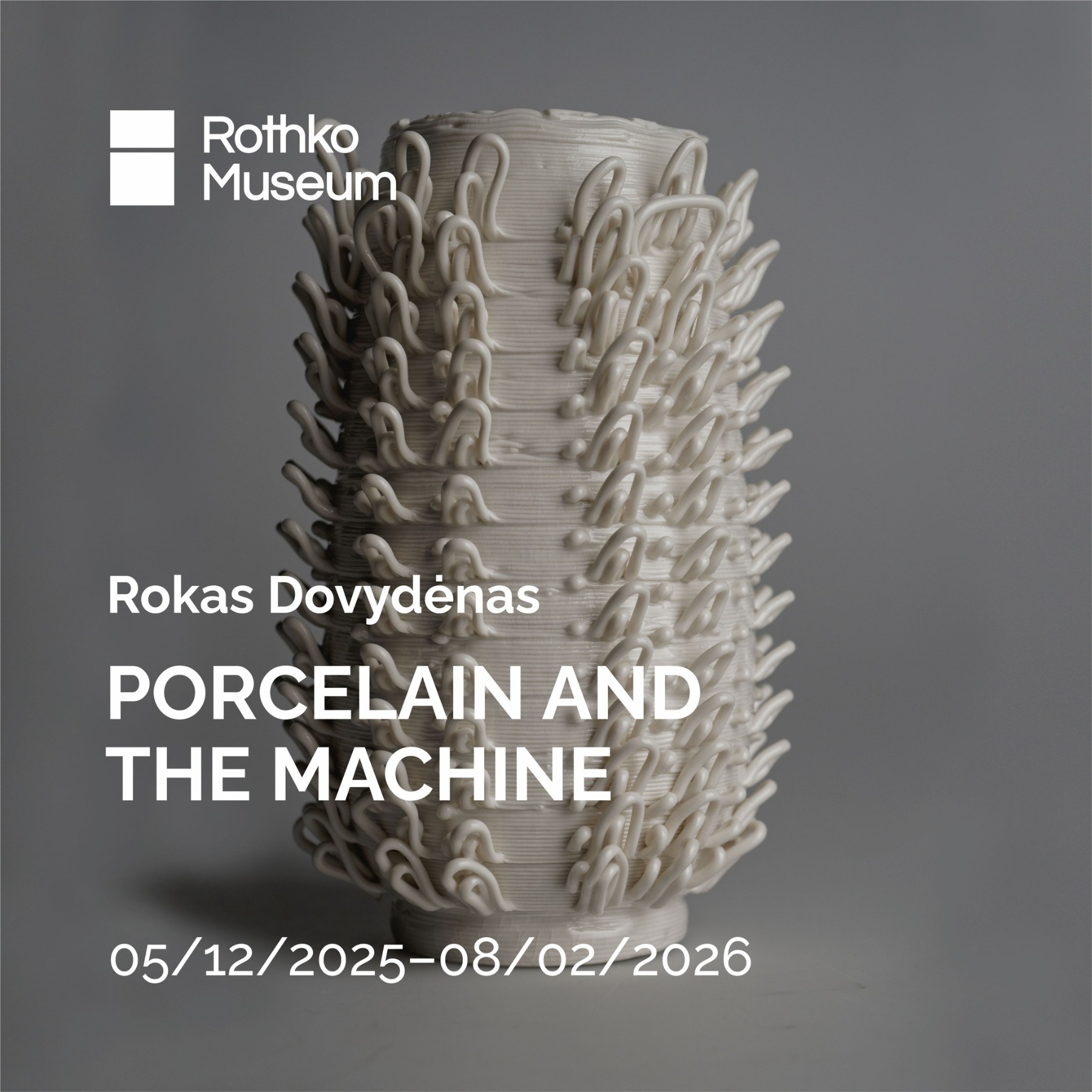
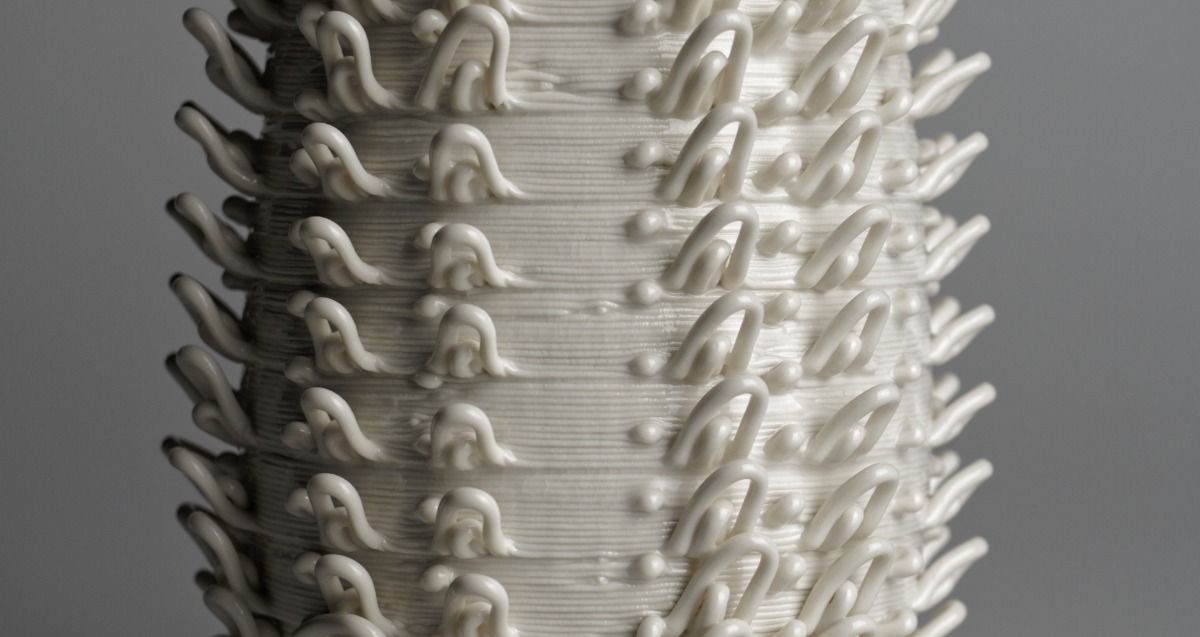
Rokas Dovydėnas. Porcelain and the Machine
Until 8 February
This exhibition traces three centuries of porcelain’s evolving language – from the technical breakthroughs of early European manufactories to contemporary experiments that pair this age‑old material with digital fabrication. Inspired by archival forms and the inventive spirit of Johann Friedrich Böttger and his successors, the project explores how porcelain’s elegance and fragility have been shaped by craftsmanship, patronage, and shifting aesthetics. It also asks a timely question: what happens when the hand yields part of its authority to algorithmic design and robotic making?
“This two-year project began as an exploration of how the discovery of porcelain transformed vessel forms in Europe. Inspired by Johann Friedrich Böttger (1682–1719), the inventor of European porcelain, my research took me through Germany, Poland, and Lithuania, where museum collections revealed three centuries of innovation in this remarkable material. Studying the works of Böttger, Johann Joachim Kaendler, and Johann Gottlieb Kirchner, I encountered both extraordinary craftsmanship and the unmistakable imprint of power”.
LITHUANIA, Vilnius
Contemporary Art Centre (CAC)
Peter Wächtler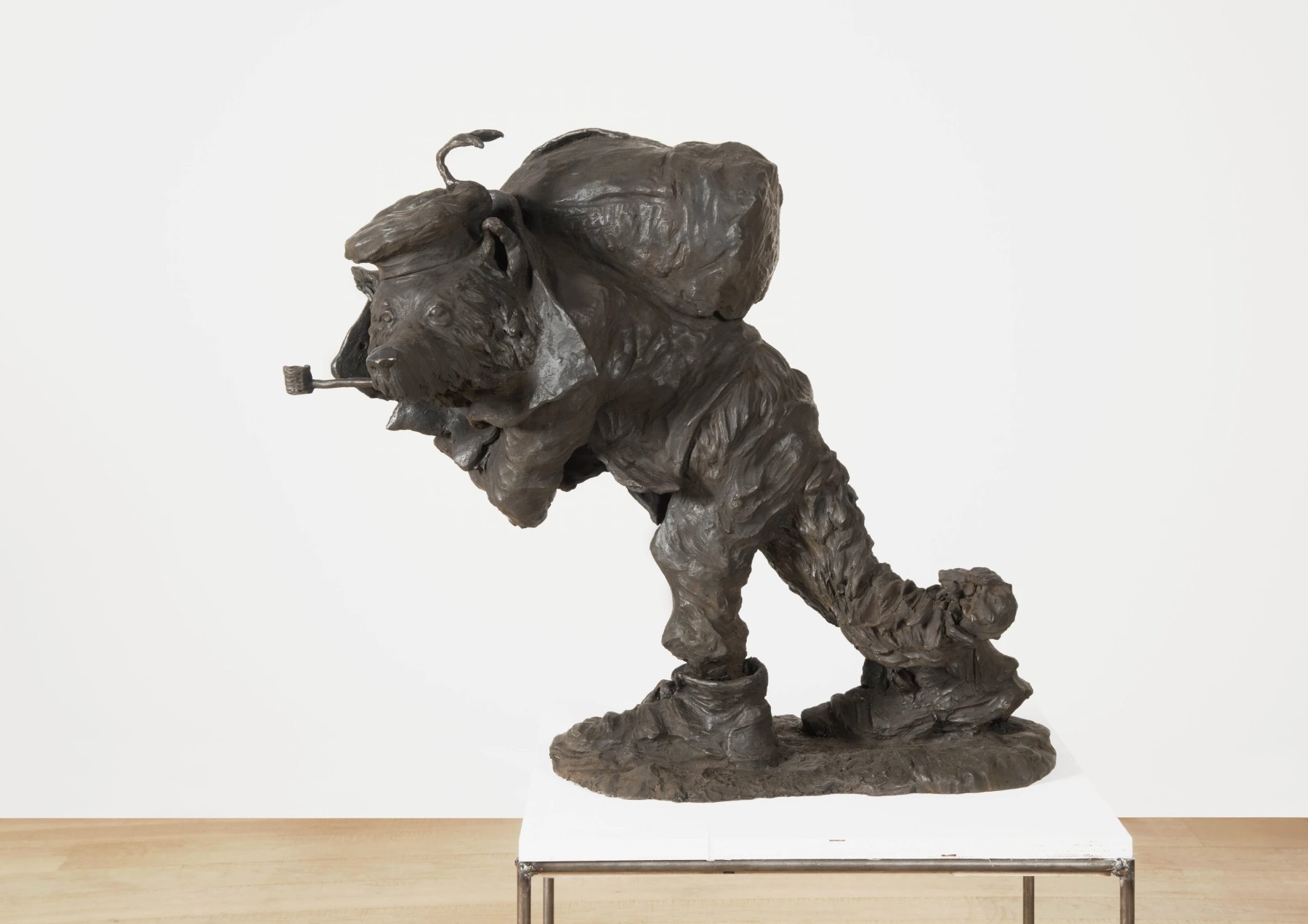
Bells and Cannons. Contemporary Art in the Face of Militarisation
Until 1 March
The international group exhibition ‘Bells and Cannons’ presents different strategies used by contemporary artists in the face of militarisation. Its title refers to the close relationship between art and war. Historically, bells were often recast into cannons and other weaponry during wartime. In other words, from its very inception, the idea of a bell has included the possibility of military use, and both bells and cannons were frequently cast by the same craftspeople. Fittingly, the exhibition employs this metaphor of unexpected congruence to explore the complex relationship between war and culture.
We could include art and culture as part of the contemporary conflict analysis vocabulary, alongside concepts such as soft power, psyop, and hybrid warfare. What connects them is the notion that it can be extremely difficult to distinguish between what belongs to war and what does not. It is equally challenging to determine when and which communication tools, data processing technologies, or energy structures are used for civilian versus military purposes, and for whose benefit. Similarly, decisions relating to climate change, altered landscapes, and historical memory can often appear ambiguous or opaque, like the motives and people behind them.
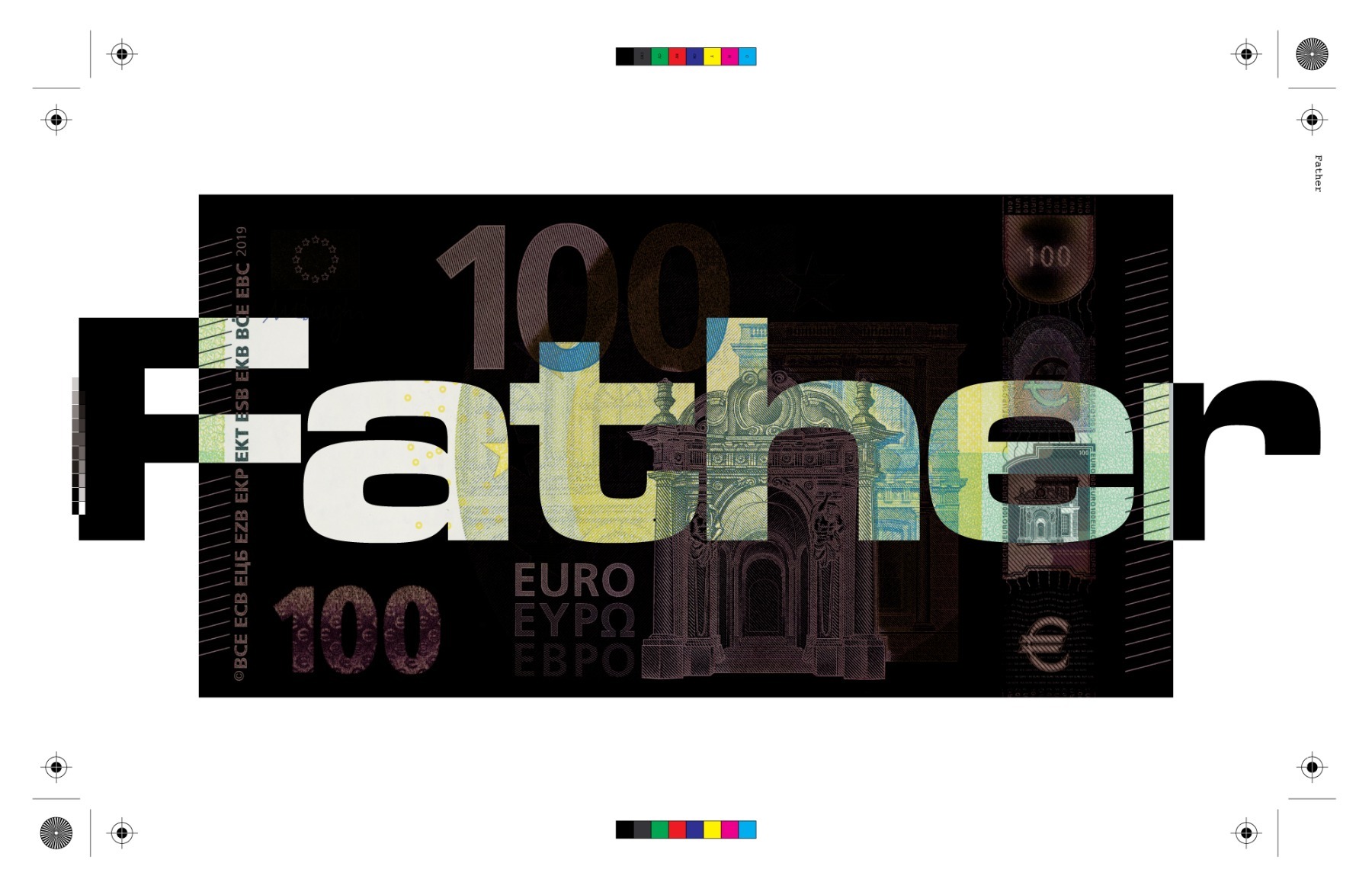
Mykolas Valantinas. Father
Until 1 March
The starting point of ‘Father’, Mykolas Valantinas’ solo exhibition, is the archive of drawings and prints by his father, artist Rytis Valantinas, which the son transforms using artificial intelligence. The filter of new technologies brings to the surface the contradictory dynamics between father and son: a mixture of adoration and a ‘desire’ to appropriate or ‘take over’ the father’s work. The AI-generated images that interpolate the archive are exhibited alongside another essential offshoot of the father’s creative oeuvre – money.
Rytis Valantinas is the author of some of the first banknotes of independent Lithuania – the talonas and litas. He also created a 1000-litas note that never entered circulation. The exhibition presents money in a twofold manner: as a political, cultural and economic symbol – the heritage of an entire nation – and as a family relic, laden with memories and claims of inheritance. The deconstruction of the 1000-litas note into the constituent elements needed for counterfeiting becomes a creative gesture that binds together personal and mythological worlds, exposes the mechanisms of value creation, and blurs the boundaries between original and copy, reality and fiction.
MO Museum
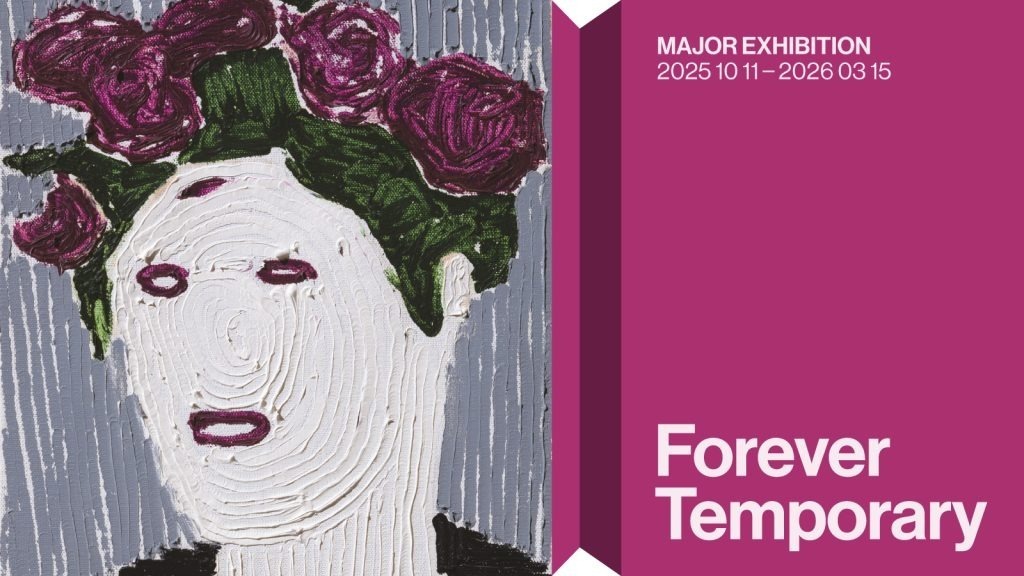
Forever Temporary
10 October – 15 March
The exhibition Forever Temporary is a dialogue between art history and the present, between then and now, between this and that. Spanning from the late Middle Ages to contemporary art, the exhibition does not aim to trace the linear development of art history. Instead, it unfolds through thematic sections dedicated to questions that remain essential to human existence, all woven together by the theme of time.
Past, present, and future form the backbone of the exhibition, shaping a narrative about how we interpret our place and actions in the world. How do we define identity? How do we grapple with the inexplicable? How do we love, what do we fear, why do we work, and what do we hope for? Sometimes the answers are shaped by cultural experience – distinct in each era and not always immediately recognizable today. At other times, they are instinctive responses, universal across time.
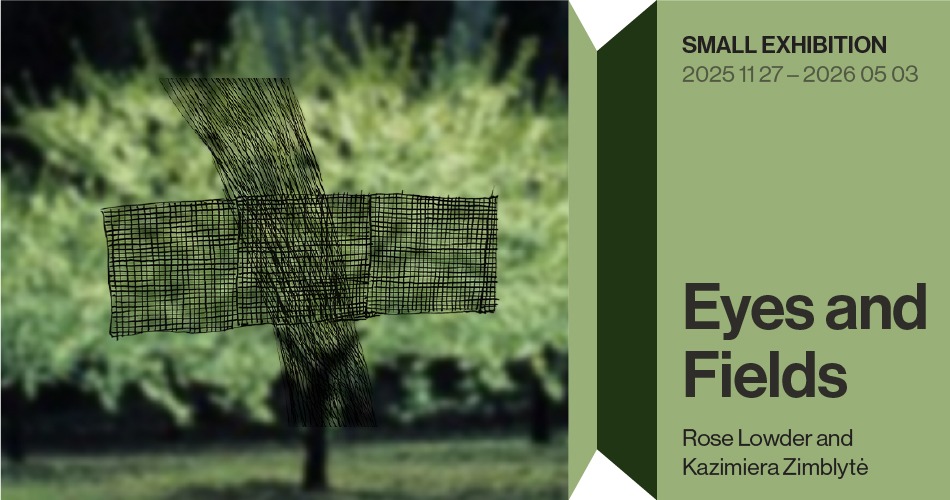
Rose Lowder and Kazimiera Zimblytė. Eyes and Fields
Until 3 May
Although Kazimiera Zimblytė-Kazė (1933–1999) and Rose Lowder (b. 1941) lived and worked around the same time, the two artists never met. They were part of different contexts: Zimblytė spent most of her life in Soviet-occupied Lithuania, while Lowder has spent much of hers primarily in Western Europe. Their disciplines also diverge – Zimblytė is best known as a painter and Lowder continues to work in experimental cinema. Yet, despite their differing circumstances, the artists share a common ground: through abstract expression both ask how we see and experience the world.
The works presented in this exhibition contain no narrative structures or easily recognizable images. Here, abstraction is not merely an aesthetic choice but a critical position and a way of thinking through which the artists explored optical phenomena, tested the limits of their media, and reflected on their environments. Eyes and Fields is conceived as a double exposure: the artists’ works are shown individually yet in dialogue with one another.
Sapieha Palace
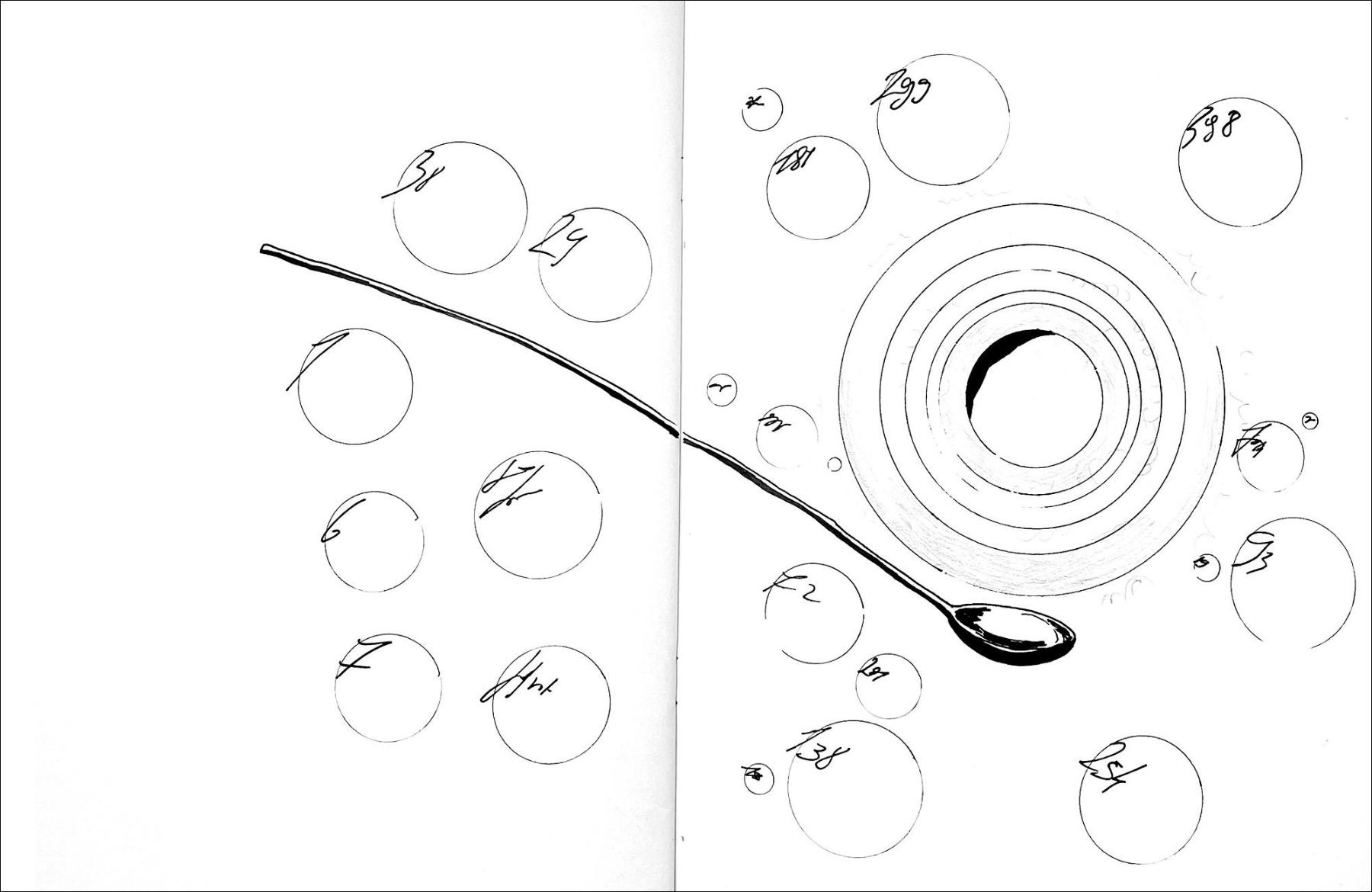
Tata Frenkel Fortune Whispers When the Static is Rising
6 February – 25 May
“Intuition,.. spying mechanisms.., devination, radio and verbal articulation take lots of space in my static noise, aka in my mind. I believe that I’m more free when not bound by articulation or speaking... Radio, in a broad sense, gave me understanding of air, spontaneity, attention to personal electric potentials, to details and signs and a heightened intuitive awareness”. Tata Frenkel is an artist and educator based in Vilnius. She investigates “unseen arts” — a term she coined to describe the totality of her artistic practice, encompassing drawings, radio and electroacoustic objects, performative narratives, as well as other forms of articulation and sonification.
In 2023, Frenkel participated in the group exhibition In Exchange for Ages at the National Gallery of Art in Vilnius as part of the JCDecaux Prize, where she was awarded the main prize. In 2024, she took part in the group exhibition Exit Elephantine at Tallinn Art Hall’s City gallery. That same year, while in residence at the Klaipėda Culture Communication Center, she presented a live concert for the radio program Grand Synth, titled Grand Synth: Frenkel Glöckner Doppler. Curator: Edgaras Gerasimovičius.
The National Gallery of Art
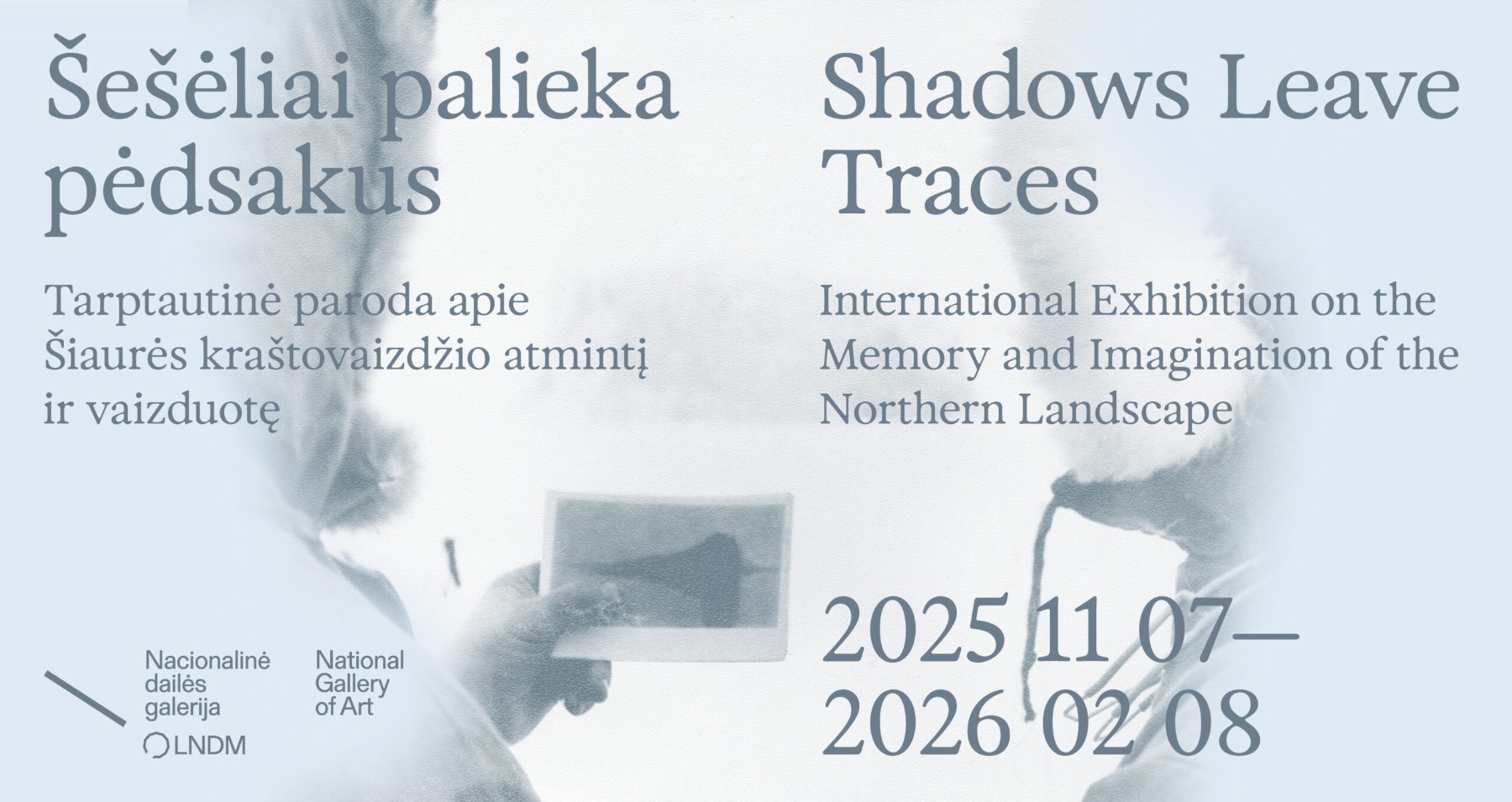
Shadows Leave Traces. International Exhibition on the Memory and Imagination of the Northern Landscape
Until 8 February
The North has long been imagined as both a geographical and symbolic frontier. Behind this illusion lie colonial ambitions – often invisible, yet persistently present. Today, the North is increasingly linked to planetary decline and geopolitical tension: the destruction of local cultures, the intensification of resource extraction, and the looming ecological and military threats.The culture of Lithuania and the wider Baltic region bears a distinct imprint of the North.
The exhibition brings together these experiences and stories from the early twentieth century to the present day. Through artworks, archival and documentary materials from Lithuania, Latvia, and Estonia, it reflects not only the history of our region but also that of the North itself. For the first time, this material is presented alongside works by Finnish and Norwegian artists, in which the North emerges not as a symbolic or abstract space, but as a site of belonging, cultural tension, and the preservation of identity. The connections between the Baltic and Northern regions explored in the exhibition invite reflection on embodied environmental experience, imagination, trauma, and (post)memory, viewed through the lens of the Northern – primarily Arctic – landscape.
Museum of Applied Arts and Design
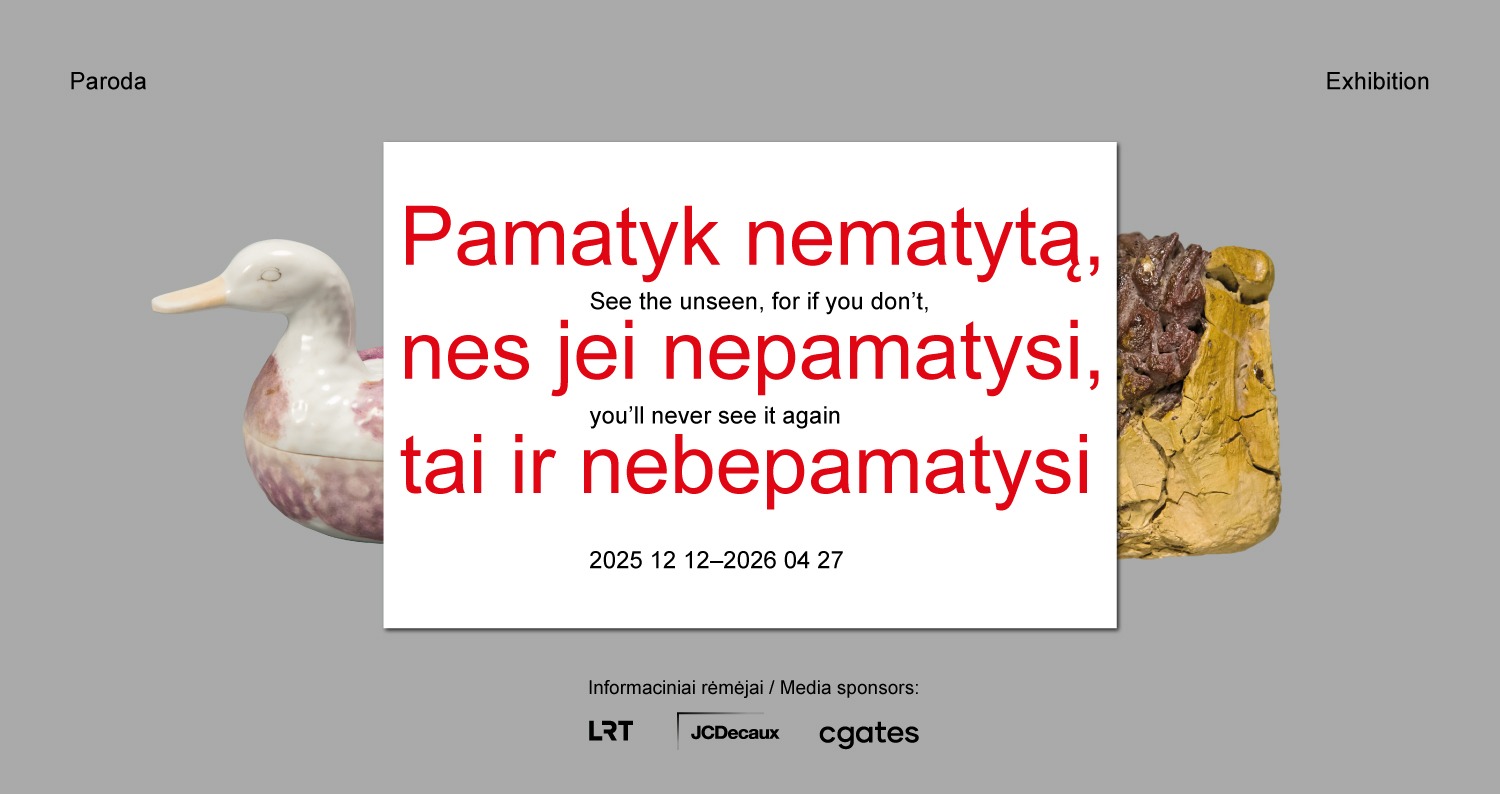
See the Unseen for if You Don’t, You’ll Never See It Again at the
Until 27 April
The Museum of Applied Arts and Design (LNMA), the keeper of over 70,000 objects, introduces the idea of an open/visitable storage area and invites to see nearly a half of the Museum’s collection usually away from the public view.
“It is the first time when the Lithuanian National Museum of Art opens the doors of its storage facilities so broadly. The objects of the collection – the artefacts of ceramic, glass, bone china, metal, textiles, pieces of furniture and objects of design are presented in a form of an exhibition in display cases and shelf racks. Most of them have not ever been on view. It is a great opportunity to discover things in the fields of applied arts and design accumulated by the generations of the Museum keepers over the years of our existence. Please come to see it and you will not be disappointed,” Džiuljeta Žiugždienė, director of the Museum of Applied Arts and Design (LNMA) invites to see the exhibition.
Radvila Palace Museum of Art
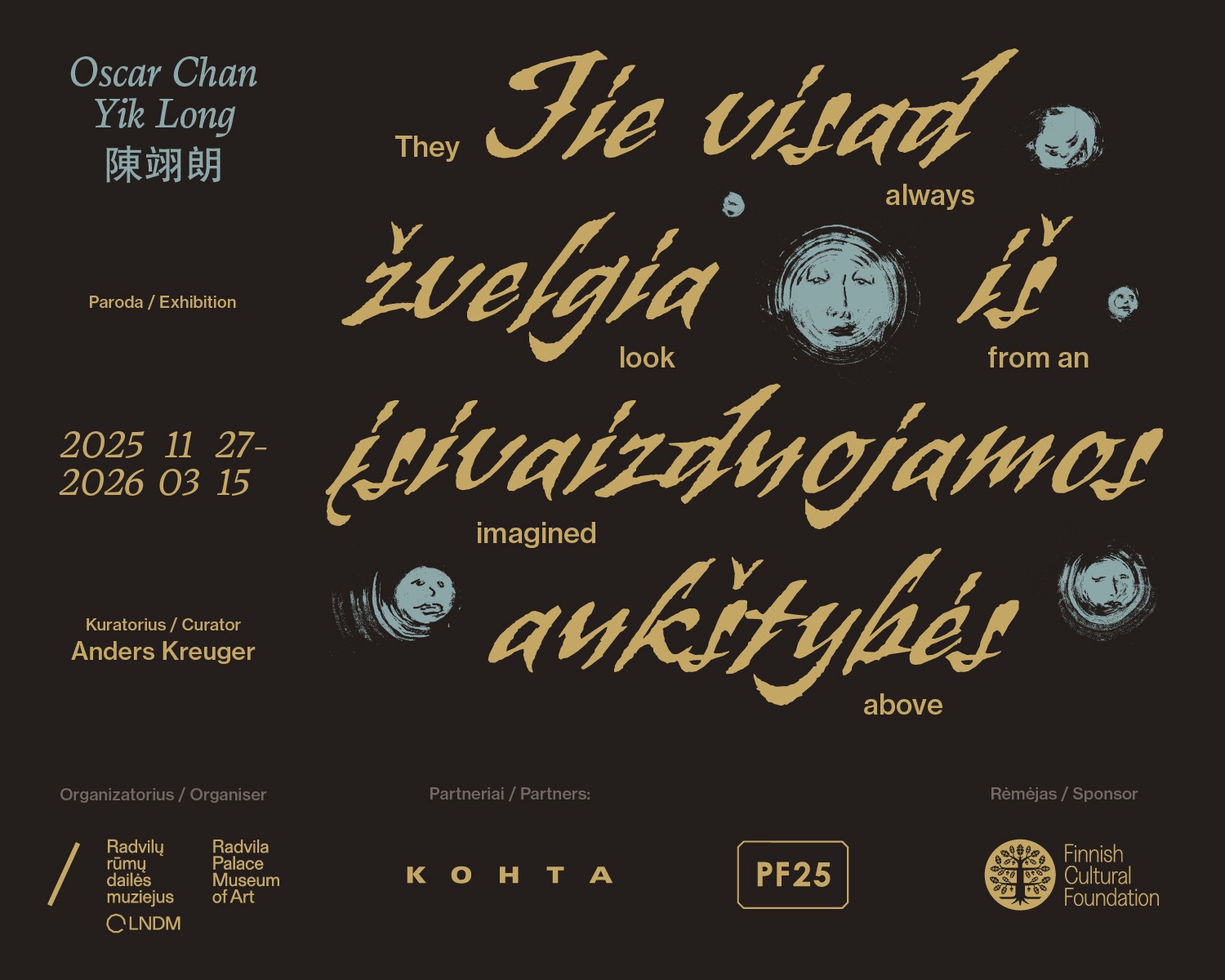
Oscar Chan Yik Long: They always look from an imagined above
Until 15 March
This exhibition – the first solo museum show by Hong Kong–born, Helsinki-based artist Oscar Chan Yik Long – consists of both new and existing works. It is conceived as a visual journey through four high-ceilinged rooms on the ground floor of a seventeenth-century palace in central Vilnius.
Instead of adhering to the conventions of traditional Chinese painting, the artist crafts his own visual language and world of symbols. The colours black and white are sufficient for Chan – salt-smelling Chinese ink and white paper, cloth, or plastered wall are united by water to open up a plethora of images. Meaning in his works is generated by painterly gestures, image prompts and ambivalent figures, each time playing out a different story.
Galerija Vartai
Monika Radžiūnaitė. No risk, no champagne / Nullum periculum suscipiam, ergo vinum spumantem non gustabo / I face no danger, therefore I shall not taste sparkling wine, 2025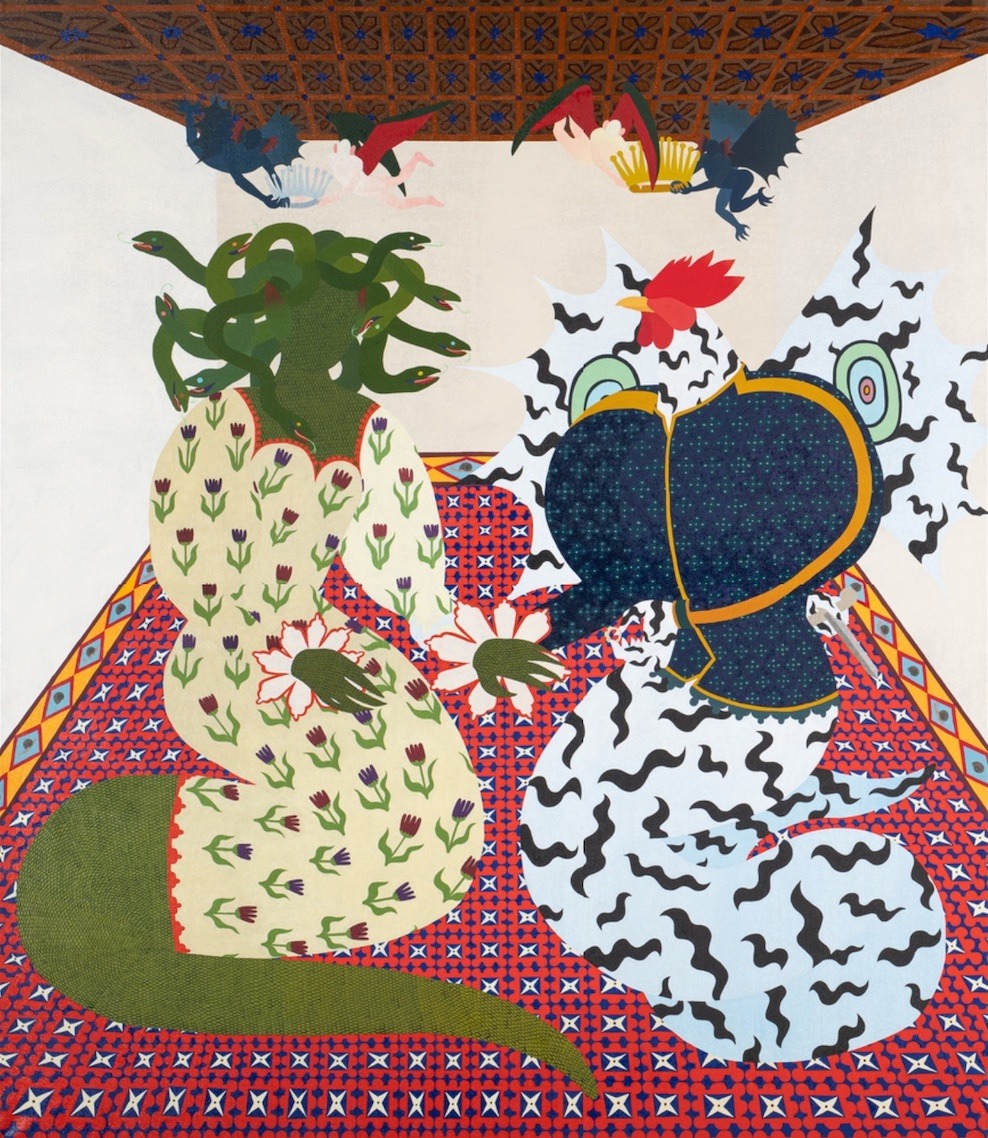
Monika Radžiūnaitė. Mongrels in Inferno
Until 31 January
At the heart of the show is Radžiūnaitė’s latest series of paintings and a large-scale tufted textile piece that she developed over two years. The exhibition was born out of her ongoing fascination with medieval bestiaries and Christian iconography. In her compositions, animals, hybrid beings, and people blend into allegories for our own emotional climate — the unease, absurdity, and existential tics of contemporary life. Radžiūnaitė reimagines the visual language of the Middle Ages and early Renaissance with a mix of mischief and intellectual precision, turning its imagery into a mirror that reflects modern anxieties back at us.
Mongrels in Inferno is a visual investigation into how medieval thinking lingers in the present. It looks at the ways in which social, political, ecological, and technological tensions of our time unexpectedly echo the patterns that shaped medieval worldviews. Rather than treating the past as a sealed-off era, the exhibition suggests that its narratives, symbols, and moral frameworks still hum beneath the surface of today’s culture.
The Meno Niša Gallery
Paulius Šliaupa. Currents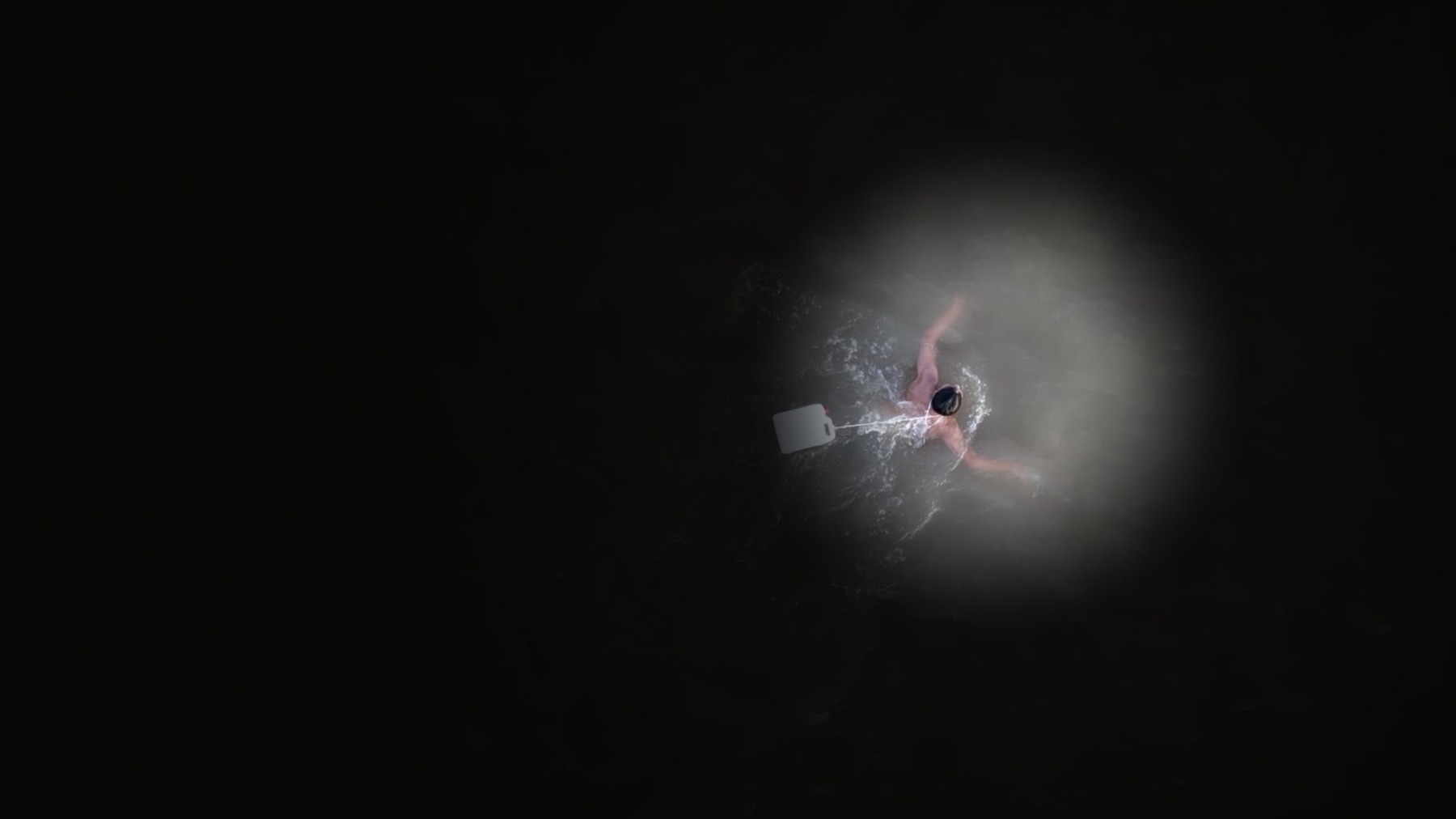
Paulius Šliaupa. The Watchful Ground
15 January – 28 February
The Watchful Ground is Paulius Šliaupa’s fourteenth solo exhibition, which explores the intersection of technology, nature, and the human senses. The video works and paintings, created in Hanoi and Paris, are an attempt to experience nature as a structure extending through us.
According to Šliaupa, the works in The Watchful Ground allow us to consistently explore the same essential state – landscape as a living, active relationship rather than an image or background – through different media. “It was important for me to abandon the notion of landscape as a stable, ‘neutral’ category and to show it as a structure extending through the body, memory, technologies, and mechanisms of power,” the artist says of the upcoming exhibition. In video works, the camera loses its distance and becomes a vulnerable, moving body. Rather than controlling direction, it becomes important to surrender to falling, uncertainty, and the drift between states. The drones’ descent into the Dzūkija landscape reveals an experience of fragility and raises questions about technology in the context of war and surveillance. The Red River in Hanoi becomes a temporary refuge where bodies, sounds, and daily rituals merge into a stream. In the paintings, the landscape matures slowly – time, light, sediment, and memory accumulate in layers.
Pamėnkalnio Gallery
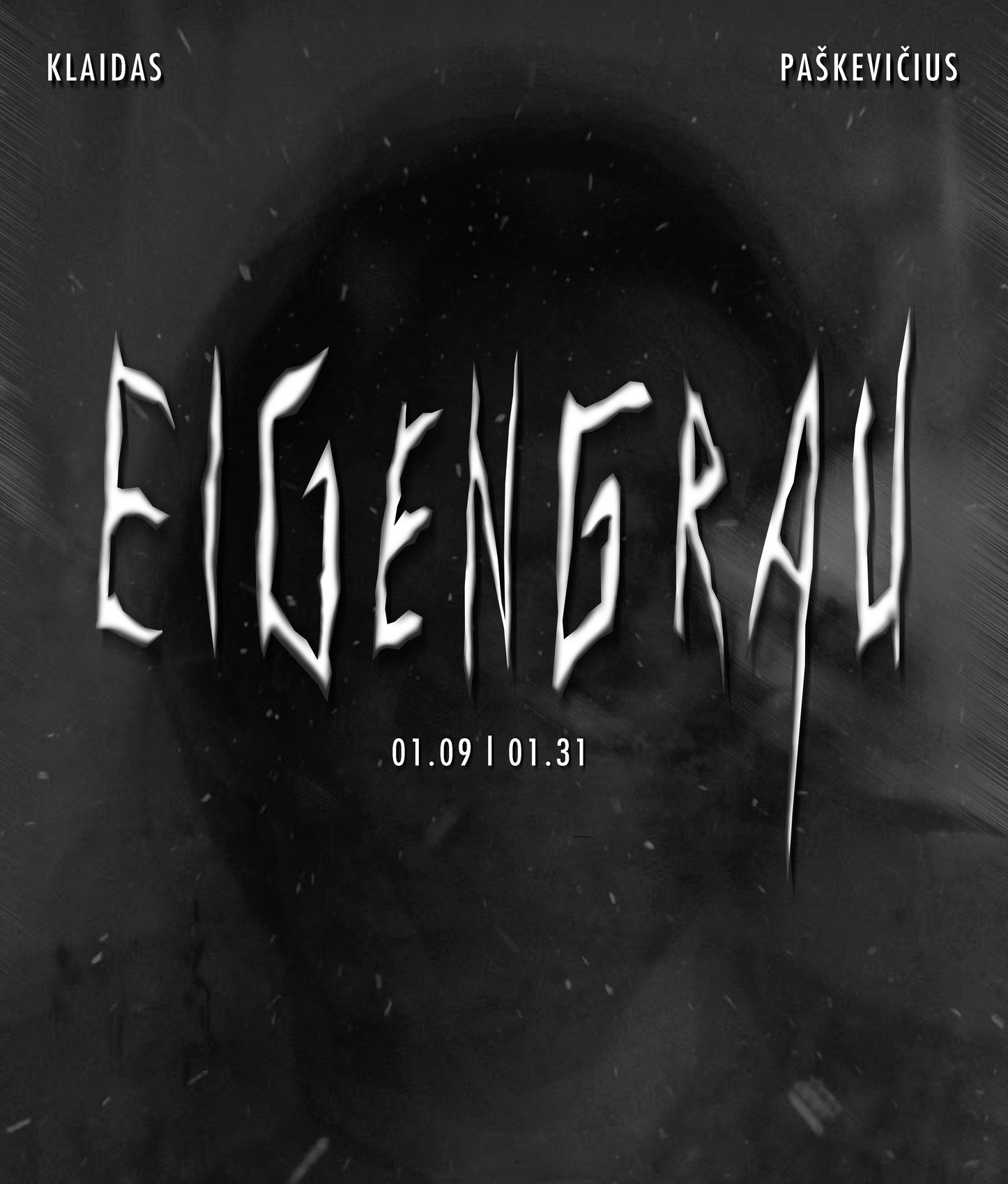
Klaidas Paškevičius. Eigengrau
Until 31 January
“Eigengrau” (German for “intrinsic grey”) is a term associated with the German psychiatrist, philosopher, physicist, and mystic Gustav Theodor Fechner. Also referred to as “dark light” or “brain grey,” it is not a pigmentary colour in the conventional sense, but rather a phenomenon generated by the brain – an illusion produced by the eyes and perceived in complete darkness. This concept of perception functions as a key architectural principle of the exhibition, opening a space for reflection on the multiplicity of realities and the subject’s relationship to them. Painting intersects with video and sound installation, while digital technologies are woven into the construction of the works. Together, painting, screens, artificial intelligence contexts, and personal experiences form a unified yet continuously shifting perceptual field.
Three main segments emerge in Klaidas Paškevičius’s exhibition: the subject (the human), virtuality, and landscape. Here, the portrait functions as both an archetype of collective consciousness and a form of individual perception. Virtual reality is understood as an all-encompassing, active environment – an inescapable backdrop of contemporary life. Landscape becomes a critical reflection of physical reality, offering a space to experience presence, to slow down, and to return to oneself.
Upper image: From Rokas Dovydėnas "Porcelain and the Machine" exhibition at the Rothko Museum
