


Art gives people hope
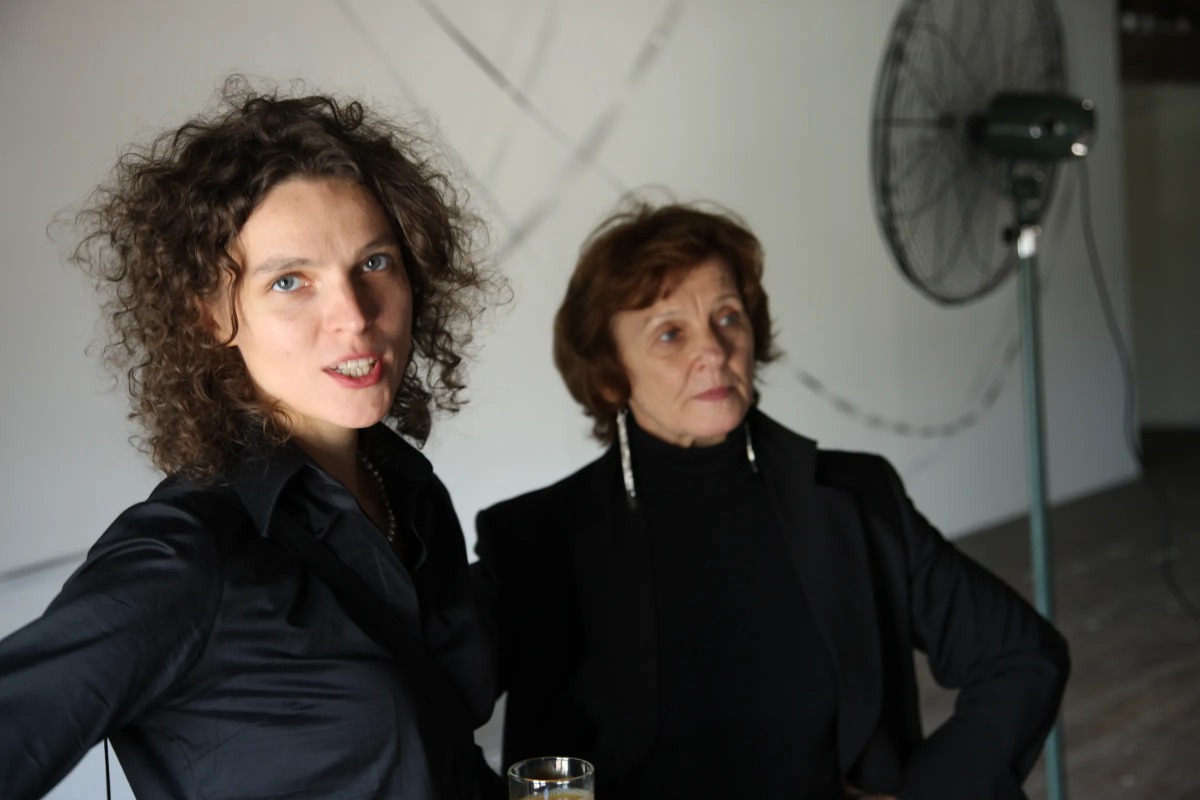
An interview with Nida Rutkienė and Laura Rutkutė
At the beginning of February Vartai Gallery in Vilnius celebrated its 35th anniversary. Founded just month after the Soviet army’s violent attack near the Vilnius Television Tower in 1991, it became one of the first art galleries in the Baltic region.
I believe you are the oldest gallery in the Baltic region that is still active.
Nida Rutkienė:Yes, we founded the gallery on February 17, 1991 – just one month after the massacre near the Vilnius Television Tower. At the time, Lithuania had only just regained its independence, and there was a strong sense that something new had to be built – culturally as much as politically.
The opportunity came quite unexpectedly. I was working as a high school lecturer and had founded an extra-curricular group called The Studio of Words and Sound. We rehearsed in this magnificent 18th-century neoclassical building that housed the Teachers’ House, and over time developed a close relationship with its management.
At one point, the director approached me with the idea of organising exhibitions in the building’s wide corridors. I immediately felt the potential. The idea of corridor exhibitions gradually evolved into a gallery with a curated programme – not only exhibitions, but also concerts, readings, and book presentations. It responded to a very real need at the time: a place where cultural life could gather and unfold.
Nida Rutkienė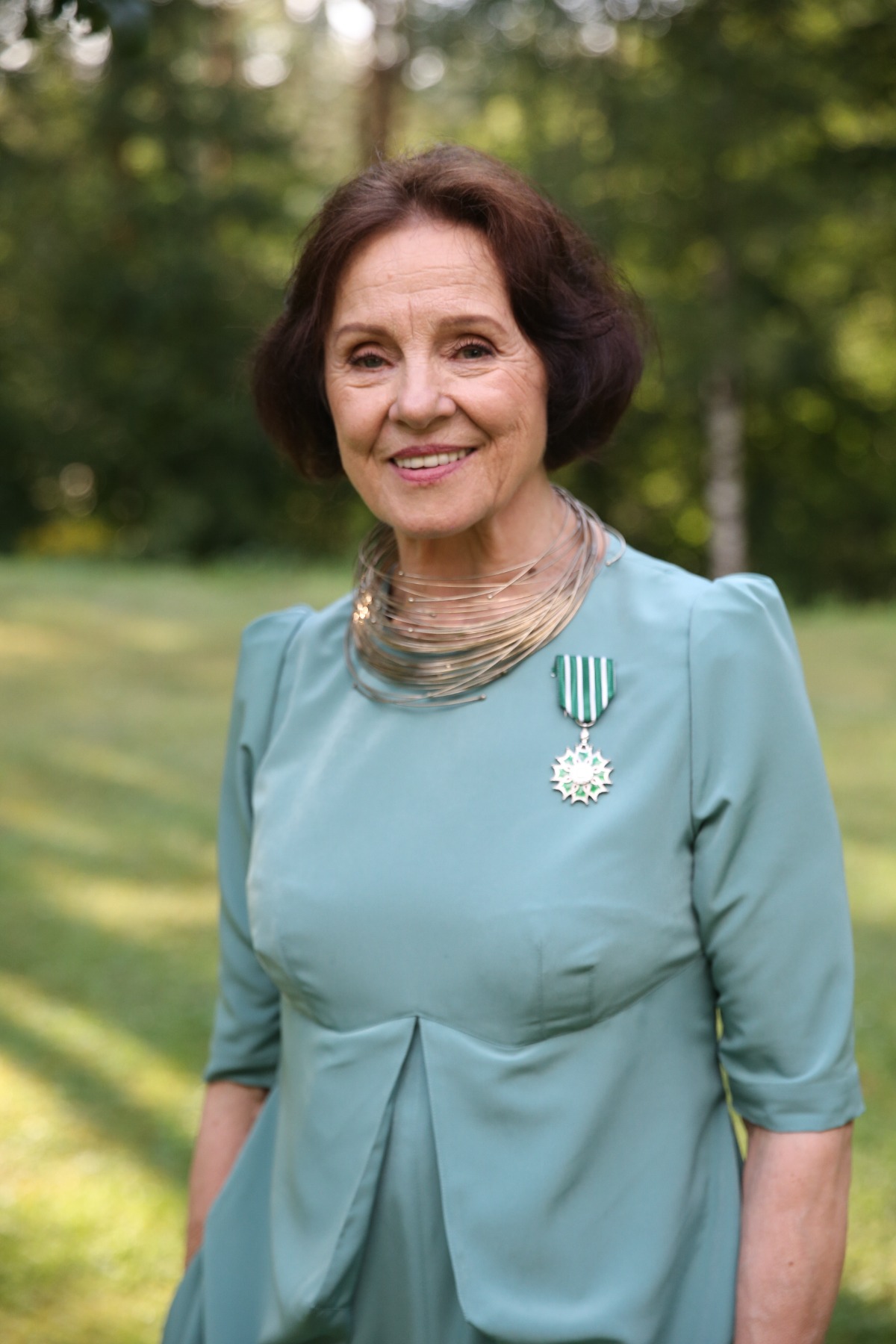
Laura, you succeeded Nida as the director of Vartai Gallery. Do you remember that time, and how did you become involved with the gallery?
Laura Rutkutė: I remember that period of Sąjūdis very vividly. It felt as if not only the country, but each of us individually was being reborn into a new era. There was a strong sense of unity, openness, and possibility.
In many ways, my mother’s Studio of Words and Sound played a significant role in the emergence of the gallery. She brought together a group of highly talented and deeply committed individuals who were doing something truly unique – combining poetry, rhythm, sound, and movement into very distinctive performative forms. Even today, I haven’t encountered anything quite like it.
Many of them were also engaged in various forms of handicraft, and it was within this circle that the very first ideas began to emerge – not yet of a gallery, but rather of a kind of arts and crafts salon.
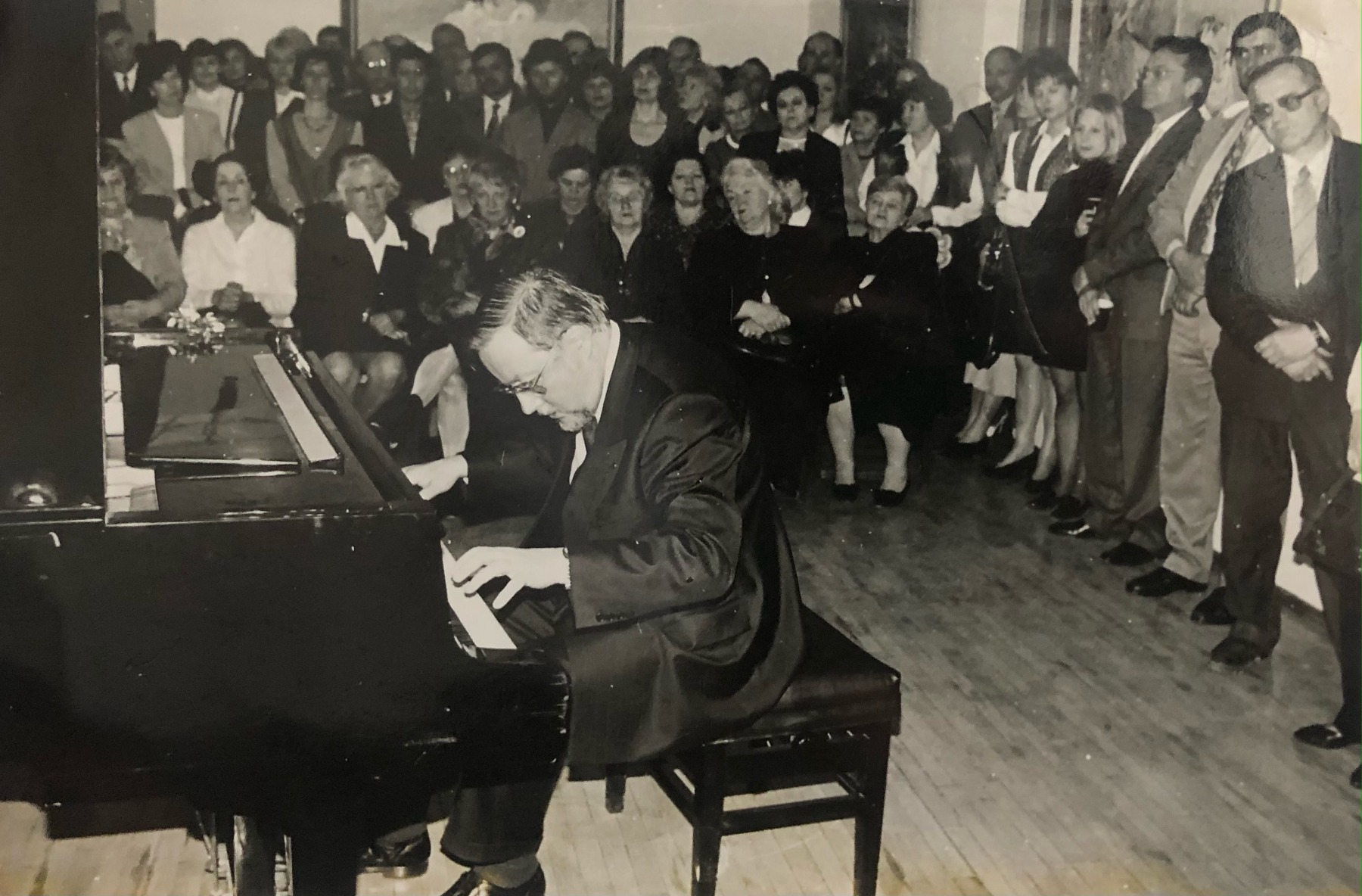
This strong sense of community and shared creative energy later played an important role in the formation of the gallery – many of the same people became actively involved in its early development and activities.
Looking back, the birth of the gallery was driven by a sense of urgency – a need to create something that did not yet exist. From the very beginning, it functioned not only as an exhibition space, but as a meeting point – a place where artistic discourse was formed in real time.
It is important to understand that this was not simply about showing art. It was about building a structure – a context in which artists, curators, and audiences could engage on equal terms. In that sense, VARTAI was part of a broader cultural shift taking place in Lithuania at the time.
My sister and I were still in our final years of school, but we were already deeply involved in the life of the gallery. We witnessed those almost daily gatherings of artists – arriving after long hours in their studios, bringing their energy with them. Someone would start grinding coffee beans with an antique grinder, someone else would prepare water in an old samovar, and gradually these moments would turn into lively, humorous, often intense discussions. It is something I still remember very vividly.
At the time, however, I never consciously imagined myself continuing within the gallery. After studying Business Administration in Kaunas – where we were encouraged to become entrepreneurs or managers – I felt a strong need to experience something beyond Lithuania.
I received a grant and spent half a year in Denmark. It was my first time abroad, and it significantly broadened my perspective. Afterwards, I worked in the international IT sector, but gradually I began to realise that the gallery could also be understood as a structure – not only cultural, but organisational. The IT world did not fully resonate with me, so I returned to the gallery, initially in a very practical role – working with financial management. Soon after, I applied for a professional exchange and was accepted at the Hans Knoll Gallery in Budapest, with the opportunity to also spend time in his Vienna gallery.
This experience became a turning point. Hans Knoll was an extraordinary mentor, and through this exposure it became clear to me that I wanted to bring VARTAI to an international level. From then on, my focus was firmly on the quality and direction of the programme, rather than purely on its commercial aspect.
Laura Rutkutė. Photo: Ramunas Danisevicius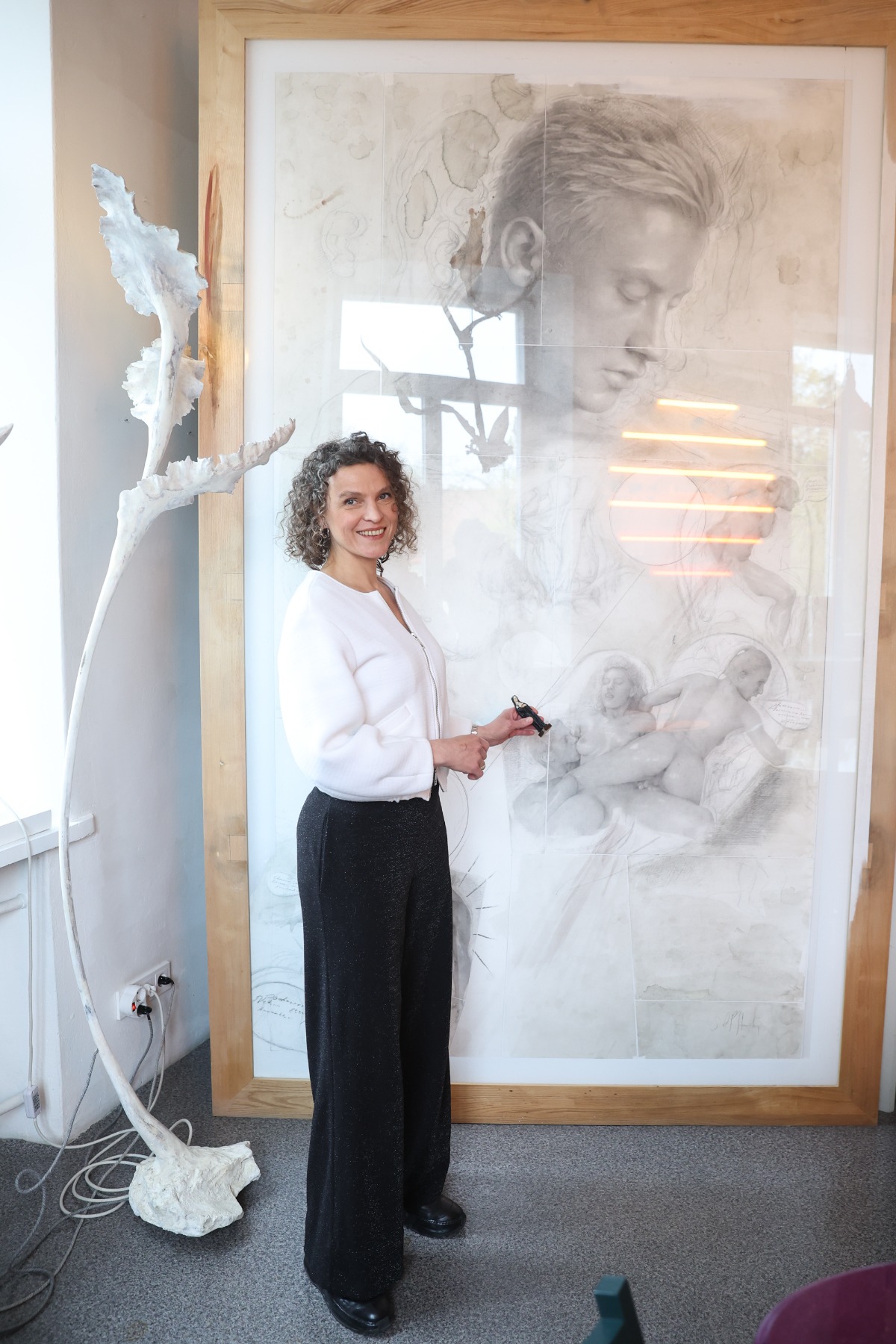
What was the first exhibition?
N.R.: The first exhibition was initiated and curated by my stepson, Arūnas Rutkus, who is an artist and was actively involved in establishing the gallery. He was also very well connected within the art scene at the time.
L.R.: I remember being deeply impressed by that first exhibition, even though at the time I had no clear understanding of what a well-curated exhibition meant. Still, something about it felt very strong and intentional.
Visually, I can still recall where certain paintings and sculptures were placed – which perhaps says a lot about the clarity of its structure.
After 35 years of independence, we still tend to speak about the Baltic art scene as a kind of “white hole.” We are still fighting to be seen. As you, Nida, said – there was so much attention in the beginning, but it somehow disappeared over time. How do you think - why?
L.R.: I think it is important to say that a lot has changed over the past decades. The Baltic region today is much more visible and recognised internationally – not only in visual art, but also in music, theatre, and other cultural fields. At the same time, certain perceptions are slower to change. The idea of the region as a “periphery” is still present, and it is not only about geography.
For a long time, Baltic art was seen as part of a broader “post-Soviet” context. Moving beyond that and being recognised as distinct, contemporary scenes takes time.
We also have to be honest – the infrastructure here is still smaller. We don’t yet have the same scale of galleries, institutions, or collector base as cities like London, Paris or New York, and that naturally affects visibility. We feel this quite clearly at art fairs and in institutional contexts. The quality is recognised, but it is still often framed as something “regional,” rather than fully part of the wider contemporary scene. That is why international presence is so important. It cannot be taken for granted, it has to be built consistently over time.
There’s a strange situation: while foreigners look for the reflections Soviet‑era and study how we relate to our Soviet past, in reality only a handful of artists actually work with this part of our history.
L.R.: It is true that there is often an expectation from outside to see reflections of the Soviet past in our art. In reality, only a small number of artists engage with this topic directly.
For those who experienced that period themselves, it is rarely approached with nostalgia. But with the younger generation, we are starting to see a different relationship emerging. Many of them are now looking into their parents’ past – through photographs, letters, personal archives – trying to understand a time they did not live through.
This perspective is quite distinct. It is more distant, sometimes even curious or interpretative. We see this not only in visual art, but also in design, where elements associated with the Soviet period are being reworked and recontextualised.
So while the Soviet past is not a dominant theme, it continues to surface, but in a much more indirect and generationally nuanced way.
How do you see the role of Vartai Gallery in today’s Lithuanian art ecosystem?
L.R.: In our context, a gallery is never only commercial, it also has a broader, almost institutional role.
Since 2009, when Vilnius was the European Capital of Culture, we have been actively developing an international programme, inviting leading artists to exhibit in Lithuania. Within a single year, we presented twelve major international artists, including figures such as Erwin Wurm, Atelier Van Lieshout, and Ignasi Aballí.
We continued this programme in the years that followed, though a little less frequently, and over time presented artists such as Franz West, Maria Lassnig, Louise Bourgeois, Maria Helena Vieira da Silva, and Luc Tuymans. For us, this was never a commercial strategy, but a long-term investment in cultural infrastructure – an educational gesture that allowed local audiences and artists to engage directly with international practices.
Alongside this, we have consistently worked on building a collecting culture. In the early years, this required a very hands-on approach. I remember having to convince one of our collectors to visit an international art fair – at the time, he was not yet open to collecting beyond Lithuania. After that first visit, and a carefully structured programme around it, his perspective changed completely. Today, he holds one of the most significant collections in the Baltic region.
We regularly organised trips to international art fairs, often combined with visits to artists’ studios, meetings with museum curators, and institutional programmes. These experiences were essential in shaping a more informed and confident community of collectors.
N.R.: At the same time, we felt it was important to create a more open conversation around art and collecting. In 2016, we initiated a series of public talks, inviting figures such as Egidio Marzona, Daniel Marzona, and Mark Setteducati – who worked very closely with Louise Bourgeois for many years, as part of her inner circle. These conversations helped to build a deeper understanding of art beyond the exhibition space.
More recently, auctions have also played a significant role, particularly those connected to civic initiatives such as support for Ukraine. They brought new audiences into contact with art, often through a shared purpose – and from there, a more lasting interest began to develop.
We also work closely with corporate collections, where art becomes part of everyday environments. This has proven to be a very effective way of engaging people who might not otherwise enter a gallery.
L.R.: So in many ways, our role has been not only to present artists, but also to actively shape the conditions in which art can be experienced, understood, and collected.
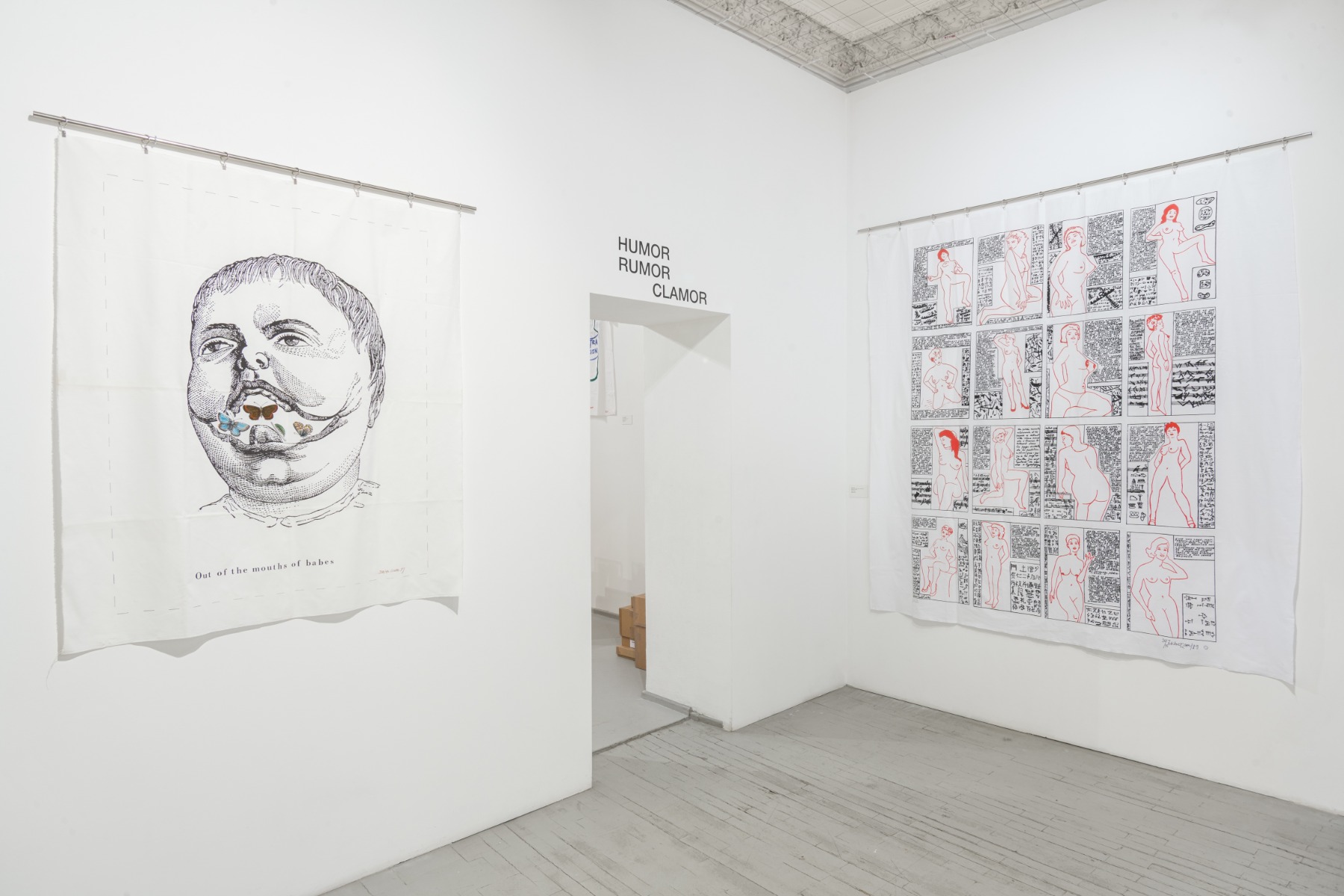
N.R.: To be honest, I still can’t believe that we brought Louise Bourgeois, Luc Tuymans etc. here. And now, until April 16, there is a major exhibition humor – rumor – clamor: Fluxus from the Archivio Conz collection in Berlin. It’s a big deal for such a small team.
Could you tell how the idea of Fluxus exhibition came out?
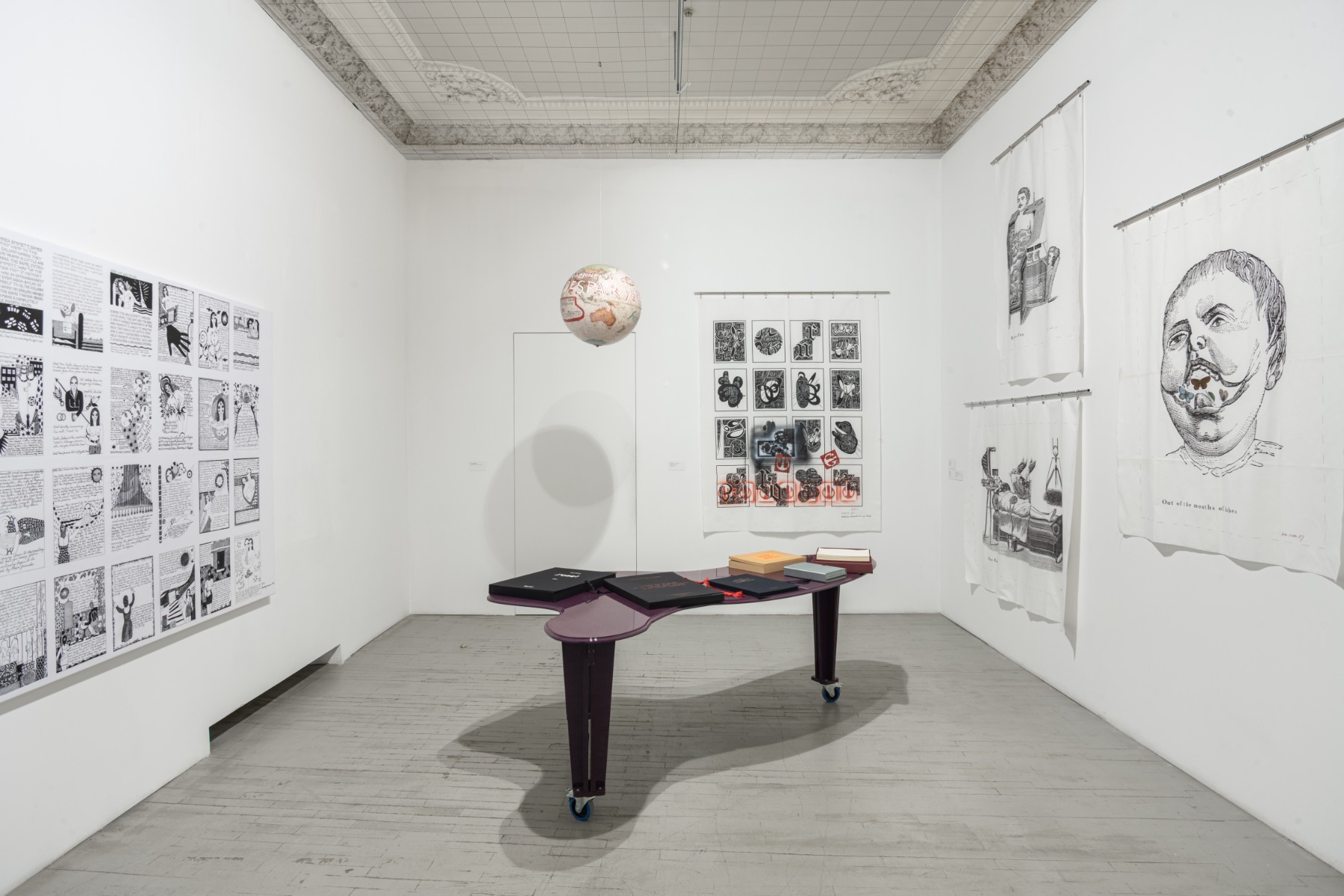
L.R.: The encounter with the Archivio Conz collection was a decisive moment. We first came across it in September, and the decision to realise the exhibition followed quite spontaneously. From the beginning, we felt it should take place this Year, marking the 95th anniversary of George (Jurgis) Mačiūnas.
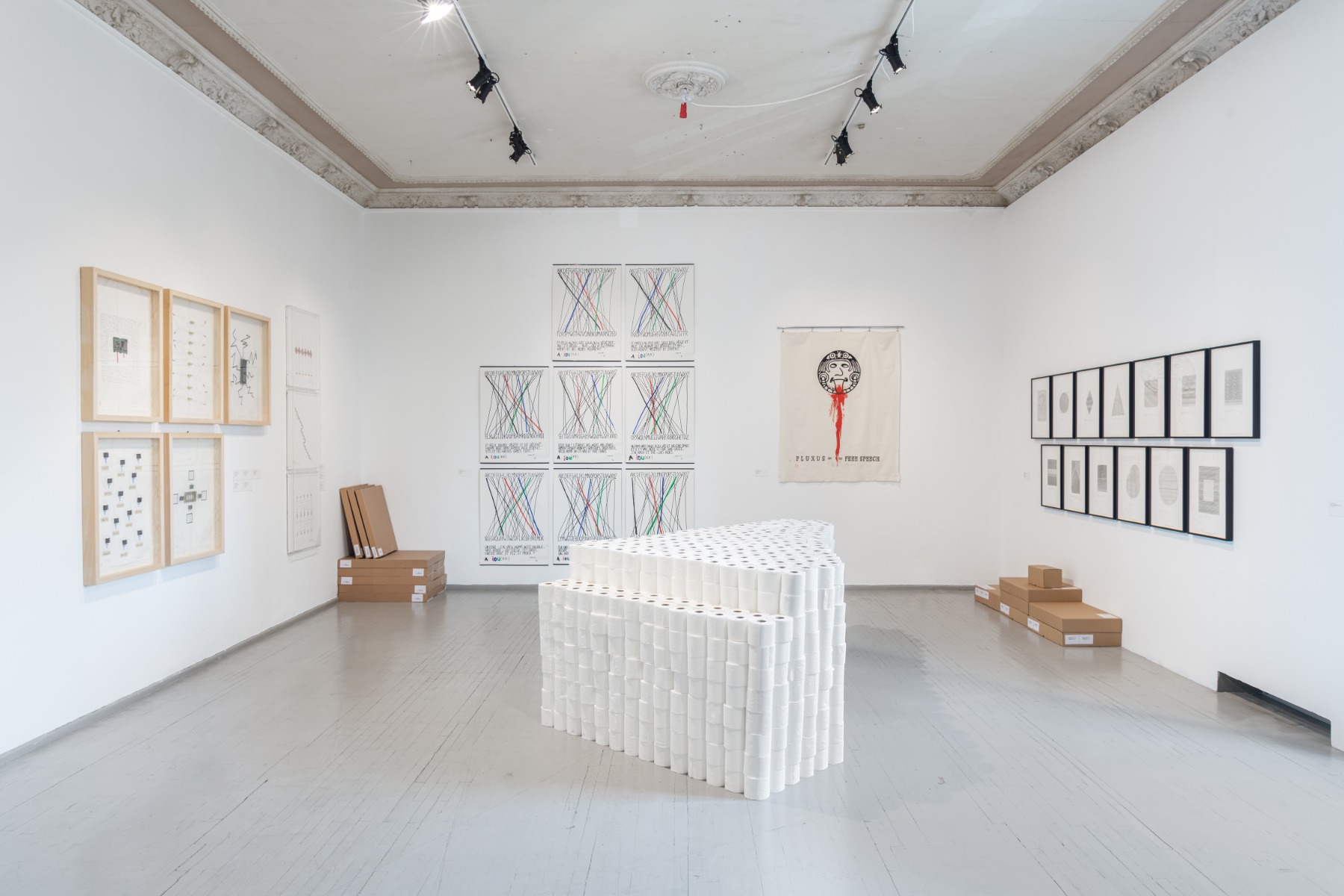
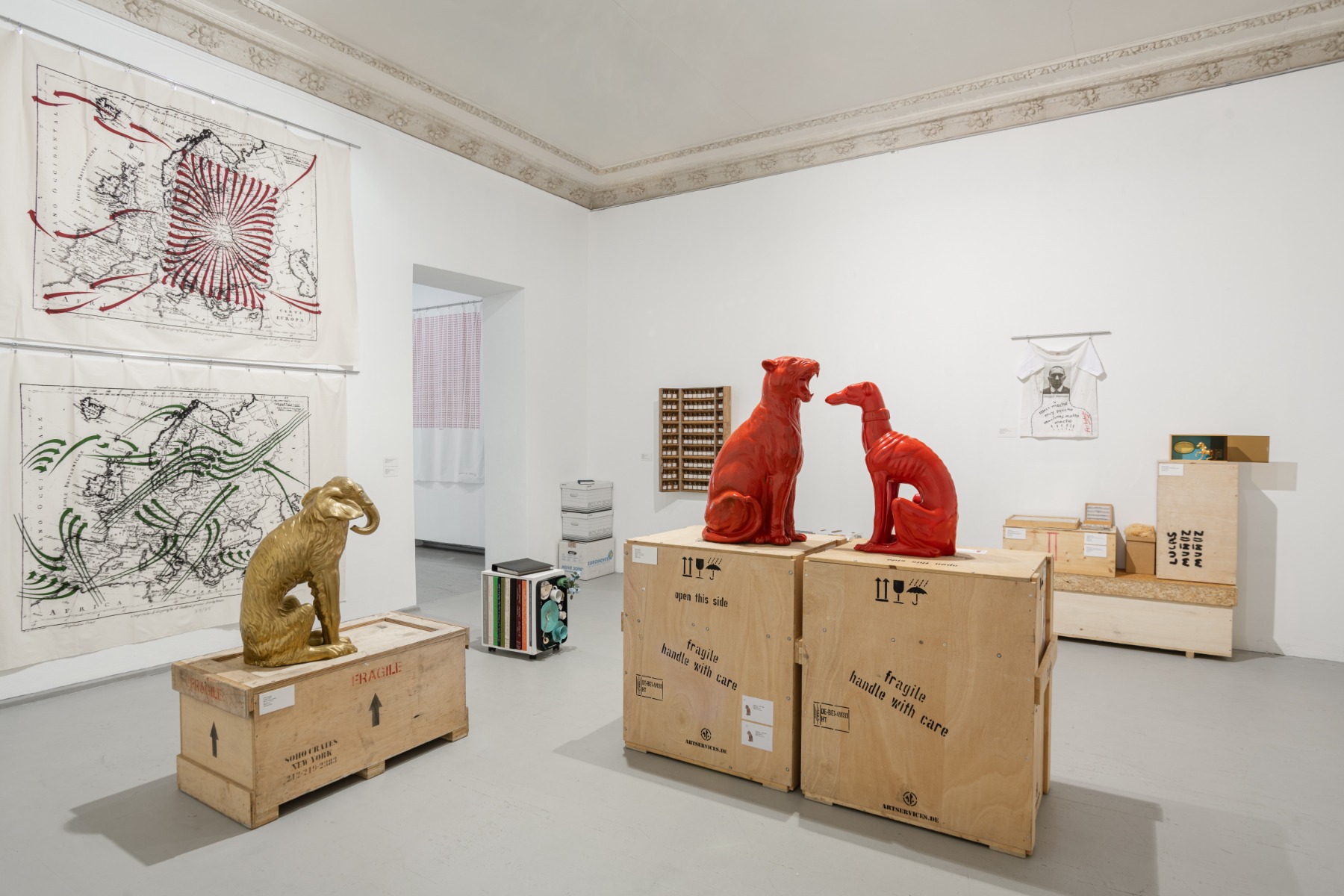
It is one of the most significant collections related to Fluxus – not only in terms of artworks, but also archival material. What makes it particularly compelling is that it is already fully structured: catalogued, digitised, and researched over many years. It is, in a sense, an entire ecosystem – not just a collection.
The collection was assembled by the Italian collector Francesco Conz, who worked very closely with Fluxus artists, produced numerous editions, and built an extraordinary archive around them. Today, it includes thousands of artworks as well as a vast body of documents, photographs, letters, and other materials that are invaluable for research.
For us, this opened a much broader perspective. The exhibition in Vilnius was only the first step. The larger question is whether Lithuania can assume a more central role in the international Fluxus narrative.
What has been the most challenging experience for you as a gallerist?
N.R.: For me, the most difficult moments were always the periods of crisis – the times when it felt like we might have to close.
One of the most memorable was around 2011. While much of the business world was beginning to recover after the global financial crisis, we were only starting to feel its full impact. This was partly due to the significant investments we had made in the Lithuanian Pavilion at the Venice Biennale in 2009 and the Liverpool Biennial in 2010. It was a very uncertain time. And yet, somehow, during each of these difficult periods, there would always be an unexpected moment – an unexpected knock on the door, a new opportunity, a reason to continue.
And that, perhaps, is what has kept us going.
L.R.: Probably the most challenging experience was the Venice Biennale in 2009, during the financial crisis. There were budget cuts everywhere, and we were constantly struggling to secure funding – at times, it felt like we had almost no team at all.
I remember walking through the pavilions after the opening and seeing long lists of people involved in each project. Ours was, in comparison, almost non-existent. There was simply not enough funding. At one point, we genuinely thought we might not be able to realise the project. As is often the case in Venice, every step comes with a cost, and while we had a budget, in reality it needed to be significantly higher to achieve what we eventually did.
Looking back, it was an extremely demanding experience, but also a formative one. It pushed us forward, gave us invaluable professional experience, and, perhaps most importantly, taught us resilience.
Another very challenging, though in a different way experience was working with Luc Tuymans. It was an exceptional opportunity, but also a highly demanding process.
He and his team spent an entire week in Vilnius, overseeing every detail of the installation. The level of precision and control was remarkable – everything had to be exactly as intended. It was intense, and at times quite challenging, but also incredibly insightful to witness such a rigorous approach behind the scenes.
In the end, it was a deeply rewarding experience – both professionally and personally.
How has the art market develped over the past 30 years?
L.R.: The art market in Lithuania is still relatively small, but it has changed significantly. Today, we can clearly say that a collecting community exists.
Auctions have played an important role in this process. In recent years, auctions, particularly those connected to support for Ukraine, have brought new audiences into contact with art. Many people initially came with a different intention, but over time their interest deepened – they became curious, started asking questions, and gradually began collecting.
In that sense, art became something that brought people together. People arrived because of a shared cause, but stayed because of the art itself. More broadly, I believe art plays an essential role, especially in times of uncertainty. It helps people process reality and stay connected – it is not separate from life, but very much part of it.
Who is the Lithuanian art collector today?
L.R.: The profile of the collector is gradually evolving. Many are not necessarily extremely wealthy, but they are engaged, curious, and increasingly confident in their choices.
We also see a younger generation emerging – entrepreneurs, people from the tech and start-up sectors, who travel a lot and are already familiar with contemporary art through galleries and museums abroad. They come with a certain level of awareness, but are looking to build a more personal relationship with art.
We often meet new collectors through auctions, but also through workplaces. When art is thoughtfully integrated into office environments, people immediately feel its impact – it changes the atmosphere and invites engagement.
We have seen this very clearly through our work with corporate collections. People begin to respond, discuss, form opinions – and importantly, they are not indifferent. Over time, this often leads to collecting on a more personal level.
What is also interesting is how perception shifts. Works that initially seem challenging – installations or mixed media – often become the most appreciated over time. Living with art changes the way people understand it.
Art, in this sense, becomes a starting point for conversation – both in private and professional contexts.
N.R.: Finally – why does art matter today? Art is not separate from reality – it is part of how we understand it.
In times of uncertainty, it provides a framework for reflection and for meaning. It does not offer solutions, but it creates space – for dialogue, for imagination, for critical thought.
And perhaps most importantly, it sustains a sense of continuity – even in times of disruption, culture remains a way of holding together what might otherwise feel fragmented.
