


To open other doors
London-based gallerist Domo Baal on Before It Makes Sense (after Winnie-the-Pooh), the exhibition of POST participants she co-curated at Riga Contemporary Art Space (RCAS)
POST is an interdisciplinary Fine Art MA specialisation at the Art Academy of Latvia, based on ideas of art in context. The programme explores and examines how it is possible to study art today while being simultaneously in Eastern Europe and Northern Europe, a region with different borders, characterised by a changing environment and a rich experience regarding the forced use and collapse of global ideologies.
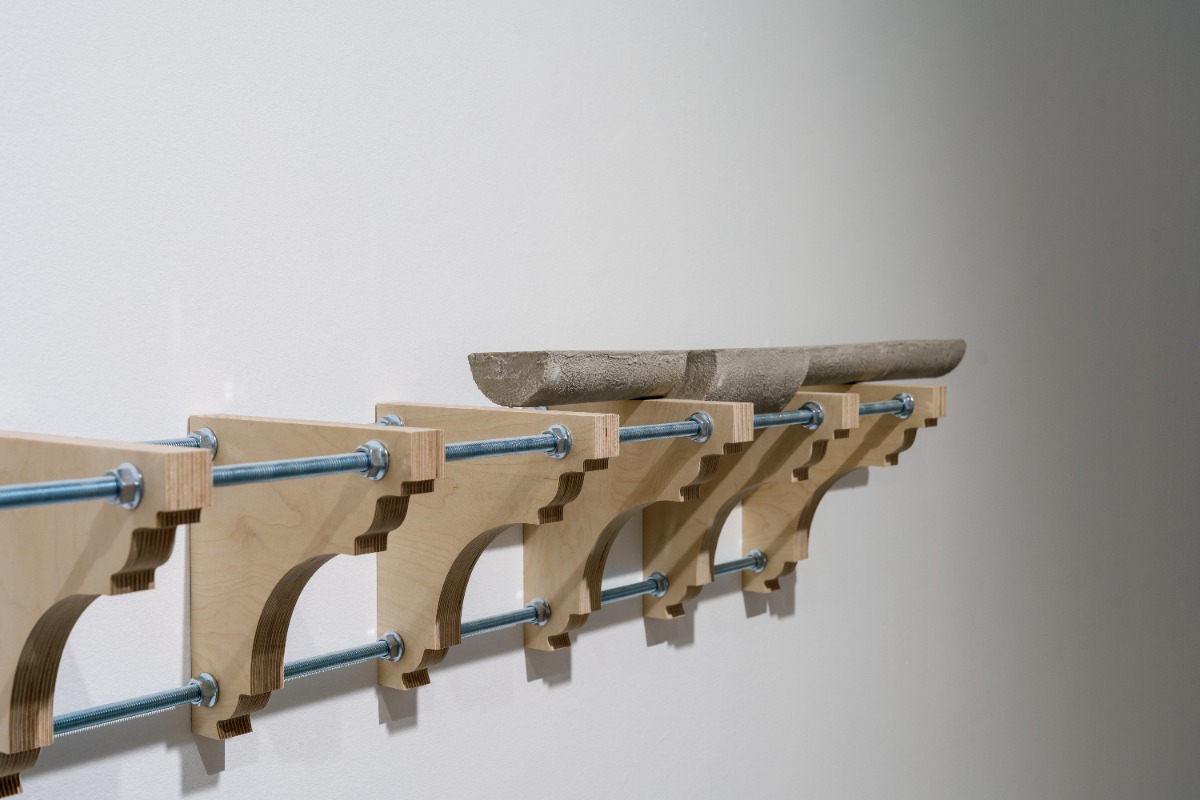
Titled Before It Makes Sense (after Winnie-the-Pooh), the exhibition “outlines a condition of thinking that exists prior to clarity, where intuition, speculation, and partially formed ideas take precedence over fixed meaning. There is a moment before recognition, impossible to hold onto, where things feel certain without evidence, and logic arrives too late to be useful”. The exhibition brings together seven artists: Franciska Anna Beļāne, Francis Hagendorfs, Niklāvs Kadiķis, Velta Esmeralda Kalnozola-Kalsere, Emīls Kocers, Emīlija Paškeviča, and Līva Priedīte. Their practices unfold across sculpture, installation, image, painting, sound, and text, forming an open field of inquiry.
Photo: Niklāvs Kadiķis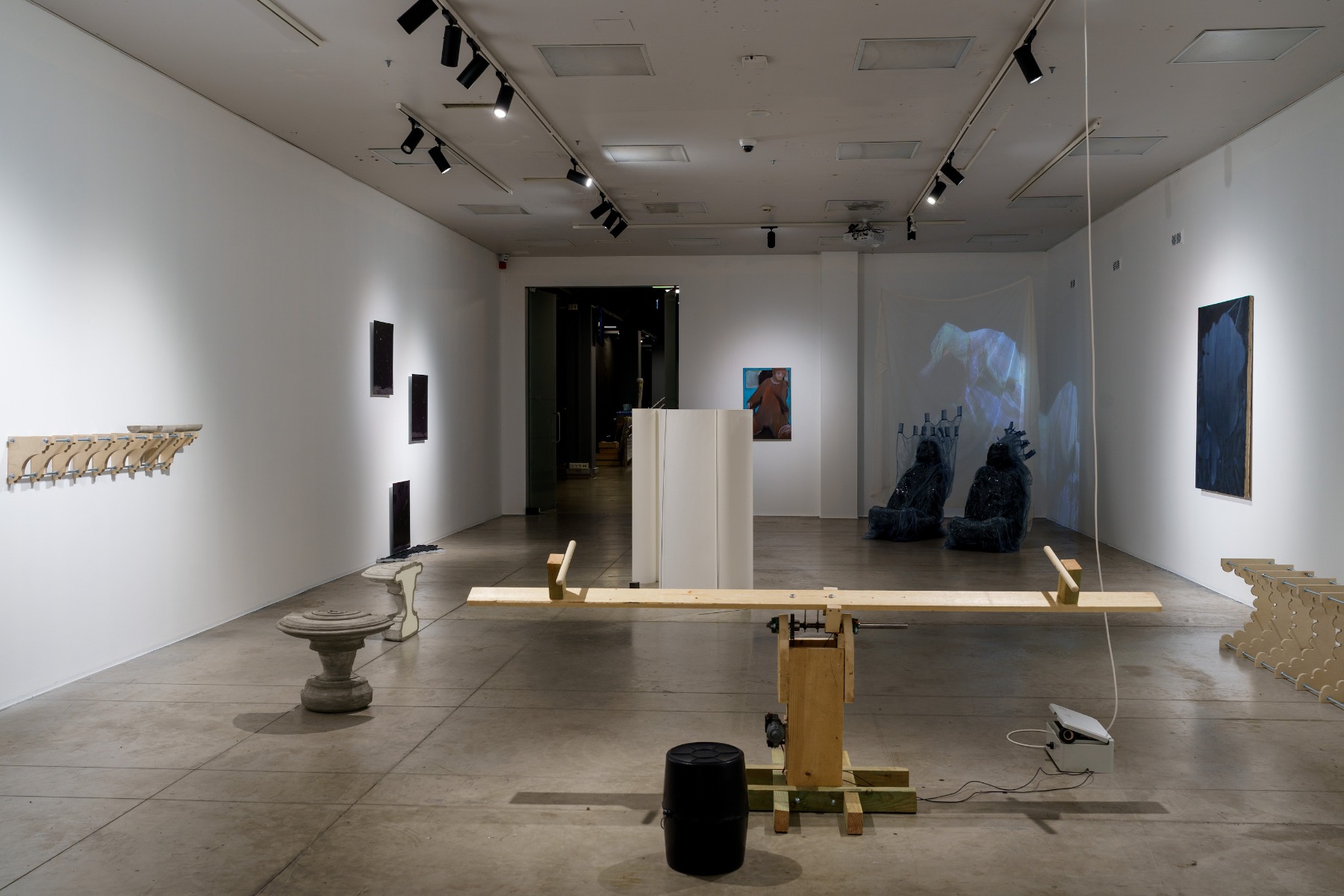
This exhibition is curated by Kristaps Ancāns, the founding father and driving force behind the POST idea, and by London-based gallerist Domo Baal, who has 26 years of experience running domobaal, a contemporary art gallery on John Street in Holborn, central London. The gallery exhibits new work across all media, including painting, sculpture, film, and artists’ publications, and has hosted over 260 exhibitions by artists such as Ansel Krut, Lothar Götz, Neil Zakiewicz, Alex Rich, David Gates, Neil Gall, Stuart Brisley, Sharon Kivland, Maud Cotter, Alice Wilson, Emma Talbot, and Ailbhe Ní Bhriain, among many others.
We spoke with Domo Baal the day before the opening of the exhibition in the spacious technical storage hall of the Riga Contemporary Art Space. Surrounded by numerous tools, we discussed the tools and approaches that young artists choose today – not only in Latvia, but more broadly. The conversation began, however, with the exhibition in the Small Hall of RCAS and the philosophy of a certain bear.
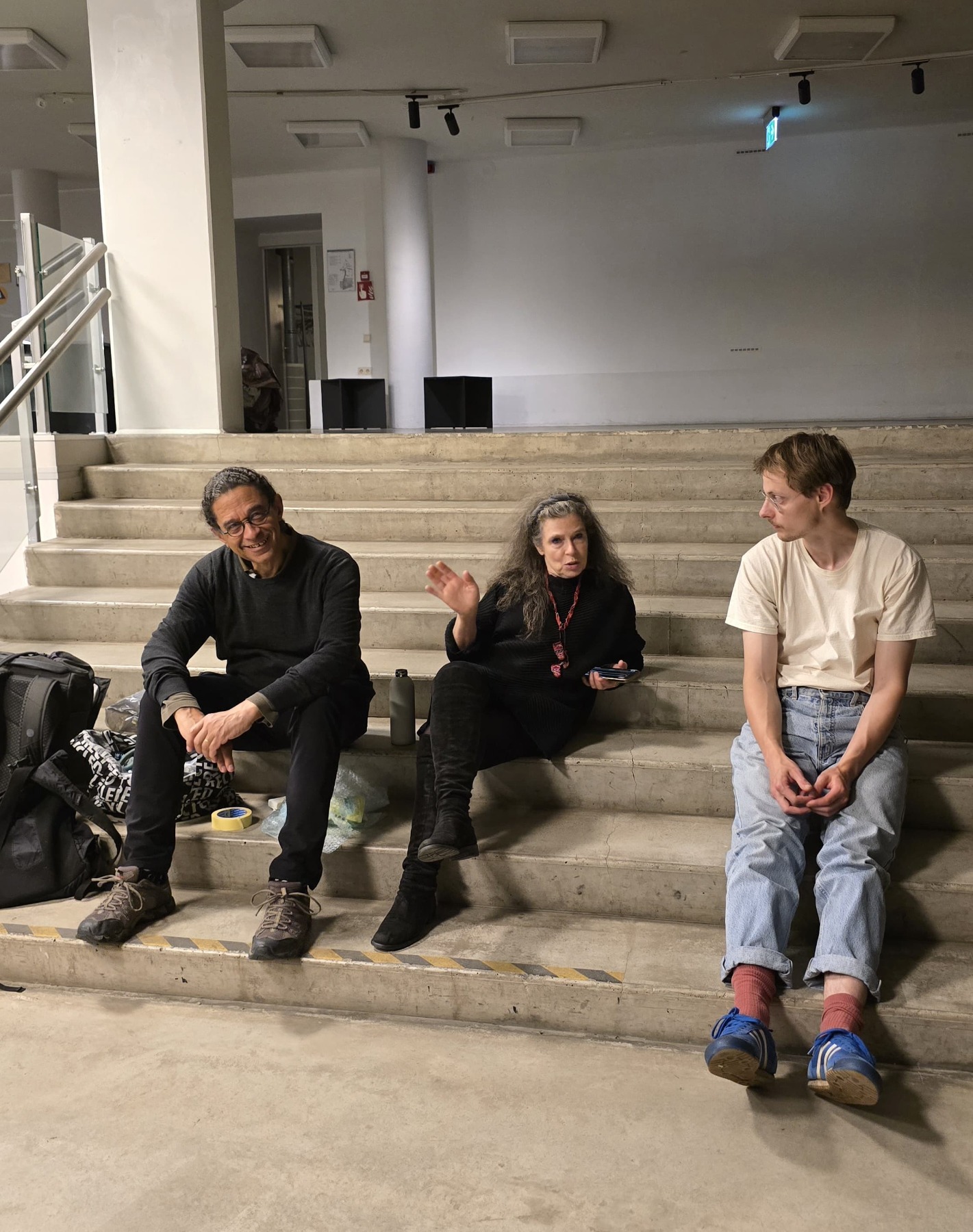
From right to left: POST graduate and tutor Krišjānis Beļavskis, Domo and Theo Baal
Could you tell me more about the Winnie the Pooh reference and what it represents for the project?
Well, Winnie the Pooh is part of a lot of what we talk about – keeping things simple, but in a serious way. One of Winnie the Pooh’s famous sayings really epitomises a certain philosophy. It relates to not approaching art or artistic practices by declaring: “This is what it is. This is what it should be.” There is a lot of that kind of thinking at the moment, not only in art. It can become very didactic.
One of the Winnie the Pooh quotes I kept repeating to the group is: “I don’t like long, complicated sentences. I like short ones, such as: ‘What’s for lunch?’” It’s funny, of course, but what matters is that it is a question rather than an answer. Many of their practices are driven by that same openness and questioning. The exhibition is trying to capture something that the more commercial side of the art world often struggles with. It may embrace poetry and suggestion, but when something enters a certain professional framework, there is often a need for greater certainty – a more clearly defined position that provides a kind of comfort zone. This project is more interested in preserving the human dimension and allowing it to emerge through the works themselves.
None here is didactic. It turns everything into a question. Because we know we live in a world – well, anyone older than about eighteen knows this – where absolutely nothing makes sense anymore. Nothing. Not economically, politically, or sociologically, in any way.
What is interesting about these artists is that none of them are shouting, “Do this. This should be that. This is bad. This is good.” They are all asking, “What is it?”
Photo: Niklāvs Kadiķis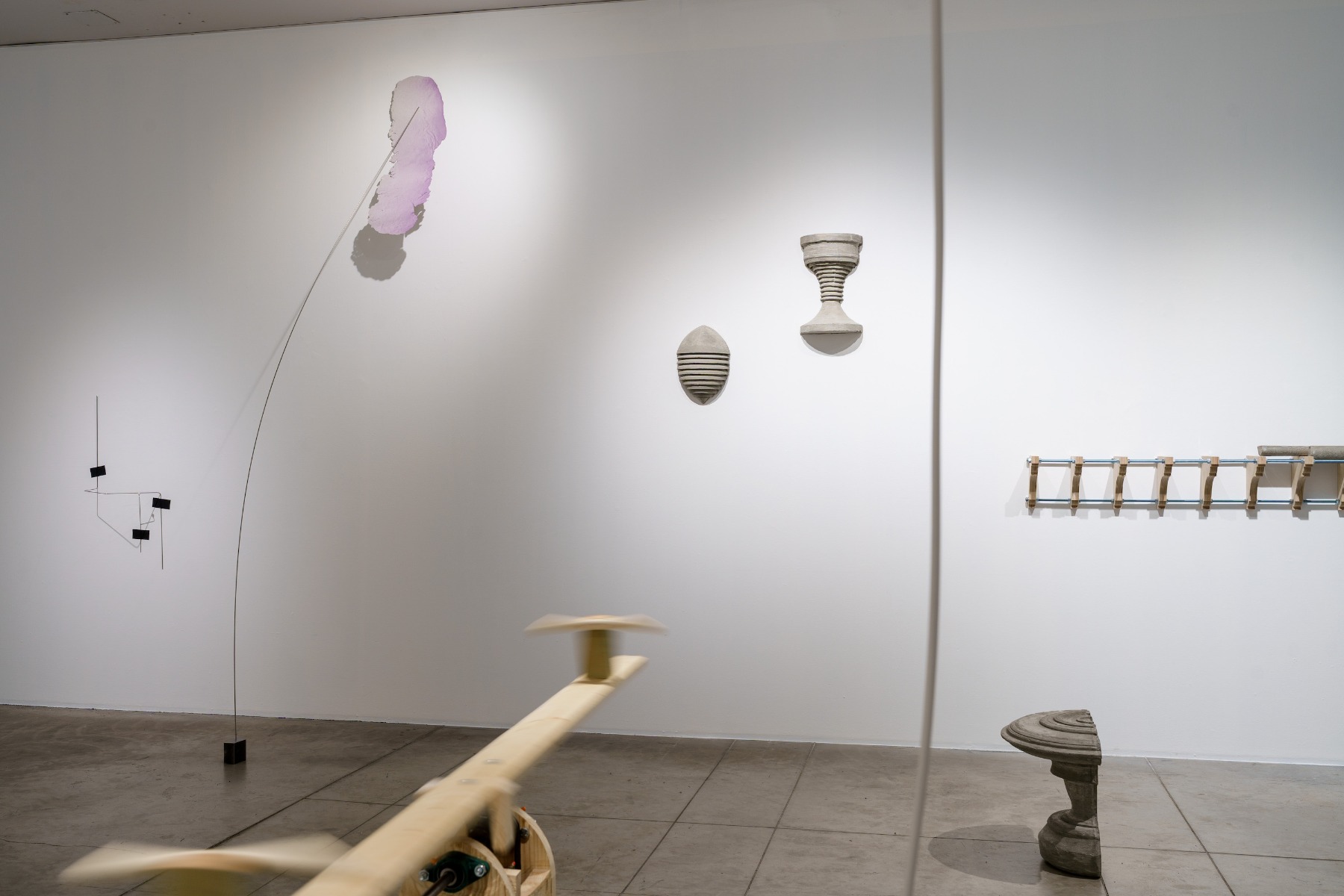
Or trying to show another perspective, like the object created by Franciska Anna Beļāne – a seesaw that doesn’t move up and down, but left and right. A kind of “seesaw without hierarchy,” if you will... Domo, this is your second year being involved in the POST programme. How does it feel?
Yes, well, this is the third year of that course – the third cohort of students doing the POST MA. All of them naturally look at what the other years are doing, which is normal, and necessary. There is a kind of constructive competition: the desire to do it again, but better.
At this stage in a student’s life – for ambitious and serious artists and students, and ambition can take many forms – the most important task is to find their own language. That is the single most important thing. Not simply thinking in terms of what will be liked, or what will sell, or what might be bought. Paradoxically, one of the advantages of times of great uncertainty – which is where we are now, globally – is that many assumptions are no longer stable: about value, money, taste, and so on. That instability actually creates a certain freedom to ask questions, and to do so without being overly demanding or prescriptive.
In the exhibition, nothing is monumental in intention. There are no works that function as models for something that should be made larger or grander. Nothing would work better as a monument. Nothing is a maquette, either intellectually or practically. Most of the decisions happen in relation to the physical space – for example, how three photographs are hung in relation to each other. In that sense, the work is very site-responsive. You do it a certain way, and that’s it – there is no sense of hesitation or emotional overstatement around those decisions.
We also had a conversation with Niklāvs Kadiķis about photography itself. I said that photography is in a strange position now, because everyone is a photographer with a smartphone. Yet what he is doing is quietly radical within a very conservative language. Landscape is one of the oldest modes of image-making across cultures globally. So, you take a landscape format that is formally quite familiar – even conventional, with the horizon placed low in the frame – but then you begin to disrupt it. You “smash it up,” in a way, allowing the material of the metal it’s printed on to come through, to reflect light and become part of the image itself.
That raises a question: why then insist on hanging it in a conservative way? If you want to do something different, you also need to find a way of doing it that remains serious. And seriousness is important here – it’s not a casual gesture. So, part of the pleasure of installing the work like this is precisely that negotiation – doing it together with the artists, finding the balance in the space, and hopefully arriving at something everyone is satisfied with.
Photo: Niklāvs Kadiķis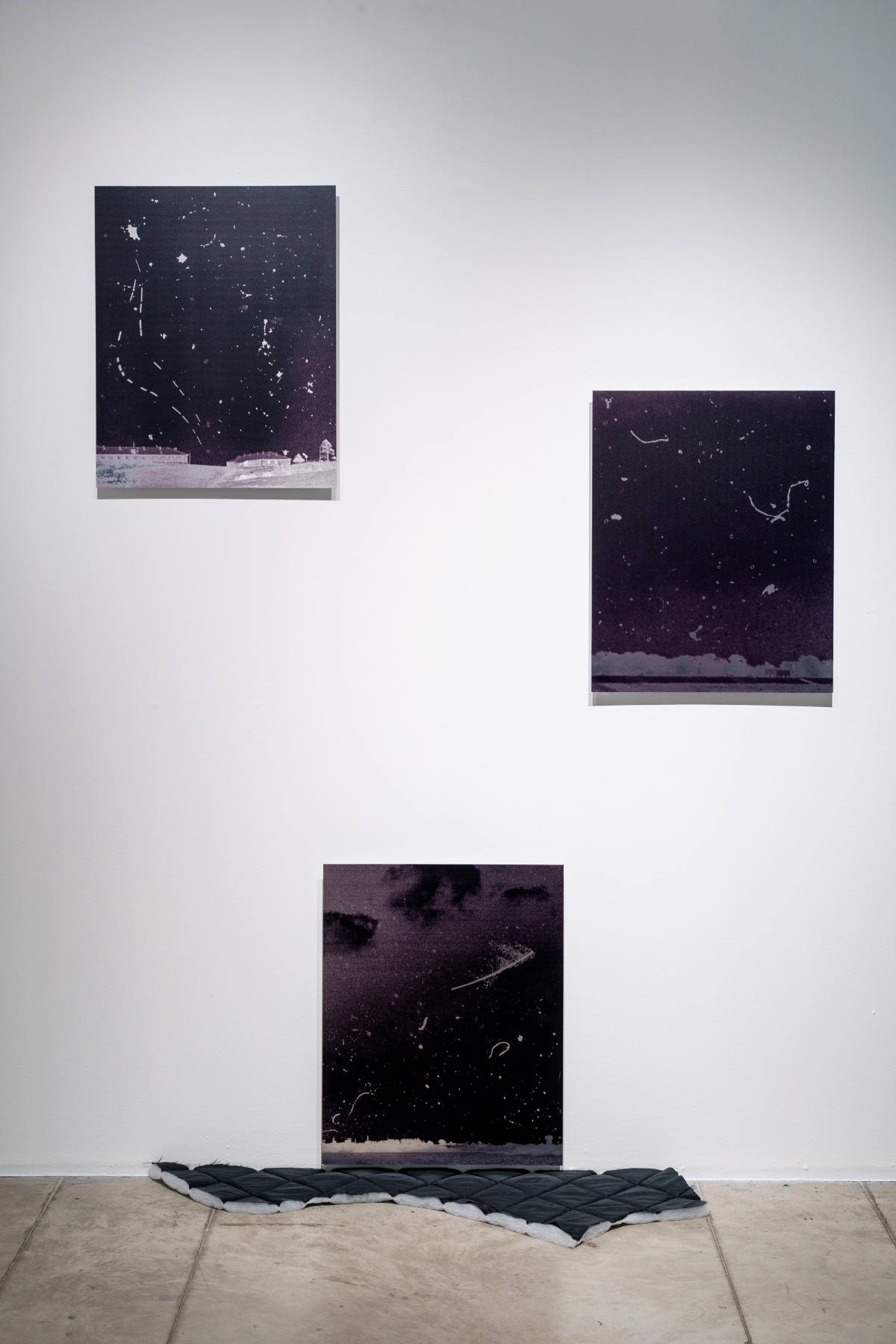
You said about this quality of un-monumentality…
Yes, it is a bit anti-monumentality, I would say.
I was thinking about the work of Līva Priedīte with a piece of paper on the metal block. For me, it’s kind of a monument, but not in the old, traditional sense. I see it more as a monument… to fragility.
Absolutely. And the fragility of the paper is emphasised by that. In a way, there are train tracks where a train passes that are lighter and less intense than the steel she has used to support what is essentially a very light sheet of paper – perhaps twenty grams. That is very much part of the work. In her other pieces as well, you see a different kind of fragility – the tension within the steel itself.
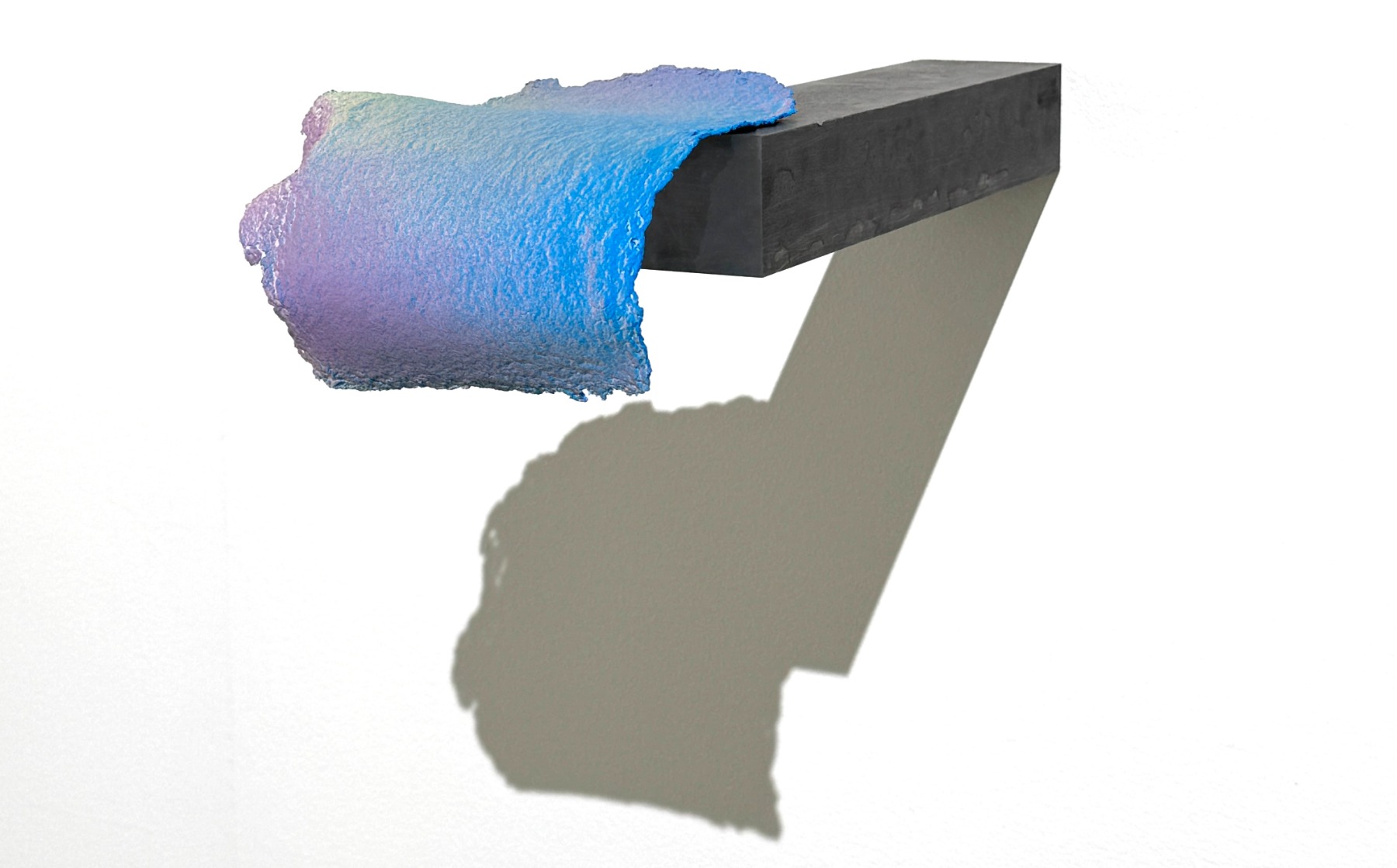
But this piece with the metal block also makes me think of a kind of metaphor – about culture, about art, young artists, and how much effort and support is actually needed for that kind of presence.
And it needs us – it needs many different types of people to look at it. The question is: has it entered our consciousness? Has it made us question other thoughts, as a result of that small door being opened? When I work with artists, I try never to meet the artist first in order to avoid evaluating the work through their personality. If I meet the artist first, it quickly becomes: do I like this person or not? Am I interested in what they say? And inevitably the person intervenes, even if you do not want it to, or the conversation itself begins to coat the work with another experience. Then you are no longer sure what you think.
And it’s not about “this is good, that is terrible.” That is not the point. The point is: if I am not questioning it, if I am not curious, if I am not thinking about it – without forcing myself to revisit it a week or two later – then what is the point? I am not going around looking for things. It is the opposite. That is exactly what we want: a language that we all make – whether it is a book, a poem, a meal, whatever it is. We want people to be thinking about it, to gain pleasure from it, or for it to open other doors in their thinking, connecting to other experiences.
Because, after all, culture is a strange word – it covers many things. But it is one of the key aspects of what it means to think as a human being; perhaps it is the only thing that is truly important. Whether it leads to something good or bad, it creates a thought process that you then develop. And with artists, that process is clearly unfolding within their practice, through their interests and curiosity.
Photo: Theo Baal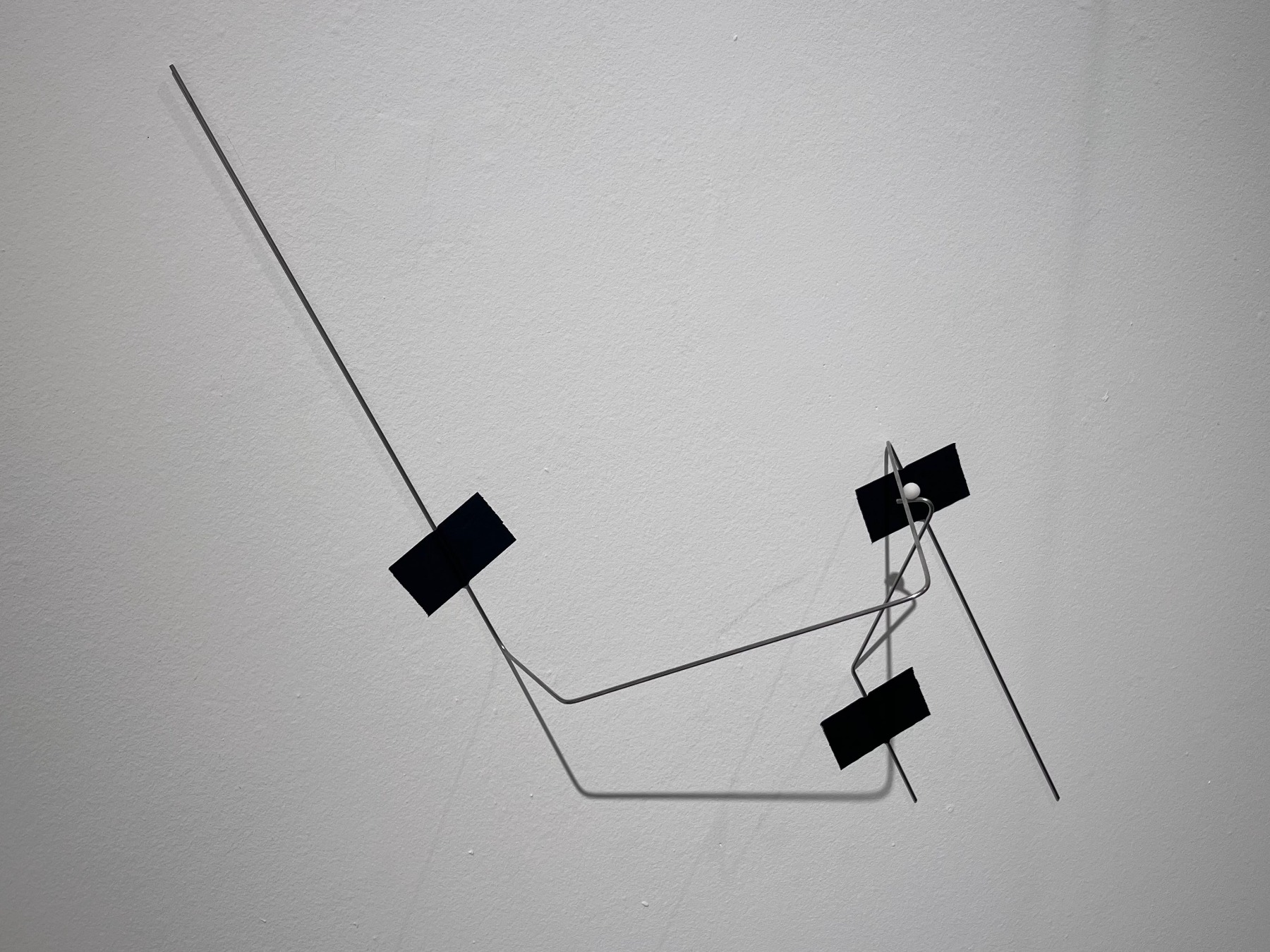
As a gallerist with such extensive experience, would you say that young artists in London and Riga belong to the same kind of “tribe”, or are they shaped by their national and geographical contexts?
Yes and no. There is a certain privilege in being here. I have also worked as an external/invited lecturer in art schools and universities in the UK, Vienna and in Ireland, so I have seen other contexts as well. In those places, as here, there are societies with a relatively high level of formal education and a serious, ambitious approach to it. In England and America, however, in many places the situation is different – the scale changes everything. It becomes a numbers game. In many art colleges, painting might have 150 students in a single year, alongside sculpture, and other departments. At that scale, the dynamic changes completely.
There are advantages and disadvantages to both approaches. For an individual, and not only in art but across the humanities, smaller groups can be more productive in terms of learning and exchange. Of course, you do not want the group to be too small, but when it becomes too large, it becomes a kind of crowd control. At 150 students, it is simply a different reality.
In art, there is also a sense that everything has already been made: every image, every photograph, every drawing. Life is too short for anyone, anywhere, to look at everything – even with Google. In any field, that is simply impossible. So, the question becomes: how do you focus? How do you find something that is meaningful to you? It is a bit like cooking well – you have to choose what matters.
Working in smaller groups, which of course has both advantages and drawbacks, allows a certain kind of thinking and practical experience to develop. For me, it produces more useful forms of competition and less aggressive ones. You hear that difference quite clearly.
Photo: Niklāvs Kadiķis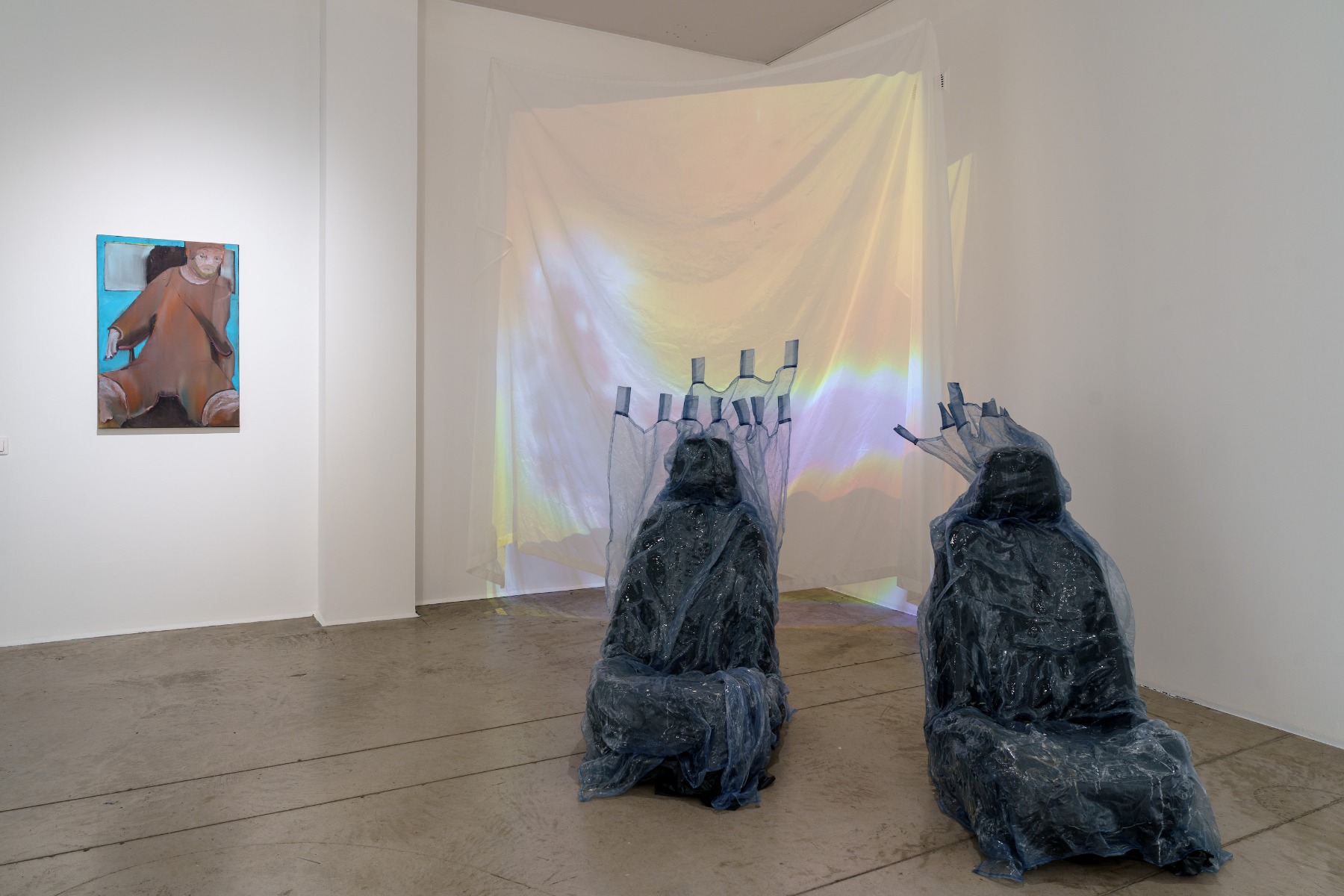
if we look back ten years, there was a lot of hype around post-internet art and the idea of bringing digital culture into art. Is that still relevant today?
Well, I think that's over. My response to digital – and to the digital condition more broadly – is that it is obviously extremely important. It is a very powerful tool. But at the same time, it is something that everyone now shares. So, in a sense, it is not “over” at all – nothing is over – but it has been normalised. That is the problem: there is an excess of production.
In contrast, you see artists using the same conditions differently – for example, someone placing a video work on top of two old car seats. Or the glass artist, who works without any formal training in glassmaking, which is a highly specialised craft with a very long history, going back well beyond the Romans. From a technical perspective, practitioners in that field might say she does not know what she is doing. But she is using the material through her own process of discovery, finding something new within it.
But they are almost exploring – and you find that everywhere at the moment. Not “exploring the image” in the sense of wanting to make something nobody has ever seen before, but exploring where the making itself takes them. They are using materials in that process, and also being quite cheeky in a way – intellectually questioning these old skills and crafts, like glasswork or film. In that sense, they are the masters of their own decisions. And that, in many ways, is what an MA is about: whether those decisions are “good” or not is not really the point. The point is whether they change, and whether their practice develops into something else. What is interesting is the process – taking the temperature of the thinking, of the making, of where it all comes together.
They are quite brave. And what I have noticed compared to London is that here everyone is actually making things themselves. Not everyone, but there is more of it. In London there is still, in some areas – particularly sculpture – a continuation of what the YBAs used to do: “I want to cast this in metal, can you recommend a studio?” There is still a reliance on external production in some cases, though less (hopefully) in painting or high-end digital moving image work.
Photo: Theo Baal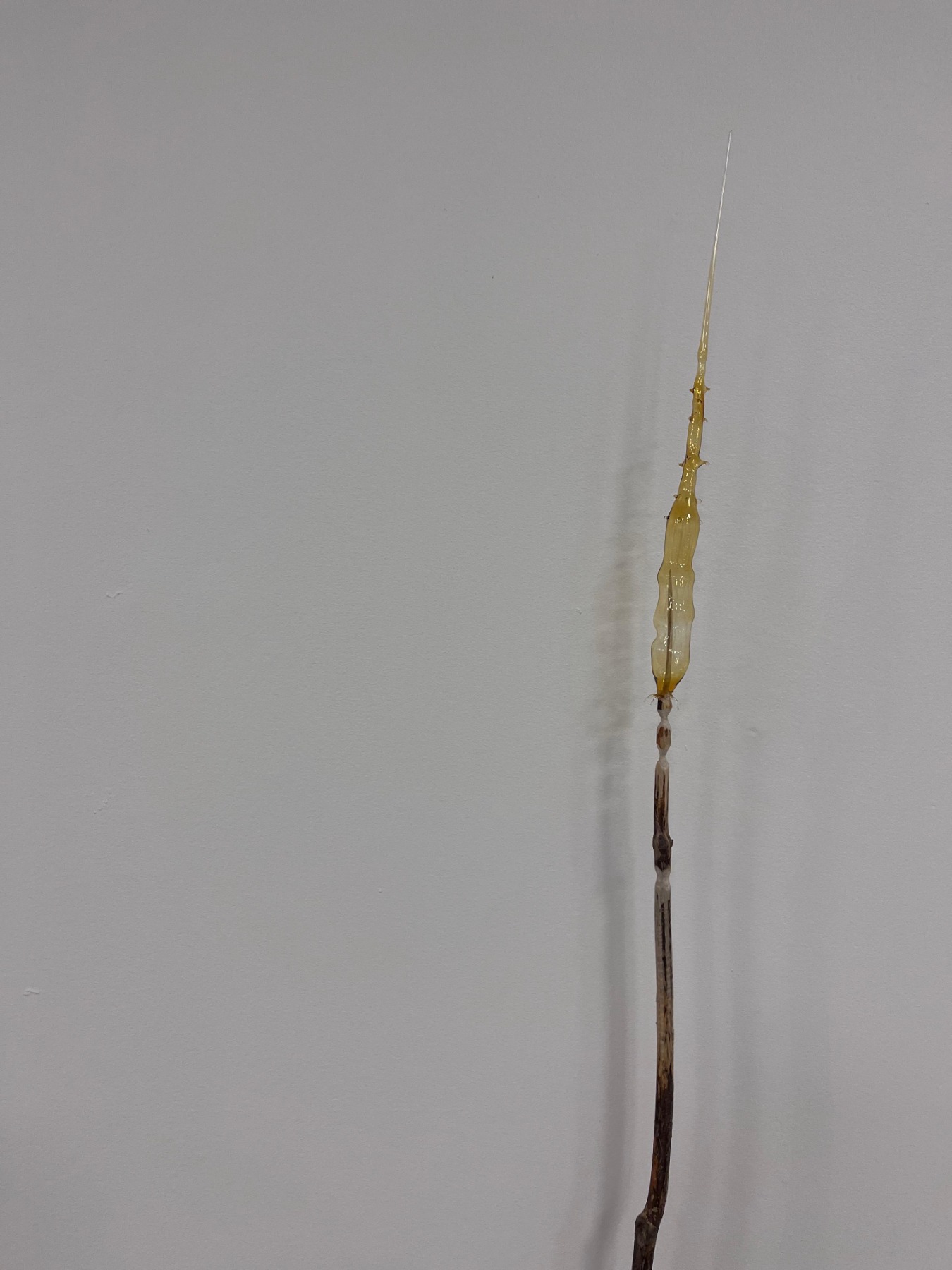
It seems that there is a tendency to build new art pieces on crafts or historical practices that still carry a certain human touch.
Human, of course – thank goodness! AI is coming, and who knows what will happen anyway. But yes, you are right. I suppose that to be an artist is still, very much, about making one’s argument visually – through whatever medium that may be: tapestry, film, glasswork and so on.
At the Venice Biennale this year there was a huge amount of work across different pavilions, and if that is what you want art to be, you could not have done it better: the right decisions, the right scale, the right colour – across the full range of what art can be, from painting to installation. There was a great density of expertise, but very little that felt genuinely interesting – at least to me. Of course, that is idiosyncratic.
It felt almost like we are at the zenith of communication anxiety – a moment where everything is carefully constructed in order to “deliver a message,” to have a clear story. And yet there was some fantastic work. My favourite pavilion, in fact, was almost the opposite: Spain, which was completely extraordinary. Many people walked in and said, “It’s just like postcards.” And I said, yes – but like a million postcards. That was amazing. And you just felt the silent voices and you know, like lots of people who died, who'd bought these postcards, written them. It was this shared human experience that the artist had managed to edit and present – not to tell yet another single story, but many stories. That is quite extraordinary. It was almost a kind of genius. I spoke with a curator there who further explained, that rather than the artist making all the micro decisions himself (completely impossible, and most definitely unwise to hold all those images in a single brain) – I was told that the artist worked with a group of other younger curators who each were given a defined section, structure and methodology for their 'patch' while being completely free within their own patch in the placing of the postcards relative to each other.
Photo: Niklāvs Kadiķis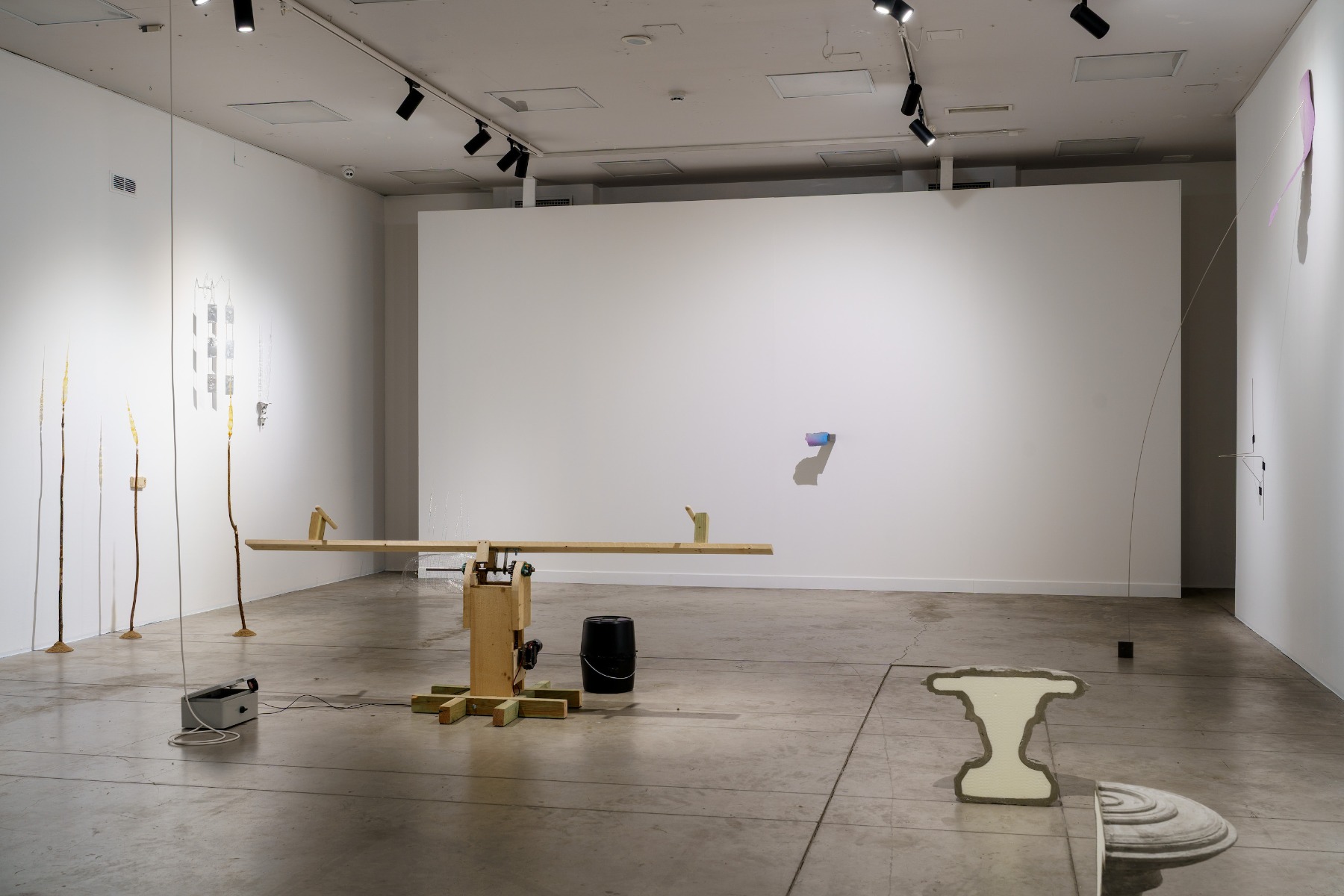
As a gallerist with extensive experience, and now working with the POST programme, you’ve seen generation after generation of young artists emerging. What do you think motivates young artists today – young women and men – to enter a field that is already so full of everything?
That is a very good question. And hopefully the answer is slightly different for everyone. Whether they give me the “real” truth is another matter. Not because they would lie if I asked them, but because sometimes you only understand what you are doing later in life. You start to wonder why you took this path.
One of the things I have noticed about this generation here, and also last year, is how resourceful they are: how they make money, how they work, what they do. None of them are what you might call hobbyists, or people waiting for a wealthy patron – as nice as that might be. They are all working in a very pragmatic way.
What is certain is that they are all very committed. What they do next, I do not know – and that is always impossible to predict. We live in a world where things differ greatly from place to place. In Ireland, for example, there is perhaps a different balance again – it is a small country, and there may be more targeted support, whereas in larger countries everything becomes more dispersed. At the same time Ireland is a country famous for language – James Joyce, Samuel Beckett and all the rest of it – but you still find, even in museums, a certain attitude where if people paint, it is because they cannot really write. It is treated as a secondary thing, not something “up there.” That is prejudice – and it is prejudice within the English-speaking world as well. It is the same in England, which is still, in a sense, overshadowed by Shakespeare and the power of the development of articulate language, and that means you have to work harder.
So, on the one hand, in smaller countries it is probably slightly easier. But then there is the audience question: sometimes there are only ten people, two collectors, and they are buying big names from abroad. Still, there can also be a more personal kind of support in smaller contexts. In larger societies, yes, there is a sense of freedom. In London, you can do almost anything. But as my father used to say – my parents were originally from Kyiv – people think you can do anything in London. And I remember him saying: “You can walk down King’s Road with a flowerpot upside down on your head and nobody will stop you.” And that is because nobody cares. And I said: yes – that is freedom.
It is always the case that in larger places there is more freedom, but less support. You have to punch above your weight – it is harder. But what surprises me is the level. And perhaps that is where the internet is very useful: more people, everywhere, with access to everything, if you do not allow yourself to fall into a purely “digital brain” mode, you can actually learn from a huge range of sources that simply did not exist not so long ago. That is probably what is special now – definitely.
Photo: Niklāvs Kadiķis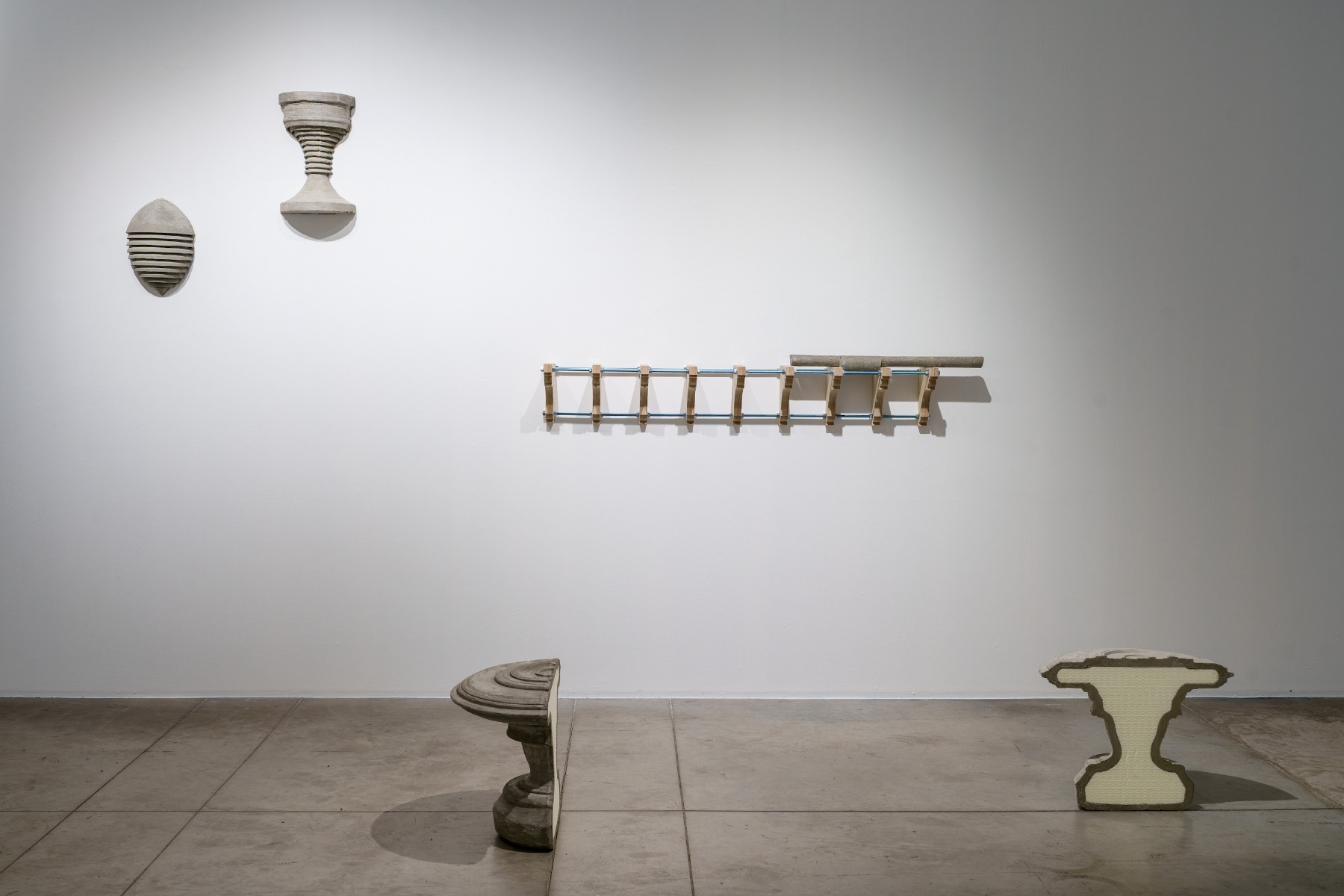
So, does everyone now carry a kind of similar intellectual “luggage”?
There is one artist I work with who is young. She is not a photographer; she is somewhere between painting and sculpture. She has produced work from sections of wood she finds in the forest – she has been collecting wood for years. Some of it comes from when loggers leave material behind, and it ages and dries for ten years or more. She transfers photographs onto the wood, but she does not consider herself a photographer. In fact, the images are her own – photographs she takes in the forest where she finds the trees. And the results are absolutely fantastic. I asked her how she learned to do it – including how to prevent the wood from becoming mouldy once the image is transferred, how to prepare it properly. And she said: the internet.
But of course, it is not just the internet. It is also about knowing what your question is, knowing what you are looking for. If you know exactly what you want to understand, you can now find almost anything. If you are just browsing, or looking out of boredom, it is different. But that level of access is hugely democratising. Even if you live in a village, as long as you have internet access – which is not that old a reality – you can learn almost anything.
Photo: Niklāvs Kadiķis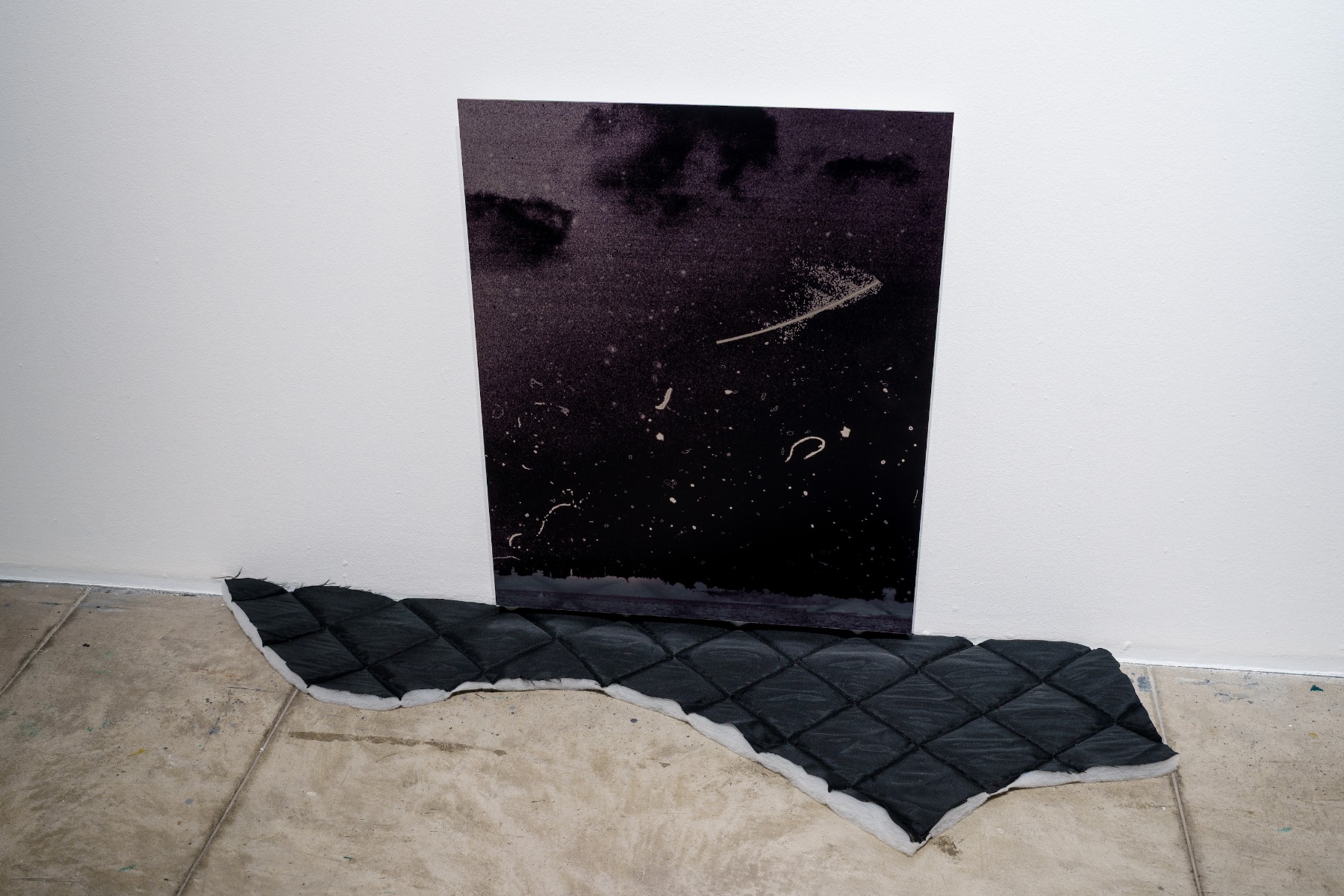
Could we say that in every generation that comes, there will always be a small percentage of people who still dream of going into visual art?
The main question is not whether these people will exist – they will – but whether there will be interest out there. And I think there will be, but clearly not everywhere at the same time.
You know, now in museums all over the world everybody is talking about it – directors are falling, and everyone is saying: “Ah, we’ve ignored this, and we’ve ignored that, and we have to do this subject, and this, and that, and that, and that…” And you feel this panic – and it becomes very repetitive, and quite boring in a way. But perhaps that is also a phase, and it will pass.
Yes, it's disgusting that there are many groups of people who have been not allowed access, not welcomed into areas in the world where there are relative possibilities. That is completely true. But when you do go to see something, you want to see something because it's good, not because it ticks a box, even if it ticks 10 boxes. It's not about ticking the boxes. It's still really about how you're navigating that gap between your idea, the skills and the materials. There is no answer other than doing it.
Every generation also wants to find its new heroes, its new sounds, its new “new.” So maybe that is also part of the answer: people will always look for it, and some people will at the same time look for older things. And we do not know the future – nobody does. Everyone thinks they do, especially politicians, or perhaps particularly politicians. But we do not know the future. It is about people, and the next audience that still has to come.
