


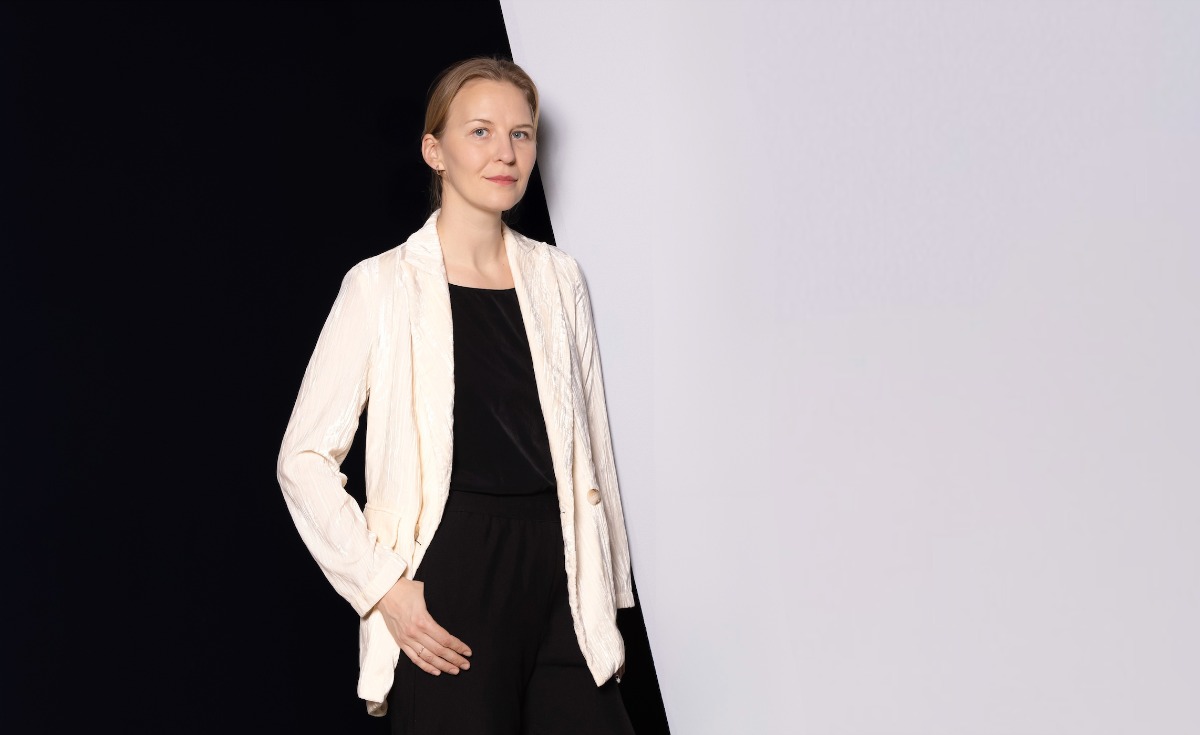
What is real?
An Interview with Lilian Hiob-Küttis, Artistic Director of the Foto Tallinn 2026 Art Fair. “Photography is a complicated medium, and I think that makes it particularly valuable today. It gives us a way to exercise our critical thinking skills: What is staged, what is documentary, what is real, and what has been manipulated or generated?” she says.
Foto Tallinn 2026, Estonia’s only international art fair dedicated to contemporary photography, will take place from 18–20 September 2026 at Kai Art Center in Tallinn. Held biennially, the fair brings together artists, galleries, collectors, curators and photography enthusiasts around the latest developments in photographic art. The 2026 edition was selected by an international jury comprising Anna Tellgren of Moderna Museet in Stockholm, curator and critic Jeppe Ugelvig, New York gallerist Margot Samel, Polycopies co-director Sara Giuliattini, and artistic director Lilian Hiob-Küttis. The selection process attracted a record number of applications, reflecting both the growing international profile of the fair and the diversity of contemporary photographic practices.
Foto Tallinn 2024. Photo: Aron Urb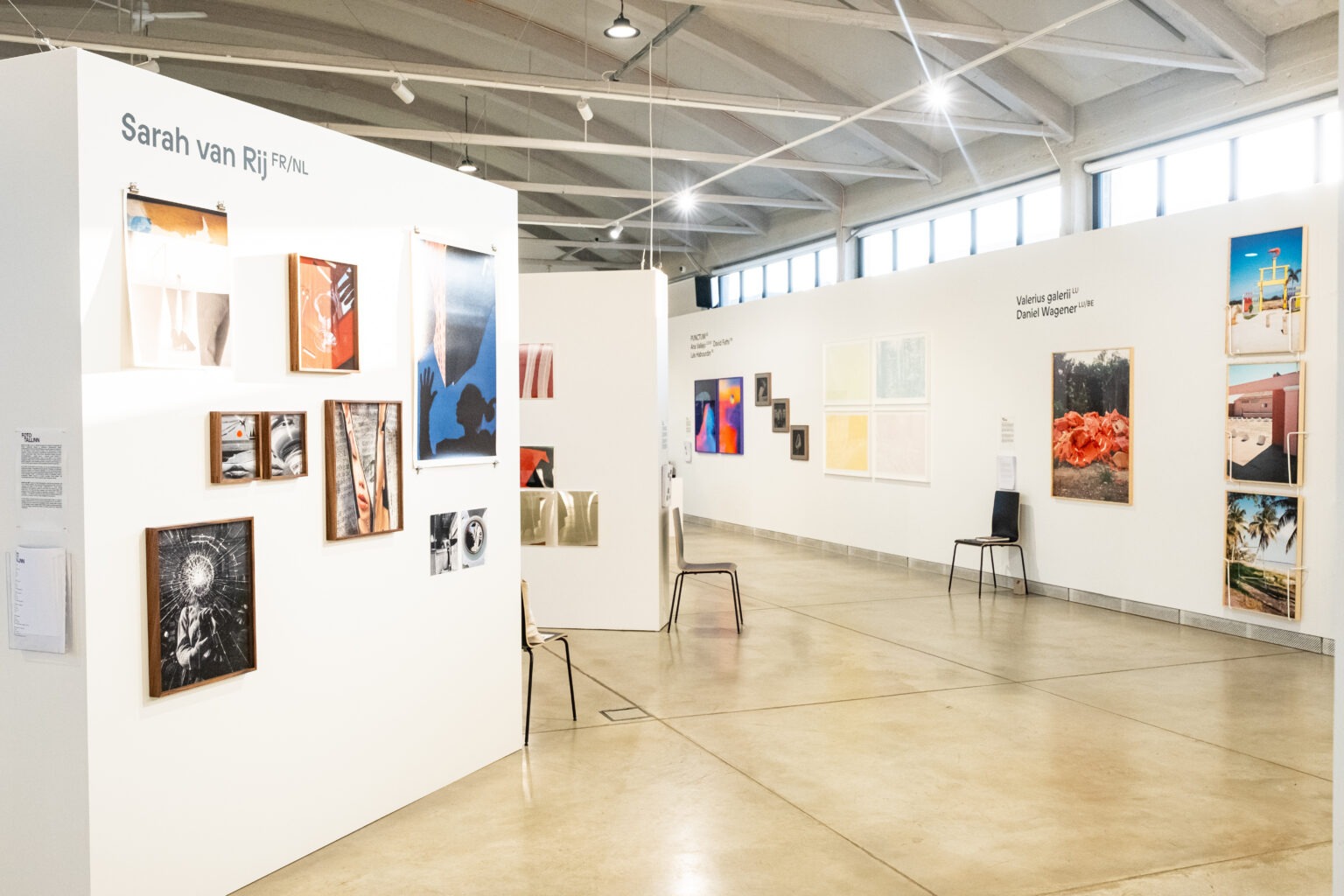
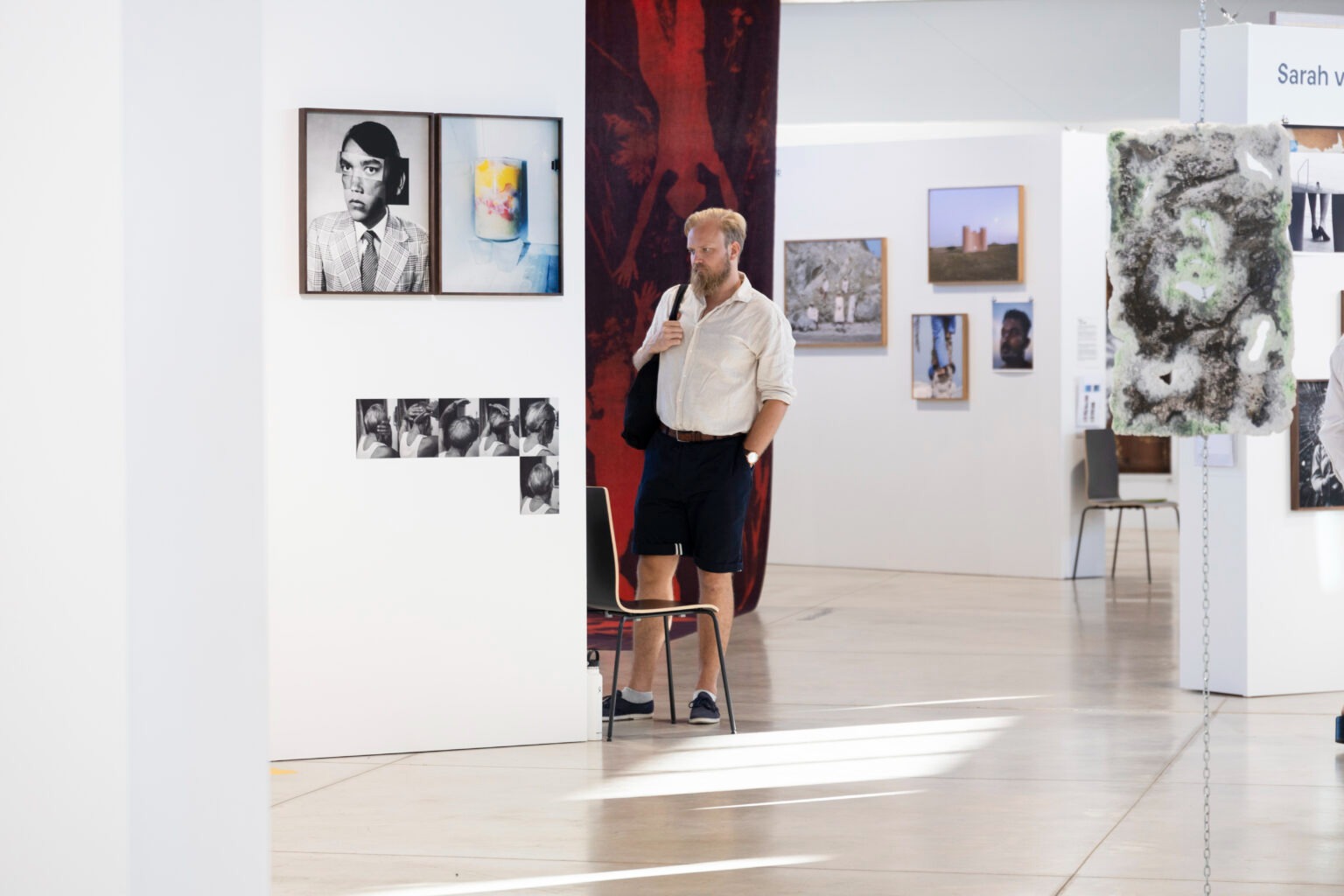
This year’s fair will present work by 45 artists, represented through 16 galleries and 15 independently participating artists. With a particularly strong focus on the Baltic and Nordic art scenes, the selection includes galleries from Estonia, Finland, Latvia, Lithuania, Norway and beyond, alongside artists from a much wider international context. Among the participating artists are Elina Brotherus, Emma Sarpaniemi, Tanja Muravskaja, Flo Kasearu, Krista Mölder, Maria Kapajeva, Paul Kuimet, Janina Sabaliauskaitė and many others. The artistic programme explores questions of identity, memory and the construction of meaning, while also encouraging new approaches to the medium and reflecting on artistic developments of the past five years and their possible futures.
The Artistic Director of Foto Tallinn 2026 is curator and art expert Lilian Hiob-Küttis, whose practice spans both the Estonian and international art scenes. With extensive experience as a curator, gallerist and lecturer, she has worked with institutions and galleries in Estonia and abroad, including Temnikova & Kasela Gallery and ELLELL art advisory. For the 2026 edition of Foto Tallinn, she brings an international perspective and a particular interest in photography’s place within the broader contemporary art discourse. We spoke with Lilian Hiob-Küttis about her vision for Foto Tallinn 2026, the ideas behind this year’s selection, and the current state of photography as an artistic medium.
Rasa Jansone. Your Foot on My Hand; Always, Raphael. 2025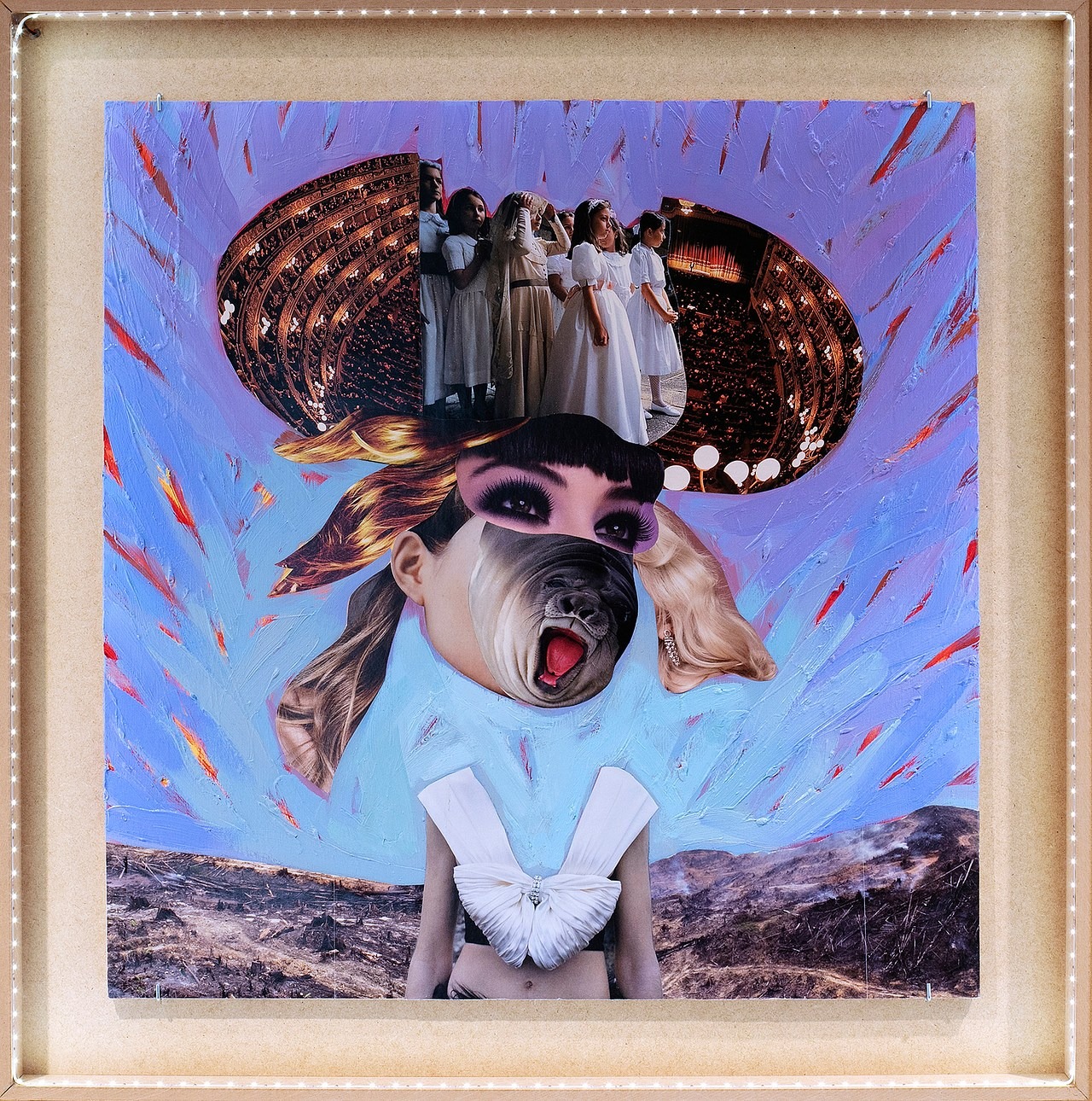
How do you see the role of a photography fair changing today, when photography exists simultaneously as a fine-art medium, a commercial image, a digital file, and an increasingly AI-generated form?
When I think about the role of a photography fair today, I see it within the wider context of the contemporary art fair landscape. We have fairs such as Art Rotterdam/Unseen, Paris Photo and Photo London, and although I don’t necessarily think that every medium needs its own separate fair, it makes sense when it comes to photography. Concentrating on a specific medium allows you (as an organiser, participant or visitor) to really dig into its particularities, and, perhaps even more importantly, to get deeper into the authors and their individual microcosmos.
I find this particularly important at a time when images circulate constantly through the media and online, often detached from their original source and from the person who made them. Fine-art photography, editorial photography, documentary photography and AI-generated images may all look like “images”, but they serve very different purposes and operate within very different contexts. We consume all of them, often within the same visual environment.
What a photography fair can offer is the opportunity to slow that process down: to concentrate on an image, or a series of images, and consider the pattern of thought behind it, the technique, the materiality, the author and the context in which it was made. It creates a space for intellectual and cultural dialogue, and for following a chain of thought that can easily get lost when images are encountered in an endless online stream.
Photography is a complicated medium, and I think that makes it particularly valuable today. It gives us a way to exercise our critical thinking skills: What is staged, what is documentary, what is real and what has been manipulated or generated? These things are not necessarily apparent at first glance. Understanding an image often depends on knowing something about its author, its narrative, the history and cultural references.
Photography allows us to think of what an image is, who made it, why it was made, and how we are being directed to see it. With painting, we more readily accept that it is a constructed interpretation, with photography, we can still fall into the assumption that it represents reality.
Diana Luganski.Hengittäja. 2025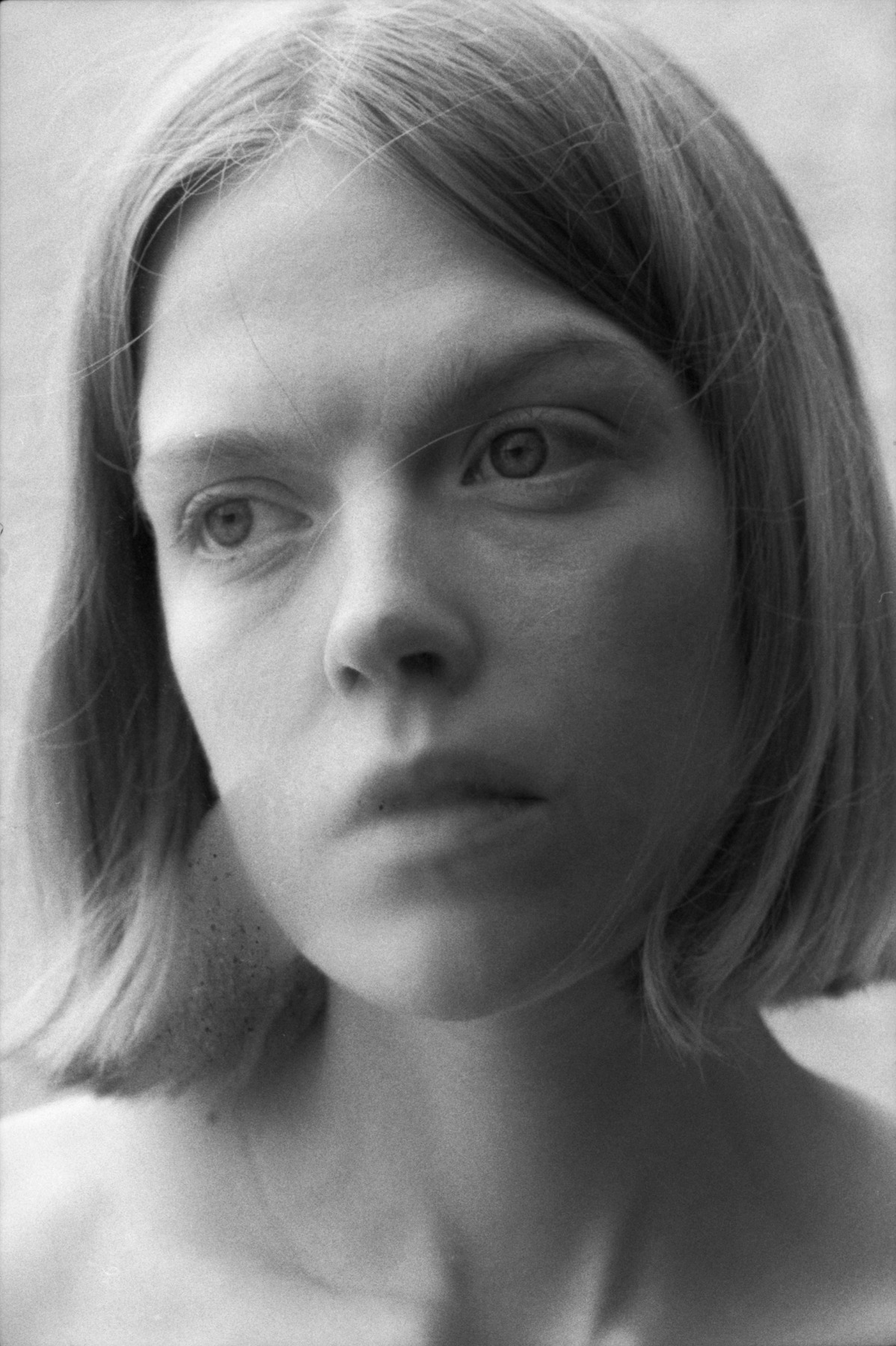
You emphasise “rigorous photographic practices, strong narrative frameworks, and distinctive visual languages.” What do these qualities mean to you in practice, and what makes a photographic project stand out today?
These are qualities I look for in art more generally, but in photography the specifics of making an image can be incredibly finely tuned. Many photographers I know are almost obsessive about their medium, they are craftsmen and masters of it. In a time when images can be produced and circulated almost frictionlessly, that level of attention, skill and physical knowledge of the medium feels increasingly significant.
Strong narratives and distinctive visual languages are equally important. We are living through an unprecedented overconsumption of images, and also all the other forms of overconsumption, and this makes it even more important to encounter stories that resist the dominant visual and ideological patterns. Personal histories, family stories, visions of different ways of being, stories of origin, and perspectives from people and places that rarely enter our everyday media or algorithmic feeds. These pockets of otherness I find particularly valuable in photography today.
David Penny. Registrations. Pink Disc. 2025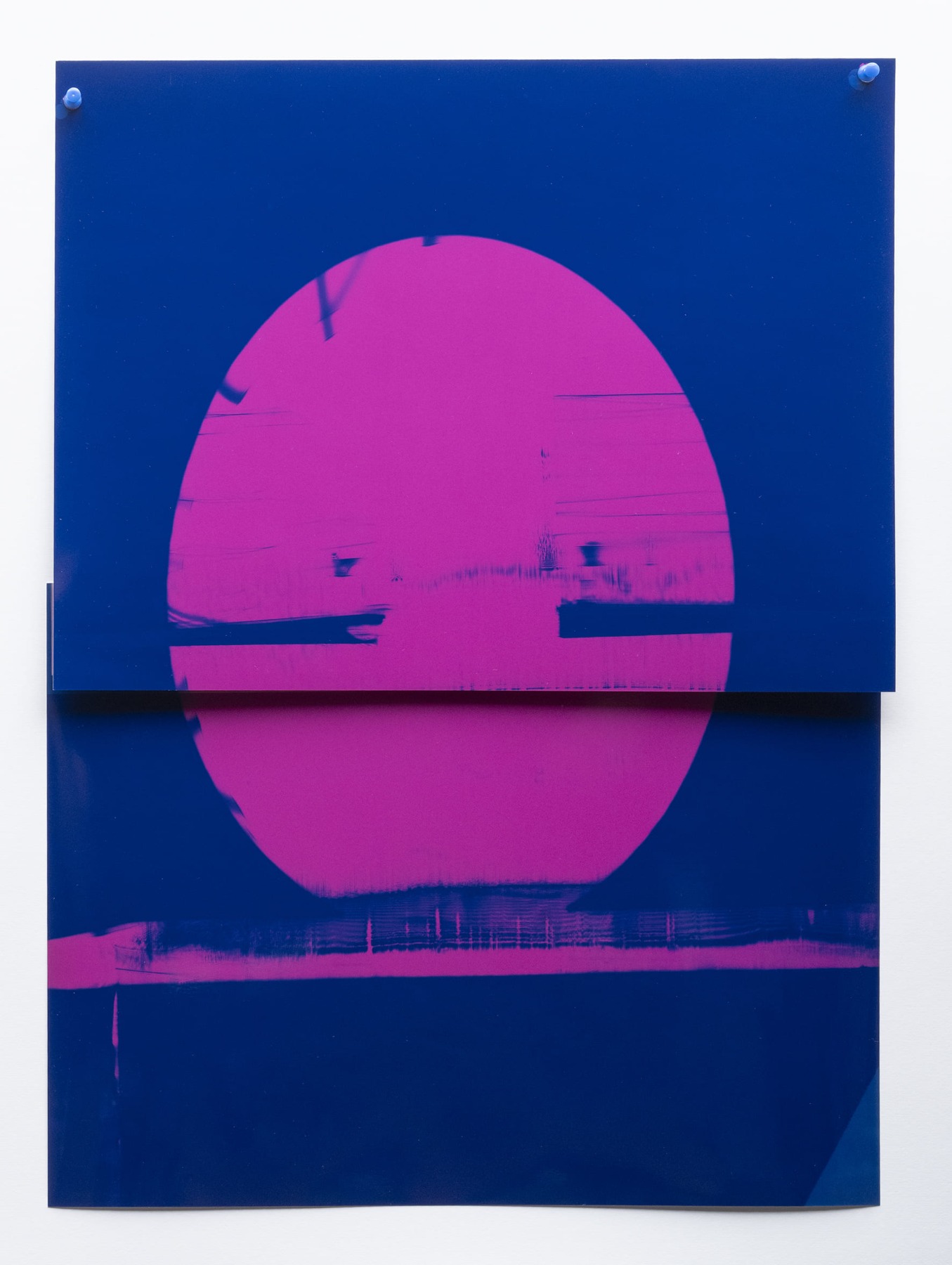
You have said that photography should be understood as an integral part of the art canon. Do you feel that photography has already fully entered the contemporary art discourse, or are there still institutional and market barriers to overcome?
Honestly, I think photography has already firmly entered the contemporary art canon. If you look at major institutions and foundations like MoMA, Tate, The Met, Centre Pompidou, photography is an integral part of their collections, exhibitions and research.
There are still some market-specific challenges, particularly around how photographic editions are valued compared to unique works, how their pricing is understood, and how collectors perceive the value of owning a photograph in an edition. But I also see this as an advantage: because photographs are often editioned, they can be more accessible in price than unique works. Collectors are comfortable buying editioned prints and graphic works, so I don’t really see why collecting photography should feel any more intimidating.
As for AI-generated images entering institutional collections as photography, I hope that never happens. Although, knowing how quickly things change, I suspect this sentence may age rather badly.
Flo Kasearu. Thaw. 2025. The "Thaw" series features melting ice creams, symbolizing the fragility of small businesses in Estonia, especially during the pandemic when many had to close or adjust significantly. This imagery serves as a broader metaphor for resource depletion and ecological imbalance, highlighting issues of overproduction and consumerism while emphasizing the urgency of climate change and environmental degradation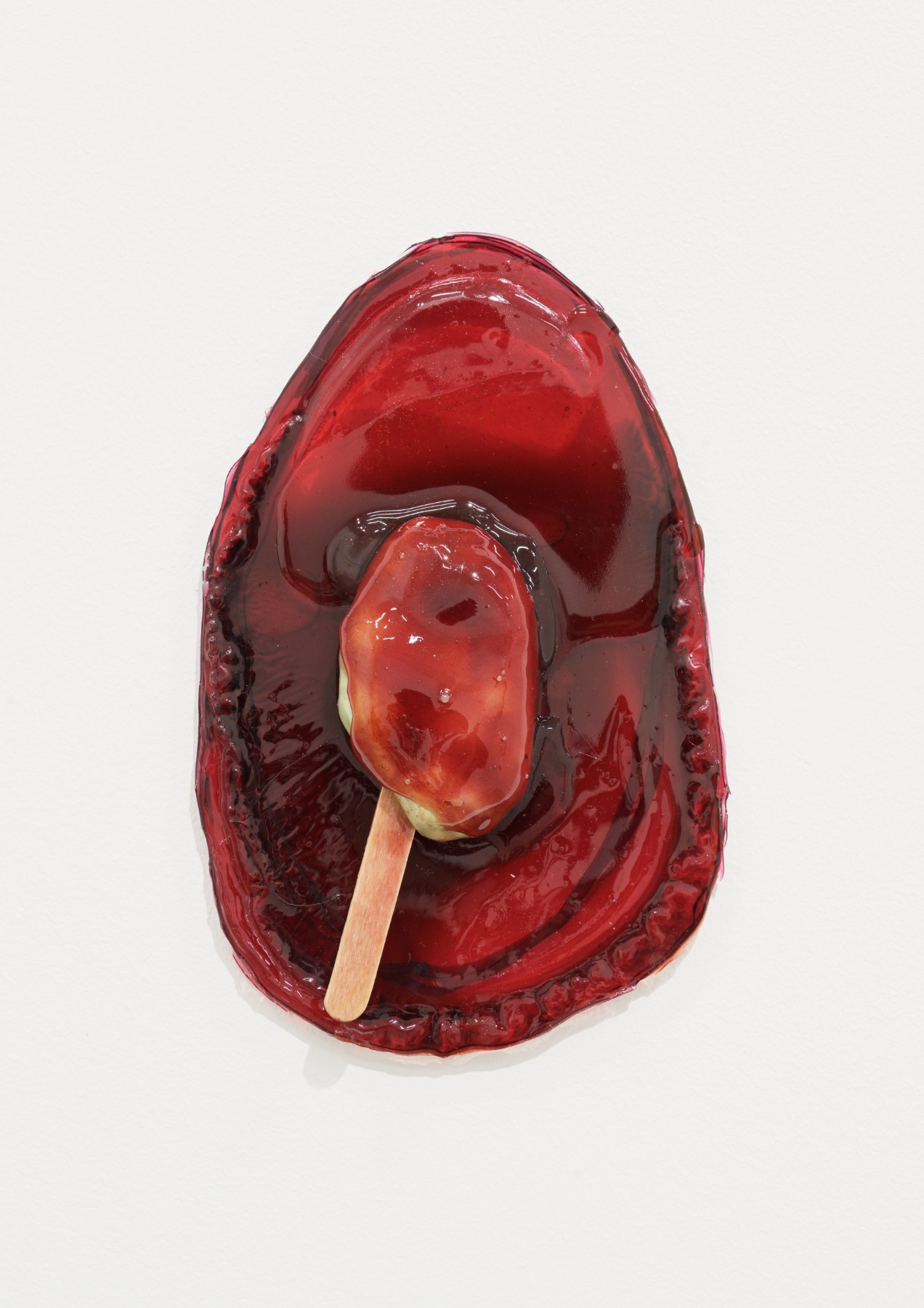
This edition looks at both the trajectories that have shaped photographic practice over the past five years and its future directions. What changes in photography do you think have been the most significant during this period?
I think one of the most significant shifts has been a more critical relationship to truth and narrative. Not necessarily through grand political narratives, but through a growing insistence on subjectivity. On looking at the world through one’s own eyes and constructing a personal universe from it. Identity, upbringing, community, family histories, personal mythologies, but also the uncanniness of the world we have ended up in, all become material.
You can see this very clearly across the fair. One artist approaches it through a family archive, another through video game clocks, another through portraiture, another through a found object or melting ice cream. What connects these practices is a shared interest in how meaning is constructed through the image, rather than a common aesthetic or subject matter.
At the same time, I see relatively little interest in following the latest visual, conceptual or digital trend. Instead, there is a strong return to authorship and materiality: developing film, experimenting with printing processes, framing, sequencing. All the decisions that allow an artist to figure out how to make this vast and established medium distinctly their own.
Gedvilė Tamošiūnaitė. Untitled. 2026. From the series "Screen Works" (2018, 2024–ongoing). Publicly accessible cameras streaming continuously: glaciers calving, shipping ports, endangered ecosystems. Intimate webcam encounters: bodies composing themselves for the frame, moments of stillness and distance. A private gesture and a planetary emergency are equally compressed, streamed, negligible. Screenshots become icons of attention. A few microseconds of endless streams: lost glances, low-resolution textures, fragmented connection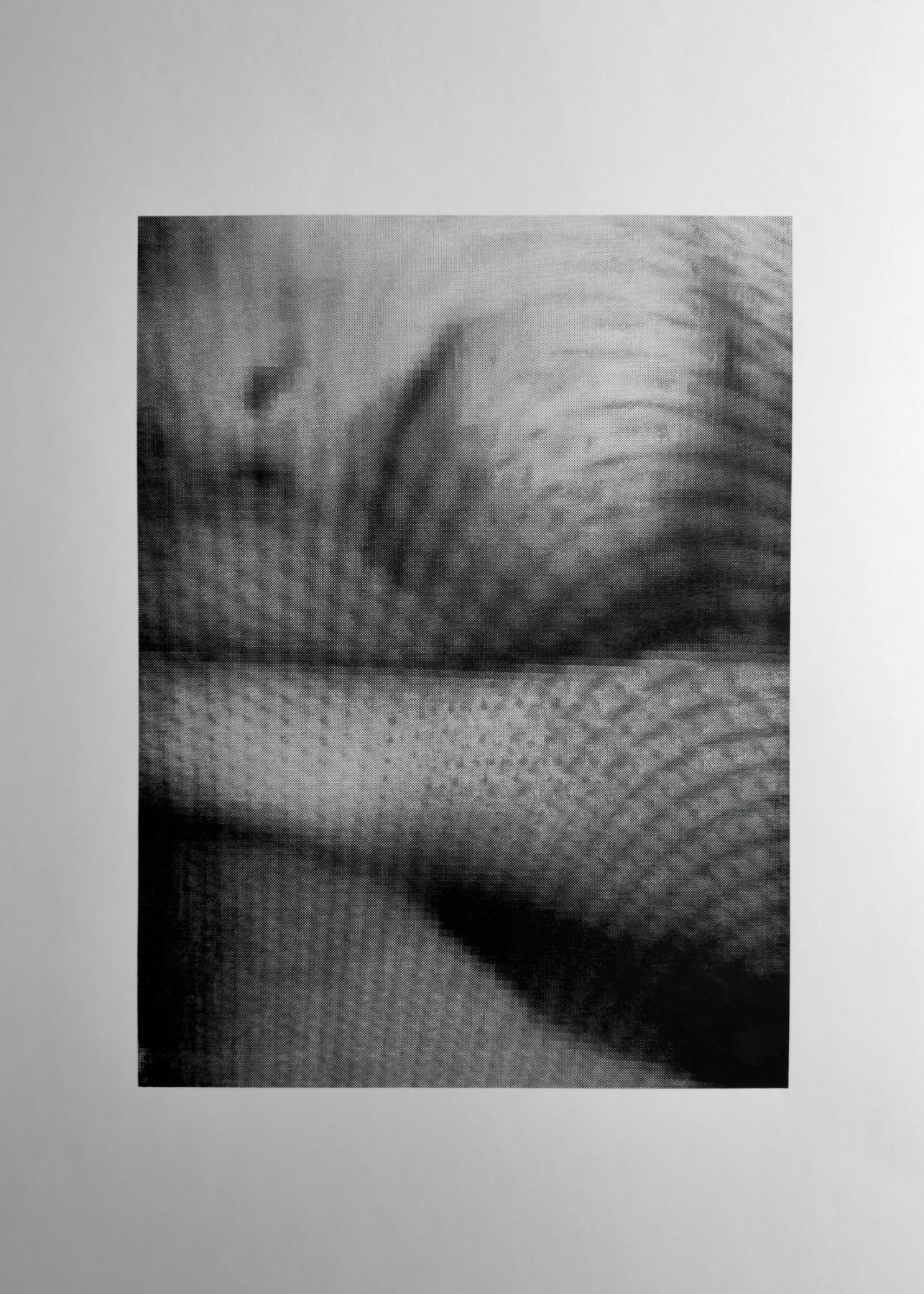
The fair places a particular emphasis on work emerging from the region. What aspects of the Baltic and wider Eastern European photographic scene do you find especially compelling at the moment?
I think there is a growing confidence in the region around claiming our own histories, identities and visual languages, rather than trying to fit ourselves into a Western canon or measure our work against Western narratives. There is a sense of: we are here, these are our histories, and this is the work that is relevant to us. The region has its own complexities, histories and cultural references, and artists are increasingly treating this as material in their own right. I don’t mean that the Western canon needs to be rejected, but it also doesn’t need to be the framework through which everything is validated. We are part of the canon. We are producing it.
Agate Tūna. “From Series Familiar IV”. 2026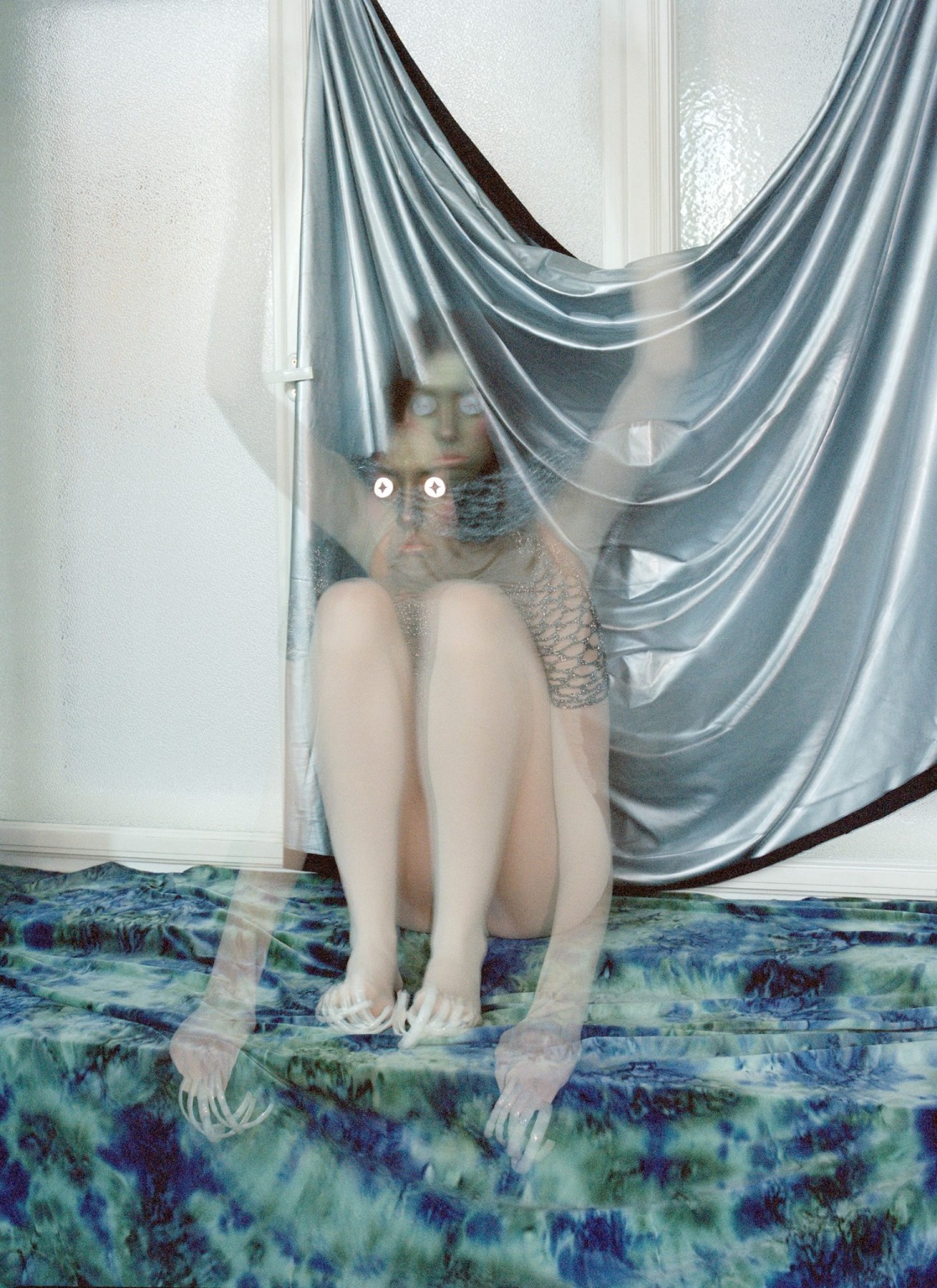
How do you balance artistic experimentation with the realities of an art fair, where works also need to communicate with collectors and the market?
I think our collectors are smart enough to trust artists, and to trust the artistic direction of the fair. The selection is made by a group of experts, including Anna Tellgren, Margot Samel, Jeppe Ugelvig and myself, so there is a strong curatorial filter behind what we present. If collectors don’t know the artists yet, I hope that trust in the selection gives them a reason to engage with the work.
Collectors are curious, intelligent and whimsical people. My obligation is to show them the most relevant and interesting contemporary photography from the region, not to anticipate what I think they might want to buy.
If the market is looking for compromise, they can go to the mall.
Sarah Stone. Glasses on Pink Velvet. 2023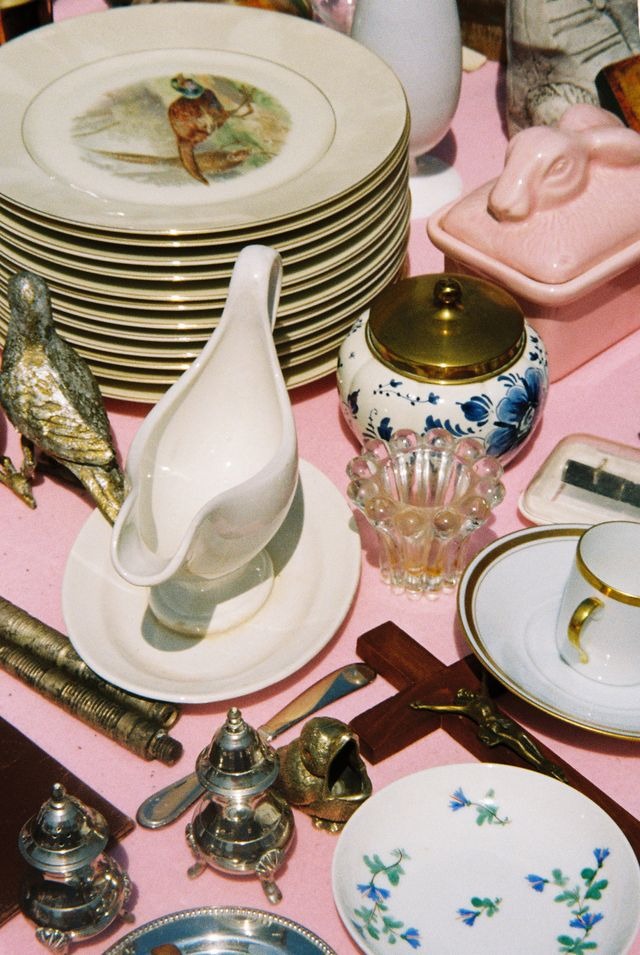
What do you think collectors should be paying more attention to when looking at contemporary photographic art today - beyond the image itself?
I think collectors should pay attention to their own instincts. What catches your attention? What feels meaningful or relevant to you? What do you keep returning to? Art collecting is a very personal act, and over time you are essentially building your own universe of images, narratives and references. There is no need to buy something simply because it has been validated by the market or because you think you should like it.
Of course, an artist’s CV, the context of the work and the advice from a gallerist whose judgment you trust can all be useful. But ultimately, I would put more weight on the relationship you have with the work. If you can imagine wanting to look at it again and again, that is probably a good place to start.
Kincső Bede. Three Colours I Know in This World. 2020.TOBE Gallery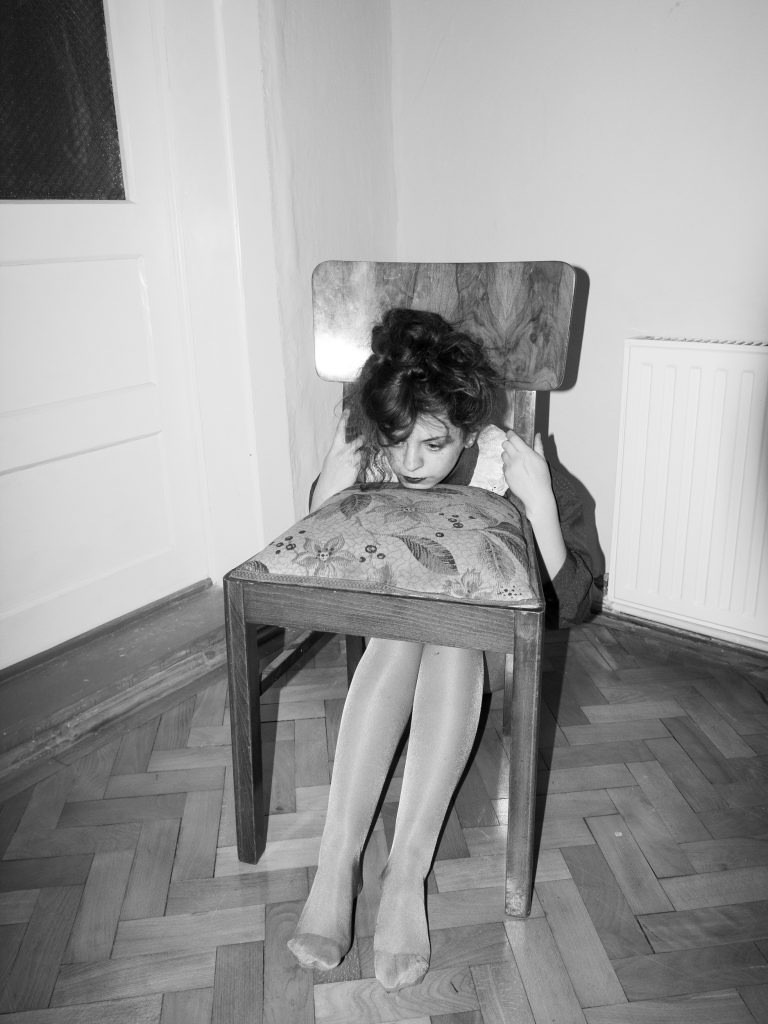
You have worked across galleries, art advisory, and independent curating. How have these different perspectives shaped the way you approach Foto Tallinn - and do you find yourself thinking more like a curator, a gallerist, or an advisor when making decisions for the fair?
I think those different perspectives are extremely useful in my role as artistic director of the fair. During the selection process, I am very much thinking like a curator, looking at the quality and relevance of the work and at how the individual artists contribute to the overall picture.
But when it comes to the wider strategy of the fair: its Baltic-Nordic focus, the VIP and public programmes, and the experience we create around the fair, I also think very much like a gallerist and an advisor. I understand what participating galleries and artists need from a fair in order for it to be valuable and successful for them.
Ultimately, it is not about me or my personal ambitions. My role is to serve the galleries and artists who participate, as well as the collectors and audiences who invest their time, expertise and money in coming to the fair. I see the artistic direction as a responsibility to all of them.
