Water Is the Honey of the Spring
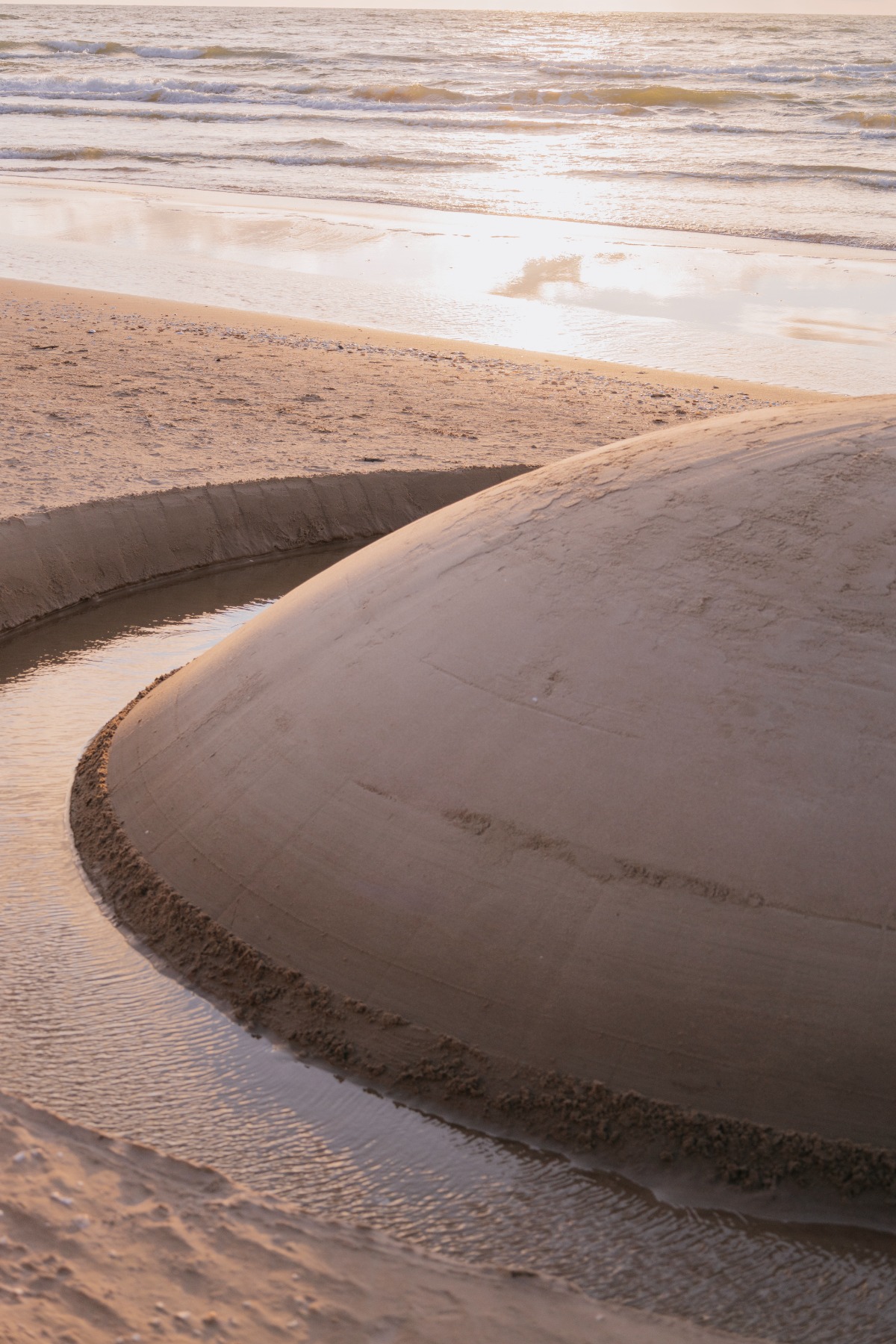
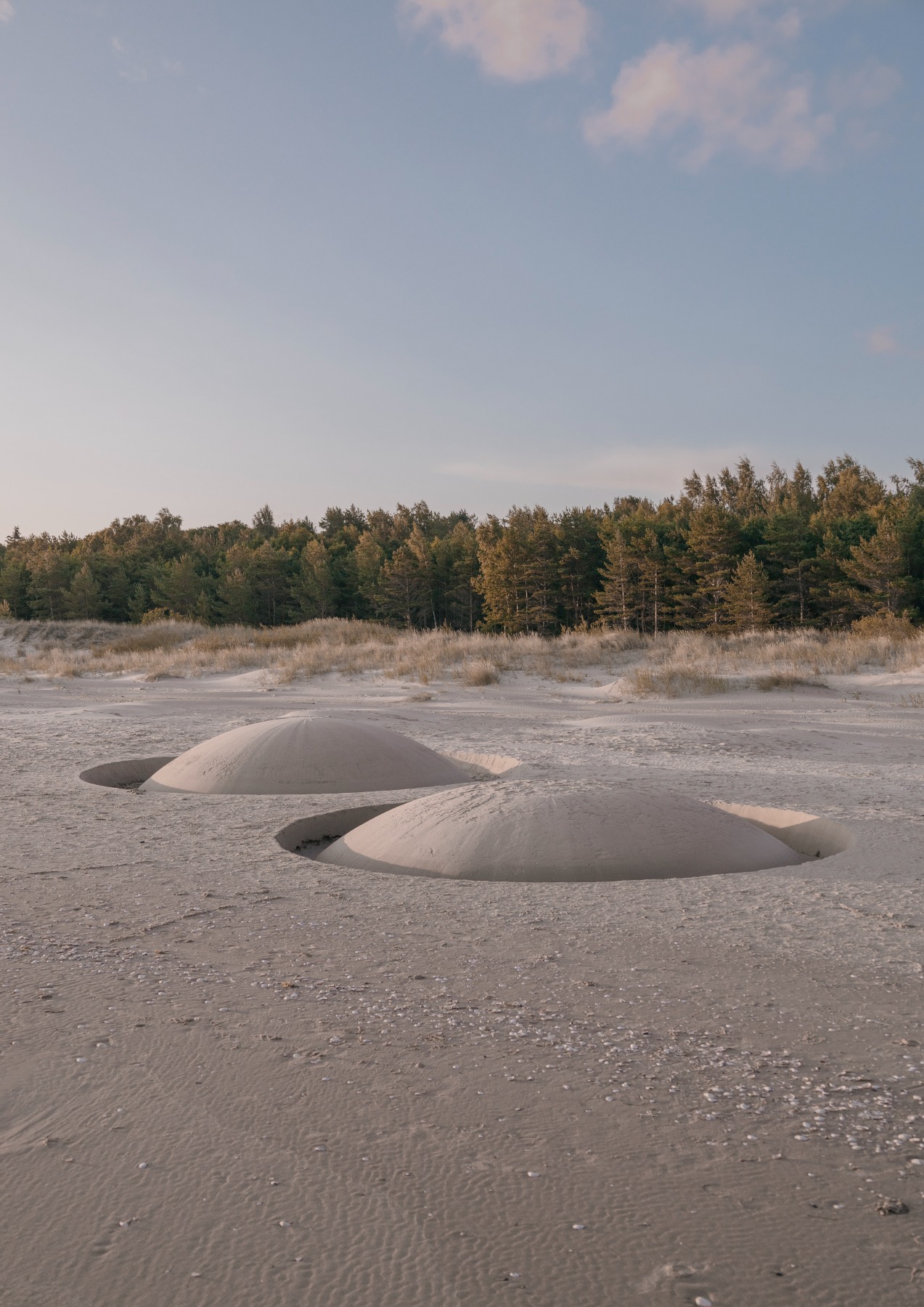
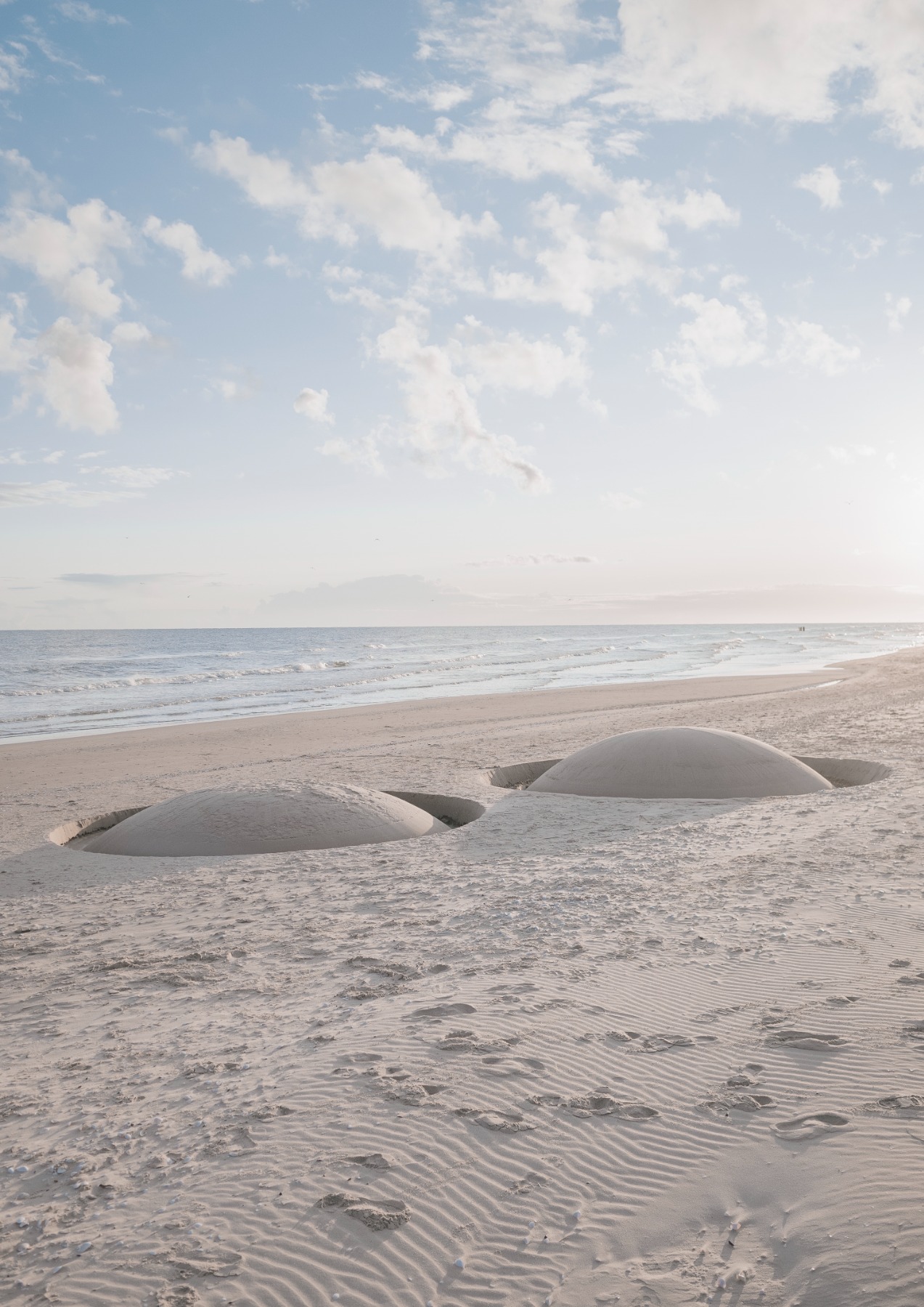
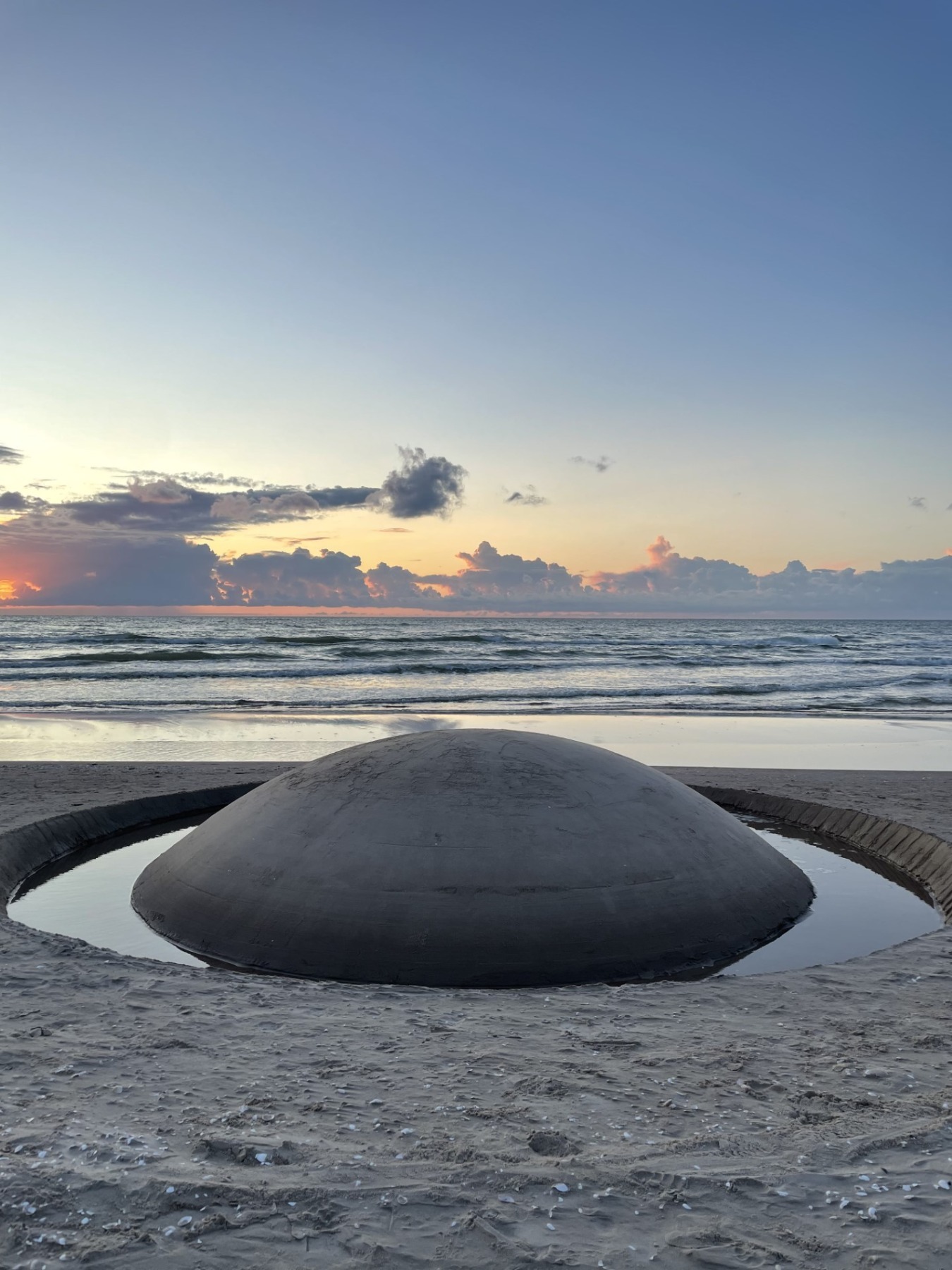
As part of the Arterritory.com energART nomadic gallery project Water Is the Honey of the Spring, artist Dainis Pundurs has created a large-scale site-specific object – a sand sculpture titled Sunset
The site-specific object Sunset is artist Dainis Pundurs’ return, after a 28-year hiatus, to the seashore of Mazirbe, a fishing village on the Baltic Sea. He first created procedural objects from wet sand in 1995.
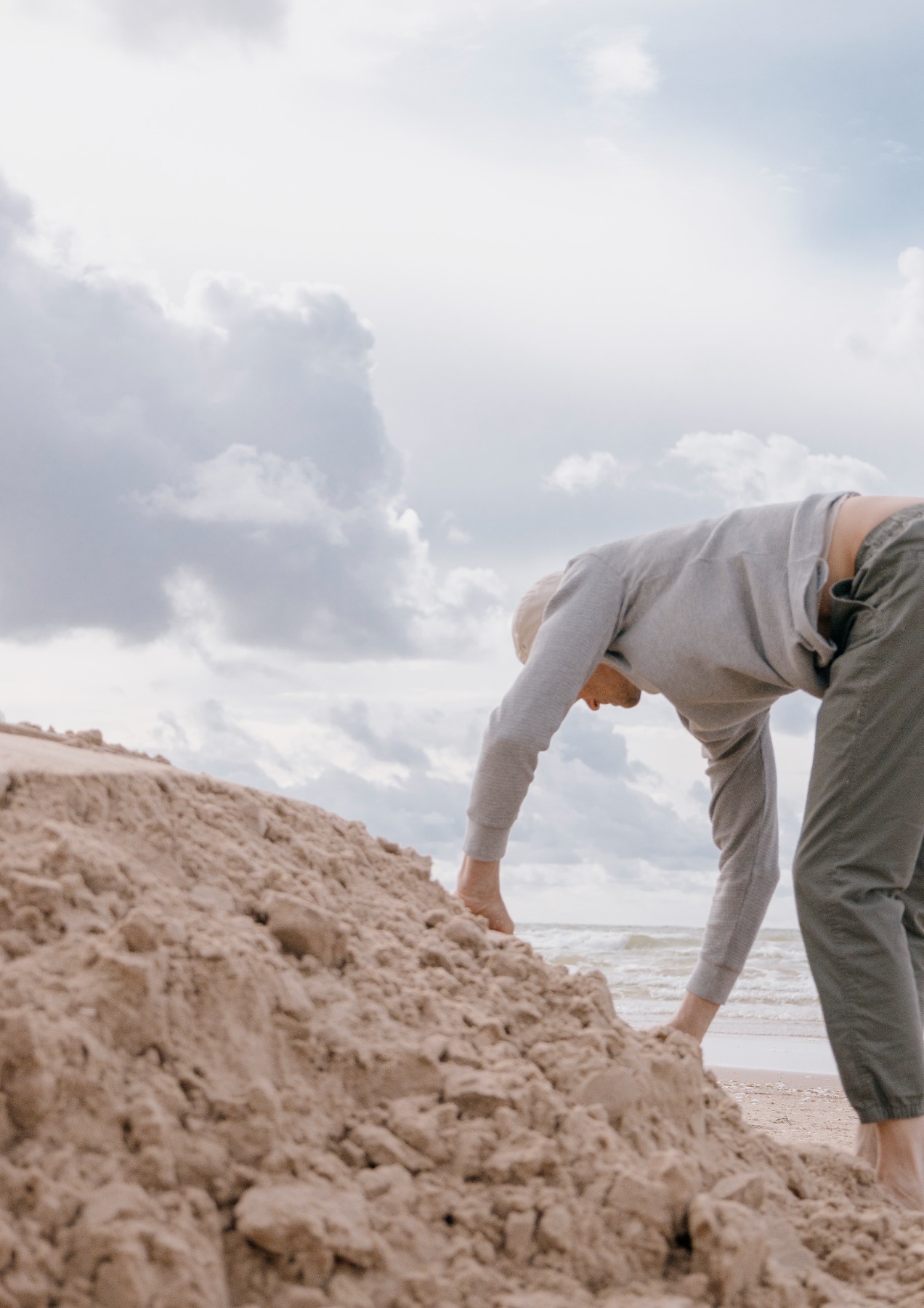
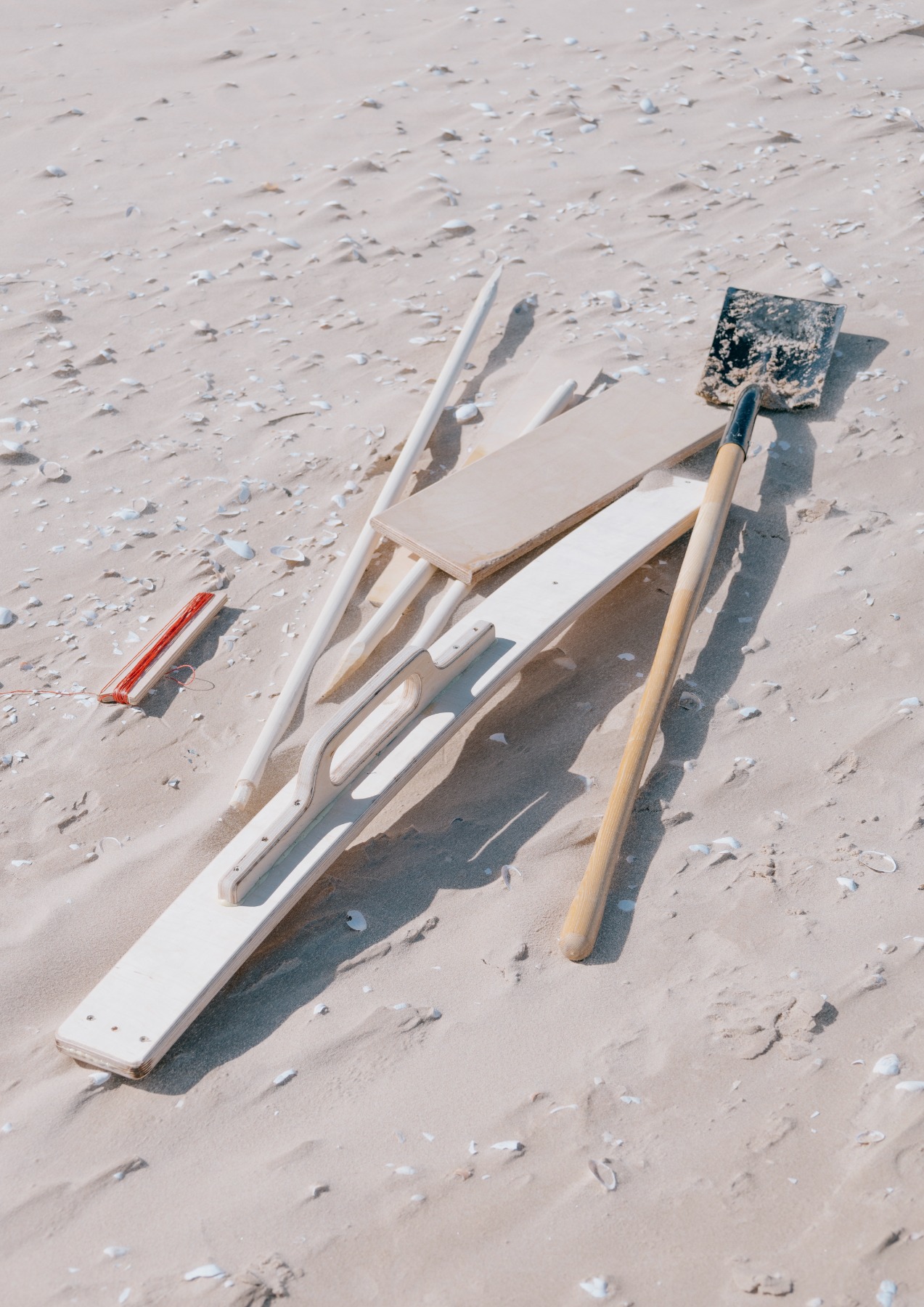
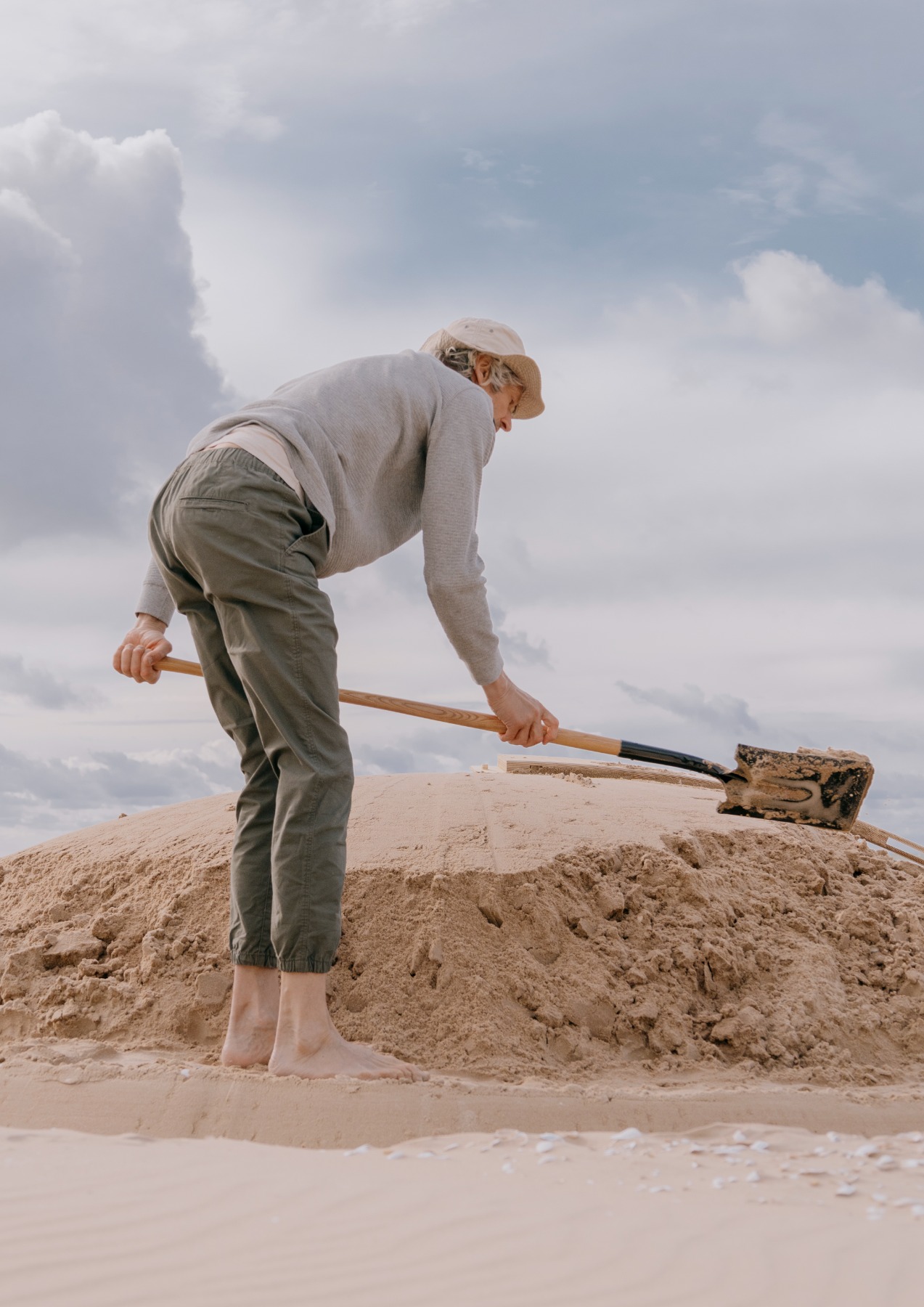
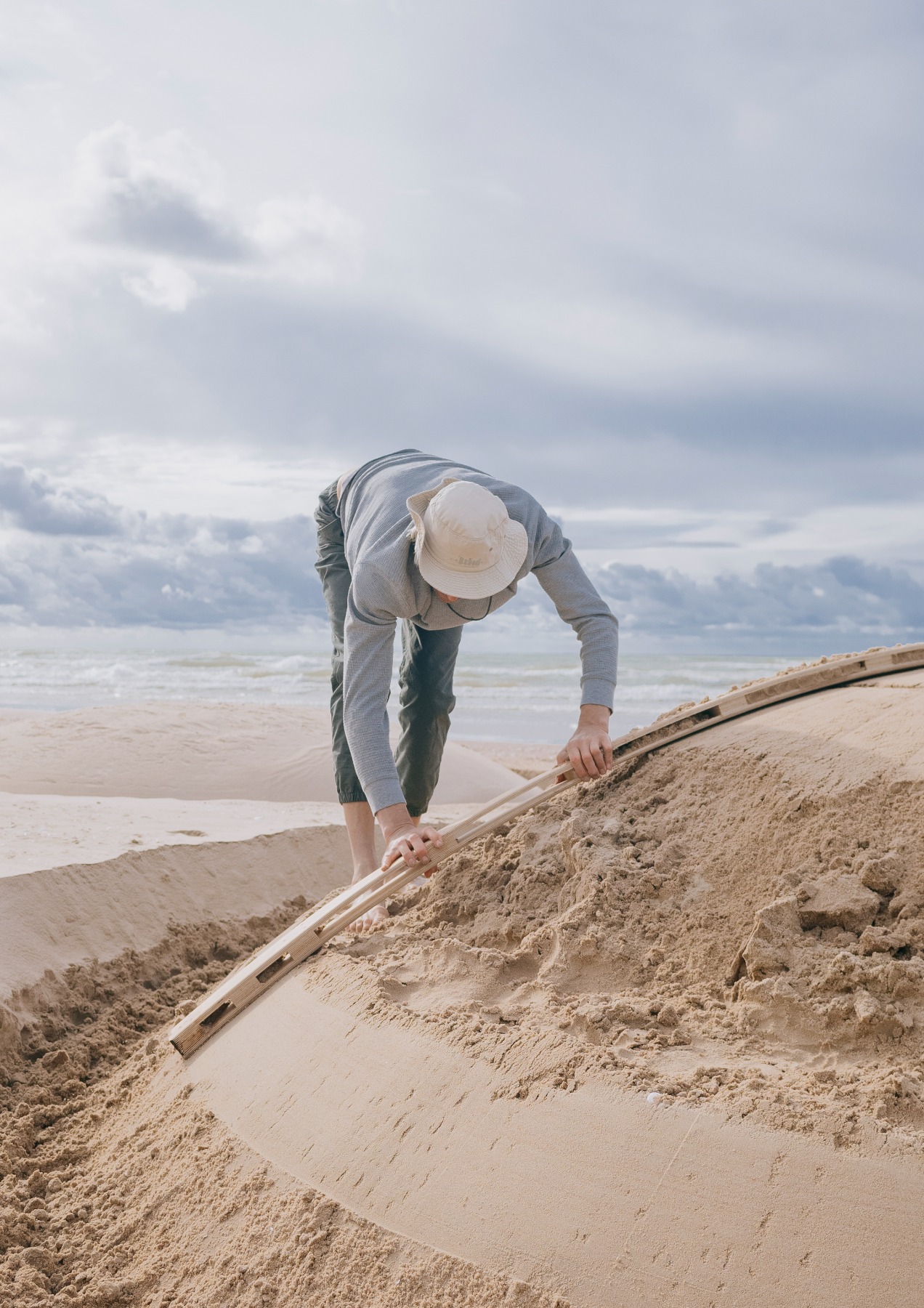
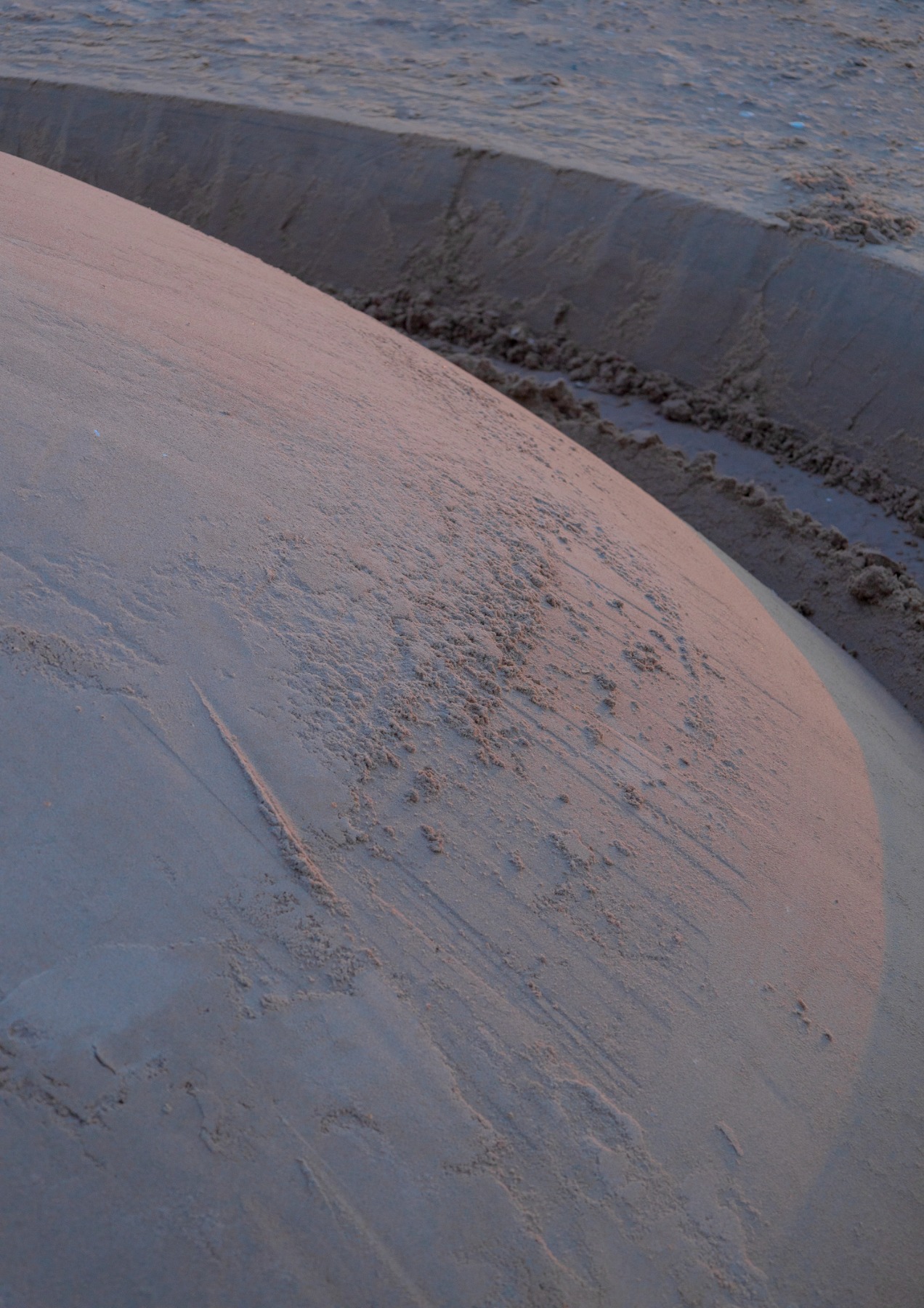
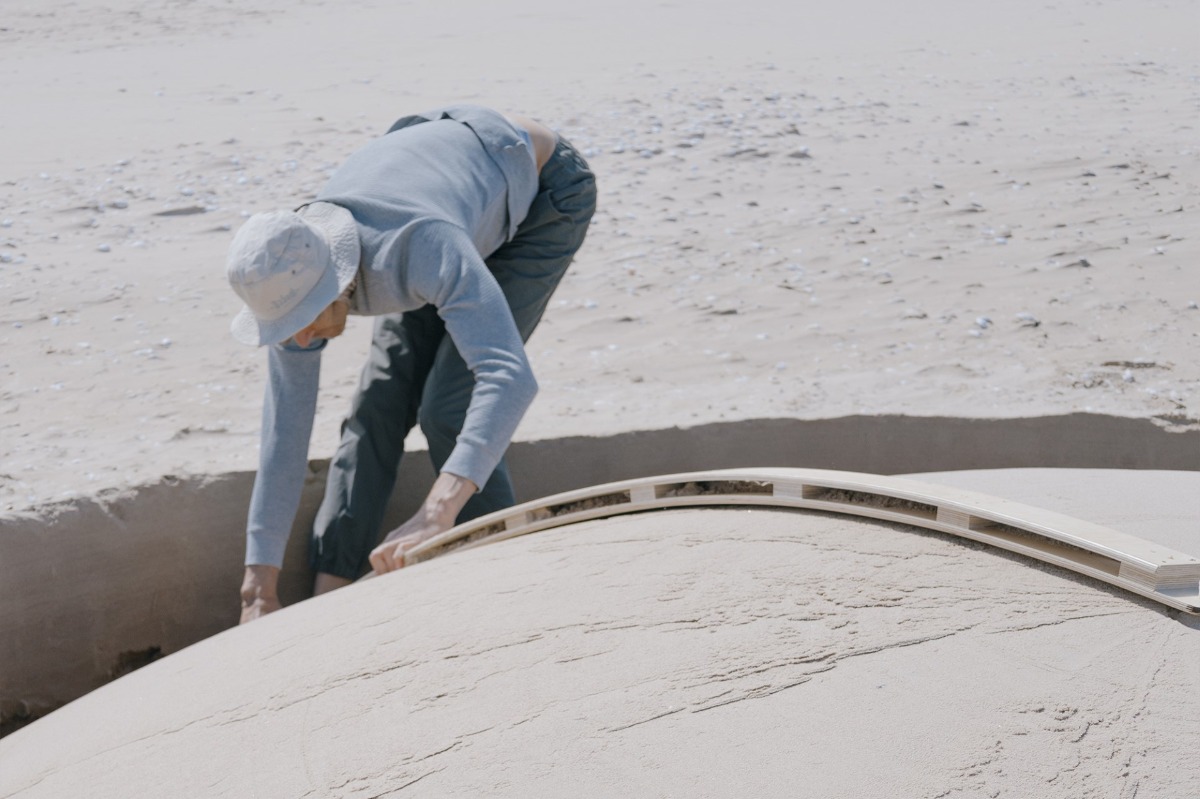
On July 19 Dainis began his work at sunrise, merging with the sea, wind and sand – his tools and co-creators. On the morning of July 21, three spherical objects had been created on the beach, at times their surfaces resembling a Martian landscape; the wind was their co-creator. The sand spins and twists, and in a few minutes, any superfluous lines or traces have vanished. This pleases Dainis, because the Wind Mother is a virtuoso at creating texture. Humans can only watch, observe, take notes, and attempt to reproduce her work. But while he is doing that, she is already one step ahead again. So they play off of each other and commune while looking and listening to one another.
As Dainis himself admits, he is not actually creating anything new – it all already exists, he's just rearranging the sand. He makes the existing visible. The greatest challenge is to not err in the size of each object because each sphere is made only from the sand found in that particular place. He spends most of the day digging and admits that there is something timeless about the process. Once, not far from his studio in Mangaļsala, he watched a dachshund digging all day – zigzagging among its burrows so that only the tip of its tail was sticking out. The animal was completely absorbed in his work and forgot everything else. Dainis believes there is something primal about digging. It’s a basic element of sorts, both physical and mental – meditation, cognition, purification, disappearance, fusion.
Dainis Pundurs’ Sunset is as vanishing as the moment when the sun slips behind the horizon. It is impossible to predict in advance what the gloaming will be like and for how long it will last in the sea and sky. The surface of the spheres is only the visible part. Every now and then their patina reveals marks, sand patterns, and surfaces polished to near perfection. This all changes by the moment, a clear reminder that there is only “the here and now”. The viewer who experiences this notices and creates through the act of observing.
Some of the moments in the making of Sunset have been captured in photographs by artist and architect Pauls Rietums.
...If you happen to find yourself this summer in the area where the Mazirbe River meets the sea, the imprint of the objects created by Dainis Punduris is (and will be) still there; nature continues what she started, intricately arranging the grains of sand and constantly changing the relief of the landscape in synchrony with the form created/seen by Dainis.
Photos: Pauls Rietums