In Praise of the Unknown Gallerist
The ArtVilnius’26 art fair took place in the Lithuanian capital from 1 to 4 October, bringing together 70 galleries and art institutions and around 300 artists from 20 countries
Taking part in an art fair is always a gamble for a gallery: whom to show and how – to present a more eclectic, varied selection that offers “something for everyone,” or to focus on a single artist or one distinctive concept. This year, I had the opportunity to observe how TUR, a Riga-based art space, was preparing to present works by Andris Kaļiņins at ArtVilnius. Just a couple of weeks earlier, Andris had won the Young Painters Prize 2026 in Tallinn for his Prussian Blue series. Then, just days before heading to Vilnius, Andris and his gallerist, Edd Schouten, hosted a small reception in Andris’s new studio, located in a wooden house on Matīsa Street. On view in the studio were works from his latest explorations of colour and history: Prussian Green and Persian Red. Kaļiņins explores the material qualities of paint, often using a specific colour, its name and physical properties as the starting point for a series. Rather than treating paint merely as a tool, he gives it a central role in shaping the work, combining conceptual depth with an openness to broader interpretations. One of Latvia’s major art collectors stopped by that very day and selected three works before they even set off for the Lithuanian capital.
Andris Kaļiņins. Prussian Green No. 7, 2026. Oil on linen canvas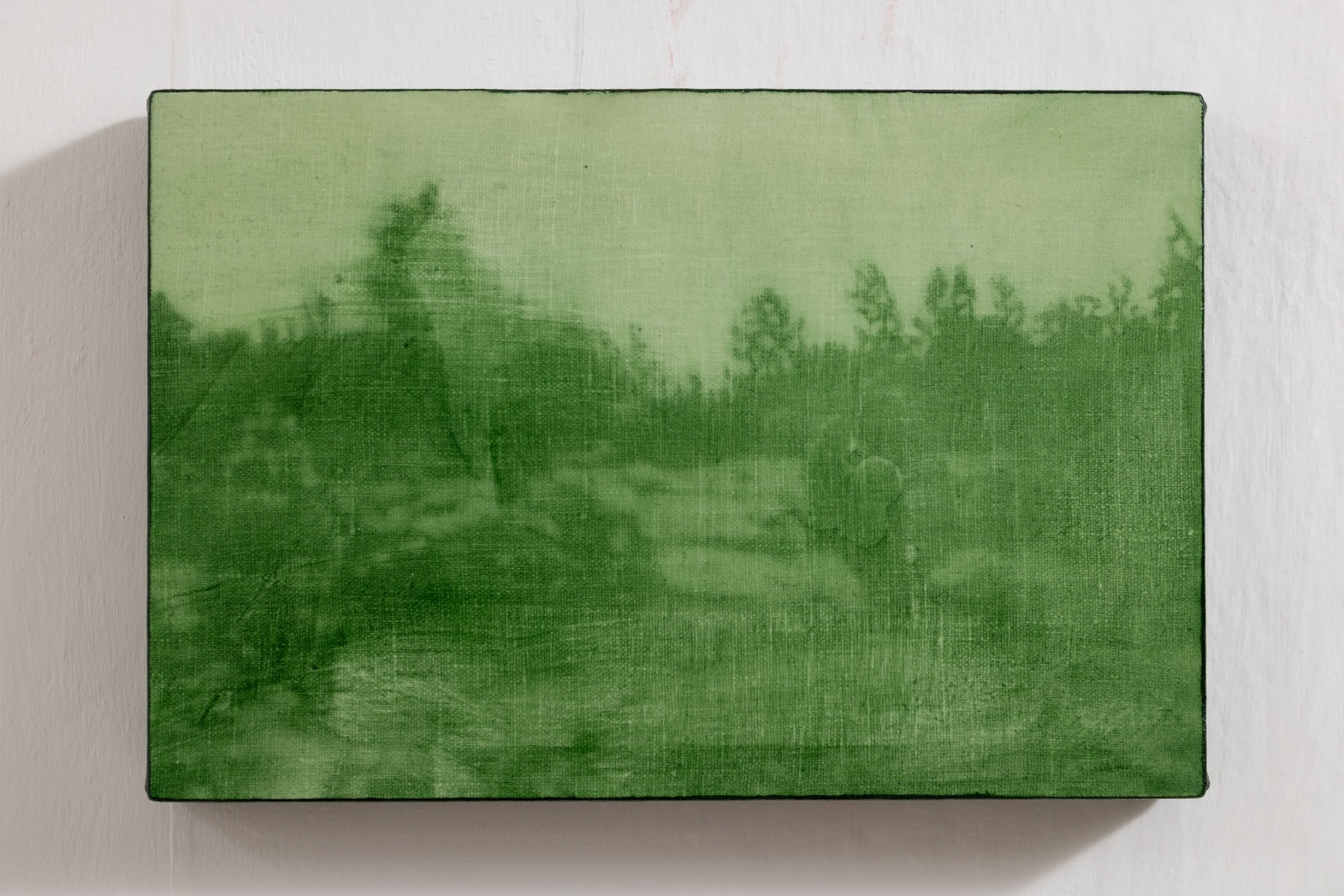
Photo: Andrej Vasilenko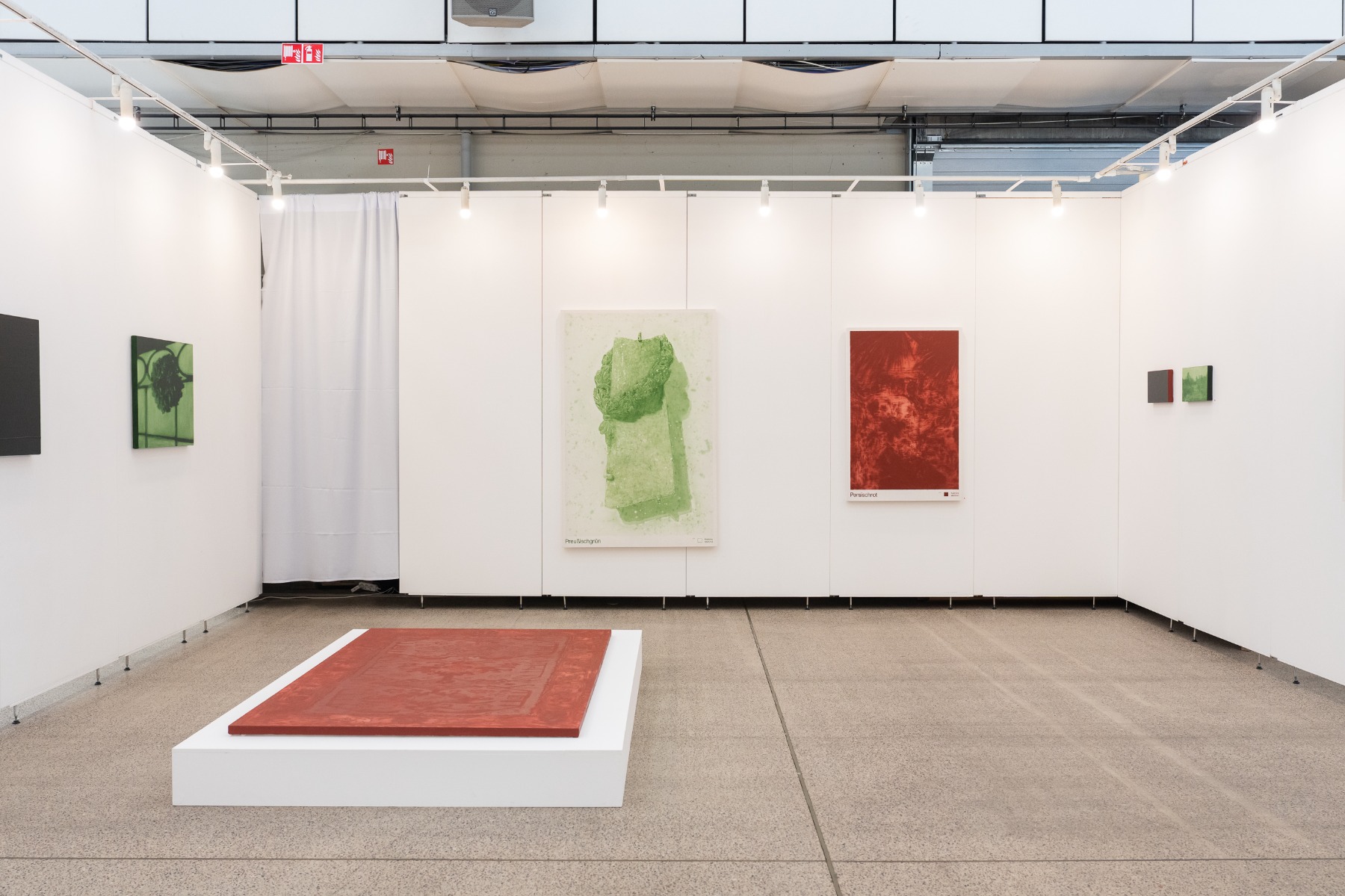
We met again in Vilnius on the opening day of the fair, and by the end of that same day, red dots – the sign that a work has been sold – had appeared beside another four of the 13 works on display. The following day, it was announced that the Riga-based art space TUR had been named one of the fair’s seven best galleries, while Andris Kaliniņš received the Best Young Artist Prize, traditionally awarded by ArtVilnius’ Maecenas, the Cobalt law firm, whose contemporary art collection was featured in a special section of ArtVilnius last year. “Our way of thinking is not driven by the commercial potential of the works or by turning them into commodities – what matters most is presenting the artist themselves. We are showing works by just one artist, whereas most other galleries are presenting several artists in their booths. What we have done here is create a standalone exhibition,” explained Edd Schouten.
Works by Anna Egle became part of THE PATH, an exhibition of sculptures and installations curated by Aliaksei Barysionak. The exhibition led visitors through a forest of poisonous plants, ruins and sacred spaces, abandoned industrial sites, personal archives, and fragments of virtual worlds. Photo: Andrej Vasilenko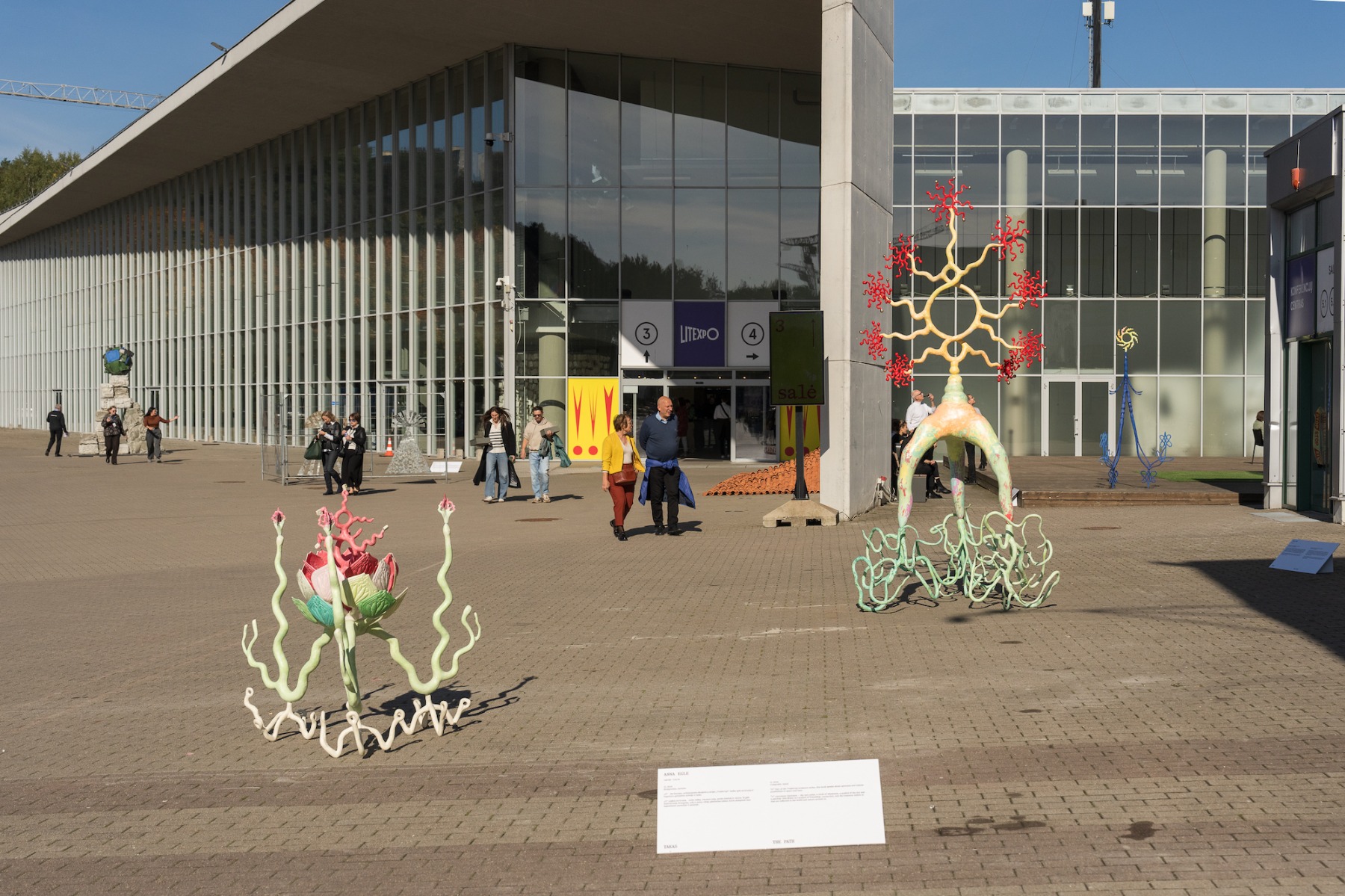
It is worth noting that TUR’s participation was partially supported by Latvia’s State Culture Capital Foundation (VKKF). This is a sensible form of support, making it possible to bring one or more artists from the local art scene to an audience of more than 20,000 people over the course of four days. It allows galleries greater freedom in their choice of artists and works. Riga-based ISSP Gallery, which traditionally showcases artists working at the intersection of photography and other media, was also named among the fair’s seven best presentations. It exhibited works by Rūta Kalmuka, MAREUNROL'S and Armands Andže, bringing them together around the motif of birds, “as a metaphor and a symbol of something else,” as gallerist Iveta Gabaliņa noted.
MAREUNROL'S works were presented by ISSP Gallery. Photo: Augustinas Žukovas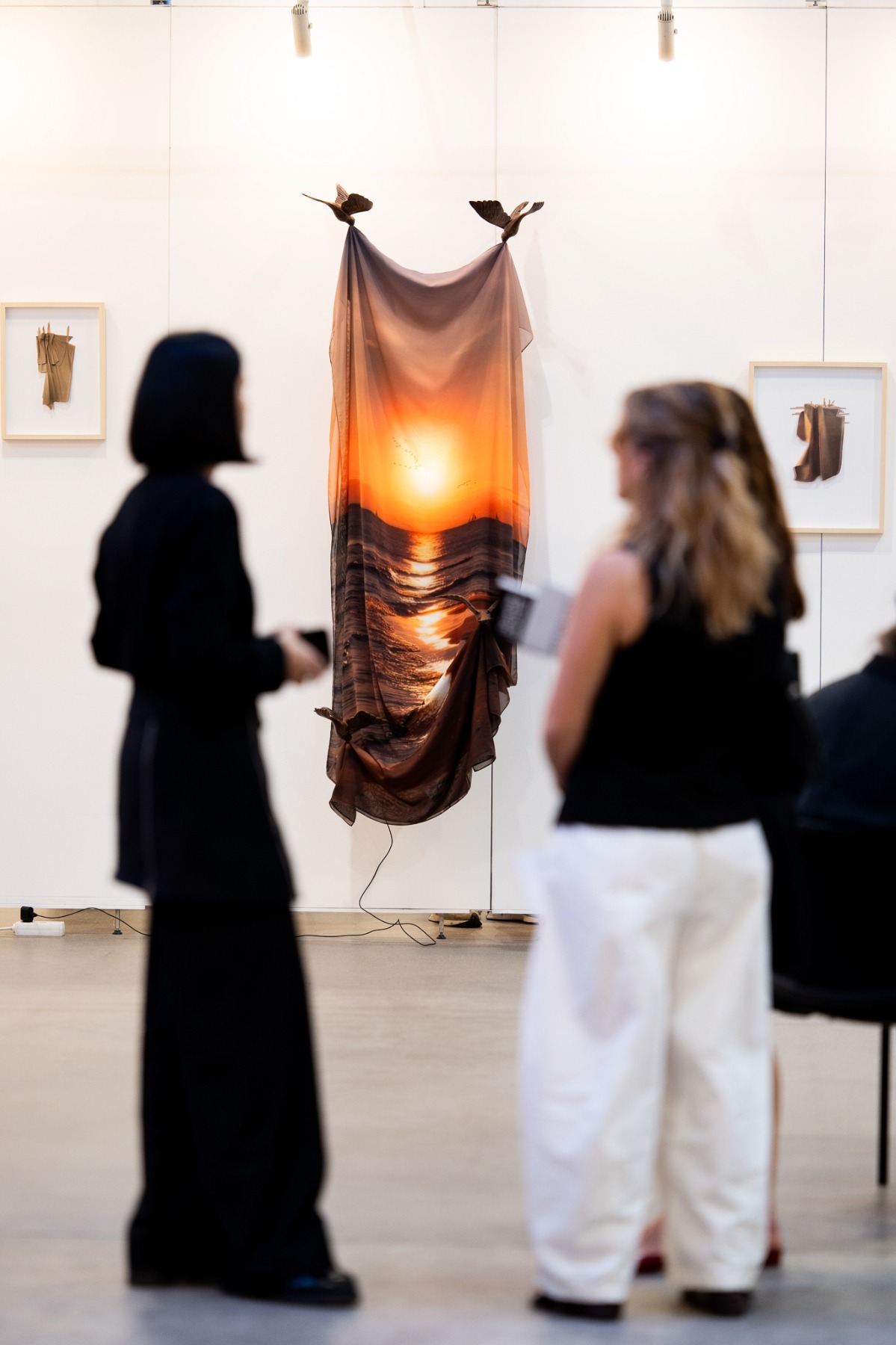
Whenever I run into fellow gallerists at an art fair, I sincerely wish them luck. They are putting their own finances at risk, and taking part is always, to some extent, a step into the unknown. In 2026, five Latvian galleries and art spaces took part in the fair, including Bazar’t, PILOT. Experimental Art Space, and Agijas Sūnas Art Gallery. But works by Latvian artists could be seen beyond their own booths. Kogo Gallery from Tartu presented a work by Sabine Vernere, whom it had also featured the previous year, when she received the Best Young Artist Award. Kogo’s selection also included works by another Latvian artist whose international profile is rapidly growing, Līga Spunde, alongside Estonian artist Anna Mari Liivrand and Polish artist Paweł Matyszewski. It was a pleasure to see such an international mix from this dynamic and successful Tartu-based gallery. Two more Estonian galleries, Tallinn-based Artovert and Okapi, each presented four Estonian artists. Artovert showed works by Pascal Bronner, Saskia Järve, Martin Luts, and Kadri Toom, while Okapi presented Gleb Divov, Heleliis Hõim, Maret Sarapu, and Liis Tedre.
Liis Tedre, In Itself l. Mixed media. 2025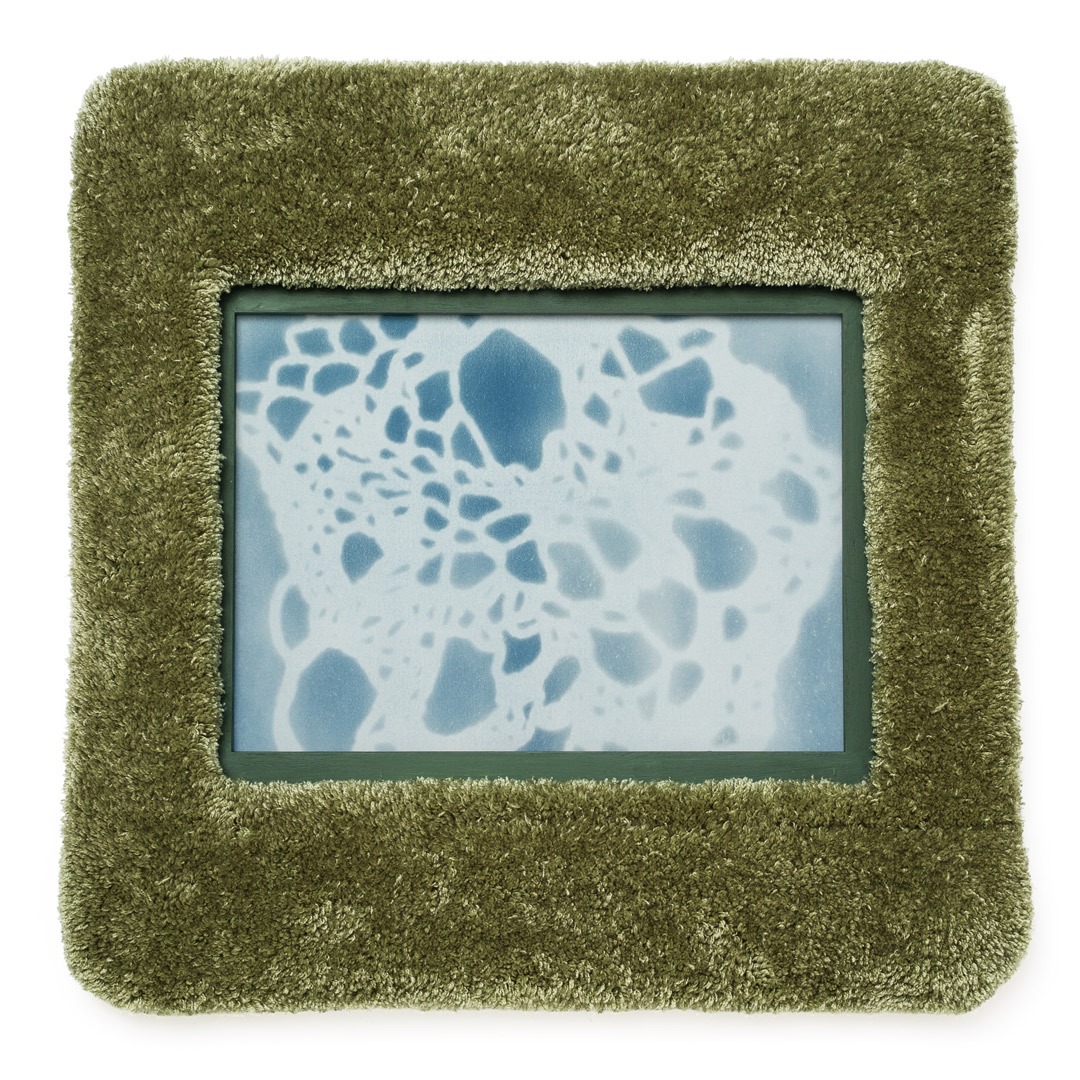
Okapi gallery’s stand featured works by Gleb Divov, Heleliis Hõim, Maret Sarapu, and Liis Tedre. Photo: Augustinas Žukovas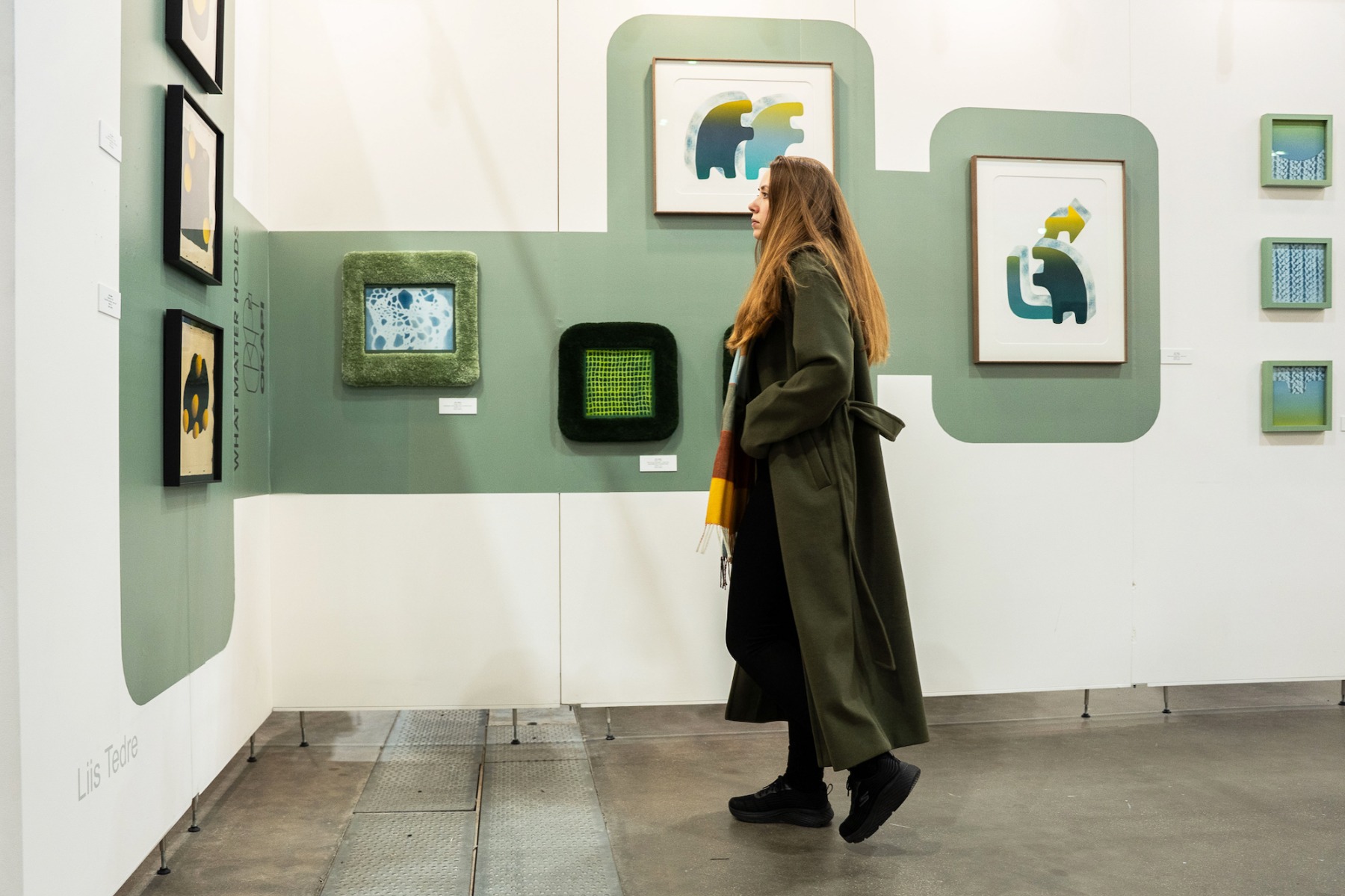
Among Lithuanian artists, the international jury – which included Latvian collector Vita Liberte (VV Foundation) and was chaired by Adomas Narkevičius, an art historian and curator, as well as the founder and director of the Upė Foundation in London – singled out Laura Selmistraitytė, awarding her the title of Best Artist at ArtVilnius’26 “in recognition of her exceptional blend of refined woodcarving techniques and the radiant beauty of everyday life.” Laura’s work was presented by The Passenger gallery. The award for Best Sculpture went to Vytautas Viržbickas, presented by Drifts gallery, “for its precise depiction of an open heart and masterful capture of the pulse of our times.”
Jolanta Kyzikaitė, Tylusis maskaradas. Acrylic, canvas, 2026. Presented by Meno Niša Gallery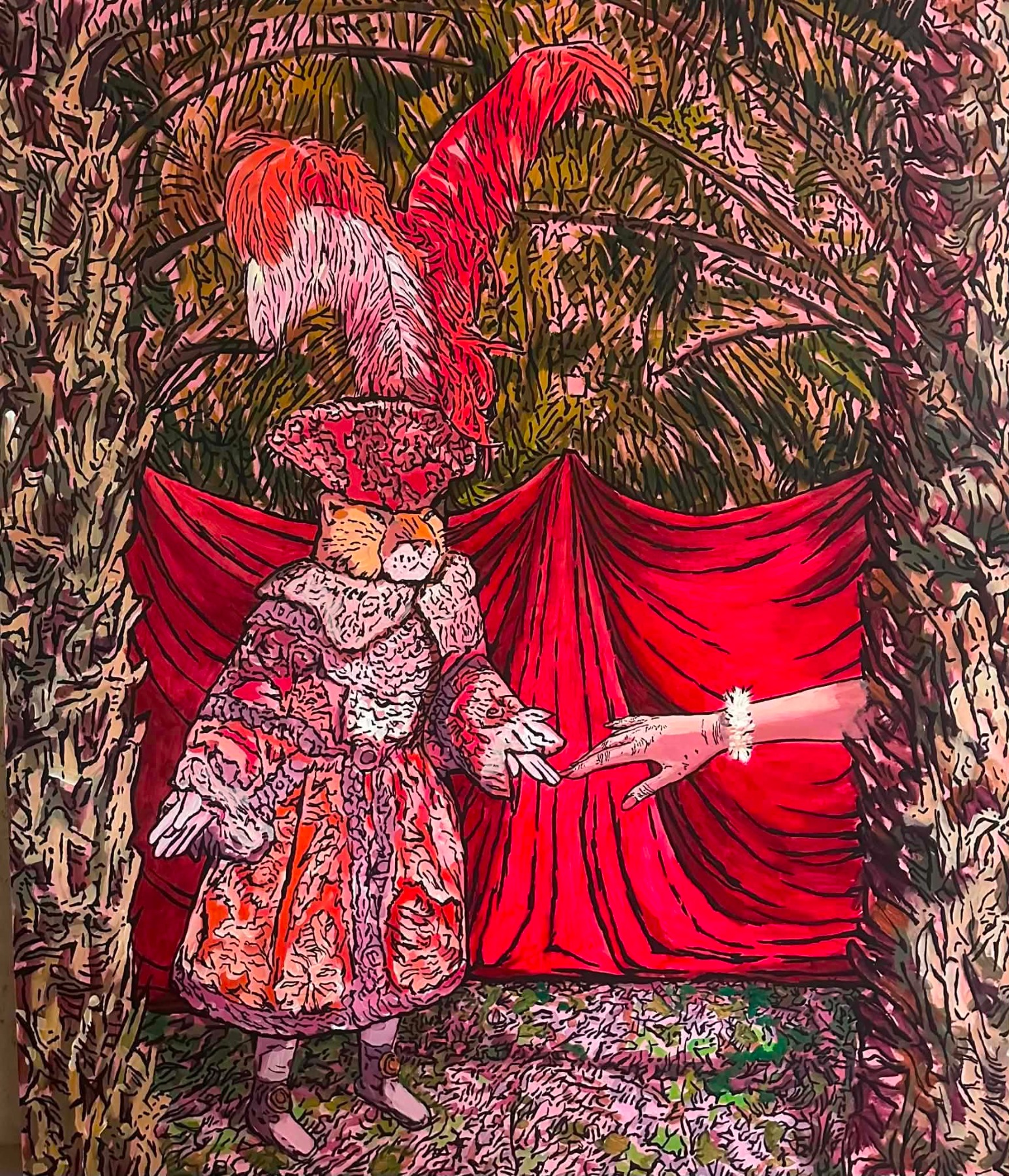
Neringa Vasiliauskaitė, Bring me Luck. Mixed media. Polyester wadding, printed fabric, epoxy resin, mouth-blown glass, wood. 2024. Presented by the Vartai Gallery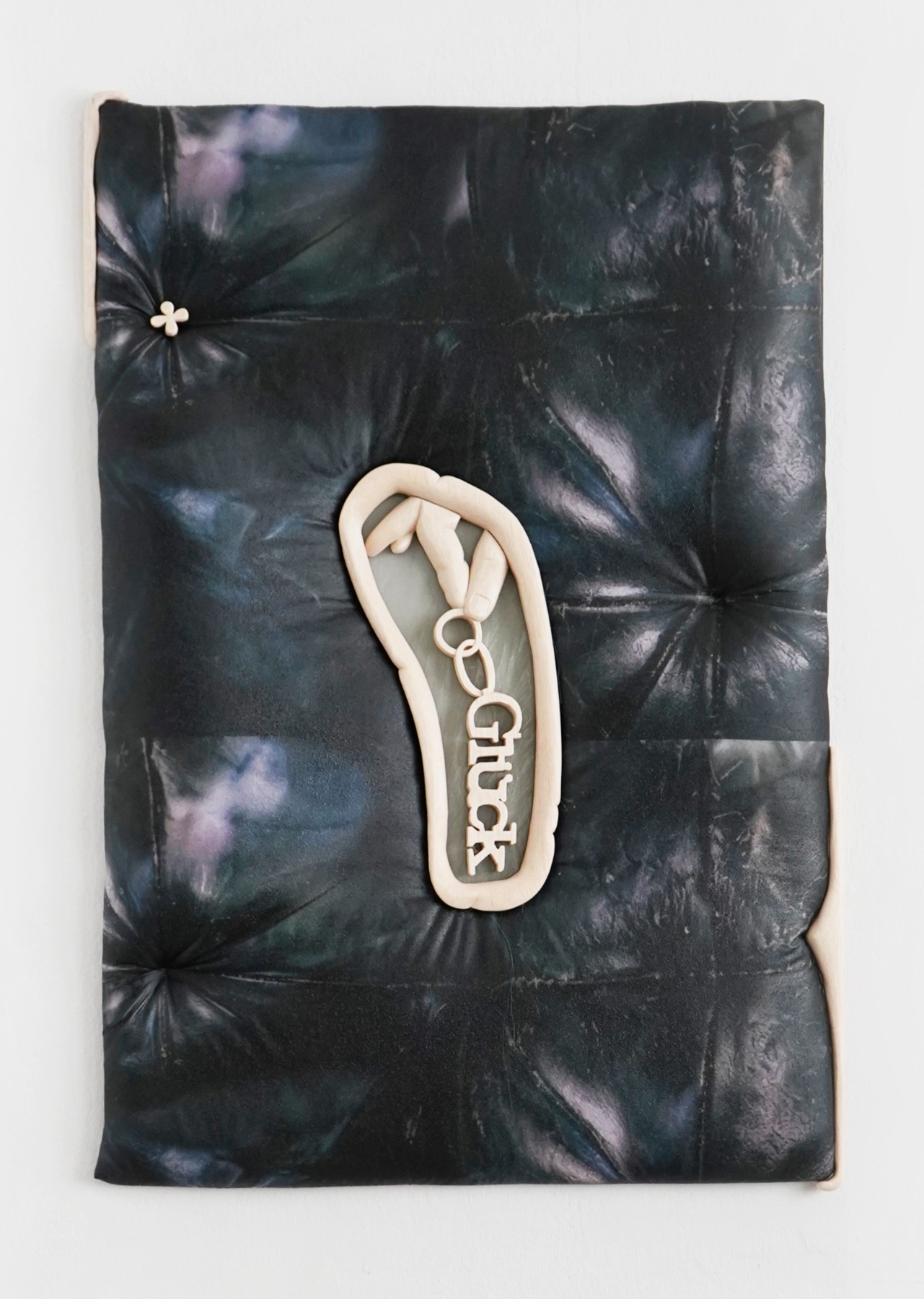
Interestingly, this year marked the first time that Vartai, a long-established gallery on the Lithuanian art scene, took part in the fair. This Vilnius gallery, which is celebrating its 35th anniversary, presented a rich and layered display with a distinctive architectural design of its own. The artists featured were Benas Matijošaitis, Neringa Vasiliauskaitė, SetP, Robertas Narkus, Geistė Marija Kinčinaitytė, and Donata Minderytė. Lithuanian galleries naturally made up the majority of exhibitors, and many brought compelling, thoughtfully curated presentations to the fair. Yet perhaps none dared to take the same risk as TUR, with its bold, concept-driven exhibition.
HOS gallery presented a selection of works by Dina Leonova, Julia Szczerbowska, Marta Jamróg, and Kama Kicińska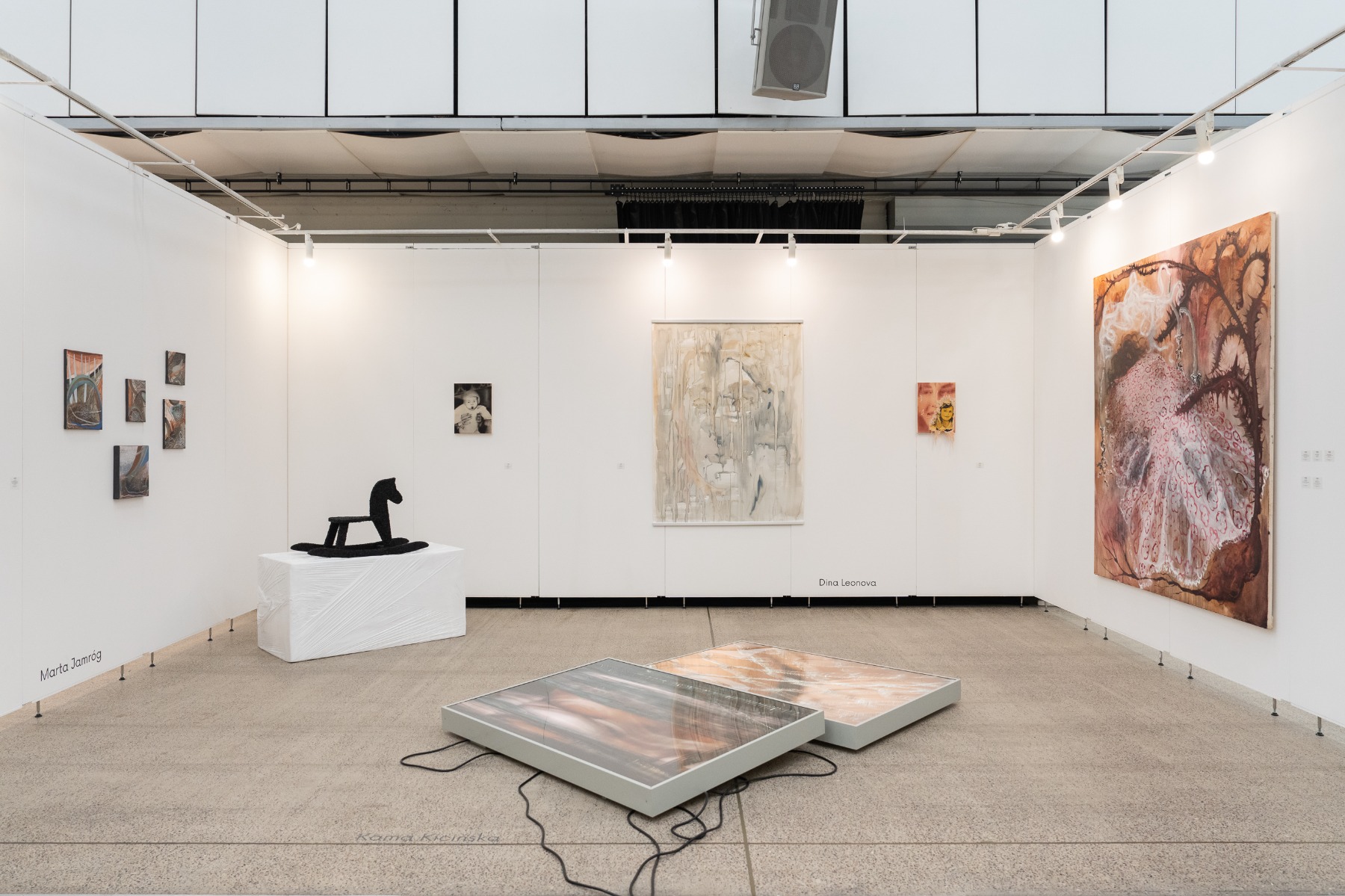
Julia Szczerbowska, Dreams Are of Pain Past. Dreams Are for Ghosts to See Me. Oil on canvas. 2025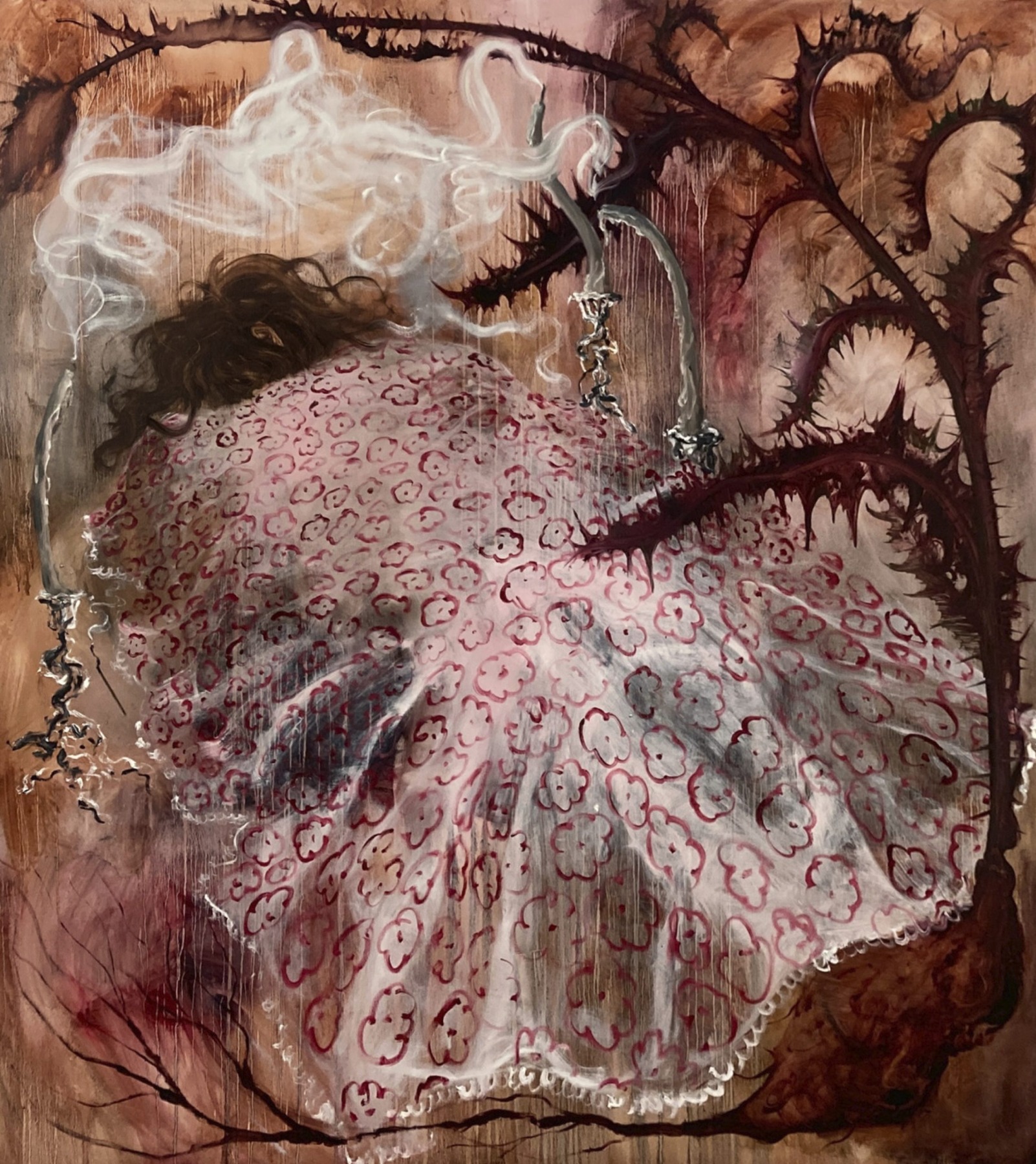
Perhaps the closest parallel, in my view, was Christine König Galerie, which also made its debut at ArtVilnius and received the jury’s award for “Best ArtVilnius’26 Gallery Exhibition”, despite taking a very different approach and presenting a much larger group of artists. It is worth noting that this year’s special theme at ArtVilnius explored the Vilnius–Warsaw–Vienna axis. Among the Polish galleries, LETO returned to Vilnius after a break of almost a decade, while Le Guern also took part again. HOS and Fijewski were among the newcomers and HOS was named one of the fair’s seven best galleries, with a selection of works by Dina Leonova, Julia Szczerbowska, Marta Jamróg, and Kama Kicińska.
Christine König Galerie at ArtVilnius. Photo: Andrej Vasilenko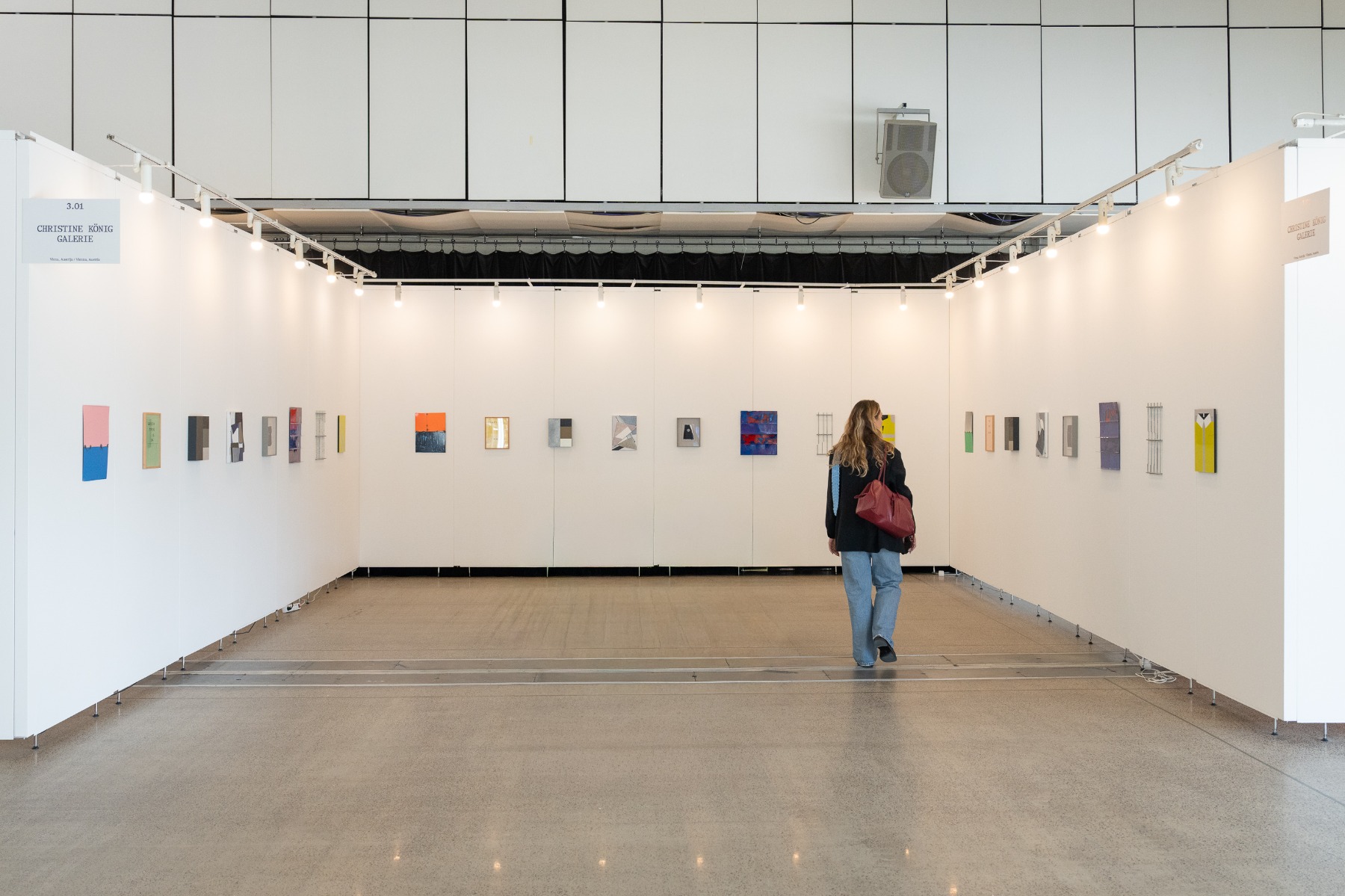
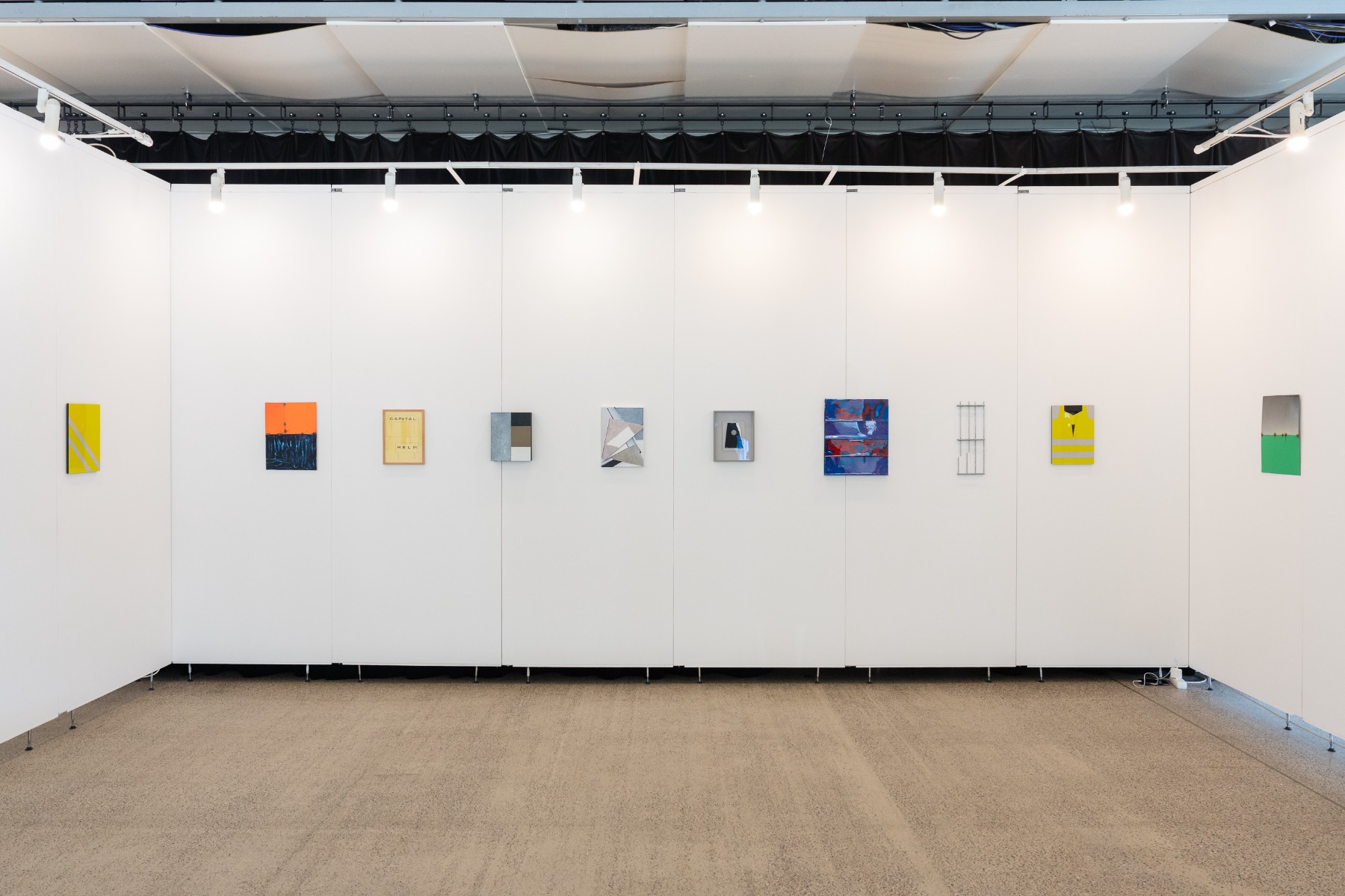
Vienna-based Christine König Galerie has been a fixture at major international art fairs for over 40 years. Its programme focuses on political and activist art, feminism, literature, and post-conceptual practices. For ArtVilnius’26, the gallery developed a special project, <<rewind<<, featuring Austrian artist Erwin Kneihsl, Romanian artist Magda Csutak, German artists Thilo Jenssen and Mathias Weinfurter, Slovenian-Austrian artist Maruša Sagadin, and Polish artists Natalia Załuska and Honza Zamojski. The booth was arranged across three walls, displaying three small works by every artist, all part of larger series.
The award for Best Sculpture went to Vytautas Viržbickas, presented by Drifts gallery. Photo: Andrej Vasilenko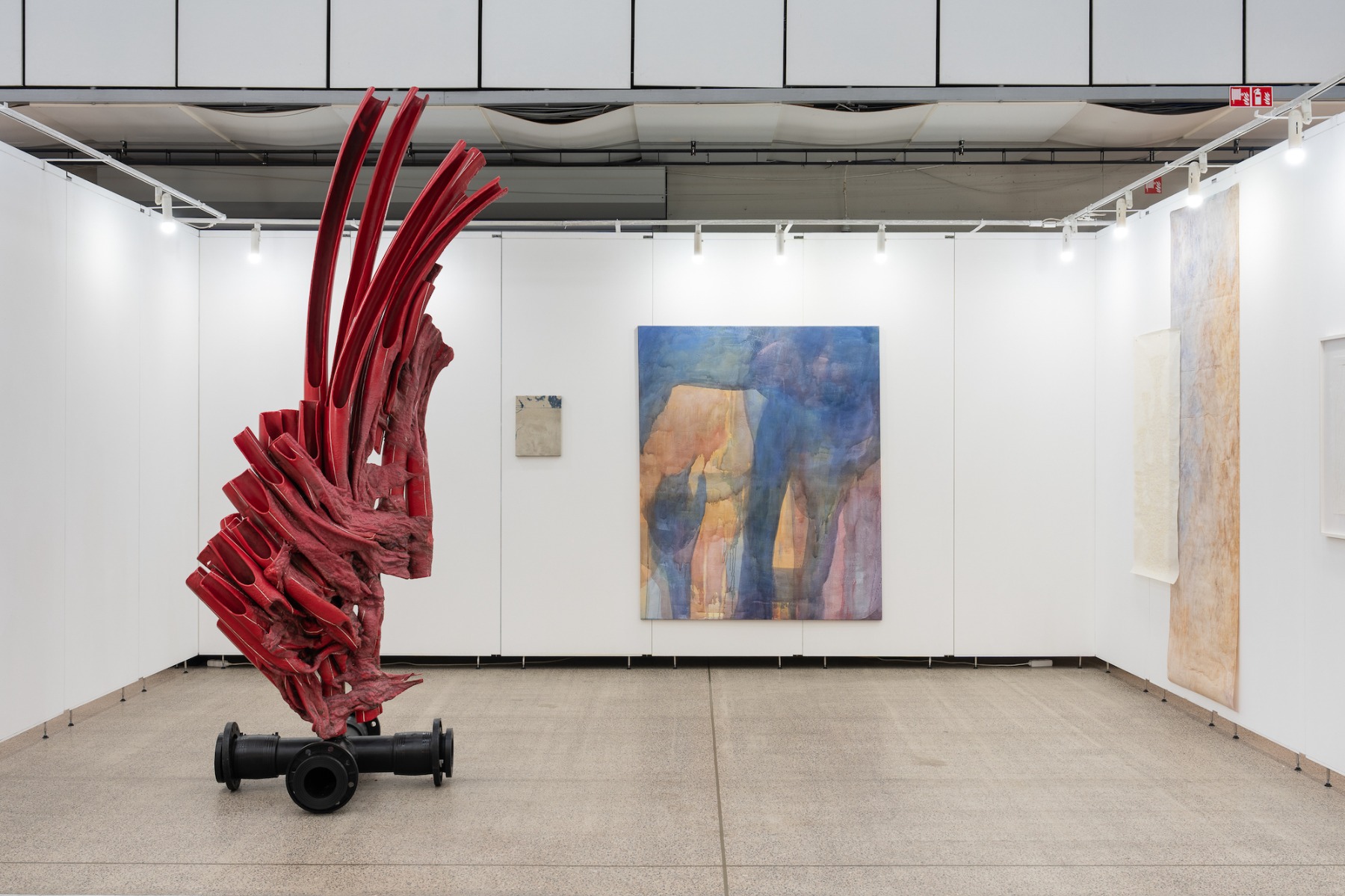
Young Collector’s Stand. Photo: Augustinas Žukovas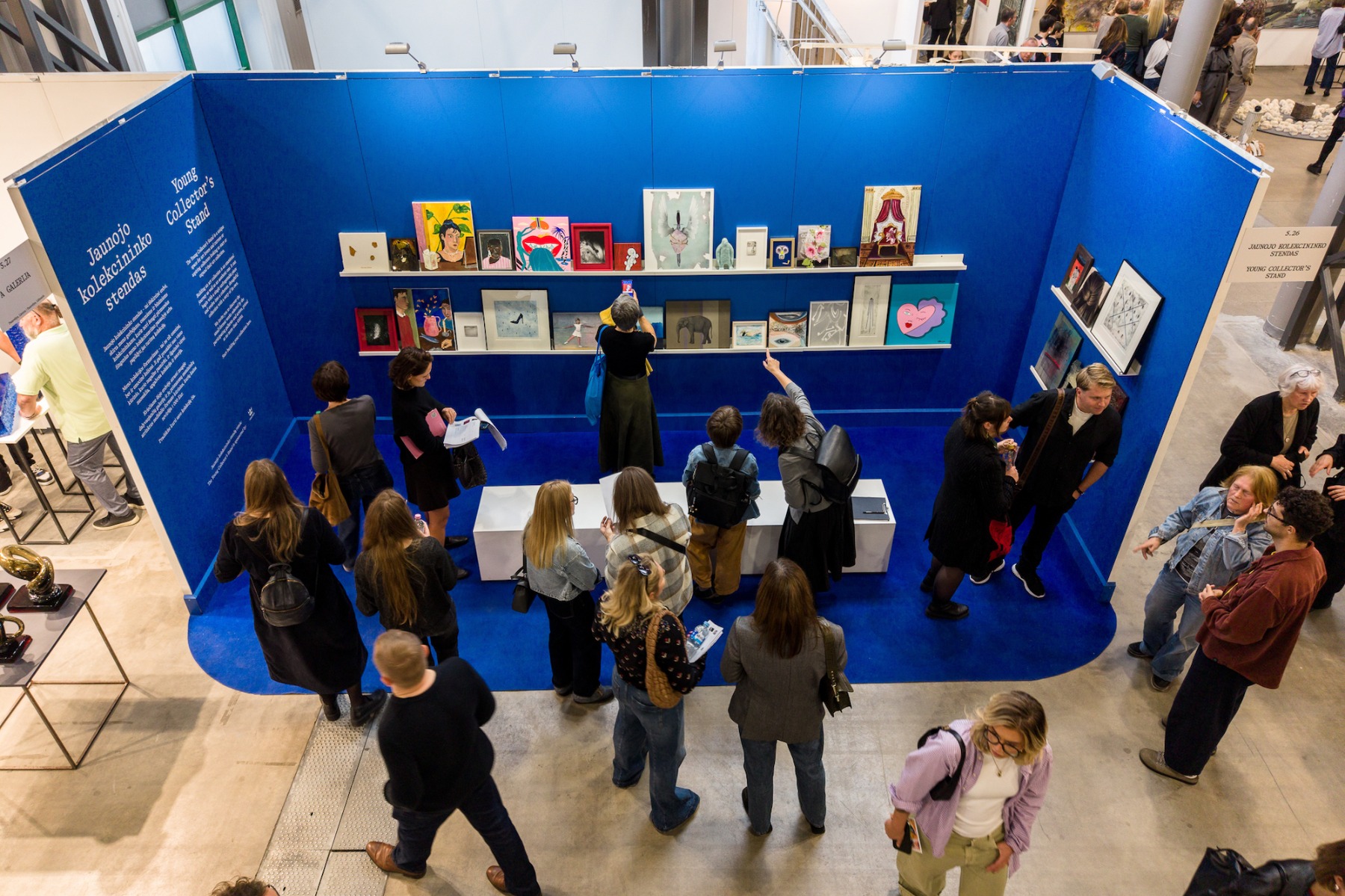
All in all, this was a pretty successful edition of ArtVilnius, once again drawing huge crowds of local visitors. It was also relatively accessible in terms of pricing. The specially curated Young Collector’s Stand returned, offering artworks priced between €325 and €1,000 and helping first-time buyers, art enthusiasts, and new collectors discover and acquire contemporary art. The galleries themselves also presented works across a wide range of price points.
Photo: Augustinas Žukovas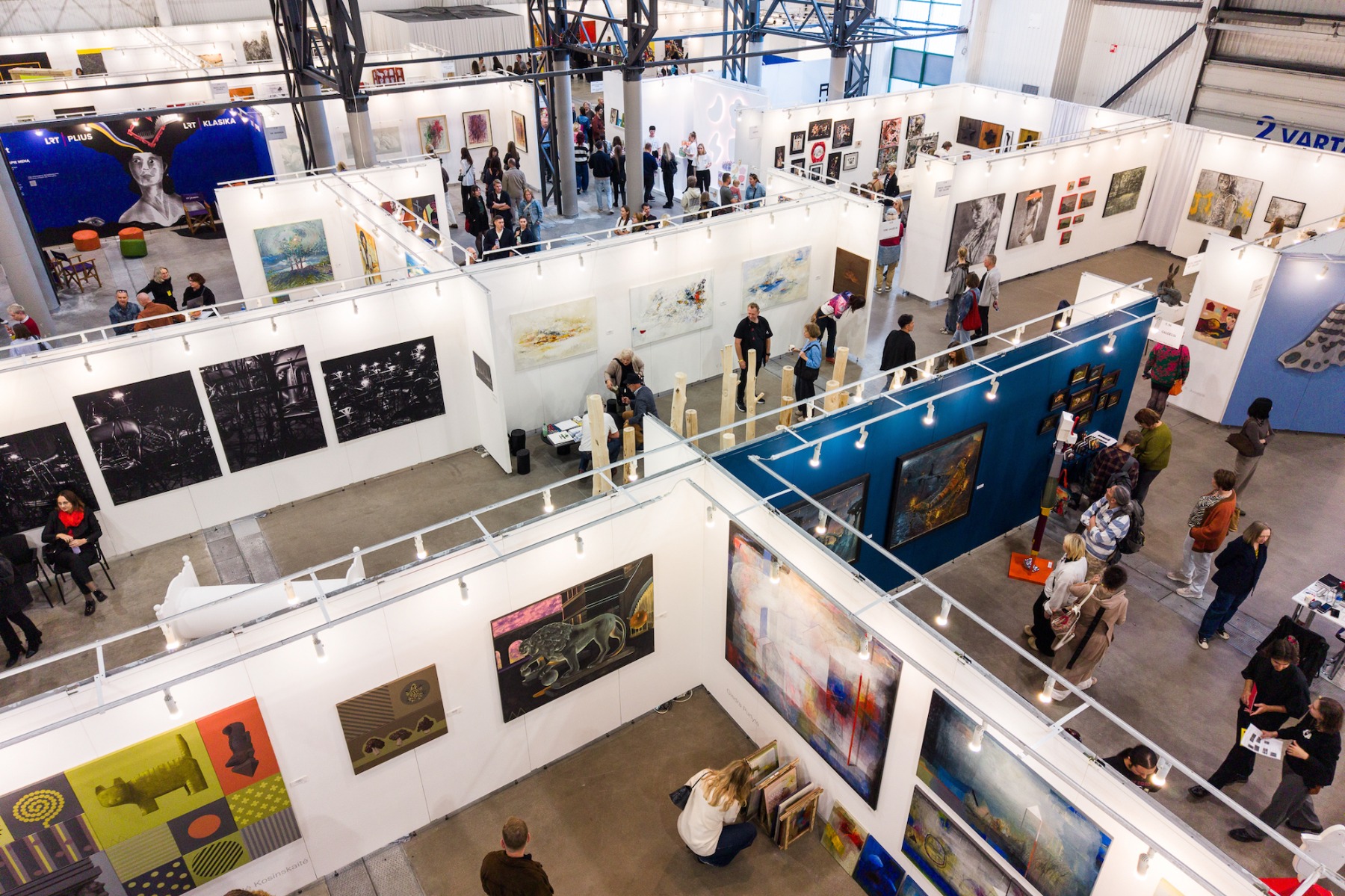
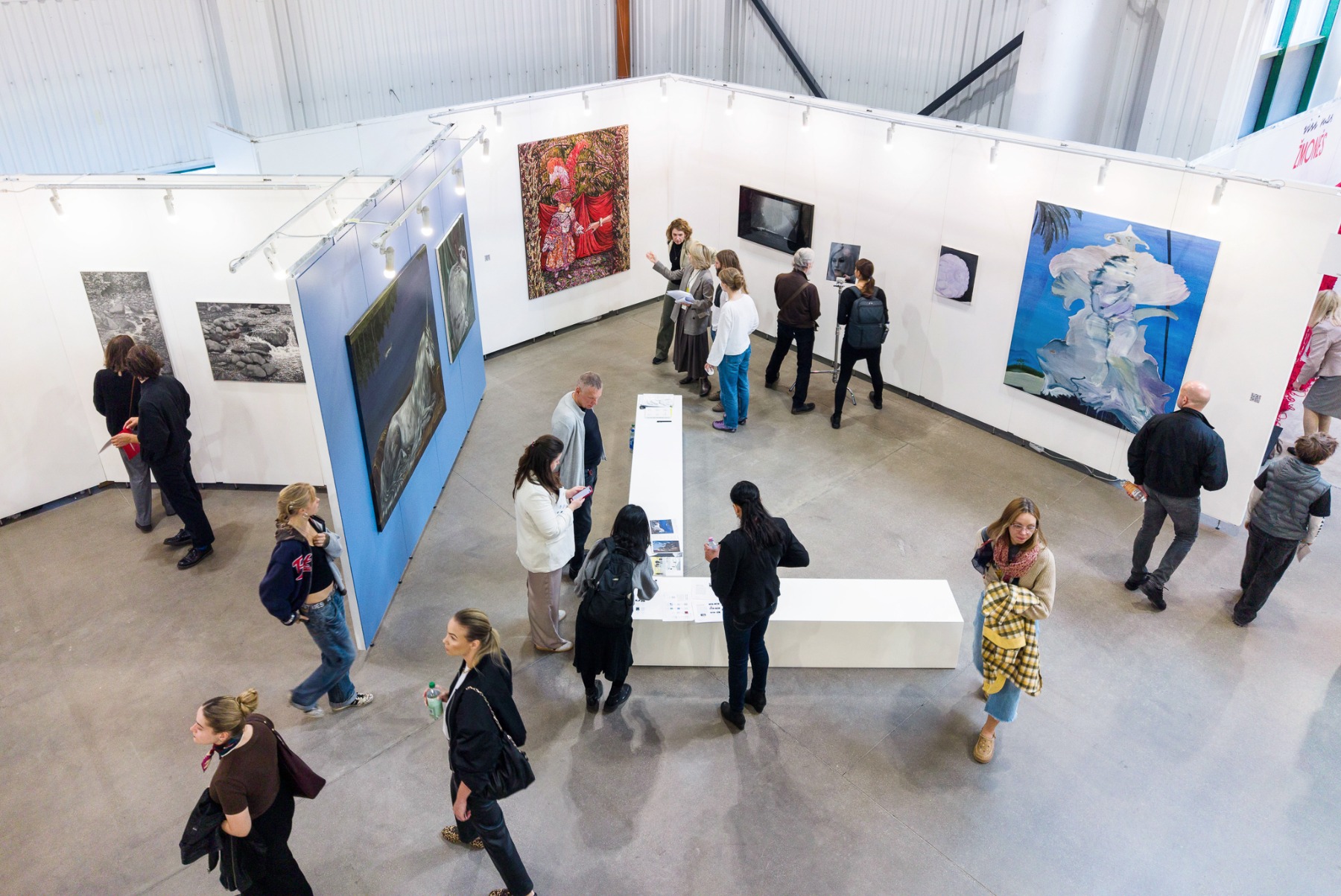
Perhaps this year there seemed to be fewer large-scale works and more smaller pieces, easier to combine with one another – and more affordable, too. And the overall atmosphere was a bit more ambient and understated. It seemed that the post-pandemic boom had faded, prompting galleries to approach their selection of artists and works with greater care and caution. Perhaps too much caution? But that is their prerogative – and their risk. One day, I can imagine a monument to the “Unknown Gallerist” appearing outside Litexpo, the venue for ArtVilnius. It’s a demanding profession, balancing artistic vision with commercial realities, and one that calls for a kind of courage the viewer may not always see. It’s time we learned to really appreciate it.
Agijas Sūnas Art Gallery presented works by Bārbala Gulbe, Dita Lūse, Irēna Lūse and Gita Šmite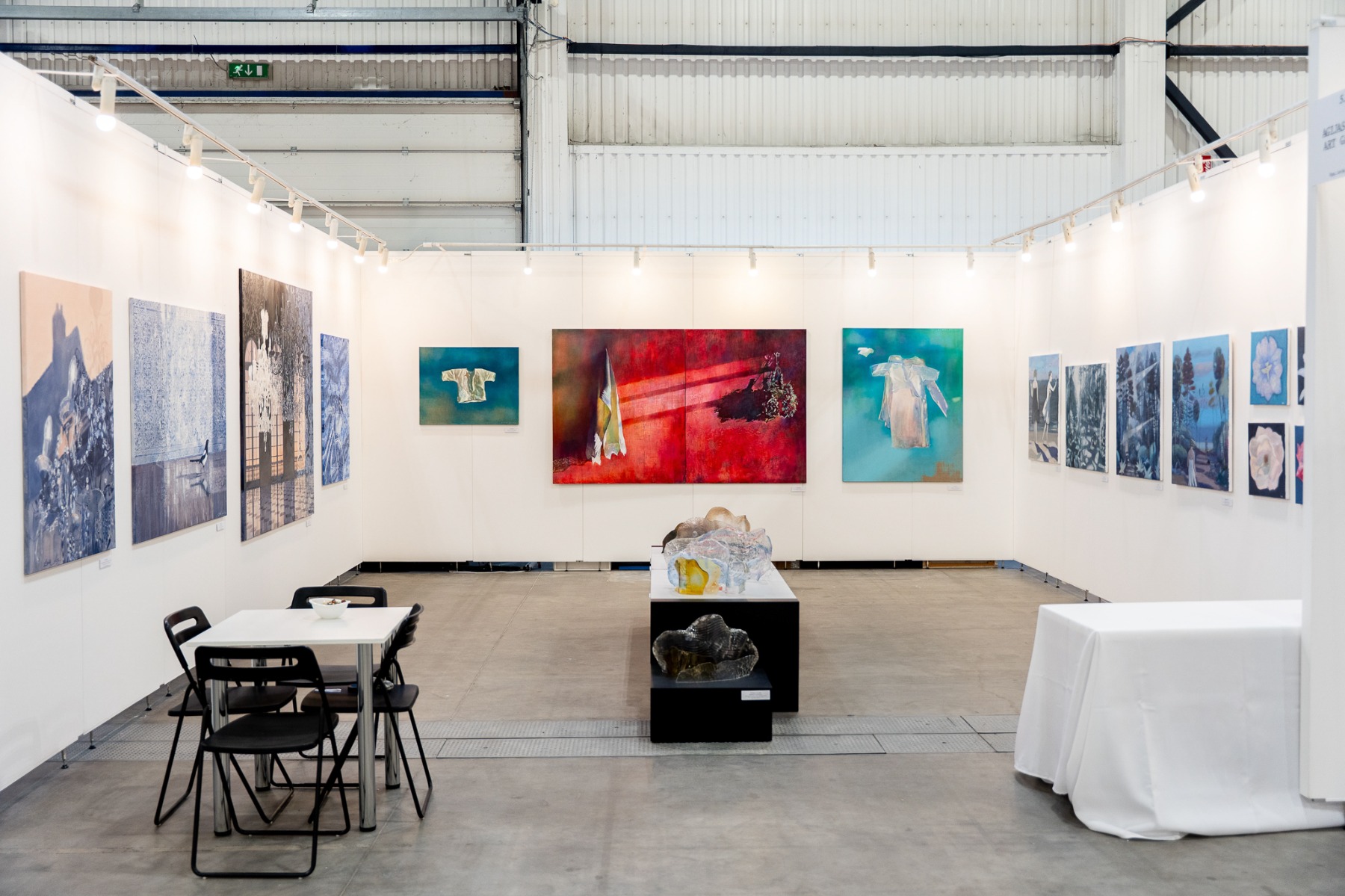
A section of the presentation by the Vartai gallery. Photo: Andrej Vasilenko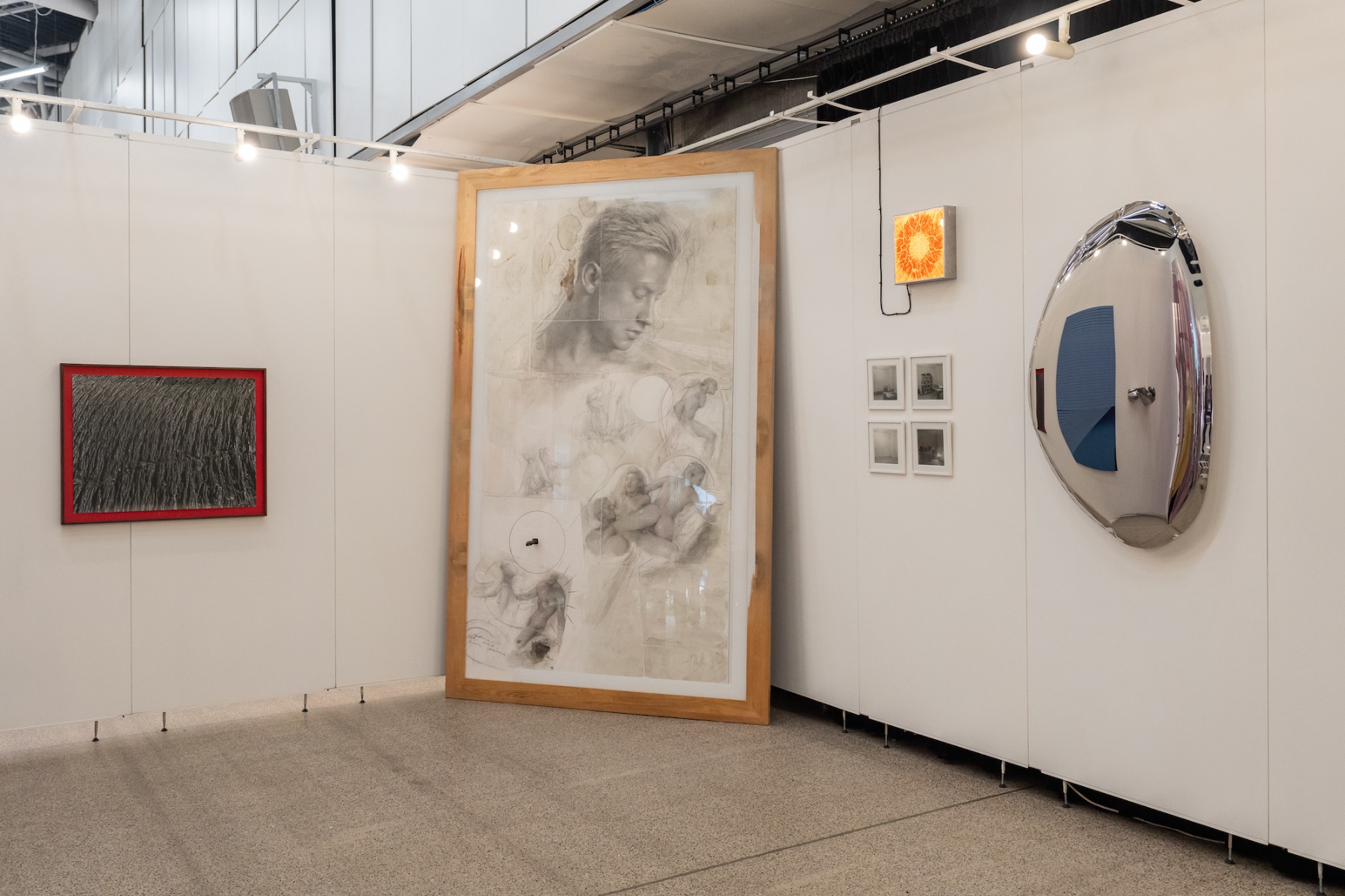
Works by Laura Selmistraitytė, named Best Artist at ArtVilnius’26, were presented by The Passenger gallery. Photo: Augustinas Žukovas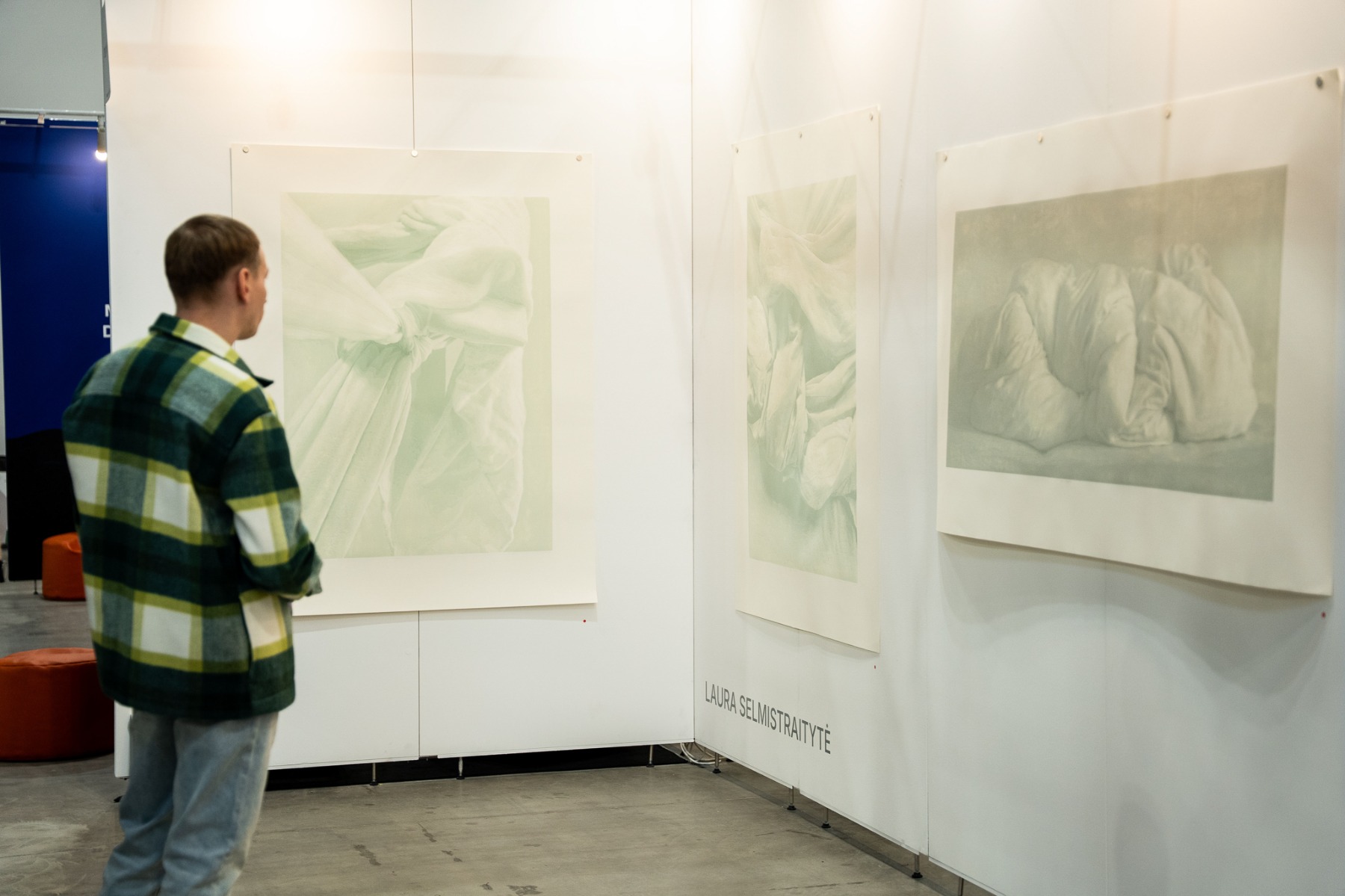
A section of the presentation by The Room gallery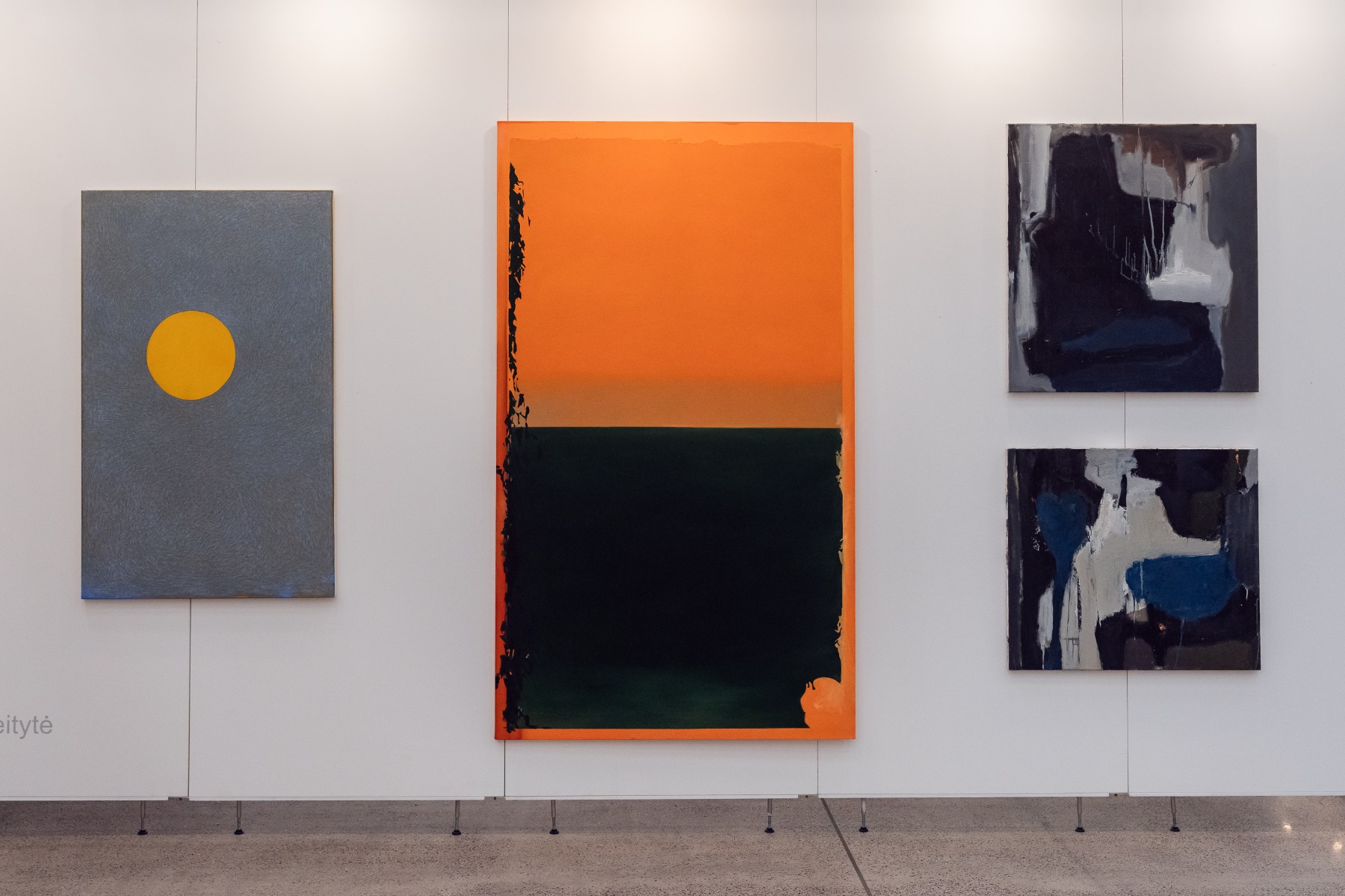
Hivemind Sculpture by Liudvikas Kesminas, presented by VDA Gallery ARTIFLEX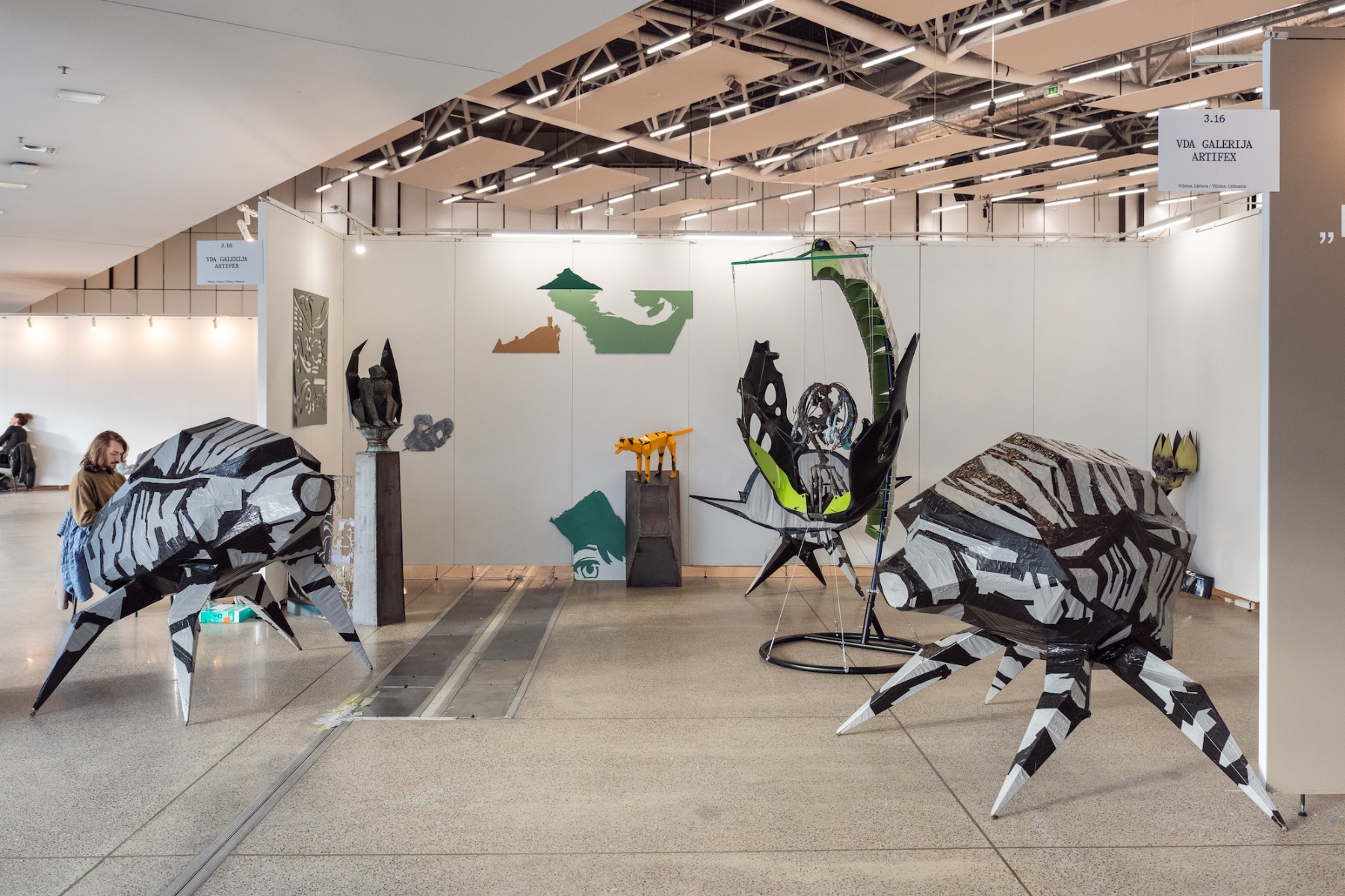
Installation THE BASIN THAT WATCHES. Concept author: Patricia Vytyte. Video artist: Mykolas Brazaitis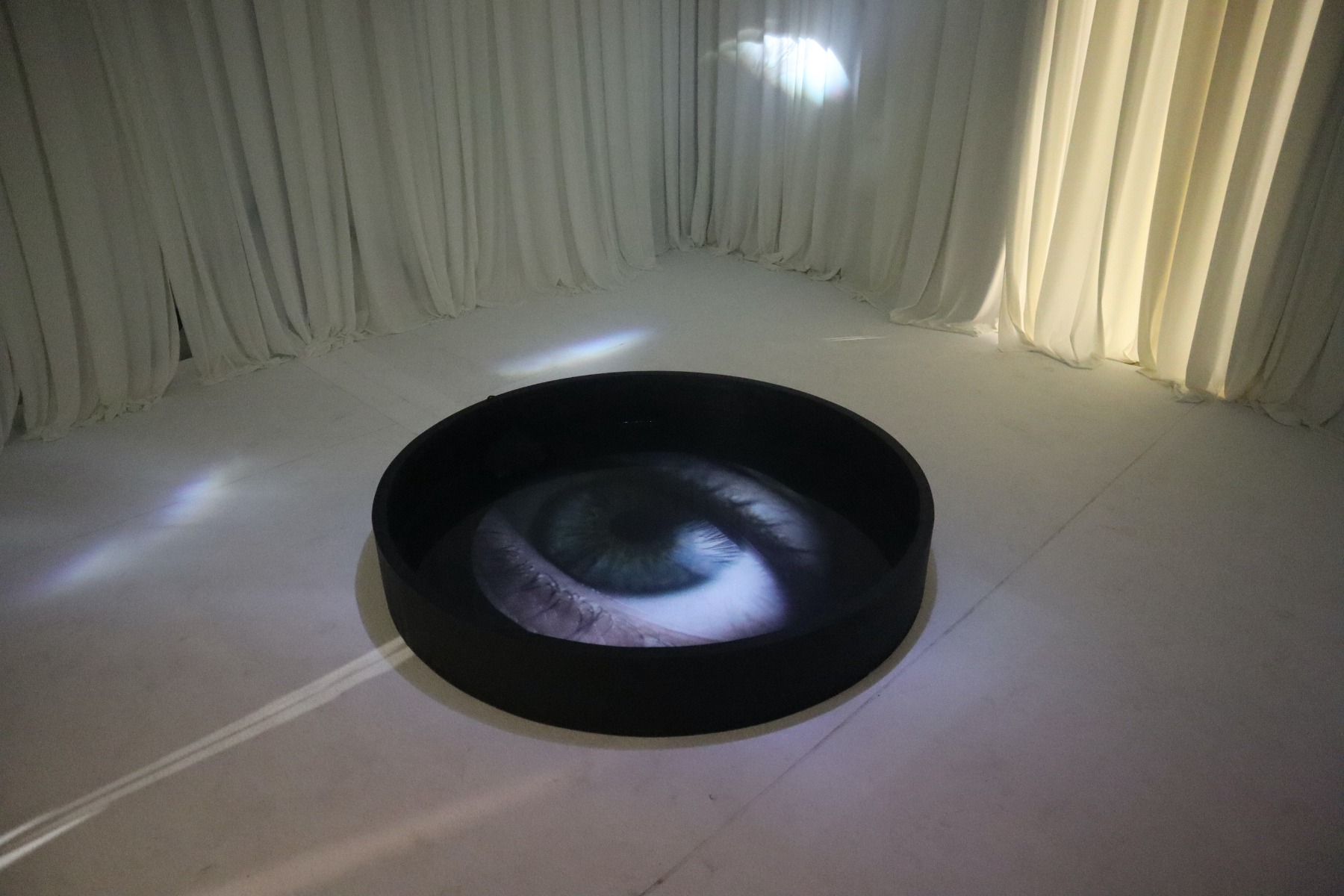
Photo: Augustinas Žukovas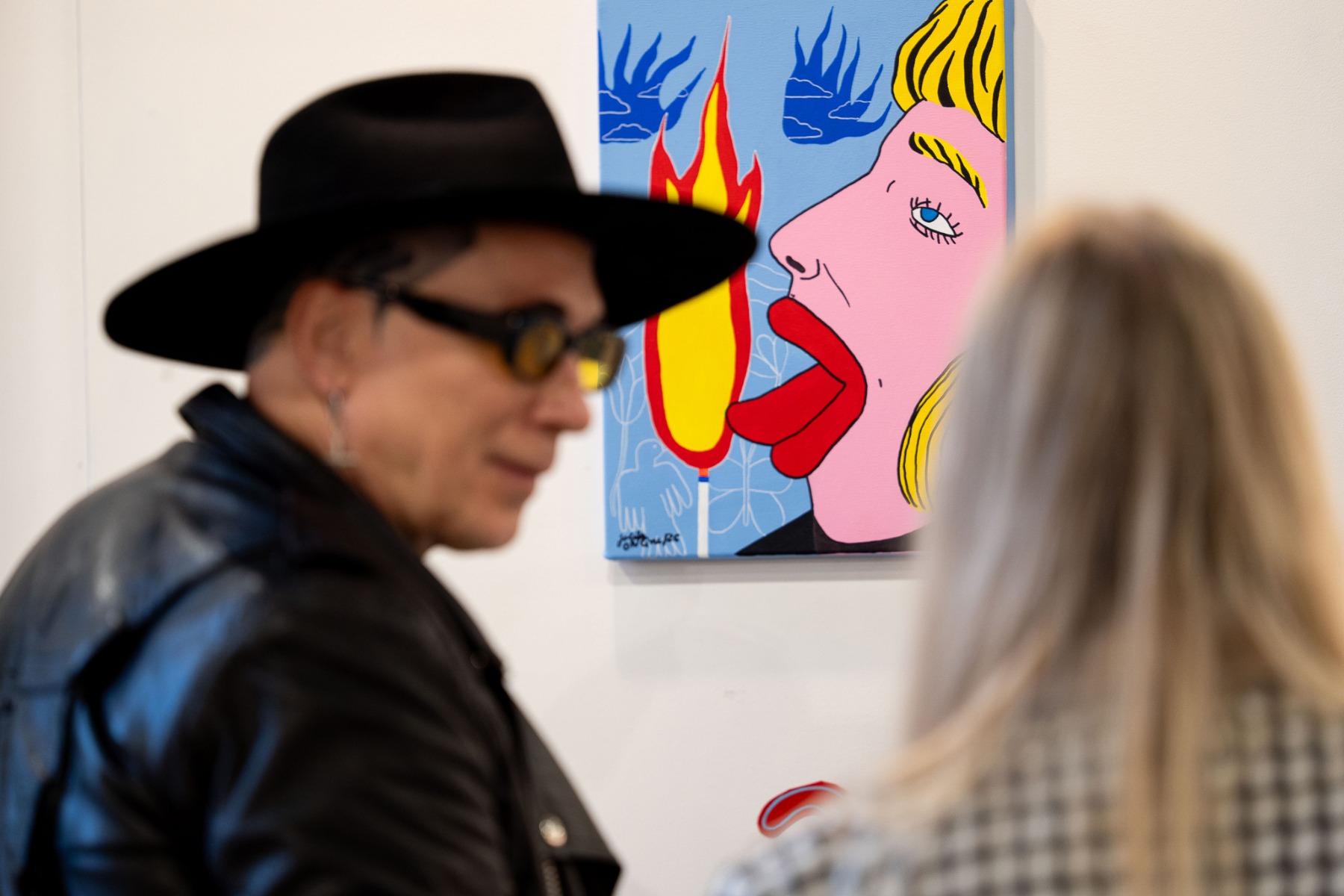
Photo: Augustinas Žukovas