


A small act of care
An express interview with Johan Gustavsson, co-director of 1646, on The Mind The Heart, an exhibition by Līga Spunde, on view at Kim? contemporary art centre in Riga until 3 January
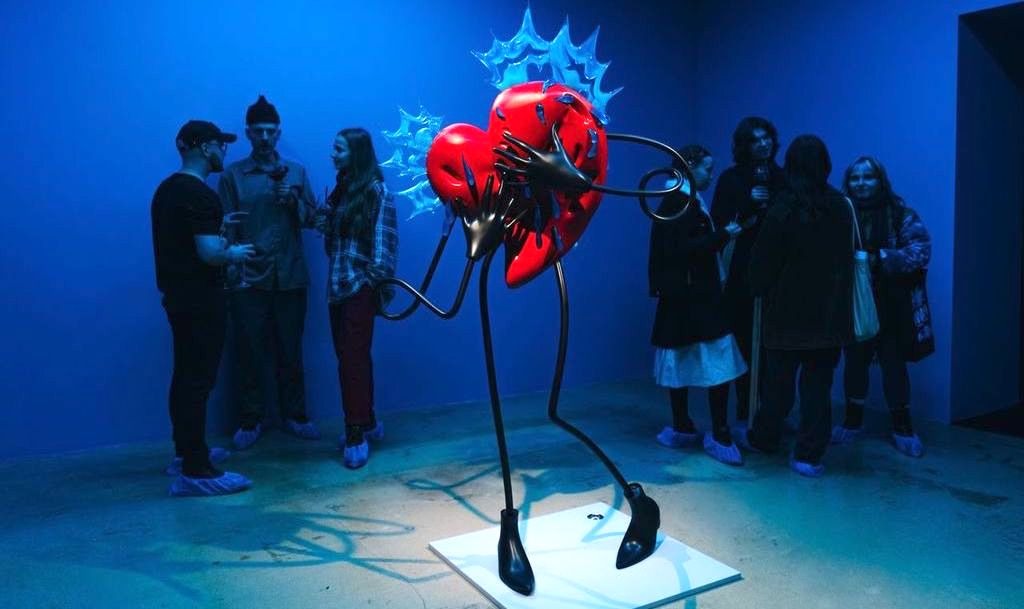
Some feelings need exercise, too. In The Mind The Heart, Latvian artist Līga Spunde transforms the exhibition space into a gym for the emotions, inviting visitors to consider a question that feels increasingly urgent: how do we remain capable of feeling, caring and empathising in a world dominated by information overload, constant crises and the pressure to be productive? Combining humour, sculpture, digital imagery and moving images, Spunde approaches emotional numbness not as an individual failure, but as something deeply connected to the structures and rhythms of contemporary life.
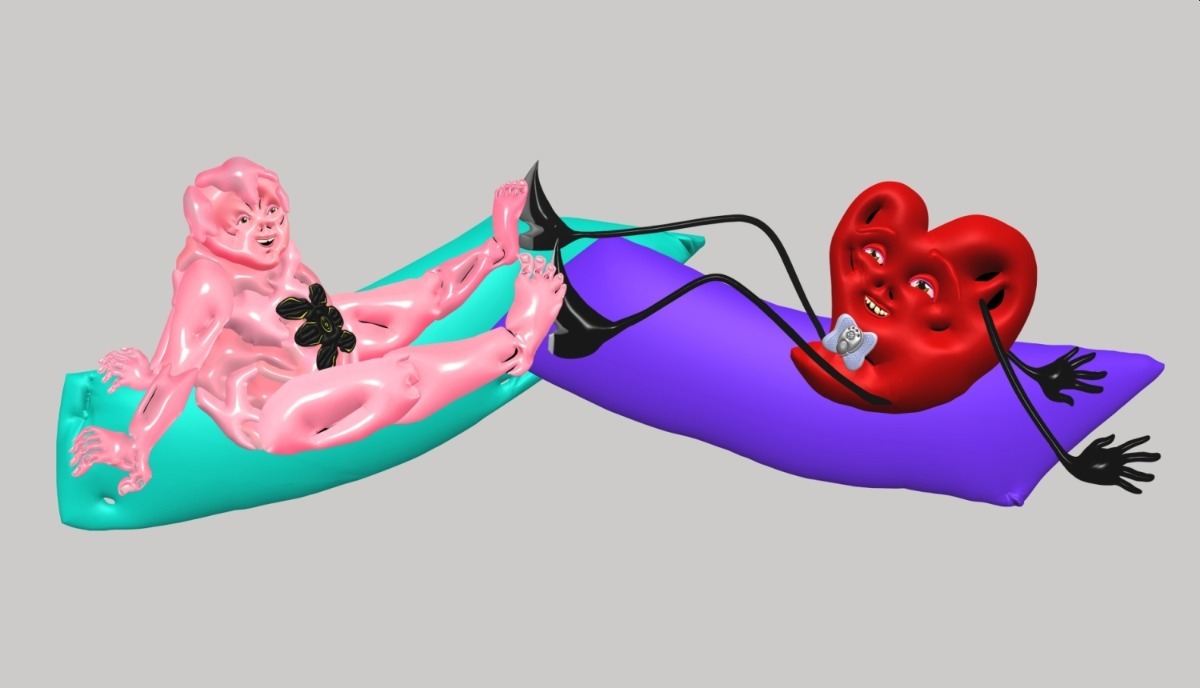
First presented at 1646, a contemporary art space in The Hague, in May 2026, The Mind The Heart marked Spunde’s first solo exhibition in the Netherlands. Curated by Johan Gustavsson and Clara Pallí Monguilod, the exhibition unfolds as a journey through different spaces – reception, rehearsal and recovery – each offering a playful yet thoughtful encounter with the everyday tensions between rationality and emotion, mind and heart.
Behind the exhibition’s playful visual language lies a more fundamental proposition: empathy, care and emotional openness are not qualities we have necessarily lost, but capacities that may have become underused, requiring attention and practice. Spunde’s sculptures, videos and carefully constructed environments explore this idea with a particular sensitivity to the contradictions of contemporary existence.
For Johan Gustavsson, co-director of 1646 and one of the exhibition’s curators, this presentation is also part of a longer relationship with the artist and her practice. We spoke with him about discovering Spunde’s work, the development of The Mind The Heart, and why, perhaps now more than ever, we need to make room for the things that cannot be measured, optimised or rationalised.
Johan Gustavsson and Līga Spunde at Kim? Photo: Dasha Trofimova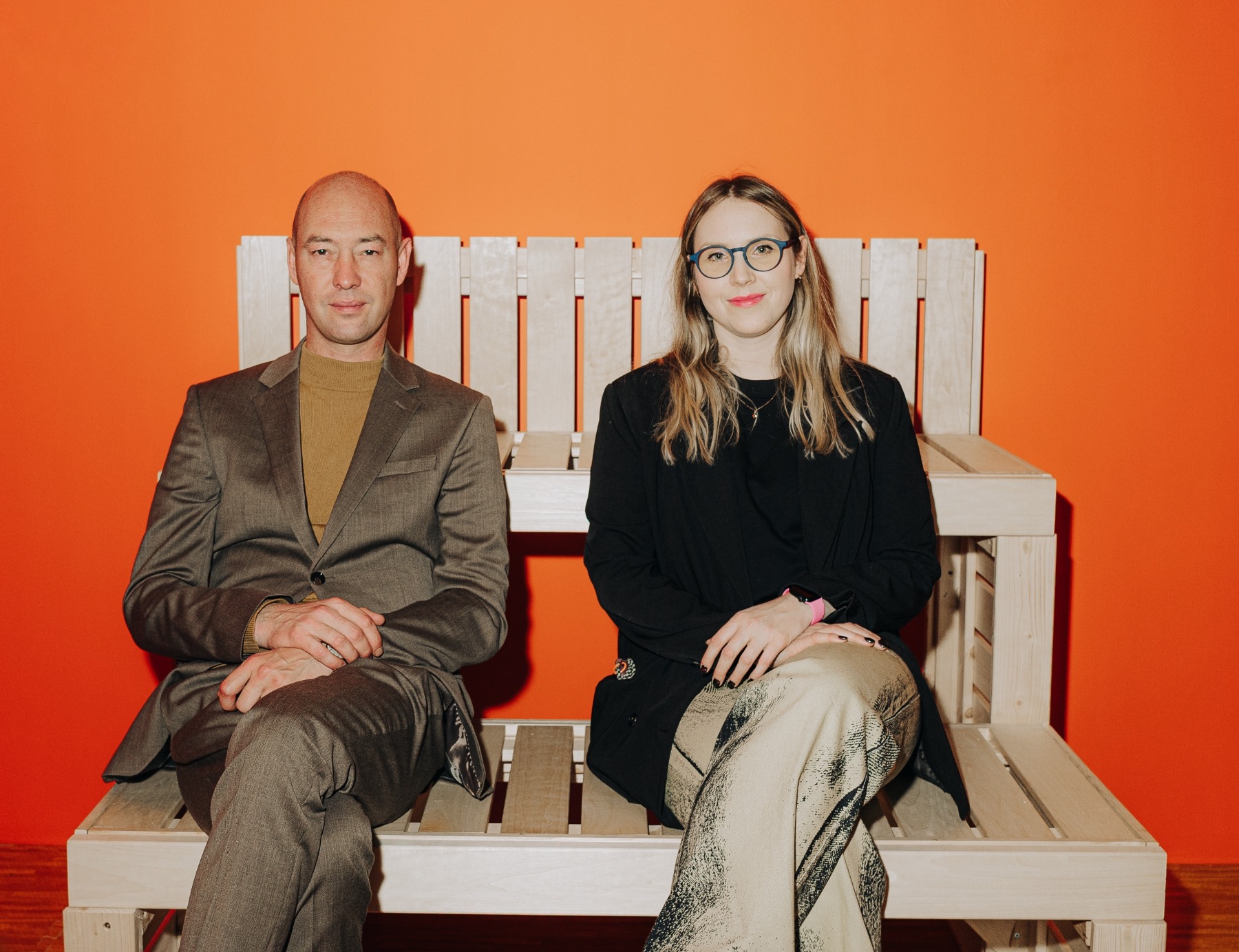
The exhibition was first presented at 1646 in The Hague and has now travelled to Riga. How did the idea for this exhibition come about, and what initially drew you to Līga Spunde's artistic practice?
I've been following Līga's practice for around 10 years and seen her solo exhibition at Kim? around 7 years ago. Last year 1646 collaborated with TUR Telpa here in Riga, and in that group-exhibition titled Under The Sun we included Līga's work. Līga's recent works has been looking at human potential to do better, to be nicer and being more compassionated. In a world where so much cruelty and awfulness by humans are overwhelming, it felt very relieving and positive to also have an artist that tries to offer hope. Līga's work deals with complex ideas and topics, though she manages to make very inclusive, approachable and humorous works that a large and diverse audience can connect to.
The Mind The Heart, 1646, installation view. Photo: Tommy Smits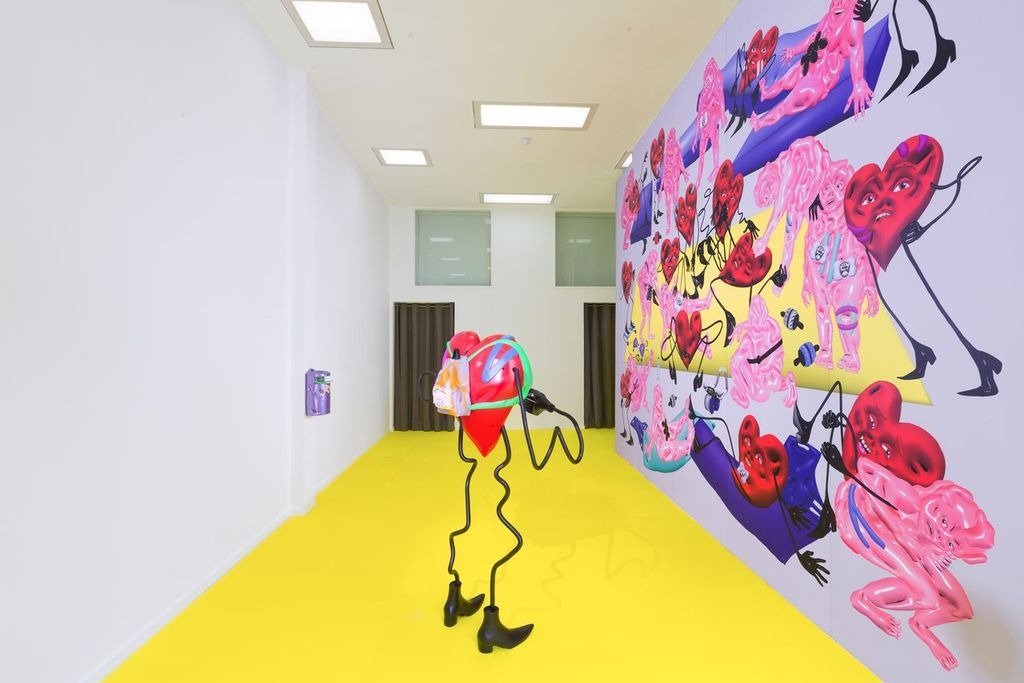
The Mind The Heart, 1646, installation view. Photo: Tommy Smits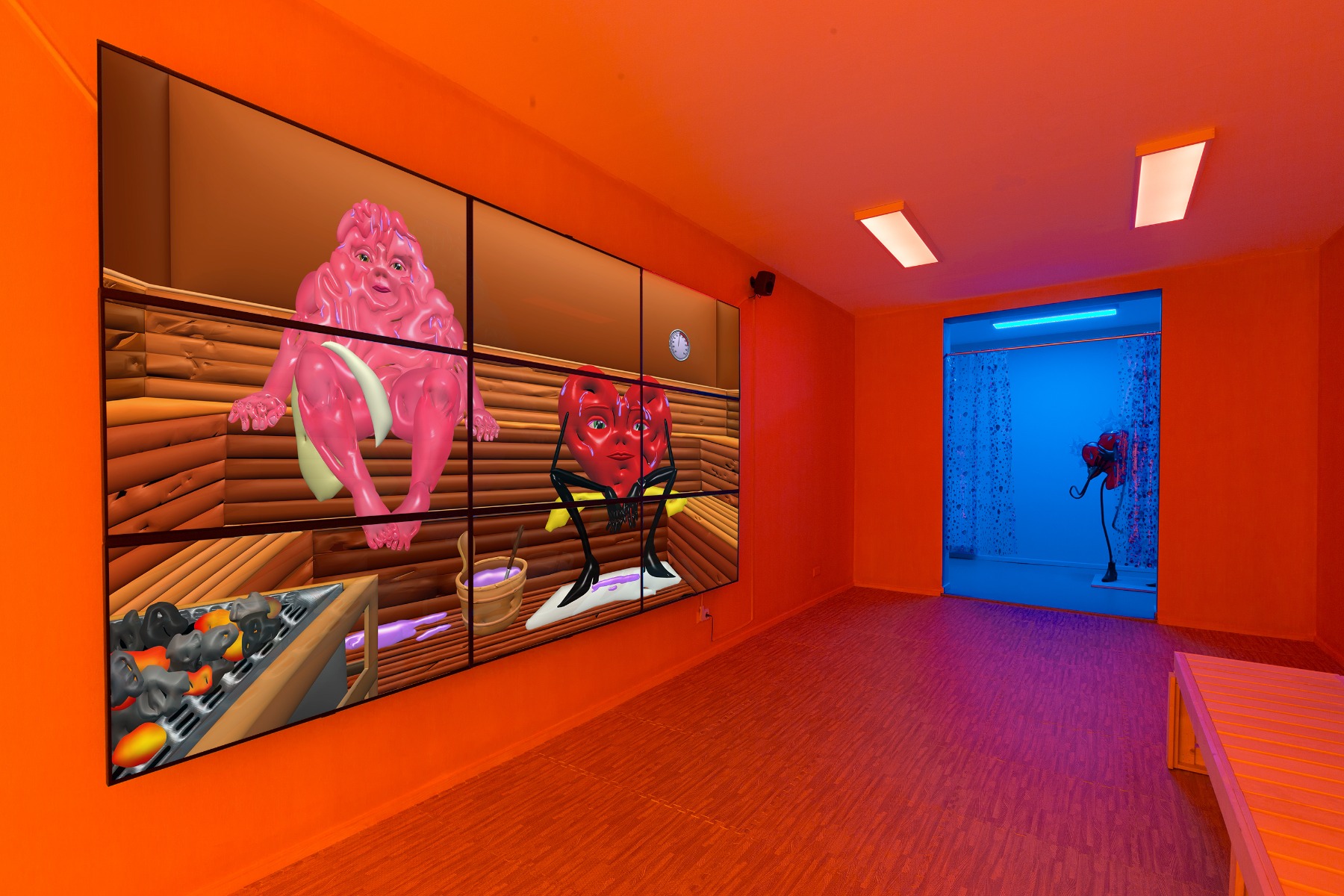
Did visitors to the exhibition in The Hague also have to wear shoe covers, as they did at the opening in Riga?
The exhibition at 1646 in The Hague opened in May last year, when the weather conditions were a bit better than Riga in November. So, no, we did not have visitors wear shoe covers.
Līga Spunde often combines humour, speculative fiction, digital aesthetics and autobiographical elements. What do you find particularly interesting about the way she approaches complex emotional and psychological subjects?
The three artistic strategies that you mention in your question, fiction, complexity and humor, are the three pillars of 1646 artistic program. Our program presents artists that use strategies such as fictioning, complicating and humour in their work to generate dialogue or to propose alternative points of view. Our notion is that fiction is an essential instrument to help imagine the world differently. In the same light, embracing and celebrating complexity, contradiction and paradox – as inherent qualities of human existence – are essential to weigh up against the predominance of rationality and logic. Finally, using playfulness and humour as tools is needed to maintain an open attitude. Līga masters these strategies perfectly!
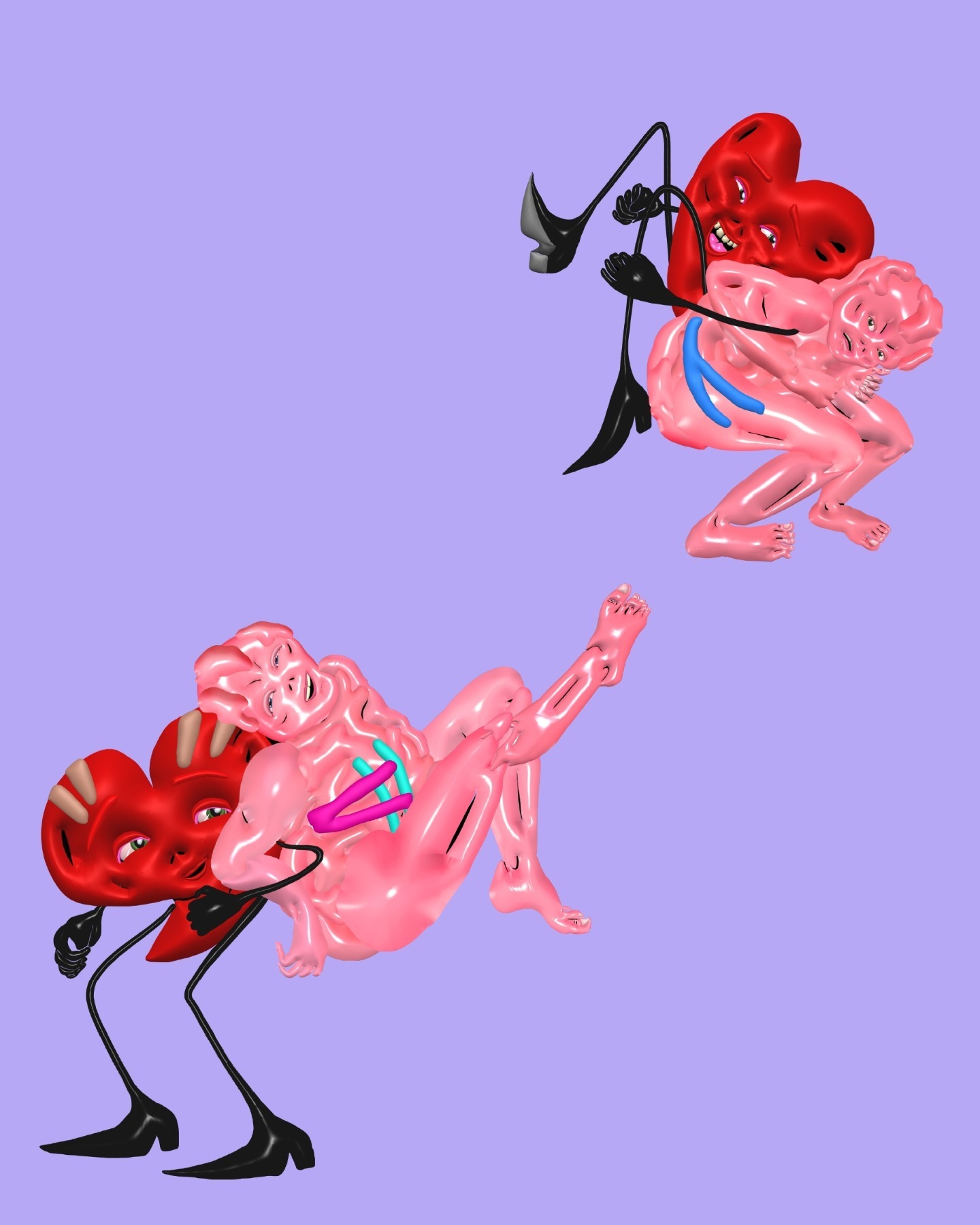
The exhibition space is decribed as a "gym for the heart", with different zones dedicated to reception, rehearsal and recovery. Could you tell us more about this concept?
The concept behind these spaces is to mimic a generic gym, but in this case it is a place where you can train your empathy and compassion. I think it also criticises the commercialisation of health and wellbeing. For example, there is a large poster in the reception area showing exercises that use tools similar to those seen on shopping channels. The societal pressure to be fit, 'healthy' and attractive has given rise to a huge industry.
The Mind The Heart, installation view at Kim?. Photo: Arterritory.com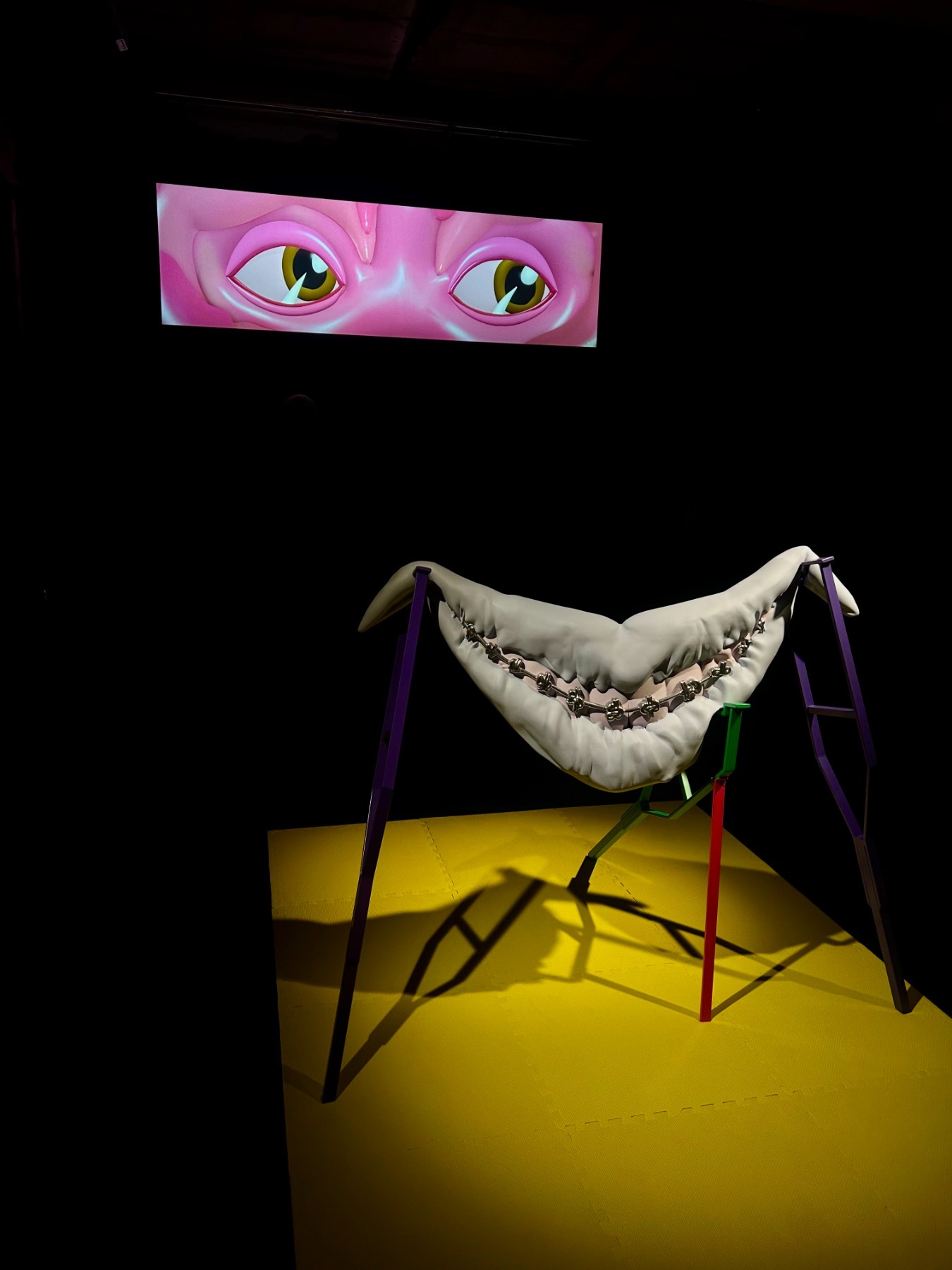
There is also a distinctly theatrical quality to the exhibition space: the semi-darkness, the carefully illuminated objects, the overall atmosphere. It almost feels like the setting for a drama. Could this drama be understood as the everyday struggle between emotion and rationality?
1646 curatorial approach has always been to create total installations, like a new world that the audience steps into. And, yes for this exhibition the dramatic atmosphere does add to the topic discussed.
The Mind The Heart, Kim? Photo: Dasha Trofimova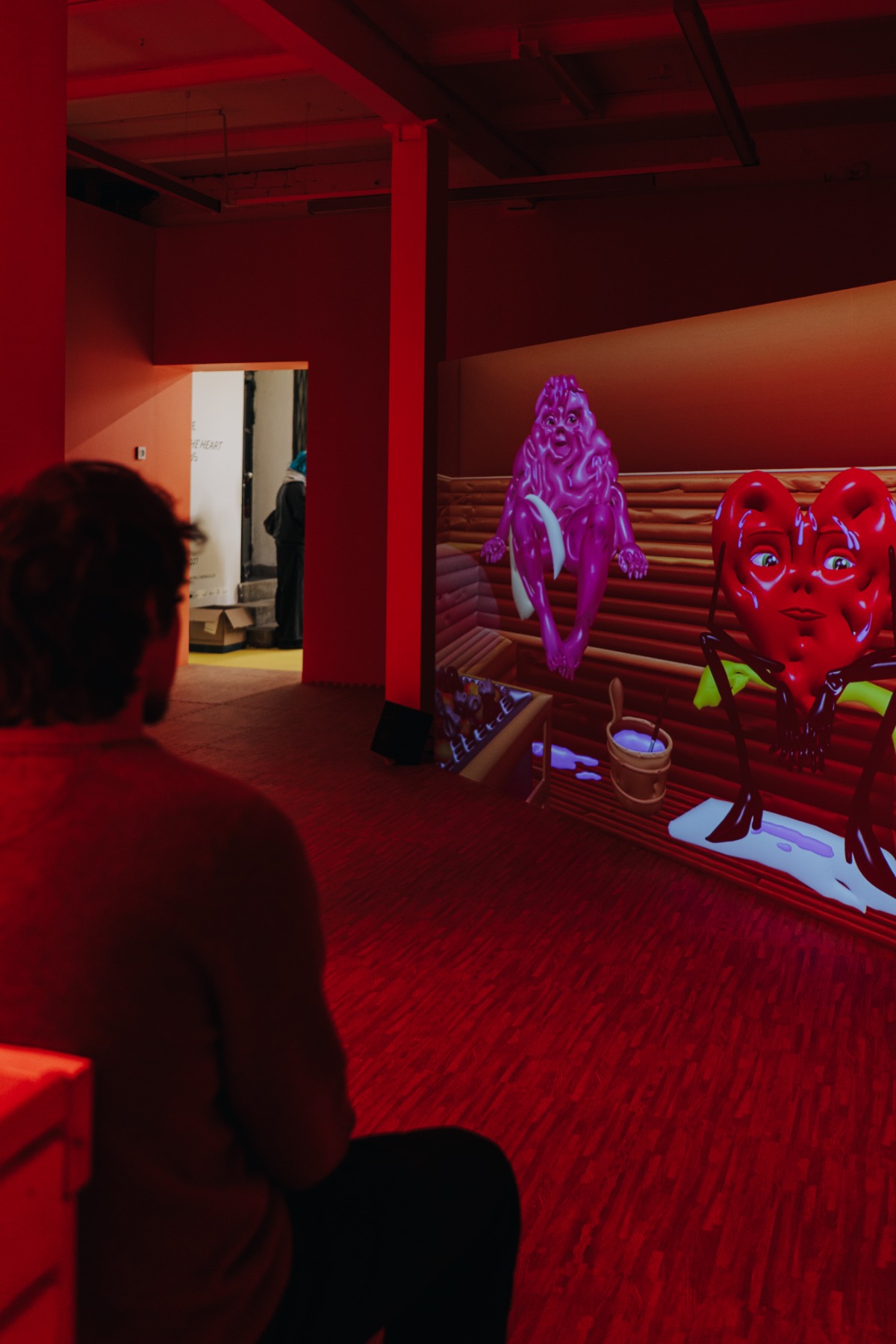
The exhibition suggests that empathy and our capacity to care have not disappeared, but rather become undertrained. Do you see art and the experience of visiting exhibitions as ways of exercising these capacities?
Absolutely. I think art and visiting exhibitions can be understood as ways of exercising our capacity to feel, reflect and empathise. In everyday life, we are constantly encouraged to process information quickly, form opinions and move on. Art invites us to do the opposite: to slow down, pay attention, remain curious and spend time with something we may not immediately understand or identify with.
Līga Spunde's The Mind The Heart creates a space for precisely this kind of exercise. Through humour, imagination and unexpected situations, the exhibition encourages us to recognise emotions, to question our own responses and consider perspectives beyond our immediate experience.
There is also growing scientific evidence that engaging with art benefits our health. Research has found that viewing artworks can reduce self-reported stress and improve psychological well-being. Perhaps, then, visiting an exhibition is not simply a cultural activity, but also a small act of care: for ourselves and for our capacity to care about others.
The Mind The Heart, Kim? Photo: Dasha Trofimova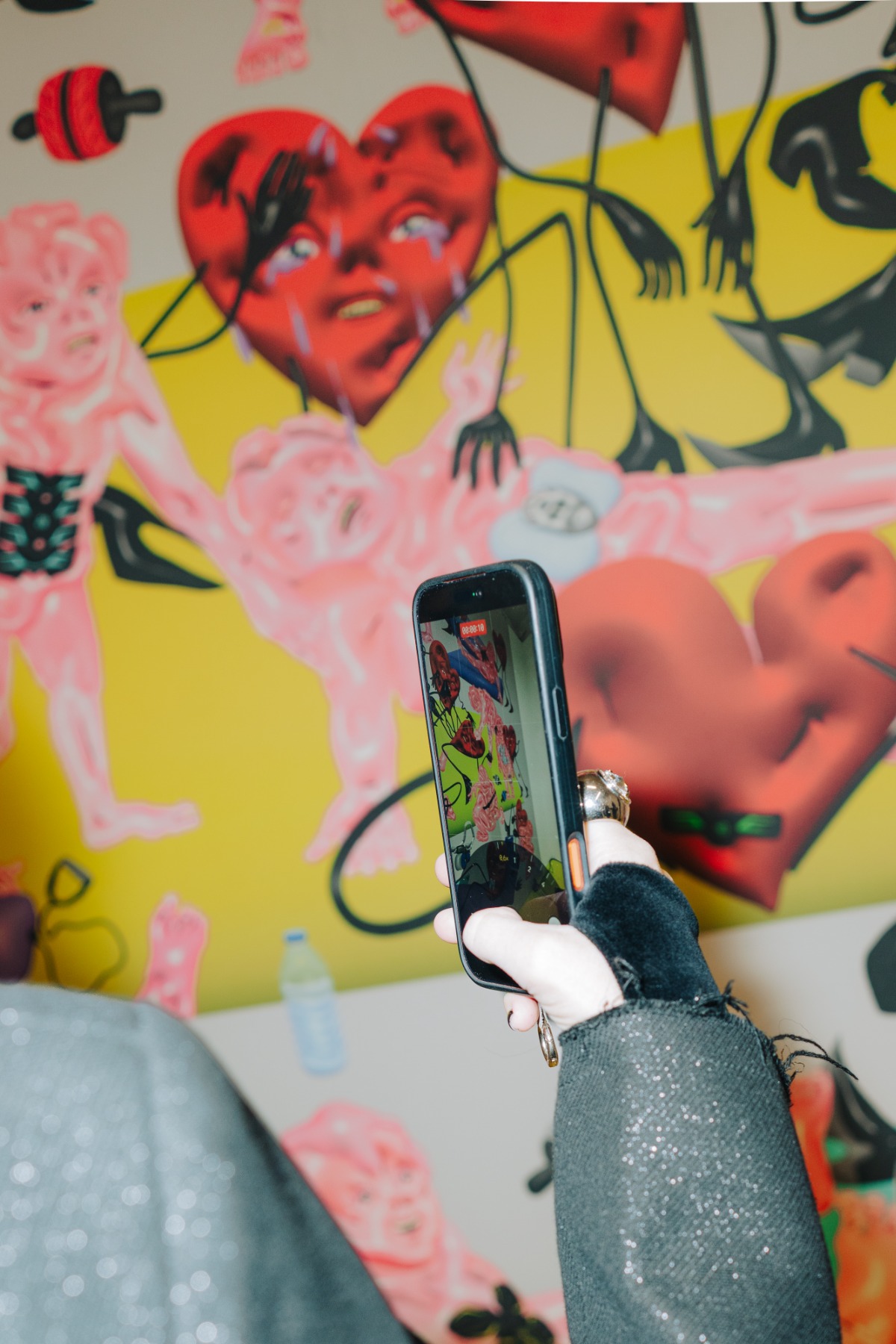
You work within the contemporary art scene in The Hague. How would you describe its current atmosphere and the role of spaces like 1646 in supporting experimental artistic practices?
I think The Hague has a particularly strong and supportive contemporary art scene. This is partly thanks to the presence of a good art academy, the KABK, but also the commitment of the Municipality of The Hague, Stroom Den Haag and the Mondriaan Fund to supporting artists and independent art organisations. There is also an increasing awareness of the importance of fair pay and good working conditions. Spaces like 1646 play an important role in this ecosystem, providing artists with the freedom, trust and resources to experiment and take risks. Although firmly rooted in The Hague, we operate internationally. Our current pavilion at the Gwangju Biennale in South Korea is a good example of how a relatively small space can have a large international reach.
