


What to see in the Baltics
MARCH-APRIL, 2026
This spring in Tallinn, the opening exhibition of the Kumu Art Museum 20th anniversary year focuses on the current connections between art and artificial intelligence. When asked, “What is your personal view on the role AI is playing and will play in the creative process of contemporary art?”, the curator of the show, Anders Härm, told us: “In the context of art processes, the main question is whether it is simply a tool or whether it will become something else, more like a partner or collaborator. At the moment, as with every new medium entering the art field, we are still mapping its possibilities and exploring what kind of perspectives it opens… But it is very important to remain critical.” At the same time in Riga, Latvian artist Gints Gabrāns, whose solo exhibition Algorithm Communities is on view at the Riga Contemporary Art Space, says: “Painting is what I come from. The fact that I also work with AI doesn’t change much for me. I see the same painterly qualities – the role of color and form... Some people might not be able to see that in something generated by AI, but for my part, I would say that I paint.” But of course, the palette of spring exhibitions in the Baltics is much wider than just works using AI. Find out below!
ESTONIA, Tallinn
Kumu Art Museum
Triumph of Galatea: Art in the Age of Artificial Intelligence
Until 9 August
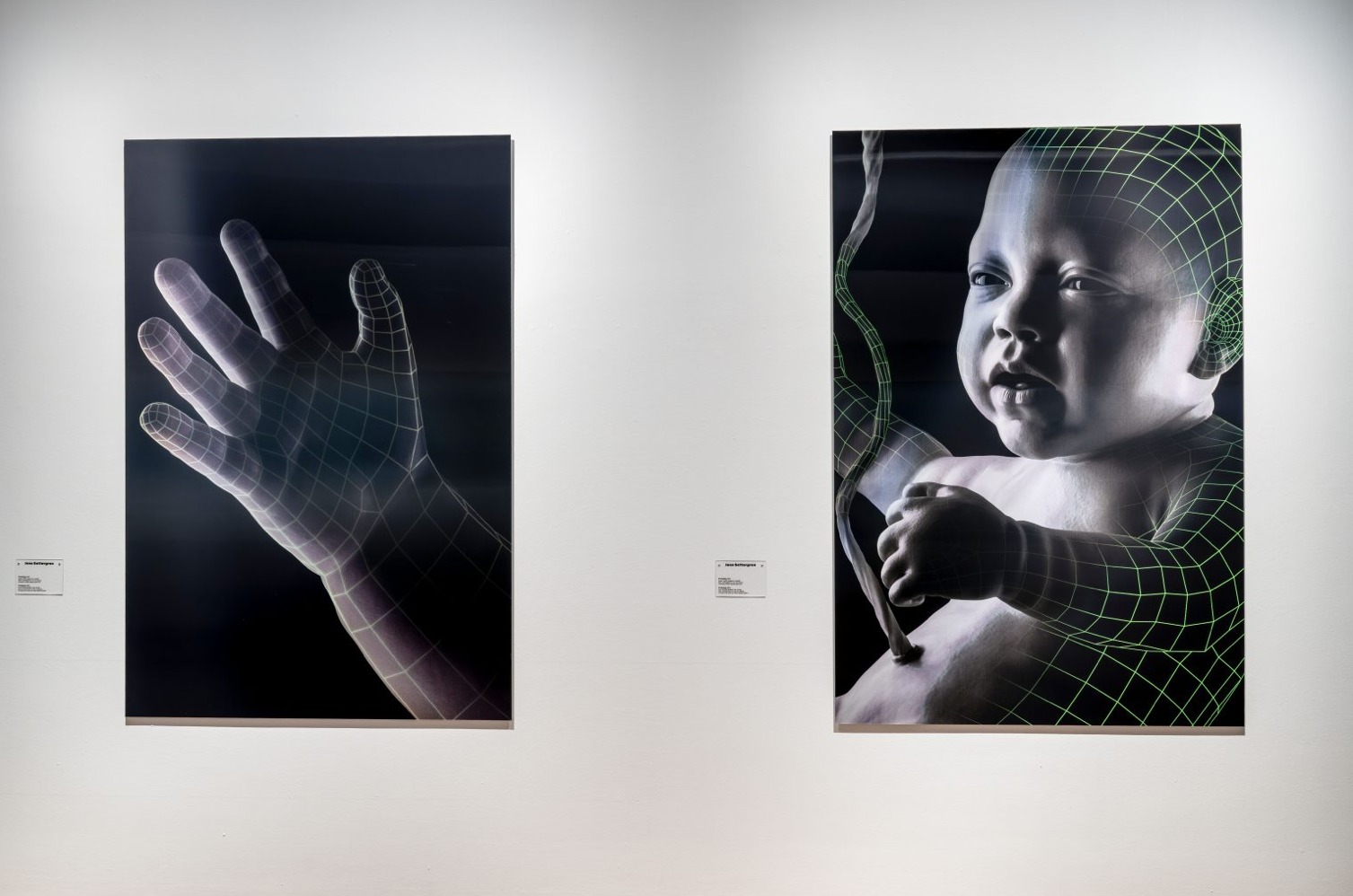
Since its opening, new media and technological art have been two of Kumu’s focal themes, which is why the opening exhibition of Kumu’s 20th anniversary year focuses on the current connections between art and artificial intelligence. The international group exhibition, referring to the myth of Pygmalion in its title, examines the changes and developments in human experience in culture and society in connection with the onslaught of new technologies.
In classical myth, Galatea comes to life as the sculptor’s ideal made animate—a creation that exceeds its maker’s intentions and begins to act on its own. In the age of artificial intelligence, this figure acquires renewed relevance. Algorithms no longer function merely as tools but increasingly as agents that generate images, texts, and decisions, reshaping how creativity, authorship, and human agency are understood. Triumph of Galatea: Art in the Age of Artificial Intelligence explores this shifting relationship between human imagination and autonomous systems, asking what “triumph” might mean when creation is shared with machines.
Read our interview with the curator of the exhibition, Anders Härm
Leonhard Lapin. Woman-Machine XVII. 1977. Serigraphy. Art Museum of Estonia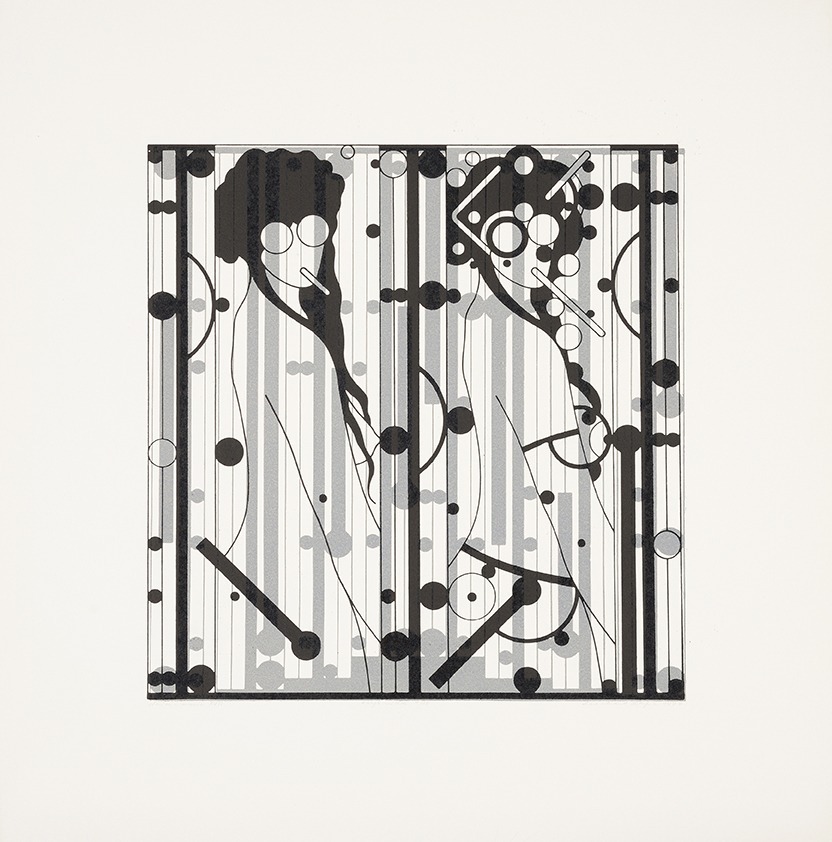
Harku 1975: Objects, Concepts
Until 17 May
In December 1975, a small group of young artists and scientists organised the art event Harku 1975 at the Harku Institute of Experimental Biology near Tallinn. Among the participating artists were Leonhard Lapin, Sirje Runge and Raul Meel, while the scientists were represented by Tõnu Karu, then a junior researcher at the Institute of Cybernetics of the Academy of Sciences. The event caused a scandal among official circles because an unexpectedly large number of young artists attended, and its atmosphere resembled that of a rock concert.
Marking the 50th anniversary of this legendary event, the current exhibition in Kumu’s project space aims to reconstruct Harku 1975 piece by piece. It brings together works from the collections of the Art Museum of Estonia and the Tartu Art Museum, as well as from several Estonian private collections, including works long thought lost or destroyed.
More info >>
Read our interview with the curator of the exhibition, Liisa Kaljula
Kai Art Centre
Paul Kuimet, yet to be titled (7), chromogenic print, 138 × 138 cm, 2026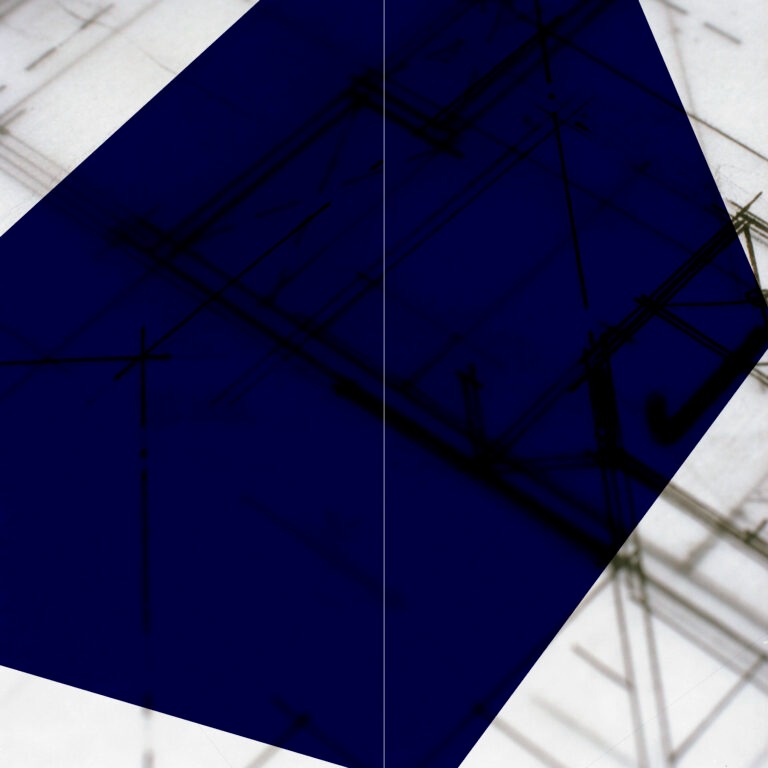
Paul Kuimet & Magnhild Øen Nordahl. Exploded View
21 March – 9 August
In the forthcoming exhibition Exploded View, new and recent works by Estonian artist Paul Kuimet and Norwegian artist Magnhild Øen Nordahl consider the relationship between visual representation and the lived experience of spaces and objects. Curated by Anthea Buys (ZA). The title, Exploded View, refers to a method of technical drawing in which the components of a functional object, tool or machine are depicted in such a way that their component parts are visible, in order to show how they should be assembled. This taking apart in order to reconfigure is a central metaphor in the exhibition. Exploded View presents two parallel but intersecting artistic investigations: Kuimet’s new analogue photographic and filmic works take as their starting point hand-drawn architectural plans for domestic spaces. These drawings are transformed by lens-based looking and its material outputs – the alluring depth of analogue photographic surfaces and the distinctive materiality of 16mm film.
Nordahl’s sculptures are also about journeys of material and visual translation, and her practice is at once research-based and embodied. The works presented in this exhibition look at how we experience objects that have gone through digital and physical abstractions, which in turn lead to changes in form, function and cultural meaning. A juxtaposition of two profoundly self-coherent practices, Exploded View suggests a vital connection between scale, imaging, materiality, embodiement and perception.
Tallinn Art Hall
LASNAMÄE PAVILION
Spring Exhibition
Until 17 May
The annual Spring Exhibition is a traditional overview of Estonian contemporary art, presenting a fresh and diverse cross-section of artists from different generations and creative fields. This year’s annual exhibition of the Estonian Artists’ Association, Spring Exhibition 2026, is more extensive than in previous years and will take place simultaneously across several venues. A total of 437 artists submitted works to the exhibition, from which the jury selected pieces by 153 artists and collectives. Tallinn Art Hall and the Estonian Artists’ Association invite the public to visit the Spring Exhibition at the Lasnamäe Pavilion and in the Old Town galleries of the Estonian Artists’ Association: Draakon Gallery, Hobusepea Gallery, HOP Gallery and Vabaduse Gallery.
Works displayed in the exhibition will be reproduced as postcards, allowing visitors to assemble their own personal Spring Exhibition catalogue. As in previous years, visitors will once again have the opportunity to vote for their favourite artist. The winner of the public vote will receive a €6,000 prize, funded by art collectors and supporters Riivo Anton, Aivar Berzin, Jaan Manitski, Tiit Pruuli and Rain Tamm.
TALLINN CITY GALLERY
Exhibition view. Photo: Paul Kuimet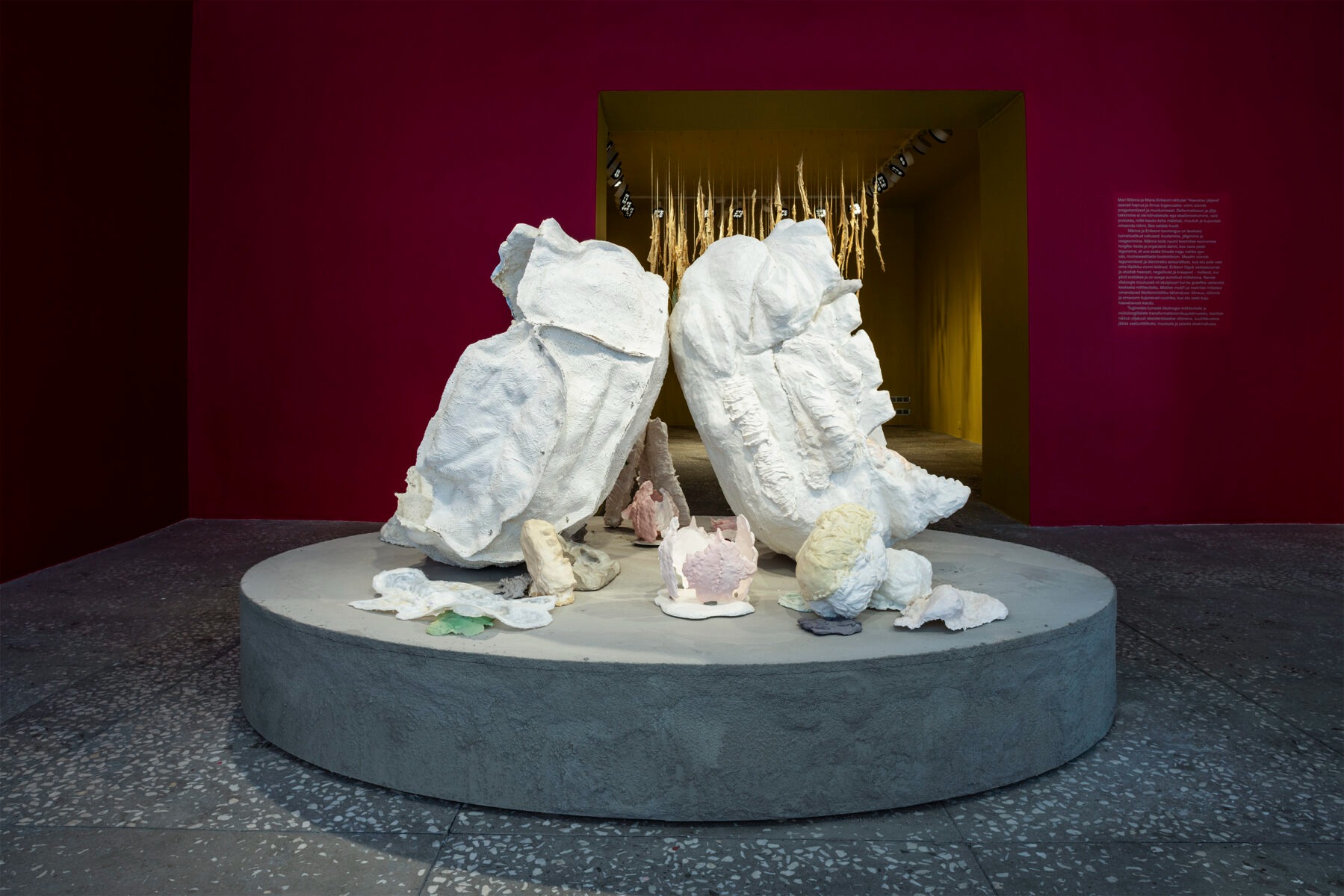
Mari Männa and Maria Erikson. Imprint of Vulnerability
17 January – 1 April
The joint exhibition by Mari Männa and Maria Erikson approaches material as an active participant. Fragility and delicacy operate here as working methods: form emerges through cracking, breaking, and acts of care. Drying, deformation, and the formation of imprints are not deviations or failures, but part of a process through which material remembers, transforms, and shapes its own rhythm. The exhibition is curated by Madli Ljutjuk.
“Imprint of Vulnerability approaches fertility beyond biological or gender-defined terms. Here, fertility is understood as an existential condition: the capacity to change, to be receptive, and to remain within uncertainty. The exhibition invites viewers to experience fragility and delicacy not as weakness, but as sources of vitality and renewal, fostering a sense of connection to a bodily, cyclical understanding of life,” explains curator Madli Ljutjuk.
Fotografiska
Rihards Štībelis 2006. Amālijas iela 5a © Inta Ruka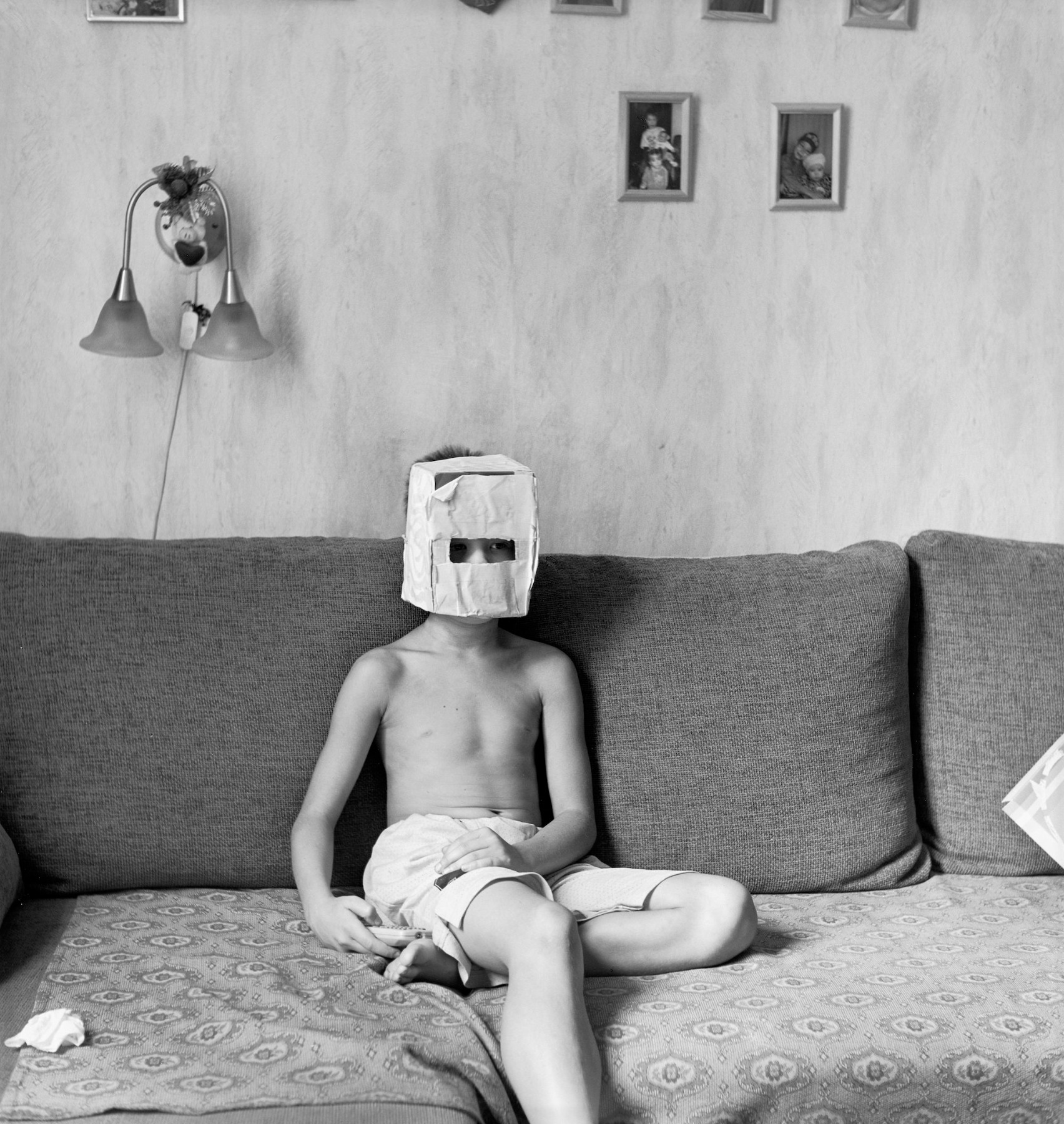
Inta Ruka. Places Called Home
Until 14 October
Between 1983 and 2008, photographer Inta Ruka photographed people in her native Latvia, capturing their lives in rooms, courtyards, and streets where everyday life unfolds. She returned to the same individuals repeatedly, working slowly and allowing trust to develop over time. The resulting photographs are not merely documentary, but preserve places, relationships, and lived experience from which a sense of belonging emerges.
The exhibition Places Called Home brings together over 80 photographs from two series that create a quiet yet powerful narrative of Latvia in transition and of the people who call these places home. The series My Country People was created over the course of two decades in Balvi, a rural region of Latvia near the Russian border and the hometown of Ruka’s mother. Ruka began visiting the area in the early 1980s and gradually became acquainted with the villagers, returning to them again and again over the years. The photographs portray people who lived through war, occupation, and sweeping social changes – their faces reflecting memories of a complex history, as well as pride, dignity and everyday resilience. The images capture homes and living environments without electricity, and a way of life that was already disappearing. With this series, Ruka represented Latvia at the 1999 Venice Biennale.
Estonian Museum of Applied Art and Design
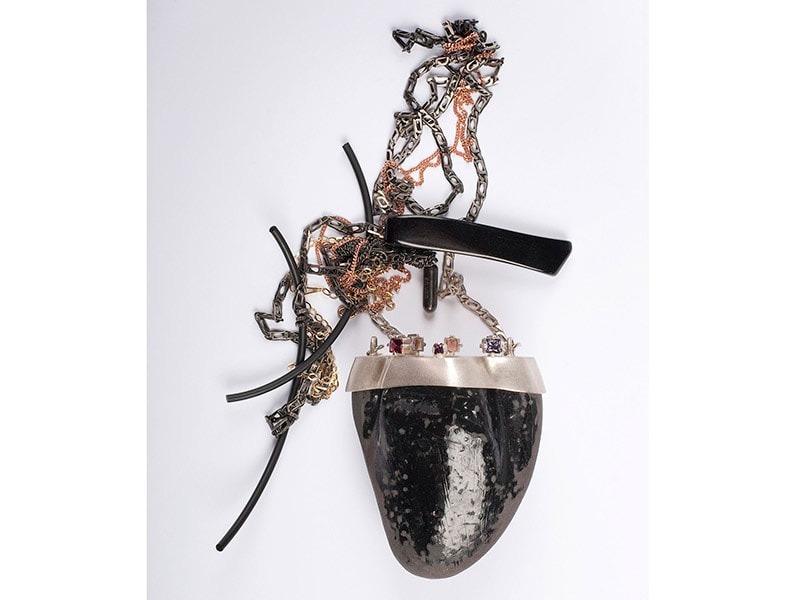
The dark sky of imagination. Jewellery by Kadri Mälk
Until 5 April
The exhibition The dark sky of imagination. Jewellery by Kadri Mälk introduces one of the most influential figures and unique authors in Estonian contemporary jewellery art. The exhibition presents more than 200 works created by Kadri Mälk (1958–2023), including jewellery, objects and sketches. In addition, it showcases her collection of contemporary jewellery assembled over the years, comprising around two hundred works by both prominent international and Estonian artists.
Kadri Mälk is among Estonia’s most internationally renowned jewellery artists, who opened doors for many of today’s active Estonian creators. Her versatile work was dedicated to raising awareness of the nature, meaning, and reach of contemporary jewellery. The exhibition focuses on Kadri Mälk both as an artist and as a collector.
EKKM
Nominees from left to right: Anna Mari Liivrand, Taavi Suisalu, Keiu Maasik, Hanna Samoson, Darja Popolitova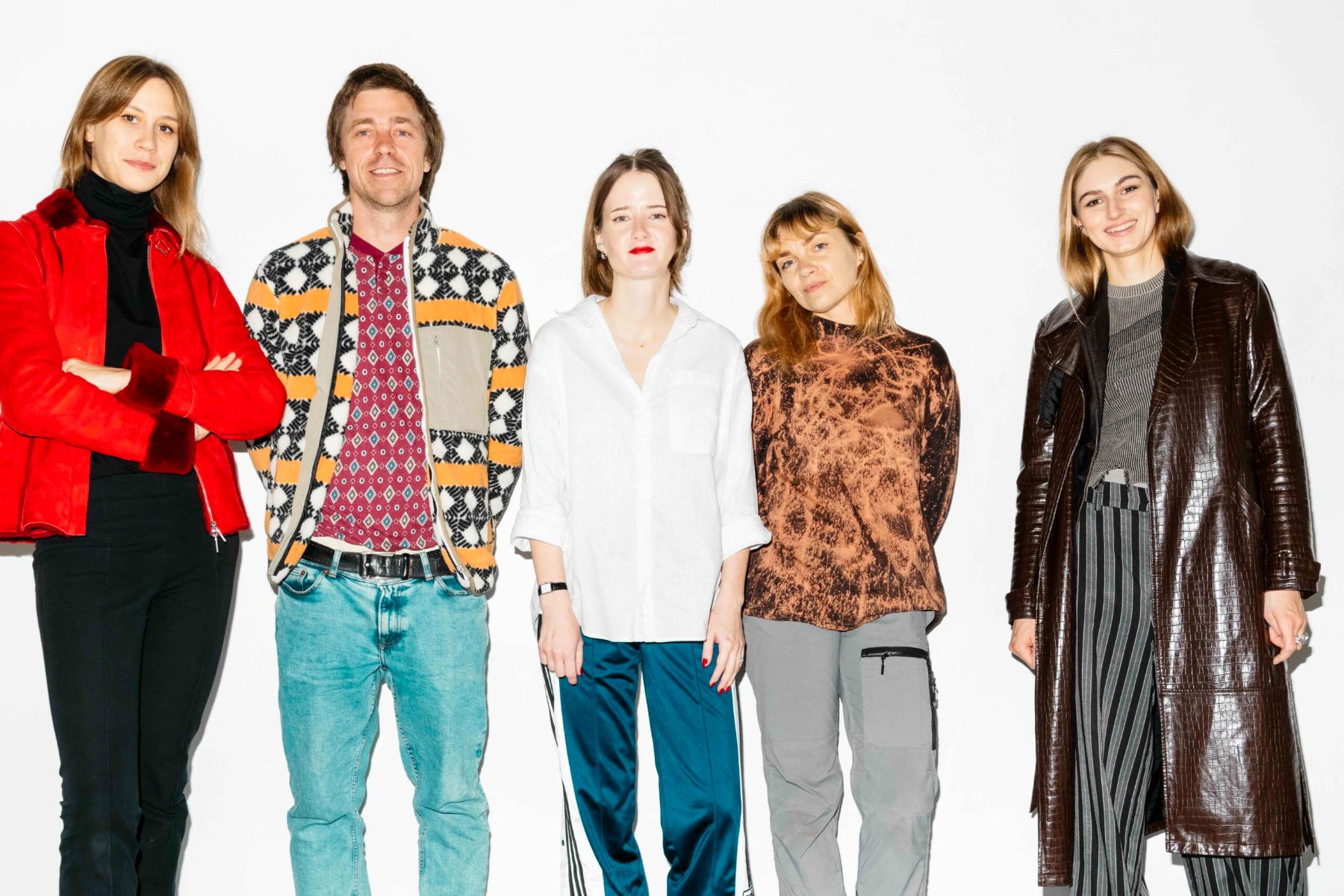
KÖLER PRIZE 2026. Exhibition of nominees
11 April – 05 July
The jubilee season of EKKM (Contemporary Art Museum of Estonia) will be launched with the return of the Köler Prize! The exhibition of the works of the nominees (11.04–05.07.2026) will feature five Estonian artists – Anna Mari Liivrand, Darja Popolitova, Hanna Samoson, Keiu Maasik and Taavi Suisalu – who will each create a new work, based on which an international jury will select the winner of the main prize and the visitors will decide the recipient of the audience prize. In 2026, the main prize of €15,000 will be sponsored by the indie video game studio ZA/UM. The €5,000 audience award will be awarded by the law firm COBALT. The Köler Prize exhibition will be accompanied by a catalogue, a film and a spectacular awards gala.
Temnikova & Kasela gallery
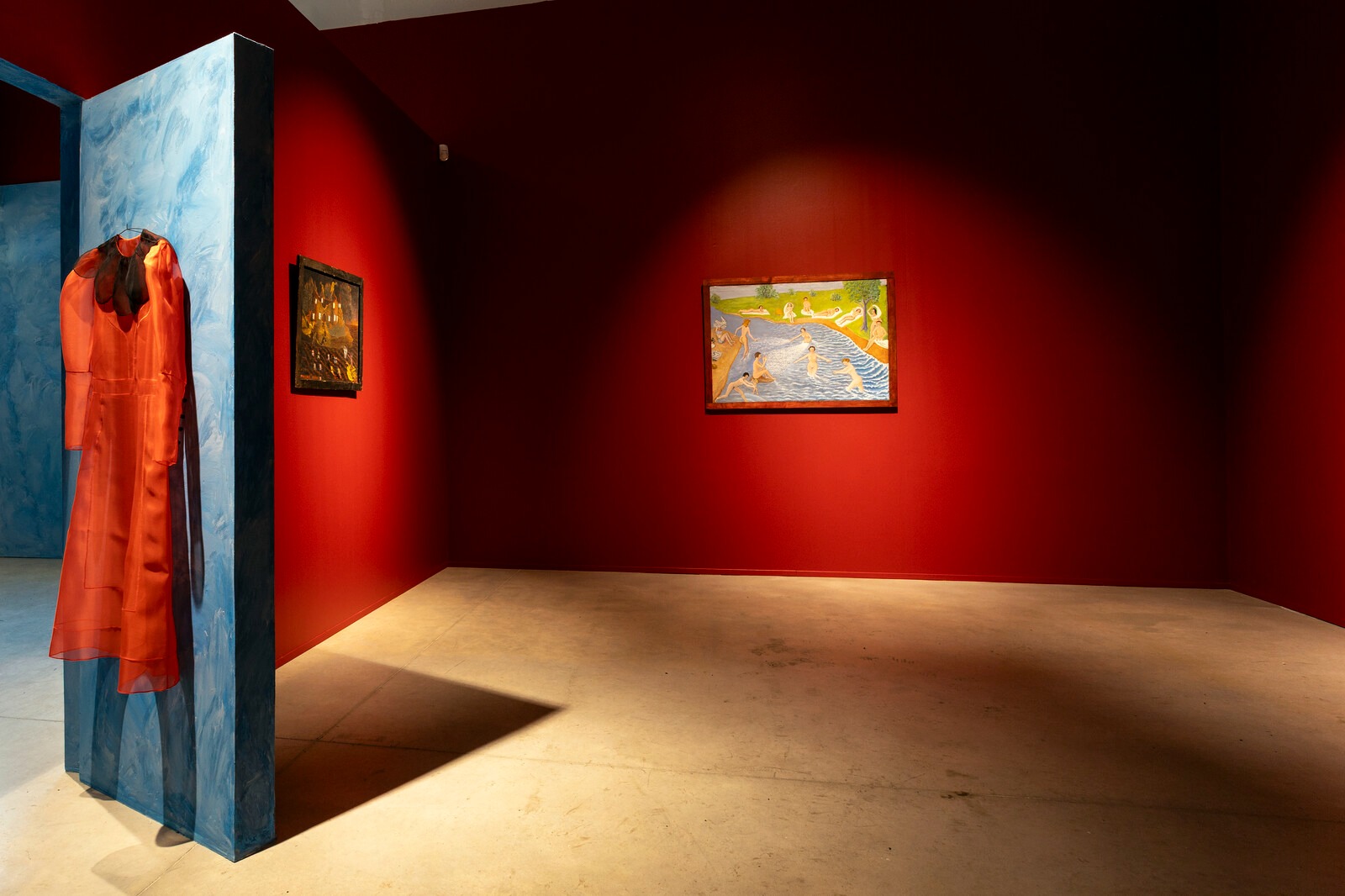
Paul Kondas, Thea Gvetadze. Unfolding Nuptials
Until 11 April
The exhibition features two artists who lived in different geographies, times, and environments and never met. However, the ability to see the world through a lens of truth and unmasked perception is what distinguishes and brings together Paul and Thea. While Thea’s artistic practice reveals honest realities and hidden layers that often escape the gaze of the average observer, Paul’s paintings disclose the complexities of life—signs of resistance, whispers of dissent, and the quiet passions that drive human connection. Often unnoticed, they also expose the truth about political systems and relationships.
The two rooms constructed for this exhibition marry the artistic values and experiences of Paul and Thea, placing them on parallel paths, despite their different contexts. At the heart of this project is the embodiment of connections, which unites the two artists and weaves together invisible networks that transcend the constraints of time, distance, and political systems. These connections have the power to create an environment free from the divisions present in today's world. This exhibition showcases the coexistence of two artistic practices, filled with hope, truth, and possibility, creating a tapestry of revelations and connections. Thea’s homage to Paul Kondas’s legacy results in the creation of project-based works, including textiles, mosaics, paintings, and installations for this exhibition, following a research trip to Estonia in August 2025.
Tütar gallery
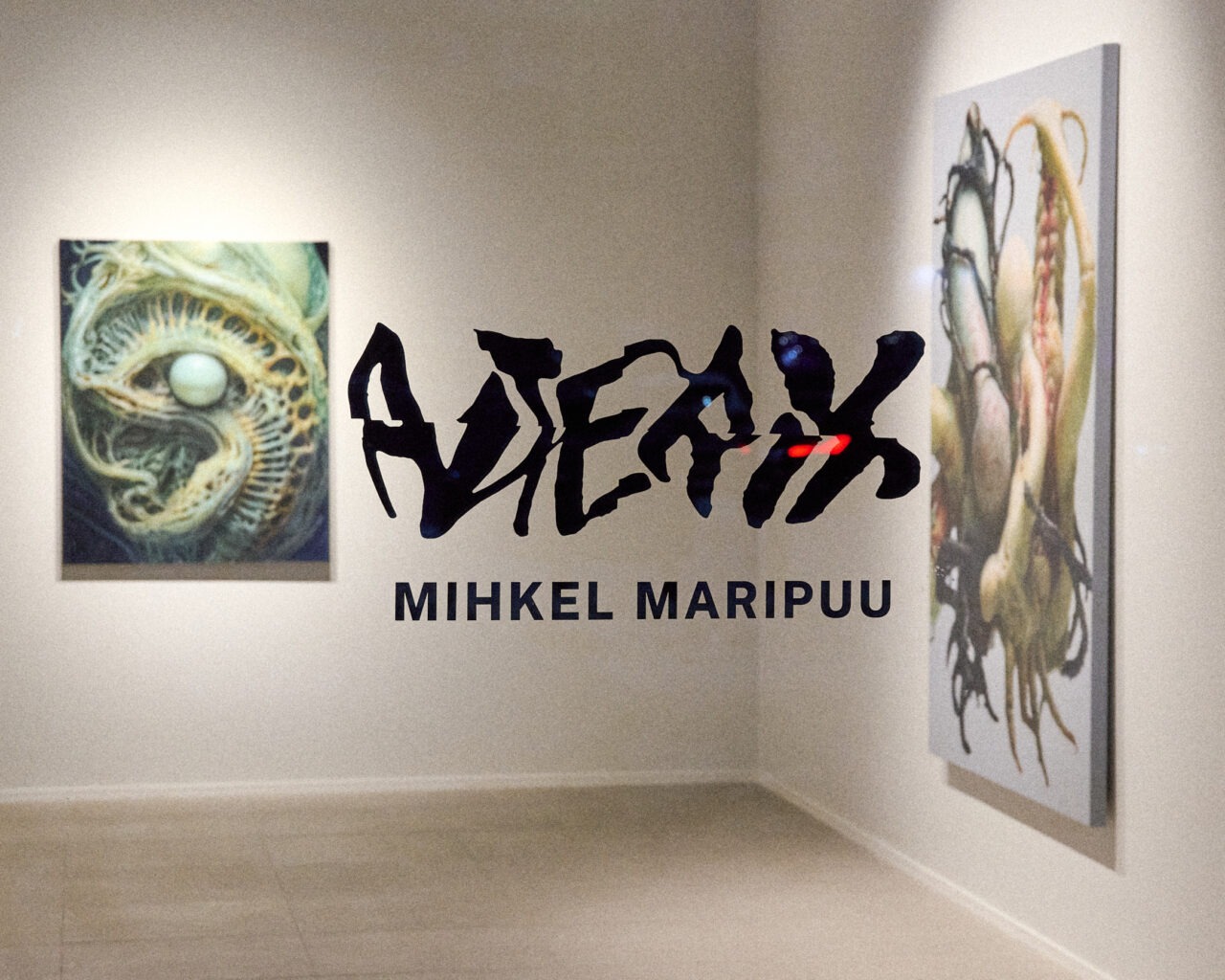
Mihkel Maripuu. Alterix
Until 12 April
Art historian Andrus Laansalu notes in the exhibition text: “Humans have always had serious problems with the unfamiliar other. Anyone who is not unequivocally myself is that unfamiliar other… Perhaps, when looking at Mihkel Maripuu’s paintings, one could learn the other side of the experience of being, how not to let our evolutionary fears poison an encounter with the unfamiliar other. There are countless different patterns of encounter for communicating with unknown life forms. Every unfamiliar other can teach us some new method. What seems to us like an organoid proliferation is, for another being, a landscape, and for yet another, a memory of ancestors. Let us think about that.”
Mihkel Maripuu (1987) is an artist examining the evolution of visual language in the digital era, addressing its impact on contemporary aesthetics and materiality. His practice interrogates the shifting dynamics between technological systems and organic worlds, tracing moments where the two collapse into one another. Through compressed, multi-layered, and at times aggressively rendered compositions, Maripuu constructs environments in-which digital logic glitches into painterly materiality, creating a space of tension, resistance and reinvention. Through a dynamic, boundary-pushing practice, he defines the intersections between the illusory and material in contemporary art.
ESTONIA, Tartu
Tartu Art Museum
Exhibition view. Photo: Madis Katz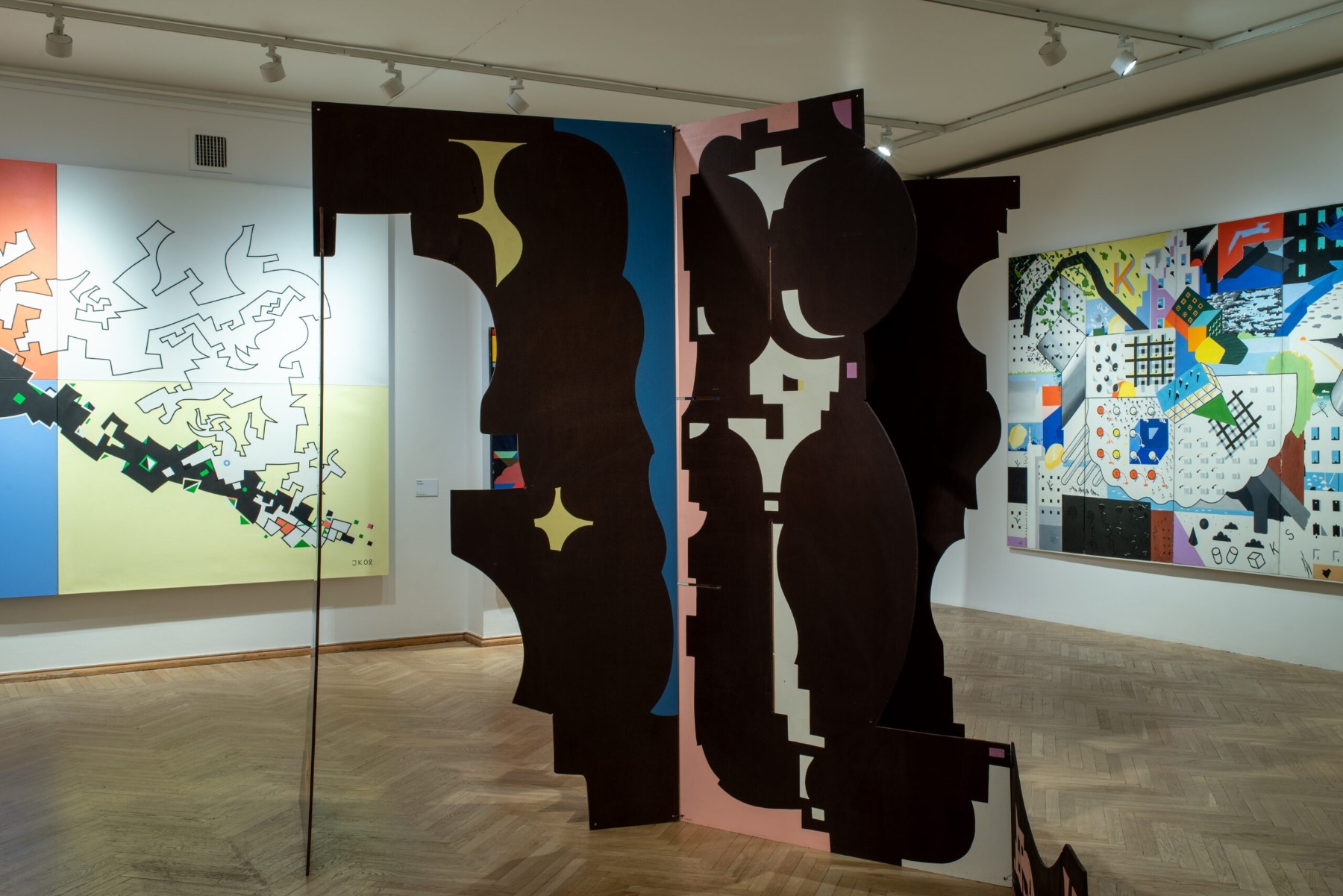
Jüri Kask. Blink of an Eye
Until 26 April
Sixty years after graduating from the Tartu Art School, Jüri Kask has come full circle, returning to the leaning building. The former dormitory, now the Tartu Art Museum, is hosting Jüri Kask’s solo exhibition Blink of an Eye.
Kask is known for his large format works and love of colour, and stylistically he is considered to be one of the most consistent painters of geometric abstractionism in Estonia. Extending along two floors, the exhibition will take over the floors, the walls and the ceiling and, as usual for Kask, it will break boundaries. It is a pictorial language, honed to perfection, which evolves into a holistic world. Exhibited alongside drawings by Kask the student and abstract paintings by Kask the mature artist will be many works which have yet to be shown publicly.
Kogo gallery
Foto: Reinis Hofmanis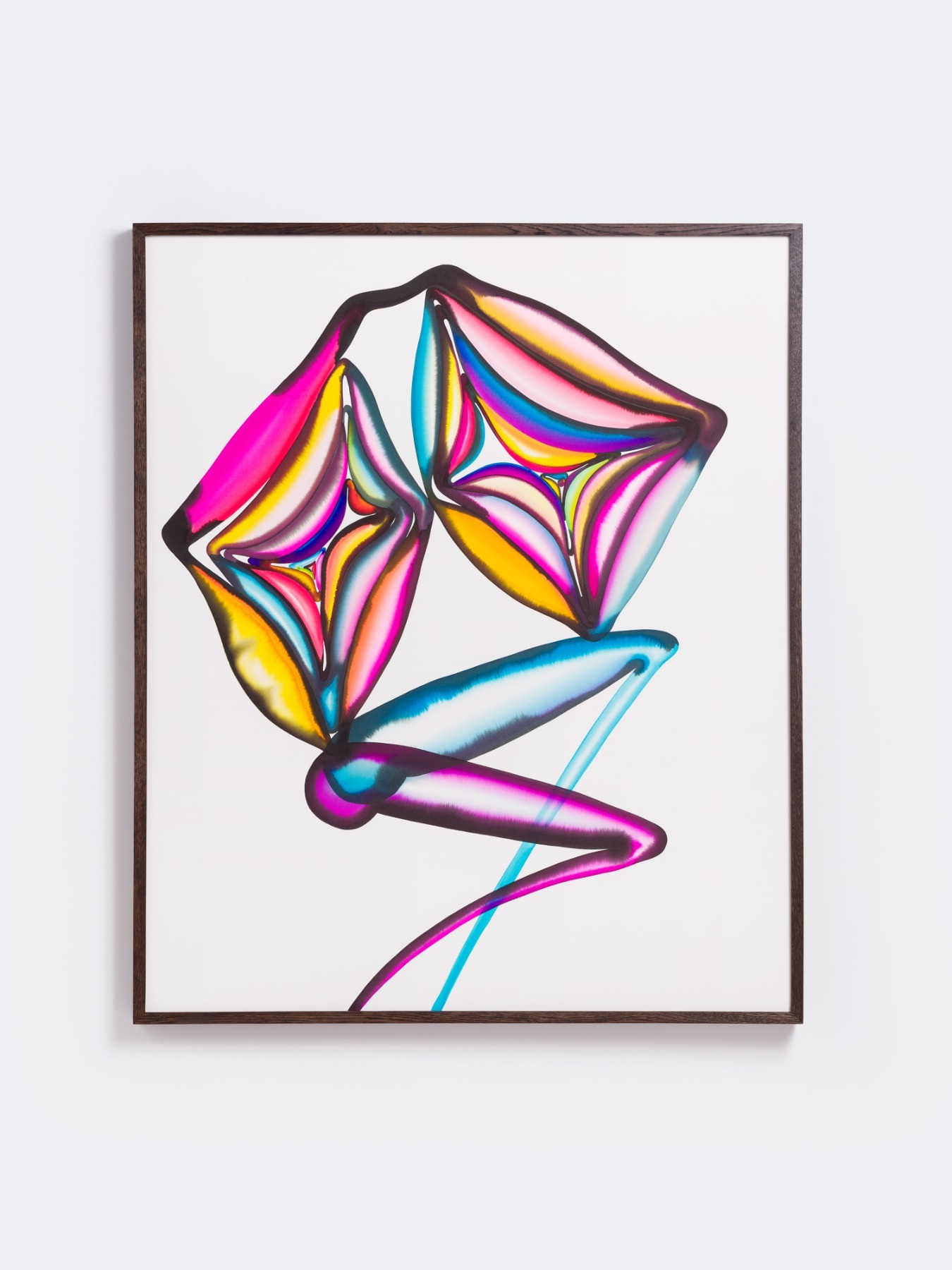
Sabīne Vernere. Femme Forte
Until 11 April
The colours of sunrise and sunset emerge from the interaction between short and long light waves and the Earth’s atmosphere. In Vernere’s new works, this optical phenomenon becomes a metaphor for women’s voices and histories. When the sun sinks below the horizon in the evening, its light enters the atmosphere at a more acute angle and, so, must travel a longer distance to reach the Earth’s surface. As a result, blue light scatters and disappears, while the red light remains. In Femme Forte, a light blue tone marks the more delicate forms of the feminine as the saturated colours of twilight symbolise voices growing stronger through resistance.
A similar analogy of revelation is offered by the aurora borealis, in which invisible solar winds meet the atmosphere to create intense colours. Layered greens, pinks and purples evoke the way individual stories converge into a shared spectrum. Forming at the threshold between cosmos and air, the aurora mirrors Vernere’s spirals that depict a liminal space signalling transition.
LATVIA, Riga
Latvian National Museum of Art
Aleksandra Beļcova. Self-Portrait in a Hat with a Blue Brim. 1920-1921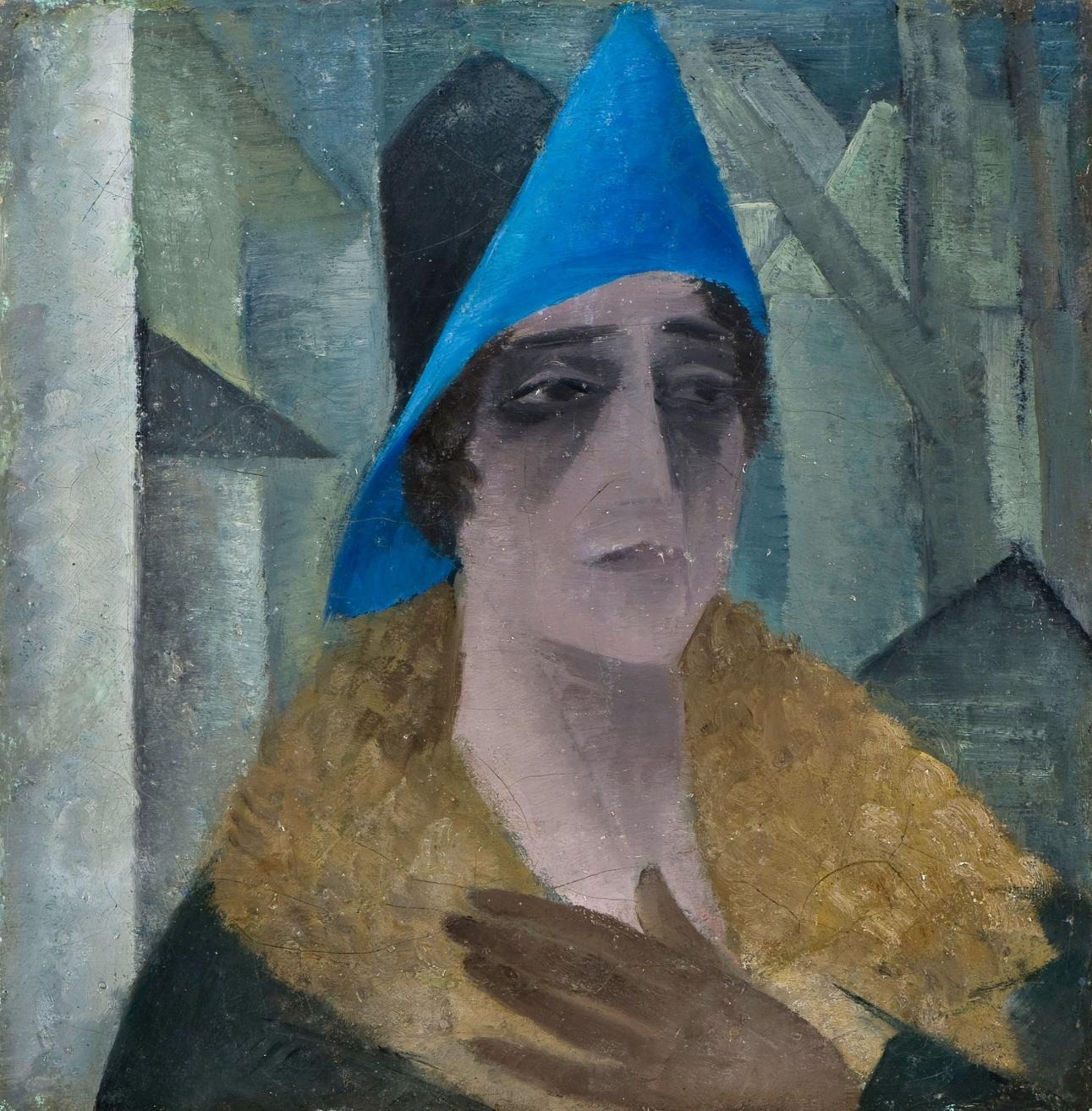
Wandering the Streets: Urban Visions of Latvian Modernists
Until 26 July
The first half of the 20th century was a time of rapid change in Latvian and European culture. The exhibition invites visitors to trace the experiences of Latvian writers and artists in three significant cities – Riga, Berlin and Paris. They were flâneurs and flâneuses – leisurely observers of the city who documented modern architecture, traffic, advertising, shop windows, the sounds and rhythms of urban space in texts and images. In a similar way, visitors to the exhibition will wander among the exhibits, sensing the atmosphere of the era and becoming acquainted with its visual language.
Before the First World War, Latvian artists such as Gustavs Šķilters, Jāzeps Grosvalds and others were already strolling the streets of Paris as flâneurs. After the war, they were followed by members of the Riga Artists’ Group and by writers who were eager to share their impressions both in writing and in works of art. Latvian culture became part of the broader current of European Modernism and enriched it. Alongside the major metropolises of Western Europe, Riga also powerfully inspired the works of Latvian modernist artists, writers and thinkers. The exposition brings together both canonical and lesser-known artworks, as well as poetic texts, original printed materials, photographs, and video works.
Aija Ozoliņa. Dreams of Various Lengths. 1983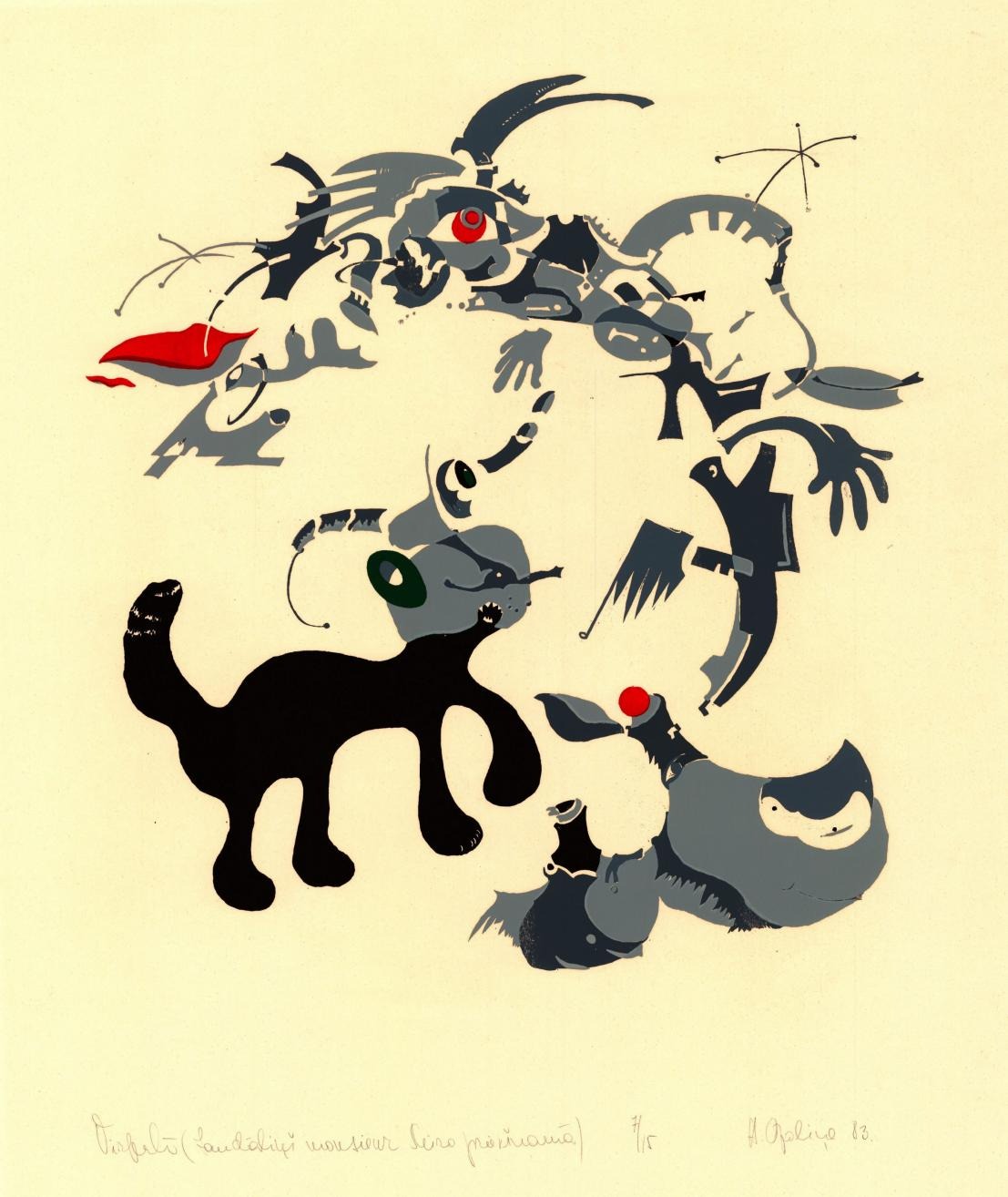
Dreams of Various Length. Manifestations of Surrealism in Latvian Printmaking in the 1970s–80s
Until 16 August
The exhibition focuses on interpretations of Surrealism in the oeuvre of eight graphic artists – Māris Ārgalis (1954–2008), Ilmārs Blumbergs (1943–2016), Valija Brence (1941–2009), Maija Dragūne (1945), Arthur Nikitin (1936–2022), Aija Ozoliņa (1932–2023), Māra Rikmane (1939), and Lolita Zikmane (1941). Currently not equally known and studied, these talented authors worked under Soviet occupation in the 1970s and 80s, when Surrealism, alongside Abstractionism, was placed on the list of art directions undesirable to Soviet ideology. The term appeared in the Latvian press already in the mid-1920s, yet in visual art traces of Surrealism came much later – the use of the direction’s characteristic expressive means (biomorphic forms, dreaminess, unexpected combinations of objects, things and characters or their counterpositions, the fusion of time and space, deformation of images or their metamorphosis into other forms) is noticeable in the early 1970s.
This tendency is particularly evident in graphic art, which, in comparison to painting and sculpture, faced less ideological supervision from the Soviet authorities. In Latvian art, Surrealism predominantly manifested itself in the adoption of formal means of expression and not deliberate adherence to the principles cultivated by the surrealists of the interwar period.
Riga Contemporary Art Space
TRANSFUNGUS (2022/2023) Digital print on paper; frames grown from mycelium; polyurethane coating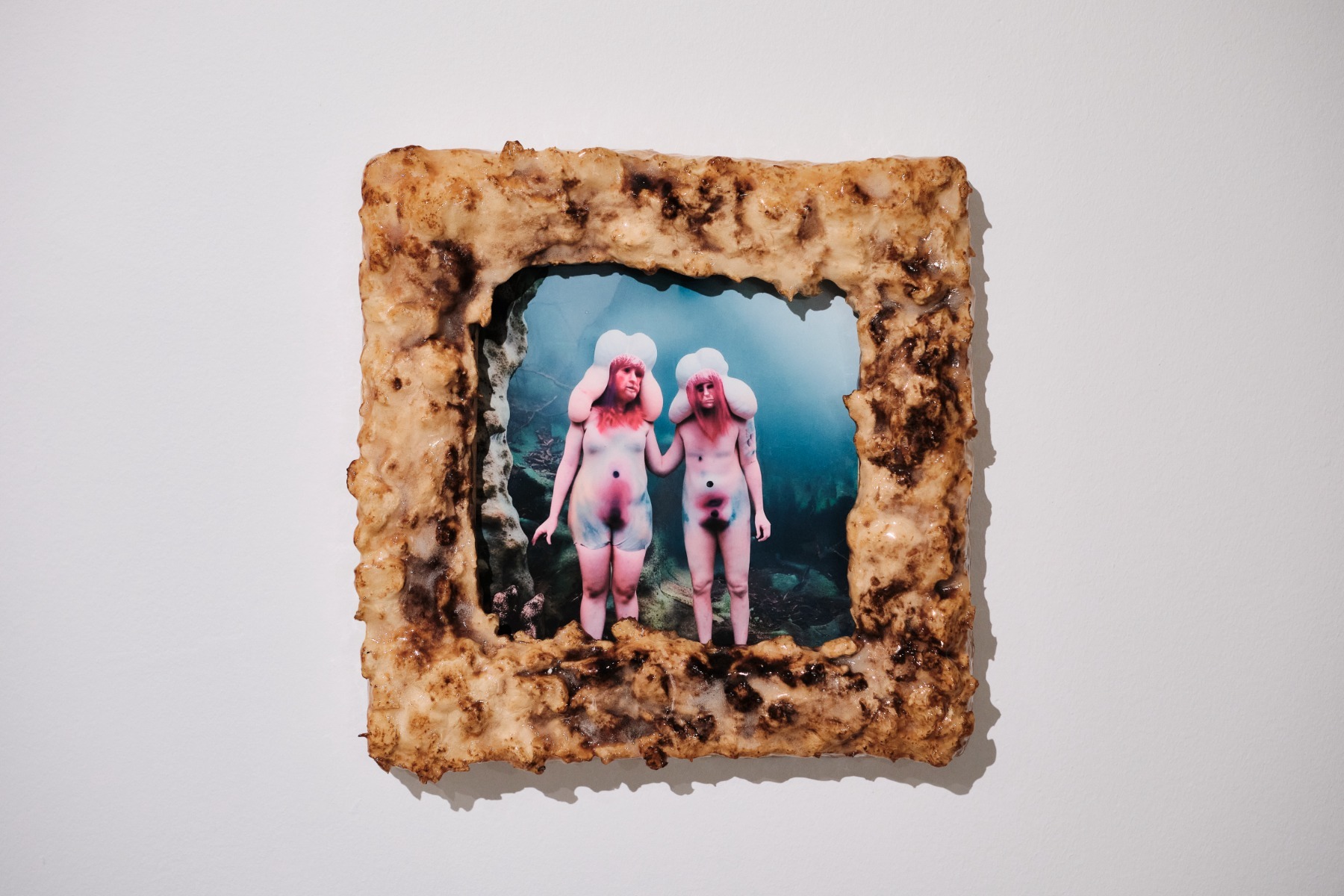
Gints Gabrāns. Algorithmic Communities
Until 5 April
The exhibition explores human interaction with artificial intelligence and algorithmic systems, as well as the human relationships shaped and influenced by them. In this sense, it can be seen as an artist’s attempt to create a “portrait of the contemporary”– a reflection on technology’s impact on society at large and the ways it reverberates through culture, including its influence on artistic production itself.
Gints Gabrāns is an installation and multimedia artist whose work has been exhibited widely in Latvia and internationally. In 2007, with his project Paramirrors, Gabrāns represented Latvia at the 52nd Venice Biennale. He says: "Everyone is getting involved with artificial intelligence (AI) now, but in order to create something of your own, some-thing original, you have to understand and predict what are the data underneath it, and where they are – these large data groups. It’s about more than just seeing a strange sight; it also reveals some deeper hidden structures that exist in human society."
Read our interview with the artist.
Kim? Contemporary Art Centre
Paula Punkstiņa. Publicity image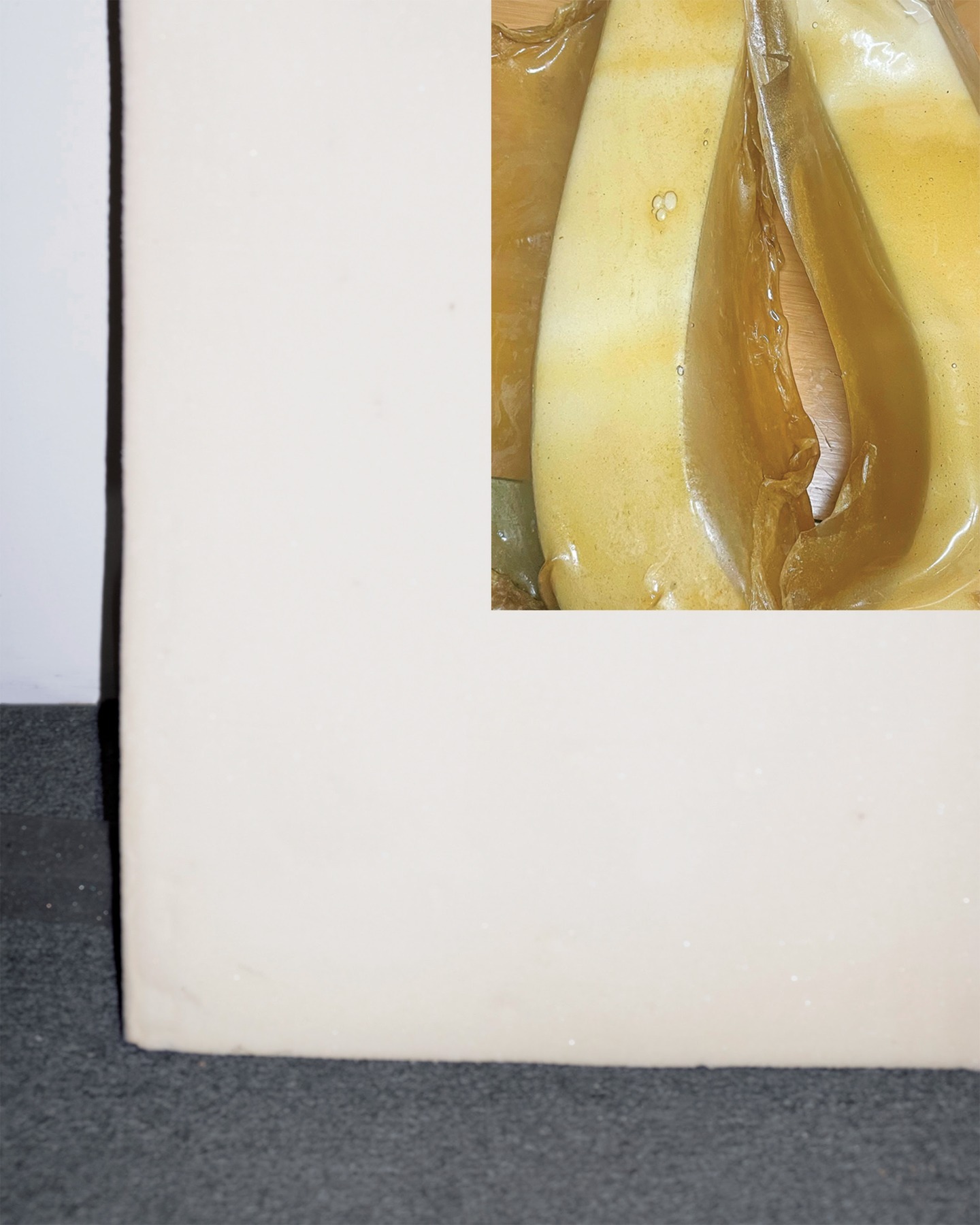
Paula Punkstiņa. The Arrows of Concerns
Until 19 April
In The Arrows of Concerns, Paula Punkstiņa approaches identity as liminal, wounded, and continually reconstituted. The exhibition unfolds through material and psychological compressions in which the self bends, fractures, dissolves, and reforms. Oscillating between vulnerability, naivety, resistance, playfulness, and detachment, Punkstiņa’s works trace how subjectivity adapts under pressure without vanishing entirely.
At the exhibition center, flexible polyurethane memory foam serves as both structure and metaphor for exposed corporeality. It absorbs impact, yields, and slowly returns to form. Punkstiņa treats it as a model of “essence”: mutable yet retentive, marked by experience but resistant to permanent distortion. Coated, pierced, or coupled with intrusive elements—bamboo arrows, taxidermy fragments, bicycle parts, synthetic hair—the flesh-like material becomes a site of exposure. At times, it is sheathed in a honeyed, porous membrane resembling a second skin, suggesting protection without fully sealing the boundary between inside and out.
Séverine Heizmann Pozza. Publicity image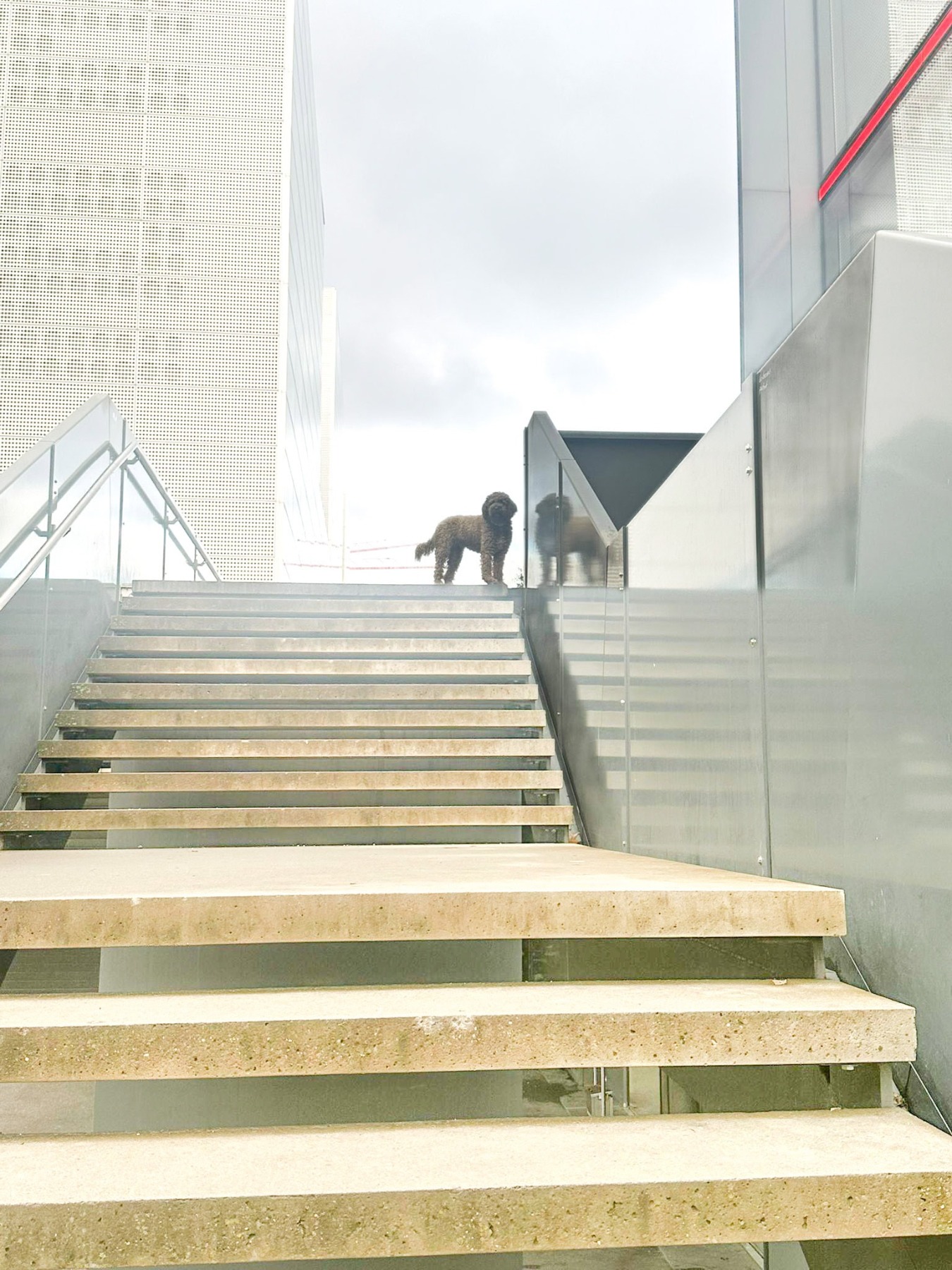
Séverine Heizmann Pozza. Settling at Dawn
Until 19 April
Séverine Heizmann Pozza’s practice draws on various interconnected systems: permaculture, ecology and divination. These shape dynamic structures made up of their own logics of transmission, as many complex sites which are thought of as nodes of overlapping interdependent zones, articulated by a site-responsive painting. The unpredictability and openness of ceramics, whose outcome is only revealed through the thermochemical process of the kiln—painting in the dark— answers those dynamic ecosystems by stating its own elsewhere, an autonomous site of fluxes and exchanges. Firmly closed when the firings take place, the kiln itself looks like a reactor of some sort, enclosing the radiation which effects the material: the surfaces are at times oxidated, due to the effect of a corrosive reaction, or show stronger material transformations through vitrification. Their colours further insist on the narrative of contamination: the luxurious fading palette of guppy blues, muddy browns, deep chartreuse and troubled aquamarine greens contrast with acidic oranges and red’s radiance due to the cadmium’s toxicity. The colors seem to owe their tint to outside processes. Consider the reduction leading to a metallic black, seemingly illuminated from inside, as if it owed its depth to some arcane power. Just as Riga Black Balsam isn’t Picon, it could happen that one black looks like another but doesn’t taste the same.
Zuzeum Art Centre
Džemma Skulme (1925-2019).
Infante, 1980s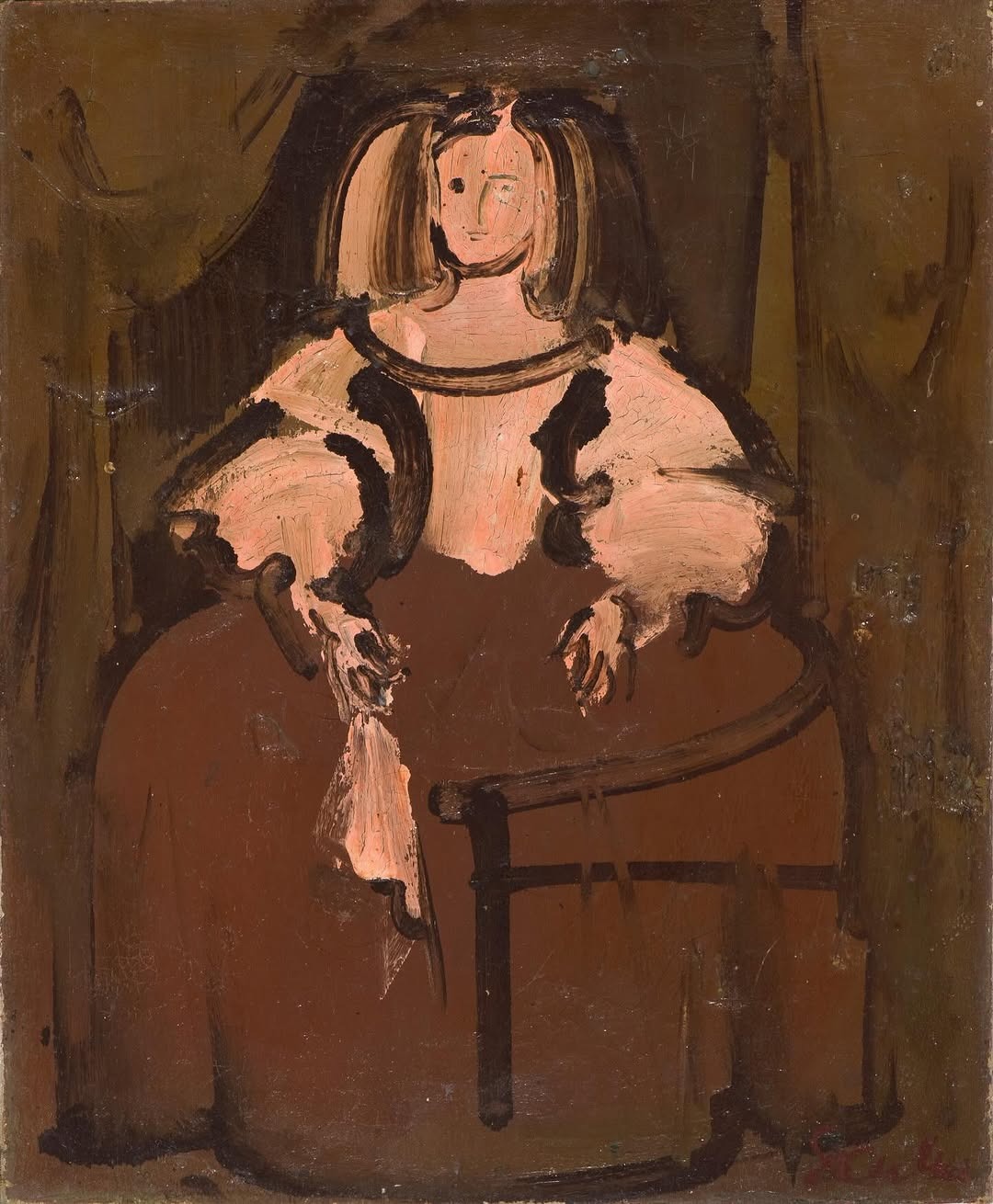
Collections
Until 10 May
Collections are shaped by the simple yet powerful act of bringing things together. It’s an innate and fundamental human activity which can be found and displayed in museums and in memory boxes, in institutions and in childhood bedrooms. Whether of paintings, porcelain, or postcards, a collection reflects on who we are and lets us remember where we come from. Encompassing nearly 35,000 works, the Zuzāns collection is a living record of Latvian art and a portrait of collecting as a cultural and personal act. What is more, it is a reflection of the creative effort of countless individuals. The character of such a collection emphasizes the singular nature of art: how each work asserts its own identity, yet gains depth and resonance through the context of others around it. This exhibition approaches the act of collecting as an extension of artistic thinking by bringing together works through intuition and association. Selected from the wider collection, the artworks are arranged into sets that follow no fixed system, but instead draw connections through form, colour, gesture, or mood. Some connections are immediate and visible, others may be more subtle and suggestive. What unfolds is an archipelago of collections, a landscape to explore with attention and curiosity, an invitation to discover what draws us in and why.
Māksla XO Gallery
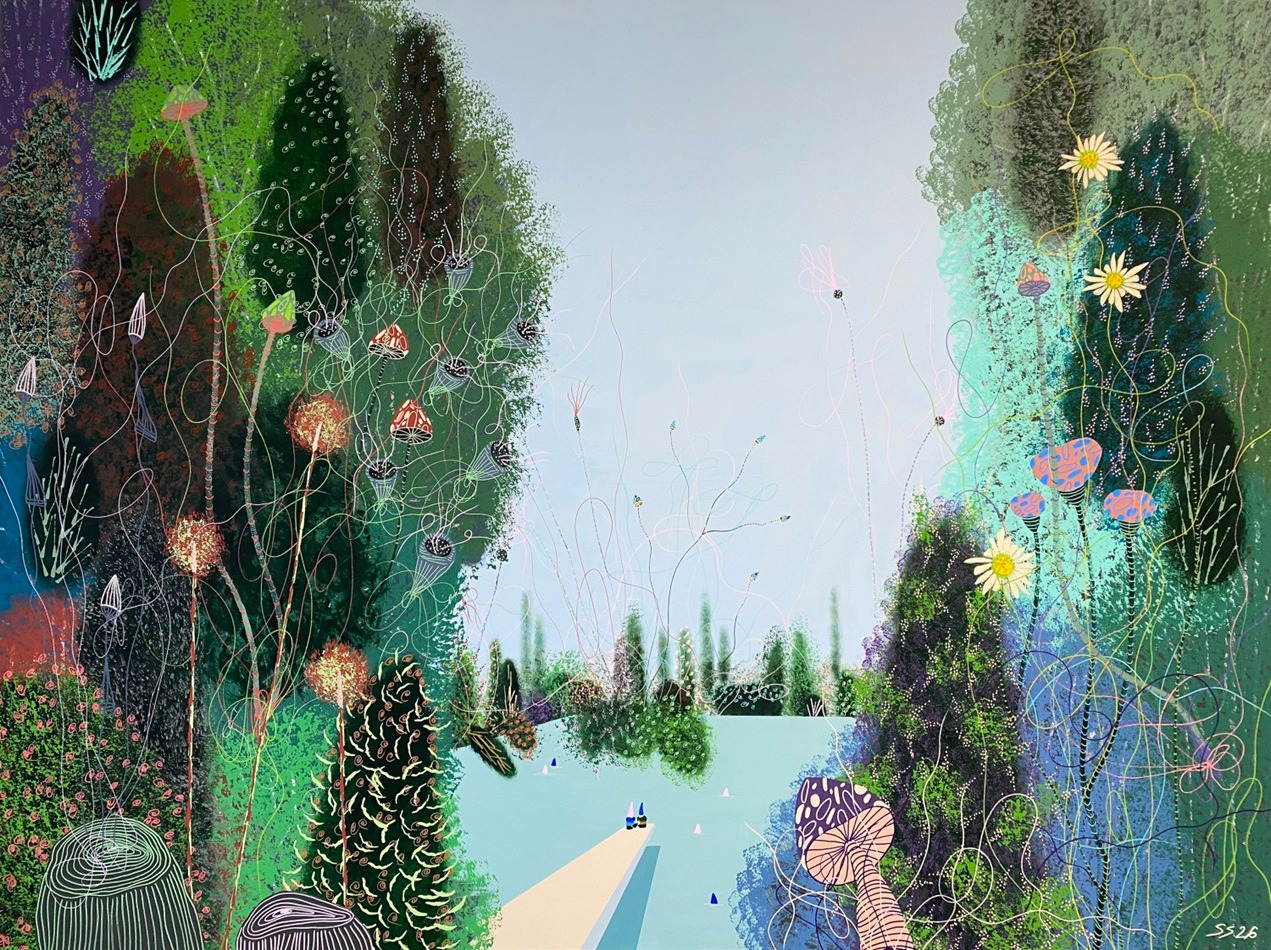
Sandra Strēle. Look – In The Surf, A Goldfish! Now Make A Wish!
Until 18 April
In her artistic practice, Sandra Strēle explores expanded forms of painting, creating large-scale series in which narratives, motifs, and figures develop and transform, forming continuous storylines. These may be universally resonant, rooted in everyday experience, or deeply intimate and personal to the artist. Figures migrate from one painting to another, generating new interpretations and layers of meaning. In her latest series, “Look – In The Surf, A Goldfish! Now Make A Wish!”, Sandra Strēle continues the theme introduced in her 2025 solo exhibition “The Night Before” at the Mark Rothko Museum in Daugavpils: the human aspiration to find harmony and happiness, to encounter another person with whom to share this sense of fulfilment, and to remain at peace against the backdrop of a turbulent world.
Central to the series is the image of the goldfish – a figure we have trusted since childhood as the embodiment of the promise that anything is possible. Emphasising the significance of this symbol, rooted in ancient Chinese mythology and associated with happiness, prosperity, peace, and good fortune – as well as with the power to attract positive energy and ward off misfortune – the artist invites reflection on the meaning of our wishes and our faith in them at a time when the global order feels unstable and unsettling.
ASNI gallery
Agate Tūna. Can you see me if I don’t move? Analogue photography. Inkjet printing on archival paper, neobond panel, aluminium frame. 2025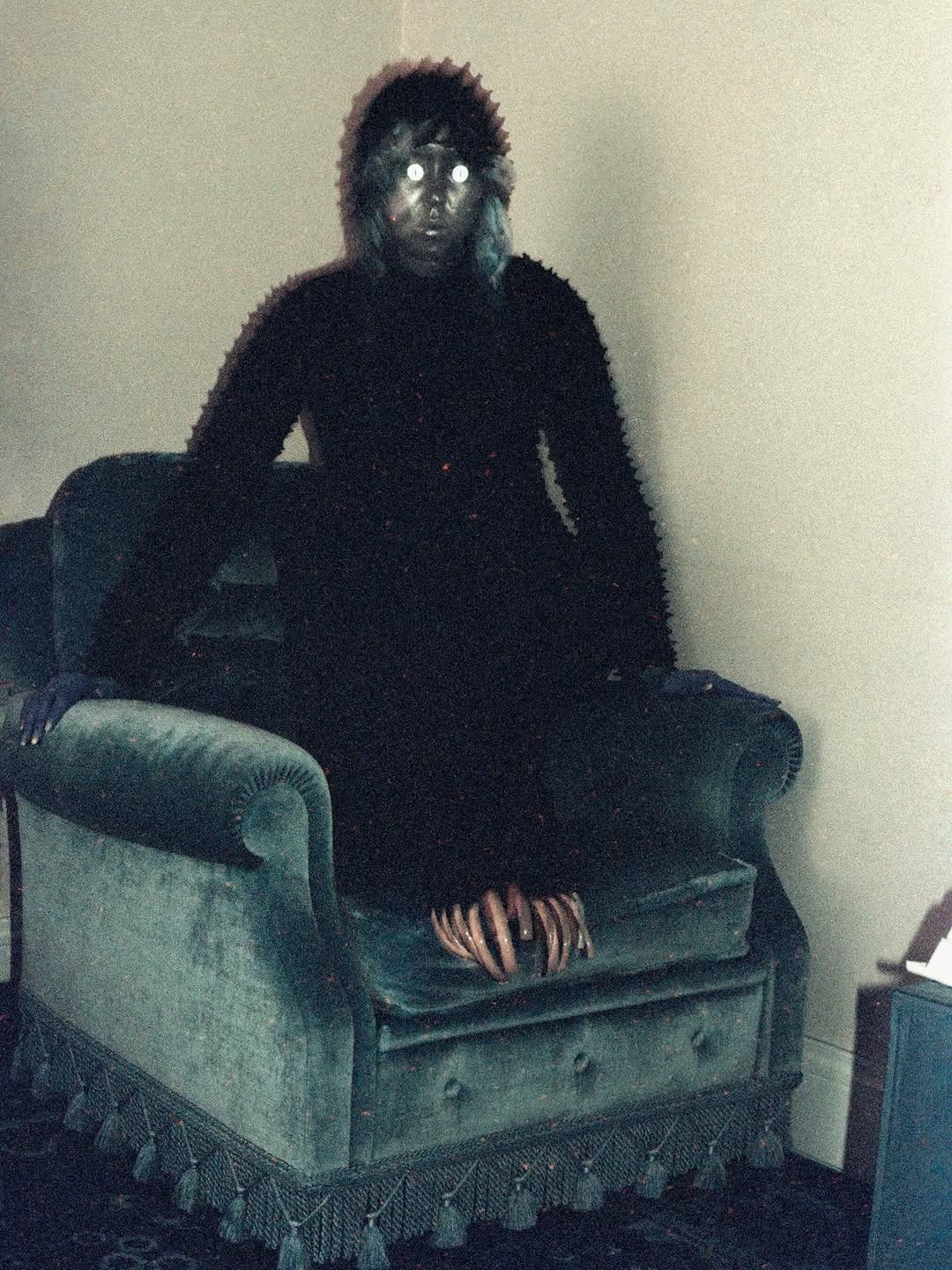
Group exhibition SOOOOOO CUTE!!!!!!!!!!!!
Until 11 April
ASNI’s two-year anniversary exhibition explores the power and origins of cuteness, as well as its blend of attraction, aggression, and repulsion. The roots of the aesthetics of cuteness in Japan can already be found in prints and painting of the Edo period (1603–1868). From the 1970s onwards, Japan experienced a boom of kawaii culture, which developed under the influence of manga and anime. Kawaii is most often translated as “cute” or “adorable,” yet the term has evolved from a purely aesthetic descriptor into a broad cultural phenomenon encompassing a complex cocktail of connotations and functioning as an instrument of “soft power.”
In her book Pink Globalization: Hello Kitty’s Trek across the Pacific (2013), anthropologist Christine R. Yano emphasizes that today cuteness is multifaceted, global, and pervasive. Living in conditions of constant stimulation, consumer culture, and performativity shaped by social media, the aesthetics of cuteness are omnipresent: in entertainment, fashion, the gaming industry, advertising, and product design, forming part of the so-called “cute-cool” culture.
Gallery 427
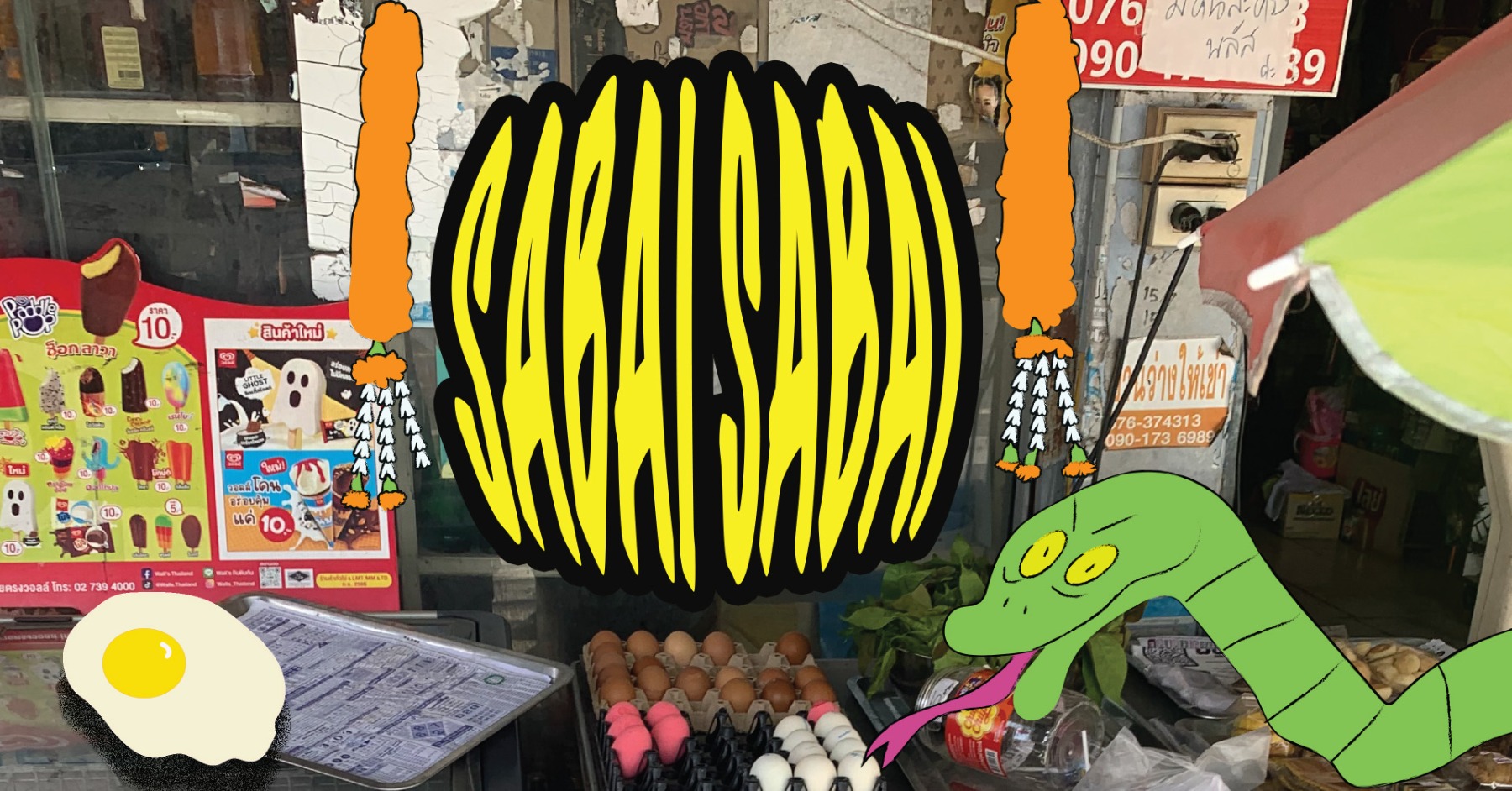
Margrieta Griestiņa. Sabai Sabai
Until 11 April
Entering the art gallery “427”, one gets the feeling that it has turned into a beach – small piles of sand are arranged across the gallery floor, along with colorful objects such as sea creatures, seashells, crabs, and much more. They have found a home in the gallery because the artist Margrieta Griestiņa shares impressions from her trip to Thailand in her latest solo exhibition. The exhibition title “Sabai Sabai” translates as “a peaceful spirit.” Through the exhibition, the artist now passes on the sense of calm she experienced in Thailand to the visitors. Alongside objects found and observed on the seabed, paintings are also displayed that depict other things reminding Margrieta Griestiņa of Thailand.
This is not the first time her works have appeared in gallery “427”. About 10 years ago, together with the artist collective “Golf Clayderman”, she created another exhibition here, which marked the beginning of Margrieta Griestiņa’s public artistic activity. Margrieta, together with like-minded people, organizes MABOCA events in Madona and is part of the art collectives GolfClayderman and Shady Ladies.
LATVIA, Jūrmala
Art Station Dubulti
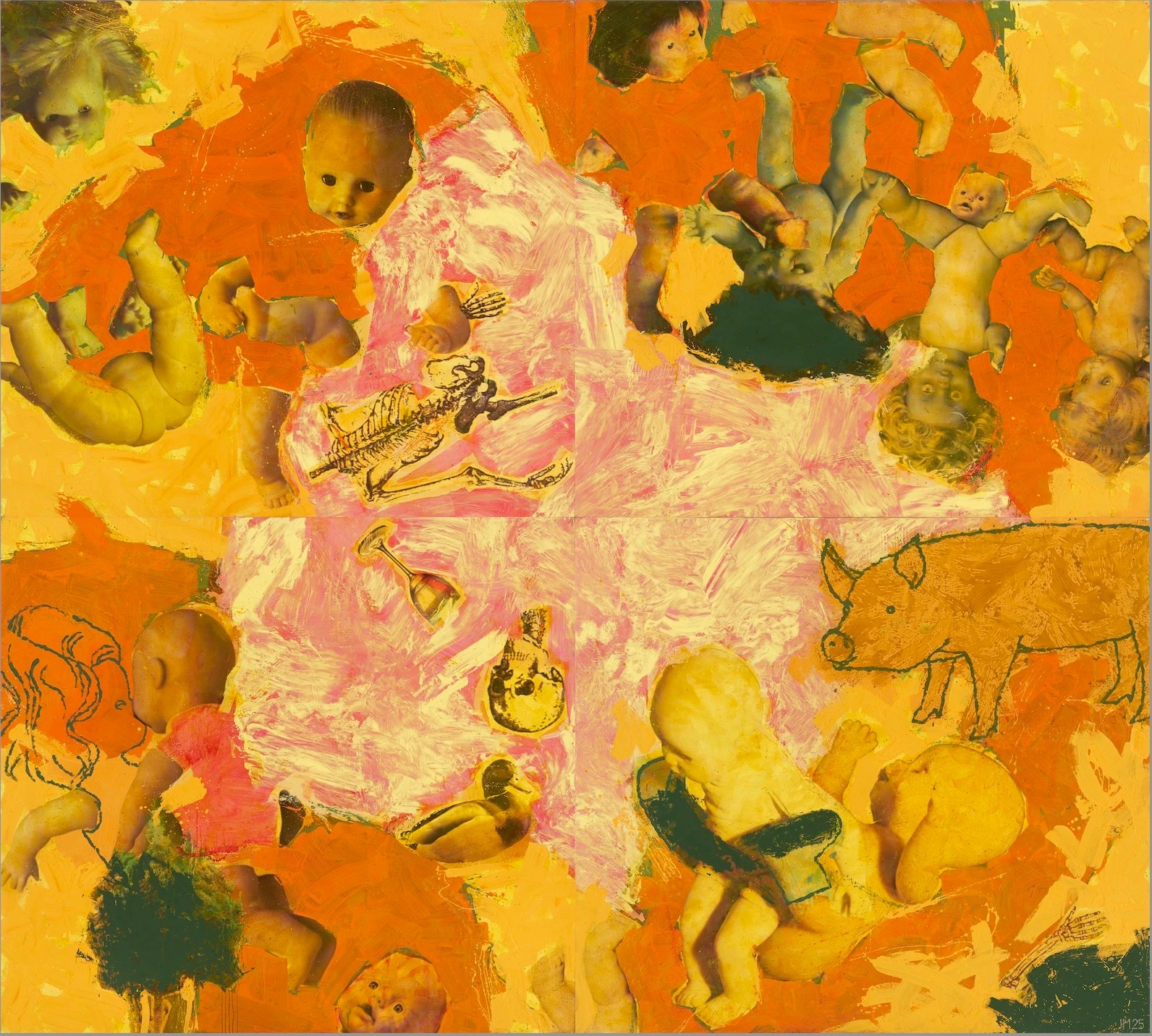
Jānis Mitrēvics. Dollhell
Until 24 May 2026
At the core of the exhibition stands a doll derived from an industrially manufactured toy. This image refers humanity. ‘A Doll. A hellish doll. A doll hell. We usually play with dolls. The games may differ, but the doll is an extraordinarily accommodating model,’ says Jānis Mitrēvics. The figure of the doll appears in paintings, the artist’s principal medium, and, for the first time in his practice, in porcelain sculpture. The entire exhibition consists of new works created specifically for DOLLHELL.
Mitrēvics reflects on the world and art itself. His contemplation of the former unfolds through figurative generalisation: how society manifests itself, how an era reveals its character, how politics crystallises into symbolic images, colours and relationships. In Mitrēvics’ work, the world flashes past as a kaleidoscope of events and regulations, endlessly shaken by time into ever-new configurations. The painterly language is expansive and gestural, built on soft fields and classical colour relationships, yet nervous in its contrasts of darkness and light – dazzling, destabilising, refusing to settle. The apparent traditionalism of the technique is deceptive. Within the aerated, almost whipped expanses of paint lies a dry technological flatness: a digital image embedded where one expects drawing. DOLLHELL seems to revel in the free fall of its own complex aesthetic, in the headlong velocity of a narrative driven by intuition.
LATVIA, Daugavpils
Rothko Museum
Anna Zholud. The Way Series No. 1. Oil on cardboard, 75 x 105 cm, 2017. Photo by Valters Pelns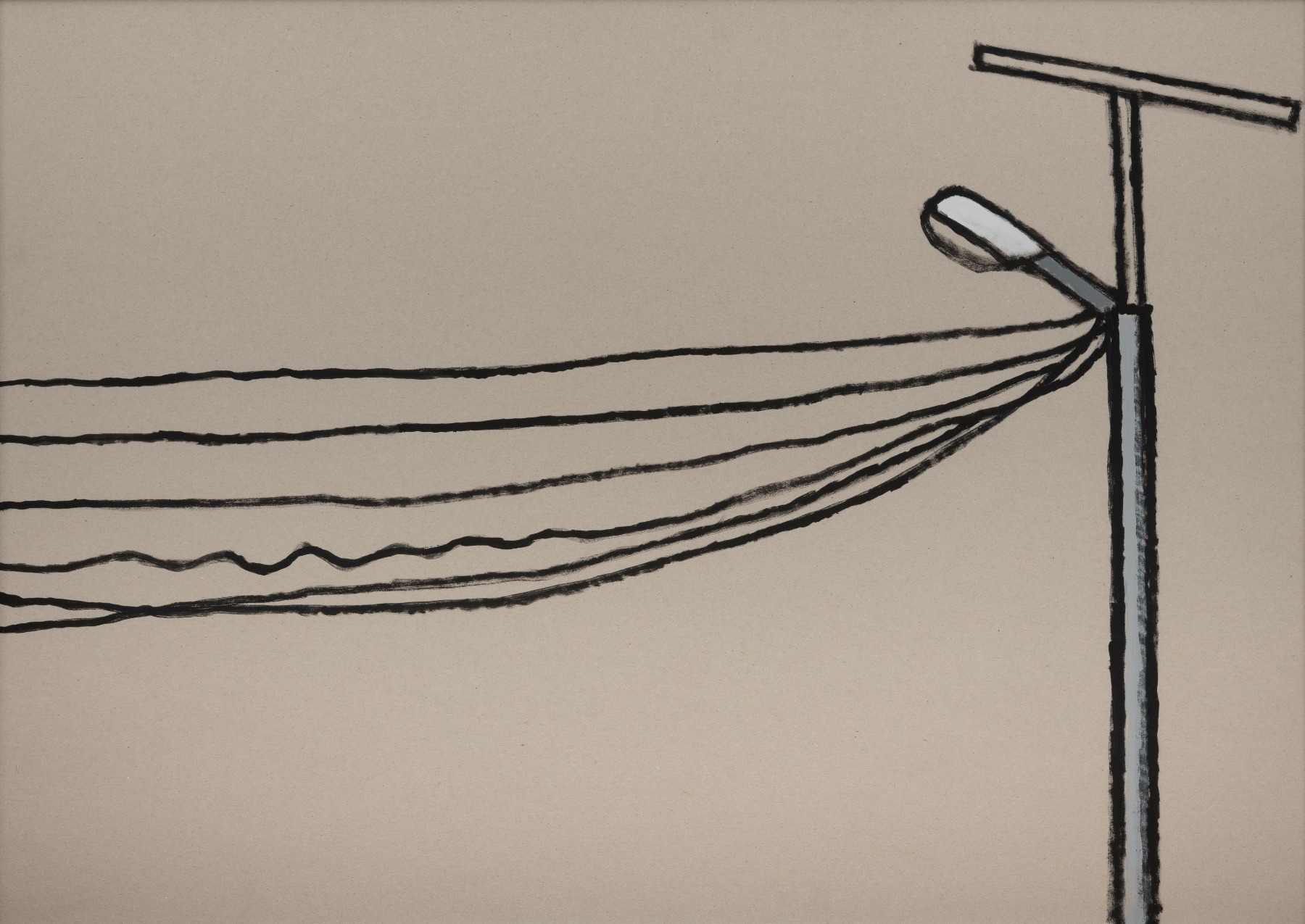
Ways of Seeing. RZ Collection
Until 24 May
Ideas, visions, dreams, remarkable occasions, experiences, and hopes for what the future holds – these are the impulses through which time leaves its mark on art. They find expression in the works of artists whom Raivis Zabis met, connected with, and gathered throughout his life. This exhibition invites the viewer into ways of seeing that reach beyond the artworks, towards the largely private space between collector, artist, and the spirit of their time. For Zabis, becoming a collector was at one a conscious choice and an idealistic leap of faith befitting a romantic. Although he steered his business life with pragmatism, in art, his way was more imaginative and intuitive – almost artistic in itself. The RZ Collection grew organically, untouched by market logic, rigid criteria, and framing. Zabis was happy to admit that intuition and emotion were the guiding forces behind his choices, each rooted in a deeply personal response.
Presenting select pieces from the RZ Collection chosen specifically for the Rothko Museum, this exhibition celebrates patronage while revealing the subtle beauty and fulfilment found in a collector’s path. Above all else, it is an exhibition about ways of seeing – art, time, and our shared humanity.
LITHUANIA, Vilnius
MO Museum
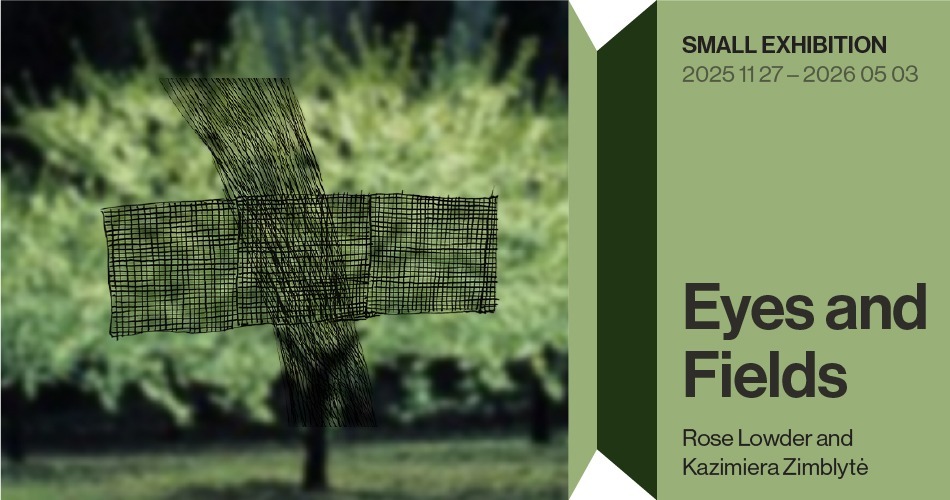
Rose Lowder and Kazimiera Zimblytė. Eyes and Fields
Until 3 May
Although Kazimiera Zimblytė-Kazė (1933–1999) and Rose Lowder (b. 1941) lived and worked around the same time, the two artists never met. They were part of different contexts: Zimblytė spent most of her life in Soviet-occupied Lithuania, while Lowder has spent much of hers primarily in Western Europe. Their disciplines also diverge – Zimblytė is best known as a painter and Lowder continues to work in experimental cinema. Yet, despite their differing circumstances, the artists share a common ground: through abstract expression both ask how we see and experience the world.
The works presented in this exhibition contain no narrative structures or easily recognizable images. Here, abstraction is not merely an aesthetic choice but a critical position and a way of thinking through which the artists explored optical phenomena, tested the limits of their media, and reflected on their environments. Eyes and Fields is conceived as a double exposure: the artists’ works are shown individually yet in dialogue with one another. The exhibition traces the origins of each artist’s distinctive approach while creating space for new, perhaps unexpected, intersections – where painting can suddenly appear cinematic and film can take on a painterly, even woven, quality.
Sapieha Palace
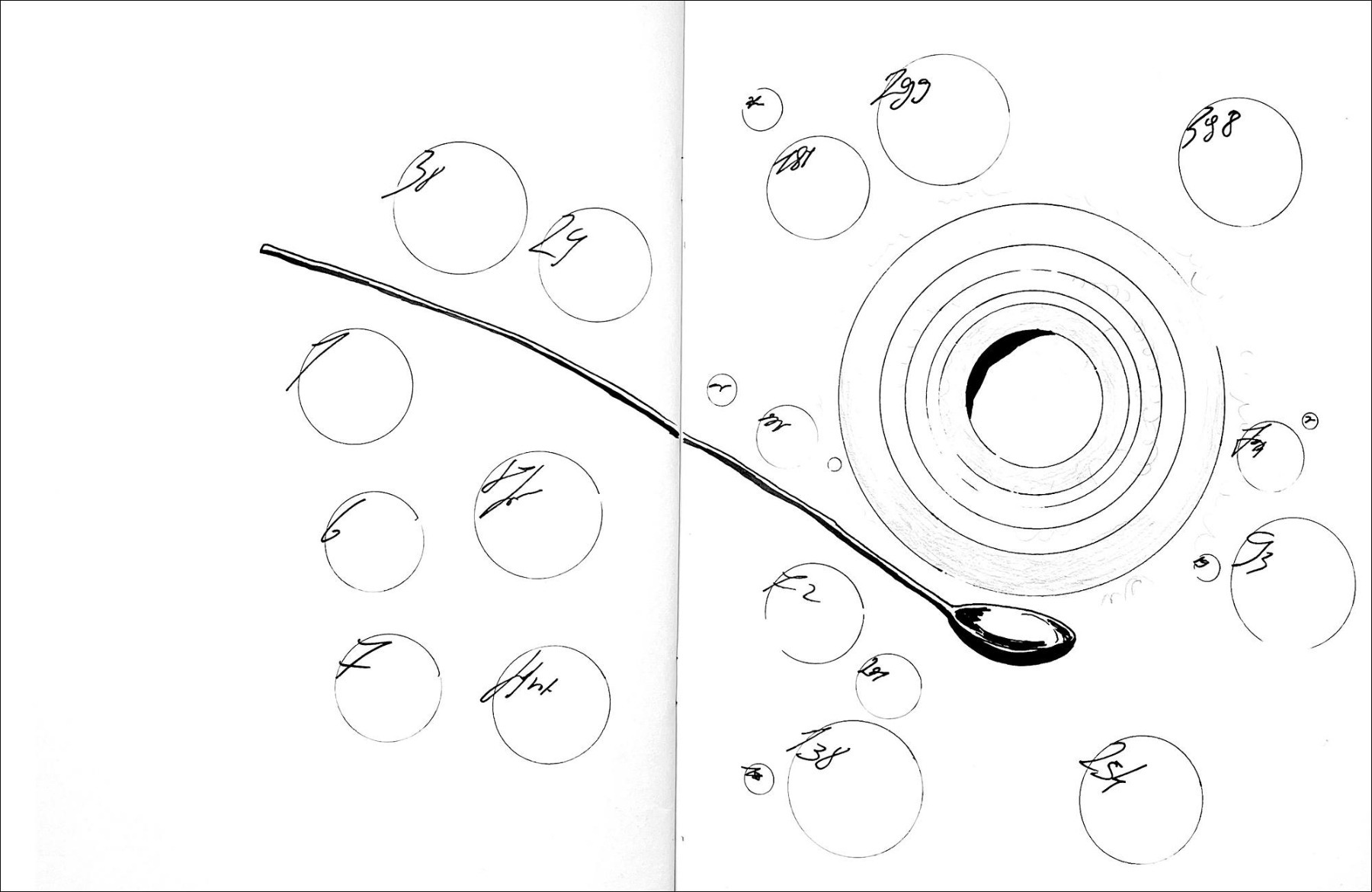
Tata Frenkel Fortune Whispers When the Static is Rising
Until 25 May
“Intuition,.. spying mechanisms.., devination, radio and verbal articulation take lots of space in my static noise, aka in my mind. I believe that I’m more free when not bound by articulation or speaking... Radio, in a broad sense, gave me understanding of air, spontaneity, attention to personal electric potentials, to details and signs and a heightened intuitive awareness”. Tata Frenkel is an artist and educator based in Vilnius. She investigates “unseen arts” — a term she coined to describe the totality of her artistic practice, encompassing drawings, radio and electroacoustic objects, performative narratives, as well as other forms of articulation and sonification.
In 2023, Frenkel participated in the group exhibition In Exchange for Ages at the National Gallery of Art in Vilnius as part of the JCDecaux Prize, where she was awarded the main prize. In 2024, she took part in the group exhibition Exit Elephantine at Tallinn Art Hall’s City gallery. That same year, while in residence at the Klaipėda Culture Communication Center, she presented a live concert for the radio program Grand Synth, titled Grand Synth: Frenkel Glöckner Doppler. Curator: Edgaras Gerasimovičius.
Museum of Applied Arts and Design
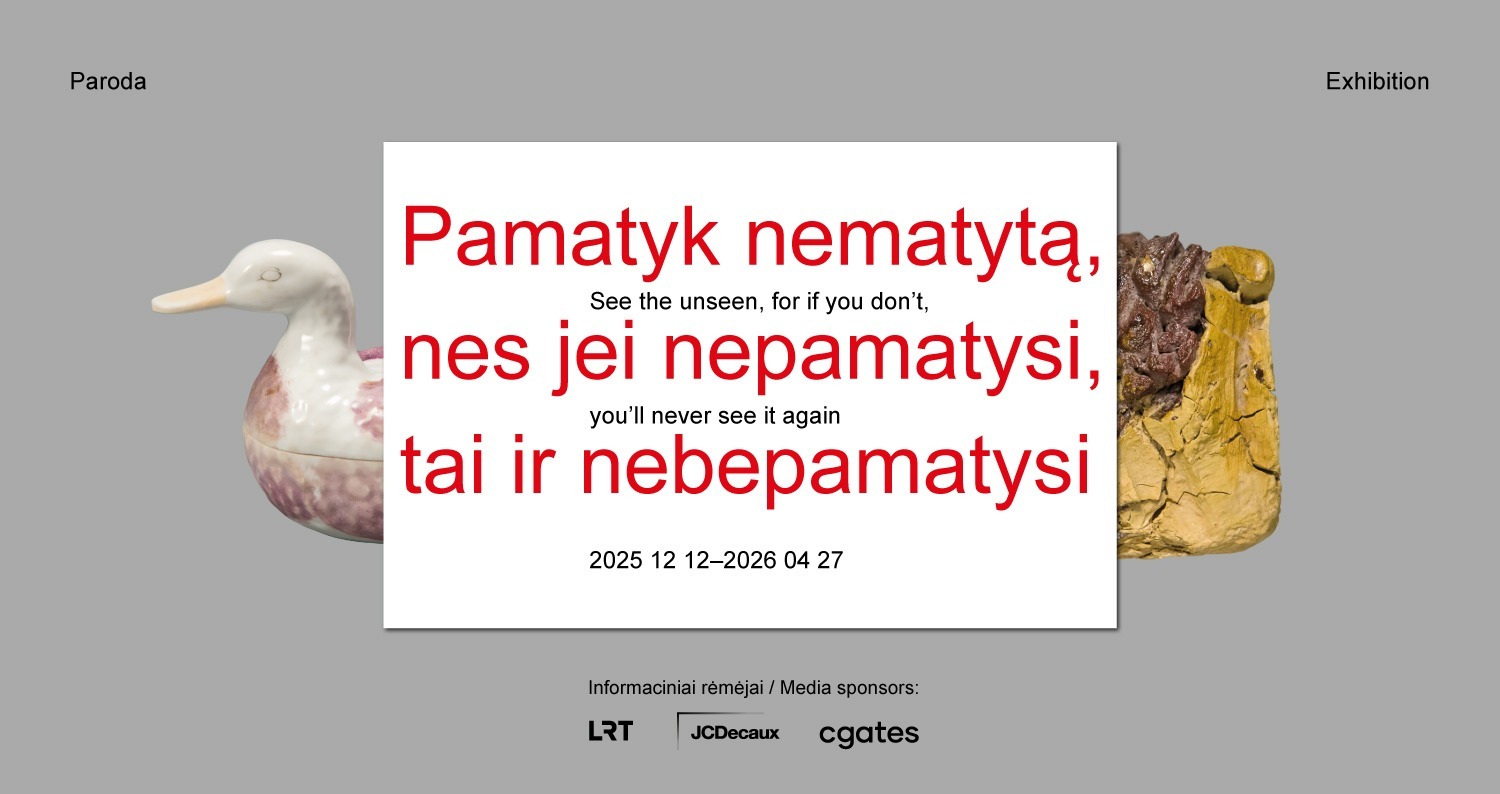
See the Unseen for if You Don’t, You’ll Never See It Again at the
Until 27 April
The Museum of Applied Arts and Design (LNMA), the keeper of over 70,000 objects, introduces the idea of an open/visitable storage area and invites to see nearly a half of the Museum’s collection usually away from the public view.
“It is the first time when the Lithuanian National Museum of Art opens the doors of its storage facilities so broadly. The objects of the collection – the artefacts of ceramic, glass, bone china, metal, textiles, pieces of furniture and objects of design are presented in a form of an exhibition in display cases and shelf racks. Most of them have not ever been on view. It is a great opportunity to discover things in the fields of applied arts and design accumulated by the generations of the Museum keepers over the years of our existence. Please come to see it and you will not be disappointed,” Džiuljeta Žiugždienė, director of the Museum of Applied Arts and Design (LNMA) invites to see the exhibition.
National Gallery of Art
Virgilijus Šonta, Budapest, 1984. Courtesy: Family estate
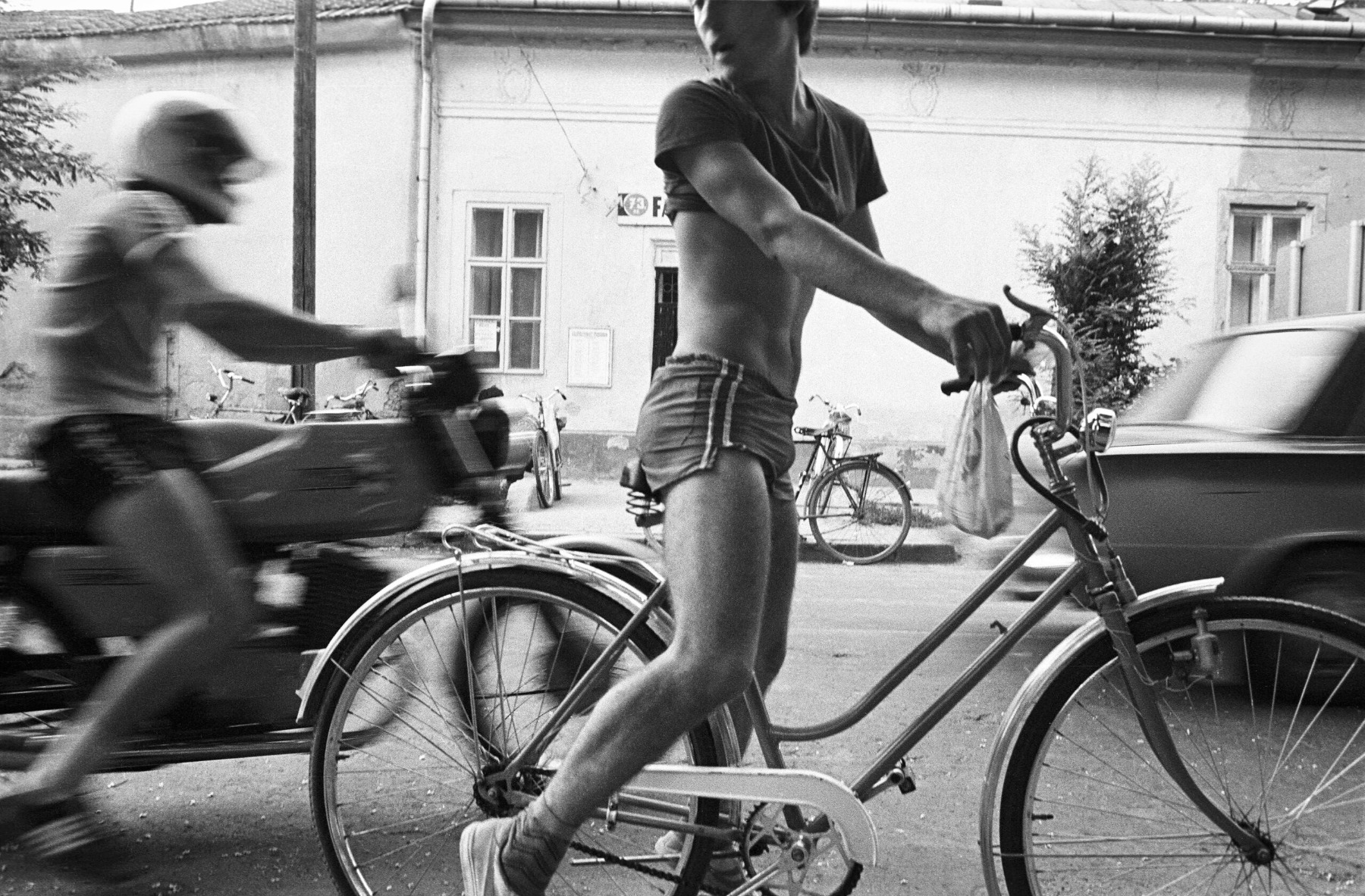
Virgilijus Šonta: The answer, my friend, is blowin’ in the wind
27 March – 21 June
The retrospective exhibition of the oeuvre of Lithuanian photographer Virgilijus Šonta (1952-1992). The exhibition „Virgilijus Šonta: The answer, my friend, is blowin’ in the wind“ has been curated by Margarita Matulytė and Gintaras Česonis, who have arranged a selection of more than 200 of the artist’s works, complemented by biographical documents that provide insight into the artist’s enigmatic yet exceptionally sensitive and dramatic personality.
Photographer Virgilijus Šonta (1952–1992) lived in a society with social “norms” dictated by the primitive and brutal Soviet authorities. The artist examined everyday life, measuring his resilience to the system and fluidity within it, testing the sustainability of the “walls” that had been built. In his life he had to straddle the structural provisions set down by institutions and his own personal choices, to find his way between the pressure exerted by the repressive regime and his search for inner freedom. The system led to Šonta’s reticence, self-silencing and secrecy, resulting in his brief albeit stormy and tragic fate (he was murdered aged 40). However, the photographer left behind an enormous legacy. His work expresses itself through melancholic moods, a sense of wonderment in the human being, an archaic connection to nature, an eccentric relationship with his surroundings, experimentation in art and the sensitive aesthetic of photography. It is paradoxical, unpredictable, enigmatic, brilliant. Here, as in the artist’s life, there are many secrets, riddles, references hidden “between the lines” and the questions that arose along the way, the answers to which are blowin’ in the wind.
Vytautas Kasiulis Museum of Art
Aistė Stancikaitė. Dance, Dance. 2024. Oil and acrylic on linen. Courtesy of the Author and GNYP Gallery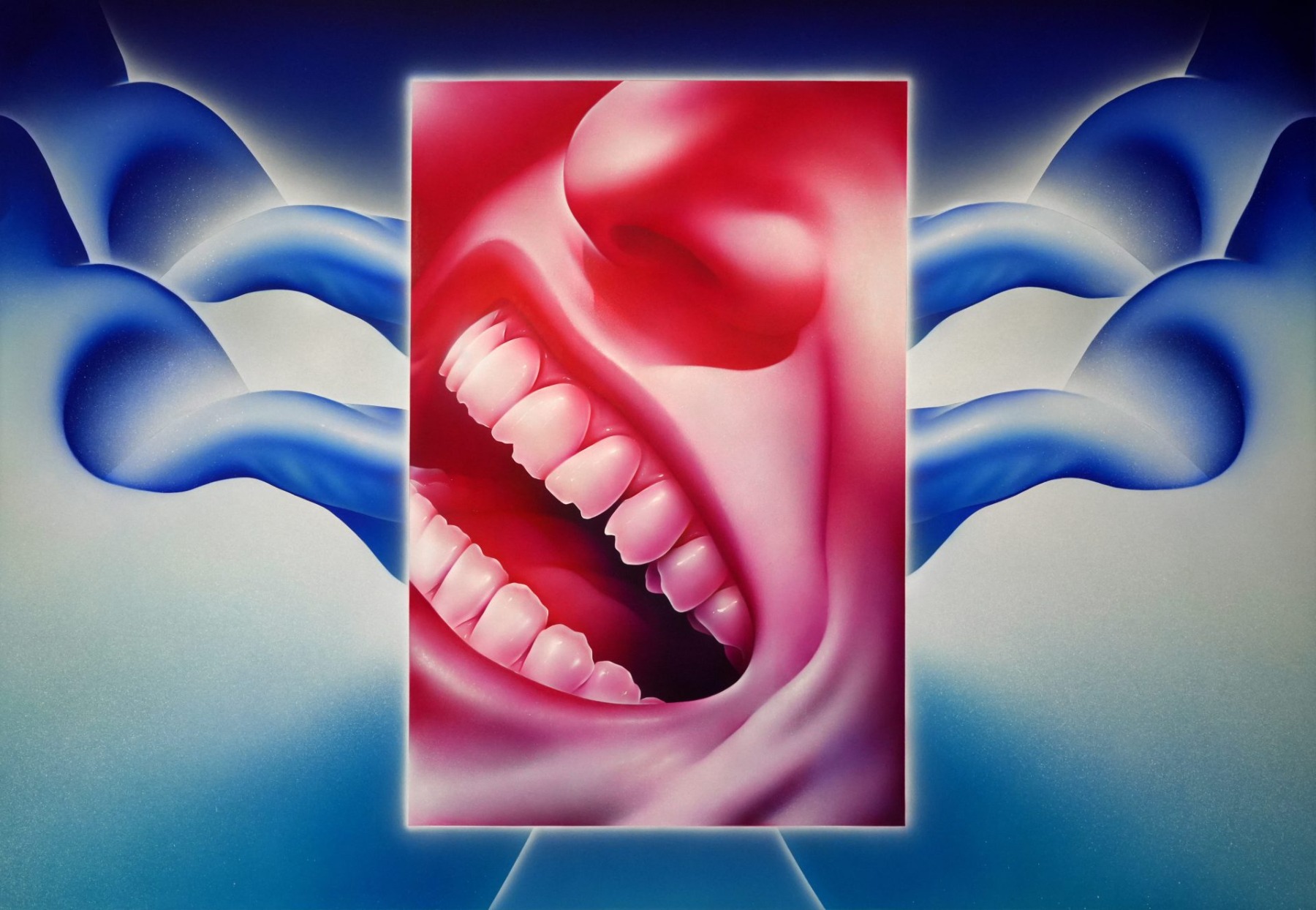
Aistė Stancikaitė and Flurin Bisig. Continuous Movement in Decided Stillness
Until 7 June
Besides its focus on the history of the diaspora art, the Vytautas Kasiulis Museum of Art of the LNDM takes no lesser interest in its contemporary forms. This time, a Berlin resident artist, Aistė Stancikaitė (b.1988 in Lithuania), enters into a dialogue with a Swiss artist, Flurin Bisig (b. 1982), who structures his art on the principles entirely different to Aistė’s. This international event demonstrates the relativity of the prejudices regarding the ties with a specific place.
In her art, Aistė Stancikaitė pursues the issues of identity, desire, genderfluid and the structure of sexuality. Her thoroughly layered compositions, mostly paintings combined with drawing, employ repetition, enigmatic figures and the fetishist visual devices to explore the body as a space of psychological reflection and a structure for narrative. Flurin Bisig predominantly sculpts abstract pieces, conceptually anchored to the foundational drawing. Working in classical marble, he converses, via his medium, with the classical works of sculpture. At the same time, the artist skilfully organizes the material of his creative process. He is not limited to sculpture only: his collages and drawings are an inherent part of the same artistic process. Flurin Bisig currently lives and works in Glarus (Switzerland).
Galerija Vartai
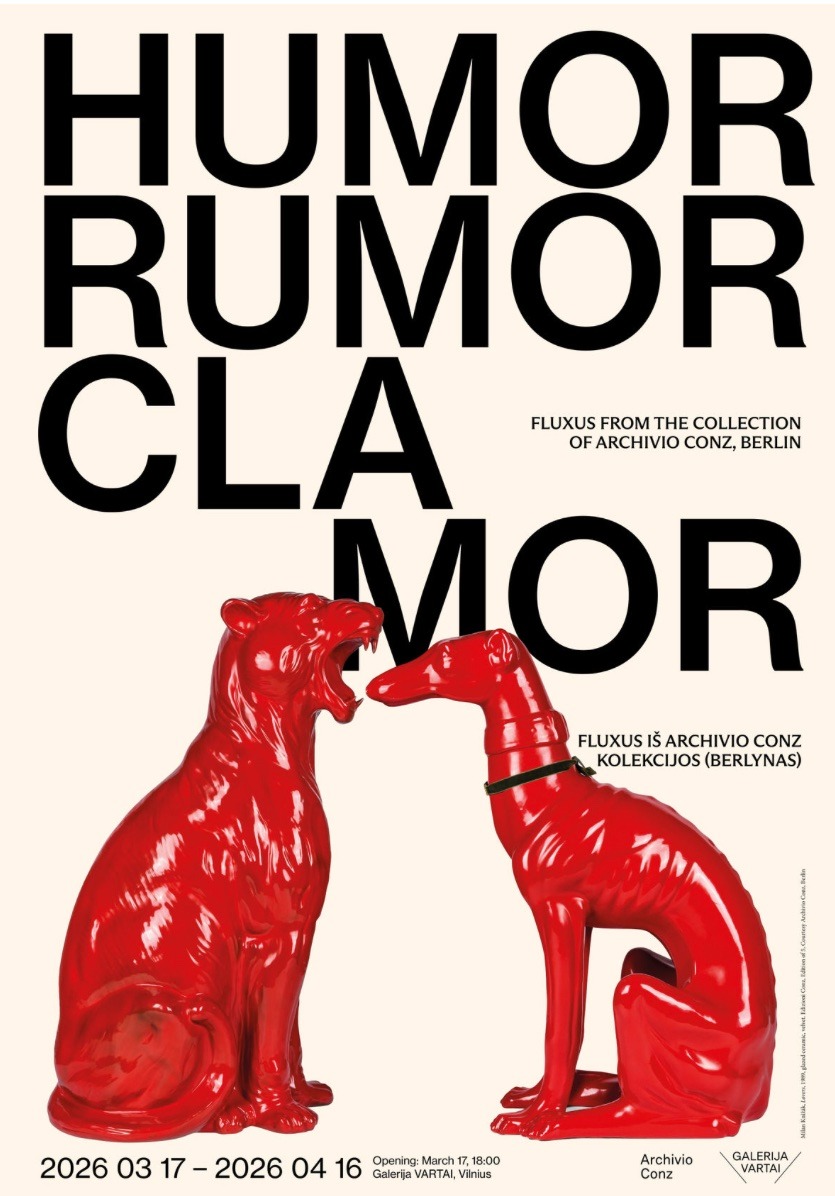
humor – rumor – clamor. Fluxus from the collection of Archivio Conz, Berlin
Until 16 April
Fluxus is always more or always less; Fluxus is not subject to quantity. Fluxus is set in the future; Fluxus has not even begun yet. Fluxus is a spirituality of movement, of becoming conscious, of constant departure and announcement. Fluxus is an art more of writing, articulation, and gesticulation—clamor—than of form and color. This art carries the language of tradition and of addressing the present with humor.
“humor – rumor – clamor” provides an insight into one of the most extensive collections of Fluxus, concrete poetry, and Lettrism, which the Italian collector, publisher, and photographer Francesco Conz (1935–2010) had assembled over more than 40 years. Robert Burton wrote his “Anatomy of Melancholy” (1621) from the Hippocratic perspective of humoral theory, in which humor referred to the four bodily fluids that, when in balance, were believed to determine human health. Any imbalance in the humors led to the moods of the sanguine (blood), the choleric (phlegm), the phlegmatic (yellow bile), and the melancholic (black bile). Humor, Burton wrote, “purges the blood, making the body young and lively.”
Pamėnkalnio Gallery
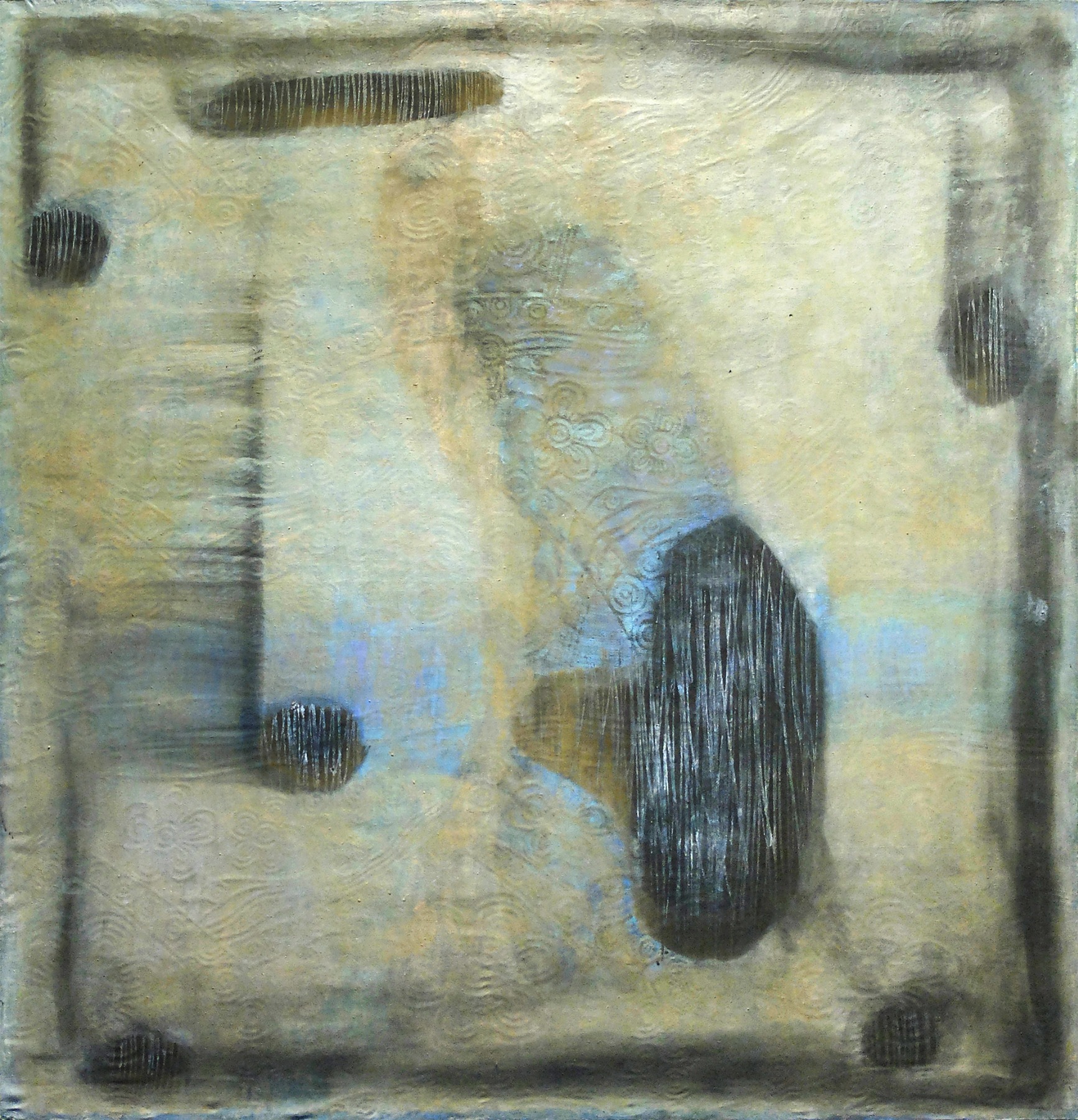
Arūnė Tornau. Refuge
Until 31 March 2026
Curator Aistė Kisarauskaitė describes the exhibition as part of Arūnė Tornau’s ongoing journey into the forest. Time and again, in different ways, she invites us to observe the smallest tree-dwelling parasites – aphids, woodworms, moths, ticks (the exhibition Foreign Bodies, 2022); to immerse ourselves in the shadows of dense woodland and feel the slow cycles of nature (The End Is the Beginning, 2018); to wade into marshes and hear the crackle of dried branches underfoot. In her works created between 2024 and 2026, the artist once again turns to processes of erosion and decay – processes that create the conditions for new life. At the same time, she painfully confronts the destructive force of human activity, as vast forest areas are brutally cut down. The war rumbling not far from Lithaunia is also a brutal erosion, a destructive force that, tragically, will never become fertile ground for new life. Explosions burn forests to the ground, and there is no defense against them – only terrible weapons.
In this exhibition, recent textile objects are combined with painting. The agitated vertical cuts of a knife or palette knife across the surface of the canvas seem like gestures of struggle against an invisible enemy – a futile attempt to destroy evil and reveal an unseen painterly surface beneath, where another world lies hidden.
Medūza gallery
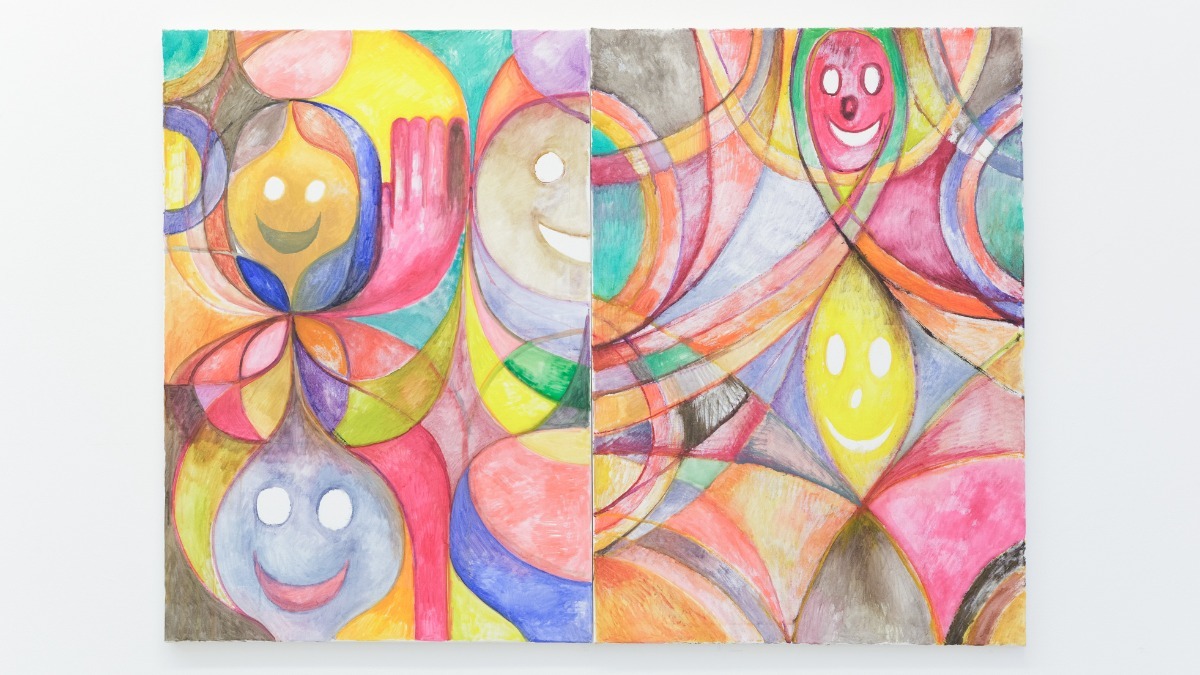
Kaspars Groshevs. Feedback
Until 11 April
Latvian artsit Kaspars Groševs was born in 1983. For several years, however, his Facebook profile listed his birth year as 1913. The joke persisted until it became biologically implausible. Yet this gesture still lingers. Kaspars Groševs’ solo show Feedback treats time as a signal looping back on itself. The works in the show carry the charge of something belated and anticipatory at once.
Groševs’ paintings wave back to those early twentieth-century attempts to invent spiritual grammars through distortion, chromatic excess, and rhythmic patterning. If abstraction once promised transcendence through formal coherence, Groševs stages coherence tipping into apophenia: the compulsion to perceive structure where there might be none. Metaphysical longing here encounters a feedback condition in which pattern risks sliding into paranoia or hallucination – yet still insists on the possibility of a vision. Figures emerge mask-like, their smiles hovering between playful and sinister. Color operates affectively rather than descriptively; surfaces pulse in saturated reds and pinks that collapse depth into the atmosphere. The works oscillate between sincere and unsettling. A smile should signal warmth, but when it doesn’t correspond to context, or appears detached from emotion, it becomes eerie. The sound installation No Input Just Output encompassing the space is an acoustic feedback loop that occurs when a system begins to hear itself and amplifies that signal until distortion replaces clarity. In Feedback, Groševs stages a cultural equivalent.
Editorial
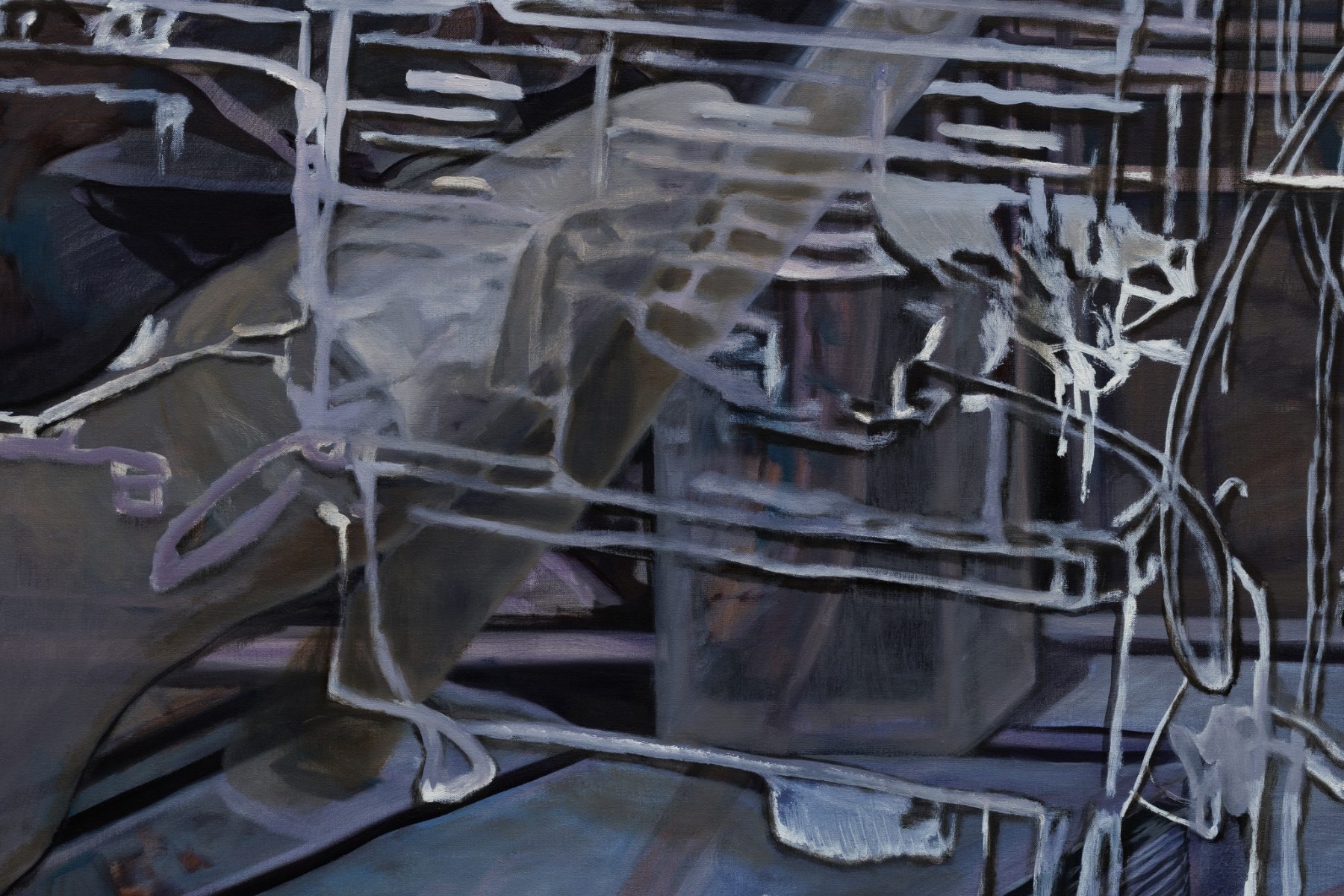
Gabrielė Adomaitytė. Depositories
Until 4 April
Editorial presents Depositories, a solo exhibition by Gabrielė Adomaitytė, which marks the tenth anniversary of the independent Vilnius art space. In her solo exhibition Depositories, created specifically for Editorial, Adomaitytė presents a new body of work comprising paintings, drawings, and a sculptural object. These works map the evolving infrastructures of memory and data containment – not only as physical systems, but as symbolic environments in which information is collected, regulated, and distributed.
In the exhibition context, the term ‘depositories’ extends beyond the bureaucratic or logistical, pointing toward psychological, emotional, and epistemological registers. What does it mean to deposit knowledge? Who authorizes its preservation, and under what conditions might it be retrieved – or withheld?
Room gallery
Eglė Gineitytė. Shelter. 2025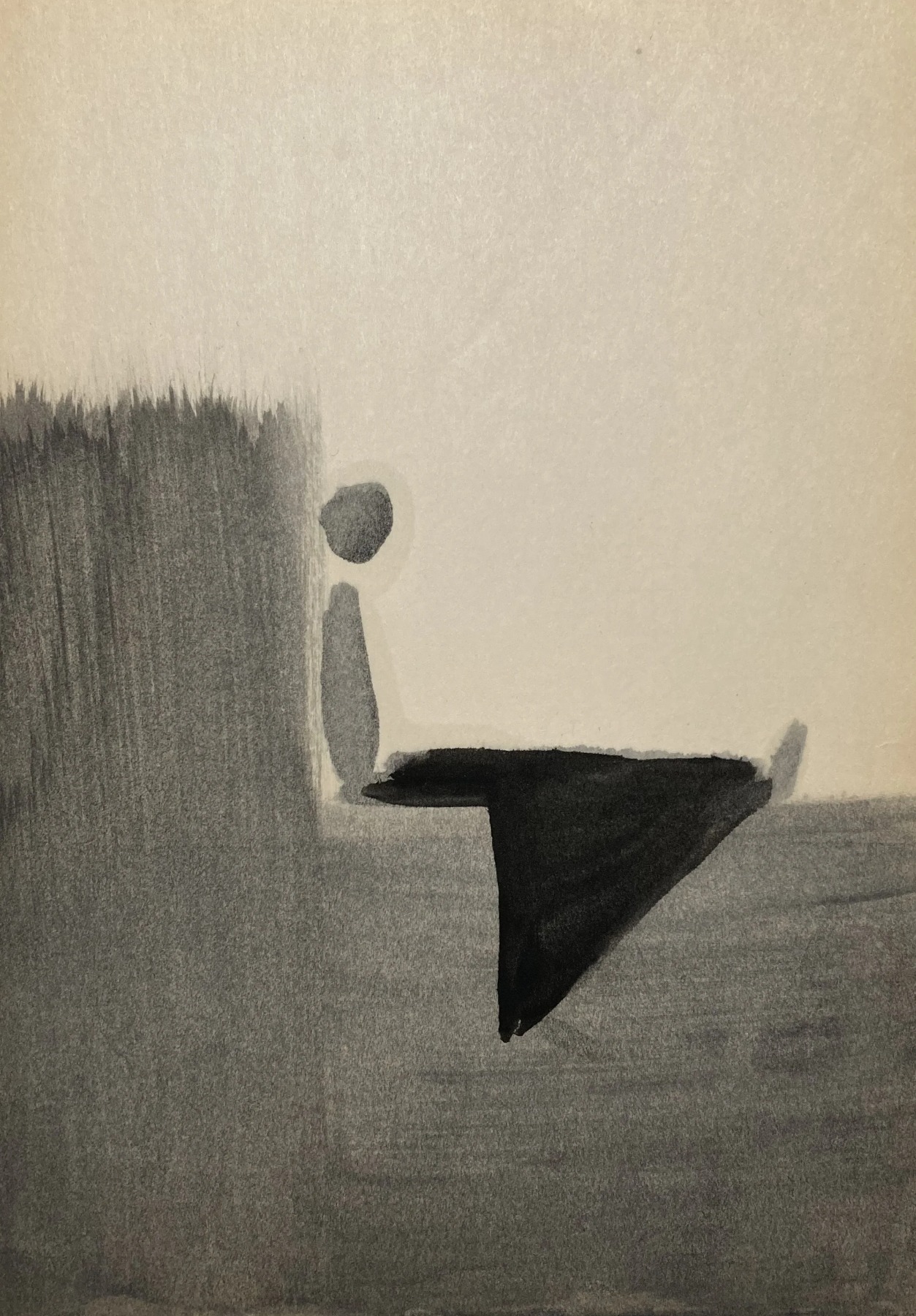
Eglė Gineitytė. Antechamber Cabinets
Until 4 April
Eglė Gineitytė about the exhibition: ”Cabinets are places in nature where, having stepped aside, one can settle and simply be; observe, think, and remember. ‘What I truly see must, after all, be what arises within me due to the effect of the object’ (Ludwig Wittgenstein). What emerges at that moment – or later – from memory and appears in the form of paintings or drawings is a reconstruction of an experienced impression, the result of observation and feeling. Painting awakens memories and takes us to forgotten spaces or misleads us into unknown distances…
Eglė Gineitytė (b. 1968) is a painter and a member of the Lithuanian Artists’ Association. She has held around 15 solo exhibitions and participated in more than 25 group exhibitions. Her works are held in the collections of the National Gallery of Art, MO Museum, Lewben Art Foundation in Vilnius, the M. K. Čiurlionis National Art Museum in Kaunas, as well as in private collections in Lithuania and abroad. In 2024, Eglė Gineitytė was named Best Artist at at the international contemporary art fair ArtVilnius’24.
LITHUANIA, Kaunas
Kaunas Picture Gallery
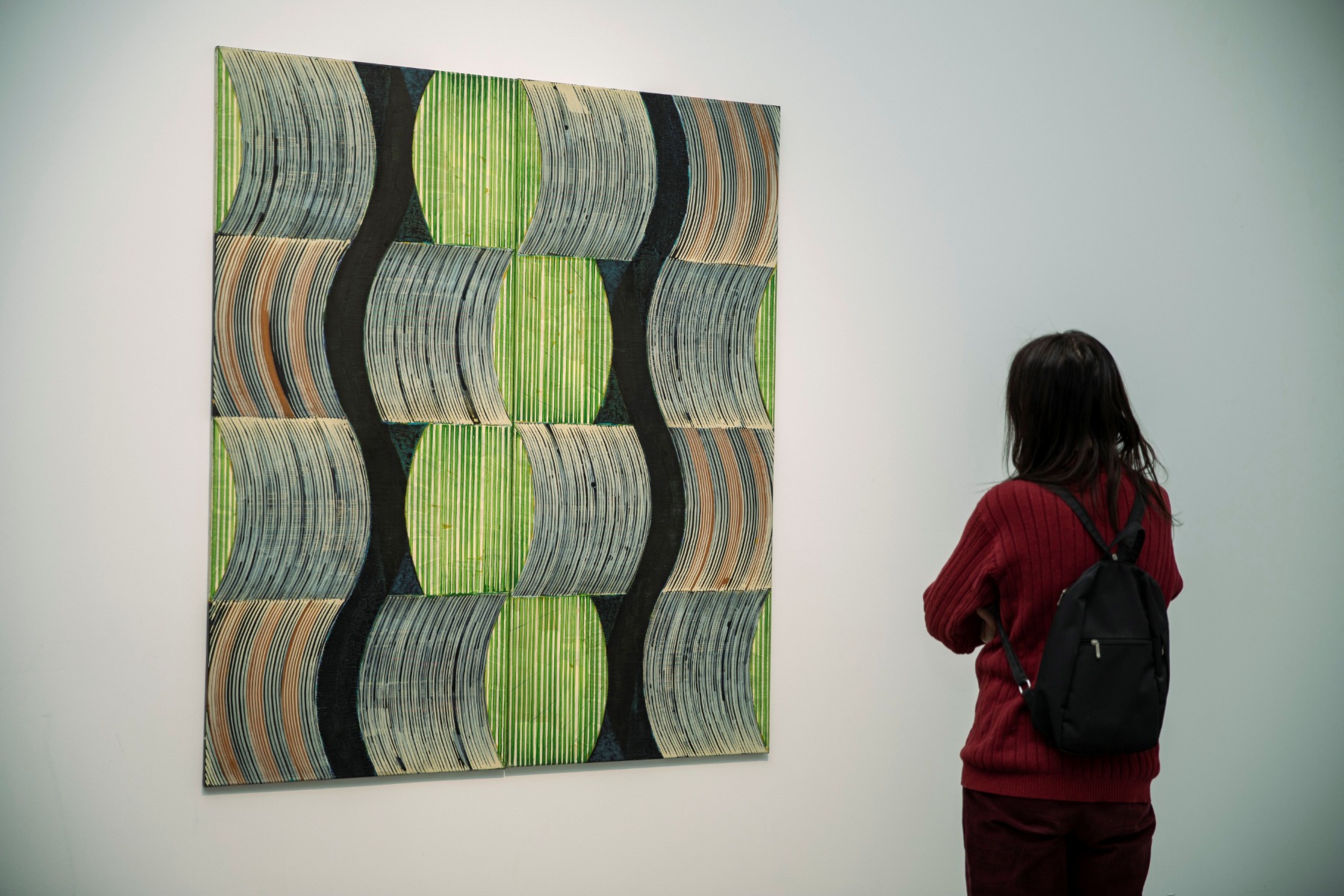
Jaakov Blumas. The Multiverse
Until 26 April
Painting has numerous facets – if not infinitely many. Within the otherwise hermetic field of contemporary constructivist-concrete art, Jaakov Blumas occupies a certain special position due to his complex handling of painting and object. In his works, he not only opens up essential new possibilities for painting in terms of color, but he also frequently expands the panel painting into three-dimensional and even kinetic space. Both approaches run counter to the dogmas of Concrete Art, yet they are indispensable for any contemporary and productive engagement with this pictorial tradition.
Particularly characteristic of Jaakov Blumas is his chromatic spectrum, which oscillates between dark, earthy tones and radiant monochromes. It evokes less the origins of Concrete-Constructive art in classical modernism than the color palette of French landscape painting. It is precisely from this virtuosic interplay that the fascinating presence of Jaakov Blumas’ works arises. Jaakov Blumas (b.1953 in Vilnius, Lithuania) emigrated to Israel at the age of 18 and initially studied civil engineering in Haifa before pursuing fine arts at the Hochschule für Bildende Künste in Hamburg from 1982 to 1989.
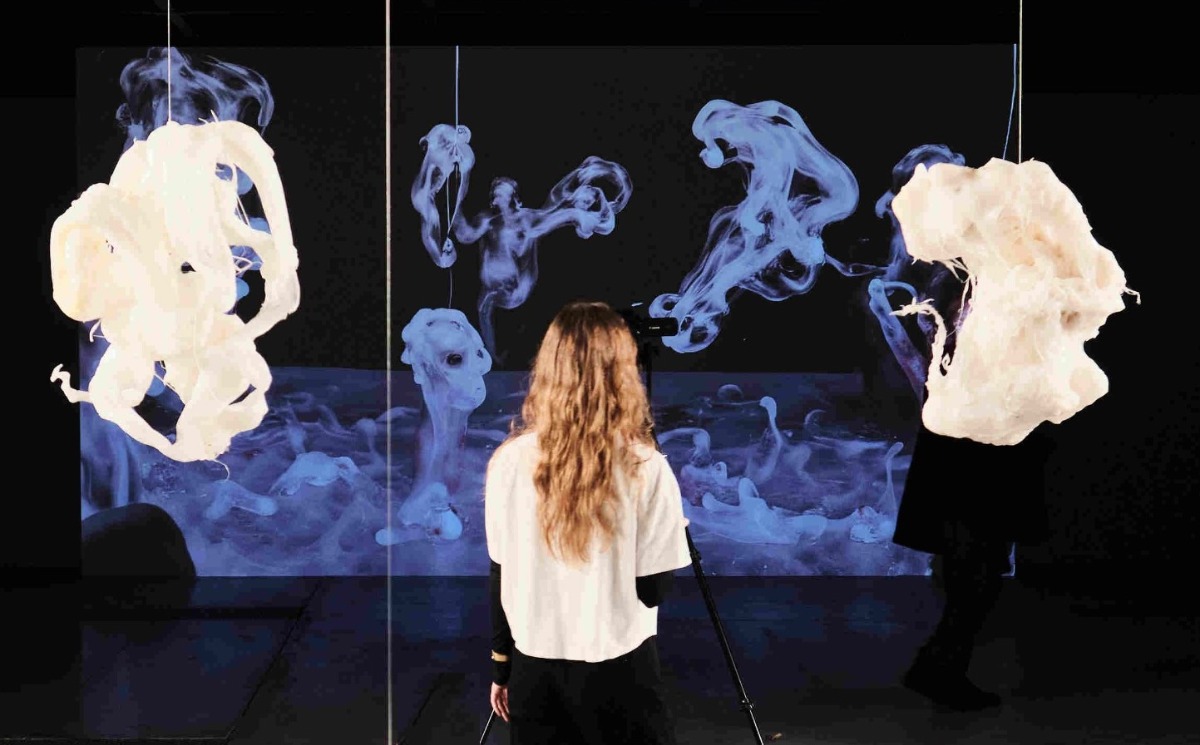
Upper image. Gints Gabrāns. UNTITLED (SEX WITH SCULPTURES), 2026. Real-time AI-generated video installation, polyethylene and mycelium sculptures
