


What to see in the Baltics
May-June, 2026
As the weather grows warmer, exhibitions are bursting into bloom as vigorously and insistently as the first blossoms of May. An entire bouquet of them can be gathered in Riga during RAW (Riga Art Week). But other cities across Latvia, Lithuania, and Estonia are also preparing to flower, offering viewers unexpected and remarkable narratives in the eternal interplay between reality and fantasy.
ESTONIA, Tallinn
Kumu Art Museum
Kristi Kongi. “I think all the world has turned into what I’m seeing” (O’Keeffe). Detail. 2025. Oil. Courtesy of the artist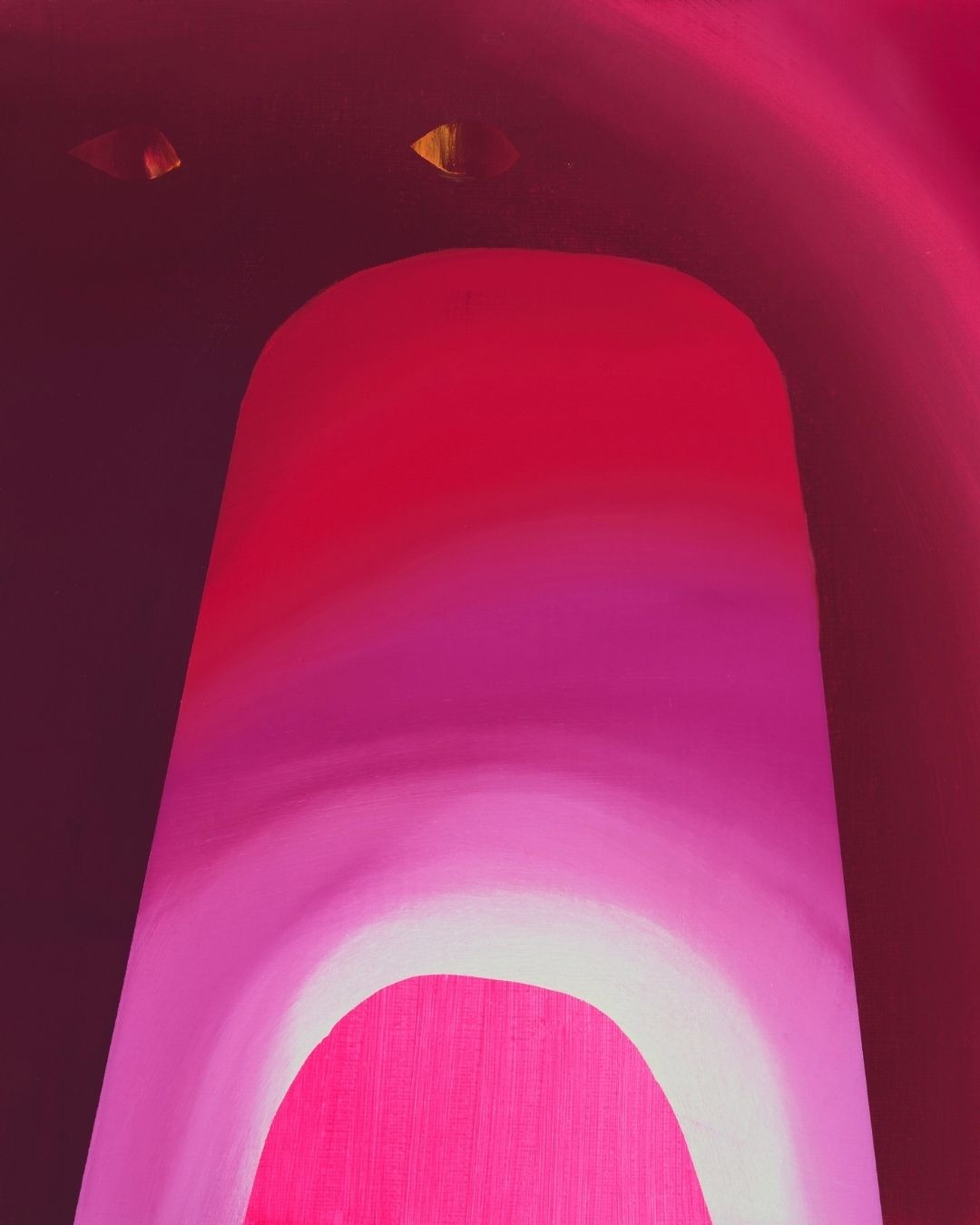
Kristi Kongi: Chromatic Drift
22 May – 10 October
The painter Kristi Kongi’s large-scale solo exhibition is one of the highlights of the Kumu Art Museum’s anniversary year. It is the first solo exhibition by an Estonian woman artist in Kumu’s great exhibition hall, featuring new works created specifically for this event. The exhibition evokes a holistic sensory and spatial experience centred on colour, a hallmark of Kristi Kongi’s oeuvre. Extending beyond the canvas, colours and motifs have spilled onto the floor, walls, windows and the outdoor space.
Chromatic Drift reflects the artist’s inner journeys over the past few years, during which colour has served the purpose of mapping and preserving both states of mind and memories. The works feature recurring motifs of openings and passages, which reflect a sensory journey to somewhere else, a parallel world. The staircase, both as an image and as an object, gives direction for either moving forward or staying put. These empty landscapes created by Kongi do not speak of arrival, but instead draw attention to a state of in-betweenness.
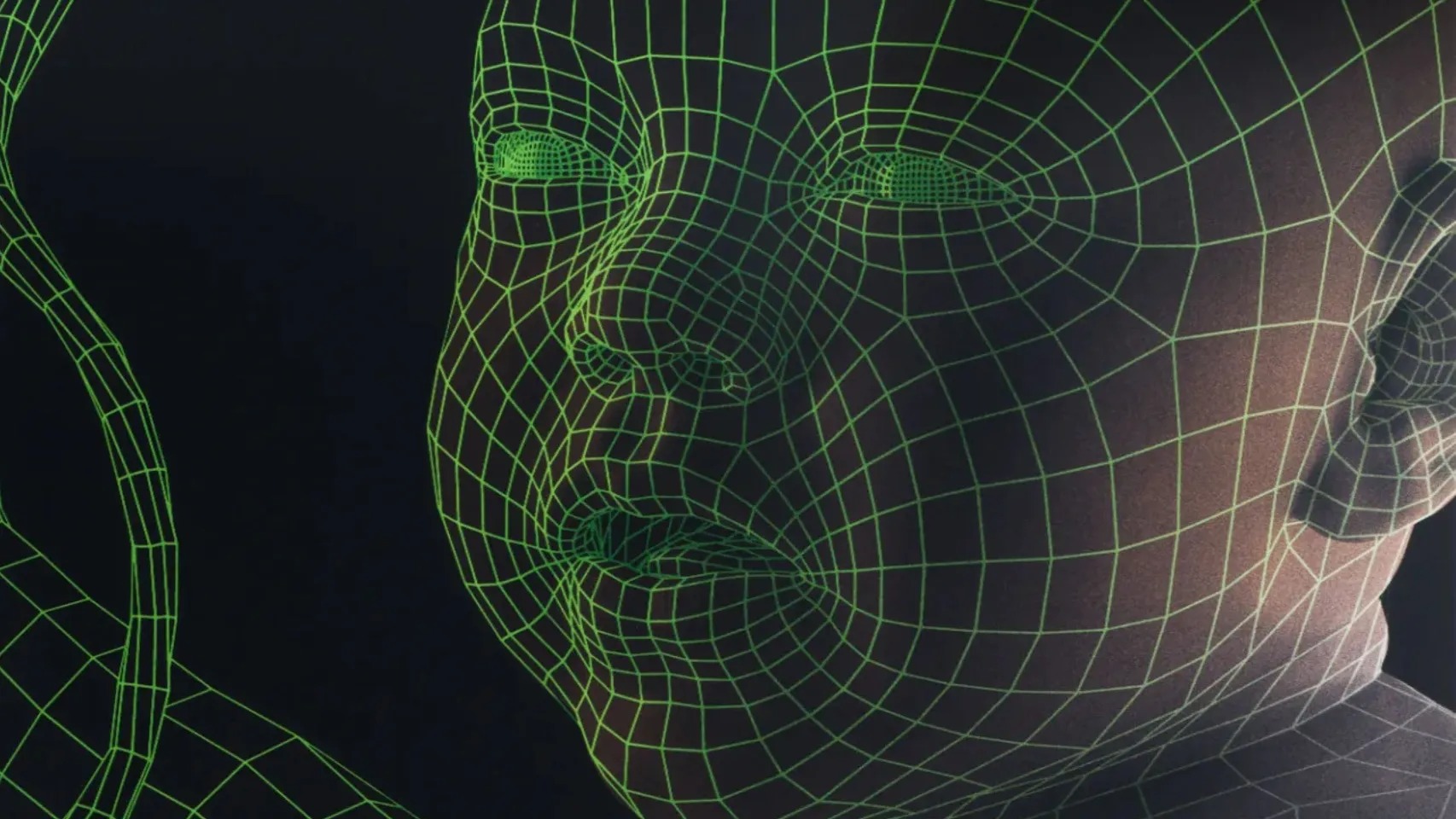
Jens Settergren. Prototype (IV). 2022. Lenticular print. Courtesy of the artist and Wilson Saplana Gallery
Triumph of Galatea: Art in the Age of Artificial Intelligence
Until 9 August
Since its opening, new media and technological art have been two of Kumu’s focal themes, which is why the opening exhibition of Kumu’s 20th anniversary year focuses on the current connections between art and artificial intelligence. The international group exhibition, referring to the myth of Pygmalion in its title, examines the changes and developments in human experience in culture and society in connection with the onslaught of new technologies.
In classical myth, Galatea comes to life as the sculptor’s ideal made animate—a creation that exceeds its maker’s intentions and begins to act on its own. In the age of artificial intelligence, this figure acquires renewed relevance. Algorithms no longer function merely as tools but increasingly as agents that generate images, texts, and decisions, reshaping how creativity, authorship, and human agency are understood. Triumph of Galatea: Art in the Age of Artificial Intelligence explores this shifting relationship between human imagination and autonomous systems, asking what “triumph” might mean when creation is shared with machines.
More info >>
Read our interview with the curator of the exhibition, Anders Härm
Kai Art Centre
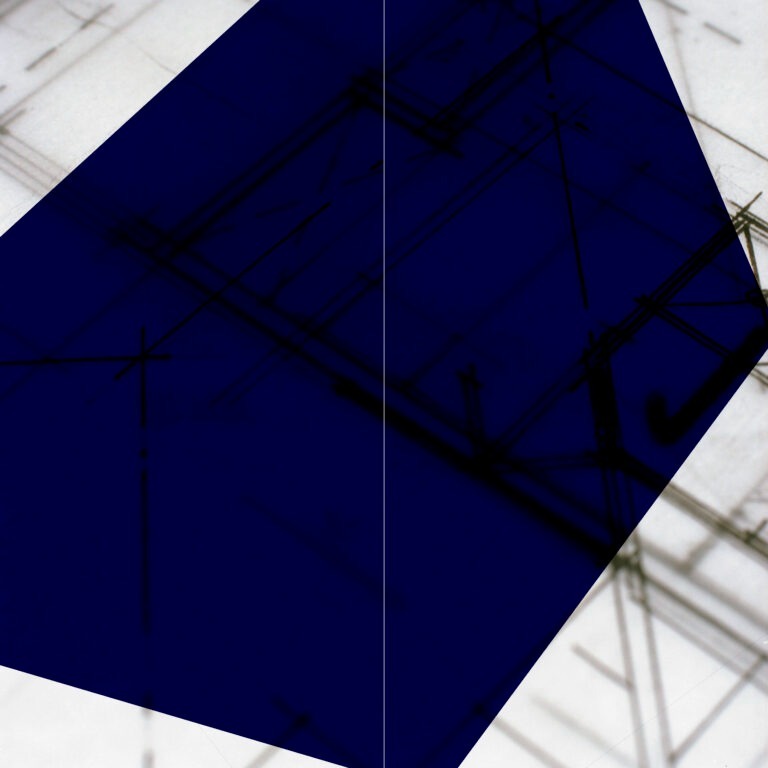
Paul Kuimet, yet to be titled (7), chromogenic print, 138 × 138 cm, 2026
Paul Kuimet & Magnhild Øen Nordahl. Exploded View
21 March – 9 August
In the forthcoming exhibition Exploded View, new and recent works by Estonian artist Paul Kuimet and Norwegian artist Magnhild Øen Nordahl consider the relationship between visual representation and the lived experience of spaces and objects. Curated by Anthea Buys (ZA). The title, Exploded View, refers to a method of technical drawing in which the components of a functional object, tool or machine are depicted in such a way that their component parts are visible, in order to show how they should be assembled. This taking apart in order to reconfigure is a central metaphor in the exhibition. Exploded View presents two parallel but intersecting artistic investigations: Kuimet’s new analogue photographic and filmic works take as their starting point hand-drawn architectural plans for domestic spaces. These drawings are transformed by lens-based looking and its material outputs – the alluring depth of analogue photographic surfaces and the distinctive materiality of 16mm film.
Nordahl’s sculptures are also about journeys of material and visual translation, and her practice is at once research-based and embodied. The works presented in this exhibition look at how we experience objects that have gone through digital and physical abstractions, which in turn lead to changes in form, function and cultural meaning. A juxtaposition of two profoundly self-coherent practices, Exploded View suggests a vital connection between scale, imaging, materiality, embodiement and perception.
Tallinn Art Hall
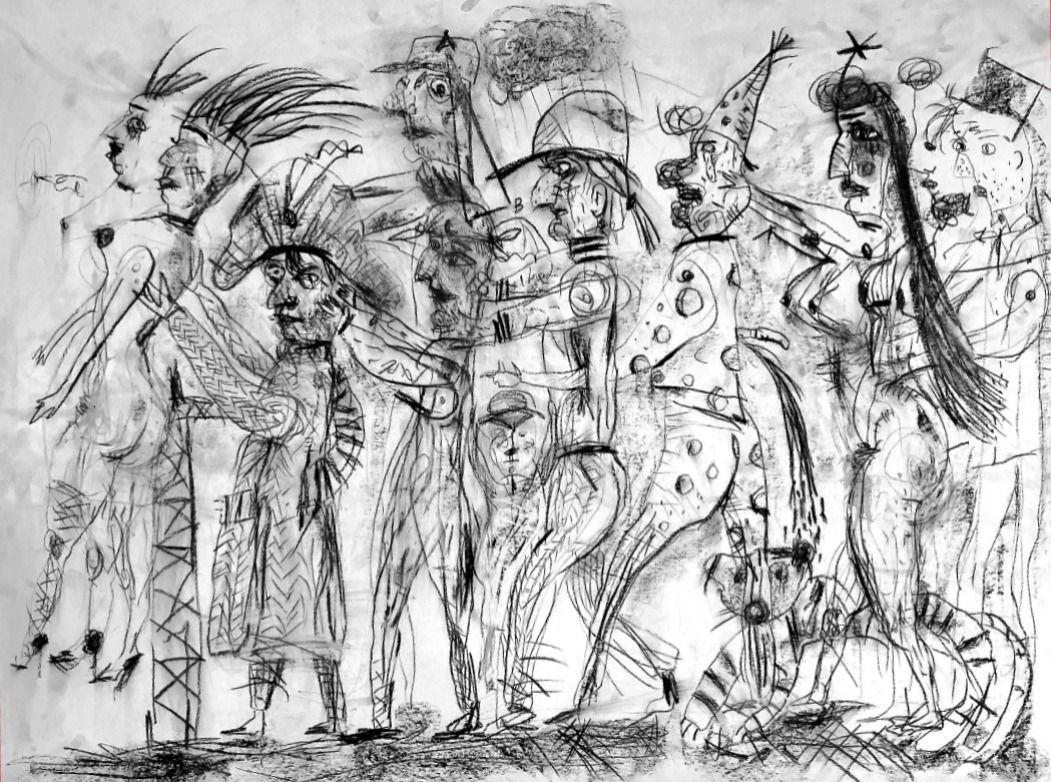
Priit Pärn. Boletus
Until 5 July
Boletus presents charcoal drawings from 1984–2005, along with a new work from 2026. It also introduces, for the first time, Pärn’s abstract graphic works. Pärn’s graphic works and charcoal drawings are less widely known: his most significant solo exhibition in Estonia took place at the Kumu Art Museum in 2007. The exhibition at the Tallinn City Gallery reminds us just how remarkable the charcoal drawings of the singular master of animation, Priit Pärn, truly are. “Everything that Priit Pärn does or experiences forms a strikingly coherent whole, encompassing ideas and actions that run counter to common sense. It is rare to encounter a person in whom emotional sensitivity, analytical acuity, and life wisdom are directly combined. In his work, he consciously and effectively turns this lived intensity inside out,” says curator Tamara Luuk.
The accompanying public programme, meanwhile, brings into focus the artist’s unpublished texts and unproduced film screenplays.
Fotografiska
Karl Ketamo. 'Boy with a Crow', from the series 'Crybaby-87', 2026 © Karl Ketamo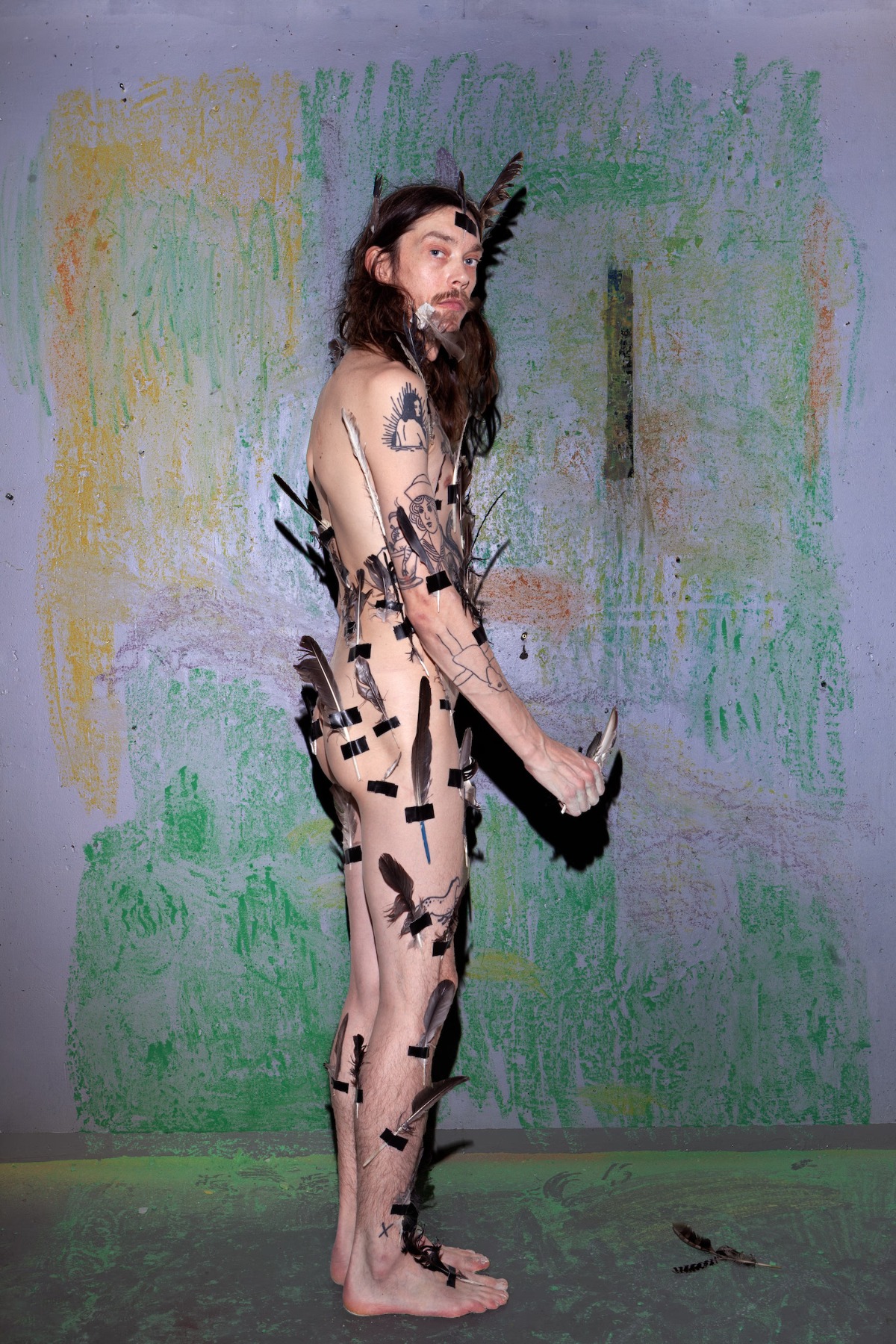
Emerging Artists 2026: The Baltics & Finland
9 May – 1 November
The first exhibition of Fotografiska Tallinn’s new initiative, Emerging Artists: The Baltics & Finland, brings forward rising photographic talents from the region – a new generation of bold and distinctive voices pointing toward the medium’s possible futures. The platform’s inaugural exhibition brings together artists from four countries, whose works open up personal worlds, test the boundaries of photography, and offer new ways to experience the present moment. The artists have been selected through an international open call.
The exhibition Emerging Artists 2026: The Baltics & Finland features the following artists: Annemarija Gulbe, Krišjānis Elviks, Anna Ansone ft. Anna Marija Puķe (Latvia), Ieva Baltaduonytė (Lithuania), Shia Rówan Conlon (Finland), Karl Ketamo (Finland), Anna-Liisa Kree (Estonia), Andra Rahe (Estonia), Filips Smits (Latvia), Pavelas Šalaikiskis (Lithuania). The selected artists engage with photographic material in markedly different ways: by staging carefully constructed scenes for the camera; by observing themselves and their surroundings closely and honestly, yet also with playfulness and humour; and by shaping contemporary moods through their series, bringing into view the more subtle undercurrents of society.
Jānis Mačs 1984. My Country People © Inta Ruka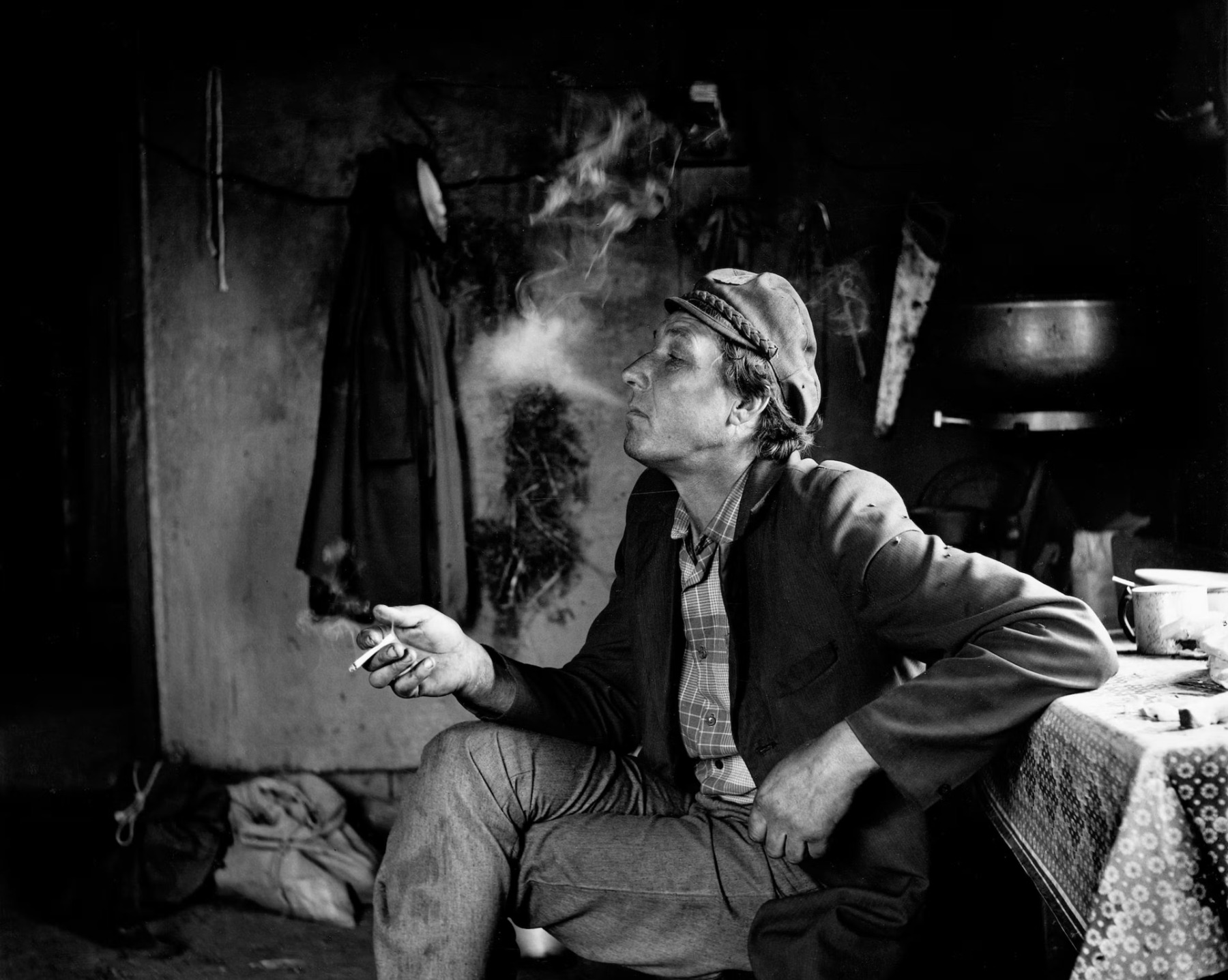
Inta Ruka. Places Called Home
Until 14 October
Between 1983 and 2008, photographer Inta Ruka photographed people in her native Latvia, capturing their lives in rooms, courtyards, and streets where everyday life unfolds. She returned to the same individuals repeatedly, working slowly and allowing trust to develop over time. The resulting photographs are not merely documentary, but preserve places, relationships, and lived experience from which a sense of belonging emerges.
The exhibition Places Called Home brings together over 80 photographs from two series that create a quiet yet powerful narrative of Latvia in transition and of the people who call these places home. The series My Country People was created over the course of two decades in Balvi, a rural region of Latvia near the Russian border and the hometown of Ruka’s mother. Ruka began visiting the area in the early 1980s and gradually became acquainted with the villagers, returning to them again and again over the years. With this series, Ruka represented Latvia at the 1999 Venice Biennale.
Estonian Museum of Applied Art and Design
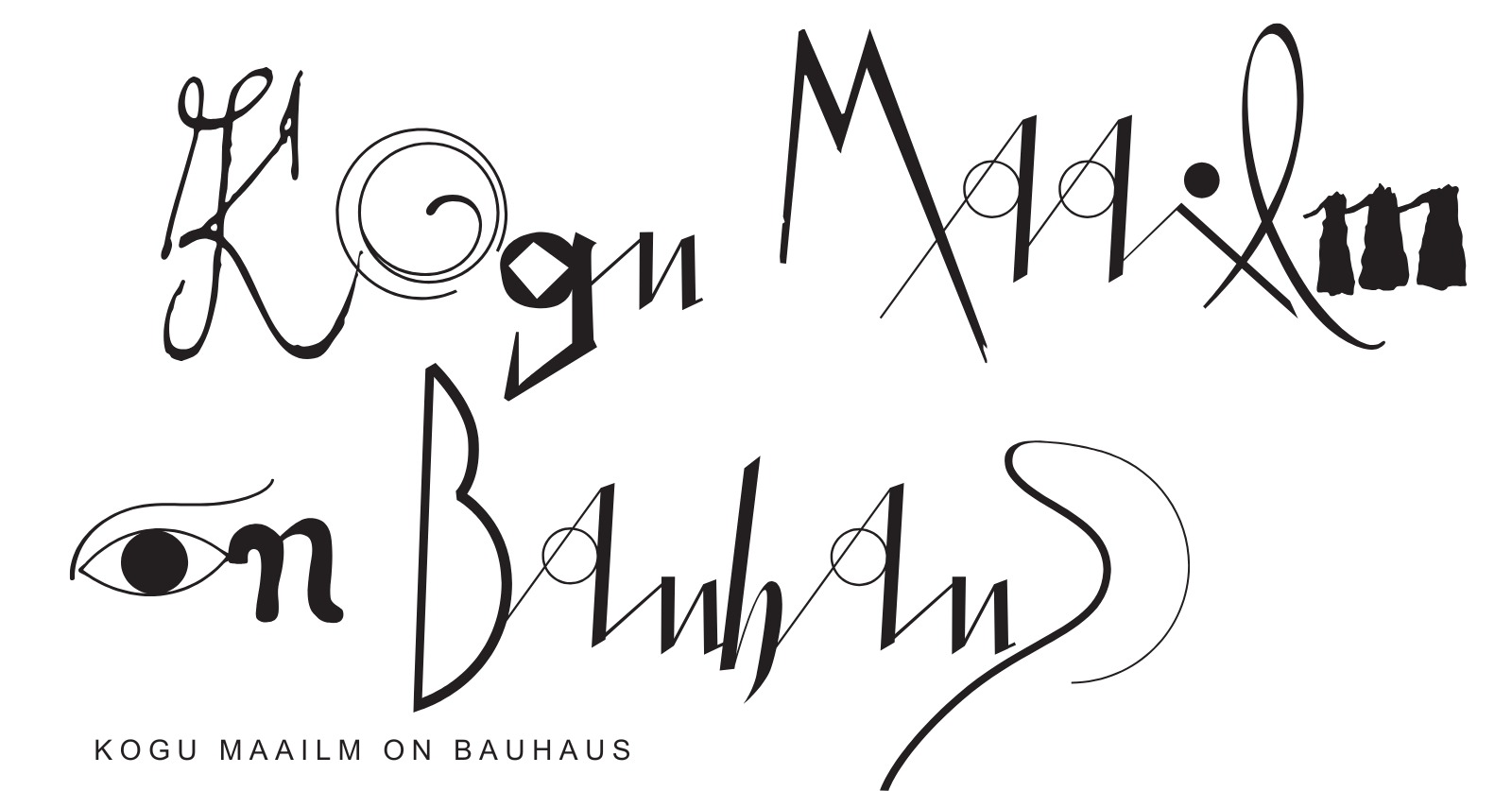
The Whole World a Bauhaus
Until 4 October
The exhibition “The Whole World a Bauhaus” presents a diverse, engaging, and surprising insight into the work and life of the Bauhaus art school through eight thematic chapters. It focuses on one of the most important art schools of the 20th century, founded in 1919 in Weimar.
Through photographs, original drawings, models, documents, films, and objects, the exhibition invites visitors to explore the wide scope and versatility of Bauhaus modernist design theory and practice. This is reflected in architecture, everyday objects, painting, and theatre, as well as in its teaching methods and formats. The aim of Bauhaus was to create a better everyday environment and to promote new ways of living. During its 14 years of operation, Bauhaus was an institution that constantly redefined and reinvented itself. Its direction was continuously discussed and debated by its three directors – architects Walter Gropius, Hannes Meyer, and Ludwig Mies van der Rohe – as well as by Bauhaus masters and student.
EKKM
Keiu Maasik, Will I Die a Violent Death?, 2026, spatial installation. Photo: Mari-Leen Kiipli.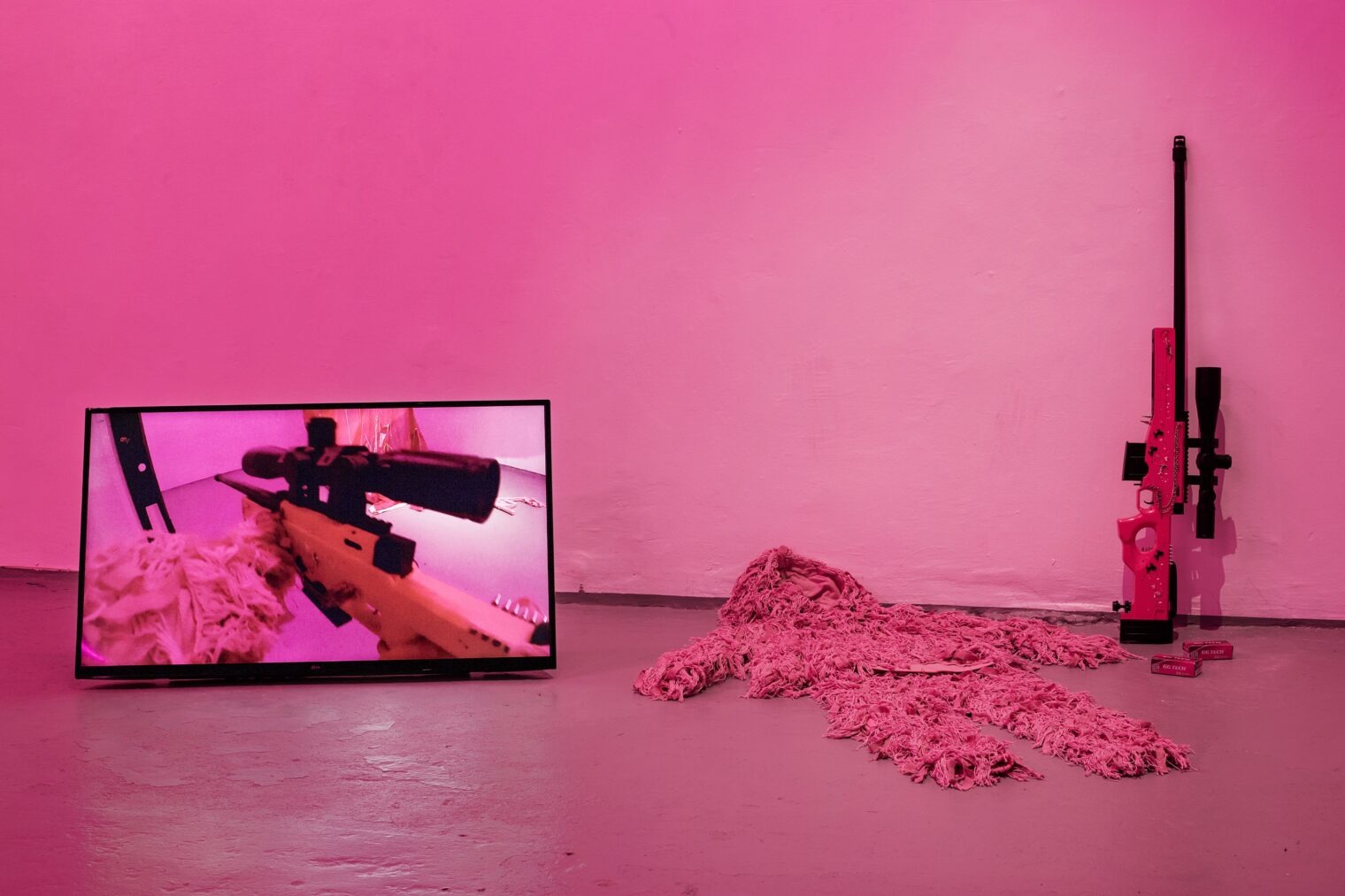
KÖLER PRIZE 2026. Exhibition of nominees
Until 05 July
The jubilee season of EKKM (Contemporary Art Museum of Estonia) will be launched with the return of the Köler Prize! The exhibition of the works of the nominees (11.04–05.07.2026) will feature five Estonian artists – Anna Mari Liivrand, Darja Popolitova, Hanna Samoson, Keiu Maasik and Taavi Suisalu – who will each create a new work, based on which an international jury will select the winner of the main prize and the visitors will decide the recipient of the audience prize. In 2026, the main prize of €15,000 will be sponsored by the indie video game studio ZA/UM. The €5,000 audience award will be awarded by the law firm COBALT. The Köler Prize exhibition will be accompanied by a catalogue, a film and a spectacular awards gala.
The Köler Prize was founded in 2011 by EKKM to popularise contemporary art, as well as to give prominence to and recognise local artists. The seventh and most recent Köler Prize exhibition took place in 2018, after which the award has been on hold due to difficult circumstances. However, culture, together with art and artists, still needs attention and support in today’s fragile world, maybe even more so. The Köler Prize can support artists thanks to private supporters who consider it important to fund culture even in difficult times. A grand awards gala will take place on June 12, where the recipient of the Köler Prize main prize and the Audience Award will be announced.
Temnikova & Kasela gallery
Klara Zetterholm.'Plate 5', plaster, synthetic clay, acrylics, pigment, varnish, 28×26cm. 2026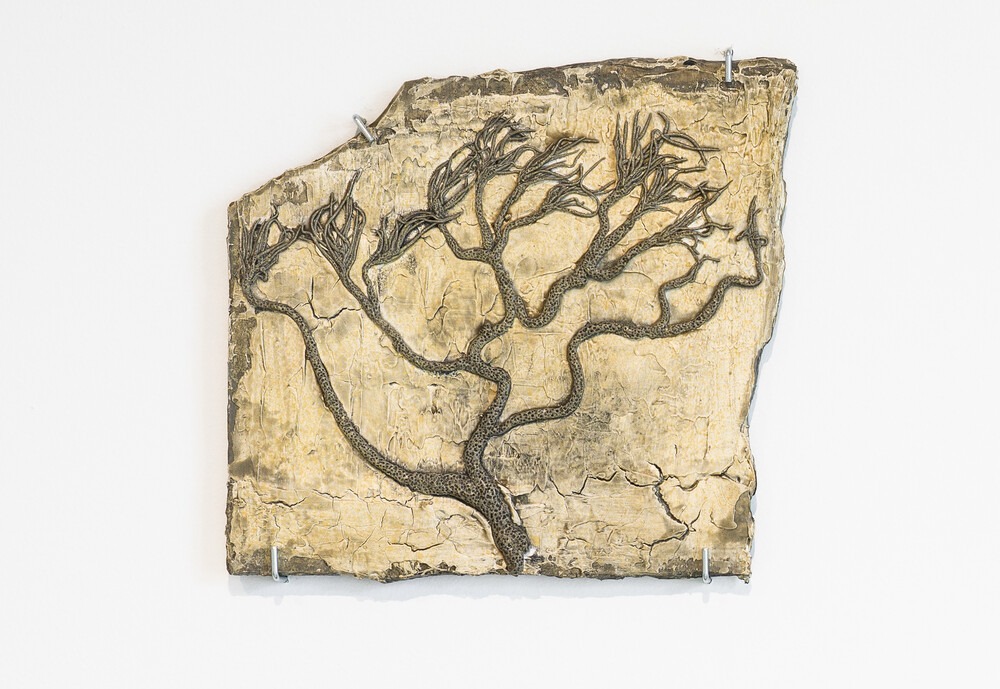
Klara Zetterholm, Zody Burke. Ersatz Strata
Until 15 August
Temnikova & Kasela Gallery presents group exhibition by American Tallinn based artist Zody Burke and Stockholm based artist Klara Zetterholm. The textual component of the exhibition, developed in collaboration with Jaakko Pallasvuo, forms a body of pseudo-documents that expands the fictional world while undermining the assumed objectivity of museums. The joint exhibition constructs a fictional archaeological site, drawing on the visual language and narrative strategies of natural history museums.
Through reliefs, sculptures, and kinetic elements, the artists present a site that appears to have been repeatedly rediscovered by different cultures, each interpreting it in its own way. The exhibition explores how meaning is produced through display, how history is staged, and how institutions shape our understanding of the past. Klara Zetterholm’s earlier fictional archaeology project, Discoveries at Valdaesti Umdar, provides one point of departure. Her hyperrealistic figures merge prehistoric reconstruction with contemporary fantasy, revealing the overlap between scientific authority and pop-cultural imagination. Zody Burke, in turn, focuses on identity formation, national mythologies, and the aesthetics of institutional spaces. Together, they create a multilayered fictional site in which each “cultural layer” reflects its own era and its modes of understanding.
Tütar gallery
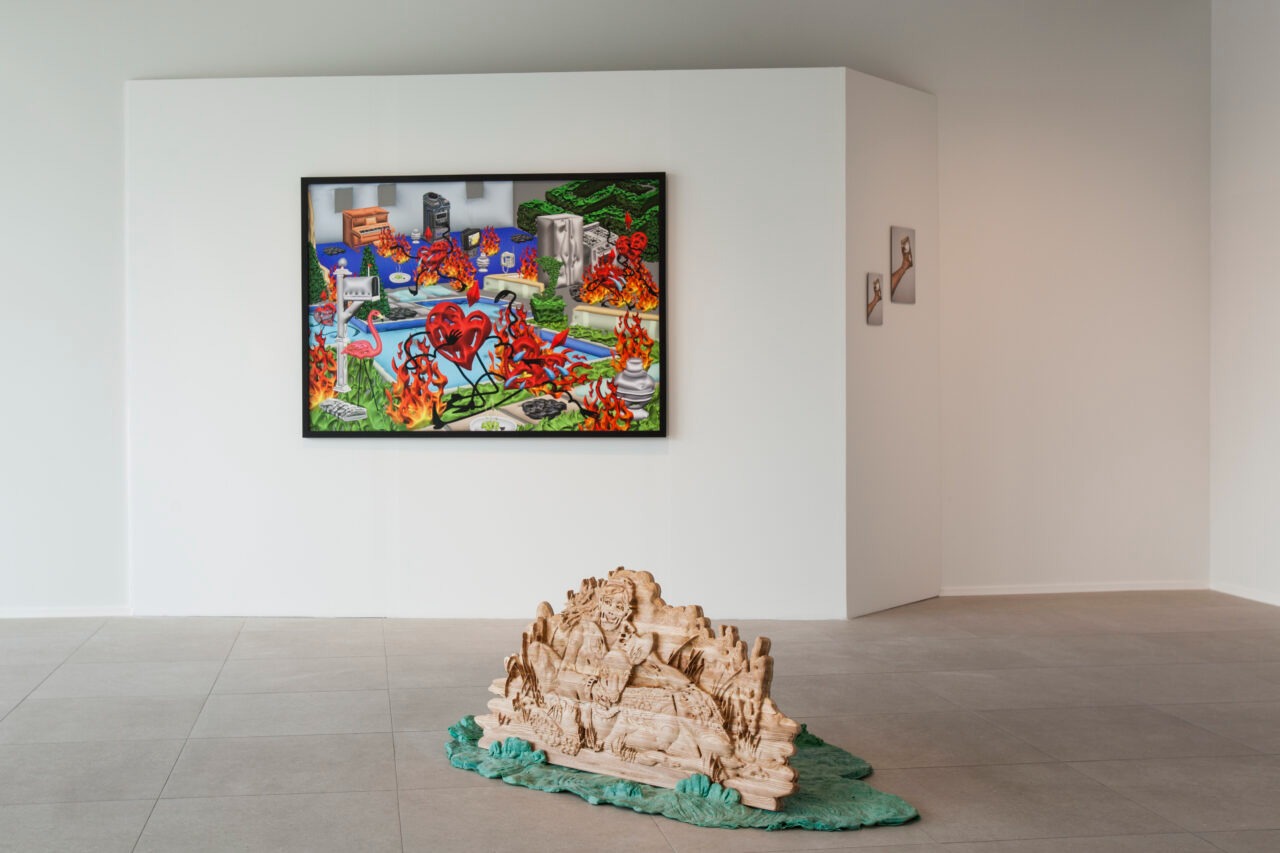
Group exhibition “Safe Traps”
Until 21 June
Contemporary Western society is built on the quiet conviction that both the self and the world around us can be managed and regulated. “Safe Traps” invites us to reflect on a different logic: one in which the act of control, and our craving for it, reveals itself as the actual trap and the very mechanism that confines us. This exhibition brings together works that treat control as a refuge which is as much a cage as it is a stronghold. They operate along a line of tension where allure and a haunting sense of estrangement exist side by side: comfort turns into unease, and familiarity into the uncanny.
This double bind is embodied in Līga Spunde’s installation, which draws from the tale of Bambi, its original story and the Disney adaptation, as well as the tradition of trophy photography. While Spunde’s works critically view nature compressed into the frames of a human-made simulation, Madlen Hirtentreu’s installation serves as a reminder that nature possesses the means to shatter those boundaries. Hirtentreu’s carnivorous plant, descending from the ceiling and adorned with pearls and metallic fangs, embodies one of culture’s most enduring tropes: the monstrous anomaly categorised by humans as the unknown ‘Other’. The scrutiny of the man-made material world and the disproportionate worth we assign to it continues in the work of Ruudu Ulas, who explores its quiet, persistent instability. In her series Difficult Objects, familiar everyday spaces and objects are ever so slightly warped. Anaïs Goupy raises similar questions about mediation, authenticity and origin within the context of the digital sphere and social media trends. Goupy focuses on deconstructing the representation of the hegemonic body as a commodified object, confined within the discriminatory frameworks of Western beauty standards.
ESTONIA, Tartu
Tartu Art Museum
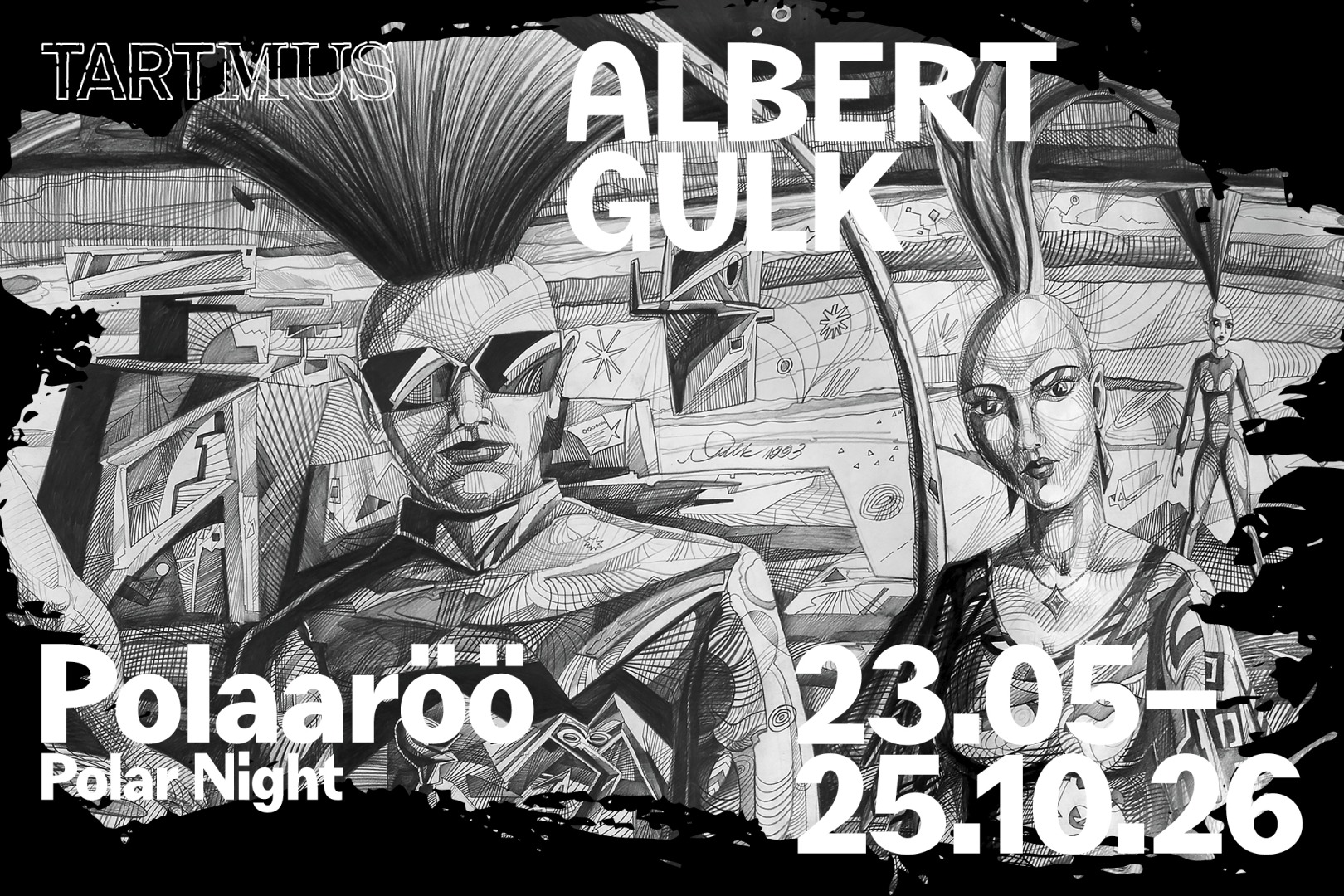
Albert Gulk. Polar Night
23 May – 25 October
At the beginning of the 1990s Albert Gulk (born in 1969 in Antsla) began making pencil drawings of monumental size, filling the surface of the paper with densely inhabited worlds. The exhibition Polar Night will offer a selection of drawings and watercolours from this period. In Gulk’s pictures, landscapes turn into creatures and creatures into landscapes. There are no clear lines between species: a bug might take on humanoid features and a person might take on bestial characteristics. Even the border between the living and the mechanical becomes blurred: a bird might resemble a machine, and a landscape might seem to breathe.
These works reflect deep attention to nature, an interest in popular scientific illustrations and influences from science fiction and popular culture. The exhibition focuses on the period where all these layers are visible simultaneously. The exhibition is accompanied by a catalogue, which takes a wider view of the artist’s works from this period and also includes reproductions of some of his largest drawings, measuring upwards of 7 or 10 meter.
Kogo gallery
Timo Toots, Mari-Liis Rebane. Floral Atlas
Until 6 June
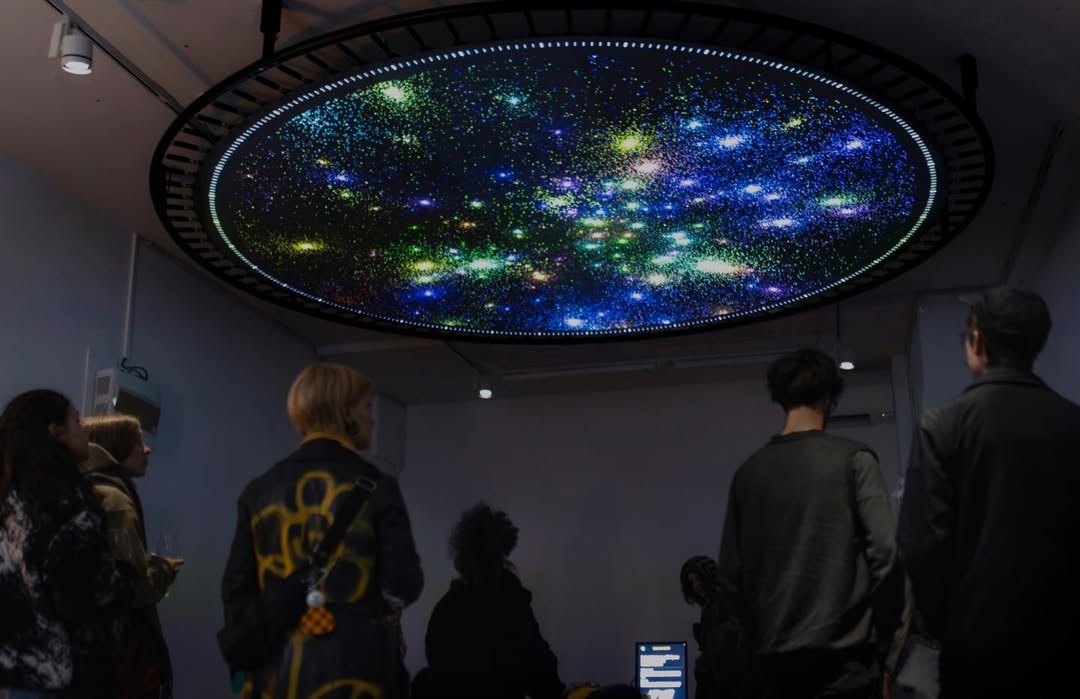
Artists Timo Toots and Mari-Liis Rebane are the founders of Maajaam, a technological art farm near Otepää in southern Estonia, as well as the driving forces behind its open-air exhibition Wild Bits. Kogo Gallery, however, is the first place where their works come together in a shared exhibition space. The exhibition Floral Atlas provides a map of flowering plants from the abundant, thriving meadows of southern Estonia, where the inhabitants of Maajaam’s beehive forage. It also draws attention to flowering species that have now disappeared from their natural habitats.
At the centre of Timo Toots’s installation Pollinarium is an animated star chart in which each pulsating point of light represents not a distant celestial body but a flowering plant growing around the Maajaam art farm. Mari-Liis Rebane’s audio work Hold What Blooms uses storytelling to guide visitors on an imagined journey through a diversity of landscapes and habitats. Floral Atlas invites visitors to reflect on the role of flowering plants in nature and offers an opportunity to encounter the unseen.
LATVIA, Riga
Riga Art Week (RAW)
25 May – 31 May
Riga Art Week (RAW) is an exciting art festival taking place from 25 May – 31 May 2026 in Riga, Latvia. With a diverse programme catering to art professionals and the broader public, RAW will feature art exhibitions, lectures, workshops, pop-up events, and international guests. In recent years, reality has increasingly seemed contradictory, unpredictable, and difficult to explain. Political, social, and technological changes create situations in which logic seems fragile and everyday experience is full of paradoxes. Events that would have seemed impossible not long ago are becoming a familiar reality, and the line between the serious and the comic is increasingly difficult to define. In the RAW 2026 programme, artists turn to humour, irony, and the absurd as a way to address the uncertainty, tension, and contradictions that characterise our time.
The festival programme has been curated by Elīna Drāke and Tīna Pētersone — active figures in Latvia's art scene and co-founders of RAW
Latvian National Museum of Art
Aleksandra Beļcova. Self-Portrait in a Hat with a Blue Brim. 1920-1921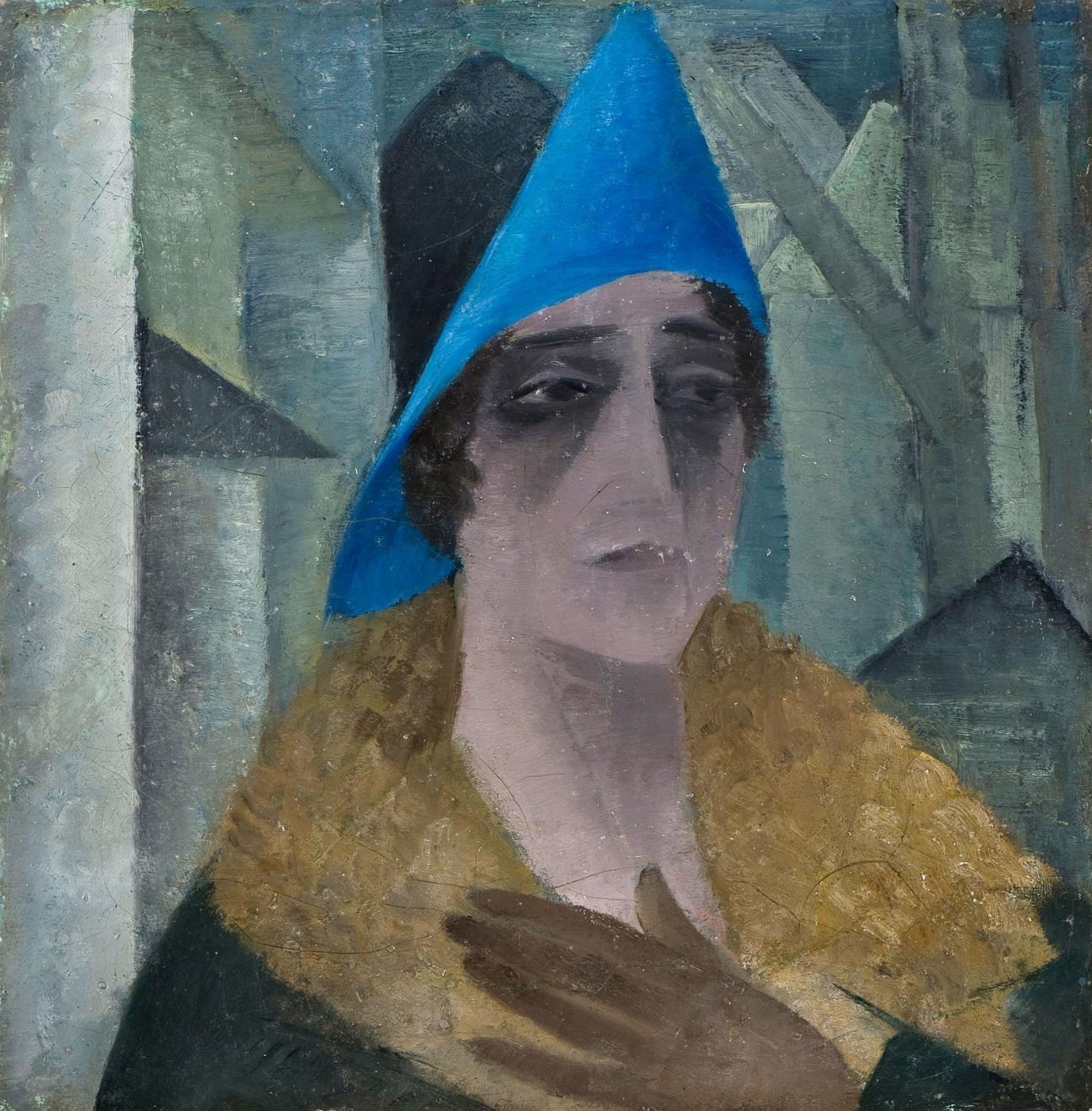
Wandering the Streets: Urban Visions of Latvian Modernists
Until 26 July
The first half of the 20th century was a time of rapid change in Latvian and European culture. The exhibition invites visitors to trace the experiences of Latvian writers and artists in three significant cities – Riga, Berlin and Paris. They were flâneurs and flâneuses – leisurely observers of the city who documented modern architecture, traffic, advertising, shop windows, the sounds and rhythms of urban space in texts and images.
Before the First World War, Latvian artists such as Gustavs Šķilters, Jāzeps Grosvalds and others were already strolling the streets of Paris as flâneurs. After the war, they were followed by members of the Riga Artists’ Group and by writers who were eager to share their impressions both in writing and in works of art. Latvian culture became part of the broader current of European Modernism and enriched it. Alongside the major metropolises of Western Europe, Riga also powerfully inspired the works of Latvian modernist artists, writers and thinkers. The exposition brings together both canonical and lesser-known artworks, as well as poetic texts, original printed materials, photographs, and video works.
Ilmārs Blumbergs. Triptych. Sheet 2.1977. Lithograph on paper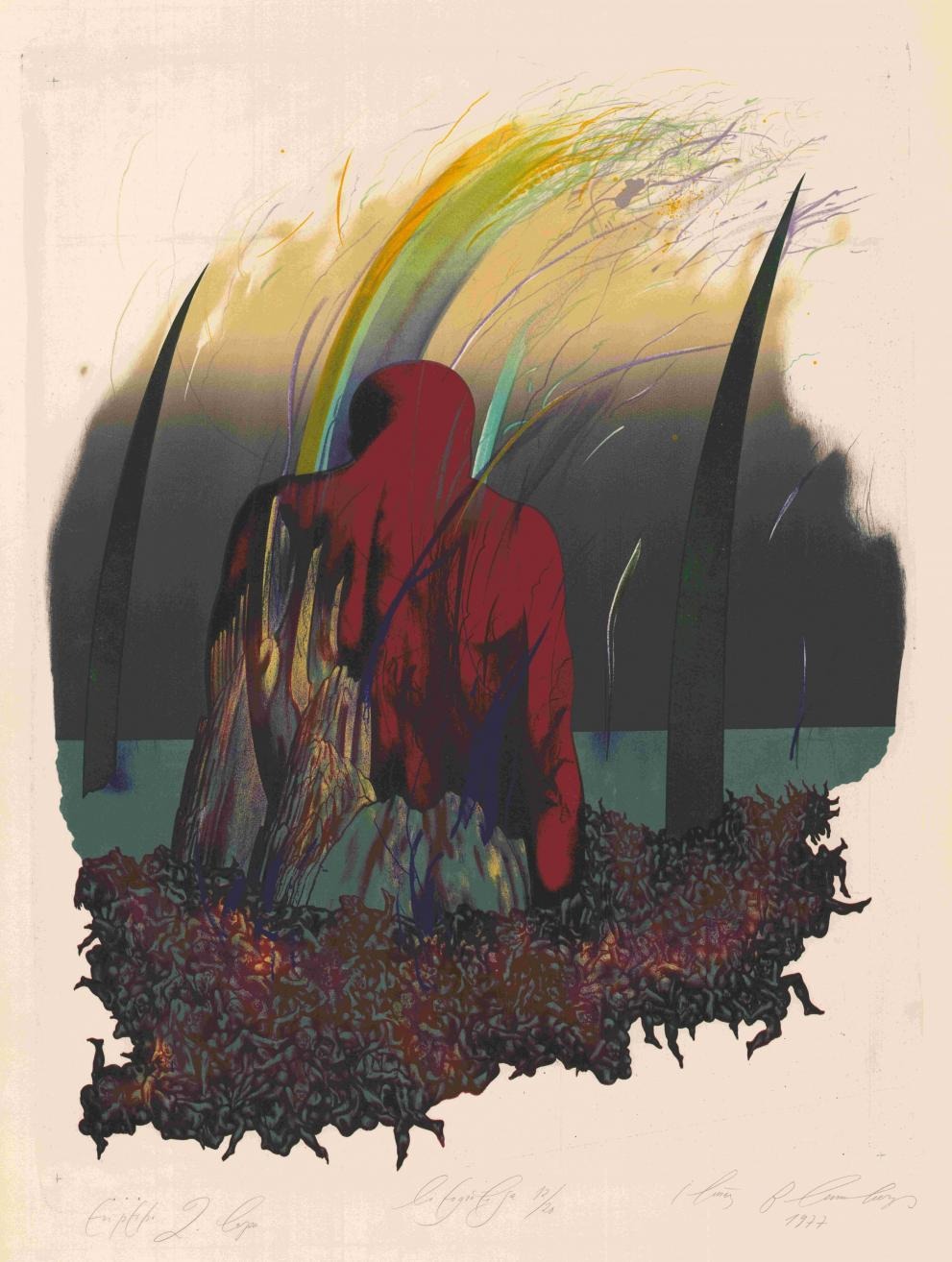
Dreams of Various Length. Manifestations of Surrealism in Latvian Printmaking in the 1970s–80s
Until 16 August
The exhibition focuses on interpretations of Surrealism in the oeuvre of eight graphic artists – Māris Ārgalis (1954–2008), Ilmārs Blumbergs (1943–2016), Valija Brence (1941–2009), Maija Dragūne (1945), Arthur Nikitin (1936–2022), Aija Ozoliņa (1932–2023), Māra Rikmane (1939), and Lolita Zikmane (1941). Currently not equally known and studied, these talented authors worked under Soviet occupation in the 1970s and 80s, when Surrealism, alongside Abstractionism, was placed on the list of art directions undesirable to Soviet ideology. The term appeared in the Latvian press already in the mid-1920s, yet in visual art traces of Surrealism came much later – the use of the direction’s characteristic expressive means (biomorphic forms, dreaminess, unexpected combinations of objects, things and characters or their counterpositions, the fusion of time and space, deformation of images or their metamorphosis into other forms) is noticeable in the early 1970s.
This tendency is particularly evident in graphic art, which, in comparison to painting and sculpture, faced less ideological supervision from the Soviet authorities. In Latvian art, Surrealism predominantly manifested itself in the adoption of formal means of expression and not deliberate adherence to the principles cultivated by the surrealists of the interwar period.
Riga Contemporary Art Space
RIGA PHOTOGRAPHY BIENNIAL 2026
Zoom In: Ecology
Until 14 June
Riga Photography Biennial 2026 central event. Participants: Astrid Ardagh (NO), Nanna Debois Buhl (DK), Henna-Riikka Halonen (FI), Inka & Niclas (SE), Kristina Õllek & Kert Viiart-Õllek (EE), Rasa Šmite and Raitis Šmits (LV), Sabīne Šnē (LV), Istvan Virag (HU/NO).
The Riga Photography Biennial is an international contemporary art event, focusing on the analysis of visual culture and artistic representation. The rapid development of modern technology has led us to reassess the meaning of images and the messages they convey. The internet and social networks have made photography one of our primary means of communication, while the dominance of the virtual environment has significantly changed the way we perceive and use images. The exhibition Zoom In: Ecology presents nine reflections on human merging with digital technologies and/or nature. It investigates how digital activities influence ecosystems, natural resources and human nature, attempting to navigate through this finely crafted web of relationships.
everything you need to see is already in front of you. Exhibition view at the Riga Contemporary Art Space. Photo: Pēteris Rūcis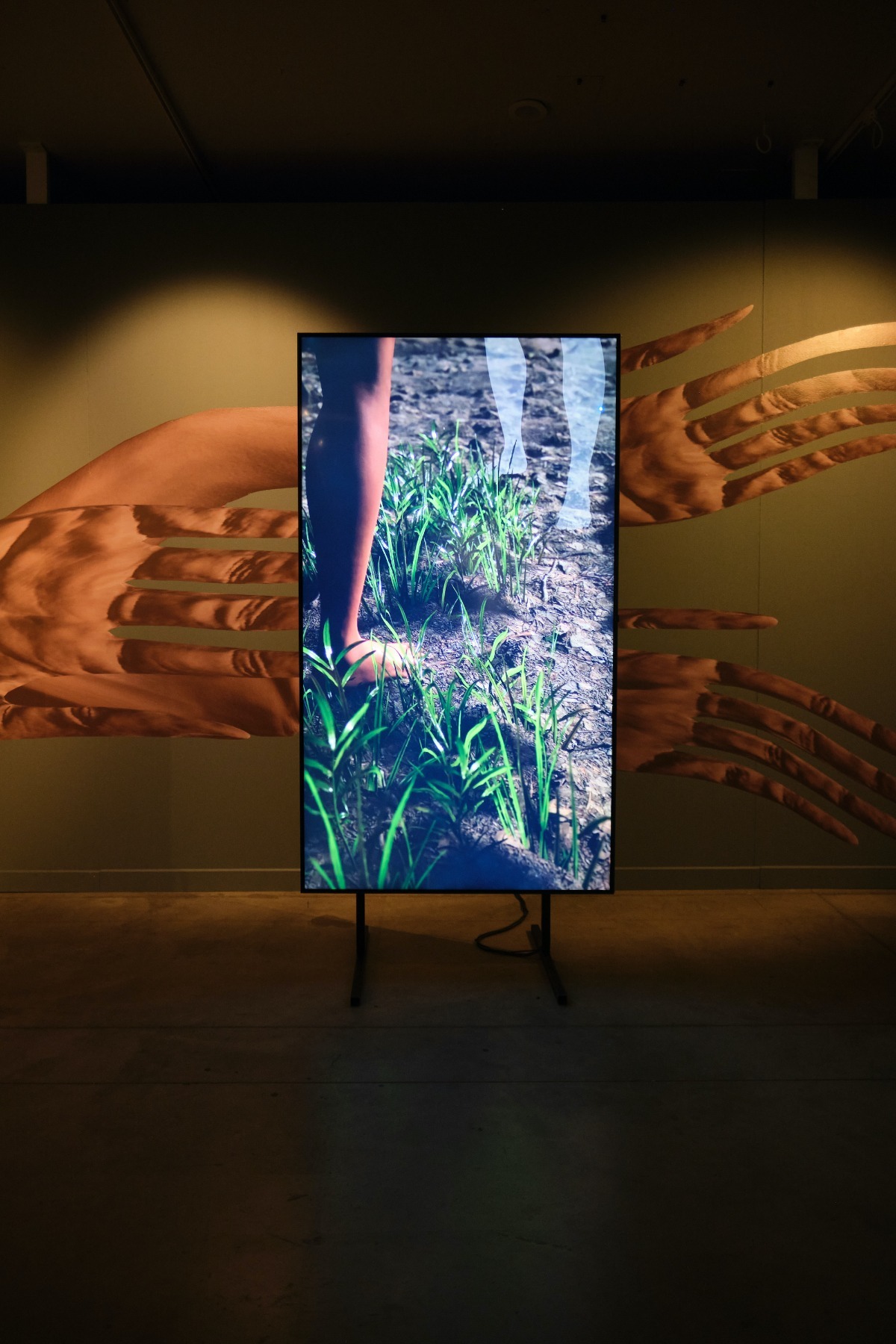
Priyageetha Dia. everything you need to see is already in front of you
Until 7 June
In her exhibition everything you need to see is already in front of you, Priyageetha Dia questions photography as a medium – repository of memories. Her perspective is rooted in the history of her family in South-East Asia, in the Malay peninsula, which in its heyday was considered to be the most profitable colony in the British Empire. During the Industrial Revolution in the 1870s, rubber manufacturing developed rapidly. The natural caoutchouc resources in South America were no longer able to satisfy the growing pace of production, and therefore the British government decided to artificially create new resources in the colonies of the Far East. Collected in Brazil, the seeds and seedlings of the hevea (a tree with a milky sap – latex) grew into huge rubber plantations on the other side of the world, where several generations of indentured labourers spent their lives, becoming cheap labour for the British rubber industry.
Working with archives and conducting field research in rubber plantations, Priyageetha approaches the past from different sides. She strives to see and hear invisible and inaudible connections, and uncover those electromagnetic webs which ceaselessly flicker around us, which carry memories and in which all of us are joined together.
More info >>
Read our interview with Priyageetha Dia
Kim? Contemporary Art Centre
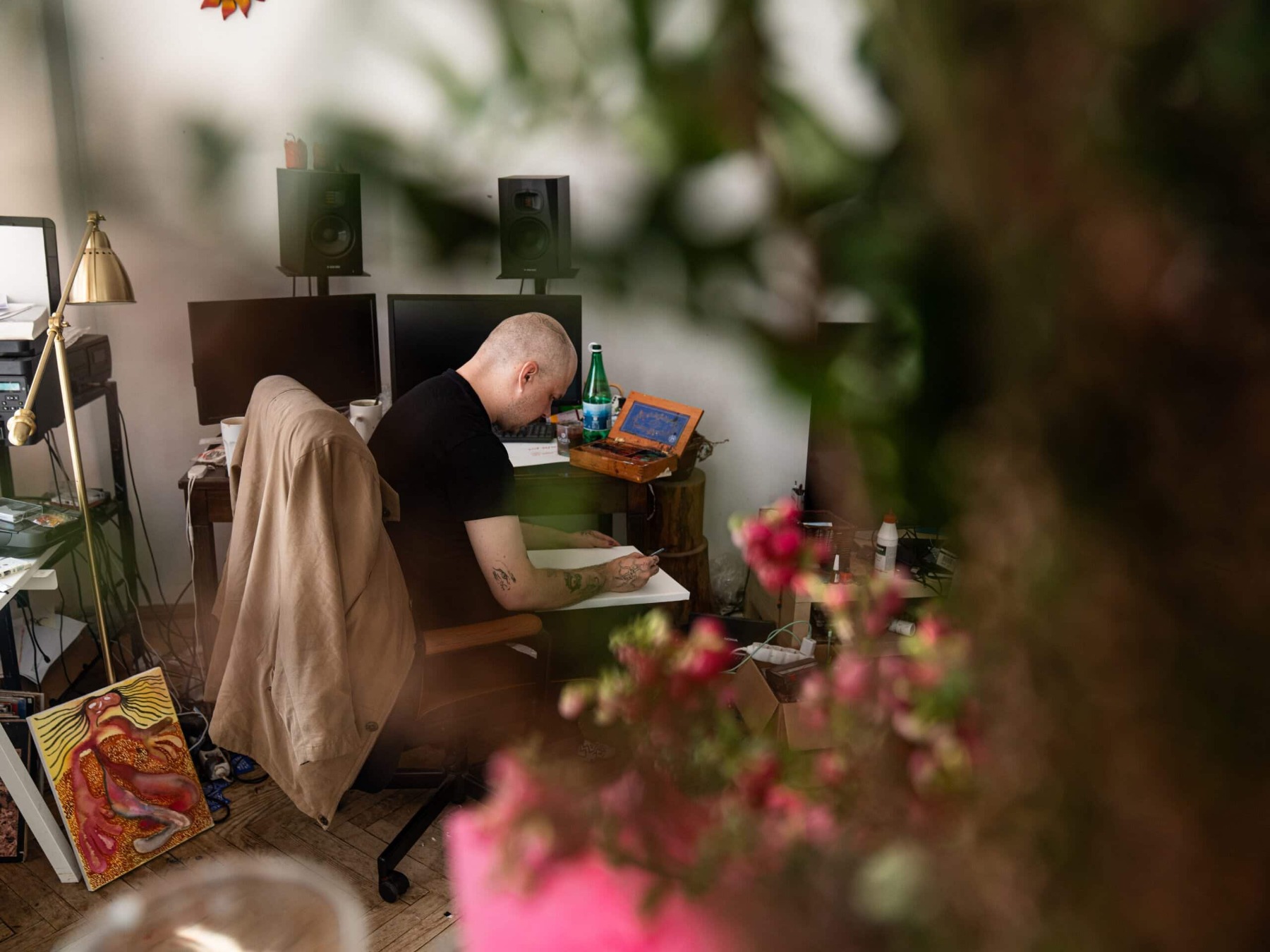
Kaspars Groševs. Live With/Think About
Until 7 June
Live With/Think About functions simultaneously as proposition and condition: a way of remaining within perception while also examining how it is produced and sustained. In Kaspars Groševs’ exhibition at Kim?, marking the artist’s return thirteen years after his last solo presentation here, sound, image, display, and social infrastructure merge into a continuous environment where separation into discrete mediums dissolves. What is presented appears less a collection of finished works than a situation actively shared and persistently reconfigured through use.
“Living with” and “thinking about” operate as interlacing modes of attention that hold experience at the point of ongoing formation, where repetition begins to accumulate weight, where attention drifts and returns, and where fatigue or small intensities become part of the material itself; thinking moves within this field, slightly out of phase, while what is perceived sustains legibility but never stabilises.
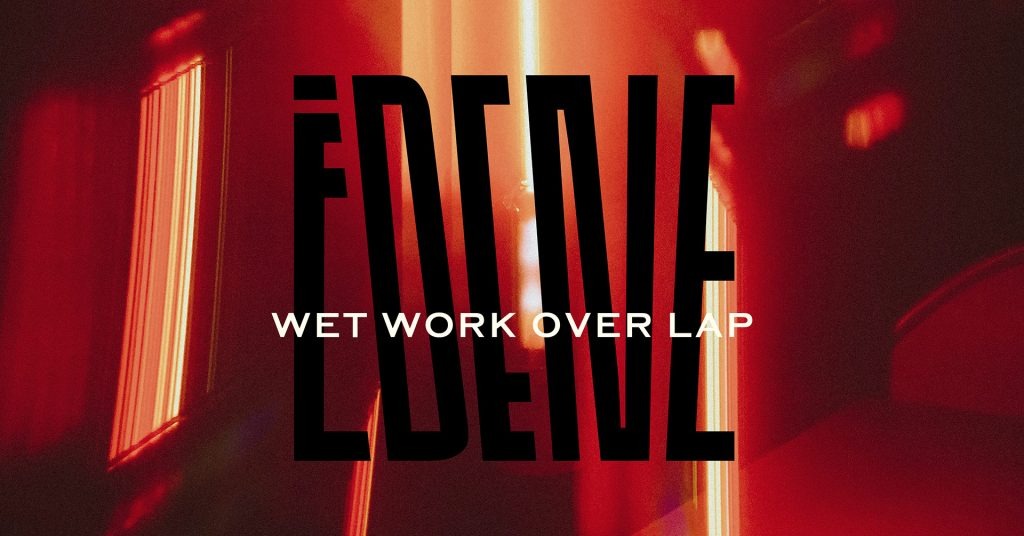
EDEN: Wet Work Over Lap
29 May – 17 July
EDEN: Wet Work Over Lap stages desire as labor and sex as one of its most regulated, exhausted, and persistently unfinished forms. The title, EDEN: Wet Work Over Lap, draws on the double meaning of “wet work,” referring both to covert operations and to forms of labor that leave a trace. It is these practices and artworks which expand sexual, emotional, and domestic work into modes of maintenance that accumulate, rather than resolve, into meaning. “Over Lap” signals repetition and spill, where actions do not conclude but instead extend across time, overlapping, leaking, and returning.
With new and existing art works, installations, and performances spanning from analogue processes to “digital wetwares”, EDEN: Wet Work Over Lap sustains the infrastructure of desire through exhibition areas associatively shifting between functional sites: bedroom-after hour zone into auditorium, bathroom-wet room into confessional, gym into club into darkroom – all towards a central hall (“aktu zāle”), carrying the double meaning of “akts”, act and nude, finally climaxing in an exhibitionary attempt to center the concept of exposure as both a performance and condition at once. Participating artists: Cammisa Buerhaus, Zenta Dzividzinska, Sophia Giovannitti, Evija Krištopane, Reba Maybury, Elza Sīle ⩙ Aly Milk, Mindy Seu, SAGG Napoli, Sylvie Fleury, Sophie Thun, Sabīne Vernere, and Paula Zvane. Venue: Kim? off-site future address: Hanzas street 22, Riga.
Zuzeum Art Museum
Ieva Putniņa. Labrīt. 2024. Audekls, eļļa. 202,5 x 82 cm
Ieva Putniņa. Good Morning. 2024. Oil on canvas. 202.5 x 82 cm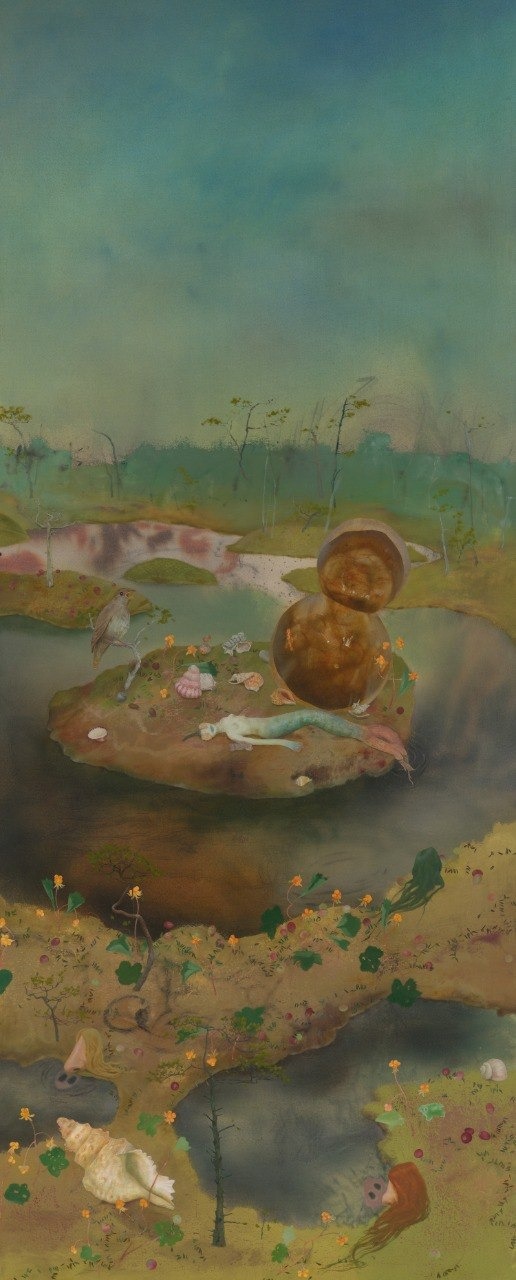
MAMA ‘Mother Nature’
26 May – 30 August
MAMA ‘Mother Nature’ is conceived as an interdisciplinary travelling exhibition and a global artistic platform reflecting on the interconnectedness of culture, environment, and collective responsibility. Curated by Emin Mammadov, the exhibition explores the intersections of ecology, identity, and collective memory, inviting viewers to consider the Earth as a living, powerful entity and a bearer of ancestral experience and the wisdom of renewal. The exhibition brings together works across a range of media, including installation, sculpture, video, and textile. At Zuzeum, the presentation is complemented by works by local and international artists from the Zuzāns Collection, creating a dialogue between the exhibition’s core and the local context.
Since its premiere at the Heydar Aliyev Center in Baku, the exhibition has travelled across continents and has been shown at the Bahrain Art Centre in Manama, MAXXI Corner in Rome, and most recently at the Azerbaijan Pavilion at the 2025 London Design Biennale at Somerset House. Artists: Nina Pandolfo (Brazil), Elizabeth Toll (Sweden), Uta Bekaia (Georgia), Andris Vītloņš (Latvija), Elnara Nasirli (Azerbaijan), Gillie & Marc (UK-Australia), Tarasenko Anastasiya (Ukraine), Gala Caky (Serbia), Andris Eglītis (Latvija), Kris Lemsalu (Estonia), Klāvs Loris (Latvija).
ASNI gallery
Gabija Grušaitė. Circulation
28 May – 4 July
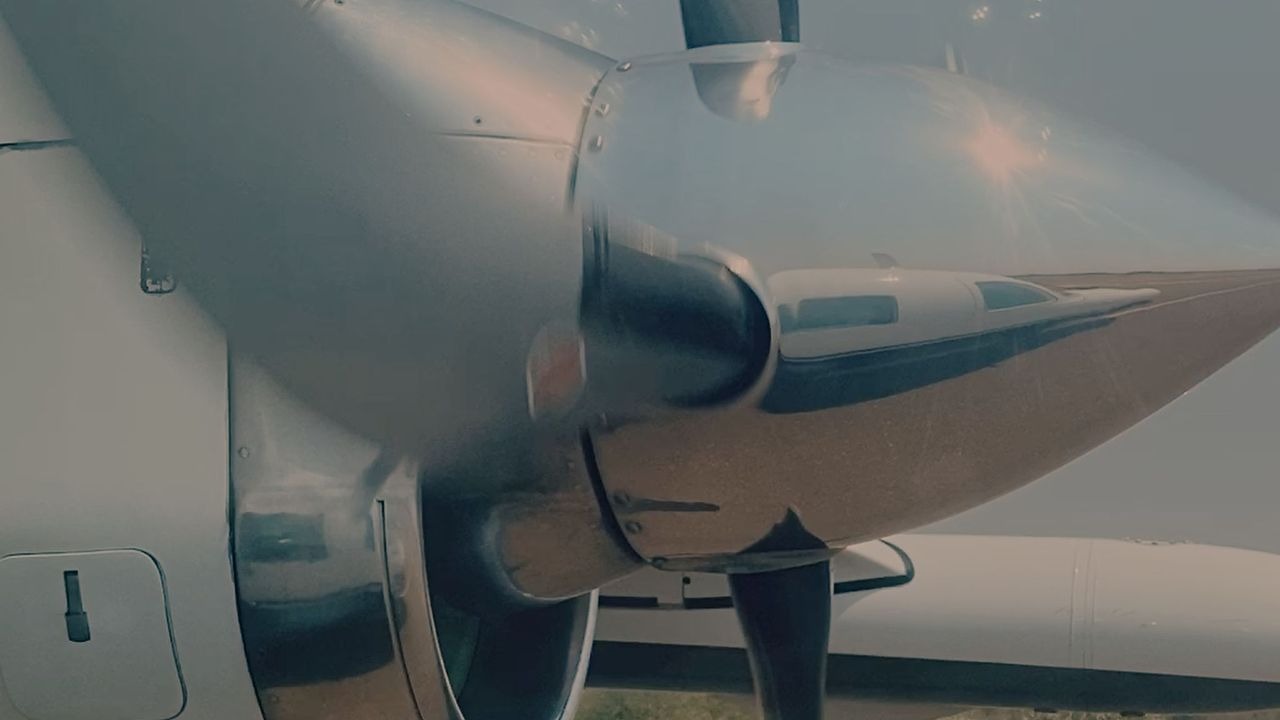
Circulation is the first solo exhibition in Latvia by Gabija Grušaitė. With this project, Grušaitė, a Lithuanian best-selling writer and artist with a background in anthropology, continues her exploration of literature expanded into the space of art. Curated by the duo Francesco Urbano Ragazzi, the exhibition brings together a new body of work conceived for the occasion, including a video installation, a series of drawings, and a sculptural intervention. Together, these works examine the functions and dysfunctions within systems of exchange between human environments and the outside world.
Circulation is a meditation on the material circuits that regulate contemporary life, from the domestic and the touristic to the planetary. Increasingly mediated by bureaucracy, architecture, and engineering structures, these flows of information are intercepted by the artist and reconfigured into a paradoxically poetic narrative. With Circulation, Grušaitė explores her narrative voice across different styles, ranging from construction manuals to love songs. The artist’s gaze is focused on the desire, and the ultimate impossibility, for human beings to isolate themselves from the world.
The Chekhov Theatre Gallery
Ieva Epnere. Tuesday
9 June – 27 September
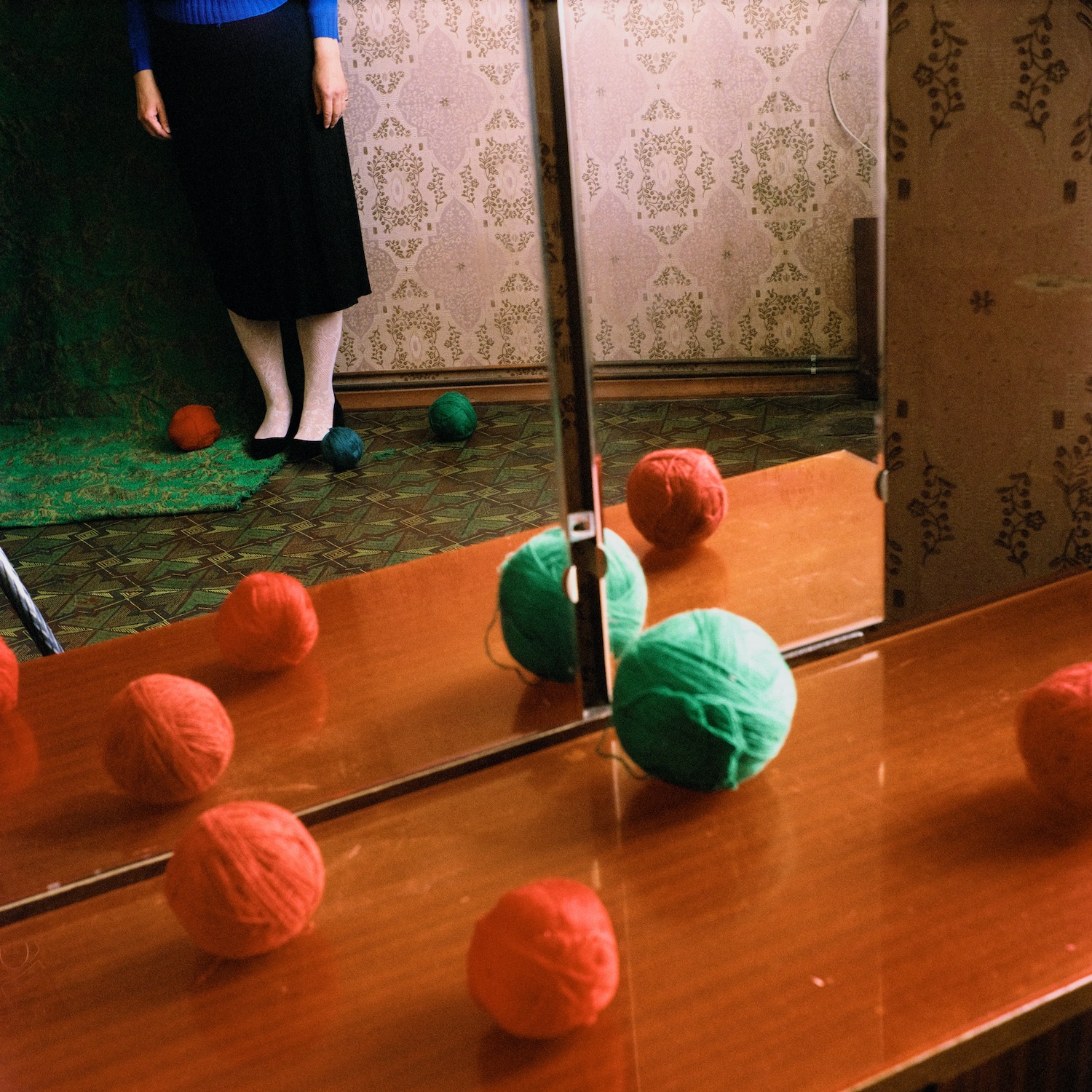
Over the course of multiple months, the artist spent every Tuesday visiting her father's apartment in Liepāja to stay in dialogue with memory via the space, light, and objects present. This regular recurrence became a rhythm – one that maintains a connection with the departed whose presence was still engrained in the atmosphere of the space. In the artwork, the apartment functions as a psychological scenography and a living archive.
Daylight has a crucial role in the photographs – it creates a dream- or memory-like effect. By using a long-exposure technique, the artist’s moving body becomes almost spectral in layers of light. This ghostliness and transparency reveals the passing of time – the human figure merges with the interior, thus becoming a part of the memory’s mechanism. The name of the exhibition – “Tuesday” – initially represents the regularity of the works’ creation, but steadily it takes on a broader meaning. In this exhibition, photography becomes a way to keep something present even after a loss. This is the closing exhibition of the Riga Photography Biennial 2026.
Maxim Boxer Gallery
Photo: Ansis Starks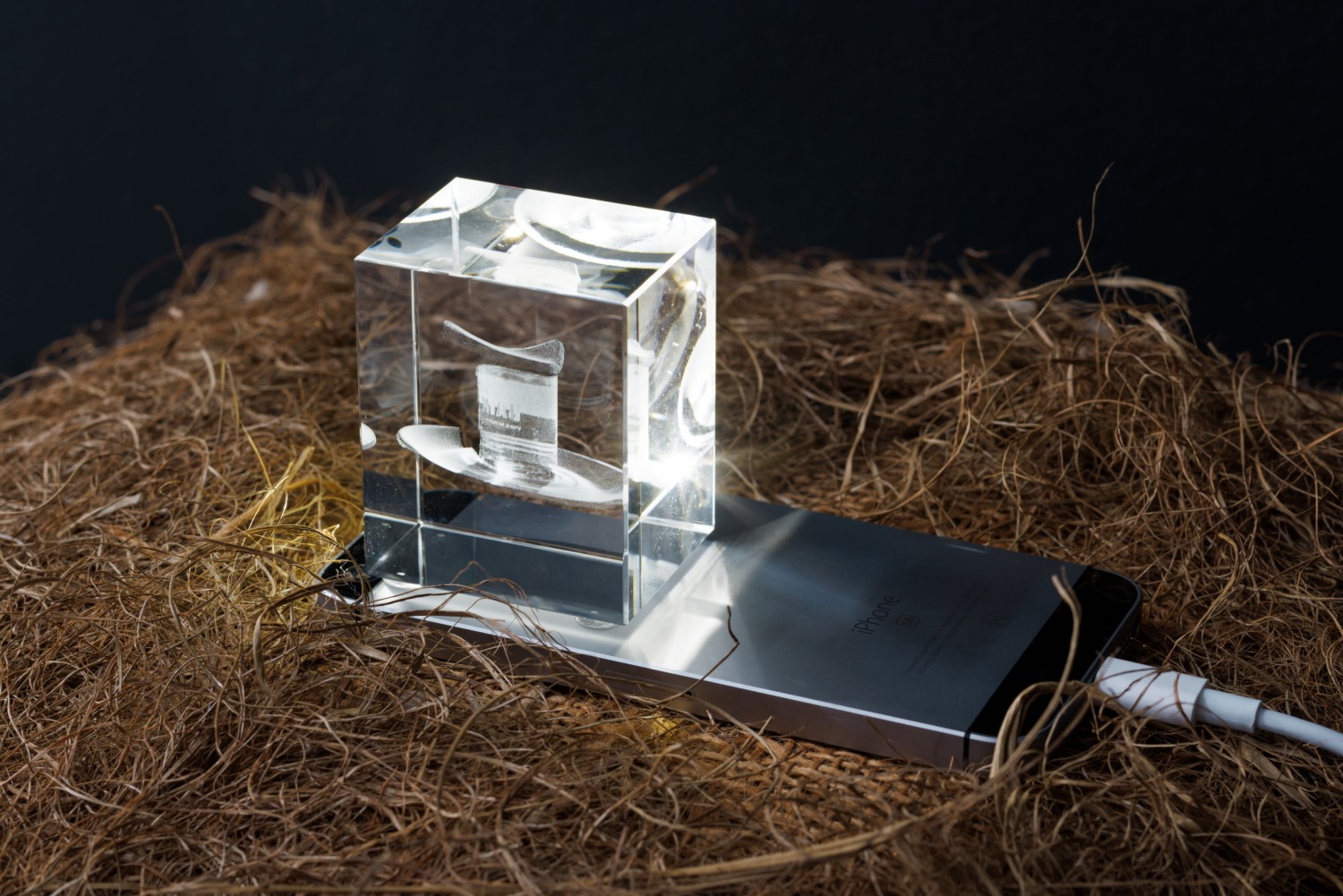
Ekaterina Costa. All The Doors Were Swinging Softly
Unil 31 May
The exhibition “All The Doors Were Swinging Softly” brings together three series of works by Ekaterina Costa: “Souvenirs de Poche” (2024–2026), “The Gambler: Reasonable Doubt” (2025), and “Zodiac” (2025–2026), in which the artist examines the mechanisms of personal and collective memory through her work with the family archive and found objects.
The exhibition centres on the “Souvenirs de Poche” series, in which the artist places fragments of the family home into three-dimensional forms engraved in crystal blocks. Reconstructed from low-resolution digital files, these images give spectral form to artefacts Costa can no longer physically reach: her grandfather’s cigarette case, a domestic altar of photographs, her grandmother’s figurine beside an icon, flowers in her mother’s bedroom — clusters of objects which, within the family, are endowed like amulets with faith in health and fortune, and which appear almost comical to an outside eye. The objects are illuminated by iPhone flashlights whose cables trail across the space, composing a quiet technological scenography.
Creative Factory Veldze
Filips Šmits. Let’s Get Sun-Kissed
14 May – 14 June
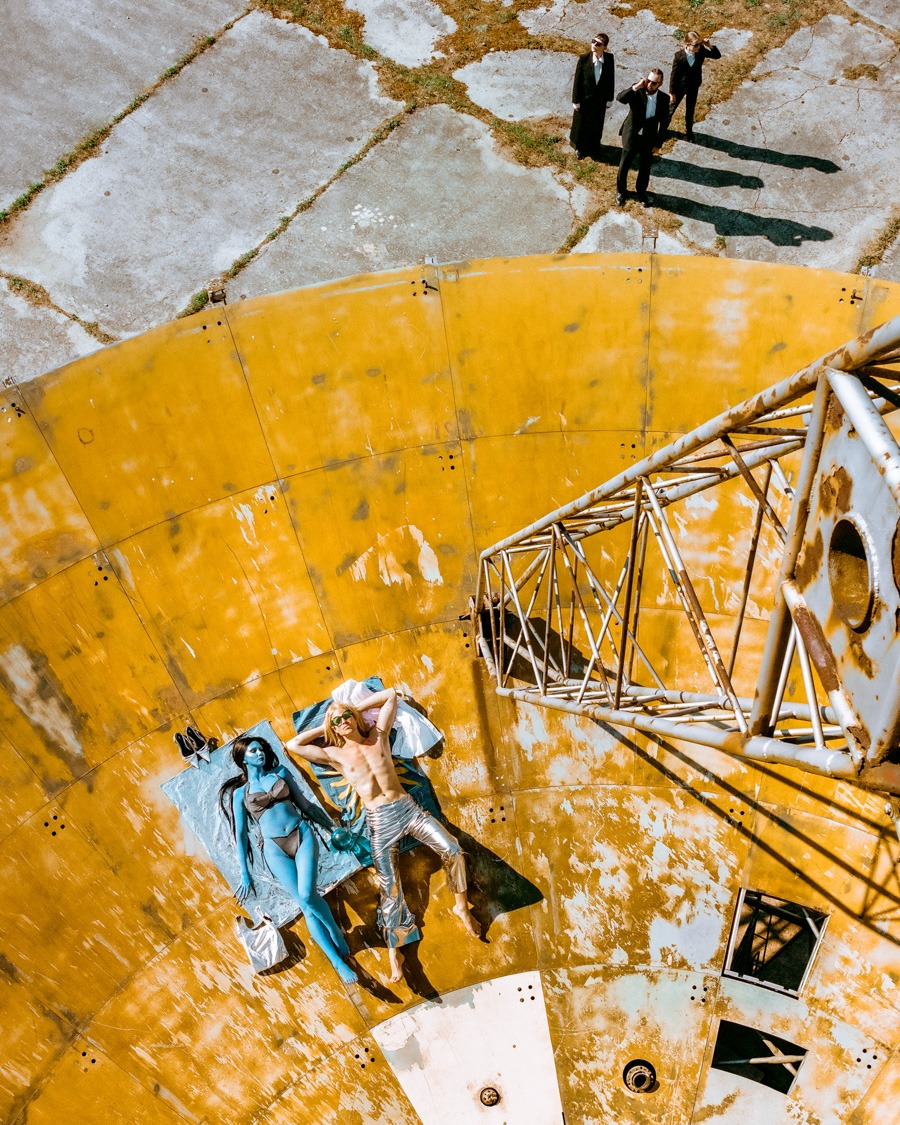
Filips Šmits’ practice is rooted in analogue photography and conceptual interventions in urban environments, with public space serving as a platform for exploring the interaction between the city and its inhabitants. The surrealist aesthetic of the photographs has been chosen as a means of expressing a longing for meaningful rest and the kind of respite essential to mental well-being at a time of growing political tension in the world. The photographs depict rituals of leisure in the open air, highlighting the importance of the happiness hormone released by sunlight, as well as ways of finding inner peace, building self-confidence, and nurturing social bonds by spending time together and creating bridges towards respectful relationships with people of different generations and viewpoints.
"The photo series presents playful distortions of urban reality, exploring the individual’s relationship with the city and its inhabitants. It stages moments shaped by the sun’s surge of “happiness hormones,” the joy of togetherness, and the search for inner balance, images drifting between the real and the imagined. These utopian visions are not an escape, but an invitation - to reflect, to reconnect, and to recreate our bonds with one another and with ourselves.’’ – curator Eliza Ramza.
LATVIA, Madona
MABOCA gallery
Photo: Līva Priedīte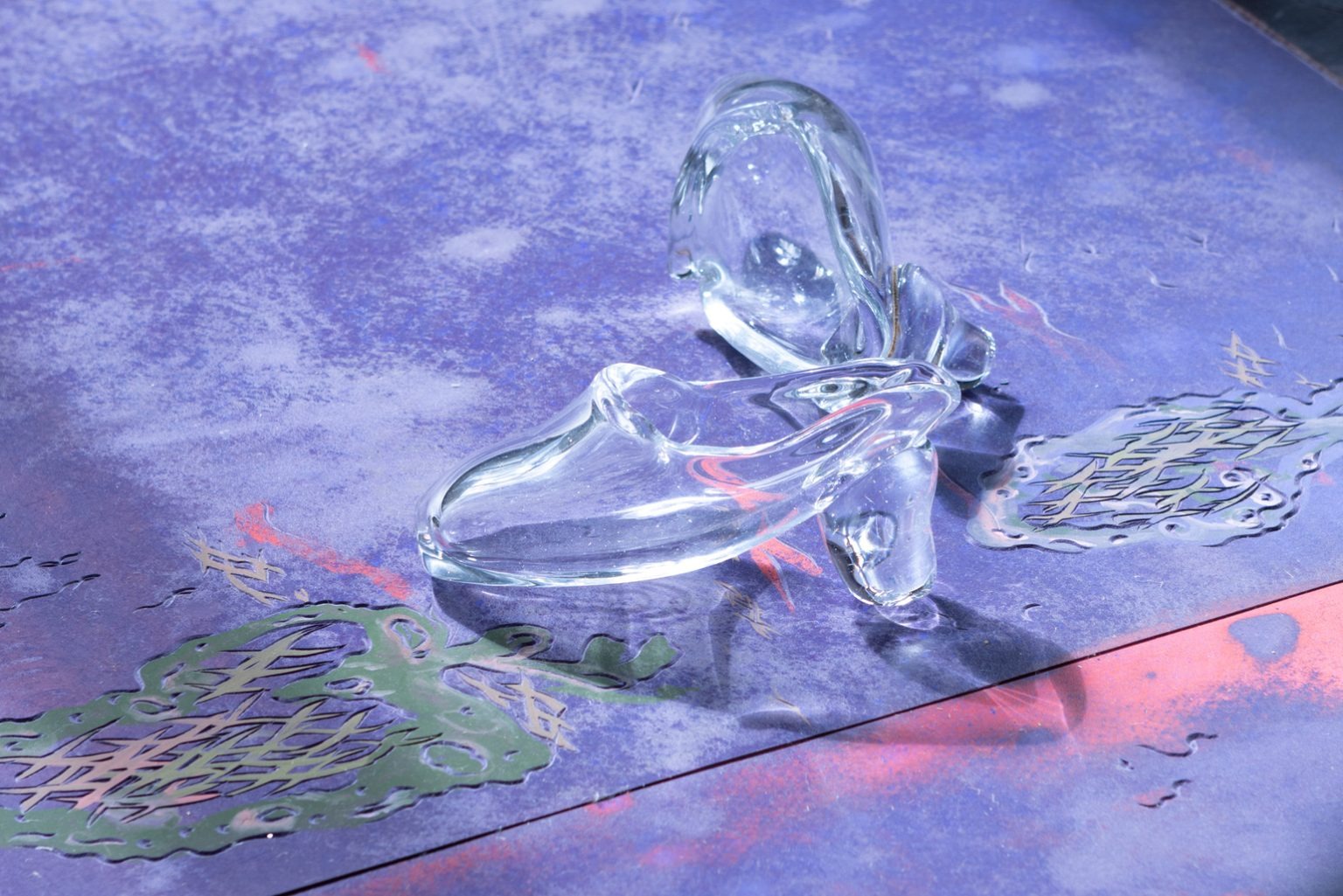
Anna Ceipe, Hanele Zane Putniņa. Dog Days
Until 7 June
Anna Ceipe has graduated from the Audiovisual Arts Department of the Art Academy of Latvia, specializing in Visual Communication, and has also studied at the Royal Academy of Fine Arts in Belgium. Exploring the intersection of art and craft, Ceipe seeks to reveal and expand the properties of familiar materials. By observing seemingly ordinary yet peculiar events, she questions the visual choices we make – often without paying much attention to them.
Hanele Zane Putniņa lives and works in Riga. Her graphic works are based on mythological figures from folklore and legends, often recreated in large-scale linocut technique. Expansive figure compositions alternate with modest, absurd everyday situations, which she sometimes refers to as “little Bruegels.” Hanele is interested in historical printmaking techniques and everything related to them. She continues her explorations in the world of linocut, choosing increasingly larger gouges and attempting to find some treasure among the linoleum shavings. She is rapidly approaching her first carved hectare of linoleum.
LATVIA, Jūrmala
Art Station Dubulti
Choice. Oil on canvas, digital print, 200 x 250 cm. 2025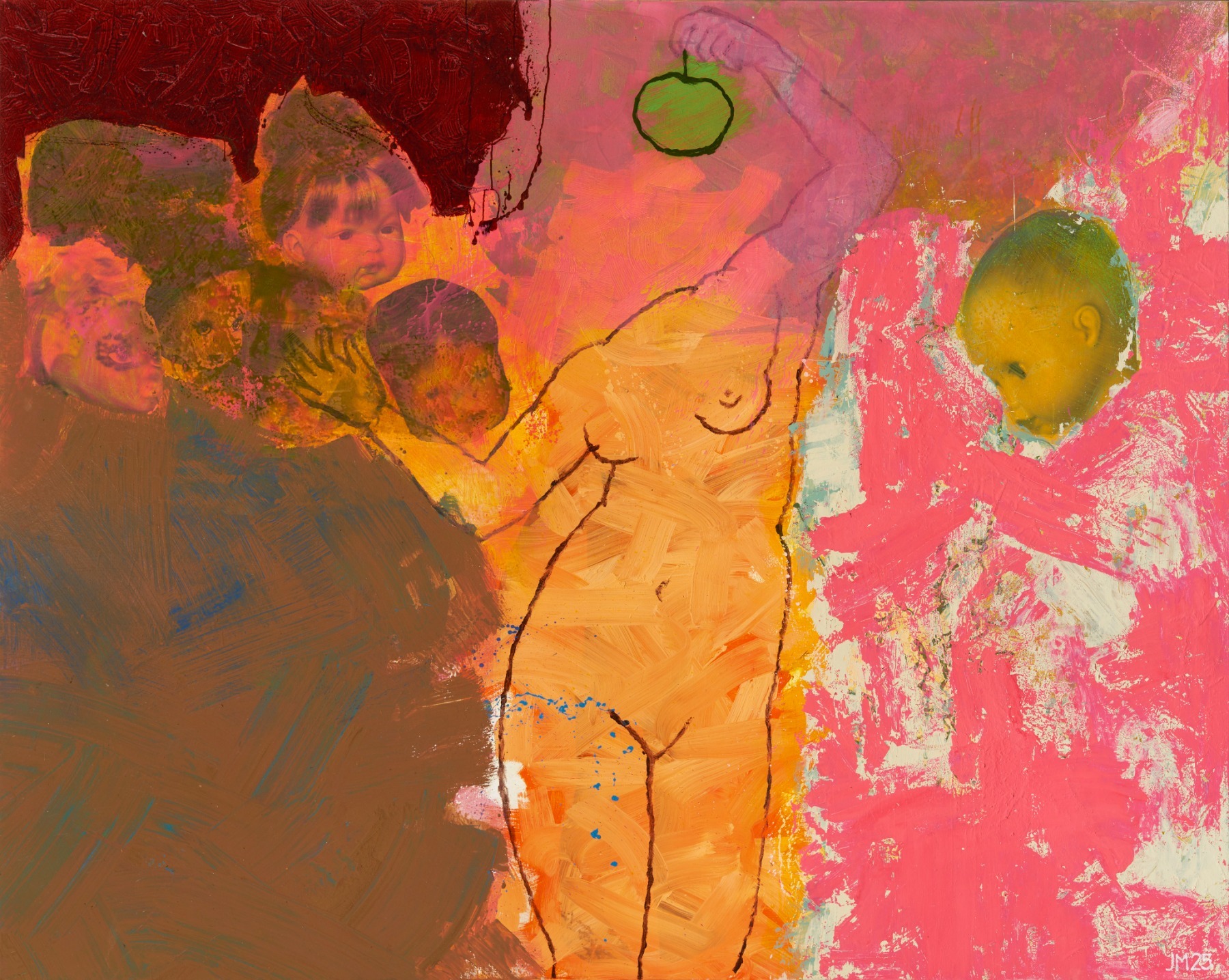
Jānis Mitrēvics. Dollhell
Until 24 May 2026
At the core of the exhibition stands a doll derived from an industrially manufactured toy. This image refers humanity. ‘A Doll. A hellish doll. A doll hell. We usually play with dolls. The games may differ, but the doll is an extraordinarily accommodating model,’ says Jānis Mitrēvics. The figure of the doll appears in paintings, the artist’s principal medium, and, for the first time in his practice, in porcelain sculpture. The entire exhibition consists of new works created specifically for DOLLHELL.
Mitrēvics reflects on the world and art itself. His contemplation of the former unfolds through figurative generalisation: how society manifests itself, how an era reveals its character, how politics crystallises into symbolic images, colours and relationships. In Mitrēvics’ work, the world flashes past as a kaleidoscope of events and regulations, endlessly shaken by time into ever-new configurations. The painterly language is expansive and gestural, built on soft fields and classical colour relationships, yet nervous in its contrasts of darkness and light – dazzling, destabilising, refusing to settle.
More info >>
Read our interview with Jānis Mitrēvics
LATVIA, Daugavpils
Rothko Museum
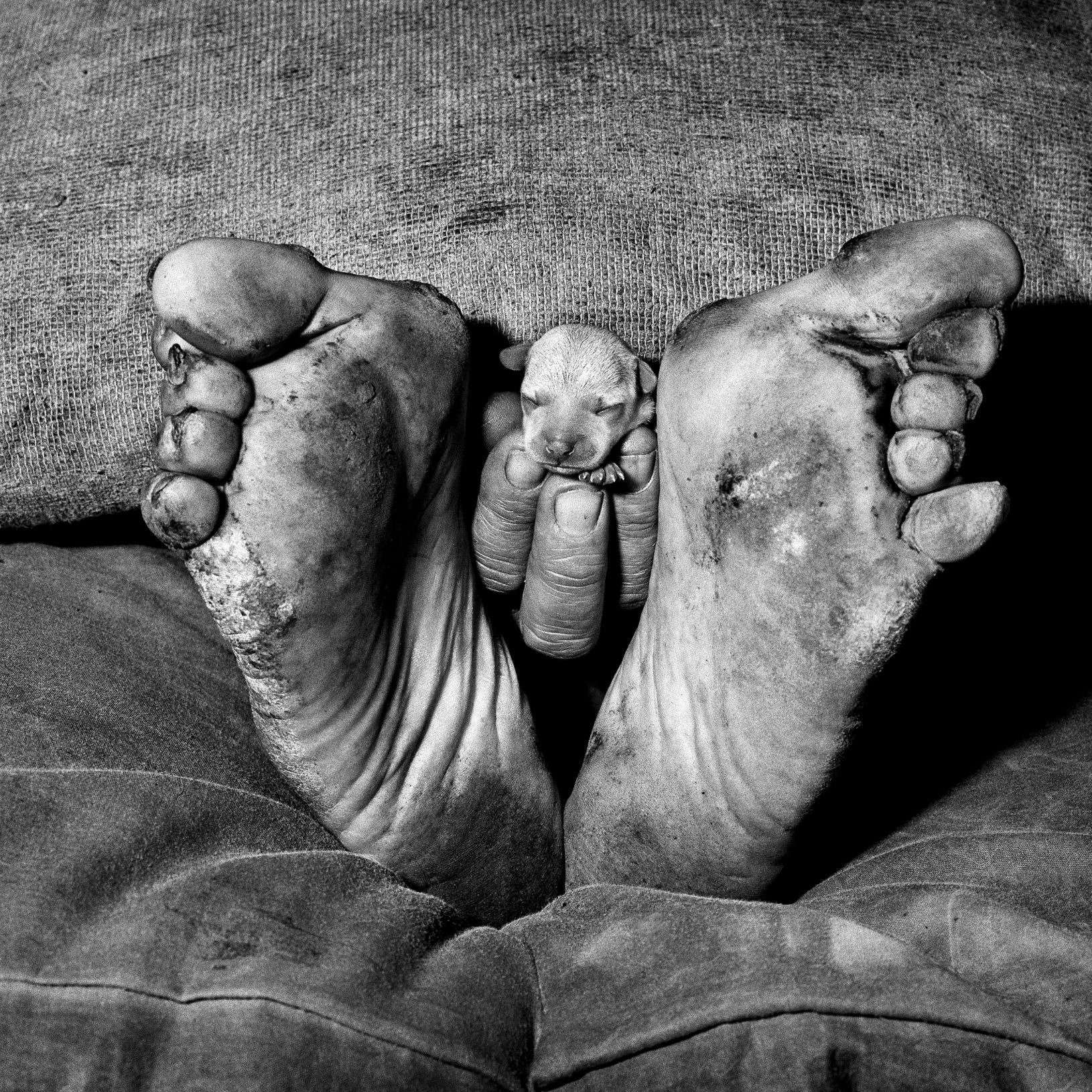
The Other Mind: Roger Ballen. A Retrospective
5 June – 30 August
What you are about to experience is the unsettling, poetic, and deeply psychological world of Roger Ballen – one of the most distinctive voices in contemporary photography. For over five decades, Ballen has explored the human psyche through haunting black-and-white images and, more recently, vivid colour compositions. His work blurs the boundaries between documentary and fiction, reality and dream, human and animal, sanity and madness. Born in New York and based in South Africa since the 1980s, Ballen began his career documenting rural communities and marginalised individuals. But his artistic journey soon took a radical turn. He developed the now-iconic “Ballenesque” aesthetic – a surreal theatre of the absurd populated by disjointed bodies, animals, wires, dolls and primitive drawings. These elements are not props but psychological symbols, revealing the subconscious forces that shape our existence.
This retrospective, curated specifically for the Rothko Museum, presents Ballen’s evolution from stark documentary realism to intricately staged, psychologically charged compositions. Visitors will encounter works from key series such as Boyhood, Platteland, Outland, Shadow Chamber, Boarding House, Asylum of the Birds, and The Theatre of Apparitions, as well as newer colour photographs that expand his visual language while retaining the raw emotional power of his earlier work.
LITHUANIA, Vilnius
Contemporary Art Centre (CAC)
Superglue, or Inventing the Friend
Until 6 September
The international group exhibition ‘Superglue, or Inventing the Friend’, marks a new phase for the Contemporary Art Centre (CAC), inaugurating the exhibition programme under its new director. Predominantly presenting figurative art, the exhibition invites a reconsideration of the CAC’s relationship with its audience. The exhibition’s abundance of figures creates an aesthetic and social environment grounded in diversity – one that may both facilitate encounters with the other while questioning identity (of the individual, the depicted figure, or the (post)human), the possibility of connection with the other, and the authenticity and meaning of contemporary art itself.
Bringing together historical and contemporary works, ‘Superglue, or Inventing the Friend’ reflects on encounters with the other through different notions of otherness, the emergence of the posthuman figure, and contemporary art itself as something not entirely knowable – something foreign. Assemblages of new and historical figures, individual and collective, implicitly raise the question: what kind of glue today could bind together a fragmented, combative, and rather narcissistic society? What role can art play in a world where opinions are becoming increasingly rigid? And, in the hell of ideological excess, what might still allow us to imagine relationships that open the possibility of authentic, unpredictable, non-commodified experiences – friendships, or even the possibility of falling in love with the other rather than rejecting them?
More info >>
Read an interview with the curator, Valentinas Klimašauskas
Sapieha Palace
Image by Jonė Miškinytė (detail)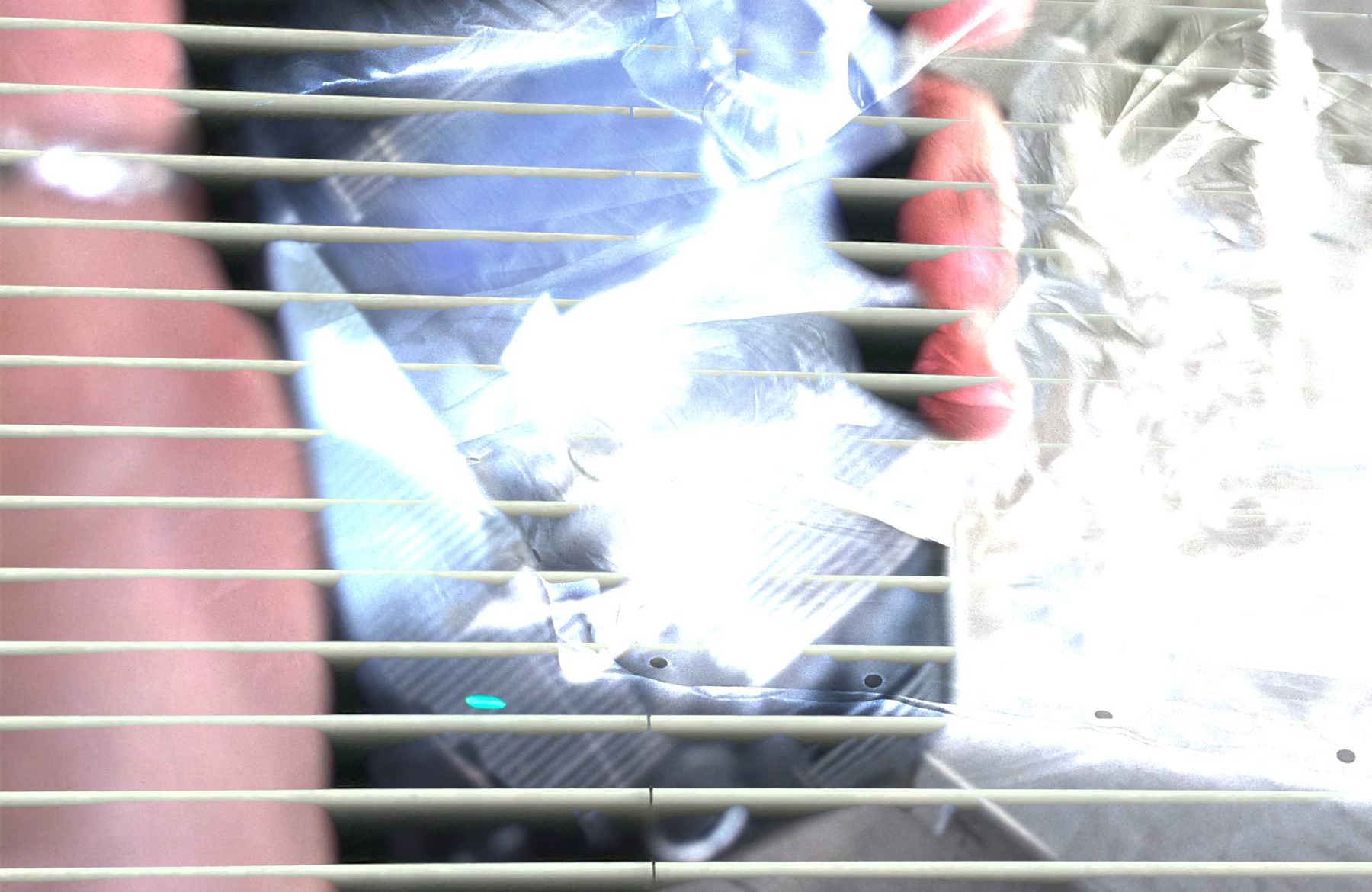
Housekeeping in a Dangerous Time
Until 31 December
Housekeeping in a Dangerous Time looks into artistic practices that engage with the contemporary forces shaping intergenerational ties and the distinctions between life stages. The artists featured in the exhibition turn their attention to the role of everyday technologies in the self-formation of contemporary individuals – in the processes of identity formation and expression, and in relation to others. Along the way, they also explore notions of maturity as well as the societal expectations and infrastructures that define and sustain it.
Participating artists: Ethan Assouline, Anna Clegg, Jeremy Deller, Ryan Gander, Saulė Gerikaitė, Camille Henrot, Nojus Juška, Marc Kokopeli, Robertas Narkus, Phung-Tien Phan, Josiane M.H. Pozi, Piotr Skiba, Niklas Taleb.
MO Museum
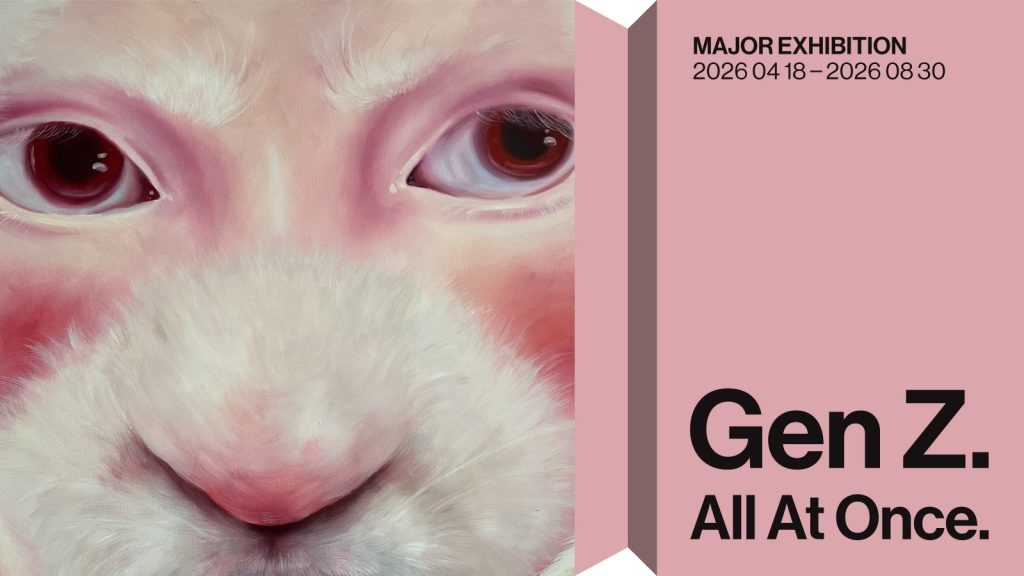
Gen Z. All at Once
Until 30 August
The exhibition brings together twenty young artists living in eleven countries of Eastern Europe – a region shaped not by a single shared memory, but by inherited discontinuities, delayed futures, and permanent transition. These artists do not approach history as a closed narrative, nor do they seek to resolve it. Instead, they inhabit a present shaped by instability.
Generation Z is the first generation to have grown up entirely within this condition. Contradictions no longer require resolution. What once appeared incompatible – public and private, intimacy and exposure, play and anxiety, production and leisure – has become fluid, unstable, and permanently intertwined. The present moment functions as a dense field in which heterogeneous impulses, affects, and images collide, while also offering a shelter from an accelerated and uncertain future. Participating artists: Aaron Roth, Ant Łakomsk, Denisa Langrová, Dzelde Mierkalne, Dominika Kováčiková, Helena Parys, Katrīna Biksone, Madlen Hirtentreu, Mara Verhoogt, Matyáš Tserhack Maláč, Mikelis Murnieks, Morta Jonynaitė, Nikola Balberčáková, Olga Krykun, Paula Tončić, Emilija Povilanskaitė, Sarah Nõmm, Tornike Gognadze, Valentina Várhelyi, Weronika Wysocka and Oksana Pawełko.
National Gallery of Art
Virgilijus Šonta, Budapest, 1984. Courtesy: Family estate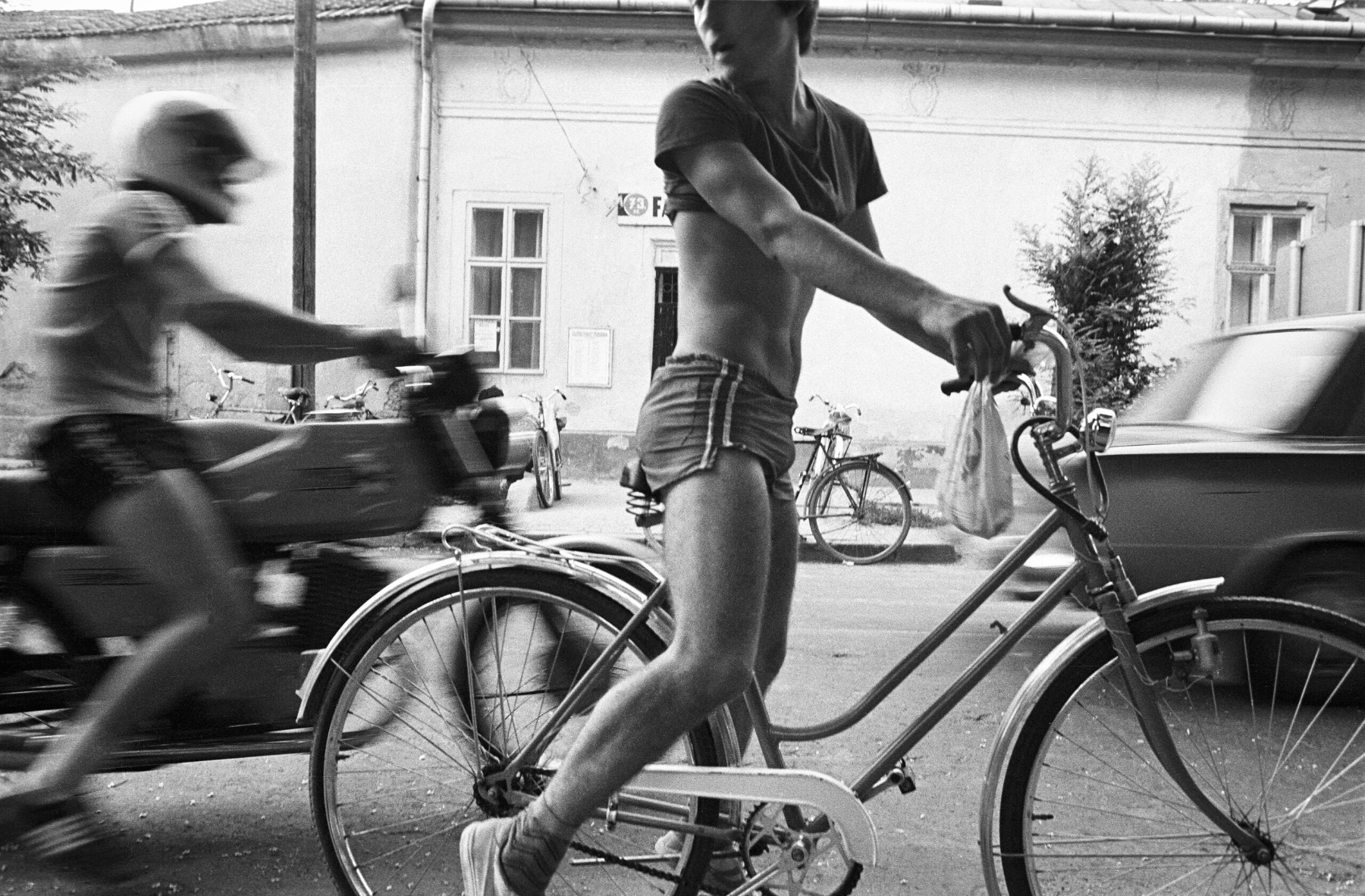
Virgilijus Šonta: The answer, my friend, is blowin’ in the wind
Until 21 June
The retrospective exhibition of the oeuvre of Lithuanian photographer Virgilijus Šonta (1952-1992). The exhibition „Virgilijus Šonta: The answer, my friend, is blowin’ in the wind“ has been curated by Margarita Matulytė and Gintaras Česonis, who have arranged a selection of more than 200 of the artist’s works, complemented by biographical documents that provide insight into the artist’s enigmatic yet exceptionally sensitive and dramatic personality.
Photographer Virgilijus Šonta (1952–1992) lived in a society with social “norms” dictated by the primitive and brutal Soviet authorities. The artist examined everyday life, measuring his resilience to the system and fluidity within it, testing the sustainability of the “walls” that had been built. In his life he had to straddle the structural provisions set down by institutions and his own personal choices, to find his way between the pressure exerted by the repressive regime and his search for inner freedom. The system led to Šonta’s reticence, self-silencing and secrecy, resulting in his brief albeit stormy and tragic fate (he was murdered aged 40). However, the photographer left behind an enormous legacy. His work expresses itself through melancholic moods, a sense of wonderment in the human being, an archaic connection to nature, an eccentric relationship with his surroundings, experimentation in art and the sensitive aesthetic of photography.
Vytautas Kasiulis Museum of Art
Aistė Stancikaitė. Dance, Dance. 2024. Oil and acrylic on linen. Courtesy of the Author and GNYP Gallery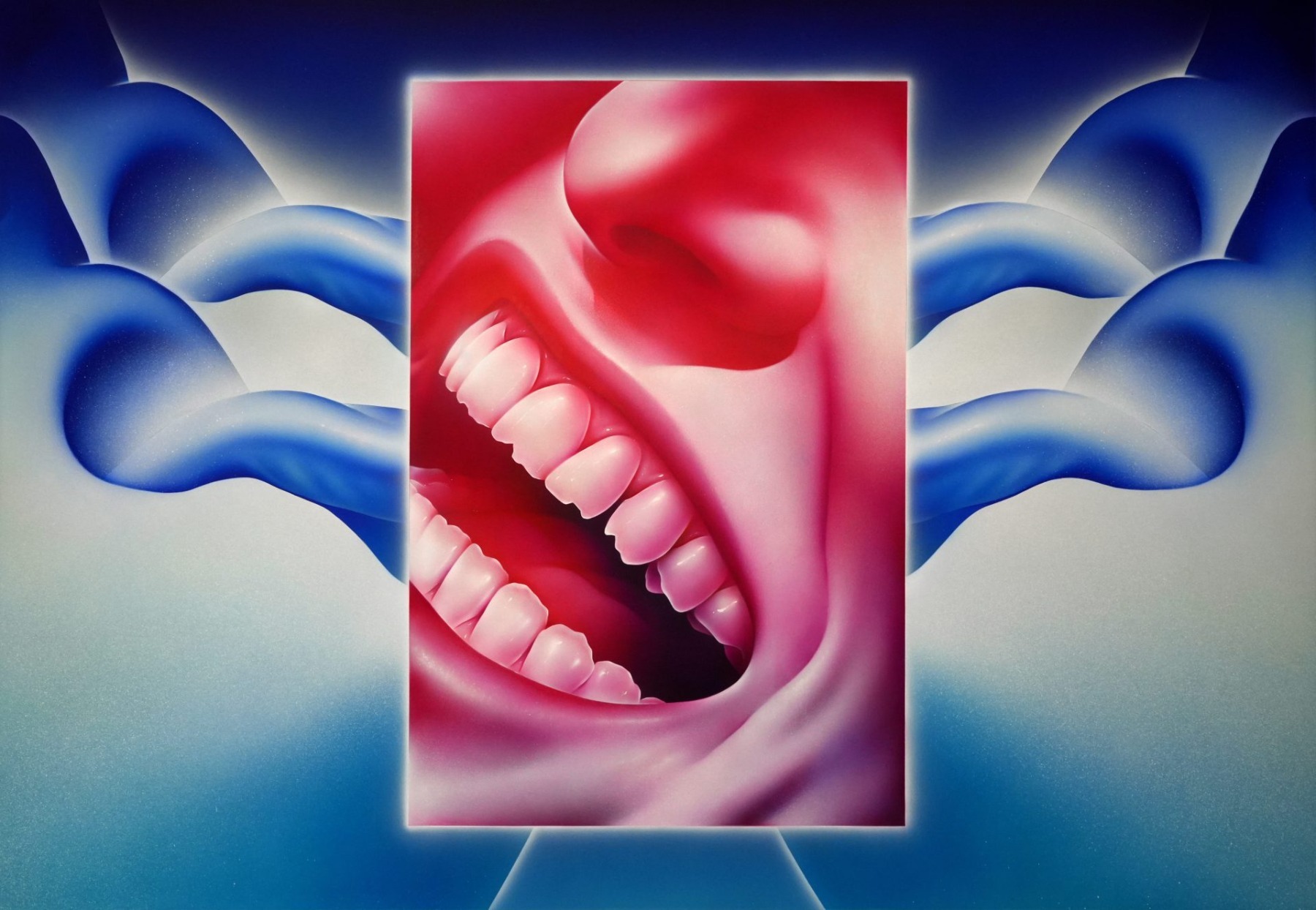
Aistė Stancikaitė and Flurin Bisig. Continuous Movement in Decided Stillness
Until 7 June
Besides its focus on the history of the diaspora art, the Vytautas Kasiulis Museum of Art of the LNDM takes no lesser interest in its contemporary forms. This time, a Berlin resident artist, Aistė Stancikaitė (b.1988 in Lithuania), enters into a dialogue with a Swiss artist, Flurin Bisig (b. 1982), who structures his art on the principles entirely different to Aistė’s. This international event demonstrates the relativity of the prejudices regarding the ties with a specific place.
In her art, Aistė Stancikaitė pursues the issues of identity, desire, genderfluid and the structure of sexuality. Her thoroughly layered compositions, mostly paintings combined with drawing, employ repetition, enigmatic figures and the fetishist visual devices to explore the body as a space of psychological reflection and a structure for narrative. Flurin Bisig predominantly sculpts abstract pieces, conceptually anchored to the foundational drawing. Working in classical marble, he converses, via his medium, with the classical works of sculpture. At the same time, the artist skilfully organizes the material of his creative process. He is not limited to sculpture only: his collages and drawings are an inherent part of the same artistic process. Flurin Bisig currently lives and works in Glarus (Switzerland).
Radvila Palace Museum of Art
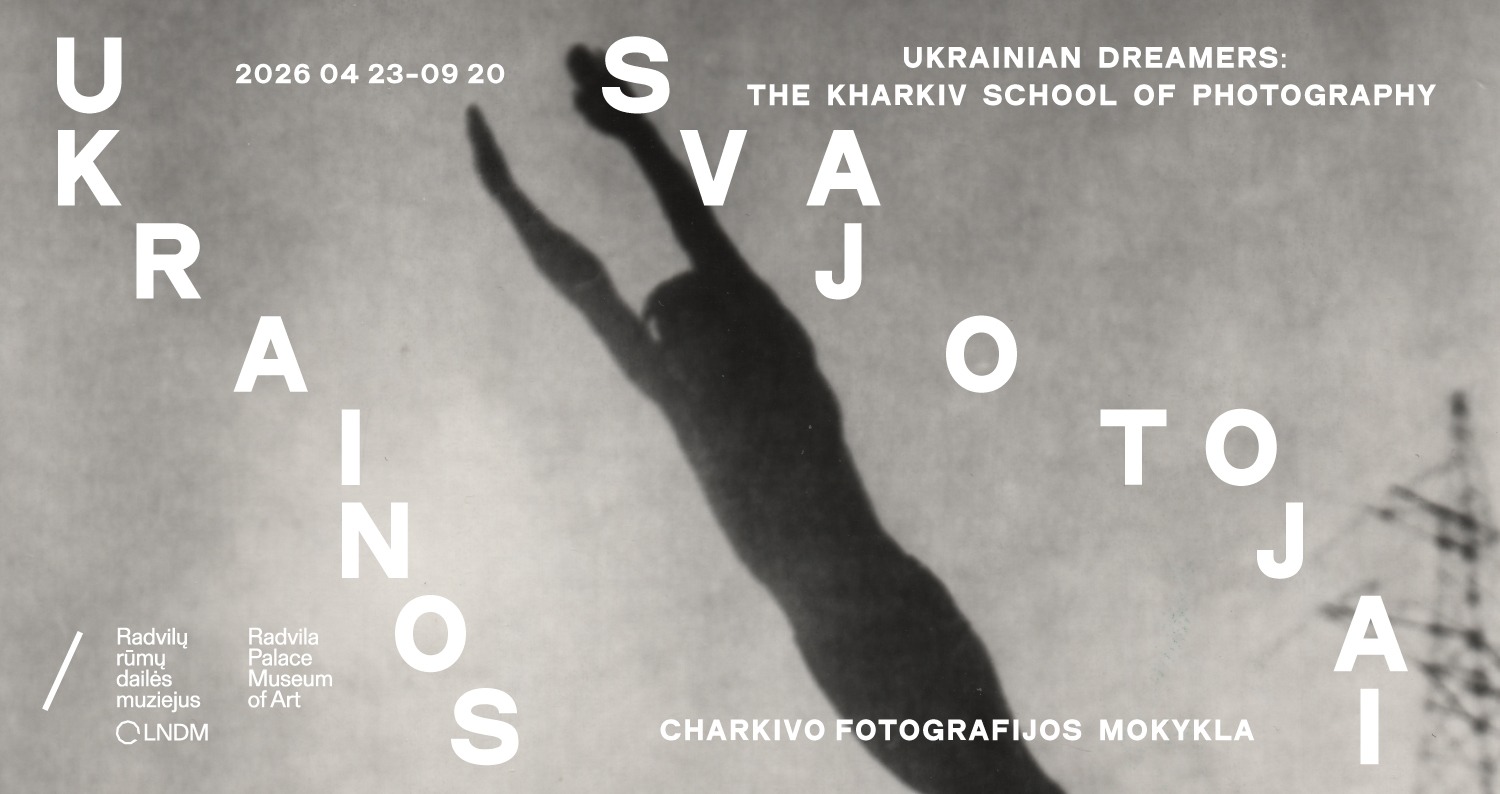
Ukrainian Dreamers from Kharkiv
Until 20 September
The Kharkiv School of Photography is a community spanning four generations of artists who use photography as their primary medium of expression. From the period of Soviet censorship through the turbulent years of Ukraine’s independence, revolutions, and the onset of Russian military aggression, Kharkiv photographers have continuously expanded the boundaries of the medium, transforming it into a sharp instrument of social and aesthetic critique. The history of the Kharkiv School of Photography dates to the late 1960s, when eight artists who met through a regional amateur photo club formed the informal group Vremia.
By the 1980s, a new cohort of Kharkiv artists – including the Gosprom collective – partly continued Vremia’s innovations, while partly rejecting them in favour of grey, uneventful photography. In the 1990s, performativity intensified and became a key tool for exploring post-Soviet subjectivity, suspended between memory and fiction. Fast Reaction Group produced particularly influential projects that combined ostentatious self-fashioning with sharp social critique. The subsequent generation – represented by the SOSka, Shilo, and Boba-Group collectives, as well as independent artists – drew on the full range of visual strategies developed within the Kharkiv photographic milieu. These shared aesthetic affinities, together with close personal ties and professional collaborations across all four generations, justify viewing the Kharkiv School of Photography as a distinct art movement – one that transformed Soviet utilitarian photojournalism into one of the most significant phenomena of Ukrainian contemporary art.
Galerija Vartai
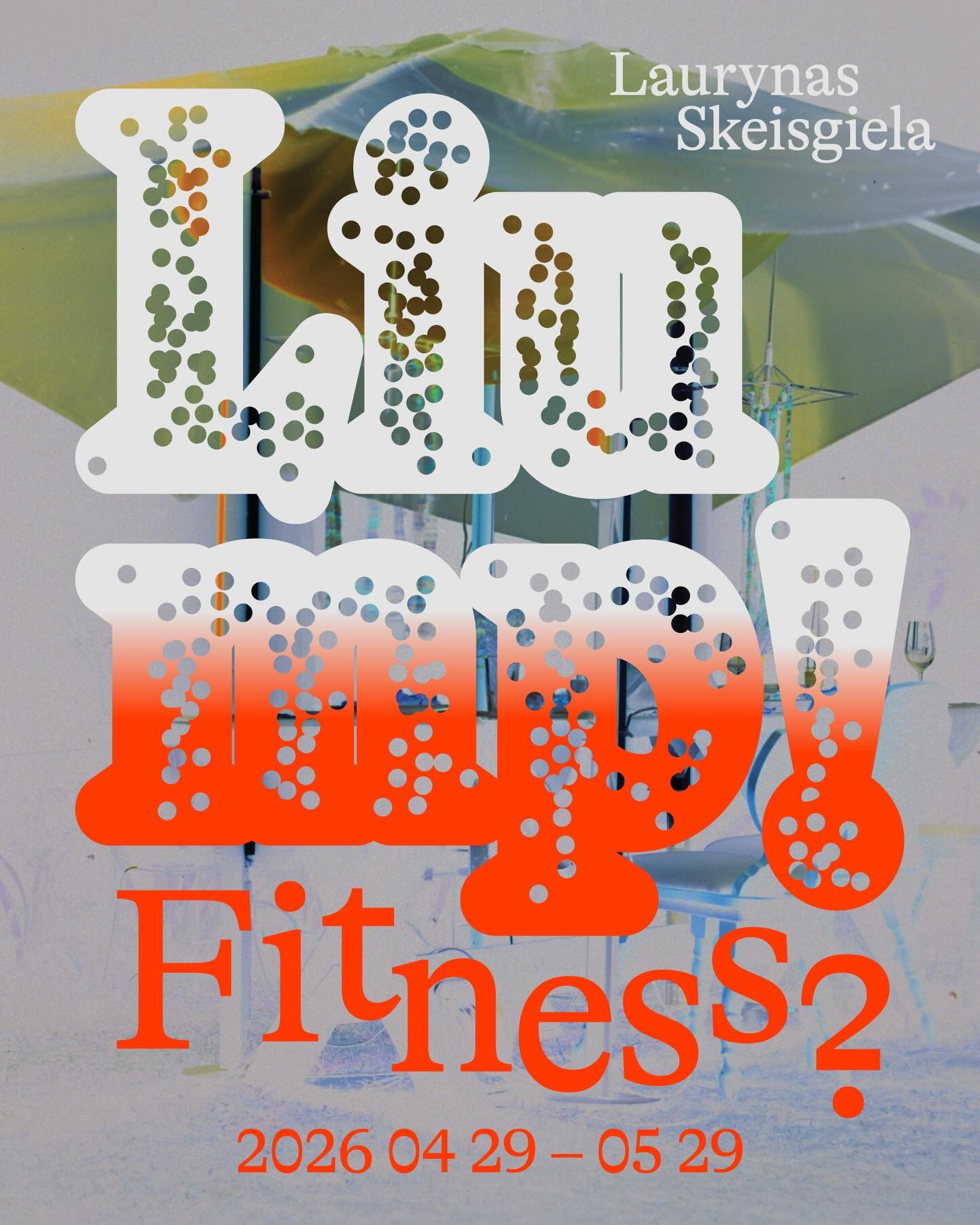
Laurynas Skeisgiela. Liump! Fitness?
Until 29 May
Fitness refers to the logic of adaptation — the ability to survive, respond to one’s environment, and act within it through mimicry, camouflage, and other deceptive signals. In Skeisgiela’s exhibition, fitness becomes a lens through which strategies of appearance, sensitivity, and survival are explored.
Deception and misdirection are not exclusive to humans but are widespread across the natural world. By altering their appearance and imitating other species or objects, organisms extend their chances of survival. Non-poisonous animals mimic poisonous ones, insects reproduce patterns resembling those of wild mammals, and tiger moths adopt visual traits associated with zebras or wild cats, marked by striking patterns. Microorganisms survive by adapting to environmental signals through mimicry, metabolic flexibility, or opportunistic behaviour. Similarly, nocturnal moths respond to external stimuli that shape their movement, orientation, and behaviour. Through ‘Liump!’, Laurynas Skeisgiela develops an ongoing artistic practice focused on ephemeral phenomena, opening up new interdisciplinary research trajectories, including the observation of nocturnal moths.”
Pamėnkalnio Gallery
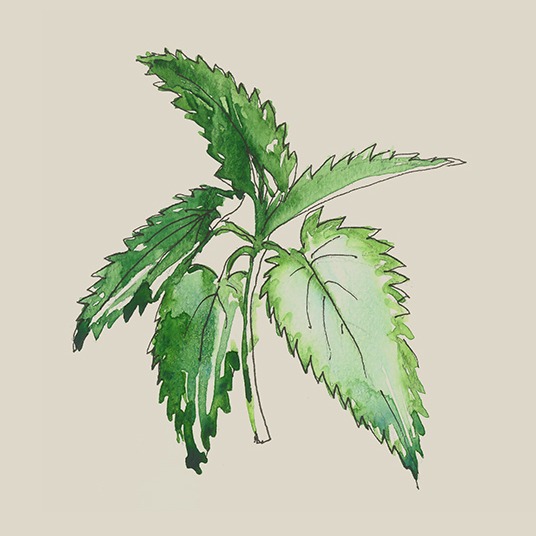
Gardeners’ Fair
Until 2 June
The exhibition Gardeners’ Fair explores a space where art grows alongside the garden, and where the rhythms of life outside the city shape artistic practices. It reveals artists’ engagement with gardening as a distinct network of exchange, where sharing, relationships, and collective experiences give rise to an informal creative environment.
Curator Aistė Kisarauskaitė: “Artists have long been drawn to rural retreats, spending their summers in country homes or even relocating there permanently. One of the most famous ‘escapees’ from the city was Vincent van Gogh. His colleague Paul Gauguin went even further — all the way to Tahiti. In both cases, stepping away from the urban environment opened up new possibilities in painting”. Participating artists: Vytenis Burokas, Alvydas Lukys, Aurelija Maknytė, Ieva Mediodia, Audrius Novickas, Arūnė Tornau.
Editorial
Onė Austėja. Maldonytė Desiccating
Until 20 June
Created specifically for this show, the sculptural installation by the Oslo-based Lithuanian artist of the younger generation brings together ceramics, organic matter and metal structures into a single, interwoven ecosystem. In it, the processes of drying, evaporation and drainage form the central motif, pointing to the industrial use of deep-water reservoirs. The exhibition features ceramic sculptures made using an experimental open-air firing technique, whose forms evoke natural formations or developing organisms. The artist grows these ceramic surfaces with layers of gelatine, which gradually liquefy, evaporate and disappear over the course of the exhibition. Displayed on custom metal grates, these organic sculptures come into contact with industrial structures designed to channel liquids and waste.
As the artist notes: ‘In my latest exhibition, I continue to explore the themes of water and life that I began several years ago. The starting point for the Vilnius exhibition was a series of tests with deep-water reservoirs, where water is pumped to the surface, lithium is extracted from it, and the water is then returned underground. It was precisely this process of extraction that captured my imagination: the scale and vulnerability of water reservoirs, and the use and consumption of water, both drinkable and otherwise, in our daily lives. This installation, therefore, invites us to reflect on drying as a process of disappearance and change, leading towards a transformation into new forms and ecological processes.’
(AV17) gallery
Lisa Tiemann, States of Adjustment, exhibition view, 2026. Photo: Evgenia Levin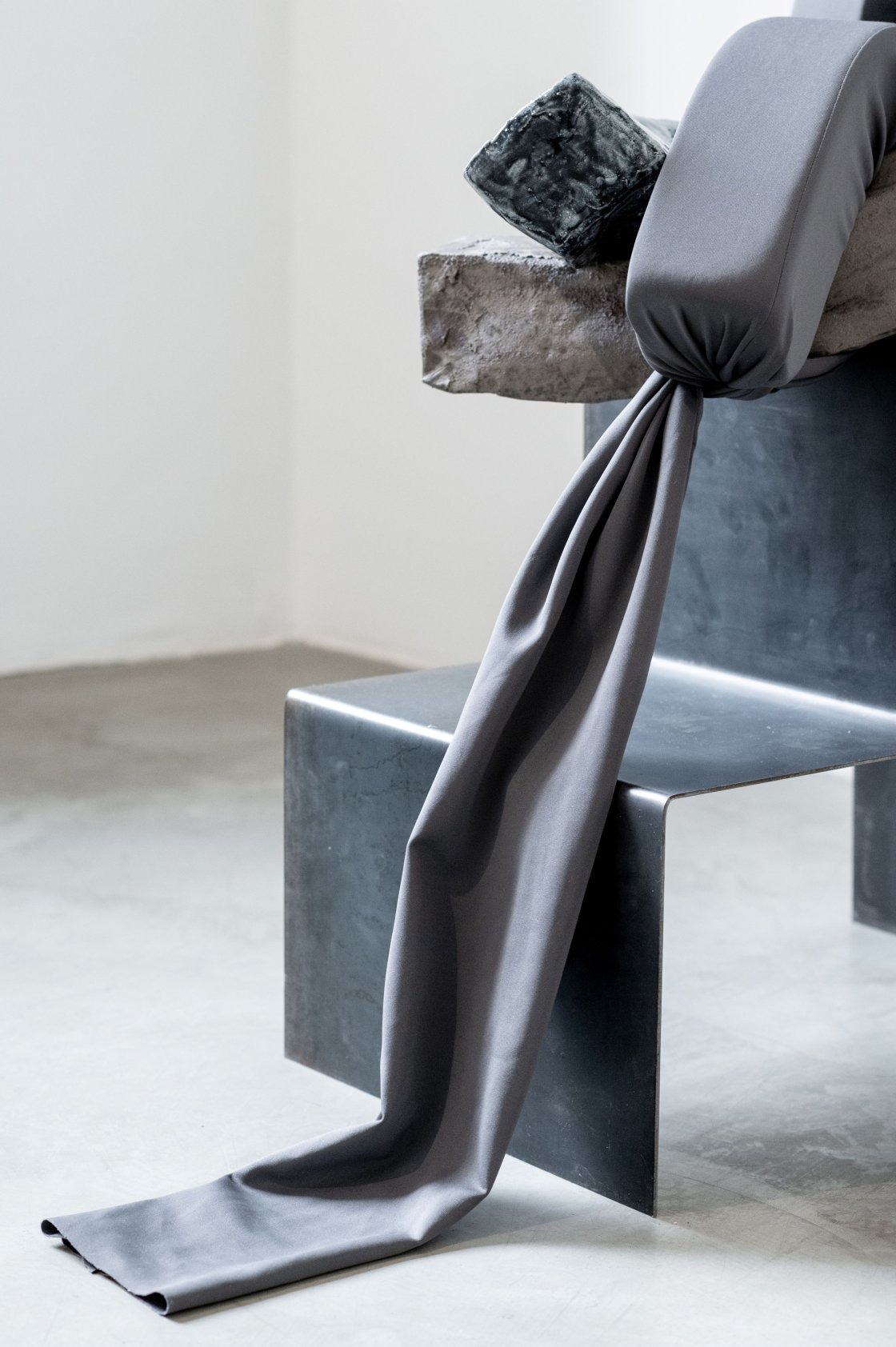
Lisa Tiemann. States of Adjustment
Until 30 May
Lisa Tiemann is a prominent figure in contemporary sculpture, based in Berlin. In her artistic practice, she uses the synthesis of form, materiality, and color to investigate the shifting relationship between an object’s physical appearance and its underlying meaning. In her recent projects, she experiments with organic and cyclical forms to explore motifs of infinity and fluidity. She often combines ceramics, latex, steel, or paper, integrating elements of chance to challenge the viewer’s conventional perception.
In “States of Adjustment”, Tiemann explores a persistent state of reorientation where stability is fleeting and balance is a continuous process. Within the context of today’s accelerated pace of change, flexibility emerges not as a choice but as an existential necessity that demands constant evolution, reaction, and perpetual motion. The installations and sculptural objects presented in the exhibition create a space where diverse physical states and their inherent tensions intersect. Metal constructions, hooks, rubber joints, and textile elements evoke training equipment, where each component serves as both a support and a point of resistance. By combining contrasting materials, the artist highlights the oppositions between rigidity and elasticity, weight and lightness, control and its loss. This material opposition creates forms that balance between static and shifting states, emphasizing the effort required to maintain stability in changing tensions. The exhibition invites viewers to reconsider the human relationship with modernity, where flexibility becomes a fundamental condition of existence.
LITHUANIA, Kaunas
Kaunas Picture Gallery
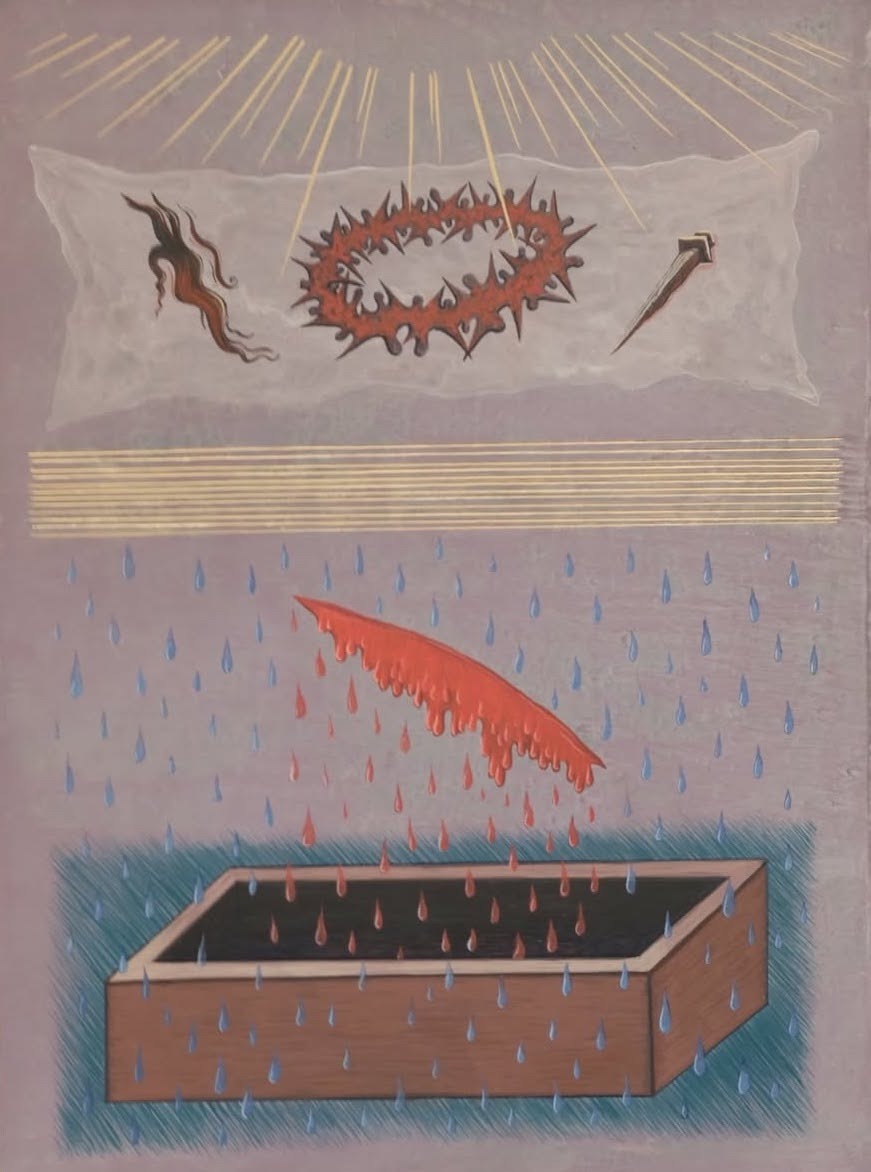
Hubert Dolinkiewicz and Marcin Piotrowicz. Sonarium
Until 21 June
The exhibition “Sonarium” explores the phenomenon of synesthesia, where different senses merge into a single, multilayered experience. Here, sound transforms from an acoustic wave into a visual, sculptural, and emotional structure, while the boundaries between artistic disciplines become fluid and undefined. The conceptual point of departure for the exhibition is the work of M. K. Čiurlionis and his idea of the interaction between music and painting, in which color and line function as equivalents of rhythmic, musical structures. It also draws on Wassily Kandinsky’s theories of the inner “resonance” of color and sound.
Marcin Piotrowicz’s cycles of prints on paper and plexiglass precisely reflect the visual form of sound, translating specific sound frequencies into a universal geometric expression. Created using the aquatint technique, the works take on compositions reminiscent of mandalas, transforming the mathematical precision of sound waves into aesthetic and meditative harmony. Hubert Dolinkiewicz’s cycle “Songs”, executed in egg tempera on wooden panels, takes the form of mysterious visual scores. An important source of the artist’s inspiration lies in medieval manuscripts: their ornamented margins, elaborate initials, and the motif of small “windows” create spaces for landscape imagery. The artist employs these compositional structures not as quotation or stylistic imitation, but as a means of organizing visual rhythm and narrative.
Upper image: Darja Popolitova, Rich on the Inside, 2026, installation. Photo: Mari-Leen Kiipli. Exhibited at KÖLER PRIZE 2026, EKKM
