


What to see in the Baltics
Late autumn and the onset of winter are a time for reflection, inviting us to slow down, turn inward and look at the world around us with fresh eyes. The Baltic art scene offers plenty of food for thought this season, with several exhibitions venturing into fascinating territory where art meets science, technology and research, blurring the boundaries between creative imagination and scientific inquiry. Alongside them, our selection brings together exhibitions exploring memory, identity, history and the many ways in which art can help us make sense of the present.
ESTONIA, Tallinn
Kumu Art Museum
Kateryna Lysovenko (1989). Untitled. 22.02.2022. 2022. Oil. Ukrainian Museum of Contemporary Art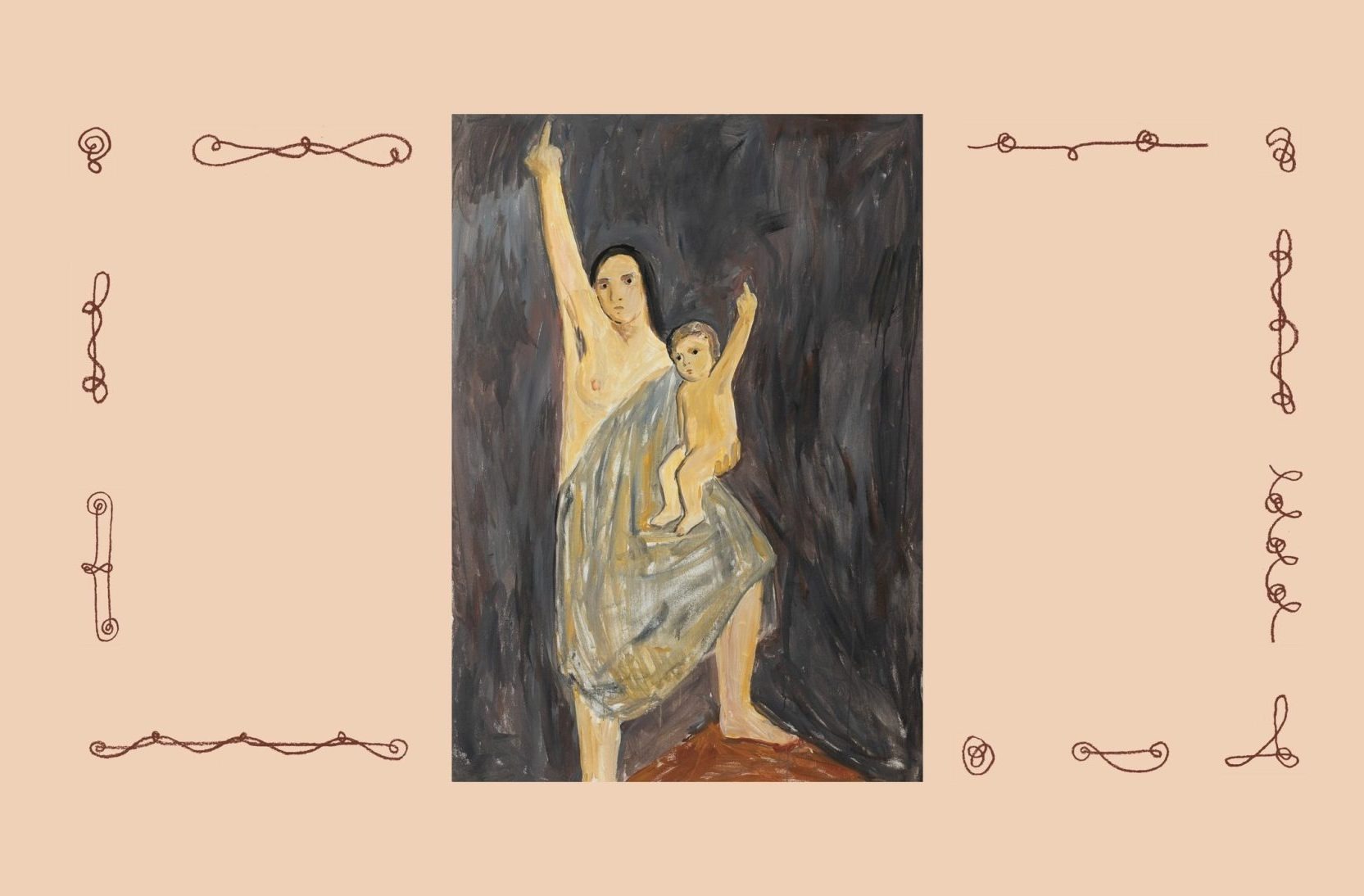
Who Is Afraid of Motherhood?
Until 25 April
The starting point of this exhibition is the conviction that, while motherhood is a deeply personal experience, it is always influenced by the fact that it is also an institution that has been largely shaped by a world operating on unequal terms. At the heart of the exhibition is the tension between personal and social life, and the question of how motherhood might serve as a means to envision and create a more caring society.
The exhibition explores various facets of motherhood – a vast and complex topic – through works created by artists largely based on their personal experiences. The primary motif framing the exhibition is fear. The artists point out, analyse and interpret the fears associated with parenthood, either by expressing their perplexity or by confronting the roots of that fear: societal attitudes, contradictions, assumptions, ideologies and a lack of solidarity and care. On the other hand, the exhibition Who Is Afraid of Motherhood?, presenting scenarios for change and transforming many personal experiences into shared ones, could offer comfort and hope in coping with these fears.
Carola Grahn, Horizon of Me(aning), 2021 Photo: Tobias Fischer / Moderna Museet © Carola Grahn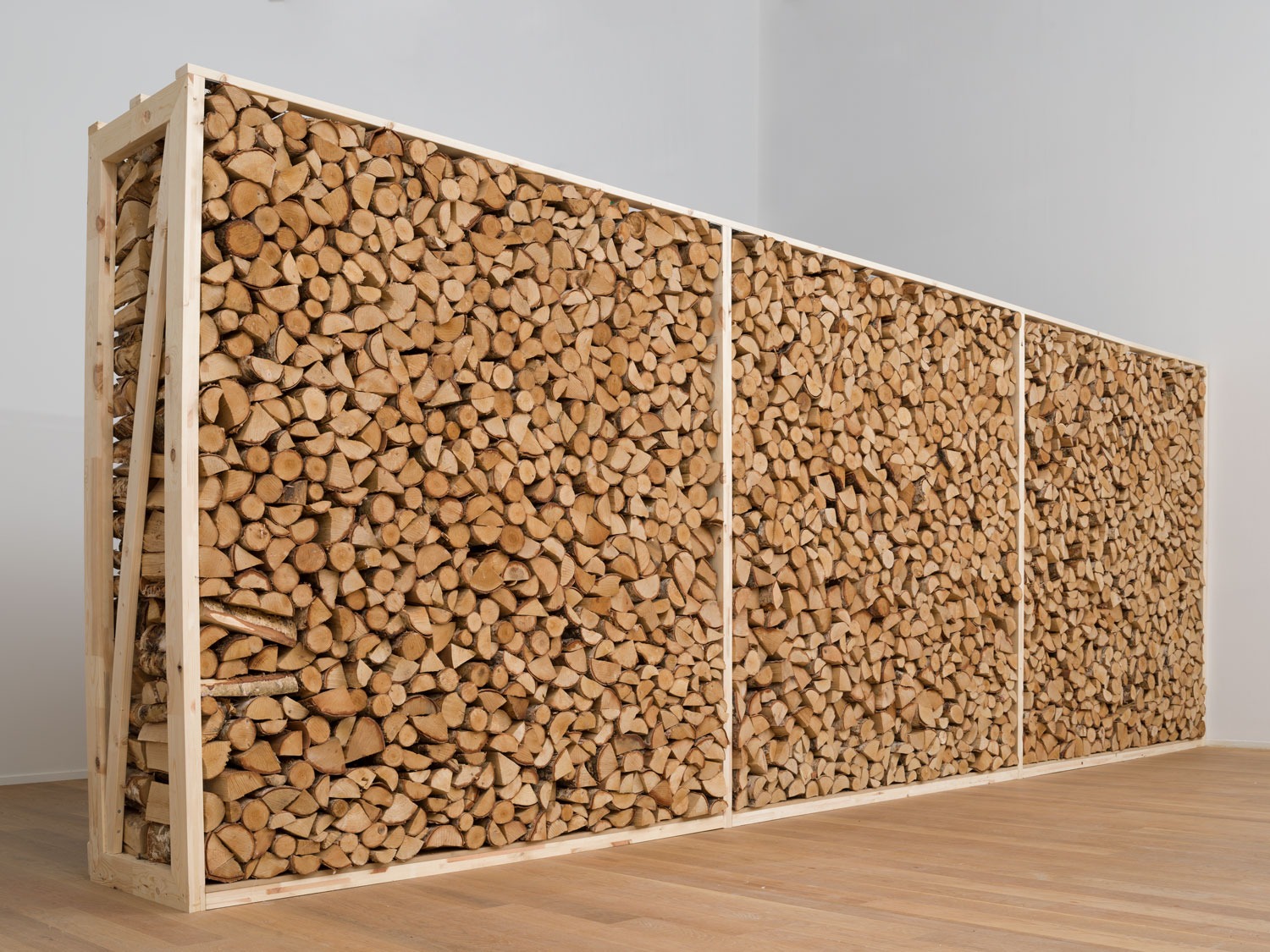
no beginning, no end: Decolonial Gestures in Sámi Worldbuilding
Until 14 March
This international exhibition examines the complex journey being taken by the Sámi people as they strive for Indigenous justice and self-determination through decolonial worldbuilding. The politicization of Sámi art that began in the 1960s and 1970s, developing in parallel with the Sámi self-determination movement, has received widespread attention over the last decade. Today, Sámi art has become one of the most visible and dynamic parts of the Nordic contemporary art scene, and is increasingly prominent in the global artistic arena. This exhibition presents works by artists from different generations, including figures who prepared the ground for the vigorous developments currently being seen in Sámi art, as well as younger artists.
no beginning, no end stands in dialogue with the exhibition Expedition: Finno-Ugrians and the Power of Images (2 October 2026 – 21 February 2027), curated by Linda Kaljundi. Both are contributions to Expedition, a joint multi-year research project undertaken by the Art Museum of Estonia, the Estonian Academy of Arts, and the Estonian National Museum that has been investigating our relationships with Indigenous peoples and the impact these relationships have had on Estonians’ own self-image.
Kai Art Centre
Jane Jin Kaisen 'Offering' (2023). Still form the film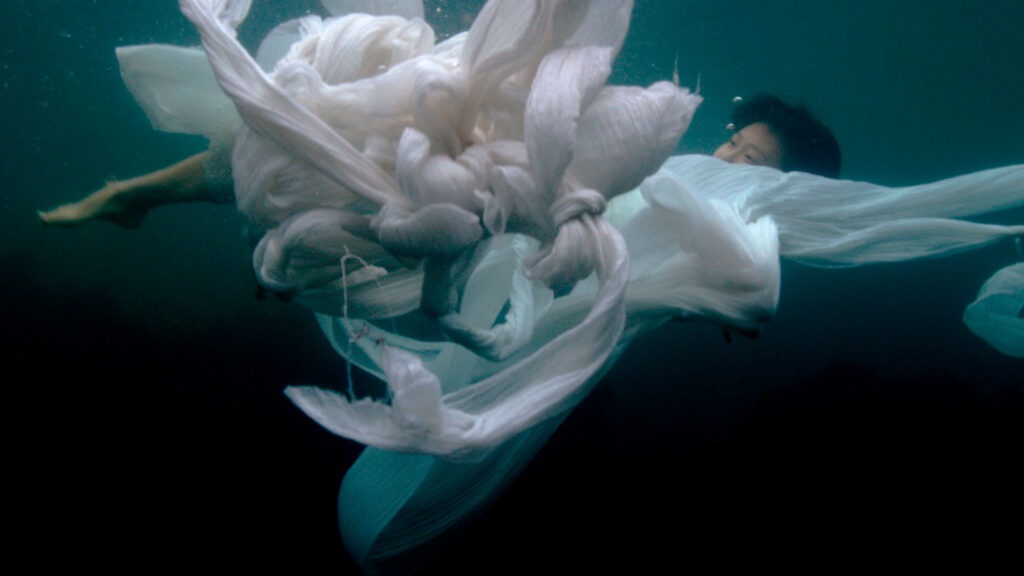
Jane Jin Kaisen. Island Beyond the Sea
Until 21 February
In fall 2026, Kai Art Center presents the first solo exhibition in the Baltic States by Danish-Korean artist and filmmaker Jane Jin Kaisen. Island Beyond the Sea brings together seven video works made between 2022 and 2024: Burial of This Order (2022), Offering (2023), Halmang (2023), Guardians (2024), Portal (2024), Core (2024) and Wreckage (2024). This marks the first time the complete film cycle will be presented together in Europe, as well as the artist’s first institutional solo exhibition in the Baltic States. The cycle takes Jeju, the volcanic island off Korea’s southern coast where the artist was born, as the site of an inquiry into memory, migration and the narration of history.
What distinguishes Kaisen’s practice is that she does not illustrate history; she performs with it. Working over many years with shamans, divers and island communities, she treats filmmaking as a form of ritual. Like Jeju’s shamanic tradition, her films hold past and present, the living and the dead, in continuous relation. The cycle moves freely between the intimate and the cosmic, from the weathered hands of an elderly diver to the creation of the world.
Fotografiska
From the series "Storm Before the Silence", 2025 © Heikki Leis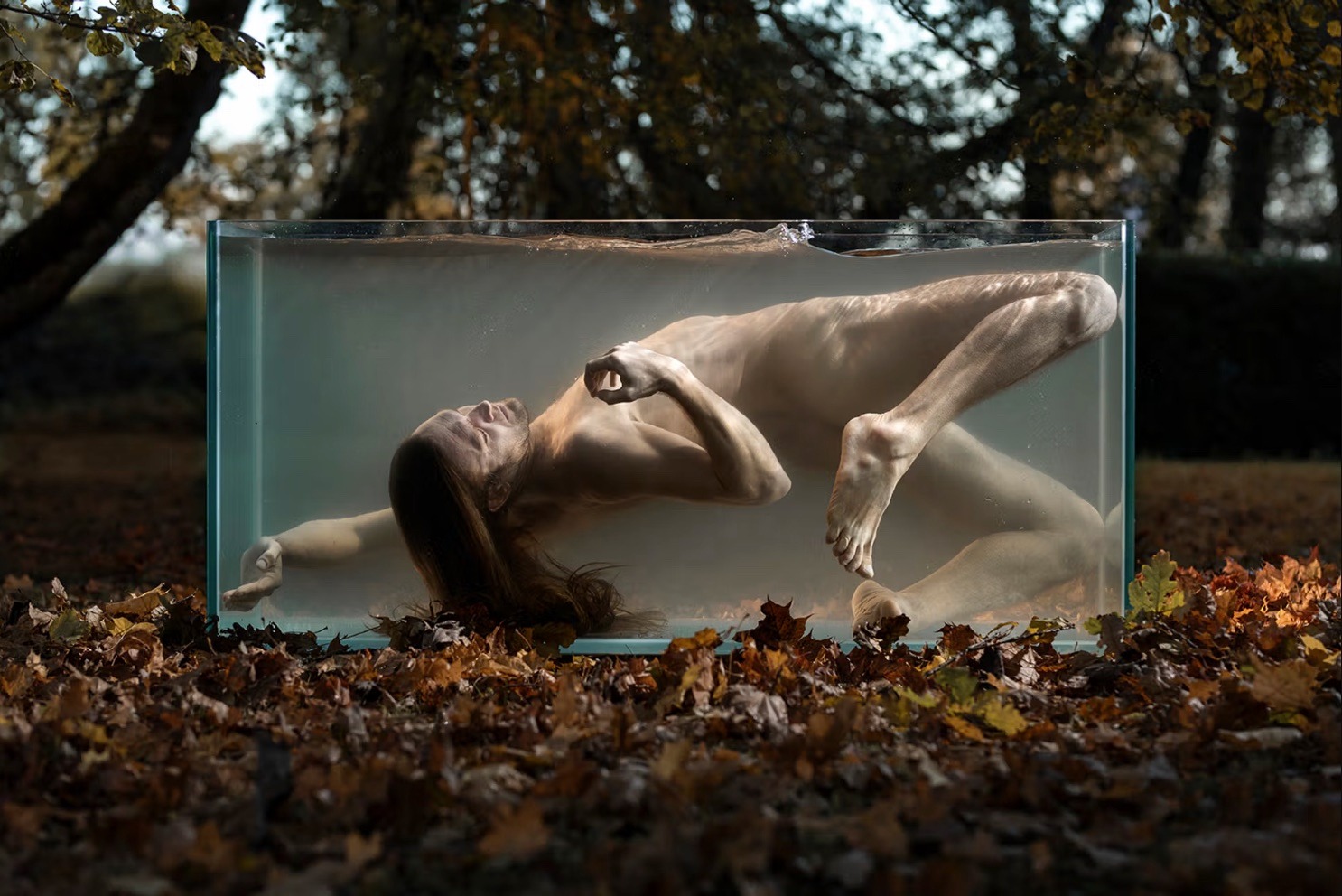
Heikki Leis. Storm Before the Silence
Until 7 March
Estonian artist and photographer Heikki Leis’s solo exhibition “Storm Before the Silence” explores the primal connection between humans and water, and how our bodies, movement, and habitual ways of seeing shift when submerged. The exhibition brings together two photographic series: portraits from “Rippled Surfaces” and people photographed inside an aquarium in “Streaming Lines”. In both, water is more than a backdrop or decorative element – it becomes an active co-author of the works, shaping bodies, faces, and their movement. Leis presents 23 photographs and one video work, representing some of his most recent artistic output, created over the past few years.
"Beneath the Deep" © Lebohang Kganye
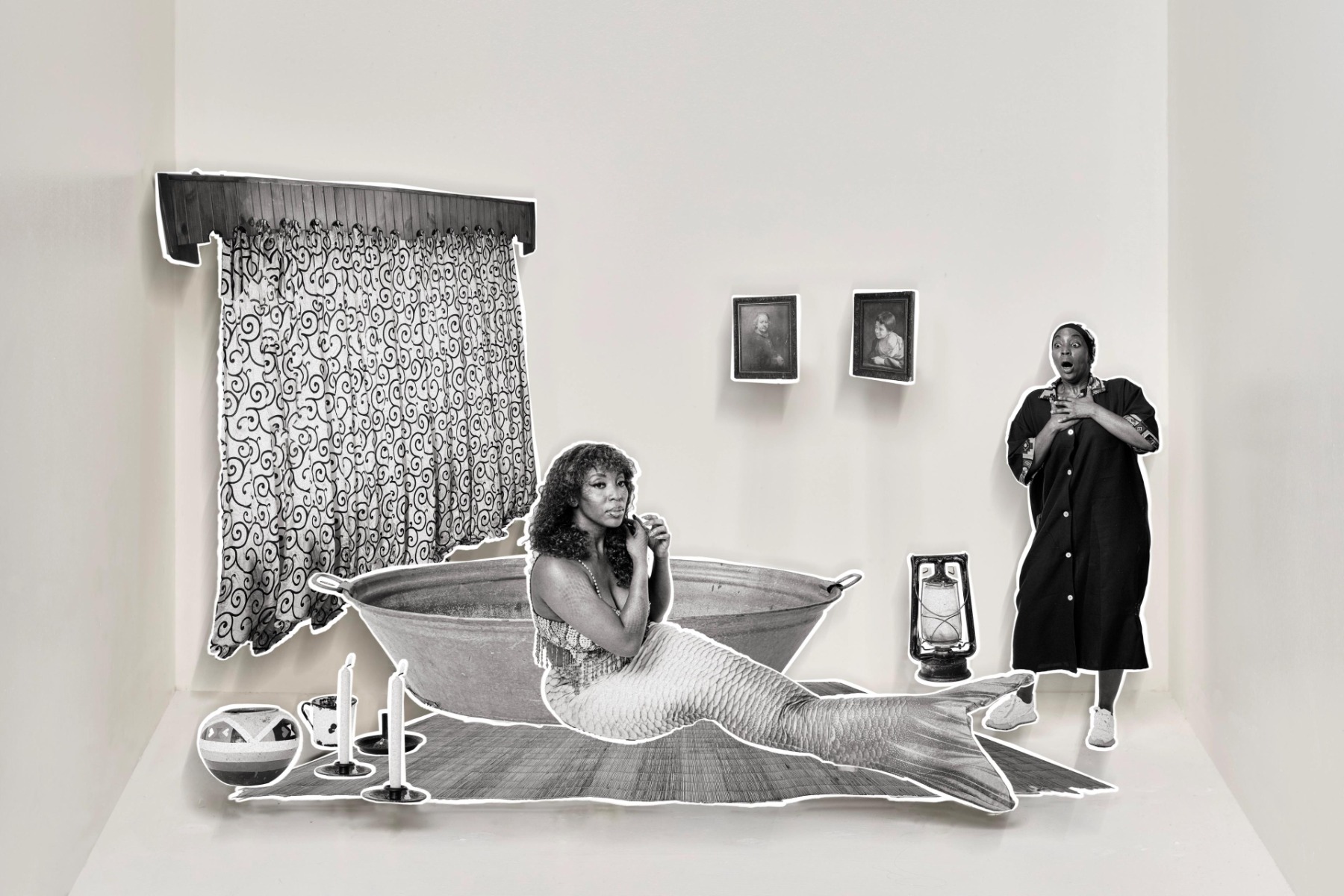
Lebohang Kganye. Le Sale ka Kgotso
Until 7 March 2027
Le Sale ka Kgotso by South African artist Lebohang Kganye explores the home as a place where safety and unease, family memories, mythology and folklore intertwine. Combining photography, sculpture and scenography in a distinctly original way, Kganye creates life-sized staged worlds in which photography moves beyond the confines of the frame and becomes a spatial experience. The exhibition draws on South African oral traditions, yet its stories echo motifs and beliefs familiar across the world, revealing how narratives from seemingly different cultures can emerge from surprisingly similar fears, warnings and imaginings.
Contemporary Art Museum of Estonia (EKKM)
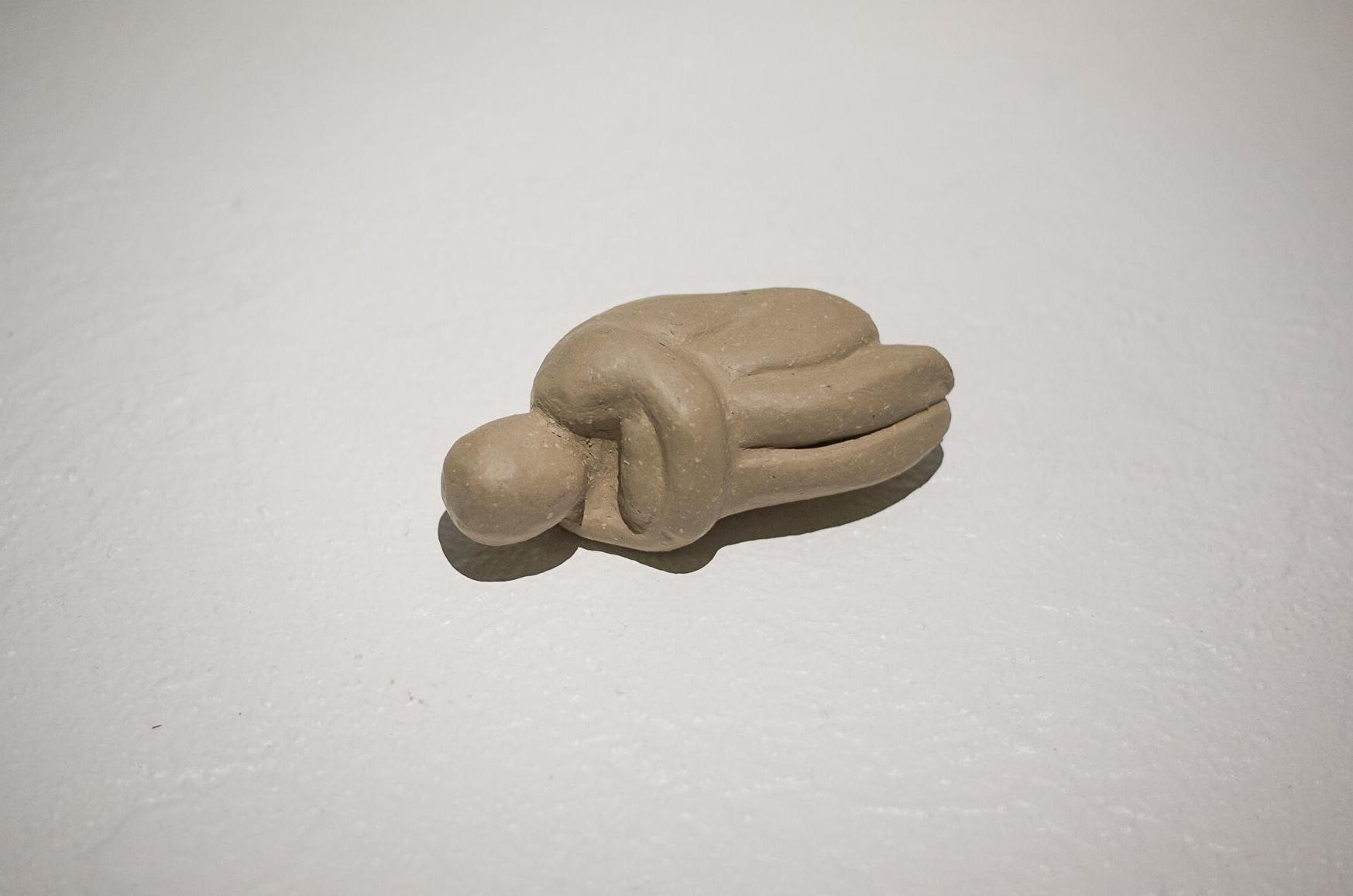
We Have a Land of Words
Until 13 December
The group exhibition We Have a Land of Words is making a long-distance call to Southwest Asia, and approaching a complex subject by moving from generalised media narratives and ideological frameworks to the stories and lived experiences of individuals. Curator Evelyn Raudsepp shaped the exhibition through video interviews with Palestinian curators, drawing on the observations, experiences and reflections that emerge through personal conversations.
Stories from the Southwest Asia reach Estonia largely through mediated forms: conflicting news reports, statistics, and a relentless audiovisual stream of violence. We Have a Land of Words seeks to interrupt this distance by foregrounding human experience and creating possibilities for more direct forms of contact. The exhibition brings together works by several internationally acclaimed artists whose relationships to the region are inseparable from their artistic practices.
Temnikova & Kasela gallery
Jaanus Samma. Skull with the Carpet from Lihula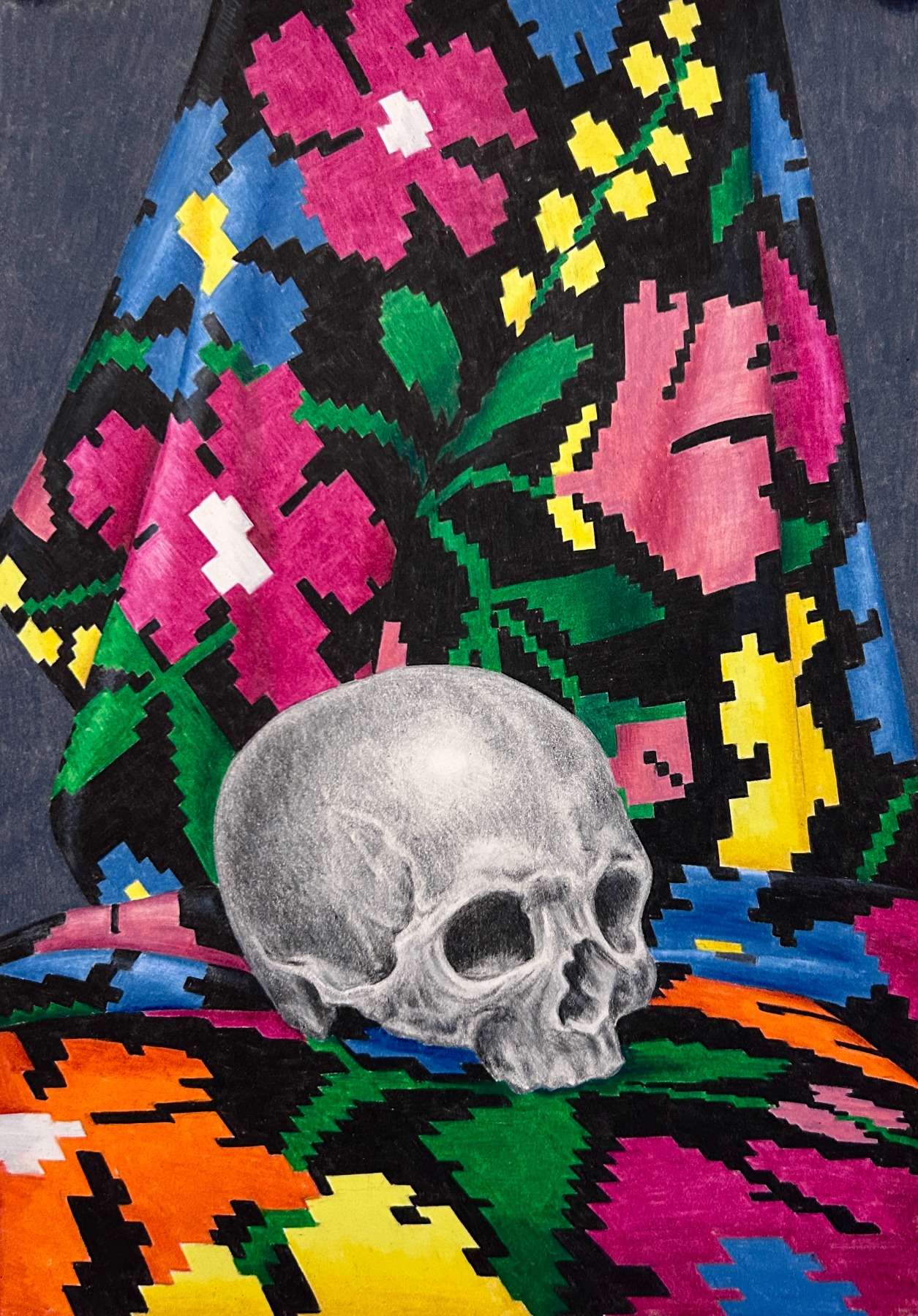
Jaanus Samma. The Idiot Club
13 November – 23 January
Jaanus Samma (1982) is a visual artist based in Tallinn, Estonia. Samma’s critical exploration of queer desire, public space and cultural tradition spans installation, sculpture, drawing and textiles. His current fields of interest include history, ethnography and museology, as well as the narratives used at the intersection of these three. He is particularly known for his thorough exploration and reflection of gender and nationality, while aiming to locate queer subjectivity and desire in seemingly heteronormative spaces. Combining fieldwork, oral history and archival research, the artist responds to the absence of sexual representation through storytelling or semantic subversion, reclaiming loaded symbols and signs or inserting them into spaces where they seemingly don’t belong.
In The Idiot Club, Jaanus Samma explores the intersections of beauty, memory, and mortality through a selection of drawings, watercolours, and tapestries. Combining intricate textile patterns with recurring images of skulls, the works bring together decorative traditions and symbols of death, revealing a tension between the ornamental and the macabre.
Punctum Gallery
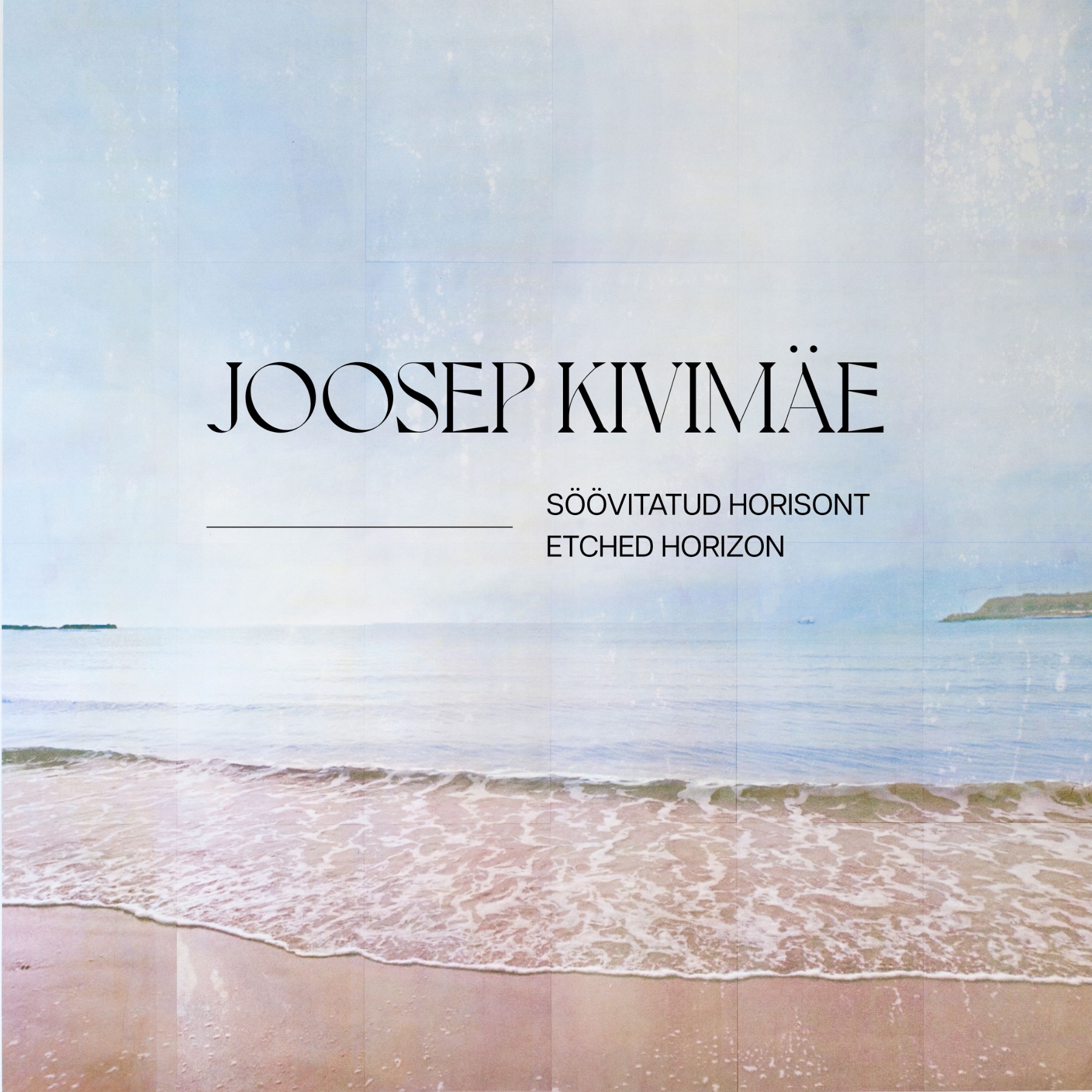
Joosep Kivimäe. Etched Horizon
Until 20 December
In the exhibition, Joosep Kivimäe explores the systems that make contemporary life possible but often remain unnoticed, as well as the geopolitical tensions associated with them. He is particularly interested in microchips, which underpin the technologies essential to modern life, and the infrastructure required for their production, whose vulnerability increasingly influences global power dynamics. Kivimäe works primarily with photography, whose technological processes have more in common with semiconductor manufacturing than one might initially imagine. Just as light creates an image on photographic paper in the darkroom, it is also used in photolithography to produce patterns on the substrate during the manufacture of microchips. By expanding the contemporary notion of borders beyond physical and geographical divisions to include technological and digital boundaries, Kivimäe brings to light the constantly shifting dynamics of social and economic power.
Draakoni Gallery
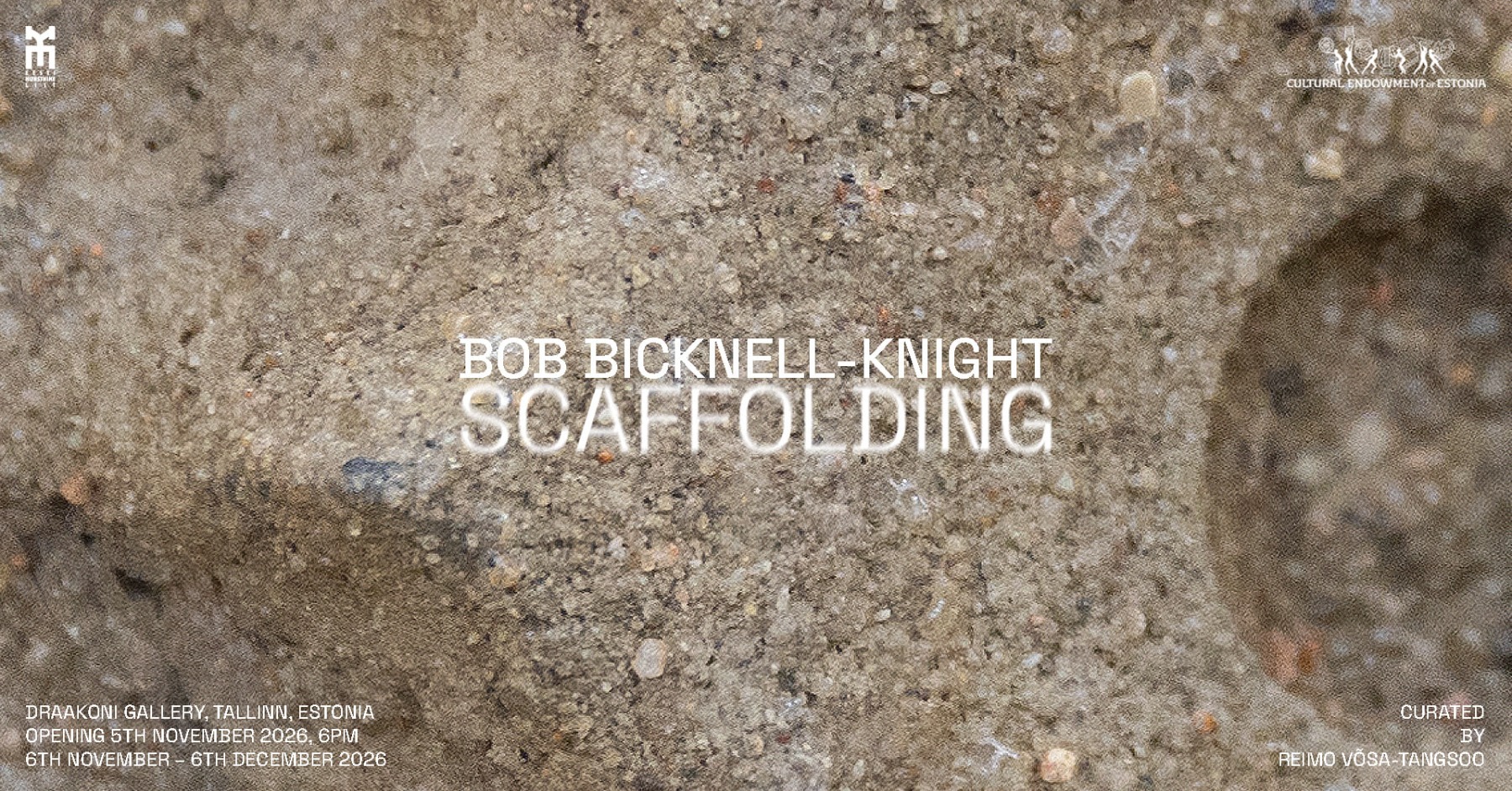
Bob Bicknell-Knight. Scaffolding
Until 6 December
Scaffolding brings together a selection of new and recent works by British artist Bob Bicknell-Knight, currently based in Tallinn. There is something strangely familiar about Bicknell-Knight’s sculptures. These are objects that seem to belong somewhere else, although exactly where is difficult to say. Their forms evoke both sacred architecture and industrial structures, a distant, speculative past as much as the future of some dystopian parallel reality. In Bicknell-Knight’s practice, the virtual and physical worlds intertwine. His works may take their starting point from objects found in video games, or borrowed from their visual language, which in turn imitate elements extracted from the real world. These are objects whose original purpose have been altered or lost entirely within the virtual environment. Brought out of the virtual realm, they acquire a new physical presence, but not necessarily a clearer meaning. Quite the opposite: familiar forms become even more alien, as though they have passed through several different realities, losing something of their original nature along the way while acquiring something new.
Tütar gallery
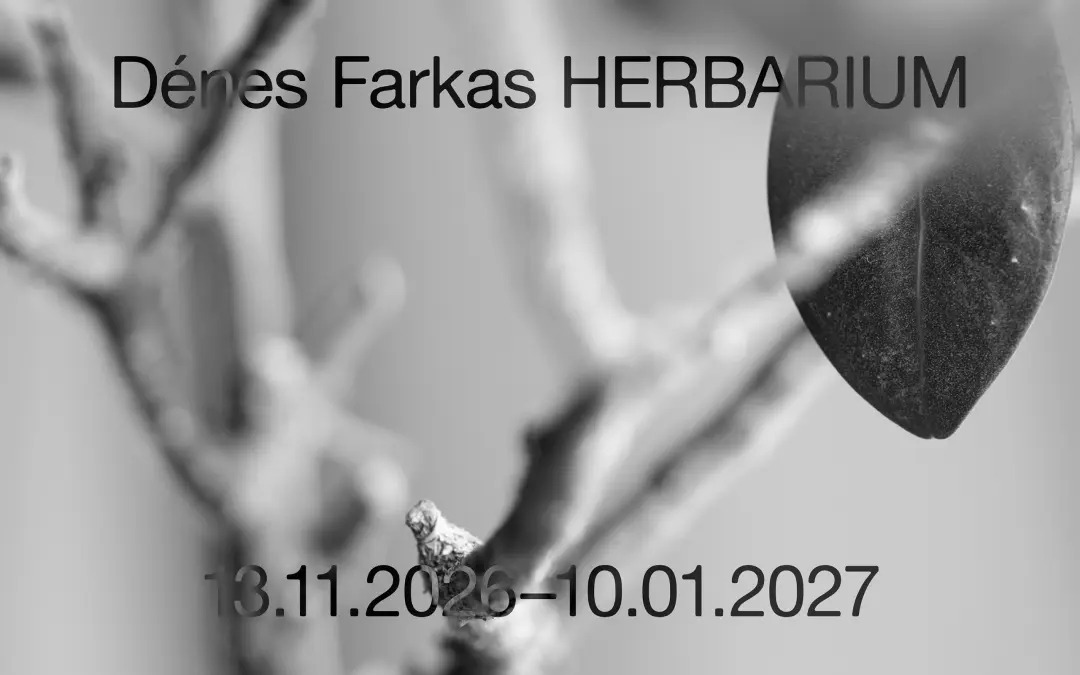
Dénes Farkas. Herbarium
13 November – 10 January
Dénes Farkas (1974) is an Estonian photographic and installation artist whose practice focuses on the critique of visual modes of representation, the relationship between image and text, and the ways in which individual experience is shaped by social structures. Farkas studied printmaking (BA, 2001) and photography (MA, 2003) at the Estonian Academy of Arts. He represented Estonia at the 55th Venice Biennale with his exhibition Evident in Advance. In 2018, he participated in the URRA artist residency in Buenos Aires. He received the Annual Award of the Cultural Endowment of Estonia in 2010, 2014 and 2018, and was a recipient of the Estonian Artist Laureate Salary from 2016 to 2018. His works are held in the collections of the Art Museum of Estonia, Pérez Art Museum Miami, Hungarian National Gallery and the Leal Rios Foundation in Lisbon, as well as in private collections across Europe, Asia, the United States and South America.
ESTONIA, Tartu
Tartu Art Museum
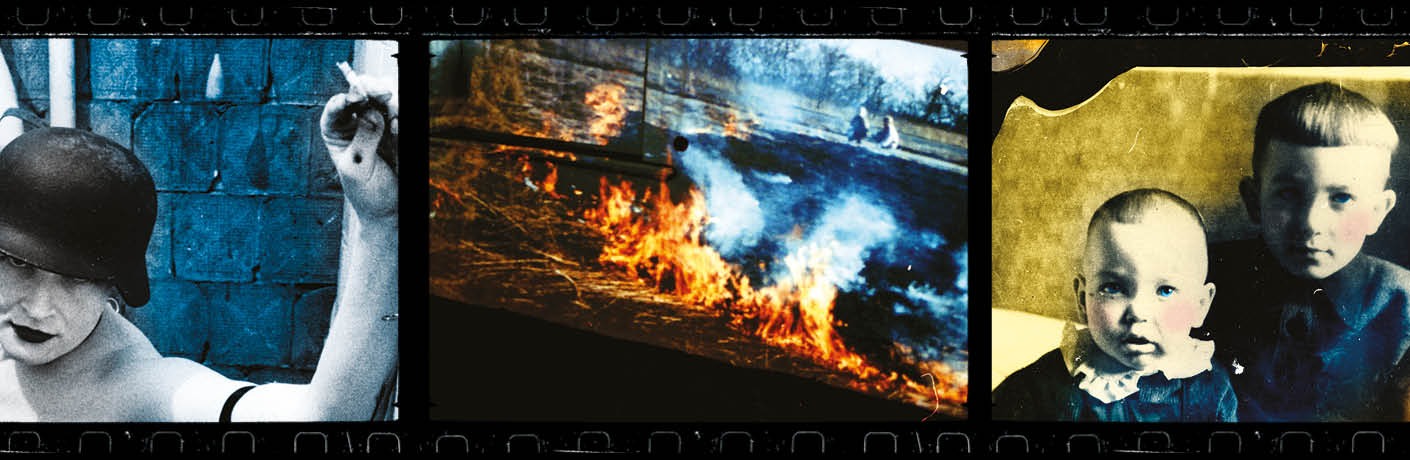
[‘mobil] Gallery 30
Until 31 January
The [‘mɔbil] Gallery (1995–1998) was a collaborative project of art students and the lecturers Peeter Linnap and Eve Kiiler (then Linnap). The group got its start from the lectures on contemporary art and art theory given by Peeter Linnap, who had started work in the Estonian Academy of Art’s photography centre. Peeter hung a sign reading “Faculty of Taste” on the centre’s door, which saw lively debates and after-hours discussions. Thanks to these discussions and their participation in the Saaremaa Biennial 1995 The History Factory / Fabrique d’Histoire’s student exhibition The History Artel, the students, led by Marco Laimre, decided to continue working together under the name the [‘mɔbil] Gallery in October 1995. At that time they had no idea of the impact they would have on Estonian art history.
The [‘mɔbil] Gallery referred to exhibitions curated by the students themselves, which moved freely outside of the framework of official art institutions. [‘mɔbil]’s manifesto stated: “Total independence, emphasised by the lack of a fixed spelling of our name (presented only as a phonetic transcription) and of a fixed location, allows the [‘mɔbil] Gallery to be flexible and to present the latest ideas in art.”
Kogo gallery
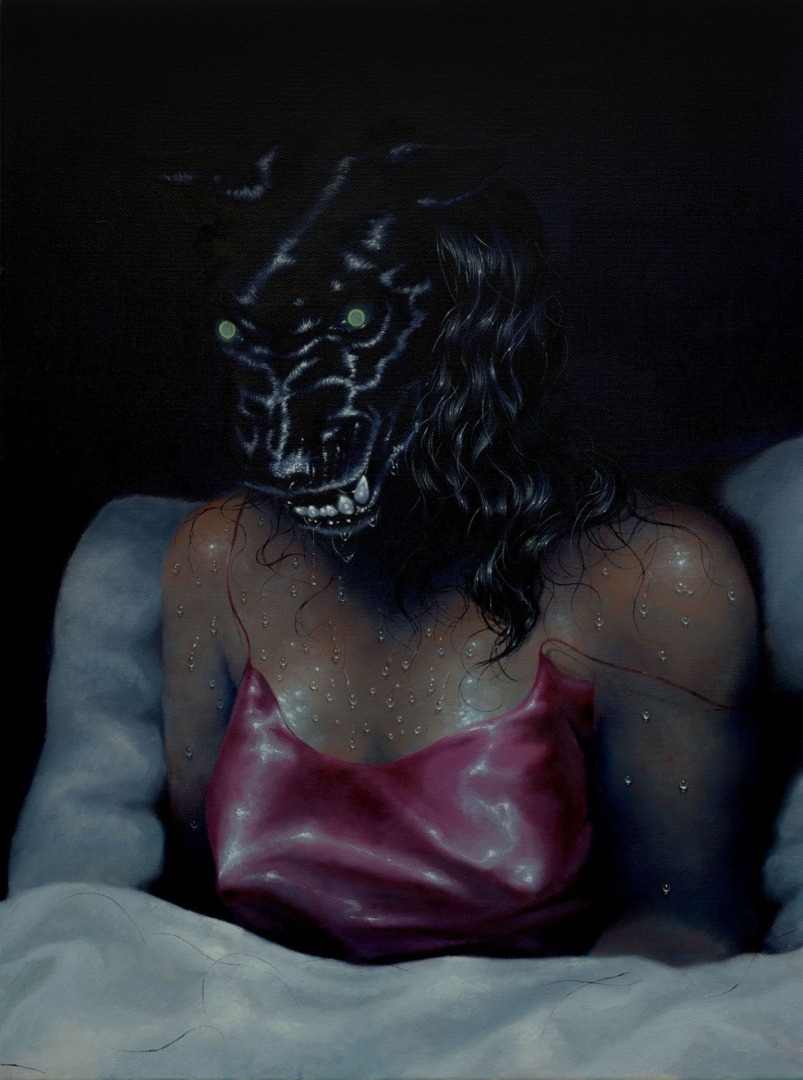
Tiiu Kirsipuu, Heeyoung Noh, Liisa Nurklik, Marleen Suvi. Under My Skin
The exhibition Under My Skin explores the body through the female gaze. Here, the body does not appear as a static or closed form but as a constantly changing, responsive surface through which the world intrudes – getting under the skin. The skin acts simultaneously as a shield, a boundary and a vulnerable point of contact – a site where fear, violence and intimacy leave their marks. The female gaze here is not merely about who is looking but also about how they look. It creates a space for presence, recognition and vulnerability, though not necessarily a comfortable one.
The subject who reveals themselves allows the viewer to come close but does not pose for them. They exist, experience and feel. Here, the body is not an erotic object but a space that invites observation without the need to possess or judge – a space where the personal and the collective, the familiar and the alien, the figurative and the dreamlike, the visible and the hidden converge.
LATVIA, Riga
Latvian National Museum of Art
Raimonds Staprāns. The Rothko Barn. 2007–2010. Oil on canvas. Family collection. Photo: Valdis Ošiņš
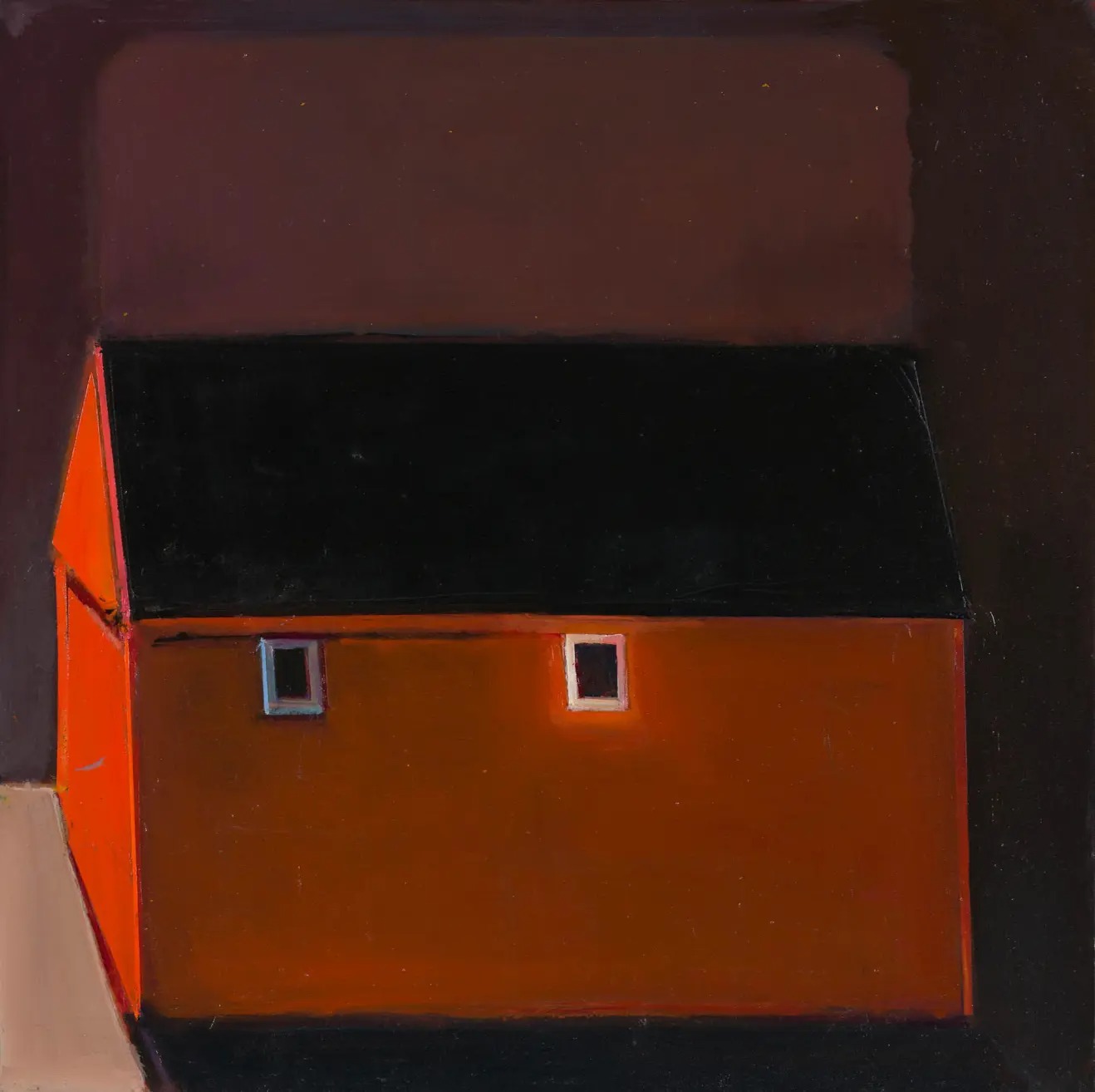
Raimonds Staprāns. The Architecture of Silence
Until 17 January
The centenary exhibition of Raimonds Staprāns (1926–2026) aims to introduce works never seen before in Latvia while providing a focused yet comprehensive overview of the artist’s career – from his earliest paintings of the 1950s to the last ones created in the 21st century. In the spring of 2025, the exhibition curator, Dr. art. Elita Ansone, had the opportunity to select paintings for the exhibition at the Latvian National Museum of Art directly from the artist’s studio in San Francisco. The resulting selection reveals the evolution of Staprāns’ distinctive painterly language over the course of seven decades.
Raimonds Staprāns’ artistic development coincided with the flourishing of Abstract Expressionism. Yet despite his attempts to paint abstractly, Staprāns found himself continually drawn to figurative landscapes and still lifes. Remaining faithful to these subjects, he became associated with the Bay Area Figurative movement. From Abstract Expressionism, Staprāns absorbed what he called the “architecture” of painting – the structural principles by which a painting is constructed. “A painting must be able to stand like a building,” the artist remarked.
Miķelis Fišers. Giant Grasshoppers Massacre Tourists by the Pyramids of Giza. 2017. Wood carving
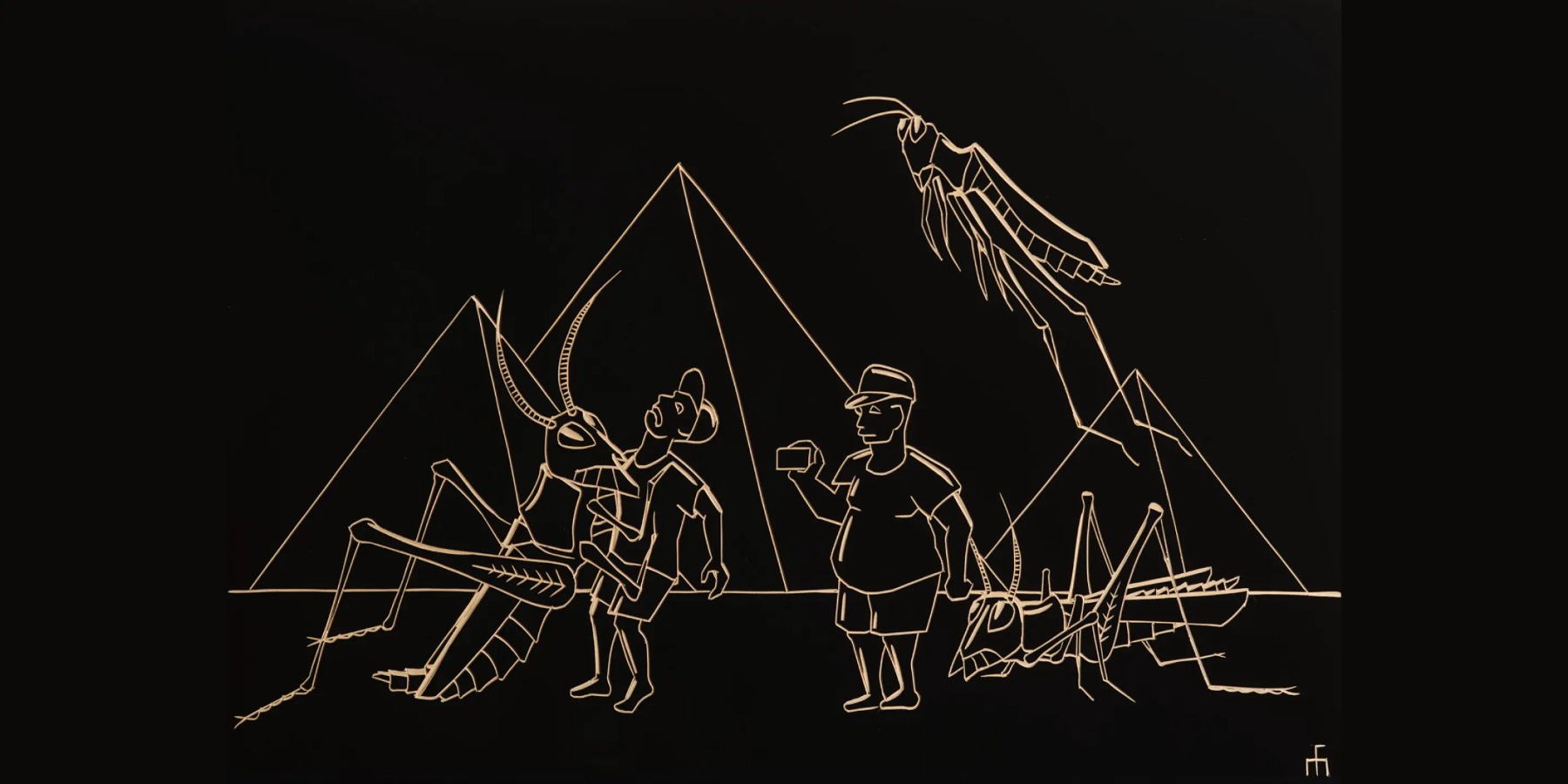
Miķelis Fišers. The Dreadful Legacy
5 December – 18 April
The Great Hall of the Latvian National Museum of Art will host the artist and scenographer Miķelis Fišers’ largest solo exhibition to date, “The Dreadful Legacy”. The exhibition will offer a retrospective look at the artist’s works created in various stages of his career as once expressed predictions of the future, and will also present Fišers’ new works. Since the 1990s, Miķelis Fišers has focused on visually analyzing parallel worlds and historical evidence, as well as on sharp myth-making that resonates with social, political, and civilization processes. “The Dreadful Legacy” will be conceptually revealed as a triptych – a journey through three states of reality: the darkest fields of the subconscious, sudden enlightenment, and the reality that shapes everyday life.
The exhibition highlights civilization as a system – a historical, social and ideological structure that determines the foundations of society's understanding, equality and existence. Here, the social environment is revealed as a dynamic and contradictory structure in which history, myths, ideologies and everyday reality intertwine. Miķelis Fišers' art offers a critical and precise view of these processes, encouraging society's reflection on current global challenges and human responsibility in today's world.
Museum of Decorative Arts and Design
Rudolfs Heimrats. The November..1971. Textile. Collection of the Latvian National Museum of Art, Riga. Publicity photo
y of the outstanding textile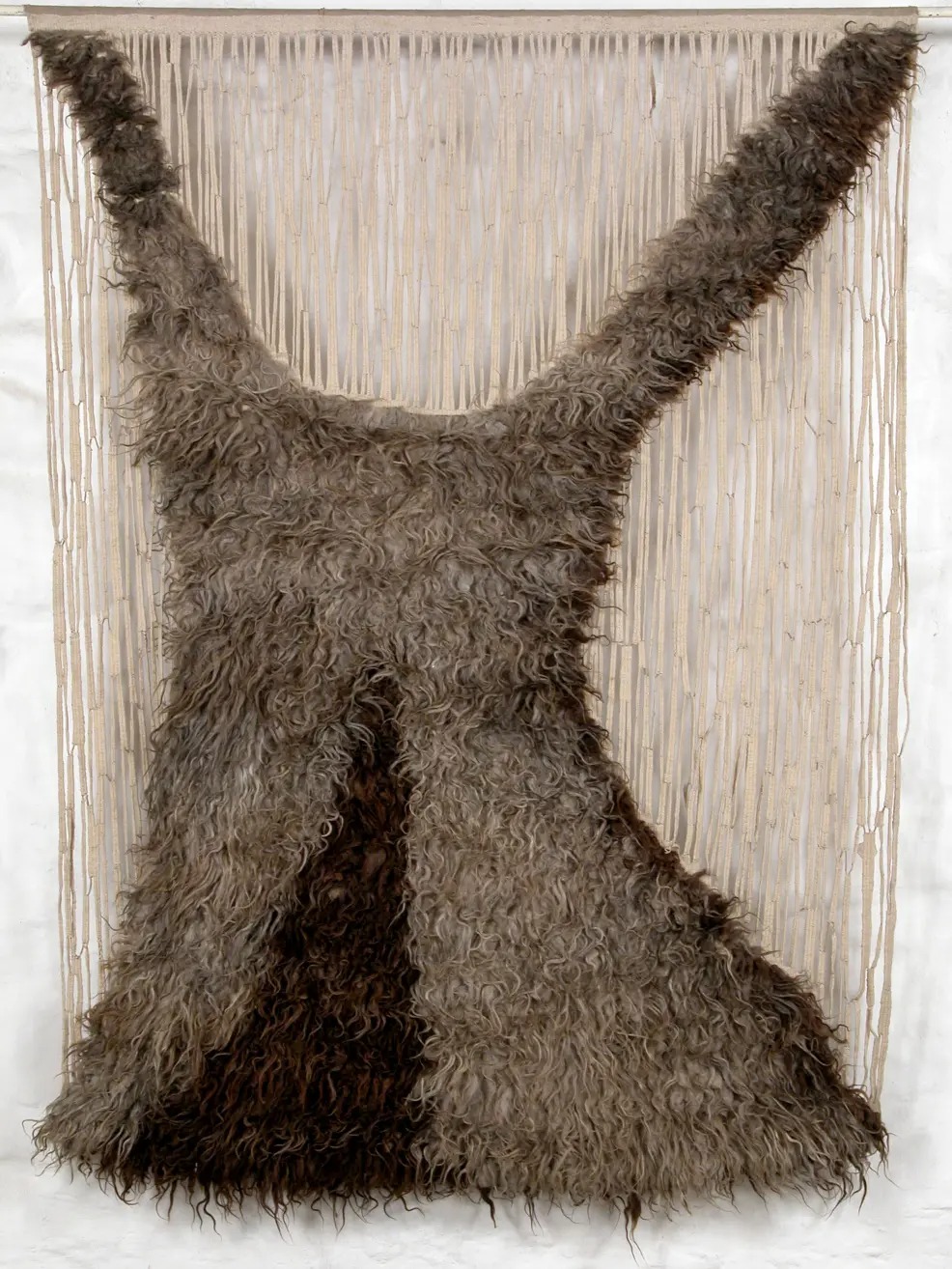
Rūdolfs Heimrāts 100. Legacy
Until 22 November
The exhibition unveils Rūdolfs Heimrāts’ multifaceted creative and pedagogical legacy, highlighting his significant contribution to the development of Latvian textile art in the second half of the 20th century. Alongside tapestries, decorative textiles, fabric print designs, and ceramics, special consideration is given to his work as an educator at the Art Academy of Latvia who has inspired several generations of textile artists. Visitors will enjoy exploring Heimrāts’ works from various museum collections, learn about the unrealised creative projects from his family archive, documentary films and photographs from private archives and the Latvian State Archives of Audiovisual Documents. The display also features vibrant fabric prints and innovative textile designs in different techniques.
Riga Contemporary Art Space
Bill Balaskas. Culture. Neon, electrical cables, variable dimensions, edition 2/3, 2013. Courtesy of Irene Y. Panagopoulos Collection and the artist. Photo by Līga Spunde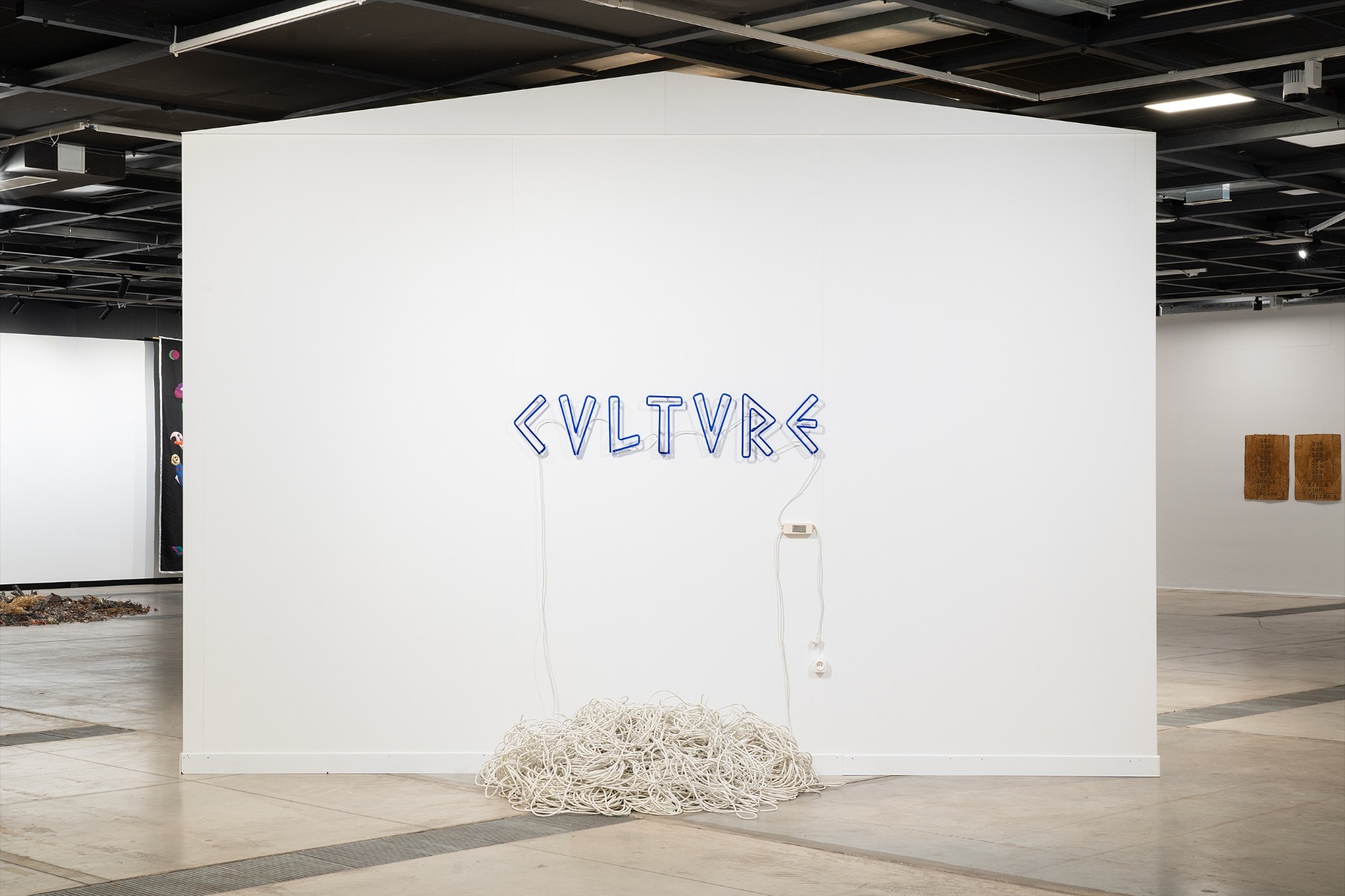
Always the Sun. Greek contemporary art
2 October – 10 January
Always the Sun, an exhibition curated by Marina Fokidis, brings together a constellation of 27 Greek artists whose practices are shaped by the interplay of geography, light, climate, and cultural legacy. It is the first large-scale presentation of contemporary Greek art in the Baltic region. Drawing inspiration from the song by The Stranglers, the exhibition approaches the sun not as a motif, but as a medium of thought, perception, and lived experience. It explores how the brightness, heat, and exposure of the Mediterranean have influenced aesthetic languages and fostered strategies of survival, intimacy, and adaptation. It proposes light not only as a symbol, but also as a form of knowledge. In ancient Greek thought, light illuminated truth, but the southern sun, unlike the colder light of the Northern Enlightenment, is contradictory. It dazzles, reveals, and blinds. It asks us not to observe from a distance, but to feel, inhabit, and listen.
Elizabete Andersone. On the Edge of Perception
Until 10 January
The solo exhibition “On the Edge of Perception” by young artist Elizabete Andersone transforms the space into a portal to the experience of physical stimuli, a shift in attention, and possible flashes of involuntary memory. In her work, the artist explores peripheral experiences – elements that we perceive without even really noticing them. How often do unconscious memory cues slip past us in our daily lives? Even when they remain in the background, they leave an imprint on our perception of reality. The exhibition consists of an immersive installation that reconstructs the familiar sense of space, the relationship between up and down, inviting viewers to perceive light, sound, and objects with their entire bodies through the process of becoming aware of their own presence.
Kim? Contemporary Art Centre
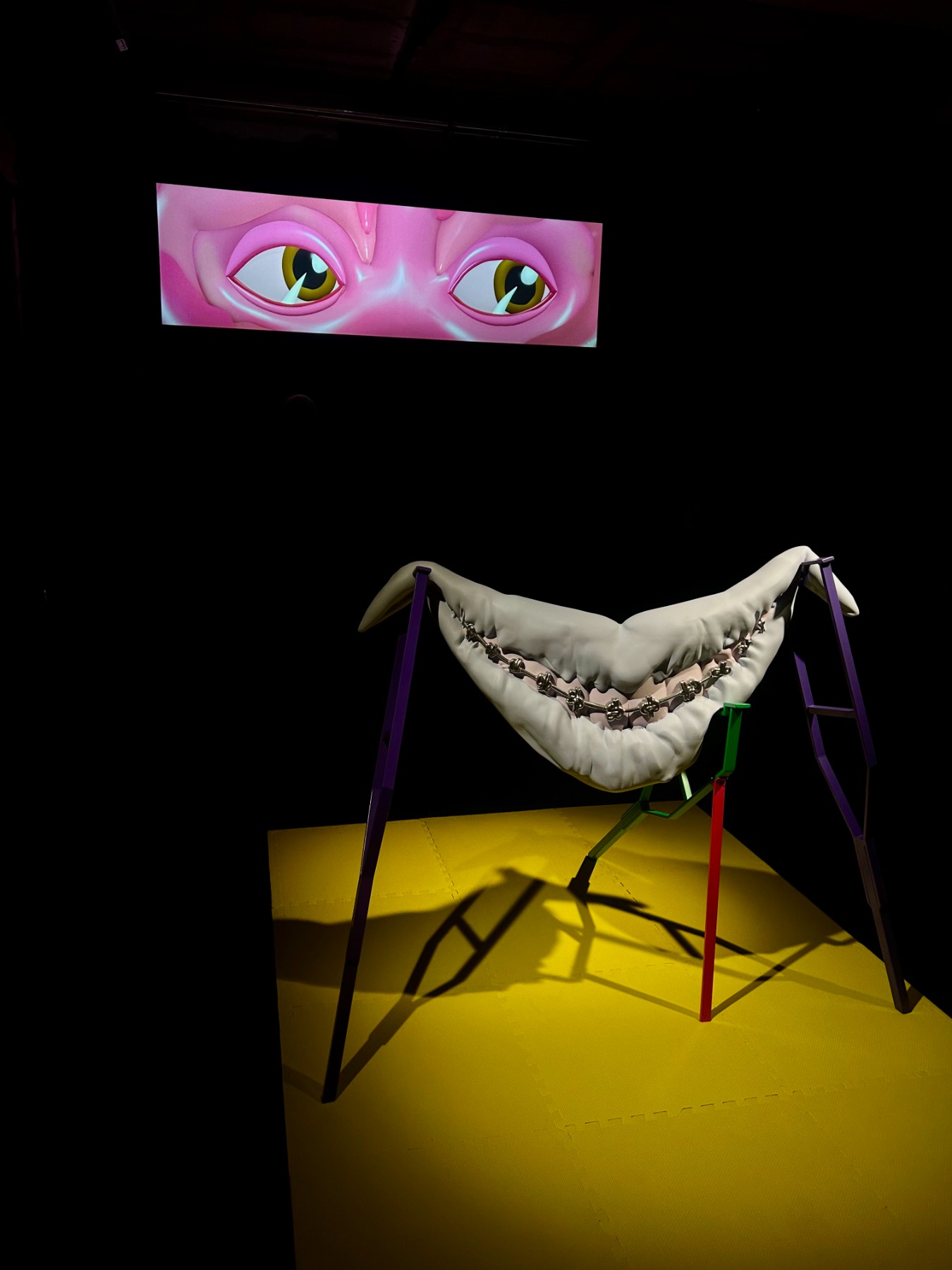
Līga Spunde. The Mind The Heart
Until 3 January
Transforming the exhibition space into a “gym for the heart”, Spunde uses humour, sculpture, graphics, and moving images to confront a sense of emotional numbness and confusion, exploring why feelings have become increasingly difficult to access in a world shaped by efficiency and information overload. In a capitalist society driven by profit and productivity, rationality is privileged over emotion, while knowledge systems rooted in care, reciprocity, and collective responsibility are often devalued.
Why has it become so difficult to feel deeply amid the constant flow of information and a seemingly endless succession of crises? As visitors move through the exhibition’s spaces – the reception, rehearsal, and recovery areas – they encounter different manifestations of the everyday struggle between emotion and rationality, the heart and the mind. Spunde holds on to the belief that our capacity to care for others, to care for ourselves, and to act with kindness has not been lost, but rather left undertrained. Like a muscle, empathy can be strengthened through practice. The exhibition is organised in collaboration with 1646, an experimental art space in The Hague.
Zuzeum Art Museum
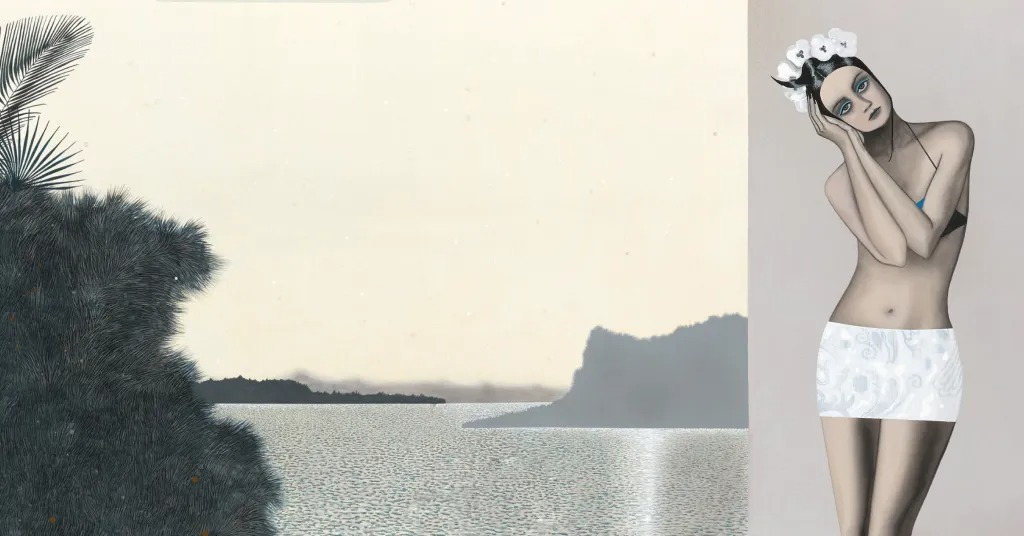
Looking Away. Women Artists in the Zuzāns Collection: 2000–2026
2 October –17 January
Looking Away. Women Artists in the Zuzāns Collection: 2000–2026 focuses on living artists and works produced during the first two decades of the twenty-first century, composing an idiosyncratic collective biography of the period. The exhibition brings together works by around forty women artists living in Latvia, across the Baltic region, and elsewhere in the world, most of them drawn from the Zuzāns Collection. In her essay ‘Looking Away – Participations in Visual Culture’ (2005), British visual culture theorist Irit Rogoff emphasised the importance of active spectatorship. She suggested that perhaps it is by looking away ‘from the objects of our supposed study […] that we have a potential for a rearticulation of the relations between makers, objects, and audiences.’ This led her to a crucial question: can looking away be understood not necessarily as an act of resistance, but as another way of participating in culture? Twenty years later, Rogoff’s idea becomes the conceptual foundation of the exhibition and is developed further. Whereas Rogoff invited viewers to look away from the artwork, the exhibition invites the artists themselves to make a similar shift in perspective, turning their attention from the finished work to the conditions in which it was made. This idea is realised through individual conversations between the curators and every participating artist. These conversations become an integral part of the exhibition.
RIXC Art Science Festival CLIMATE IMAGINATION
Matrix Vegetal, Patricia Domínguez, 4K video, 21:12 min, 2021/2022. Commissioned by Screen City Biennial with the support of Cecilia Brunson Projects and Galería Patricia Ready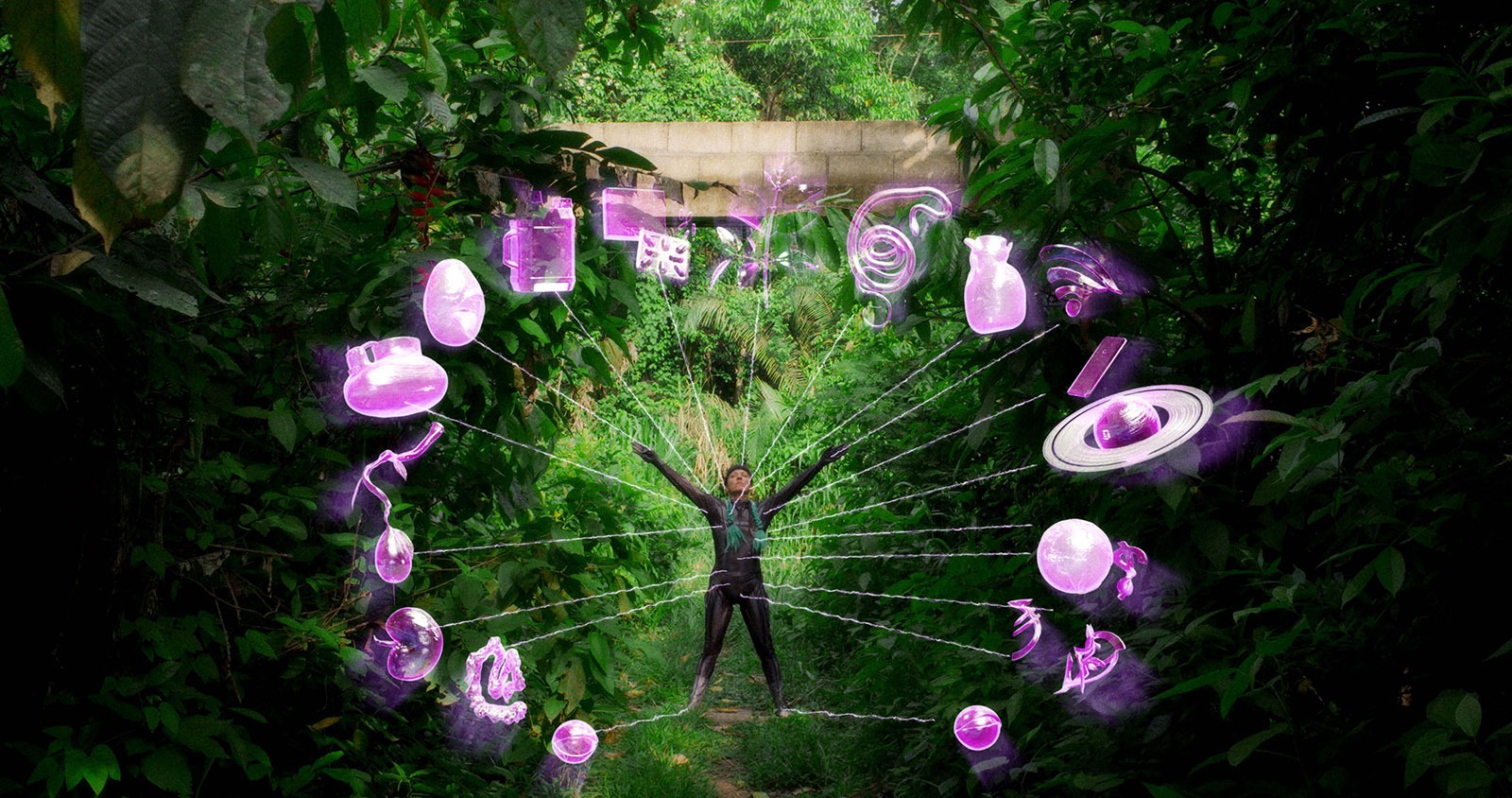
The National Library of Latvia
Climate Imagination Exhibition
The exhibition explores climate imagination as a cultural and scientific field where art, technology, and environmental research intersect. From microscopic organisms, plant worlds and botanical science fiction to ecological symbiosis, artificial life and hybrid systems, changing landscapes and environmental memory, the artists explore imagination as a critical capacity for sensing and rethinking our relationships with the Earth at a time when climate change is reshaping planetary ecosystems, infrastructures and everyday life. Artists: Maija DEMITERE (LV), Patricia DOMINGUEZ (CL), Anne Duk Hee JORDAN (KR/DE), Pauline DOUTRELUINGNE (BE/DE), Ryu FURUSAWA (JP), Marcus MAEDER (CH), kennedy+swan(DE), knowbotiq in collaboration with Pablo TORRES (CH/AT/CO), Jurģis PETERS in collaboration with Laura BELOFF (LV), Mārtiņš RATNIKS (LV), Benedikt TERWIEL in collaboration with ANOHNI (DE/US).
RIXC Gallery
Rasa Smite & Raitis Smits. Prompted Evolution Exhibition
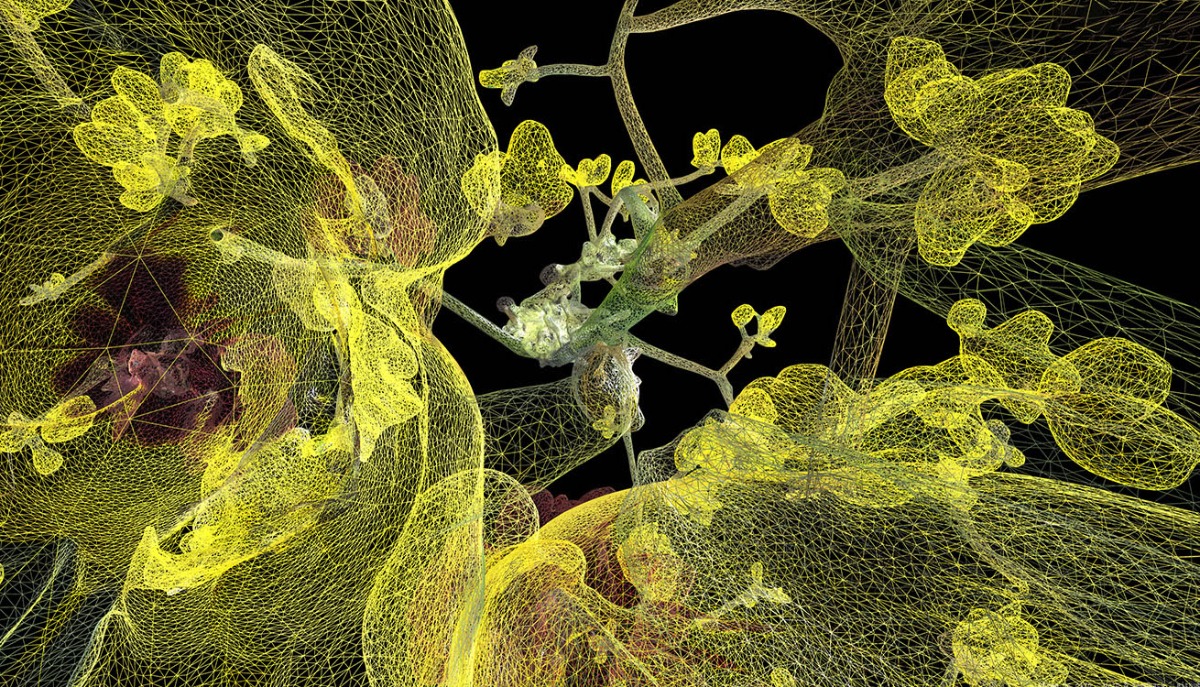
To explore possible futures of plant evolution, the artists use AI to transform herbarium images of wild Andean lupines – one of the most remarkable examples of recent explosive plant diversification – into speculative, unimaginable forms. In Prompted Evolution, AI models further transform these forms into interactive virtual plants. Through their three-dimensional digital reappearance, the plants regain the bodies once lost as herbarium specimens – and with them, a new agency. Rasa Smite and Raitis Smits work at the intersection of art, science, and immersive media. Their practice centres on ecological systems, environmental data, and the relationship between technology and nature.
Pauls Stradiņš Medicine History Museum
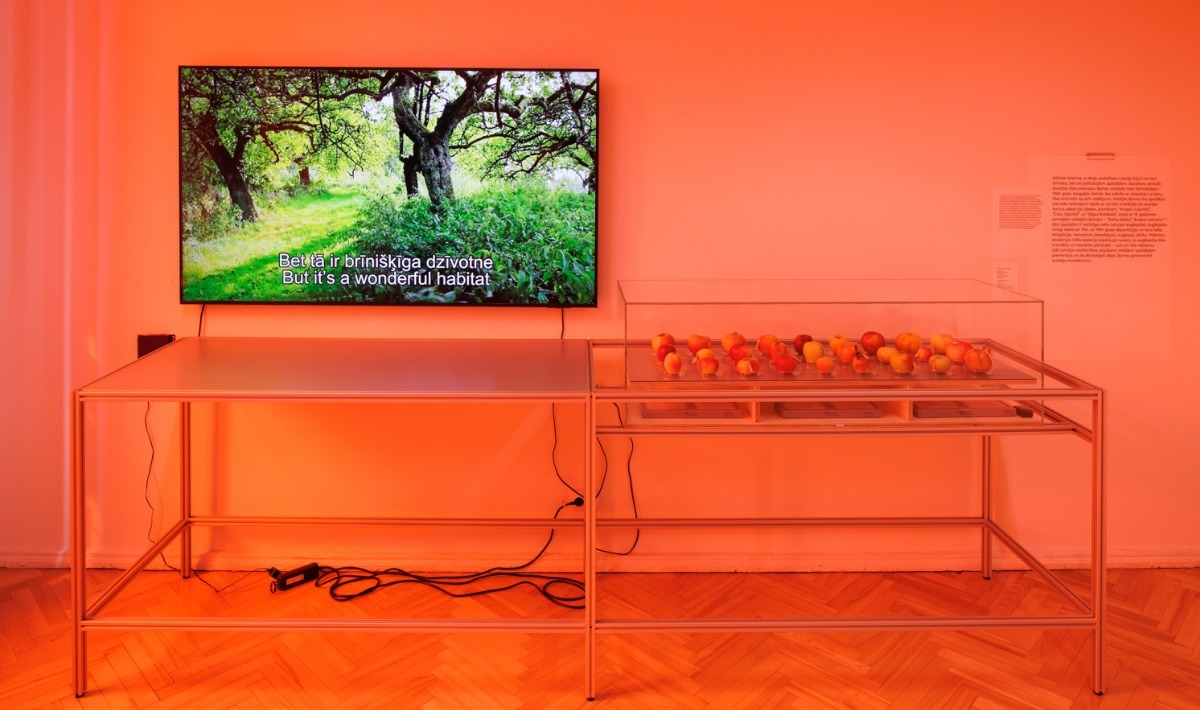
The Unaccounted. Technologies of Life and the Human of the Future
Until 15 March
Informed by the concept of progress, the notion of a 'human of tomorrow', increasingly healthy and endowed with various abilities, is, while certainly appealing, also a somewhat risky one. The scientific efforts to bring these ideals to life are the subject of 'The Unaccounted. Technologies of Life and the Human of the Future', an exhibition using a backdrop of past events to outline the pledge made by the modern medicine: longevity, new reproductive options and a generation of genetically enhanced offspring. Life technologies are presented at the exhibition as an ethical challenge.
The lab-like design of the exhibition lends itself to an interaction between historical artifacts, medical innovations and contemporary art. Alongside artworks by Korbinian Aigner, Maria Arlamovsky, Aleksandra Briede, Heather Dewey-Hagborg, Andrejs Grants, Aivars Gulbis, Antje Majewski and Paweł Freisler, Lennart Nilsson, Juliette Pavy and Wilhelm Werner, the exhibition includes research and archive materials by scientists and physicians Francis Galton, Arnolds Laksbergs, Carl Linnaeus, Jēkabs Prīmanis, Johann Volkmar Sickler and other authors.
ASNI gallery
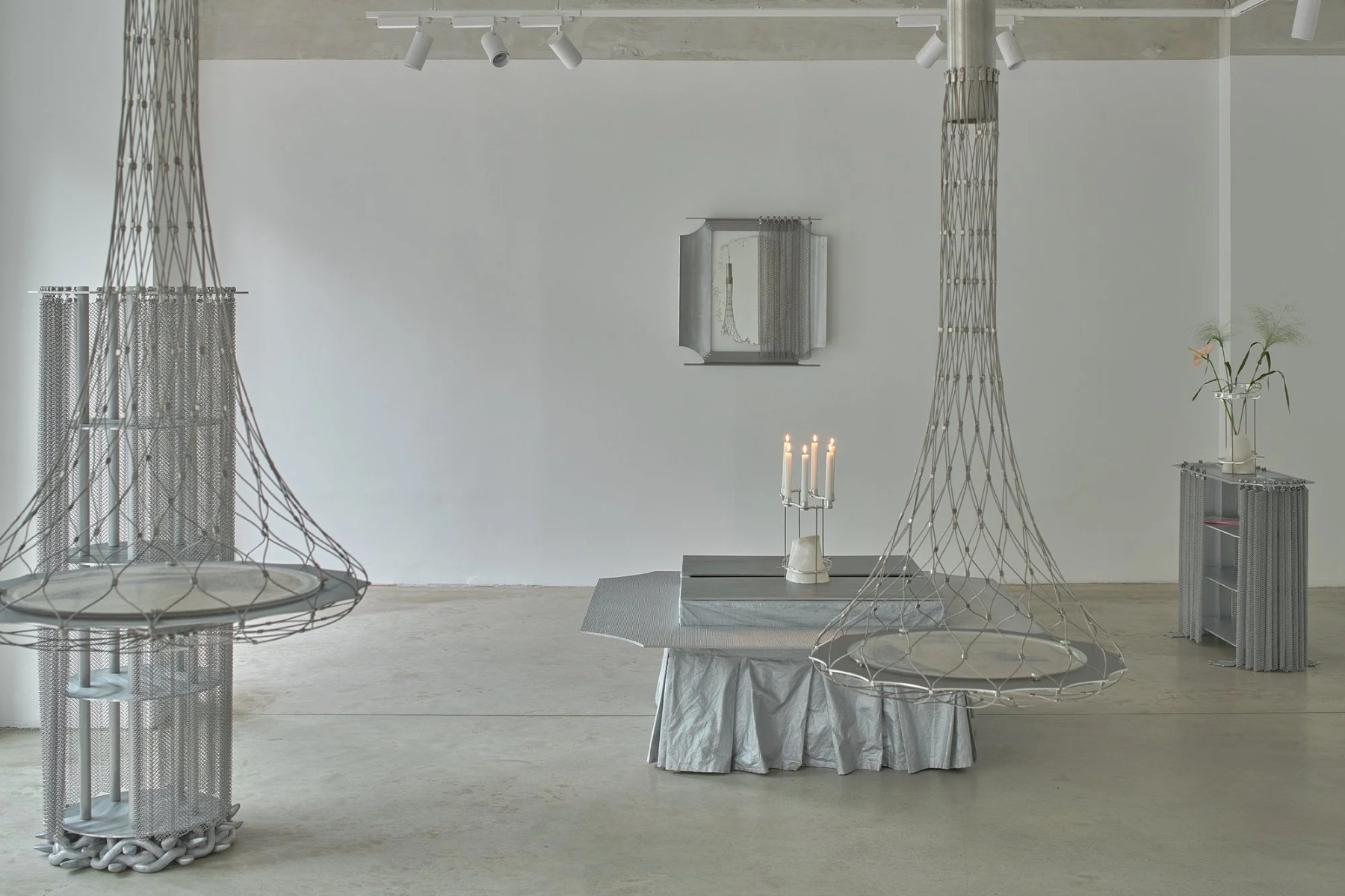
Mantas Lesauskas. The Sex Appeal of the Inorganic
Until 15 November
Design is in the business of desire. We are asked to desire objects before we touch them, and to imagine touching them before we possess them. The curve of a car body, the seamless surface of a personal device, polished metal or stone — all employ a language strangely close to that of the body. Smoothness, hardness, softness, skin and curves belong as much to the vocabulary of desire as they do to that of design.
The Sex Appeal of the Inorganic borrows its title from philosopher Mario Perniola, whose thinking unsettles the distinction between the sensing body and supposedly insensible matter. Desire is no longer confined to the human subject but circulates between bodies, surfaces and things. The exhibition takes this ambiguity literally. Aluminium, alabaster, ceramic and glass become bodies, while fragments of bodies become functional objects: ceramic vessels are cast from legs; classical sculptures reappear as images embedded in lamps; stone and metal form vessels and candlesticks.
TUR art space
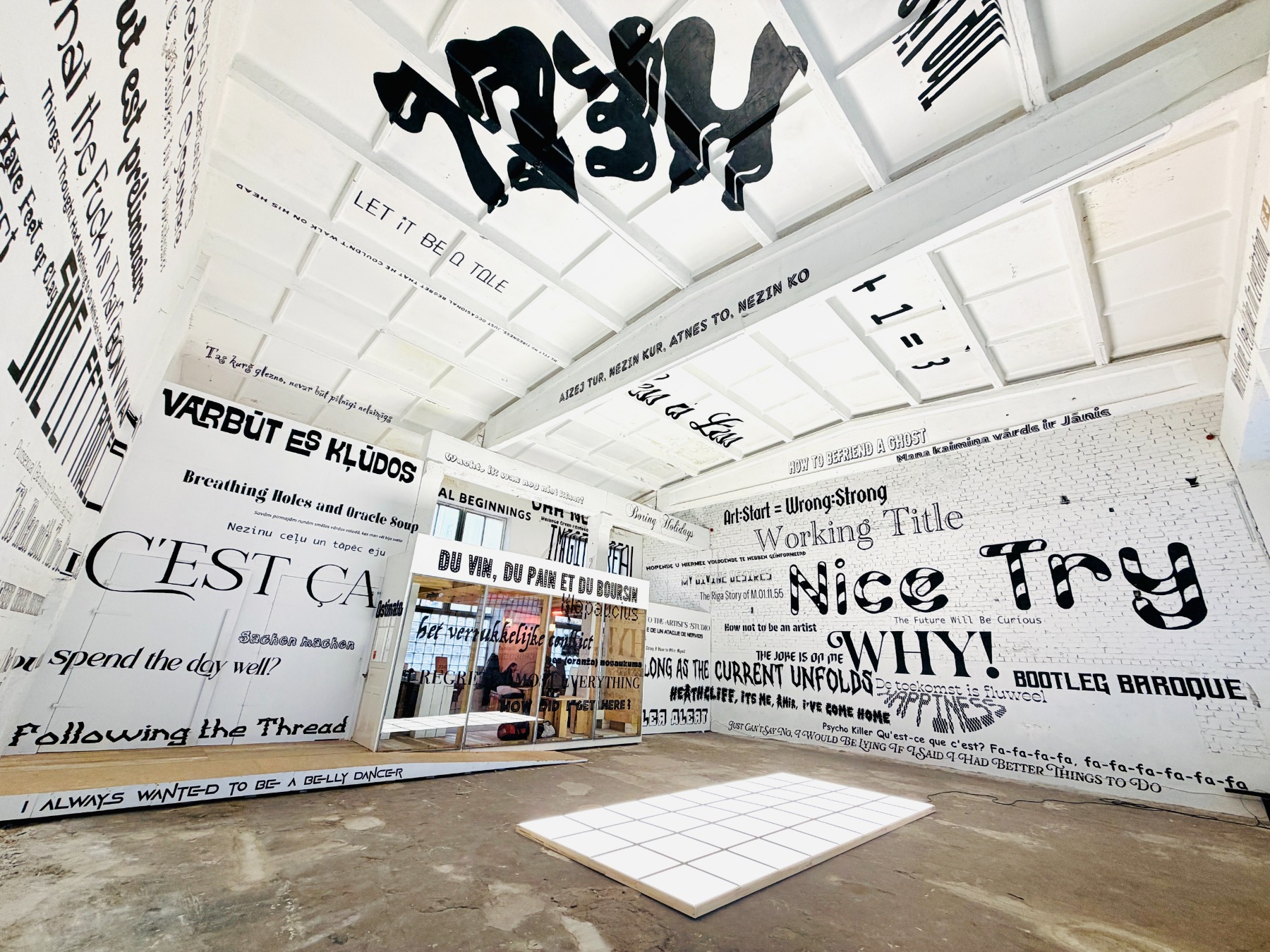
BLOCKBUSTERS
Until 5 December
For its Fall exhibition, TUR invited Antwerp-based artist-run space AAIMACHINE to collaborate on BLOCKBUSTERS, an exhibition bringing together 100 artists, 50 from Riga and 50 from Antwerp. Artists from different generations and artistic backgrounds were asked to imagine a documentary about their own life and work as an artist, and to answer one question: “What would the title of that documentary be?” The documentaries themselves do not exist. Their titles reflect 100 individual perspectives, each shaped by the artist’s personal experiences, artistic practice and the way they see themselves in relation to their work. The responses range from personal reflections and ambitious declarations to jokes, clichés and seemingly unrelated observations. Combined, the titles represent a diversity of voices, attitudes and approaches within the artistic community, and the different ways an artist might choose to present themselves and their practice.
The titles form the material for an installation by AAIMACHINE artists Lieven Segers and Johanna Trudzinski, who hand painted them directly onto the walls and other architectural elements of the space at TUR. Using different typefaces, sizes and orientations, they create a composition in which the individual contributions become part of a larger work. Visitors will encounter the titles throughout the space, discovering 100 different responses to the same question.
Gallery “Māksla XO”
Reinis Berzins. The Cardboard Crown. 2026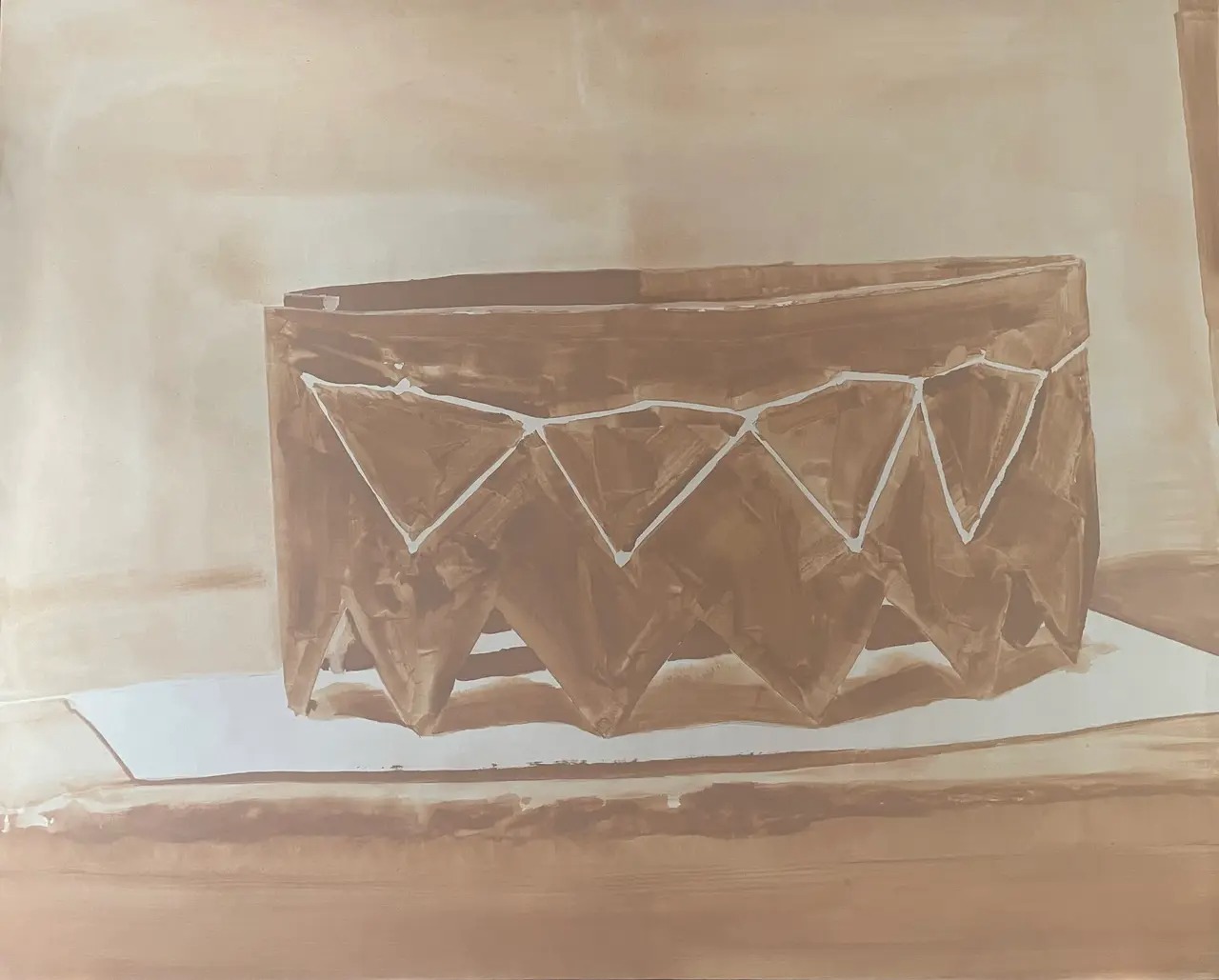
Reinis Berzins. Things That Make You Feel Good
Until 28 November
“I think a lot about light and colour. About a certain kind of stimulation and surprise that the process of painting can offer when it is not overly controlled. About the possibility of experiencing something bright, bringing a little order to something overly chaotic, retaining movement and chance, and holding it together within my own visual language. The content of the works, or their source material, is also something that has made me feel good simply through seeing it and has inspired me to paint”.
Reinis Bērziņš (1989) has developed an experimental artistic practice that transforms everyday objects, activities, and situations into artistic material. His practice encompasses painting, drawing, installation, and sculpture, performance, and costume design. In 2018, he graduated from the Painting Department of the Art Academy of Latvia. Since 2015, he has participated in exhibitions and art projects in Latvia and abroad.
LATVIA, Madona
MABOCA Gallery
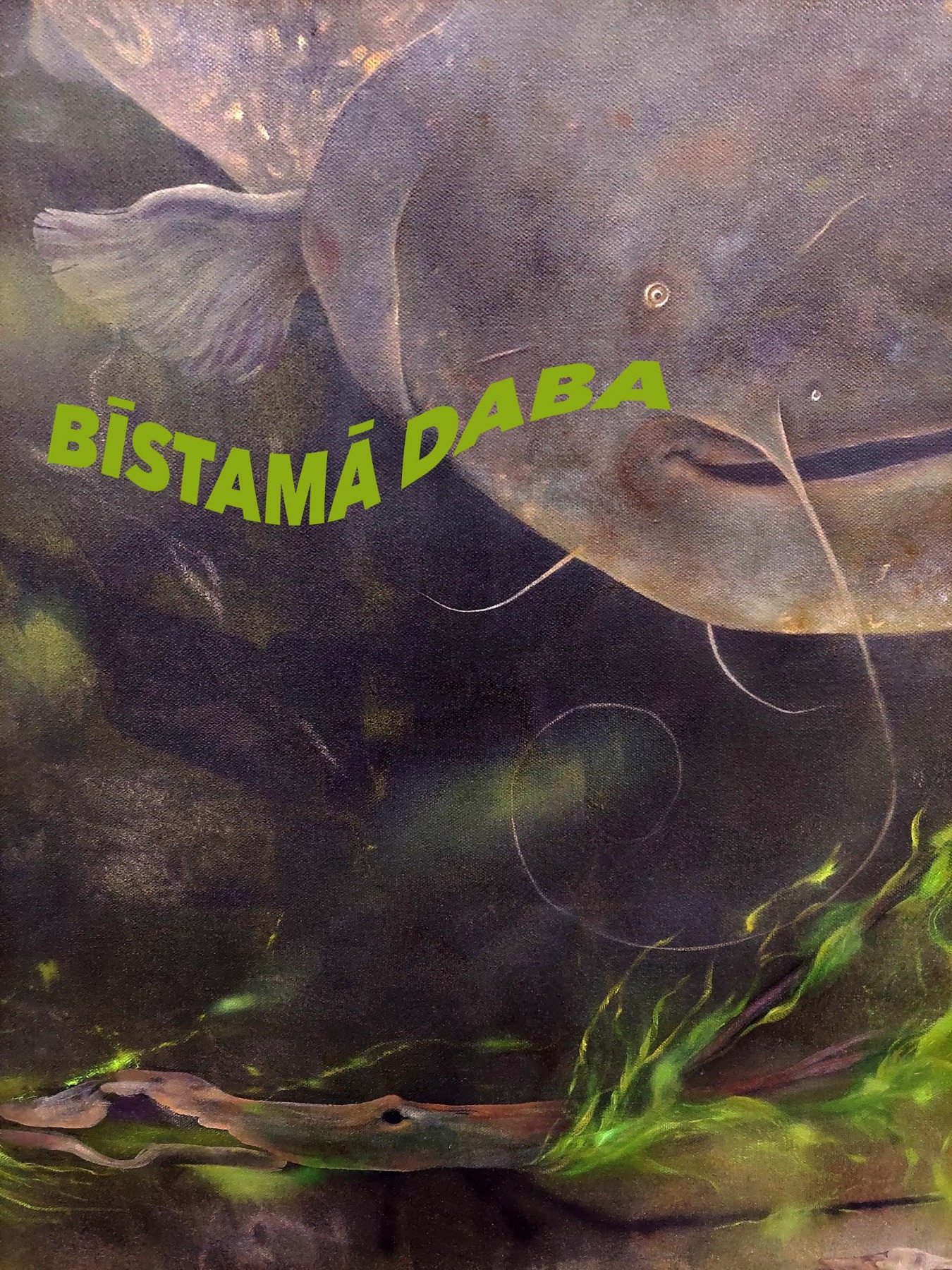
Ieva Putniņa and Juris Janovskis. Dangerous Nature
21 November – 11 January
On 21 November at 18:00, an exhibition by Ieva Putniņa and Juris Janovskis, “Dangerous Nature”, will open at MABOCA Gallery, Visuma Centrs 2. The opening will feature a musical performance by TV Maskava and Rūdis Romanoss. Ieva Putniņa is an artist whose creative practice primarily focuses on oil painting. Her distinctive artistic approach and mastery have been recognised with the prestigious Vija Celmiņš Scholarship, and her art career is currently taking off like a rocket. Juris Janovskis has mastered the art of woodworking and, since 2025, has been helping Ieva create frames for her paintings. In the exhibition “Dangerous Nature”, the two artists come together to create a captivating story through oil painting and wood.
LATVIA, Ogre
The Ogre History and Art Museum
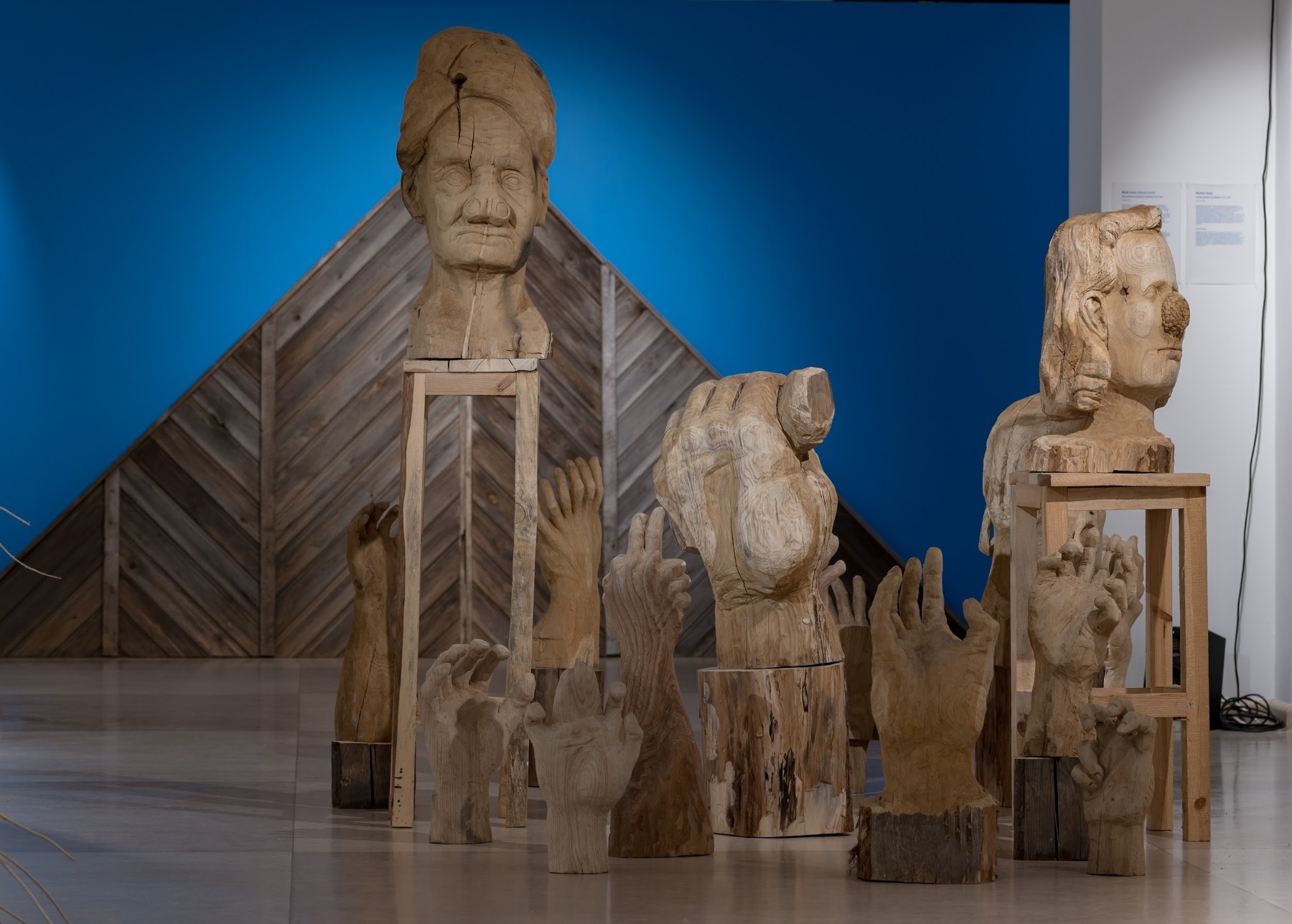
Exhale. Space
“Exhale. Space” is a pulsating environment where experiences and cultural narratives meet, overlap and intertwine. It is a gathering point for different voices and artistic media, with each artist contributing a distinct narrative – from the raw vibrations of Icelandic landscapes, experiences of ancient hillforts and memories embedded in historic wooden architecture to intimate family archaeology and powerful socio-political statements. The exhibition is rooted in themes of dialogue, empathy, space and time, with a particular focus on materiality and spatial thinking. Wood, metal, porcelain and sound move beyond their static roles, entering into dialogue with one another as well as with the surrounding space and architecture. Artists: Aigars Bikše, Xiyao Chen & Julija Pociūtė, Daina Pupkevičiūtė, Rokas Dovydenas, Rimantas Milkintas, Kristine Mifsud, Oto Holgers Ozoliņš, Pauls Pudžs, Mykolas Sauka, Augustas Serapinas, Dārta Sidere, Elza Sīle, Skuja Braden.
LITHUANIA, Vilnius
Contemporary Art Centre (CAC)
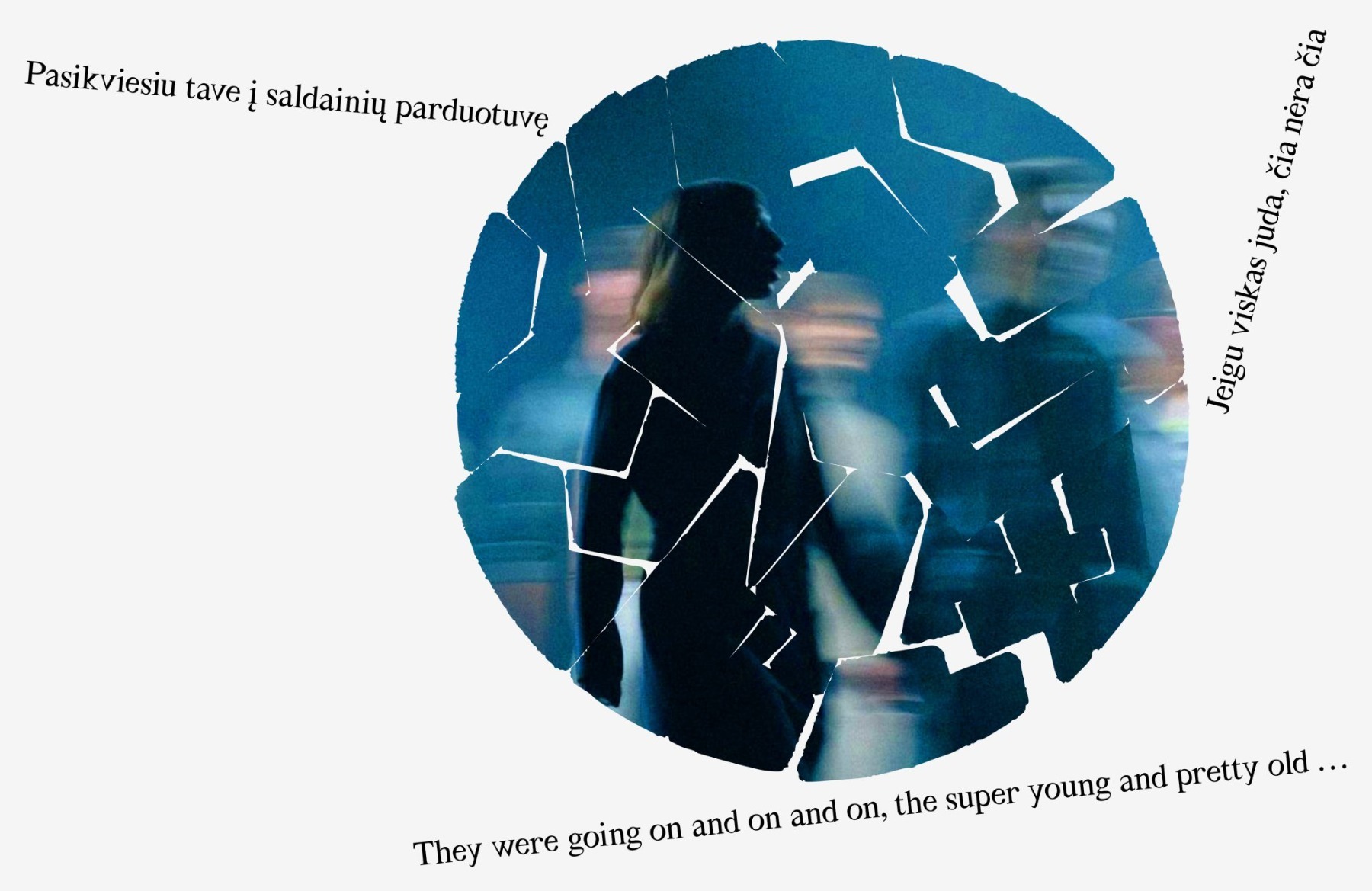
Lina Lapelytė. Gatherings
Until 10 January
The exhibition Gatherings brings together works by artist and composer Lina Lapelytė made at different periods in her practice, presenting them in a single space for the first time. Its title also points to the importance of togetherness and a sense of community in her work. How might our relationships with one another change if we listened more closely to those around us and to our surroundings, and viewed our everyday rituals, rules and coincidences through a poetic lens? Lapelytė explores the relationship between voice, music, performance and listening, while also experimenting with different spatial situations.
Many of the works in the exhibition draw on musical traditions, which become a pretext for destabilising established rules – both within music and beyond it. Lapelytė invites those who, in the conventional sense, ‘have no ear for music’ to sing. She gives arias originally written for castrati to women with particularly low voices, reworks ‘dirty rap’ hits, and dreams of recording a pop song with monks. In this way, she asks whose voices we hear, and whose we do not – or choose not to listen to – both in music and, more broadly, in society. Perhaps, too, she asks what harmony is, and who gets to set its rules.
Agnieszka Polska. The Book of Flowers, (still), 2023, HD video, 9 min. 38 sec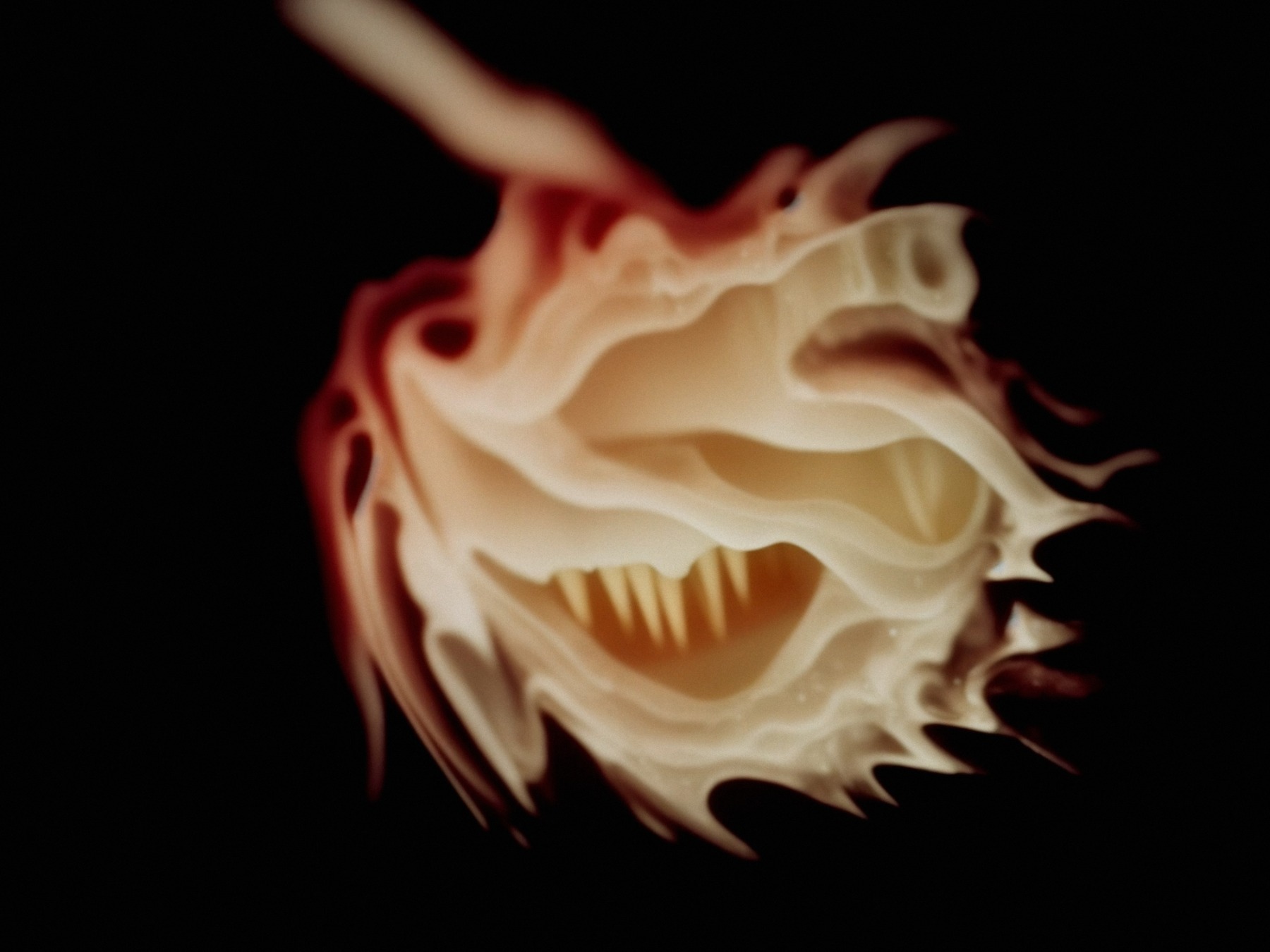
Agnieszka Polska. Horror Desire Fantasy
Until 10 January
The exhibition ‘Horror Desire Fantasy’ brings together works made by Agnieszka Polska from 2014 to the present. The selection highlights her use of found images and computer-generated media to reflect on the individual and their social responsibility. She renders the ethical and societal challenges of our time through immersive, meditative films and installations with a palpable emotional resonance. Often constructed from affective sound and visual stimuli, her works examine processes of influence and legitimation in the fields of language, consciousness and history.
READ the conversation with Agnieszka Polska and Maria Lind, curator of the exhibition
Sapieha Palace
Nikhil Vettukattil, Alienation, 2021. Film still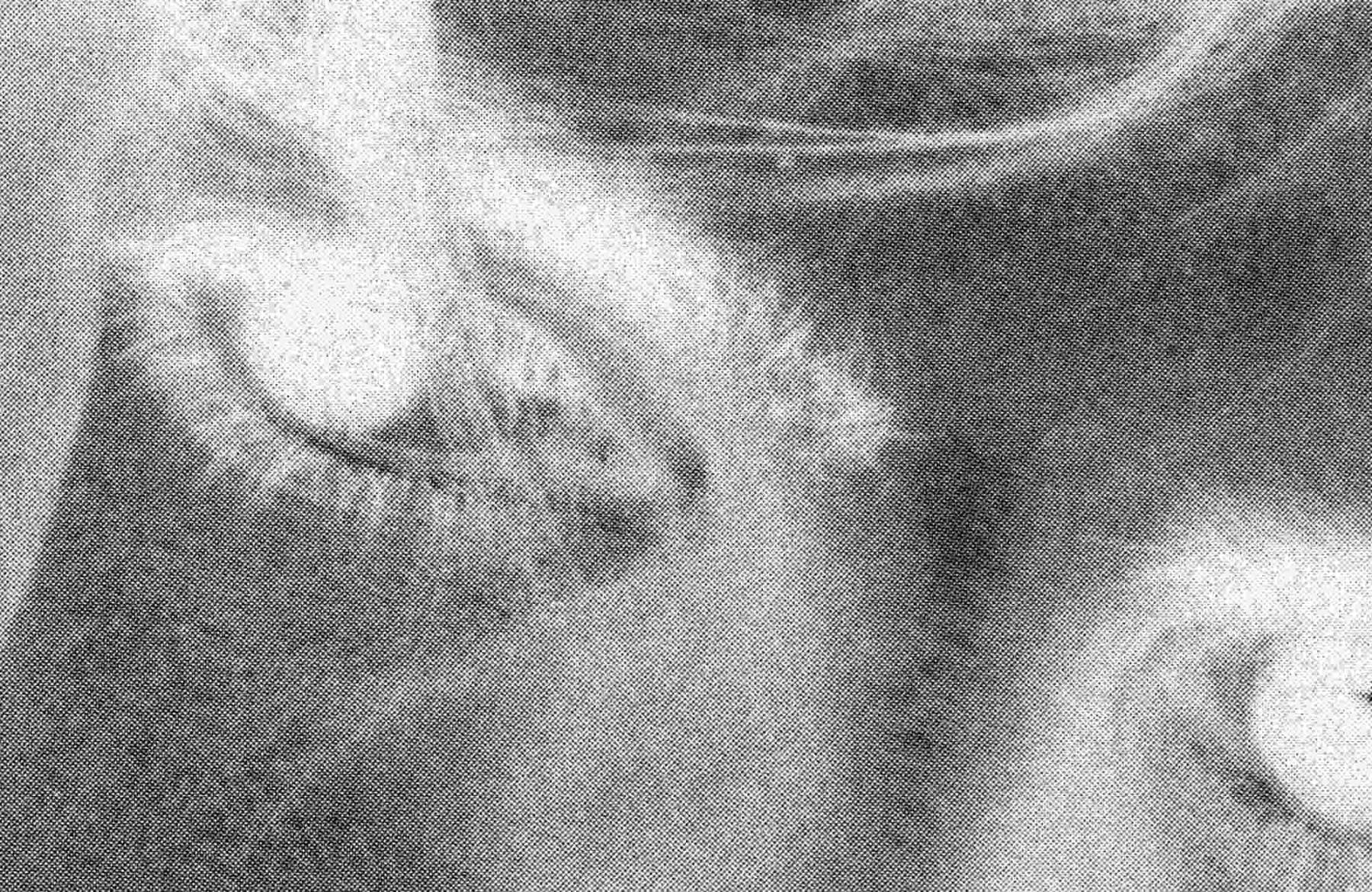
Nikhil Vettukattil. Years
Until 17 January
Nikhil Vettukattil’s exhibition, ‘Years’, traces the final decade of the twentieth century as the threshold of our present, moving through its defining geopolitical events, contested microhistories, cultural milestones and technological breakthroughs. Conceived as a multisensory environment, it engages the various modes of representation that shape our memories and imagination of the ‘90s and history more broadly. The exhibition’s conceptual starting point is Alienation (2021), a video installation featuring 560 scanned and cropped photographs from three seminal photobooks of the decade – Sebastião Salgado’s Workers: An Archaeology of the Industrial Age (1993), Michael Kenna’s The Rouge (1995), and Michael Schmidt’s U-NI-TY (1996) – alongside a video of stock footage from a smartphone production line in Bangladesh. Reminiscent of the experimental structuralist/materialist filmmaking traditions of the ‘60s and ‘70s, the film pairs a black-and-white flicker effect with a pulsating hard techno beat to stage an intense visceral encounter. Through this stroboscopic rhythm, it probes the fading remnants of twentieth-century heavy industry, labour conditions, and free time.
National Gallery of Art
Vladas Švipas at the Puntukas Stone during the 1934 ethnographic expedition. Photo by Ignas Končius (ČDM, Ng 1475)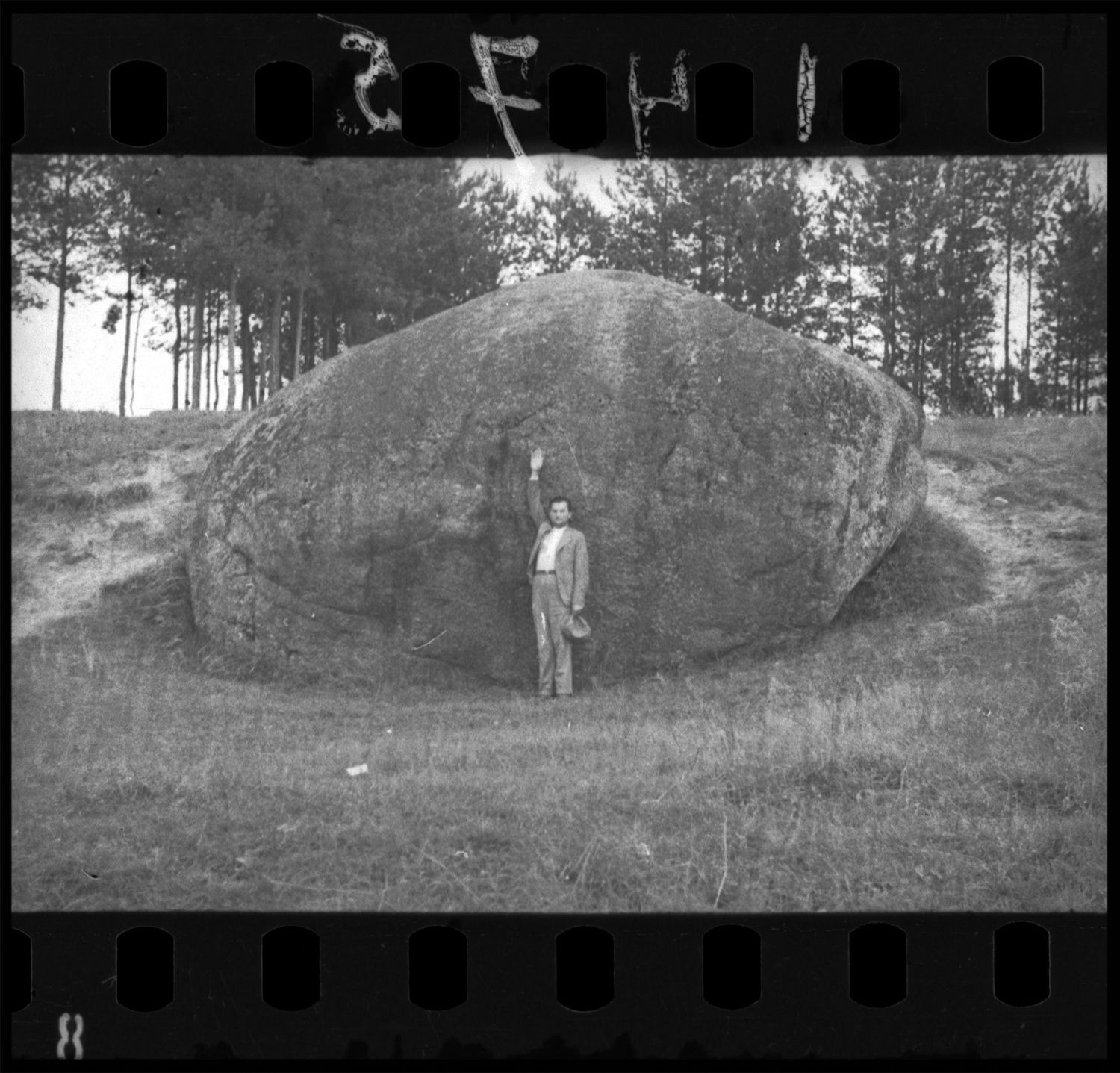
Vladas Švipas: Pušalotas > Bauhaus > Kaunas > New York
Until 17 January
The display tracks the path of Lithuanian Bauhaus alumnus from interwar Kaunas to a German Displaced Persons camp, and into New York, where he had to adapt to an émigré fate. The exhibition places Švipas’s architecture within a broader historical and cultural context of a modern state construction. The newly independent Lithuanian state (1918-1940), emerging from wars and the collapse of empires, was in great need of modern professionals. State scholarships encouraged young people to study in Western Europe, yet only one Lithuanian student-scholarship recipient chose the Bauhaus, the most avant-garde school of design of its time. The life and work of Vladas Švipas reveal the making of a new type of modernist architect and his role in shaping a modern state.
Radvilai Palace Art Museum
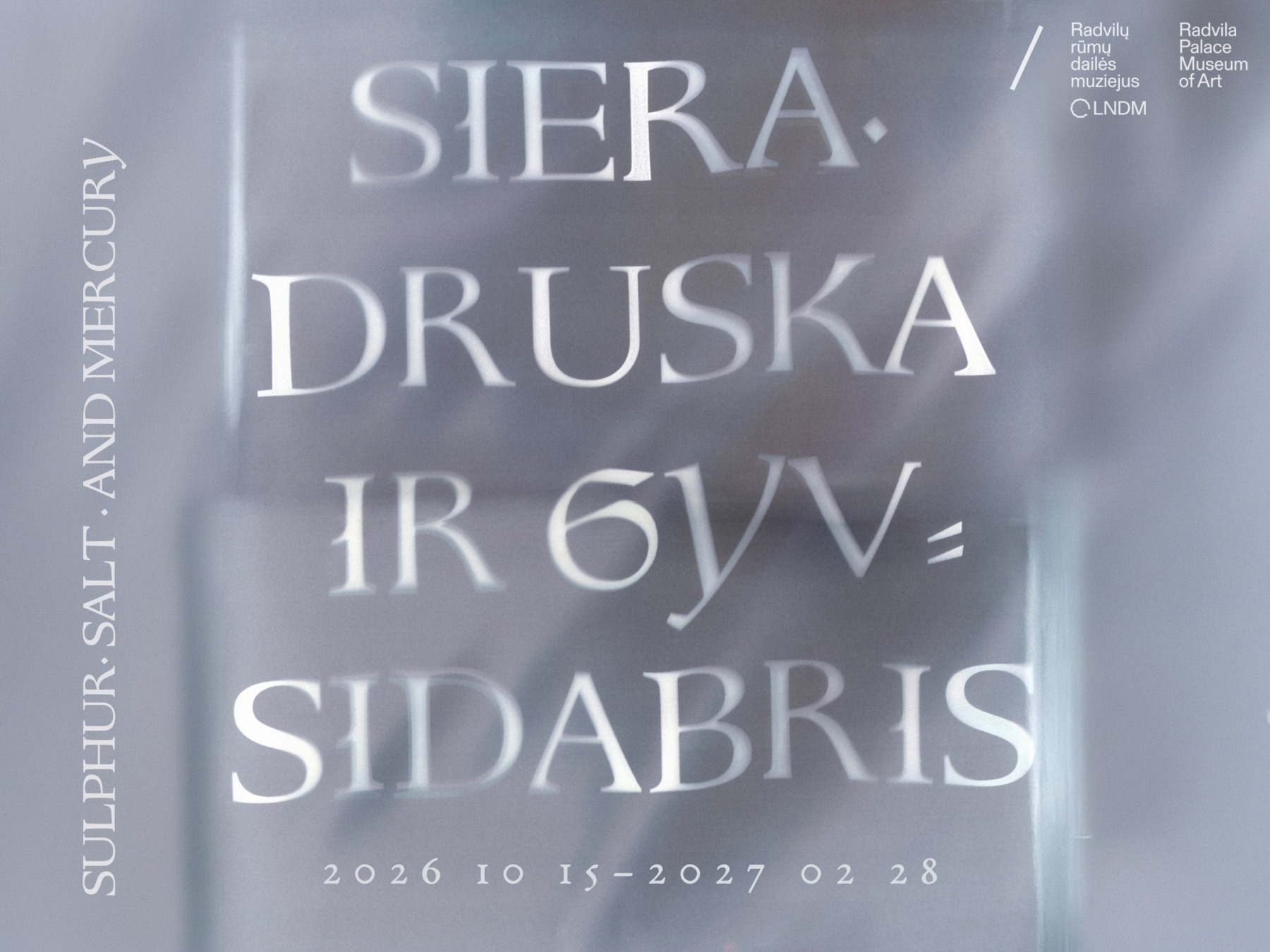
Sulphur, salt and mercury
Until 28 February
The exhibition is formed by the principles of alchemical thinking – the way of perceiving the world, when the surface of matter, the surface of spirit, and cognition are interconnected. The exhibition presents contemporary art practices, where the form and material stain of the work are particularly prominent.
Artists: Vaiva Grainytė, Urtė Janus, Morta Jonynaitė, Kamilė Krasauskaitė, Simona Rukuižaitė, Beatričė Mockevičiūtė. "Sulphur, salt and mercury" reveals the alchemical trio prima sampling: sulphur is associated with soul and activity, salt - with body and constancy, and mercury - with spirit and agility.
Vilnius Picture Gallery
Rimvydas Bartkus (b. 1961) Self-Portrait. 1986 Pencil on paper LNMA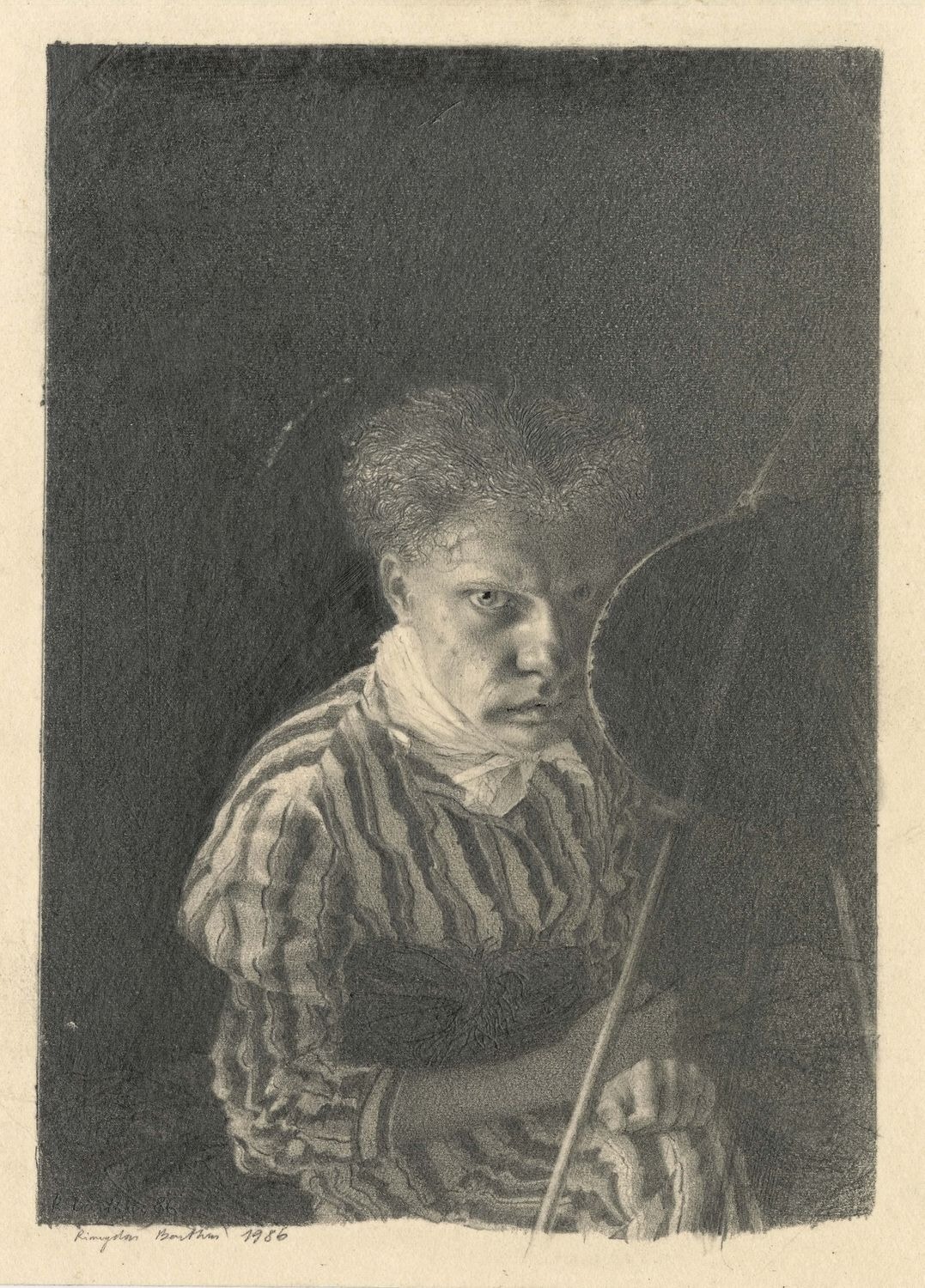
In The Beginning Was The Line
Until 10 January
The line was humanity’s first gesture in the attempt to comprehend and shape the world. Drawing became a link between gaze, thought, and the movement of the hand.This exhibition traces its journey – from academic discipline to free, conceptual thinking; from careful observation to the expression of inner impulse. Eight rooms present a concise overview of the Lithuanian tradition of drawing and its transformation over time. The exhibition opens with examples of academic drawing from the art departments of Vilnius University. It then moves through the Vilnius Drawing School and the interwar modernist period, continuing into the late 20th century and the work of contemporary artists. Five thematic sections – „Patience and Impulse“, „Discoveries in Everyday Life“, „Strokes of Personality“, „Contours of Ideas“, and „Undrawn Boundaries“ – not only survey the history of drawing, but also reassert its relevance and reveal the full breadth of its possibilities.
Vilnius city museum
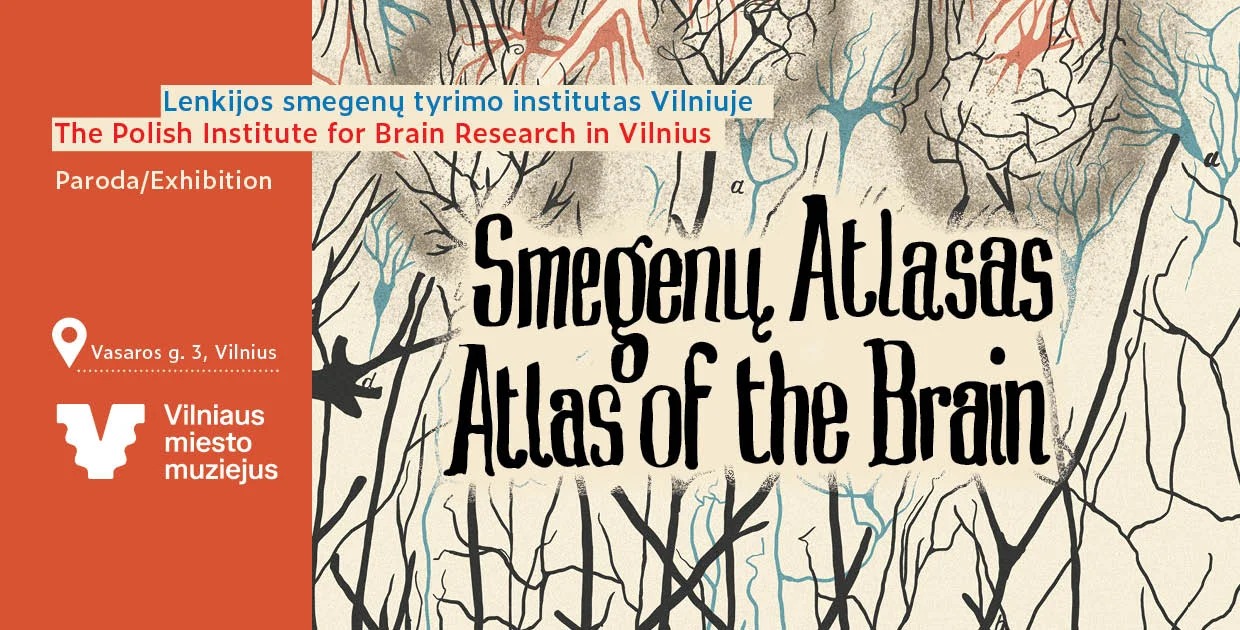
Atlas of the Brain. The Polish Institute for Brain Research in Vilnius
Until 13 December
At the turn of the 20th century, the human brain became one of Europe’s great scientific obsessions. New laboratories sought to locate intelligence, mental illness, individuality, and even genius within its material architecture, transforming brains into objects to be collected, measured, compared and pictured. These aims were often bound up with eugenics and dreams of improving the human race.
This exhibition returns to the largely forgotten Polish Institute for Brain Research in Vilnius, placing its history within this wider scientific and political field. Archive photographs, microscope preparations, atlases and documents are combined with contemporary artwork, exploring what archives cannot preserve: absence, myth, memory and desire. Rather than reconstruct the Institute’s lost archives, the exhibition asks how images produce knowledge and belief.
Galerija Vartai
Monika Radžiūnaitė. Oh, if only you knew what awaits you / O, si scires quid te exspectat / Oh, if only you knew what is expected of you, 2026. Oil on canvas, natural and artificial silver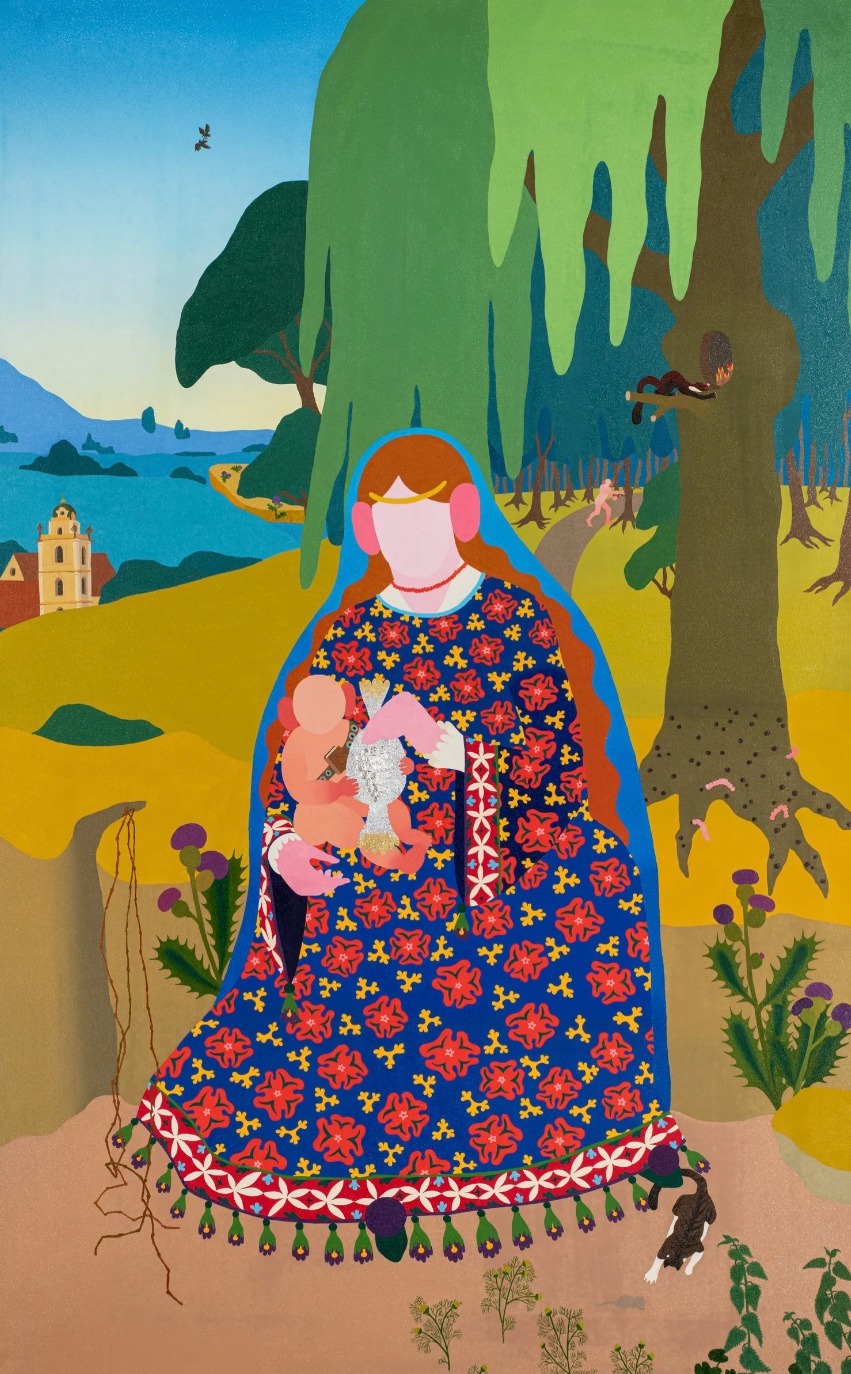
Garden
Until 20 November
In this exhibition, the image of the Garden is presented as a multi-layered metaphor encompassing personal memories, mythological narratives, fragments of pop culture, and the modern person's connection to the transcendent. It explores our relationship with symbolic spaces rich in tradition, which are increasingly becoming sterilized, aestheticized, and gentrified. The participants in "The Garden" reflect on the distinction between a flower worthy of a garden and a parasitic weed, while imagining themselves surrounded by metaphorical flora and fauna. From these contemplations ripen the fruits of individual and collective imagination: desires, fear, longing, love, and decay. In the two-dimensional garden installed within the gallery spaces, boundaries of beauty and value between a flower and a thorn gradually dissolve. In this blurring, we recall and relive the myth of the Garden, the ritual, and the metaphysical longing that arises in the absence of the latter.
(AV17) gallery
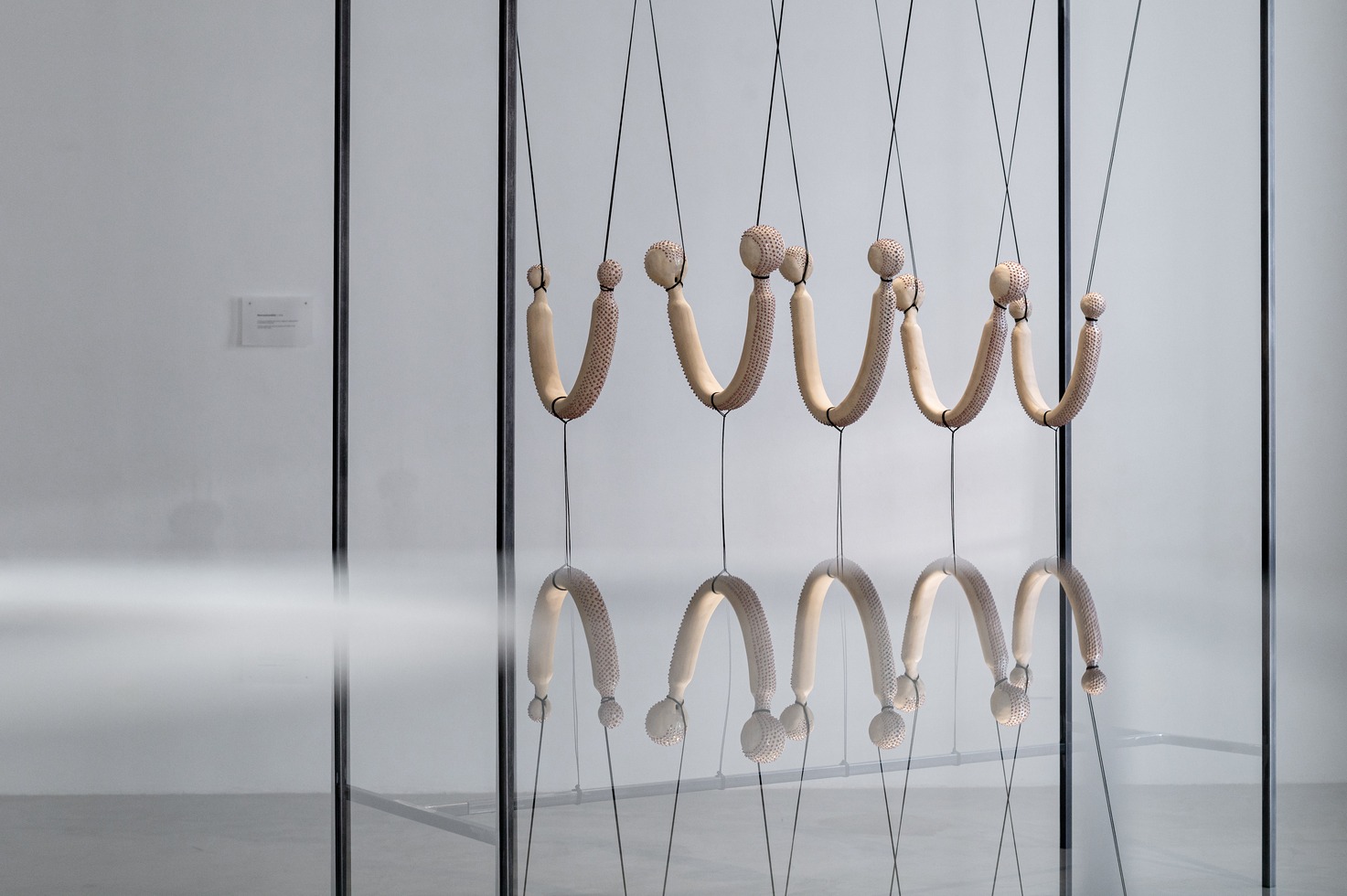
Arturas Bumšteinas, Elena Laurinavičiūtė, Alessandro Perini. Acoustic Density
Until 26 November
The group exhibition “Acoustic Density” presents works by three artists – Arturas Bumšteinas, Elena Laurinavičiūtė and Alessandro Perini – who explore the relationships between sound, physical form and movement. The exhibition is part of “Laconica”, an ongoing project by Pamėnkalnio Gallery. This year, the project focuses on sound as a form of minimalist artistic expression, connecting music, visual art and interdisciplinary practices. Minimalism is reflected in the close connection between form and concept, the use of limited means and attention to the essential aspects of the subject.
Through a range of artistic approaches, the artists explore the potential of acoustics beyond conventional ways of listening. Vinyl records, ceramic objects and electromechanical systems reveal the relationship between the source of sound, its physical form and the viewer’s experience. Each artist approaches the question of how something ephemeral by nature can be experienced in a different way. In “Acoustic Density”, sound is not simply heard – it is embodied, materialised, set in motion and observed. The exhibition is organised by Pamėnkalnio Gallery in collaboration with its project partner, (AV17) Gallery.
LITHUANIA, Kaunas
Meno Parkas Gallery
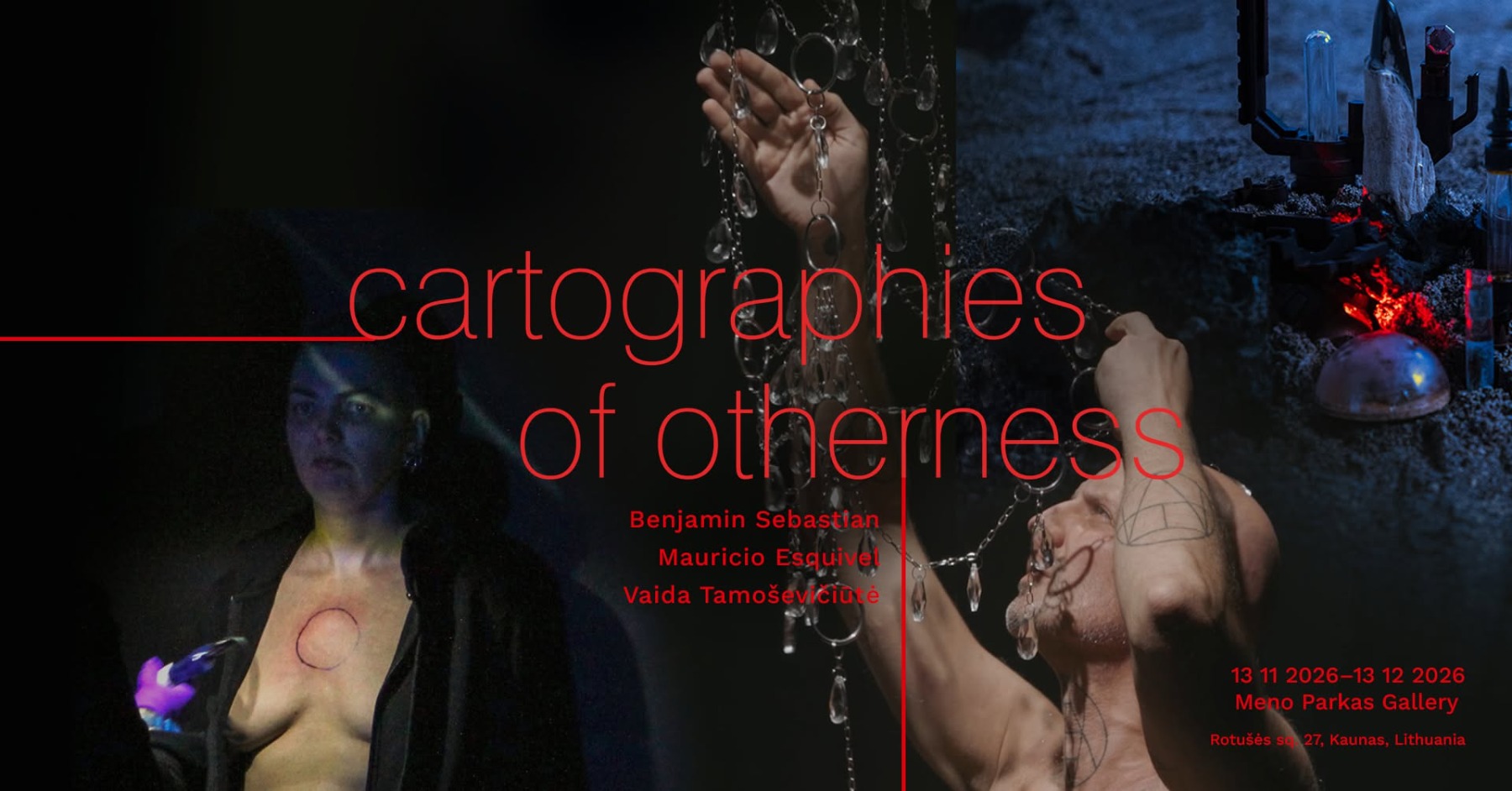
Cartographies of Otherness
13 November – 13 December
Cartographies of Otherness brings together Benjamin Sebastian, Vaida Tamoševičiūtė and Mauricio Esquivel to explore how coloniality moves through bodies, identities and lived experiences, and how inherited systems of power might be challenged and transformed. Through installation, textiles, sculpture, live performance and performance documentation, the artists examine otherness not as an inherent condition but as something produced through political, social and cultural structures.
Vaida Tamoševičiūtė explores feelings of shame and guilt, socially imposed norms, and relationships between people, places, and personal experiences. Mauricio Esquivel investigates the political and ecological systems through which borders, identities, and hierarchies are constructed. Benjamin Sebastian examines how coloniality shapes their experiences as a queer, autistic, disabled British settler Australian. Together, the three artists explore how established systems might be dismantled, rewritten and transformed, opening possibilities for other ways of knowing, relating and belonging.
LITHUANIA, Klaipėda
Klaipėda Culture Communication Center (KCCC)
Andrius Arutiunian, the Black Banquet (detail). Installation view, Recurse, 2026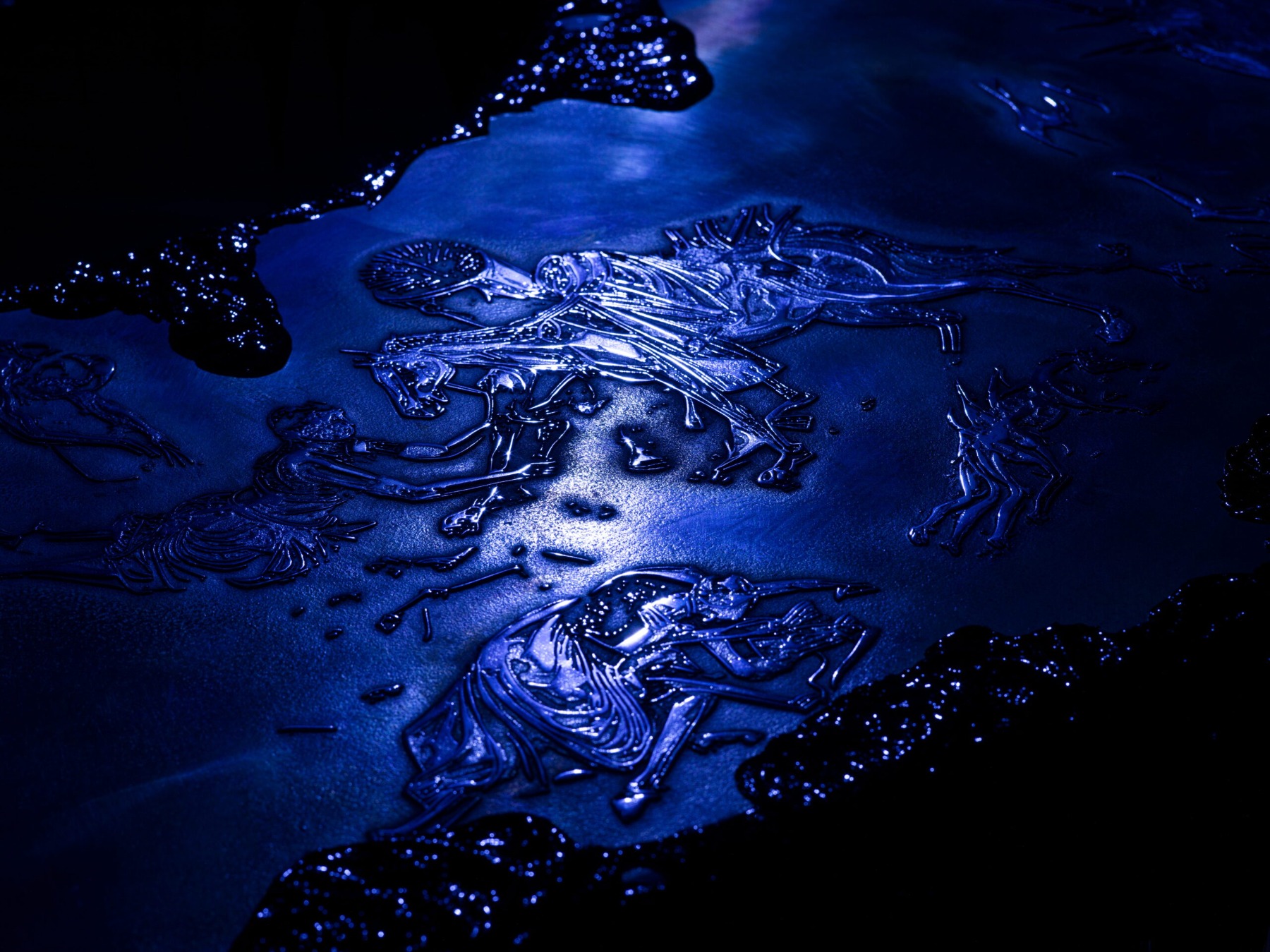
Andrius Arutiunian & Saodat Ismailova. Recurse
Until 31 December
KCCC Exhibition Hall, Klaipėda, presents Recurse, an overview of recent works by Armenian-Lithuanian artist and composer Andrius Arutiunian and Uzbek artist and filmmaker Saodat Ismailova. Between two mirrors, you find a recursion of your point of view: an image repeated inside itself. Recurse stages such a doubling. Arutiunian and Ismailova, artistic kindred spirits who have connected on a shared imaginary space since 2022, are brought into direct conversation across common terrain: Eastern cosmologies such as Zoroastrianism, vernacular knowledges, alternate temporalities, esotericism, life in the presence of death, forces of nature, and the extractive transformation of the Earth. Visitors move through the myths that shape both artists’ worlds, where ancient rituals, buried resources, and dreams of utopia return in different guises to press on the present.
Title image: Rasa Smite & Raitis Smits. Prompted Evolution
